


To truly understand chitrakoot in ramayana, one must look beyond standard mythological summaries and examine the exact geographical terrain where Lord Rama, Sita, and Lakshmana spent over eleven of their fourteen years in exile. Cradled in the northern spurs of the Vindhya mountain range along the border of Uttar Pradesh and Madhya Pradesh, Chitrakoot (“the hill of many wonders”) is described by Maharishi Valmiki as a divine sanctuary filled with dense forests, pristine rivers, and enlightened hermitages. For modern pilgrims and cultural travelers, navigating this sacred geography requires more than spiritual intent—it demands precise ground logistics, an understanding of regional road networks, and respectful adherence to local customs.
Table of Contents
Key Takeaways
- Scriptural Significance: Over half of Lord Rama’s exile was spent in Chitrakoot, documented in the Valmiki Ramayana through events like Bharat Milap and the penance of Sage Atri and Sati Anusuya.
- Core Sacred Sites: Essential pilgrimage locations include Kamadgiri Hill, Ram Ghat on the Mandakini River, Gupt Godavari caves, and Sphatik Shila.
- Ground Logistics: Accessible via NH-35 from Prayagraj (approx. 130 km) and Varanasi (approx. 250 km), requiring private chauffeured fleet transport for multi-destination travel.
- Pilgrimage Etiquette: Requires respectful observance during the 5-kilometer Kamadgiri parikrama and engagement with certified local priests for puja logistics.
| Site Name | Ramayana Connection | Logistical Requirement |
|---|---|---|
| Kamadgiri Hill | Physical embodiment of Lord Rama; site of the 5 km clockwise parikrama. | Walkable paved path; wear comfortable slip-on footwear. |
| Ram Ghat | Bathing and gathering spot for Rama, Sita, and Lakshmana along the Mandakini River. | Evening aarti attendance; local boat hire available. |
| Gupt Godavari | Twin rock-cut caves and subterranean stream where Rama and Lakshmana held secret court. | Located 18 km from town; requires wading through ankle-to-knee deep water. |
| Sphatik Shila | Rock boulder where Jayanta tested Sita and Rama deployed the Brahmastra. | Accessed via forested pathways along the Mandakini stream. |
| Anusuya Atri Ashram | Hermitage where Sati Anusuya counseled Sita and hosted the holy trinity. | Deep forest location; requires private chauffeured cab transport. |
Key Takeaways
- Scriptural Significance: Over half of Lord Rama’s exile was spent in the dense forests of Chitrakoot, sanctified by Valmiki Ramayana events such as Bharat Milap and the penance of sage Atri and Sati Anusuya.
- Core Sacred Sites: Essential locations include Kamadgiri Hill, Ram Ghat along the Mandakini River, Gupt Godavari caves, and Sphatik Shila.
- Ground Logistics: Easily accessible via NH-35 from Prayagraj (approx. 130 km) and Varanasi (approx. 250 km), requiring private chauffeured fleet transport for seamless multi-destination travel.
- Pilgrimage Etiquette: Respect local customs during the 5-kilometer Kamadgiri parikrama (circumambulation) and engage certified local priests for authentic puja logistics.
Scriptural Geography: Chitrakoot in the Valmiki Ramayana
When studying the narrative framework of the Valmiki Ramayana, Chitrakoot emerges not merely as a forested wilderness, but as a spiritual epicenter that provided solace to the exiled princes of Ayodhya. Maharishi Valmiki dedicated extensive cantos to describing the tranquil beauty of the Mandakini River, the melodious calls of exotic birds, and the comforting presence of great sages like Sage Atri and Sati Anusuya. According to sacred texts, it was here that Bharata arrived with the entire army of Ayodhya to plead with Rama to return to the throne—an emotional reunion commemorated today at the Bharat Milap temple.
As a premier Varanasi-based spiritual travel operator specializing in end-to-end ground support across the Ganges belt and surrounding sacred geography, TripCosmos.co frequently guides travelers who wish to experience these scriptural narratives firsthand. Moving from the bustling ghats of Varanasi or the expansive confluence in Prayagraj to the quiet forests of Chitrakoot allows pilgrims to trace the exact physical footsteps of the deities, bridging ancient epic literature with tangible geography.
VIP Sugam Darshan passes, verified outstation cabs, Ganga aarti boat allocations, and clean hotel stays — fully coordinated by our on-ground team.

Core Sacred Sites and Their Ramayana Connections
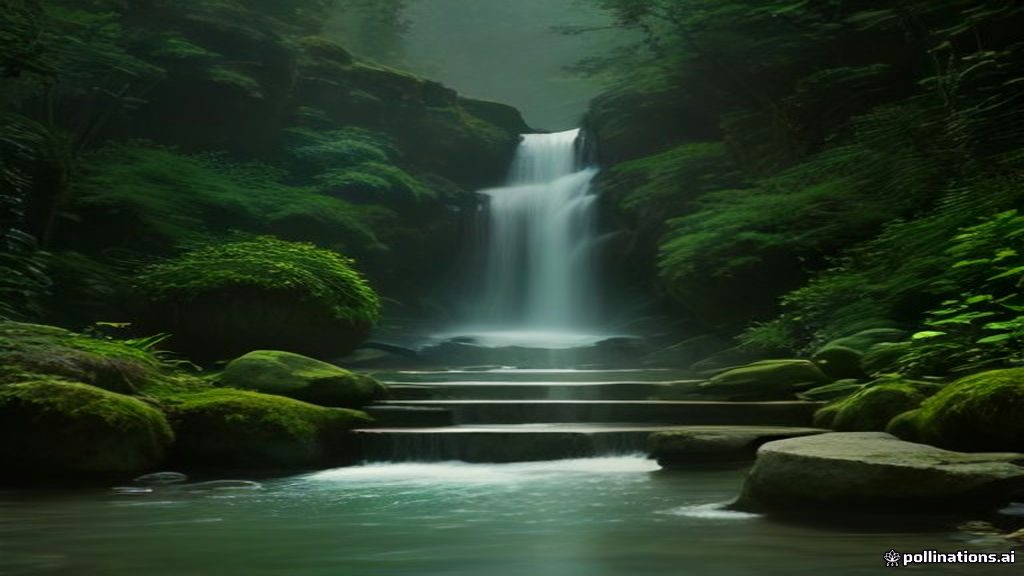
A comprehensive pilgrimage to Chitrakoot requires visiting several key sites directly tied to epic events. Each location holds specific ritual significance and historical context:
- Kamadgiri Hill: Considered the physical embodiment of Lord Rama, this forested sandstone hill is the focal point of Chitrakoot. Pilgrims perform the 5-kilometer clockwise parikrama (circumambulation) along a paved pathway lined with hundreds of small shrines, ashrams, and continuous chanting of the Ram dhun.
- Ram Ghat: Situated on the banks of the Mandakini River, this is where Rama, Sita, and Lakshmana performed ritual baths and met various sages. Today, it hosts the vibrant evening aarti. For those expanding their pilgrimage circuit to include Uttar Pradesh’s other sacred waters, exploring a Saryu River Ayodhya Ghat Aarti & Boat Ride Guide offers an insightful comparative look at riverside ritual traditions.
- Gupt Godavari: Located about 18 kilometers from the main town, these twin rock-cut caves feature a perennial subterranean stream where Rama and Lakshmana reportedly held secret court. Visitors wade through ankle-to-knee deep water inside the inner cavern, experiencing a unique geological and spiritual marvel.
- Sphatik Shila: A smooth rock boulder situated amidst dense foliage along the Mandakini stream, traditionally believed to be the spot where Jayanta (son of Indra) pecked at Sita’s feet in the form of a crow, prompting Rama’s fierce retaliation using a blade of grass transformed into a Brahmastra.
- Anusuya Atri Ashram: Nestled deep in the forest where the Mandakini originates, this hermitage honors Sati Anusuya, who explained the supreme duties of a devoted wife to Sita and pacified the trinity of Brahma, Vishnu, and Shiva by turning them into infants.

For travelers planning a broader spiritual tour across the region, understanding local boating traditions and ghat protocols is essential. You can review detailed logistical insights in our Ayodhya Saryu River Boating Guide: Ghats, Rates & Experience to benchmark your expectations for river transport across Uttar Pradesh.
Practical Ground Logistics & Travel Itinerary
Navigating rural district roads and managing parking restrictions during peak religious festivals (such as Amavasya, Somvati Amavasya, and Deepawali) requires meticulous planning. Below is the verified operational breakdown for reaching and touring Chitrakoot:
| Departure City | Distance & Route | Estimated Transit Time | Recommended Fleet Vehicle |
|---|---|---|---|
| Prayagraj | ~130 km via NH-35 (All-weather 4-lane highway) | 2.5 to 3 Hours | Sedan (Dzire/Etios) or AC SUV (Ertiga/Innova Crysta) |
| Varanasi | ~250 km via NH-35 / Mirzapur Highway | 5 to 6 Hours | Private AC SUV (Innova Crysta) for comfortable long-distance cruising |
| Ayodhya | ~280 km via Sultanpur-Prayagraj corridor | 6 to 7 Hours | Private Outstation Cab / Tempo Traveller for group tours |
Curated 2-Day Chitrakoot Itinerary
Day 1: Arrival & River Confluence
Depart early morning from Prayagraj or Varanasi via private chauffeured cab. Check into your hotel by noon. Begin your afternoon with a peaceful visit to Ram Ghat for a private boat ride on the Mandakini River, followed by attending the evening aarti. Conclude the day with a quiet dinner featuring pure vegetarian local cuisine.
Day 2: Parikrama & Subterranean Exploration
Start your morning at dawn with the 5 km circumambulation of Kamadgiri Hill. After breakfast, take an outstation cab to Gupt Godavari caves and Sphatik Shila. Complete your circuit with an afternoon visit to Anusuya Atri Ashram before embarking on your return journey or continuing onward to Ayodhya or Prayagraj.
Frequently Asked Questions
What is the best time of year to visit Chitrakoot?
The optimal time to visit Chitrakoot is between October and March, when pleasant winter weather makes outdoor parikramas and forest walks comfortable. Festival periods such as Deepawali (celebrated with millions of earthen lamps) and Somvati Amavasya draw large gatherings, offering vibrant cultural immersion alongside peak pilgrim footfall.
How do I arrange local transport for sightseeing in Chitrakoot?
Private outstation cab hire from your origin city (such as Varanasi or Prayagraj) is the most reliable transport method, as local auto-rickshaws and shared jeeps can be crowded or irregular for remote sites like Gupt Godavari and Anusuya Atri Ashram. Booking a dedicated vehicle ensures seamless point-to-point transit and secure parking near congested temple zones.
Is the Kamadgiri Parikrama physically demanding?
The 5-kilometer Kamadgiri parikrama path is fully paved and mostly flat, making it accessible for pilgrims of most fitness levels. However, devotees should wear comfortable walking sandals that are easy to slip on and off, as footwear must be removed when passing numerous roadside shrines along the sacred circuit.
What special precautions should be taken when visiting Gupt Godavari caves?
Visitors must be prepared to walk through ankle-to-knee deep water inside the inner subterranean chamber of Gupt Godavari. Carrying a small waterproof bag for electronics, wearing quick-dry clothing or rolled-up trousers, and holding onto the designated safety ropes will ensure a comfortable and secure experience.
Next step suggestion: Plan your multi-destination pilgrimage by exploring our customized private cab fleet and scholar-led tour packages bridging Varanasi, Ayodhya, and Chitrakoot.
About the Author: Aarav Sharma is a Senior Spiritual Itinerary & Pilgrimage Strategy Director. With over a decade of operational and digital expertise rooted in Varanasi, Aarav specializes in scaling high-intent pilgrimage platforms and crafting frictionless logistical frameworks for India's sacred corridors. He aligns authentic cultural immersion with rigorous digital visibility to connect travelers with verified heritage experiences.
Further reading: Incredible India Official Tourism Portal
3N4D Varanasi Prayagraj Tour Package
Starting from ₹11,500 / Person (Reserve with 30% advance deposit)
- ✓ VIP Priority Darshan Guidance
- ✓ Dedicated Sanitized AC Cab
- ✓ Handpicked 3/4-Star Stays + Breakfast
- ✓ 24/7 Local Concierge & Transparent Billing
Planning Your Varanasi & Ayodhya Pilgrimage?
TripCosmos guarantees verified Kashi Vishwanath Sugam Darshan passes (zero line waiting), private Dev Deepawali & Ganga Aarti Bajra boats, and verified Toyota Innova Crysta cabs with trusted local chauffeurs.