Your cart is currently empty!
You may check out all the available trips and book one that suits you.
Continue Browsing Trips
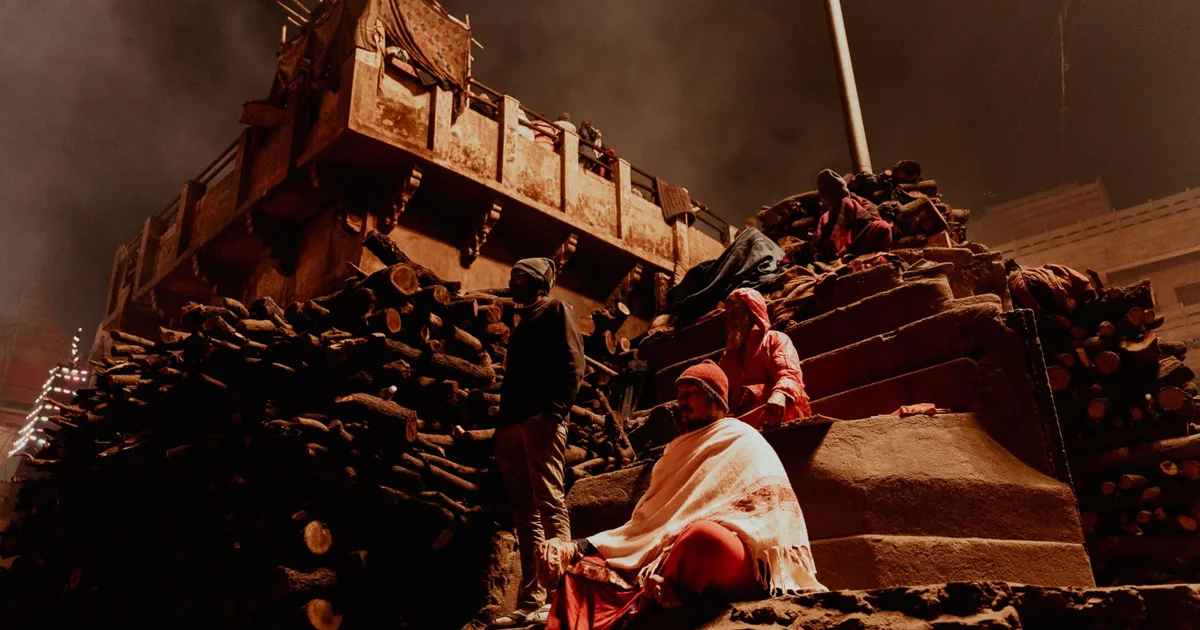
Honest comparison of Harishchandra Ghat vs Manikarnika Ghat in Varanasi. What to expect, etiquette, and how to visit both. Book Varanasi Tour Package with TripCosmos: 9336116210.
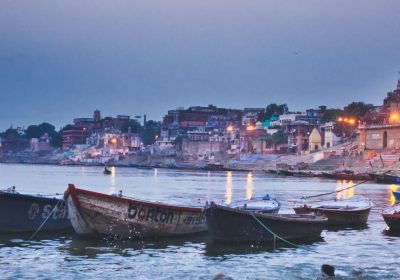
Varanasi has 84 ghats stretching along the western bank of the Ganga, but two of them carry a weight that the others simply do not — Harishchandra Ghat and Manikarnika Ghat. Both are cremation ghats. Both are considered among the most sacred sites in Hinduism. And both are places that visitors — pilgrims, cultural travellers, foreign tourists, and NRI families alike — find profoundly affecting in ways they did not anticipate before arriving.
Yet they are distinctly different in character, history, scale, and atmosphere. Understanding that difference is important before you visit either — and essential if you are planning to observe a cremation, perform a ritual, or simply absorb one of the most spiritually significant experiences available in India. This guide gives you an honest, respectful comparison of both ghats, and explains how TripCosmos can help you experience Varanasi’s ghat culture properly as part of a managed Varanasi Tour Package.
VIP Sugam Darshan passes, verified outstation cabs, Ganga aarti boat allocations, and clean hotel stays — fully coordinated by our on-ground team.
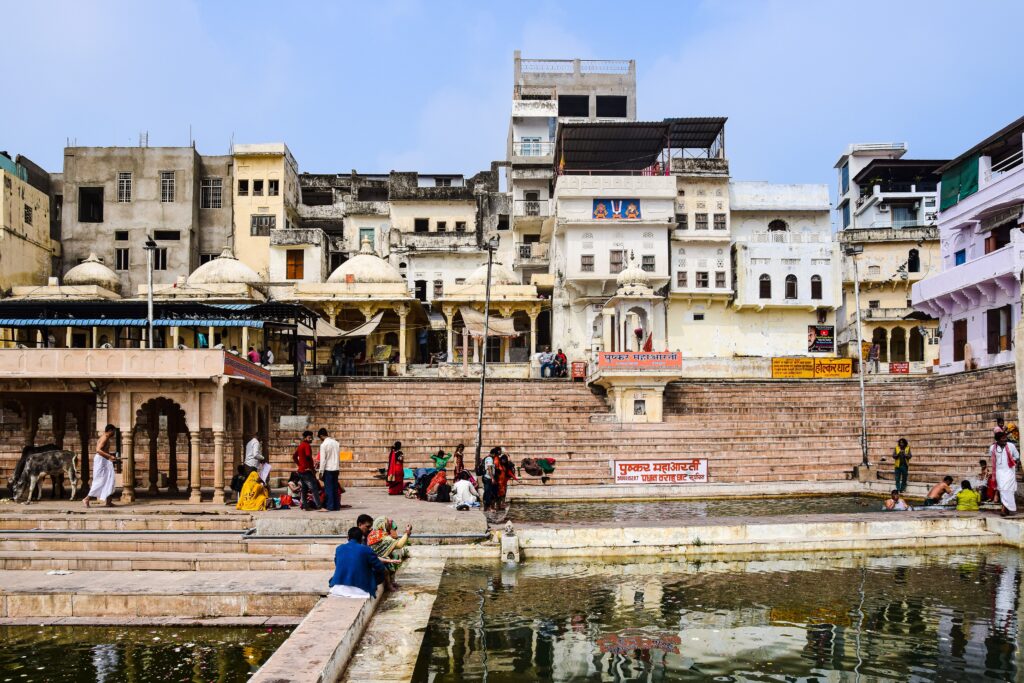
Both Harishchandra Ghat and Manikarnika Ghat are cremation ghats — also called Shamshan Ghats — where the dead are brought for last rites in accordance with Hindu tradition. According to Hindu belief, dying in Kashi and being cremated on its ghats grants moksha — liberation from the cycle of birth and death. The fires at both ghats burn continuously, day and night, without pause.
Both ghats are working sites of deep ritual significance. Visitors are permitted to observe respectfully, but photography is strictly prohibited and must never be attempted at either location. Both require the same baseline sensitivity — quiet presence, covered shoulders, no pointing, and complete deference to the families performing last rites.
Manikarnika Ghat is the primary and most sacred cremation ghat in Varanasi — and by extension, one of the most sacred in all of Hinduism. Its name comes from the earring (manikarnika) believed to have fallen here from the body of Goddess Sati. Lord Vishnu is said to have dug this spot with his Sudarshana Chakra, and Lord Shiva himself is believed to whisper the Taraka Mantra into the ears of those who die here, ensuring their liberation.
The scale of Manikarnika is striking. Dozens of funeral pyres may burn simultaneously on any given day. Dom Raja, the hereditary keeper of the sacred fire, oversees the cremations. The atmosphere is intense — dense with wood smoke, chanting, and the constant arrival of bodies carried on bamboo stretchers through the narrow lanes.
Manikarnika is located in the northern section of Varanasi’s main ghat belt, between Scindia Ghat and Jalasayin Ghat. It is the ghat most visitors mean when they speak of Varanasi’s cremation ground, and it is the one featured in most Bollywood films, documentaries, and travel writing about the city. Most TripCosmos Varanasi Tour Packages include a respectful guided observation of Manikarnika as part of the ghat walk — always handled with the sensitivity and contextual depth the site demands.
Harishchandra Ghat is the older of the two cremation ghats and carries equal spiritual legitimacy — though it operates at a noticeably smaller scale. It takes its name from the legendary King Harishchandra, who according to Hindu mythology worked as a servant at this cremation ground after sacrificing everything to uphold his commitment to truth. That story gives this ghat a distinct emotional and devotional atmosphere — it is associated with sacrifice, integrity, and the soul’s journey rather than purely with death.
Harishchandra Ghat is located further south along the ghat belt, near Kedar Ghat. It is significantly less crowded than Manikarnika, and the atmosphere — while carrying the same gravity — is quieter and more contained. The number of pyres burning at any given time is smaller, making it a somewhat less overwhelming introduction to Varanasi’s cremation culture for visitors who are approaching this subject for the first time.
This ghat is also historically significant as the site of India’s first electric crematorium — an unusual juxtaposition of ancient ritual and modern infrastructure built side by side.
Manikarnika is larger, more active, and more visually intense — dozens of simultaneous pyres and constant funeral processions. Harishchandra is smaller and quieter — more accessible for first-time visitors. Manikarnika sits near Scindia Ghat in the north; Harishchandra is near Kedar Ghat in the south. Both are accessible by foot or by boat — the boat being the most respectful way to observe either from a distance.
Both ghats charge no entry fee and welcome visitors of all backgrounds and faiths who approach with genuine respect. Neither ghat is a tourist attraction in the conventional sense — they are living, working sacred spaces where families are in grief. That understanding must guide every aspect of how you approach and observe them.
The ghats of Varanasi are best experienced with someone who knows them — their history, their etiquette, their unspoken rules, and the context that makes each pyre and each chant part of something ancient and still living. TripCosmos offers a comprehensive Varanasi Tour Package with Hotel and Cab that includes a guided ghat experience covering both Harishchandra and Manikarnika — handled with the depth and respect these sites demand.
Our Varanasi Tour Package starts from ₹4,500 per person for a group of four on a two-day, one-night itinerary. This includes a verified hotel near the ghats, private cab for local sightseeing, a Ganga Boat Ride in Varanasi covering the full ghat belt from Assi to Manikarnika, Kashi Vishwanath temple darshan coordination, the evening Ganga Aarti at Dashashwamedh Ghat, and an English and Hindi-speaking guide for the ghat walk.
The boat ride is an ideal way to view both cremation ghats — from the river, with the guide providing full context, without intruding on the families performing rituals on the banks. For pilgrims wishing to perform specific rituals or a holy dip at Assi Ghat, our Varanasi Ayodhya Prayagraj Tour Package extends this experience into a multi-city sacred journey.
Call or WhatsApp 9336116210 to confirm your Varanasi package today.
Photography of any kind is strictly forbidden at both ghats — cameras, phones, any recording device — without exception. Dress modestly with covered shoulders and legs. Remove footwear before the ghat steps. Never point at pyres, never enter inner cremation areas, and never offer money for access to the Dom Raja or workers. Maintain silence throughout.
TripCosmos guides brief every visitor on these rules before approaching either ghat. No one in our care has ever caused offence at these sacred sites.
Yes. Both ghats are open to visitors of all nationalities and faiths who approach with respect and follow the etiquette rules. Photography is strictly prohibited. TripCosmos recommends visiting with a guide who can provide context and ensure you approach both sites appropriately.
For first-time visitors, Harishchandra Ghat offers a somewhat quieter introduction to Varanasi’s cremation culture. Manikarnika is more intense and visually overwhelming. A boat ride on the Ganga Boat Ride in Varanasi allows you to observe both ghats from the river — which is the most respectful and recommended approach for all visitors.
Our Varanasi Tour Package starts from ₹4,500 per person for a group of four on a two-day, one-night itinerary with hotel, private cab, guide, boat ride, and Ganga Aarti viewing included. Call 9336116210 for a personalised quote based on your group size and travel dates.
Respectful, silent observation from a distance is acceptable at both ghats. Visitors should never photograph, never enter the inner cremation area, and never treat the experience as entertainment. TripCosmos guides ensure that every visitor understands this before approaching either ghat.
Can TripCosmos arrange the full Varanasi ghat walk covering all major ghats? Yes. Our guided ghat walk covers the full belt from Assi Ghat to Manikarnika, including Dashashwamedh, Kedar, Harishchandra, Scindia, and all major ghats in between — combined with our Varanasi Cab Service for comfort between the northern and southern ends of the ghat belt.
Harishchandra Ghat and Manikarnika Ghat are not stops on a checklist. Experienced with the right guide and the right respect, they change how you understand life, death, and the living city of Varanasi. TripCosmos ensures your full ghat experience — boat ride, guided walk, darshan, and stay — is handled with both depth and care.
Call or WhatsApp now: 9336116210 Visit: www.tripcosmos.co
Book your Varanasi Tour Package with Hotel and Cab today. Your Kashi experience begins the moment you reach out.
VIP Sugam Darshan passes, verified outstation cabs, Ganga aarti boat allocations, and clean hotel stays — fully coordinated by our on-ground team.
Starting from ₹11,500 / Person (Reserve with 30% advance deposit)
TripCosmos guarantees verified Kashi Vishwanath Sugam Darshan passes (zero line waiting), private Dev Deepawali & Ganga Aarti Bajra boats, and verified Toyota Innova Crysta cabs with trusted local chauffeurs.

One Comment
Comments are closed.