

Preparing for a spiritual journey to the sacred forests of the Sitapur district requires understanding both the local climate and traditional pilgrimage logistics. Whether you are checking the naimisharanya weather today before departing from Lucknow or planning a multi-day immersion, matching your packing list and travel schedule to seasonal realities ensures an uninterrupted connection with this ancient tirtha. As one of the most revered abodes of Lord Vishnu, Naimisharanya demands physical comfort so your focus remains entirely on devotion, temple darshan, and ritual bathing.
Table of Contents
Key Takeaways for Naimisharanya Pilgrimage
- Seasonal Planning: Summer temperatures exceed 42°C requiring early morning rituals, while winters drop to 8°C.
- Chakra Tirth Etiquette: Prioritize morning ritual bathing for ideal conditions and safety on slick stone ghats.
- Logistics & Fleet: Utilize private transport or optimized Tempo Travellers from Lucknow or Varanasi for seamless regional yatras.
- Accommodation: Choose between traditional dharamshalas and modern AC guest houses based on family or senior comfort needs.
| Season | Temperature Range | Best Activities | Pilgrim Essentials |
|---|---|---|---|
| Summer (Mar–Jun) | 40°C – 44°C | Early morning darshan, Chakra Tirth visits (6 AM–10 AM) | Loose cotton wear, hydration, umbrella |
| Monsoon (Jul–Sep) | 30°C – 35°C (High Humidity) | Indoor scripture study, temple visits during breaks | Rain gear, sturdy footwear for wet ghats |
| Winter (Oct–Feb) | 8°C – 25°C | All-day parikrama, extended temple runs | Light woolens, shawls, socks for stone floors |
Key Takeaways for Your Naimisharanya Pilgrimage
- Seasonal Extremes: Summer temperatures in Sitapur district regularly breach 42°C, requiring loose cotton wear, while winter nights drop to a crisp 8°C.
- Chakra Tirth Etiquette: Ritual bathing requires adherence to local customs; morning hours are ideal before afternoon heat or winter fog sets in.
- Ground Transport Logistics: Navigating rural Sitapur highways safely during peak monsoon or foggy winter mornings calls for reliable vehicles, such as booking an optimized Naimisharanya Tempo Traveller to keep family groups together.
- Extended Itineraries: Many pilgrims combine Naimisharanya with broader regional yatras, coordinating a seamless Ayodhya private cab tour to connect major sacred sites across Uttar Pradesh.
Understanding Naimisharanya Weather by Season
The micro-climate of Naimisharanya and surrounding Sitapur district directly influences how pilgrims experience ancient sites like the Lalita Devi Temple and Vyasa Gaddi. Knowing the seasonal weather patterns helps you avoid physical exhaustion during intense summer months and prepares you for the damp chill of winter mornings.
Summer (March to June): Managing High Heat
During peak summer, checking the naimisharanya weather often reveals afternoon temperatures soaring between 40°C and 44°C. Local temples, including the primary shrines, typically observe a afternoon break for deities between 12:00 PM and 4:00 PM, which naturally aligns with the hottest hours of the day. Pilgrims should schedule outdoor rituals, parikrama walks, and visits to Chakra Tirth during the early morning hours (6:00 AM to 10:00 AM) or late evening after sunset.
VIP Sugam Darshan passes, verified outstation cabs, Ganga aarti boat allocations, and clean hotel stays — fully coordinated by our on-ground team.
Monsoon (July to September): Humidity and Ritual Bathing
Monsoon brings vital relief from the searing heat, accompanied by high humidity and moderate to heavy rainfall across the Gangetic plains. While the surrounding forest canopy turns deeply verdant, unexpected downpours can affect rural roads connecting Lucknow and Sitapur. Ground operations require experienced drivers who understand local highway conditions during heavy cloud cover.
Winter (October to February): The Ideal Pilgrim Window
Winter is widely considered the best time for spiritual journeys. Daytime temperatures hover comfortably between 15°C and 25°C, making all-day temple runs and long heritage walks exceptionally pleasant. However, early mornings and late nights bring chilly winds with temperatures dropping near 8°C, necessitating light woolens, shawls, and socks for stone-paved temple courtyards.
Sacred Sites: Chakra Tirth and Local Temple Essentials
The spiritual heartbeat of Naimisharanya is Chakra Tirth, a circular water tank believed to have been formed by the divine discus of Lord Vishnu. Understanding local management and ritual etiquette at this site ensures a respectful and spiritually fulfilling visit.
Ritual Bathing at Chakra Tirth
Pilgrims gather at Chakra Tirth for sacred ablutions, particularly on auspicious days like Amavasya and Kartik Purnima. Municipal water management and local temple priests maintain the ghat steps, but pilgrims should remain mindful of wet, slippery stone surfaces. Carrying a dry change of clothes, traditional dhotis or kurtas, and a small towel is essential.
Beyond Chakra Tirth, the region houses holy shrines dedicated to Goddess Lalita Devi, Hanuman Garhi, and the sacred Vyasa Gaddi where ancient scriptures were compiled. Dress codes are strictly traditional: men generally wear dhotis or kurtas, while women wear traditional sarees or salwar kameez. Leather items, belts, and large electronic devices are prohibited inside the inner sanctums, so storing valuables securely in your private vehicle is strongly advised.
Dharamshala in Naimisharanya and Accommodation Standards
Securing comfortable lodging is a vital part of pilgrimage planning. Naimisharanya offers a range of options, from traditional charitable dharamshalas run by spiritual trusts to modern guest houses.
While traditional dharamshalas in Naimisharanya provide basic, economical lodging for sadhus and austere pilgrims, families and senior citizens often prefer clean, air-conditioned rooms with reliable power backup and attached western bathrooms. Because local water supply and electricity can occasionally fluctuate during peak summer grid loads or heavy monsoon storms, booking verified accommodations with private operators ensures predictable comfort during your stay.
Logistical Planning: Transport and Ground Support
Naimisharanya is located approximately 90 kilometers from Lucknow, making it an accessible day trip or weekend retreat. However, relying on sporadic local buses can disrupt a tight darshan schedule. To maximize your time, secure reliable ground transport, such as a dedicated Tempo Traveller (referencing current 2026/2027 rates), to comfortably navigate fluctuating regional road conditions and keep your family or tour group together.
For pilgrims mapping out an extensive Uttar Pradesh spiritual tour, integrating seamless transfers allows you to transition smoothly from Naimisharanya down to Ayodhya and Prayagraj without logistical friction.
Frequently Asked Questions
What is the best time of year to visit Naimisharanya for comfortable weather?
The winter months between October and February offer the most pleasant weather for pilgrims, with daytime temperatures ranging from 15°C to 25°C, making outdoor parikrama and temple visits ideal.
Are dharamshalas in Naimisharanya suitable for families and senior citizens?
While traditional dharamshalas offer basic, austere rooms for spiritual travelers, families and seniors often prefer upgraded private guest houses or hotels that feature reliable air conditioning, clean running water, and backup generators.
How should pilgrims dress when visiting Chakra Tirth and local temples?
Traditional, modest attire is mandatory. Men should wear dhotis or cotton kurtas, while women should wear traditional sarees or suits. Leather shoes, belts, and large bags must be left outside or secured in your transport.
What is the most reliable way to travel to Naimisharanya from Lucknow?
Renting a private outstation cab or booking a dedicated air-conditioned tempo traveller provides the safest and most convenient door-to-door transit, bypassing the uncertainties of public bus schedules.
About the Author: Acharya Satish Mishra is a Senior Pilgrimage Logistics & Heritage Strategist. With over two decades of grassroots experience navigating the sacred geographies of Varanasi, Prayagraj, and Ayodhya, Acharya Satish Mishra bridges traditional spiritual practices with modern logistical precision. He specializes in engineering seamless pilgrimage itineraries, managing VIP ritual access, and providing authentic, scholar-led heritage documentation for travelers seeking deep cultural immersion.
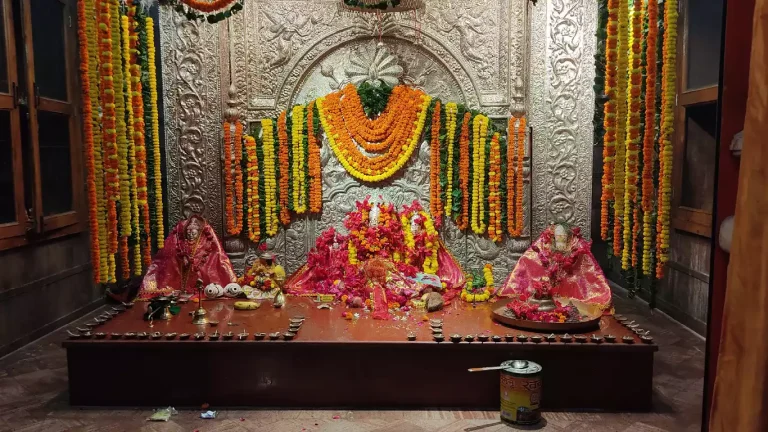
7N8D Varanasi Prayagraj Ayodhya Naimisharanya Tour Package
Starting from ₹18,000 / Person (Reserve with 30% advance deposit)
- ✓ VIP Priority Darshan Guidance
- ✓ Dedicated Sanitized AC Cab
- ✓ Handpicked 3/4-Star Stays + Breakfast
- ✓ 24/7 Local Concierge & Transparent Billing
Planning Your Varanasi & Ayodhya Pilgrimage?
TripCosmos guarantees verified Kashi Vishwanath Sugam Darshan passes (zero line waiting), private Dev Deepawali & Ganga Aarti Bajra boats, and verified Toyota Innova Crysta cabs with trusted local chauffeurs.