8Day Varanasi Ayodhya Prayagraj and Magh Mela Tour Package ,Imagine experiencing not just three of India’s holiest cities but also witnessing one of the world’s largest religious gatherings—all in a single, transformative eight-day journey. This enhanced pilgrimage circuit combines the eternal spirituality of Varanasi, the epic grandeur of Ayodhya, and the sacred confluence of Prayagraj with the extraordinary spectacle of Magh Mela. It’s an opportunity that comes once a year, offering pilgrims and travelers an experience that’s both deeply traditional and utterly unforgettable.
The addition of Magh Mela to the standard circuit transforms a profound pilgrimage into something exceptional. Magh Mela, held annually during the Hindu month of Magh (January-February), attracts millions of devotees to Prayagraj’s Triveni Sangam. While not as massive as the Kumbh Mela held every twelve years, Magh Mela offers a more accessible yet equally authentic experience of India’s ancient pilgrimage traditions. You’ll witness rituals unchanged for millennia, interact with holy men who’ve renounced worldly life, and participate in spiritual practices that connect you directly with living Hindu tradition.
Understanding Magh Mela: The Mini Kumbh
History and Significance
8Day Varanasi Ayodhya Prayagraj and Magh Mela Tour Package ,Magh Mela has roots stretching back thousands of years, mentioned in ancient Hindu texts as a time when bathing at the Sangam carries special spiritual merit. The name comes from the Hindu calendar month of Magh, considered particularly auspicious for pilgrimage and spiritual practice. Unlike ordinary days, bathing at the confluence during Magh Mela is believed to cleanse sins from multiple lifetimes and accelerate spiritual progress.
The mela follows astronomical calculations based on planetary positions. When Jupiter, the sun, and the moon align in specific configurations, the spiritual potency of the Sangam increases manifold. Devotees believe that bathing during these peak times—called Shahi Snan or Royal Bath days—brings maximum spiritual benefit. The entire month-long festival attracts between 10-15 million pilgrims, though numbers spike dramatically on auspicious bathing dates.
When and Where Magh Mela Happens
Magh Mela occurs annually in Prayagraj during the Hindu month of Magh, typically spanning January and February in the Gregorian calendar. The exact dates vary yearly based on the lunar calendar, but it generally begins on Makar Sankranti (around January 14-15) and continues for about 45 days until Maha Shivratri.
The mela grounds sprawl across several square kilometers at the Sangam—the confluence where the Ganges, Yamuna, and mythical Saraswati rivers meet. Temporary infrastructure transforms the area into a functioning city with camps, markets, medical facilities, power supply, and water systems. The government and organizing authorities create designated bathing ghats, paths for processions, and sectors for different akharas (monastic orders) to establish their camps.
Why Combine This Circuit with Magh Mela
Spiritual Synergy of the Journey
Combining Varanasi, Ayodhya, and Prayagraj with Magh Mela creates powerful spiritual momentum. You begin in Varanasi, absorbing the city’s timeless devotion to Shiva and the Ganges. You continue to Ayodhya, connecting with Rama’s legacy and the Ramayana’s teachings. Finally, you culminate at Prayagraj during Magh Mela, where the concentrated spiritual energy of millions of pilgrims amplifies your personal practice.
This progression mirrors traditional pilgrimage philosophy—you prepare your mind and spirit through temple visits and rituals before arriving at the peak experience. By the time you reach Magh Mela, you’ve developed context and understanding that makes the experience more meaningful than if you’d attended the mela in isolation. You’re not just a spectator but a participant in an ancient tradition you now partially understand.
Cultural Immersion Opportunities
Magh Mela offers cultural immersion impossible to replicate elsewhere. Where else can you witness Naga Sadhus—ash-covered ascetics who remain naked even in winter cold—processing to the Sangam for their ritual baths? Where else can you hear continuous chanting, devotional singing, and spiritual discourses from dawn until late night? The mela becomes a living classroom in Hindu philosophy, practice, and cultural diversity.
The combination with Varanasi and Ayodhya provides contrast that enhances appreciation. Varanasi’s ancient, organic spirituality differs from Ayodhya’s epic-narrative devotion, which differs from Prayagraj’s concentrated pilgrimage energy during Magh Mela. Experiencing all three helps you understand Hinduism’s multifaceted nature—it’s not monolithic but incredibly diverse while remaining unified by core beliefs.
Best Time and Booking Considerations
Magh Mela Calendar
For 2025, Magh Mela begins on January 13 (Makar Sankranti) and continues through February. The most auspicious bathing dates—Shahi Snan days—attract the largest crowds. These typically include Makar Sankranti (January 13-14), Mauni Amavasya (January 29), Basant Panchami (February 3), and Maha Shivratri (February 26).
Timing your eight-day tour to include at least one Shahi Snan provides the complete Magh Mela experience. However, these peak days also bring maximum crowds and logistical challenges. Many travelers prefer arriving just before or after a Shahi Snan, experiencing some intensity while avoiding the absolute peak chaos. Your tour operator can advise on optimal timing based on your preferences—maximum spiritual authenticity versus comfort and manageability.
Advance Planning Requirements
Magh Mela tours require advance booking—ideally 2-3 months ahead, and even earlier for peak dates. Accommodation in Prayagraj becomes extremely limited as the mela approaches. The city’s normal hotel inventory fills quickly, and mela camps book up as demand increases. Transportation also requires advance arrangement—vehicles get booked, and drivers familiar with mela navigation command premium rates.
Early booking also allows better rates and more options. Last-minute bookings face inflated prices and limited availability, often forcing compromises on accommodation quality or itinerary preferences. Tour operators offering fixed-departure group tours typically have allocation of mela camps and can secure better rates than individual travelers booking independently.
Day 1: Arrival in Varanasi – Gateway to Spirituality
Airport Transfer and Hotel Check-in
Your spiritual odyssey begins as you land at Lal Bahadur Shastri International Airport in Varanasi or arrive at Varanasi Junction railway station. The package includes personalized pickup—your driver will be waiting with a name placard, ensuring a smooth start. The transfer to your hotel typically takes 30-45 minutes depending on location and traffic.
Check into your hotel, which is strategically located near the ghats for easy access to the river and major temples. After freshening up and having lunch, you have free time to rest from your journey or begin exploring the immediate neighborhood. Your hotel staff can provide orientation about local amenities, ATMs, and shops selling essentials you might need for the journey ahead.
Evening Exploration and Ganga Aarti
The evening brings your first encounter with Varanasi’s spiritual intensity—the famous Ganga Aarti at Dashashwamedh Ghat. Your guide meets you at the hotel around 5:30-6:00 PM for the short walk or ride to the ghat. Arrive by 6:15 PM to secure good viewing positions before the ceremony begins around 6:45 PM.
The aarti is mesmerizing—seven priests performing synchronized rituals with fire, bells, conch shells, and chanting. The energy is palpable as hundreds of spectators witness this daily offering to Mother Ganga. You can view from the ghat steps, from a boat on the river (offering excellent photographic perspective), or from nearby rooftop cafes. Each vantage point offers different experiences—choose based on your preferences.
Orientation and Pre-Journey Briefing
After the aarti, enjoy dinner at a riverside restaurant where your guide provides detailed orientation about the eight-day journey ahead. This briefing covers daily schedules, what to expect at each destination, Magh Mela specifics, packing tips for the mela days, safety protocols, and opportunities to ask questions about anything concerning you.
This first evening sets the tone—relaxed yet organized, spiritual yet practical. The briefing ensures everyone understands what lies ahead, particularly the more challenging Magh Mela portion. Return to your hotel early, as tomorrow begins before dawn with one of Varanasi’s most iconic experiences.
Day 2: Deep Dive into Varanasi
Sacred Sunrise Boat Ride
Wake before dawn for the quintessential Varanasi experience—a sunrise boat ride on the Ganges. Your boatman waits at your designated ghat around 5:30 AM. As the boat glides along the river, the eastern sky gradually lightens, revealing the ghats in soft morning radiance. This is when Varanasi reveals its soul—pilgrims taking holy dips, priests performing pujas, sadhus meditating, and at certain ghats, the eternal cremation fires burning.
The 90-minute boat ride passes major ghats—Assi, Kedar, Harishchandra (cremation ghat), Manikarnika (main cremation ghat), Dashashwamedh, and many others. Your boatman explains the significance of each ghat while you absorb the sights, sounds, and atmosphere. The experience is simultaneously serene and intense, contemplative and overwhelming. Bring your camera but also take moments to simply be present without the lens barrier.
Kashi Vishwanath Temple Complex
After breakfast at your hotel, visit the Kashi Vishwanath Temple, one of the twelve Jyotirlingas and Varanasi’s most sacred shrine. The recently developed Kashi Vishwanath Corridor has transformed access to this ancient temple, creating wide approaches and better crowd management. However, it remains intensely popular, requiring patience through security checks and darshan queues.
The temple’s spiritual intensity is undeniable—centuries of devotion have charged this space with palpable energy. Non-Hindus cannot enter the inner sanctum containing the Jyotirlinga, but the outer areas and the corridor provide impressive experiences. The architecture blends ancient tradition with modern infrastructure, creating controversy among purists but undeniably improving visitor experience. Photography is prohibited inside, encouraging you to be fully present rather than documenting.
Old City Walking Tour
The afternoon features a walking tour through Varanasi’s ancient lanes—an intricate maze of narrow alleys where life continues much as it has for centuries. Your guide leads you through areas featuring silk weaving workshops where families create famous Banarasi sarees, traditional paan shops preparing betel leaf concoctions, brass and copper metalworkers crafting religious items, small temples tucked into unexpected corners, and markets selling everything from flowers to religious paraphernalia.
This walking tour reveals Varanasi beyond the ghats—the residential city where approximately 1.2 million people live, work, and maintain traditions passed down through generations. It’s chaotic, colorful, sometimes overwhelming, always fascinating. The lanes are barely wide enough for two people to pass, creating intimate encounters with daily life. You’ll see children playing, shopkeepers conducting business, women performing household rituals, and elderly residents sitting outside their homes watching the world pass by.
Day 3: Sarnath and Varanasi’s Hidden Gems
Buddhist Pilgrimage to Sarnath
Day three begins with a half-day excursion to Sarnath, located about 10 kilometers from Varanasi. This is where Buddha delivered his first sermon after attaining enlightenment, making it one of Buddhism’s four holiest sites. The contrast with Hindu Varanasi is striking—Sarnath exudes tranquility, with manicured gardens, ancient stupas, and the serene energy of Buddhist practice.
Key sites include the Dhamek Stupa, a massive cylindrical structure marking the spot where Buddha taught, the Sarnath Archaeological Museum housing the famous Ashoka Lion Capital (India’s national emblem) and other exquisite Buddhist sculptures, ruins of ancient monasteries showing the architectural sophistication of Buddhist establishments, and modern temples built by various Buddhist nations, each reflecting different architectural traditions—Thai, Tibetan, Japanese, and others.
Allocate 3-4 hours for Sarnath, including travel time. The site invites contemplation—many visitors find themselves sitting in meditation or simply absorbing the peaceful atmosphere. The museum is particularly impressive, containing some of India’s finest Buddhist art.
Afternoon Temple Circuit
Return to Varanasi for lunch, then visit temples beyond the famous Kashi Vishwanath. Options include Durga Temple (also called Monkey Temple for its resident simian population), featuring distinct red architecture and active Durga worship, Tulsi Manas Temple, dedicated to Lord Rama and featuring walls inscribed with the Ramcharitmanas epic, Sankat Mochan Hanuman Temple, one of Varanasi’s most popular temples with continuous devotional singing, and Bharat Mata Temple, unique for containing a marble relief map of undivided India rather than deity idols.
Each temple has distinct character and devotional focus, illustrating Hinduism’s diversity within Varanasi itself. Your guide explains the theological and cultural significance of each tradition, helping you understand how different forms of Hindu worship coexist in this sacred city.
Cultural Evening Program
The evening features a cultural program—either a classical music performance or traditional dance. Varanasi has produced legendary musicians and maintains living traditions of Hindustani classical music. Attending a performance provides insight into art forms that are themselves spiritual practices. Alternatively, witness a classical Kathak dance performance, which often depicts stories from Hindu mythology.
These cultural experiences deepen your understanding of how spirituality permeates Indian arts. Music and dance aren’t mere entertainment but vehicles for expressing devotion, teaching philosophy, and achieving transcendent states. After the performance, enjoy dinner featuring Banarasi specialties before returning to your hotel.
Day 4: Journey to Ayodhya – Land of Lord Rama
Scenic Drive Through Uttar Pradesh
After breakfast, check out and begin the journey to Ayodhya, approximately 200 kilometers and 4-5 hours by road. The drive traverses rural Uttar Pradesh—India’s most populous state and the heartland of Hindi culture. The landscape alternates between agricultural fields, small towns, and occasional industrial areas. Your driver makes a scheduled rest stop midway for refreshments and restrooms.
Use this travel time for rest, reading about Ayodhya and the Ramayana, or simply observing rural Indian life through your window. The countryside offers perspectives different from urban tourist sites—farmers working fields, village markets, children heading to or from school, and the rhythm of daily life that defines most Indians’ experience. Your guide might point out regional features, explain agricultural practices, or share stories about places you pass.
Ram Janmabhoomi Darshan
Arrive in Ayodhya by early afternoon, check into your hotel, and have lunch before visiting the magnificent Ram Janmabhoomi Temple—the centerpiece of modern Ayodhya. This newly constructed temple marks the site believed to be Lord Rama’s birthplace, settling centuries of disputes through architectural grandeur and spiritual significance.
The temple is breathtaking—built in traditional Nagara style using pink sandstone from Rajasthan, with intricate carvings covering virtually every surface. The scale is monumental yet the details remain intimate, inviting close examination. The main sanctum houses the idol of Ram Lalla (infant Rama) in the exact spot tradition identifies as his birthplace. Security is comprehensive, requiring patience through bag checks and restrictions on electronic devices and leather items.
The temple complex is expansive, with beautifully landscaped gardens, smaller shrines dedicated to other Ramayana characters, informational displays explaining the site’s history and significance, and walkways designed to accommodate the millions of pilgrims expected annually. Allocate 2-3 hours minimum for a thorough visit.
Hanuman Garhi Visit
Time permitting, visit Hanuman Garhi before evening—a fortress-temple dedicated to Lord Hanuman, situated on a hilltop requiring a climb of 76 steps. Legend holds that Hanuman lived here in a cave, guarding the Ram Janmabhoomi site. The temple’s military architecture reflects strategic importance in addition to religious significance.
The climb, while moderate, rewards with panoramic views of Ayodhya and a powerful spiritual atmosphere. Devotees believe Hanuman’s presence remains particularly strong here, making it one of Ayodhya’s most visited sites. The temple attracts huge crowds on Tuesdays and Saturdays (days especially sacred to Hanuman), so timing your visit for other days provides a more peaceful experience.
Day 5: Complete Ayodhya Exploration
Morning Saryu River Rituals
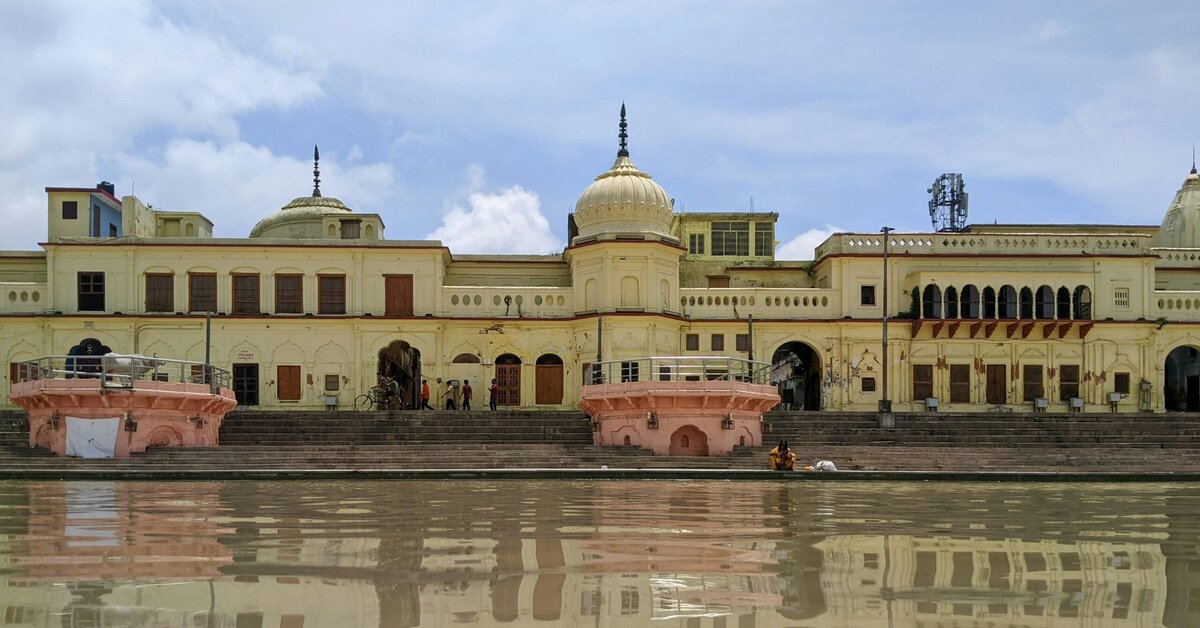
Begin early with the Saryu River aarti at Ram Ki Paidi ghat, typically conducted at sunrise. The Saryu River flows through Ramayana history—Rama performed rituals here, and tradition holds that bathing in its waters purifies souls. The morning aarti is intimate compared to Varanasi’s grand ceremonies, primarily attended by local devotees and serious pilgrims rather than tourists.
After the aarti, consider taking a boat ride on the Saryu. The experience differs from the Ganges—the river is narrower, the ghats less developed, the atmosphere more serene. Some pilgrims take ritual baths during the boat ride, immersing themselves fully while chanting Rama’s name. The surrounding landscape shows Ayodhya’s development—ancient temples coexisting with modern buildings, all unified by devotion to Rama.
Temple Trail and Historical Sites
The day continues with comprehensive Ayodhya exploration, visiting temples and sites scattered throughout the city. Key destinations include Kanak Bhawan, a temple gifted to Sita and Rama by Rama’s stepmother Kaikeyi, featuring beautiful deity idols adorned with elaborate jewelry and clothing, Nageshwarnath Temple, believed established by Rama’s son Kush and dedicated to Shiva, Treta Ke Thakur, marking the spot where Rama performed the Ashwamedha Yajna after returning from exile, and Ramkot, the main fortress area containing several ancient temples and offering elevated views of the city.
Your guide narrates Ramayana stories associated with each location, transforming historical sites into living narrative. These aren’t just buildings—they’re settings for epic events that shaped Indian civilization and continue influencing billions of people. The stories make the experience vivid, helping you imagine ancient Ayodhya when Rama walked these same grounds.
Evening Aarti at Ram Ki Paidi
Return to Ram Ki Paidi for the evening aarti, which is more elaborate than the morning ceremony. As darkness falls, oil lamps create beautiful reflections on the Saryu’s waters. The evening brings more visitors, creating communal energy different from morning’s contemplative atmosphere. Devotional singing accompanies the ritual, with participants chanting “Jai Shri Ram” (Victory to Lord Rama) in enthusiastic unison.
After the aarti, explore nearby markets selling religious items, sweets, and souvenirs. Ayodhya’s shopping focuses heavily on religious merchandise—Rama-Sita idols, religious texts, prayer beads, and traditional clothing for deity worship. Dinner features local vegetarian cuisine before returning to your hotel for rest. Tomorrow brings the journey to Prayagraj and your first encounter with Magh Mela.
Day 6: Prayagraj – Arrival at the Sacred Confluence
Transfer to Prayagraj
After breakfast, depart Ayodhya for Prayagraj, approximately 165 kilometers and 3.5-4 hours by road. The journey follows highways connecting these historically linked cities. As you approach Prayagraj, you’ll notice increasing pilgrimage traffic—buses, cars, and even tractors carrying devotees heading to Magh Mela. The atmosphere builds anticipation for what awaits.
Prayagraj during Magh Mela transforms completely. The city, normally home to about 1.2 million people, swells with millions of temporary residents. Traffic increases significantly, requiring patient navigation. Your driver, experienced with mela conditions, navigates efficiently while your guide explains what to expect over the next two days.
First Sangam Experience
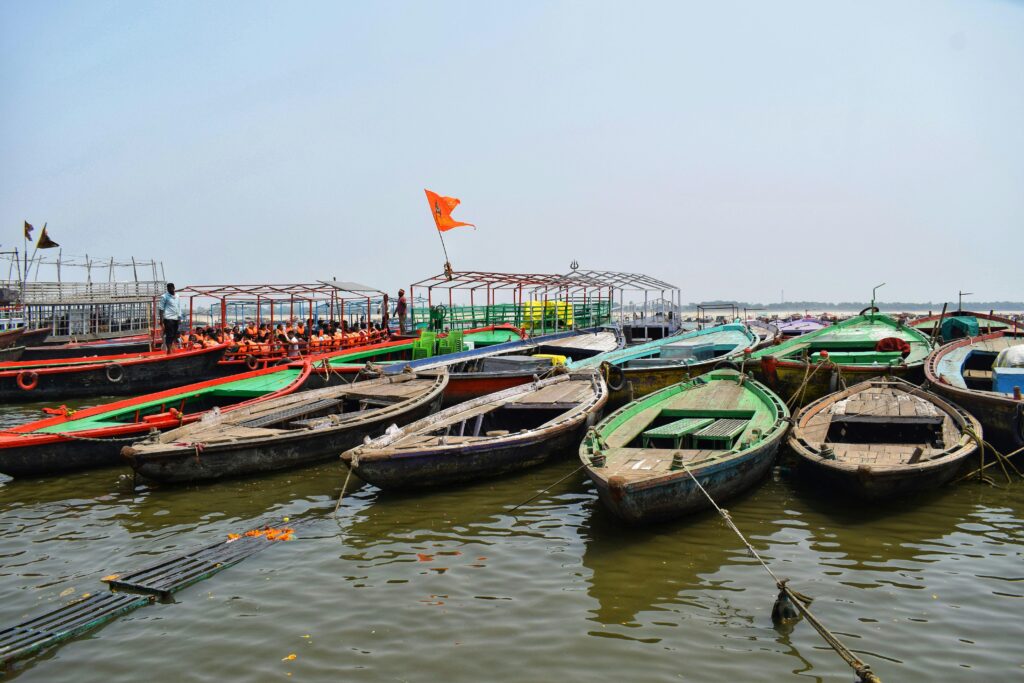
After checking into your accommodation (either a hotel or mela camp—more on that later) and having lunch, head to the Sangam for your first experience of the sacred confluence. Even outside peak bathing times, the Sangam bustles with pilgrims arriving continuously. Boats depart from designated ghats, rowing you to the exact confluence point where the muddy brown Ganges meets the greenish-blue Yamuna—the color difference is visually striking and clearly marks where rivers merge.
At the confluence, the boat pauses, allowing you to perform rituals if desired. Priests on boats offer to conduct abbreviated pujas, and many pilgrims take holy dips right there. The experience is deeply moving—you’re at a spot considered among Earth’s most sacred, where mythology holds that three rivers meet and where spiritual merit multiplies exponentially. Whether you participate in rituals or simply observe, the moment carries profound significance.
Settling into Mela Accommodation
Evening involves settling into your mela accommodation. If staying in a mela camp (tented accommodation within the mela grounds), you’ll experience authentic pilgrim conditions—basic but functional tents with beds, shared bathroom facilities, dining areas serving vegetarian meals, and constant proximity to mela activities. Camp life is communal, simple, and genuinely connects you with the pilgrimage experience.
Alternatively, some packages arrange hotel accommodation in Prayagraj city proper, offering more comfort and privacy but requiring daily commutes to mela grounds. This option suits those who want genuine mela participation during daytime while returning to comfortable lodging at night. Each approach has merits—camps for authenticity, hotels for comfort. Your guide orients you to facilities, safety protocols, and tomorrow’s early morning schedule for the peak Magh Mela experience.
Day 7: Magh Mela Immersion Experience
Early Morning Shahi Snan (Royal Bath)
If your timing coincides with a Shahi Snan date, this morning brings the mela’s most spectacular event—the royal bath when millions gather to immerse in the Sangam at the astronomically determined auspicious moment. Wake well before dawn (often 3:00-4:00 AM) to reach the bathing area before peak crowds. Your guide leads you through the darkness, navigating the mela’s temporary roads illuminated by generator-powered lights.
The processions of Naga Sadhus—ash-smeared, mostly naked ascetics carrying tridents and swords—approach the Sangam first, asserting their traditional right to bathe before others. Their appearance is otherworldly, and their presence represents an unbroken monastic tradition stretching back millennia. Following them, various akharas (religious orders) process with their sadhus, saints, and followers, many in elaborate costumes, riding horses or elephants, creating a spectacle combining spirituality with theatrical grandeur.
Participating in the Shahi Snan requires understanding that you’re part of enormous crowds—potentially 5-10 million people converging on the Sangam area. It’s intense, chaotic, and absolutely unforgettable. Security forces manage crowd flow, creating designated paths and bathing areas. If you choose to bathe, do so with guidance and stay within your group. If observing only, designated viewing areas provide safe vantage points for witnessing this extraordinary display of faith.
Exploring the Mela Grounds
After the morning bathing rush subsides, explore the vast mela grounds. The temporary city spreads across many square kilometers, divided into sectors housing different akharas, facilities, and services. Key experiences include visiting akhara camps where you can observe sadhus, possibly attend spiritual discourses, and ask questions about renunciate life (with proper respect and your guide translating if needed), walking through markets selling religious items, rudraksha beads, spiritual literature, and pilgrimage necessities, watching cultural performances—devotional singing, religious dramas, and traditional arts, and seeing the vast infrastructure—pontoon bridges crossing the rivers, water supply systems, medical camps, and the logistical marvel enabling millions to gather safely.
The mela is simultaneously ancient and contemporary—timeless spiritual practices occurring within modern infrastructure. Loudspeakers broadcast devotional music, lost-and-found systems reunite separated family members, and mobile phone charging stations coexist with sacred fires that have burned continuously for weeks. This juxtaposition illustrates India’s ability to honor tradition while embracing modernity.
Spiritual Discourses and Saints’ Camps
Afternoons at Magh Mela offer opportunities to attend spiritual discourses by learned saints and scholars. Various akharas host continuous teachings, with some saints delivering discourses that attract thousands of listeners. Your guide can identify which speakers are particularly renowned and help you understand teachings delivered in Hindi or Sanskrit.
These discourses cover Hindu philosophy, scripture interpretation, meditation techniques, and practical spiritual guidance. Even if language barriers limit understanding, the atmosphere of devoted listening, the saints’ presence, and the communal seeking create powerful experiences. Some camps welcome visitors with questions, offering rare access to individuals who’ve dedicated lives to spiritual pursuit. Always approach with genuine respect—these aren’t tourist attractions but sincere religious teachers serving their communities.
Day 8: Final Blessings and Departure
Morning Rituals and Last Sangam Visit
Your final morning begins with one last visit to the Sangam, perhaps for a sunrise boat ride offering quieter reflection compared to yesterday’s crowds. This farewell visit allows personal rituals, final prayers, or simply sitting on the riverbank absorbing the sacred atmosphere one last time. Many pilgrims report that this quiet morning visit becomes their most personally meaningful Sangam experience—after the intensity of Shahi Snan, the peace feels profound.
Participate in aarti if one is scheduled, collect Ganga jal (holy water) in sealed containers to carry home, and take time for photography now that you’re familiar with the landscape and lighting. This morning is yours—the schedule remains flexible, allowing you to prioritize what feels most important for concluding your mela experience.
Historical Prayagraj Tour
After breakfast and checking out from your mela camp or hotel, the day transitions from spiritual to historical with tours of Prayagraj’s colonial-era landmarks. The city played crucial roles in India’s independence movement and contains impressive British-era architecture. Visit Allahabad Fort (portions accessible to public), built by Emperor Akbar in 1583, containing the Akshaya Vat (immortal banyan tree) considered sacred, Anand Bhawan, the Nehru family mansion-turned-museum documenting India’s freedom struggle, All Saints Cathedral, a beautiful Gothic-style church reflecting colonial architecture, and Khusro Bagh, containing Mughal-era tombs set in peaceful gardens.
These sites provide context beyond Prayagraj’s religious significance, showing the city’s layered history. The contrast between the spiritual mela and these historical monuments illustrates India’s complexity—ancient traditions, Mughal heritage, British colonialism, and modern nationhood all coexisting and contributing to contemporary identity.
Departure Arrangements
After lunch, your driver transports you to Prayagraj Airport or Railway Station for your onward journey. If returning to Varanasi for departure, the drive takes approximately 3 hours, with timing coordinated to match your flight or train schedule. The package includes this final transfer, ensuring smooth conclusion to your eight-day pilgrimage.
As you travel, you’ll likely find yourself processing the week’s experiences—the serenity of Varanasi’s boat rides, the epic grandeur of Ayodhya’s Ram Janmabhoomi Temple, and the overwhelming intensity of Magh Mela. These memories will stay with you, becoming reference points for understanding Indian spirituality and culture. Many travelers report that this journey becomes life-defining, changing how they understand faith, devotion, and the human capacity for seeking transcendence.
Magh Mela Special Experiences
The Shahi Snan Dates
Shahi Snan days represent Magh Mela’s peaks when spiritual merit of bathing increases exponentially according to tradition. For 2025 (dates vary yearly), key Shahi Snan dates include Makar Sankranti (January 13-14) marking the sun’s transition into Capricorn, Mauni Amavasya (January 29), the new moon day of silence considered most auspicious for bathing, Basant Panchami (February 3), celebrating spring’s arrival and goddess Saraswati, and Maha Shivratri (February 26), the great night of Shiva concluding the mela season.
Each date attractsdifferent numbers—Mauni Amavasya typically sees the absolute largest crowds, potentially 15-20 million bathing in a single day. Planning your visit around one of these dates ensures you experience Magh Mela at its most intense, though also most challenging logistically. Timing arrival a day or two before allows settling in without the absolute peak pressure, then participating in the main event from an established base.
Meeting Naga Sadhus and Saints
Magh Mela offers unprecedented access to India’s diverse ascetic traditions. Naga Sadhus—members of warrior-ascetic orders who renounce clothing as part of their practice—are the mela’s most visually striking participants. Covered in ash, their bodies often marked with intricate patterns, they represent extreme renunciation and spiritual dedication. While their appearance might seem shocking initially, they’re generally approachable, especially outside procession times.
Interaction requires respect and proper protocol. Always ask permission before photographing, avoid touching without invitation (sadhus’ personal space is particularly protected), address them respectfully (titles like “Baba” show proper respect), and offer small donations if seeking blessings or conversations. Your guide facilitates appropriate interactions, translating and ensuring cultural protocols are followed. These encounters can be profoundly moving—speaking with individuals who’ve completely renounced worldly life offers perspectives radically different from normal experience.
Accommodation During Magh Mela
Mela Camp Options
Mela camps—temporary tented accommodations within the mela grounds—offer the authentic pilgrimage experience. Various organizations and tour operators establish camps ranging from very basic to relatively comfortable. Standard camp features include tents with single or twin beds, shared bathroom and toilet facilities (cleanliness varies), dining areas serving vegetarian meals, security personnel, and proximity to mela activities.
Living in camps means constant immersion in mela atmosphere—you hear continuous devotional music, temple bells, and loudspeaker announcements. You’re surrounded by fellow pilgrims from across India and increasingly from abroad. Basic amenities keep you grounded in the pilgrimage’s essential nature—this isn’t luxury tourism but spiritual journey requiring some sacrifice and adaptation.
Premium camps offer enhanced comfort—attached bathrooms in tents, better bedding, superior food quality, and additional amenities like electricity backup and hot water. These camps cost more but make the experience manageable for those unaccustomed to very basic conditions while maintaining authentic mela participation.
Hotel Alternatives in Prayagraj
Staying in Prayagraj city hotels offers comfort but requires daily commutes to mela grounds—typically 30-60 minutes depending on traffic and your hotel’s location. During mela season, hotel prices increase significantly, and availability becomes limited. Book well in advance to secure reasonable options.
Hotel benefits include private bathrooms with reliable hot water, air conditioning or heating, better security for valuables, escape from mela’s constant intensity, and dining flexibility beyond camp vegetarian meals. However, you’ll spend time traveling, potentially miss early morning or late evening mela experiences, and lose the complete immersion that camp living provides.
Comfort vs. Authenticity Trade-offs
Choosing between camps and hotels involves balancing comfort needs with experience depth. First-time visitors often choose camps for one or two nights to experience authentic pilgrim conditions, then move to hotels if the intensity becomes overwhelming. This hybrid approach offers authenticity without potential burnout from multiple nights in basic conditions.
Consider your physical condition, adaptability to basic facilities, and spiritual goals. If participating in rituals and feeling the pilgrimage’s full intensity is primary, camps are ideal despite discomfort. If your body needs proper rest between days of mela exploration, hotels make sense even if reducing complete immersion. Neither choice is wrong—match accommodation to your needs and goals.
Transportation and Logistics
Inter-City Travel Arrangements
The package includes all inter-city transportation via air-conditioned vehicles appropriate for your group size—sedan for 2-3 people, SUV for 4-5, or tempo traveler for larger groups. Professional drivers experienced with these routes ensure safe, efficient travel. Vehicles meet current safety standards and are well-maintained for long-distance journeys.
Travel times mentioned in this itinerary are approximate—traffic conditions, weather, and road work can affect duration. Your tour operator builds buffer time into schedules, but remaining flexible and patient when delays occur makes the journey more pleasant. Indian road travel introduces you to diverse landscapes and offers windows into rural life rarely visible to tourists confined to flight connections.
Magh Mela crowds, especially on Shahi Snan dates, require strategy and caution. Your guide’s experience becomes invaluable—they know optimal timing, safer routes, and how to navigate while keeping your group together. Key safety protocols include staying with your group at all times, carrying minimal valuables (leave jewelry, excess cash, and unnecessary electronics secured at accommodation), wearing bright or distinctive clothing to easily identify group members, keeping emergency contacts written (phones may have dead batteries or no signal), and following your guide’s instructions immediately if they direct specific actions during crowd surges.
The mela administration implements extensive crowd management—barriers channel flow, police monitor for issues, and loudspeakers broadcast safety information. Despite enormous numbers, serious incidents are rare due to these precautions and Indians’ general experience managing large gatherings. Remain alert but not fearful—millions participate safely every year.
What to Pack for This Extended Journey
Clothing Essentials
Magh Mela occurs during winter, requiring layered clothing for variable temperatures. January-February temperatures in Prayagraj range from cold mornings (5-10°C) to pleasant afternoons (20-25°C). Essential clothing includes warm layers for early mornings (fleece or wool), light cotton clothes for daytime, one set of clothes specifically for bathing (quick-dry fabrics ideal) that you’ll change from immediately after, modest attire respecting religious contexts (shoulders and knees covered), comfortable walking shoes that can get muddy, and a warm shawl or blanket for cold nights in camps.
Pack light but adequate—you’ll appreciate having clean clothes after mela days, but excessive luggage becomes burdensome during inter-city transfers and within crowded mela grounds.
Spiritual and Practical Items
Beyond clothes, essential items include headlamp or flashlight (camp lighting may be limited), reusable water bottle (staying hydrated is crucial), small backpack for day trips, sunscreen and sunglasses (sun reflection off water intensifies exposure), basic toiletries (camps have limited amenities), medications (including anti-diarrheal, pain relievers, and any prescriptions), hand sanitizer and wet wipes (bathroom facilities vary in cleanliness), copies of ID and important documents, small denominations of cash (for donations, small purchases, tips), and portable phone charger (electricity access can be unreliable).
Optional spiritual items include prayer beads if you use them, small notebook for recording reflections, your personal spiritual texts, and containers for collecting Ganga jal. These items enhance your spiritual practice while traveling.
Health and Safety at Magh Mela
Crowd Management
Magh Mela crowds, while generally peaceful, require awareness and caution. Crowd surges can occur, especially during Shahi Snan processions. If caught in a surge, remain calm, move diagonally toward edges rather than fighting the flow, protect your chest and breathing space with arms, stay upright if possible, and shout for help if needed. Your guide will position your group strategically to avoid highest-risk areas while still allowing participation.
Children and elderly should receive particular attention in crowds. Some families decide that very young children or frail elderly might not participate in the most crowded events, instead experiencing the mela during quieter periods. Assess your group’s physical capabilities honestly when planning participation levels.
Hygiene and Sanitation
Sanitation at Magh Mela, while improved through extensive temporary infrastructure, remains challenging with millions of people in concentrated areas. Protect your health through rigorous hygiene—wash hands frequently or use sanitizer, especially before eating, avoid raw foods and unpeeled fruits, drink only bottled or purified water, use bathroom facilities carefully (squat toilets are standard), and consider your own toilet paper or tissues as they’re not always available.
The Sangam bathing itself raises health questions—the water quality during mela season is monitored, but with millions bathing, complete purity is impossible. If you have compromised immunity or open wounds, consult medical advice about bathing. Many international visitors observe rather than bathe, or bathe only symbolically without full immersion.
Medical Facilities and Emergency Protocols
The mela administration establishes extensive medical infrastructure—temporary hospitals, first-aid posts, ambulances, and specialist teams. Your tour operator should have emergency protocols including contact numbers for medical assistance, nearest hospitals in Prayagraj, and procedures for serious emergencies. Carry your own basic first-aid kit for minor issues.
Travel insurance covering medical emergencies is highly recommended. Verify that your policy covers India and doesn’t exclude pilgrimage-related activities. Keep insurance information and emergency contacts readily accessible, and inform your guide of any medical conditions requiring special consideration.
Cultural Etiquette and Sensitivities
Respecting Sacred Spaces
Throughout this journey, you’re visiting spaces sacred to millions. Appropriate respect includes dressing modestly at all religious sites, removing shoes when required, not pointing feet toward deities or religious images, refraining from loud conversations or inappropriate behavior, and following photography restrictions (many temples prohibit photos). These aren’t arbitrary rules but expressions of respect for beliefs others hold sacred.
Menstruating women face restrictions at some traditional temples, though these rules are increasingly controversial within India itself. Tour operators should inform women about these restrictions so they can plan accordingly. The rules reflect traditional beliefs about purity, not judgments about women’s worth.
Interacting with Sadhus and Saints
Sadhus and saints deserve particular respect as individuals who’ve renounced worldly life for spiritual pursuit. Proper interaction protocols include using respectful titles (“Baba,” “Swamiji,” “Maharaj”), asking permission before approaching or photographing, offering small donations if seeking blessings or extended conversations, listening respectfully to teachings even if you don’t share the beliefs, and never touching without invitation—especially important for female visitors approaching male sadhus.
Some sadhus, particularly those in deeper meditation practices, prefer minimal interaction. Read cues—if someone seems unwelcoming or deeply absorbed in practice, respect their space. Others enjoy engaging with visitors, seeing it as service to share wisdom. Your guide helps navigate these interactions appropriately.
Food and Dining Throughout the Journey
Vegetarian Meals at Magh Mela
Magh Mela is strictly vegetarian—no meat, fish, eggs, or often even onion and garlic (which some traditions consider impure). Camp dining typically offers simple North Indian meals—roti (bread), rice, dal (lentils), sabzi (vegetables), and sometimes yogurt or dessert. The food prioritizes purity and sustenance over culinary excitement, reflecting the pilgrimage’s spiritual focus.
Quality varies significantly between camps—premium camps offer better-prepared, more varied meals, while basic camps provide functional but monotonous food. Most camps accommodate dietary restrictions if informed in advance—vegan requirements, gluten-free needs, or allergy concerns can usually be managed, though with less variety than normal.
Bhandara—free community meals offered by various organizations—are available throughout mela grounds. Participating in bhandara provides authentic experience of pilgrimage generosity, where feeding others is considered sacred service. The food is basic but offered with genuine devotion.
City Dining Experiences
In Varanasi, Ayodhya, and Prayagraj proper (outside mela areas), dining options expand considerably. Varanasi offers everything from street food to upscale restaurants, with famous specialties like kachori-sabzi, chaat varieties, lassi, and traditional sweets. Ayodhya’s options are more limited but include decent vegetarian restaurants serving North Indian meals. Prayagraj has diverse dining reflecting its larger city size.
Your package likely includes breakfast, with other meals either included or arranged as optional add-ons. When dining independently, your guide can recommend hygienic, quality establishments matching your preferences and budget. Trying local specialties enhances cultural immersion—food is culture, and India’s culinary diversity parallels its spiritual diversity.
Photography Guidelines
Capturing the Mela Experience
Magh Mela offers extraordinary photographic opportunities—ritual bathing at sunrise, Naga Sadhu processions, devotional activities, crowd scenes, and human-interest stories. Photography guidelines include asking permission before photographing individuals (especially sadhus and women), being sensitive about bathing scenes—avoid intrusive close-ups of people in vulnerable situations, respecting any photography restrictions at specific temples or camps, and not allowing photography to distract from genuine participation and presence.
The best photos often come from being part of the scene rather than simply documenting from outside. Balance photography with genuine engagement—put the camera down sometimes and simply experience moments. Those memories, even without photographs, often prove most valuable.
Restricted Areas and Respectful Photography
Certain areas and situations require particular sensitivity. Cremation ghats in Varanasi traditionally prohibit photography—the activity is sacred and intensely private despite public visibility. Some akhara camps restrict photography in specific areas. Temple inner sanctums frequently prohibit cameras. Always inquire about rules before photographing.
When photographing people, particularly the poor, disabled, or vulnerable, consider the ethics carefully. Are you documenting their dignity or exploiting their situation? Would you want someone photographing you in similar circumstances? Responsible photography respects subjects’ humanity and seeks permission whenever possible. Offering prints later to those you photograph creates reciprocity rather than one-sided extraction.
Cost Analysis and Package Inclusions
Budget Breakdown
Eight-day packages including Magh Mela vary significantly based on accommodation levels, group size, and timing (peak Shahi Snan dates cost more). Budget packages range from ₹15,000-₹22,000 per person (shared occupancy) for basic hotels/camps, transportation, breakfast, key experiences, and guide services. Mid-range packages cost ₹28,000-₹42,000 per person, offering better accommodation, most meals included, premium mela camps, and enhanced services.
Luxury packages exceed ₹55,000-₹80,000+ per person, featuring heritage hotels in cities, premium air-conditioned camps at mela, all meals, private guides, and additional experiences. These costs typically exclude flights/trains to Varanasi, shopping and personal expenses, tips for guides and drivers, optional donations at temples, and alcohol (not available at mela anyway due to religious restrictions).
Value-Added Services
Better packages include value-added services enhancing the experience—experienced guides fluent in English who provide cultural and spiritual context, all monument and site entry fees, boat rides at all three cities, mela-specific logistics like navigating crowds safely and arranging optimal timing for key events, meals designed for international digestive systems, and backup support if issues arise. These services justify higher package costs—managing an eight-day pilgrimage including Magh Mela requires expertise that budget tours may not provide.
When comparing packages, evaluate comprehensively—the cheapest option may seem attractive but could lack crucial services, use uncomfortable accommodations, or employ inexperienced guides. Mid-range packages often provide the best value—significantly better quality than budget tours without luxury pricing. Read reviews, ask detailed questions about inclusions, and choose operators with proven expertise in pilgrimage tours.
Conclusion
The eight-day Varanasi, Ayodhya, Prayagraj, and Magh Mela tour package represents one of India’s most comprehensive spiritual journeys. It combines three sacred cities with participation in one of Hinduism’s greatest gatherings, creating experiences that range from contemplative serenity to overwhelming intensity. This isn’t merely tourism—it’s pilgrimage in the deepest sense, offering opportunities for spiritual growth, cultural understanding, and personal transformation.
The journey progresses logically—beginning with Varanasi’s eternal spirituality, continuing to Ayodhya’s epic narratives, and culminating at Prayagraj during Magh Mela when millions gather for collective spiritual practice. Each stage prepares you for the next, building understanding and context that makes the final mela experience more meaningful than it would be in isolation.
Participating in Magh Mela changes you. Witnessing millions acting on deeply held spiritual beliefs, seeing the diversity of Indian religious expression, experiencing the physical challenges of pilgrimage, and perhaps undergoing your own spiritual practices at these sacred sites—these experiences create memories and insights lasting lifetimes. Many travelers describe this journey as life-defining, fundamentally shifting their understanding of faith, devotion, and the human capacity for seeking transcendence.
Whether you’re Hindu seeking darshan at sacred sites, a spiritual seeker interested in diverse traditions, or simply a curious traveler wanting to understand Indian culture deeply, this eight-day package delivers extraordinary experiences. Yes, it’s challenging—early mornings, intense crowds, basic facilities at times—but these difficulties deepen authenticity. You’re not observing sanitized versions of tradition but participating in living practice as it’s actually performed. That authentic engagement, challenging as it might be, makes all the difference between tourism and transformation.
FAQs
1. Is Magh Mela safe for international travelers unfamiliar with large Indian crowds?
Yes, with proper preparation and guidance. Magh Mela attracts some international participants each year who navigate successfully by following experienced guides, avoiding peak crowd times for non-essential activities, staying in decent accommodation that provides secure base, and maintaining situational awareness. The mela administration implements extensive safety measures—crowd barriers, police presence, medical facilities, and lost-person systems. However, comfort with dense crowds, basic facilities, and unpredictable situations helps significantly. If you have severe anxiety about crowds or absolutely require Western comfort standards, honestly assess whether the mela experience matches your limitations. Many international visitors manage wonderfully and describe it as their life highlight, but self-awareness about your adaptability is crucial.
2. Can I participate in ritual bathing at the Sangam if I’m not Hindu?
Generally, yes—the Sangam is open to all who approach respectfully. Many non-Hindus bathe for cultural experience or personal spiritual reasons, and this is generally accepted. However, understand what you’re doing—for devout Hindus, the Sangam bathing is intensely sacred, believed to affect karma and future rebirths. Approaching it as a swimming outing or casual dip would be disrespectful. If you bathe, do so with sincerity, following guidance about proper times and behavior. Alternatively, many non-Hindus choose to observe rather than participate, finding meaning in witnessing others’ devotion. Either choice is valid—match your participation level to your genuine intentions and comfort.
3. What happens if I get sick during the tour, especially during Magh Mela?
Tour operators should have emergency protocols including contact with medical facilities, ability to arrange doctor visits or hospital transport, and flexibility to modify itineraries if someone needs rest. Carry comprehensive travel insurance covering medical care in India. Common ailments include digestive issues (very frequent for international travelers), respiratory problems from dust and cold, and exhaustion from intense scheduling. Preventive measures—careful eating, adequate hydration, sufficient rest—reduce risk significantly. Mela grounds have medical posts and hospitals, though quality varies. For serious issues, Prayagraj city has better hospitals. Inform your guide immediately if feeling unwell—early intervention prevents minor issues from becoming serious problems.
4. How much money should I budget beyond the package cost?
Budget ₹3,000-₹7,000 per person for eight days to cover meals not included in package (if any), shopping for souvenirs, religious items, or textiles, tips for guides (₹300-500 per day), drivers (₹200-300 per day), and boat operators, temple donations (optional but customary for special blessings), and personal expenses like snacks, water, toiletries. If you plan significant shopping—silk sarees, religious art, jewelry—budget substantially more. ATMs exist in all three cities, but carrying sufficient cash is wise as many small vendors don’t accept cards. Keep money secure—hotel safes for large amounts, money belts for daily carrying, and never display wealth conspicuously in crowded areas.
5. Can this itinerary be customized, and what flexibility exists?
Absolutely—most tour operators offer customization options. Common modifications include adding extra days in any city for deeper exploration, including additional destinations like Sarnath extension, Gaya, or Bodhgaya for Buddhist pilgrimage, adjusting accommodation levels to match budget or comfort preferences, timing arrival for specific Shahi Snan dates, adding specialized experiences like meditation sessions, Sanskrit lessons, or meetings with scholars, and modifying pace for elderly participants or families with children. Discuss desires when booking—operators typically accommodate reasonable requests. However, understand that Magh Mela timing is fixed by astronomical calculations, so extreme flexibility around those dates isn’t possible. The three-city circuit’s sequence makes logical sense as presented, though it could technically be rearranged if you have specific reasons for different ordering.