Your cart is currently empty!
You may check out all the available trips and book one that suits you.
Continue Browsing Trips
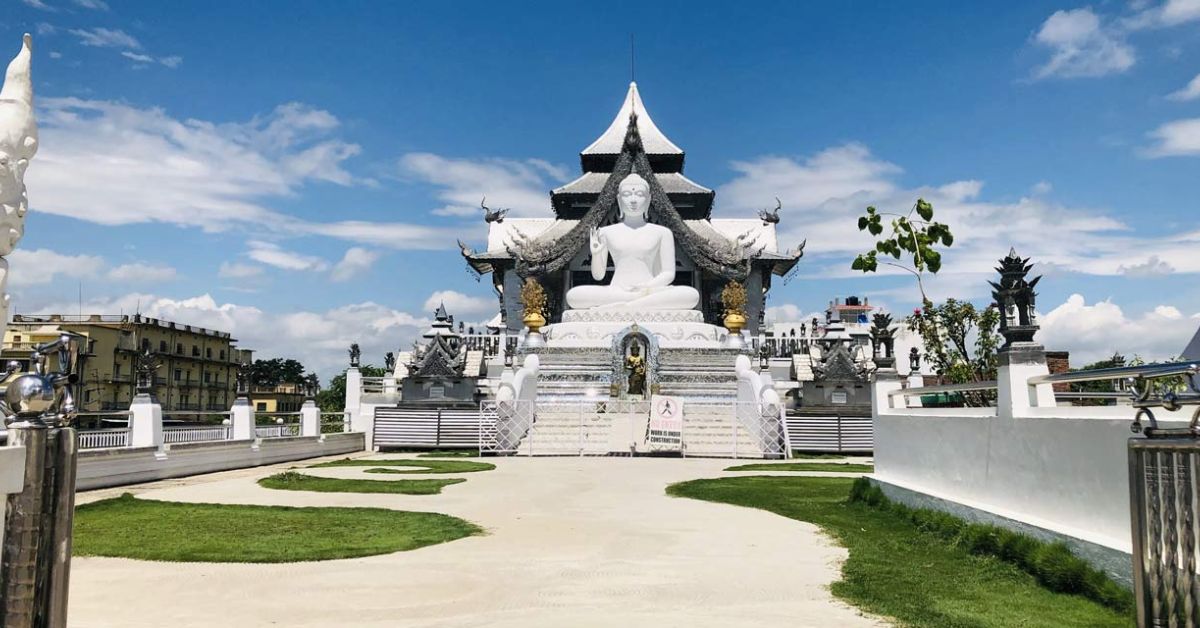
Bodhgaya tour guide unveils the spiritual heart of Buddhism, where Gautama Buddha attained enlightenment under the sacred Bodhi Tree over 2,500 years ago. Nestled in the Gaya district of Bihar, this UNESCO World Heritage Site draws millions of pilgrims and travelers from across the globe, seeking peace, wisdom, and a profound connection to ancient Buddhist traditions. Whether you’re a spiritual seeker, history enthusiast, or curious traveler, Bodhgaya offers an transformative journey through monasteries, meditation centers, and sacred sites that have inspired generations.
Imagine walking the same paths where Buddha once meditated, feeling the serene energy of the Mahabodhi Temple complex, and witnessing monks from Tibet, Thailand, Japan, and Bhutan chanting ancient sutras. This is Bodhgaya—a place where spirituality transcends boundaries and time stands still. Ready to embark on this enlightening adventure?
Bodhgaya isn’t just another tourist destination; it’s a pilgrimage that touches your soul. As one of the four holiest sites in Buddhism, this sacred town offers something unique—a chance to disconnect from the chaos of modern life and reconnect with inner peace. The Mahabodhi Temple, standing tall with its 170-foot pyramidal spire, marks the exact spot where Buddha achieved nirvana. Can you feel the spiritual energy already?
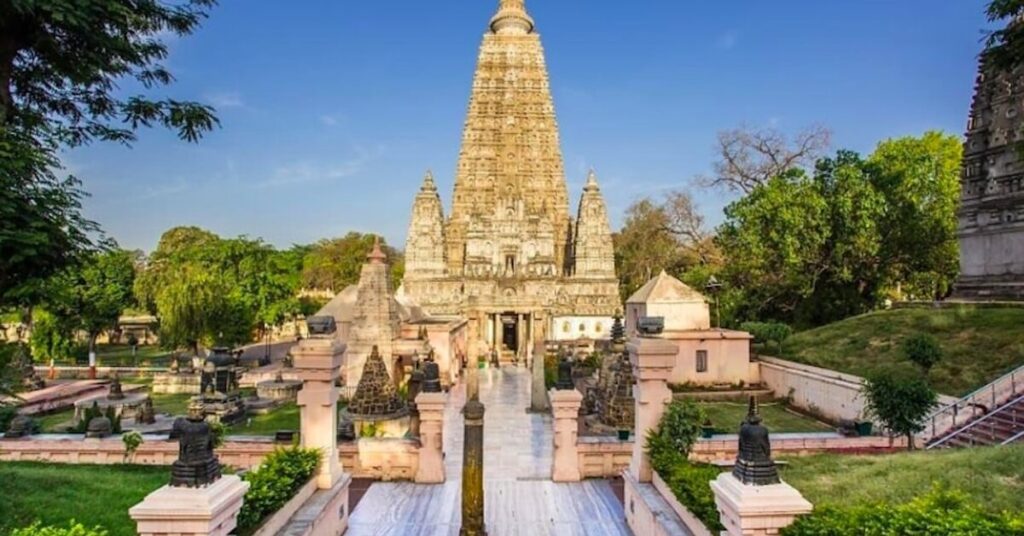
Beyond its religious significance, Bodhgaya showcases remarkable architecture, with monasteries representing different Buddhist traditions from around the world. Each temple tells a story, each prayer wheel carries hopes, and each meditation session brings you closer to understanding the essence of Buddhist philosophy. The town beautifully blends ancient heritage with contemporary spiritual practices, making it relevant for both traditional pilgrims and modern mindfulness seekers.
Planning your trip timing is crucial for an optimal experience in Bodhgaya. The ideal months to visit are October through March, when the weather remains pleasant and comfortable for temple exploration and outdoor meditation. Winter months (November to February) are particularly special, as the temperature ranges between 10°C to 25°C, perfect for walking tours and attending spiritual ceremonies.
During December and January, you’ll witness the town bustling with international pilgrims, especially during the Kalachakra Festival when His Holiness the Dalai Lama occasionally visits. The vibrant atmosphere during this period is unmatched, though accommodations fill quickly. If you prefer a quieter, more introspective experience, consider visiting in October, November, or February when crowds are moderate.
Avoid the summer months (April to June) when temperatures soar above 40°C, making outdoor exploration uncomfortable. The monsoon season (July to September) brings heavy rainfall, though some travelers appreciate the lush greenery and fewer tourists. Plan your Bodhgaya tour guide itinerary according to your comfort preferences and spiritual goals.
Standing at the epicenter of Buddhist spirituality, the Mahabodhi Temple Complex represents the pinnacle of ancient Indian brick architecture. This UNESCO World Heritage Site, dating back to the 5th-6th century CE, surrounds the sacred Bodhi Tree—a direct descendant of the original tree under which Buddha meditated for 49 days before attaining enlightenment.
As you enter the temple complex, you’ll notice devotees from every corner of the world performing circumambulation (walking meditation) around the main temple. The intricately carved stone railings, dating from the Sunga period (2nd century BCE), showcase remarkable craftsmanship with lotus motifs and Buddhist symbols. Inside the sanctum, a magnificent golden Buddha statue sits in the bhumisparsha mudra (earth-touching gesture), commemorating Buddha’s moment of enlightenment.
Don’t miss the Vajrasana (Diamond Throne), a red sandstone slab marking the exact meditation spot of Buddha. Photography restrictions apply inside the main temple, so take time to simply absorb the profound spiritual atmosphere. The temple complex opens at 5:00 AM, and witnessing the sunrise prayers offers an incredibly moving experience that stays with you forever.
The descendant of the original Bodhi Tree (Ficus religiosa) stands as living testimony to Buddha’s enlightenment. This magnificent tree, with its heart-shaped leaves rustling in the breeze, draws thousands who sit beneath its canopy seeking meditation and spiritual insight. The current tree descended from a sapling taken from the original tree to Sri Lanka in the 3rd century BCE by Emperor Ashoka’s daughter, then brought back to India when the original was destroyed.
Sitting under the Bodhi Tree is a transformative experience. Join monks, nuns, and pilgrims from various Buddhist traditions as they meditate, chant, and practice mindfulness beneath this sacred canopy. The area around the tree features prayer flags, butter lamps, and offerings from devotees worldwide, creating a tapestry of global Buddhist unity.
Early morning (5:00-7:00 AM) and evening (5:00-7:00 PM) are the best times to experience the tree’s spiritual energy, as these periods see fewer crowds and more serious practitioners. Remember to maintain silence and respect the meditative atmosphere—this isn’t just a photo opportunity but a sacred space for spiritual practice.
Bodhgaya hosts an extraordinary collection of monasteries built by Buddhist communities from different countries, each reflecting their unique architectural styles and traditions. This makes your Bodhgaya tour guide experience truly international, as you can travel through Thai, Japanese, Tibetan, Bhutanese, Chinese, and Vietnamese Buddhist cultures within a few kilometers.
The Thai Monastery (Wat Thai Buddhagaya) impresses with its golden spires and traditional Thai architecture, featuring beautiful murals depicting Buddha’s life. The Japanese Temple (Indosan Nipponji Temple) offers a serene rock garden and meditation hall with traditional tatami flooring. The Tibetan Monastery showcases colorful prayer flags, massive prayer wheels, and vibrant thangka paintings that tell stories of Tibetan Buddhism.
Visit the Bhutanese Monastery for its stunning architecture reminiscent of Paro Taktsang, complete with intricate woodwork and traditional Bhutanese artistic elements. The Royal Bhutan Monastery also houses a meditation center offering courses for serious practitioners. Each monastery welcomes visitors respectfully dressed (shoulders and knees covered), and many offer free meditation sessions—check schedules at the entrance or ask resident monks for timings.
Beyond the main temple complex, several significant sites deserve your attention. The Great Buddha Statue (80 feet tall) sits majestically in meditation posture, constructed from sandstone and red granite blocks. Surrounding this statue is a beautiful Japanese garden with water features and walking paths perfect for contemplative strolls.
The Sujata Kuti Temple, located across the Neranjana River, marks where Sujata offered milk rice to the starving Buddha before his enlightenment. This peaceful site includes the ruins of an ancient stupa and offers stunning sunset views over the river. The Archaeological Museum houses an impressive collection of Buddhist sculptures, inscriptions, and artifacts from various periods, providing historical context to your spiritual journey.
Don’t miss the Muchalinda Lake, where Buddha meditated during the fifth week after enlightenment, protected from rain by the serpent king Muchalinda. The tranquil lake, surrounded by gardens and meditation spots, offers a perfect escape for quiet reflection. The Animesh Lochana Chaitya marks where Buddha stood gazing at the Bodhi Tree with unblinking eyes in gratitude—a powerful reminder of devotion and reverence.
Bodhgaya offers numerous opportunities to deepen your meditation practice, whether you’re a beginner or experienced practitioner. Many monasteries and meditation centers conduct free or donation-based meditation sessions, including Vipassana, Zen, Tibetan, and Theravada traditions. The Root Institute and Tergar Meditation Center offer structured courses ranging from one-day introductions to extended retreats.
Joining the early morning group meditation at the Mahabodhi Temple provides an authentic spiritual experience. Hundreds of practitioners sit together in silence, creating a powerful collective energy that amplifies your personal practice. Evening chanting sessions at various monasteries offer another dimension of Buddhist practice, with melodious prayers filling the air at sunset.
For serious practitioners, consider attending a teaching session by visiting Rinpoches (Tibetan Buddhist teachers) or Ajahns (Thai Buddhist masters) who frequently visit Bodhgaya. Check notice boards at major monasteries or inquire at your accommodation for current schedules. Many teachings are conducted in English or have translation available, making profound Buddhist philosophy accessible to international visitors.
Accommodation options in Bodhgaya range from budget guesthouses to comfortable hotels, catering to pilgrims and tourists alike. Many monasteries offer simple, clean rooms at nominal rates (₹300-800 per night) for genuine practitioners—Thai, Tibetan, and Bhutanese monasteries often have guesthouse facilities. These monastery stays provide an immersive spiritual experience with early morning prayers and meditation sessions.
Mid-range hotels near the temple complex (₹1,500-3,500 per night) offer comfortable amenities while maintaining proximity to major sites. The Hotel Tokyo Vihar, Royal Residency, and Bodhgaya Regency provide good value with clean rooms, restaurants, and helpful staff familiar with arranging local tours. For luxury seekers, properties like Hotel Taj Darbar and Hotel Mahamaya offer premium facilities with spa services, international cuisine, and organized spiritual programs.
Book accommodations well in advance if visiting during peak season (December-January) or during special Buddhist festivals. Many places offer monthly rates for long-term practitioners attending extended courses. Location-wise, staying within 1-2 kilometers of Mahabodhi Temple ensures easy walking access to most major sites. Plan your spiritual journey with TripCosmos.co and experience Bodhgaya’s sacred atmosphere with perfectly curated accommodation and temple visit arrangements.
Bodhgaya’s dining scene reflects its international Buddhist community, offering diverse cuisines alongside traditional Bihari food. Vegetarian food dominates menus, respecting Buddhist principles and pilgrim preferences. Korean, Tibetan, Thai, Chinese, and Japanese restaurants serve authentic dishes prepared by monks or immigrants from respective countries.
The Mohammad Ali Road area features numerous budget-friendly restaurants serving thalis, dosas, parathas, and North Indian comfort food. For authentic Tibetan cuisine, try momos, thukpa, and butter tea at restaurants near the Tibetan Monastery. The Korean Temple Restaurant offers complimentary meals (dana) to visitors—simple, nutritious Korean Buddhist cuisine served with genuine hospitality.
Café Om and Be Happy Café are popular among international travelers, offering continental breakfast, Israeli cuisine, and excellent coffee—rare finds in this region. These cafes also serve as social hubs where travelers exchange experiences and travel tips. Always drink bottled or filtered water, and during summer months, stay hydrated while exploring temples. Most restaurants maintain high hygiene standards given the international clientele, but choose busy establishments for freshest food.
Reaching Bodhgaya has become increasingly convenient with improved connectivity. The nearest airport is Gaya International Airport, just 12 kilometers away, with direct flights from major Indian cities including Delhi, Mumbai, Kolkata, and Varanasi. During peak pilgrimage season, international charter flights from Thailand, Sri Lanka, and other Buddhist countries also operate directly to Gaya.
Gaya Junction railway station (17 kilometers from Bodhgaya) connects to major Indian cities with regular train services. Several express trains from Delhi, Kolkata, Varanasi, and Patna stop at Gaya. Auto-rickshaws and taxis readily available at the station charge ₹300-500 for the 30-minute journey to Bodhgaya. Pre-paid taxi counters at the station ensure fair pricing.
If traveling from Varanasi (a common route combining two major Buddhist sites), direct buses and shared taxis take approximately 4-5 hours covering 250 kilometers. Private taxi services offer comfortable point-to-point transfers (₹3,500-5,000). Within Bodhgaya, most sites lie within walking distance, though cycle-rickshaws, auto-rickshaws, and rental bicycles are available for longer distances or hot weather.
Extend your Bodhgaya tour guide itinerary by exploring nearby significant Buddhist and Hindu sites. Rajgir (75 kilometers away) holds immense Buddhist importance—Buddha spent several years here, delivering many sermons. Visit the Gridhakuta Hill (Vulture’s Peak), accessible by ropeway, where Buddha preached the Lotus Sutra. The ancient Nalanda University ruins (90 kilometers) showcase one of the world’s first residential universities, a UNESCO World Heritage Site where scholars from across Asia studied Buddhism, astronomy, and medicine.
Dungeshwari Cave, just 12 kilometers from Bodhgaya, marks where Buddha practiced extreme asceticism before realizing the middle path. The cave temples and meditation spots offer peaceful energy away from Bodhgaya’s crowds. Barabar Caves (35 kilometers) represent India’s oldest surviving rock-cut caves with remarkable acoustic properties and ancient inscriptions.
For Hindu pilgrimage sites, Gaya’s Vishnupad Temple (17 kilometers) attracts devotees performing pinda-daan (ancestral rituals) on the sacred Phalgu River banks. These day trips enrich your understanding of the region’s diverse spiritual heritage. Consider hiring a taxi for the day (₹2,500-4,000) or joining organized tours available through hotels and travel agencies. TripCosmos.co offers curated multi-day itineraries combining Bodhgaya with Rajgir and Nalanda for comprehensive Buddhist circuit exploration.
Bodhgaya’s markets offer unique Buddhist artifacts, handicrafts, and spiritual items perfect for remembering your journey. Tibetan markets near the Kalachakra Maidan sell prayer flags, singing bowls, thangka paintings, prayer beads (malas), Buddhist statues, incense, and traditional Tibetan jewelry. Bargaining is expected and usually results in 20-30% discounts from initial prices.
The main market area features numerous shops selling books on Buddhism, meditation cushions, monastery robes, and religious texts in multiple languages. Buddha statues range from small brass pieces (₹200-500) to elaborate hand-carved wooden or stone sculptures (₹5,000-50,000+). Ensure antique-looking items aren’t genuinely old, as exporting Indian antiquities is illegal—purchase certified replicas instead.
Local Bihar handicrafts including Madhubani paintings, silk textiles, and Bihar’s famous Manjusha art make culturally rich souvenirs. Support fair-trade shops run by monasteries or NGOs that employ local women, ensuring your purchases contribute positively to the community. Many shops ship internationally if you’re concerned about luggage weight, though verify shipping reliability before committing to expensive items.
Respecting Bodhgaya’s sacred atmosphere ensures positive experiences for you and fellow visitors. Dress modestly when visiting temples—cover shoulders, chest, and knees. Remove shoes before entering temple buildings, and carry socks as stone floors become extremely hot during summer. Photography inside main prayer halls is often prohibited; always ask permission before photographing monks or religious ceremonies.
Maintain silence in meditation areas and avoid disturbing practitioners. If joining group meditation, arrive early and remain still throughout the session—leaving mid-session disrupts others’ practice. When circumambulating (walking around) temples or stupas, always move clockwise following Buddhist tradition. Avoid pointing feet toward Buddha statues or monks, as feet are considered impure in Asian cultures.
Be mindful of scams targeting tourists—book accommodations through verified platforms, use licensed tour guides, and confirm prices before purchasing services or goods. During peak season, beggars and aggressive vendors may approach you; polite firmness works better than engaging in lengthy discussions. Stay hydrated, use sunscreen, and pace yourself—spiritual exhaustion is real, and trying to visit every site in one day diminishes the contemplative experience that makes this Bodhgaya tour guide journey truly transformative.
Bodhgaya is generally safe for travelers, with low crime rates and a welcoming community accustomed to international pilgrims. However, standard precautions apply—secure valuables in hotel safes, avoid displaying expensive jewelry or cameras conspicuously, and use reliable transportation, especially after dark. Women travelers report feeling safe in Bodhgaya, though walking alone late at night isn’t recommended anywhere.
Health-wise, prepare for potential stomach adjustments by carrying basic medications for digestive issues. Drink only bottled or filtered water, and initially avoid street food until your system acclimates. Summer heat can cause dehydration and heat exhaustion—carry water bottles, wear hats, and rest during peak afternoon hours (noon-3 PM). Mosquito-borne diseases occur, so use repellent and consider antimalarial medication if visiting during or after monsoons.
Medical facilities in Bodhgaya include basic clinics and pharmacies for minor ailments. For serious medical issues, Gaya (17 kilometers) has better-equipped hospitals. Travel insurance covering medical emergencies is strongly recommended. The Root Institute and some monasteries have resident doctors or can facilitate medical assistance for international visitors. Inform your accommodation about any medical conditions requiring attention.
Photography opportunities abound in Bodhgaya, from architectural marvels to candid spiritual moments. The Mahabodhi Temple presents stunning photo compositions, especially during golden hour (sunrise and sunset) when warm light illuminates the temple spire against blue skies. The Bodhi Tree surrounded by prayer flags and meditating monks creates powerful images of spiritual devotion.
Respect photography restrictions—the main sanctum of Mahabodhi Temple prohibits cameras, and always ask permission before photographing monks, nuns, or religious ceremonies. Many practitioners appreciate privacy during meditation, so be discreet and sensitive. Monastery courtyards, with their colorful decorations and architectural details, welcome photography (again, ask if uncertain).
The Great Buddha Statue offers excellent wide-angle shots, particularly with sunset colors. Muchalinda Lake provides serene nature photography with spiritual elements. For authentic cultural captures, visit during morning alms rounds when monks walk through streets, or during evening prayer sessions when butter lamps illuminate temple courtyards. Drone photography requires official permissions and is generally discouraged near religious sites.
As spiritual travelers, we carry responsibility for preserving Bodhgaya’s sacred atmosphere and supporting local communities sustainably. Minimize plastic use—carry reusable water bottles that can be refilled at monasteries and hotels offering filtered water. Dispose of waste properly, as litter damages the town’s spiritual ambiance and environment.
Support local businesses, restaurants, and homestays rather than exclusively international chains. Purchase handicrafts directly from artisans when possible, ensuring fair compensation. Respect local customs beyond religious sites—this is a conservative region where public displays of affection, revealing clothing outside temple contexts, and loud behavior are inappropriate.
Consider volunteering or donating to legitimate local organizations working with underprivileged children or women’s empowerment projects. Several monasteries run charitable schools and medical camps welcoming support. Be a conscious traveler whose presence contributes positively to Bodhgaya’s community and preservation. When you plan your journey with TripCosmos.co, you’re choosing responsible travel partners committed to sustainable tourism practices that benefit both travelers and destinations.
Timing your visit around Buddhist festivals enhances your Bodhgaya tour guide experience with vibrant celebrations and heightened spiritual energy. Buddha Purnima (April/May), celebrating Buddha’s birth, enlightenment, and death, transforms Bodhgaya into a festival of lights, prayers, and international gatherings. The Mahabodhi Temple glows with thousands of butter lamps, and processions fill streets with chanting monks.
The Kalachakra Initiation, occasionally held in Bodhgaya when His Holiness the Dalai Lama visits, attracts hundreds of thousands of Tibetan Buddhists worldwide. This rare event involves complex tantric teachings and empowerments spanning multiple days. Accommodation becomes scarce, and the town transforms into a temporary tent city, but witnessing this gathering is unforgettable.
The Bodh Mahotsav (December) showcases Bihar’s cultural heritage alongside Buddhist spiritual traditions through classical music, dance performances, and handicraft exhibitions. Monlam Chenmo (Great Prayer Festival) occurs in February/March with Tibetan monasteries conducting special ceremonies and prayers. Check lunar calendar dates, as Buddhist festivals follow lunar cycles and dates vary yearly.
Maximize your spiritual journey by exploring the complete Buddhist circuit. Start in Bodhgaya, then visit Sarnath (near Varanasi, 260 kilometers) where Buddha delivered his first sermon after enlightenment. The Dhamek Stupa and archaeological museum house remarkable Buddhist art and relics.
Kushinagar (330 kilometers from Bodhgaya) marks Buddha’s parinirvana (final passing), featuring a magnificent reclining Buddha statue in the Mahaparinirvana Temple. Lumbini (in Nepal, Buddha’s birthplace) lies approximately 250 kilometers from Kushinagar, completing the four holiest Buddhist pilgrimage sites.
This comprehensive circuit typically requires 7-10 days, covering significant sites where Buddha lived, taught, and transformed spiritual understanding. Well-planned itineraries balance temple visits with adequate rest and meditation time, preventing spiritual burnout. Consider organized Buddhist circuit tours offering expert guides, comfortable transportation, and spiritually-aware pacing. TripCosmos.co specializes in these transformative journeys, ensuring you experience each sacred site’s essence without logistical stress.
A Bodhgaya tour guide experience transcends ordinary tourism, offering profound spiritual insights and peaceful transformation that resonates long after departure. Whether you’re following Buddha’s footsteps as a devoted pilgrim, seeking meditation and mindfulness in authentic settings, or exploring world heritage architecture and cultural diversity, Bodhgaya delivers experiences that touch the soul. The sacred Bodhi Tree continues witnessing seekers from every tradition and background finding their path to inner peace, just as it did 2,500 years ago. As you plan this enlightening journey, remember that Bodhgaya isn’t merely a destination—it’s an awakening, a connection to humanity’s deepest spiritual questions, and a reminder that peace begins within. Let TripCosmos.co guide your sacred journey to Bodhgaya, where ancient wisdom meets modern seekers in timeless harmony.
FAQs
Three to four days provide an ideal timeframe for exploring Bodhgaya without rushing. This allows two full days for the Mahabodhi Temple complex, Bodhi Tree meditation, and major monasteries, one day for nearby sites like Dungeshwari Cave or Sujata Kuti, and time for participating in meditation sessions or teachings. Serious practitioners often stay weeks or months, attending extended courses at meditation centers.
Absolutely! Bodhgaya warmly welcomes travelers from all religious backgrounds and spiritual perspectives. The universal messages of compassion, mindfulness, and inner peace resonate across traditions. Most monasteries and meditation centers offer open sessions welcoming beginners regardless of religious affiliation. Approach with respect, openness, and genuine interest in learning about Buddhist philosophy and practices.
Modest clothing covering shoulders, chest, and knees is required for all genders. Avoid shorts, sleeveless tops, transparent fabrics, and tight-fitting clothes. Long pants or ankle-length skirts work best. Remove shoes before entering temple buildings—carrying socks helps, especially during hot months when stone floors become scorching. Conservative, comfortable clothing respecting sacred space ensures you’re welcomed everywhere.
Yes, several ATMs operate in Bodhgaya’s main market area, though they occasionally run out of cash during peak pilgrimage seasons—withdraw money in advance when possible. Currency exchange is limited; exchange major currency in Gaya or arrive with Indian Rupees. Credit cards are accepted at larger hotels and some restaurants, but cash remains essential for monasteries, small shops, auto-rickshaws, and donations.
Bodhgaya ranks among India’s safest destinations for solo travelers, including women. The spiritual atmosphere, international community, and pilgrim-focused economy create a respectful environment. Standard safety precautions apply—use reliable transportation after dark, secure valuables, and trust your instincts. Many solo female travelers spend extended periods in Bodhgaya attending courses and report feeling comfortable and safe throughout their stay.