The Introduction sets the stage for exploring Chitrakoot transport through e-rick and jeep options, weaving cultural reverence with practical travel tips. The piece then travels through historical temples, dawn routes, markets, forests, and festival contingencies, offering expert insights and a soft CTA to plan mindful journeys with TripCosmos.co.
Chitrakoot transport options have evolved to match the slow, contemplative rhythm of this sacred region. With Best Stunning E-Rick & Jeeps — Blog title as a guiding phrase in the local imagination, travelers now move between temples, ghats, and forest trails with quiet efficiency. This article delves into the practicalities of navigating Chitrakoot and the surrounding North Indian tapestry of culture, faith, and heritage. Focused on the journey itself, we weave sensory details, practical tips, and stories that deepen your understanding of the landscape and its people.
From dawn prayers at Kamadgiri to sunsets over the Mandakini River, the logistics of getting around matter as much as the destinations. The region’s transport options balance convenience with respect for local rhythms: electric rickshaws gliding through narrow lanes, compact jeeps climbing hillside routes, and traditional tempos that echo with centuries of devotional travel. Whether you are tracing the footsteps of sages, visiting ancient shrines, or simply exploring markets where the scent of sesame sweets and fresh jasmine fills the air, the vehicle you choose shapes your pace, perspective, and connection with this heritage-rich landscape.
Cultural / Historical Overview
Chitrakoot sits at a crossroads of myth and memory in Uttar Pradesh, a place where the Ramayana narrative feels palpably nearby. The town’s sacred geography centers on Kamadgiri Mountain, a terrain that pilgrims circle in prayer and contemplation. For centuries, travelers have moved through these hills by foot, pack animal, and later by vehicle, bearing offerings to temples and listening to stories of sages who chose this forested sanctuary for penance and enlightenment.
Historical landmarks speak to the region’s layered past. Temples dedicated to Lord Rama, Sitar, and Hanuman line the routes along the Mandakini and the dense forests—each site telling local legends of devotion, sacrifice, and resilience. The architecture ranges from ancient stone shrines carved with celestial motifs to modest dharamshala halls that host travelers and ritual gatherings. The surrounding countryside, with its millet fields and eucalyptus groves, remains woven into the spiritual fabric of daily life, a reminder that journey and devotion often share the same path.
As recognized by local guides and temple authorities, the town’s heritage is not only in stone and scripture but in the living rhythms of rituals—arti ceremonies at dawn and dusk, processions with lamps along holy streets, and the traditional bhajan gatherings that fill the air with melodic devotion. Understanding these practices enriches the transport experience, turning a simple ride into a doorway to sacred time and place.
Morning Reverence: Dawn to Daybreak Routes
Begin at Kamadgiri Hill, where a gradual ascent reveals the first light touching temple courtyards. For transport, consider an e-rick or a compact jeep that can maneuver through winding lanes before the crowds gather. Early rides offer cooler air, fewer rickshaw vibrations, and the chance to observe shopkeepers preparing incense sticks and saffron offerings. As you reach the hilltop temples, the air carries a blend of jasmine, camphor, and fresh rain—sensory reminders of the spiritual purpose behind every curve of the road.
Best time to ride: pre-dawn to around 9:00 a.m., when streets are serene and temples just opening.
Ride choice: an electric rickshaw for narrow lanes; a small jeep for steeper forested approaches.
Must-see precincts: the main Kamadgiri temple complex, the long stairways, and the panoramic views over the forest canopy.
Local notes emphasize respectful pacing: remove shoes before temple courtyards, keep voices low during rituals, and let elders pass first in crowded zones. The journey itself becomes part of the morning ceremony, a ritual of noticing ancient walls, carvings of deities, and the soft murmur of prayers carried by a cool breeze.
Spiritual Anchors: Key Temples and Shrines
Chitrakoot is studded with ghats and shrines that anchor spiritual practice in the day-to-day. The Hanuman temple near the riverbank and the Raghunathji temple hold particular resonance for pilgrims following the Ramayana narrative. Within easy reach of transport hubs, these shrines balance solemnity with welcoming warmth, offering prasad, bell sounds, and the rustle of saris as devotees queue in respectful lines. The architecture—stone mandaps, carved pillars, and sanctum doors carved with deities—speaks of centuries of devotion and the craftsmanship of regionally renowned artisans.
As you travel between sanctuaries, notice the blend of languages and musical traditions. Local bhajans drift from temple corridors during evening ceremonies, a reminder that the journey here is as much about sound as sight. The transport experience—ranging from clean electric options to nimble jeeps—lets pilgrims connect one shrine to another without losing the reflective tempo that defines Chitrakoot’s sacred mood.
Also read: Best Time to Explore North Indian Temple Towns, A Traveler’s Guide to North Indian Heritage Walks
Markets, Food, and the Social Fabric
To feel the pulse of Chitrakoot, step into the market lanes near the riverfront, where vendors offer jaggery sweets, puffed rice treats, and fragrant masala blends. Transport between stalls and temples often becomes a social exchange—a small nod or a shared smile bridging languages across generations. Local eateries provide regional specialties: fragrant thukpas of sesame and sesame oil, wheat-based flatbreads, and vegetable curries that pair well with bhature or steamed rice. The sensory tapestry—sound, scent, and color—complements the spiritual itinerary, inviting travelers to linger and absorb the community’s rhythms.
For practical travel, these markets are also convenient hubs for refueling your ride—charging points for e-rick devices, availability of spare parts, and quick stops to rest your legs. When you book a ride between sacred sites, you can coordinate with drivers who know alternative paths to avoid congestion, especially during festival days when crowds surge along bylanes and riverfront promenades.
Popular dishes to try: sesame laddoos, gajak, spiced chickpeas, and dal tadka with hot chapatis.
Scented rituals: jasmine garlands, sandalwood paste, and camphor offerings at temple entrances.
Nature, Forest Trails, and Riverside Passages
Beyond temples, Chitrakoot’s forested corridors invite gentle explorations. The Mandakini River flows through the landscape, reflecting pale skies and the silhouettes of birds in the morning. Transport choices extend to cover a wider terrain: e-ricks for village lanes, jeeps for forest edges, and footpaths for those who prefer to pace the land with their own steps. The journey through the trees often reveals natural quiet moments—monkeys in the branches, peacocks near the river, and the soft rustle of leaves as sunlight dapples the path.
Guides describe a respectful approach to nature: stay on marked trails, avoid feeding wildlife, and carry water and sun protection. A mindful ride under a canopy of leaves can be as spiritually uplifting as a temple visit, offering a sense of timelessness that complements the region’s myths and legends.
Festivals and Sacred Processions: Transport in Rhythm
Festival seasons bring a different tempo to transportation. When processions move through narrow streets, drivers adjust routes to maintain safety and ceremonial dignity. Lamps, drums, and singing crowds create an atmosphere of collective devotion, and ride-sharing setups may coordinate early-morning stops to accommodate pilgrims making their way between shrine dips and prayer vigils. If you time your visit with Ram Navami, Makar Sankranti, or Navratri, your transport experience will be enriched by the shared energy of thousands of devotees moving in harmony with ritual music.
Local wisdom notes that during these times, patience and punctuality become essential. Allow extra time for temple queues, and consider booking a dedicated ride for the day to minimize backtracking and to maintain a respectful pace through the crowds.
Heritage Rooms and Practicalities: Booking and Care
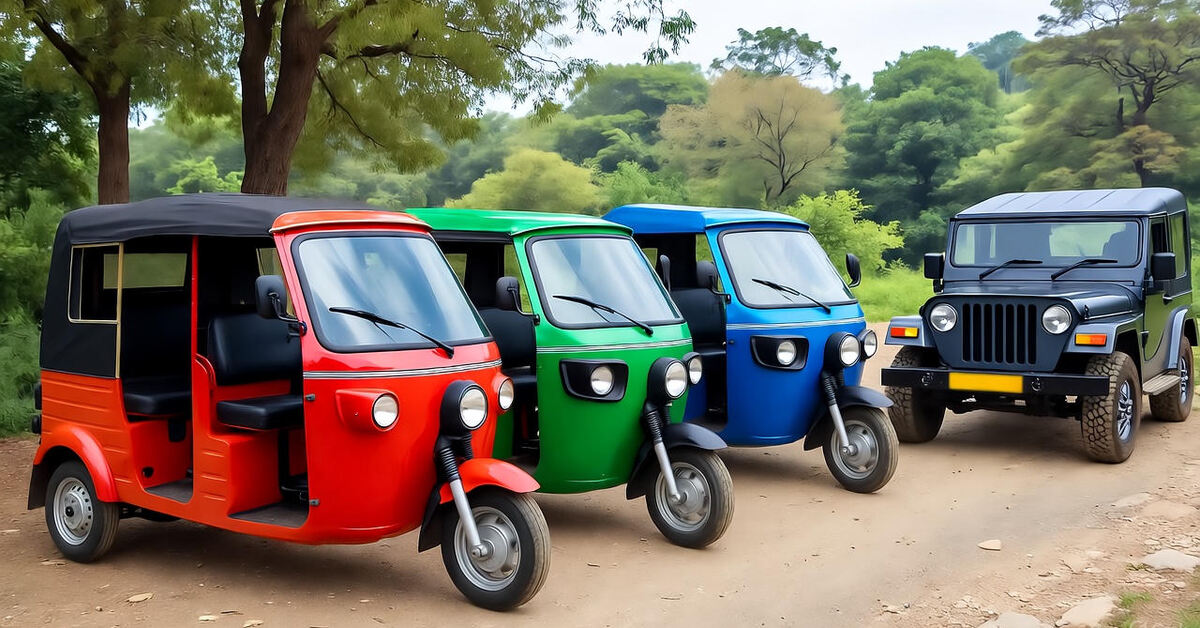
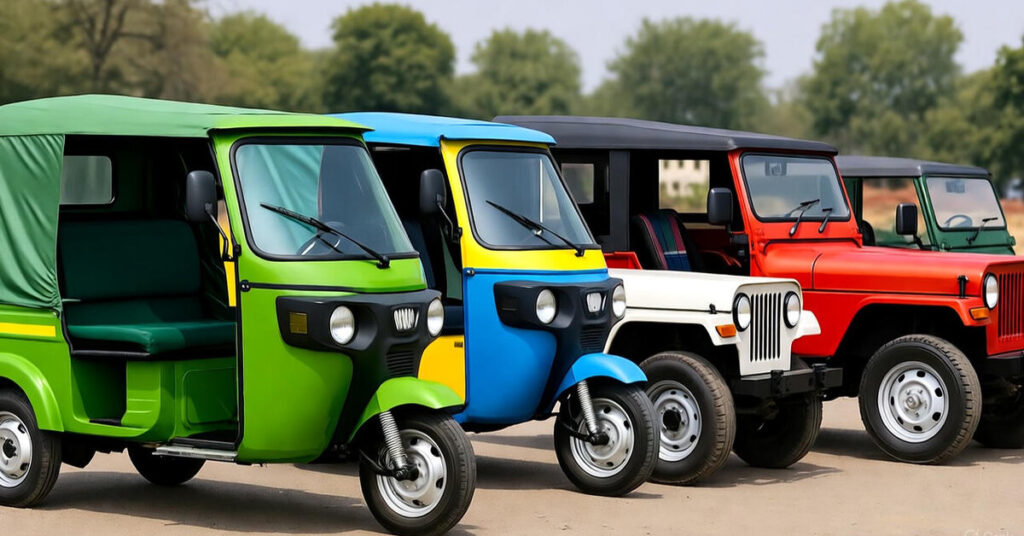
Choosing the right vehicle for your itinerary is essential to maximize comfort and accessibility. Electric rickshaws are ideal for short hops between temples and markets, offering an eco-friendly and quiet ride. Jeeps are sturdy for hillside corridors and forest edges, providing a low-profile option that still delivers a sense of adventure. When booking, communicate your pace, preferred routes, and any accessibility needs so drivers can plan accordingly. Carry a small first-aid kit, bottled water, and a paper map or offline navigation on your phone, as signal coverage can vary along forested stretches.
Drivers often double as informal guides, sharing local legends, temple etiquette, and short histories of the shrines along your route. A respectful, curious conversation can transform a routine ride into a catalyst for deeper understanding of Chitrakoot’s spiritual heritage.
Expert Tips / Local Insights
- Plan early, especially if you aim to visit Kamadgiri and Hanuman temples before dawn prayers begin; pre-dawn rides are cooler and quieter.
- Choose electric rickshaws for narrow lanes; reserve jeeps for forested routes or hill climbs.
- Respect temple etiquette: remove shoes, cover shoulders, and avoid loud conversations in sanctums.
- Ask your driver about alternate routes to avoid congestion during festival days; locals will know timings and shortcuts.
- Bring light snacks, water, and a compact umbrella; weather can shift quickly along riverfronts.
- TripCosmos.co Connection
At TripCosmos.co, we pair practical transport advice with cultural storytelling to help you travel with intention in North India. Our recommendations for Chitrakoot transport emphasize ease, safety, and a pace that respects sacred spaces, while connecting you with the region’s living traditions. Use these insights to craft a journey that feels both effortless and meaningful, from temple precincts to riverside markets.
FAQs
What is the best transport option for narrow temple lanes in Chitrakoot?
Electric rickshaws are typically best for narrow lanes and short hops between sacred sites; for steeper forest roads, a small jeep offers stability.
When is the optimal time to visit for a calm transport experience?
Early mornings just before sunrise or late afternoons after temple rituals tend to have lighter traffic and cooler weather, making travels smoother.
How can I balance transport with temple etiquette?
Schedule rides with ample time, wear respectful clothing, remove shoes before temple enclosures, and remain quiet during prayers to honor worshippers.
Are there eco-friendly transport options available?
Yes, electric rickshaws offer a quieter, cleaner way to move through town while reducing noise and air pollution around sacred spaces.
Should I hire a local guide for transport and historical context?
A local guide or driver is often invaluable for navigating timings, sharing legends, and recommending temple precincts that suit your interests.
Conclusion
Navigating Chitrakoot with a thoughtful transport plan enhances both your spiritual journey and your understanding of regional heritage. From dawn prayers to riverfront market strolls, the right vehicle choice keeps you present, respectful, and connected to the people and places that make this North Indian corridor so special. Let your days unfold at a pace that honors the sacred landscape and its centuries of devotion.
Plan your next ride with care, and let the journey itself become a mindful part of your pilgrimage tour package in chitrakoot.
Written by TripCosmos.co’s travel experts, with insights from local guides and years of on-ground exploration across North India.