Your cart is currently empty!
You may check out all the available trips and book one that suits you.
Continue Browsing Trips

Explore Ultimate Ayodhya Travel Guide. Discover Ram Mandir, top attractions, rituals, best time to visit, tips, and perfect itineraries for your trip.
Have you ever felt drawn to a place that seems to whisper ancient stories with every breeze? That’s Ayodhya for you. Nestled along the banks of the sacred Sarayu River in Uttar Pradesh, Ayodhya isn’t just another destination on India’s spiritual map—it’s the very soul of Hindu mythology and devotion. This ancient city, believed to be the birthplace of Lord Ram, pulses with an energy that transcends time, drawing millions of pilgrims and travelers seeking both spiritual awakening and historical wonder.
Walking through Ayodhya’s narrow lanes feels like stepping into the pages of the Ramayana itself. The city has witnessed centuries of devotion, architectural marvels, and cultural evolution, making it a living testament to India’s rich heritage. Whether you’re a devout pilgrim, a history enthusiast, or simply someone seeking meaningful travel experiences, Ayodhya offers something profoundly special that stays with you long after you’ve left its sacred grounds.
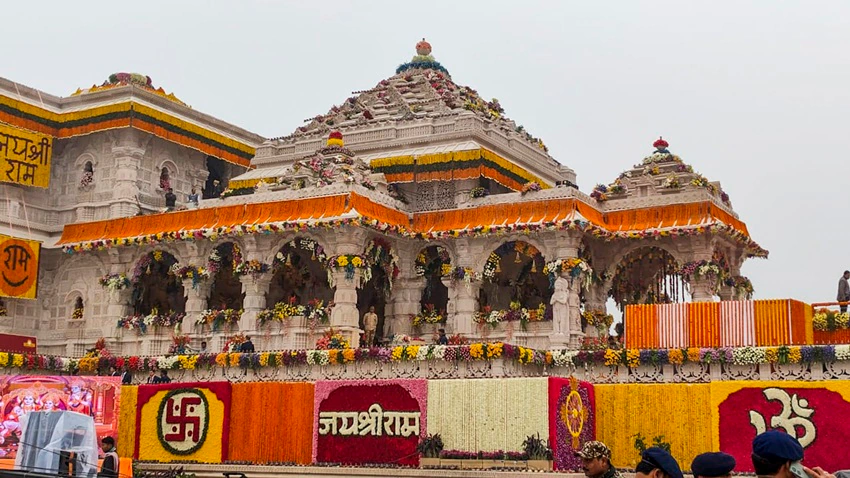
Ayodhya holds an unparalleled position in Hindu spirituality as the birthplace of Lord Ram, the seventh avatar of Vishnu and the protagonist of the epic Ramayana. For millions of Hindus worldwide, visiting Ayodhya is not merely tourism—it’s a pilgrimage that fulfills a spiritual longing. The city is considered one of the seven most sacred cities (Sapta Puri) in Hinduism, alongside Varanasi, Mathura, Haridwar, Dwarka, Ujjain, and Kanchipuram.
The recent inauguration of the magnificent Ram Mandir at the Ram Janmabhoomi site has rekindled global interest in Ayodhya, transforming it into a focal point of faith and devotion. Devotees believe that darshan (sacred viewing) at this holy site brings blessings, spiritual merit, and inner peace.
Beyond its religious significance, Ayodhya boasts a remarkable historical legacy spanning thousands of years. Ancient texts mention Ayodhya as the capital of the Kosala Kingdom, a prosperous realm that flourished during India’s Vedic period. Archaeological excavations have unearthed artifacts dating back millennia, revealing layers of civilization that paint a fascinating picture of India’s ancient past.
The city’s architecture reflects various historical periods, from ancient Hindu temples to Mughal-era structures, creating a unique tapestry of cultural influences. Each monument tells stories of dynasties, devotion, and the enduring human quest for the divine.
Ayodhya’s cultural landscape is as vibrant as its spiritual one. The city celebrates numerous festivals with extraordinary fervor, particularly Ram Navami (Lord Ram’s birthday), Diwali (commemorating Ram’s return to Ayodhya after fourteen years of exile), and Kartik Purnima. During these celebrations, the entire city transforms into a spectacle of lights, devotional music, and collective joy that captivates every visitor.
The local art forms, including Ram Lila performances (theatrical enactments of the Ramayana), traditional music, and handicrafts, keep ancient traditions alive while adapting to contemporary sensibilities. This cultural continuity makes Ayodhya a living museum where the past isn’t merely preserved—it thrives.
Planning your Ayodhya visit? Mark your calendar for the winter months when the weather becomes your perfect travel companion. From October through March, Ayodhya experiences pleasant temperatures ranging from 10°C to 25°C, making temple visits and outdoor exploration comfortable and enjoyable. The scorching summer heat and monsoon unpredictability are replaced by clear skies and gentle breezes that enhance your spiritual journey.
This period also aligns with several significant festivals, adding layers of cultural richness to your experience. The crisp winter air carries the fragrance of incense from countless temples, creating an atmosphere that’s both invigorating and deeply contemplative.
If you want to witness Ayodhya at its most vibrant, plan your visit around major festivals. Ram Navami (usually in March or April) transforms the city into a massive celebration, with elaborate processions, devotional singing, and special temple ceremonies that continue throughout the day and night. The energy during this time is absolutely electric, though you should expect larger crowds and book accommodations well in advance.
Diwali in Ayodhya is legendary—the entire city illuminates with millions of earthen lamps (diyas) in a spectacular display that has earned a place in the Guinness Book of World Records. The sight of Ram Ki Paidi ghat lit up with countless flames reflecting in the Sarayu River is nothing short of magical. Dev Diwali, celebrated fifteen days after Diwali, offers another enchanting experience with its own unique rituals and celebrations.
The nearest major airport is Ayodhya Airport (also known as Maharishi Valmiki International Airport), which has recently been developed to accommodate increasing tourist traffic. This airport connects Ayodhya directly to major Indian cities including Delhi, Mumbai, and Bangalore. From the airport, the main temple area is approximately 20-25 kilometers away, easily accessible by taxi or pre-arranged transportation.
Alternatively, Lucknow’s Chaudhary Charan Singh International Airport, located about 135 kilometers from Ayodhya, offers more frequent flights and better connectivity. From Lucknow, you can hire a taxi or take a bus to reach Ayodhya in approximately three hours, with the journey offering glimpses of rural Uttar Pradesh’s landscape.
Ayodhya Junction (previously known as Faizabad Junction) is well-connected to India’s extensive railway network. Regular trains run from Delhi, Mumbai, Kolkata, Varanasi, and other major cities. The station is conveniently located just a few kilometers from the main temple area, making it an ideal option for budget-conscious travelers.
For those coming from Varanasi, the journey takes approximately four to five hours and passes through the scenic countryside of eastern Uttar Pradesh. Several express and superfast trains operate on this route, offering various classes of travel to suit different budgets and preferences.
Ayodhya enjoys excellent road connectivity with well-maintained highways linking it to neighboring cities. State-run buses, private luxury coaches, and taxi services operate regularly from cities like Lucknow (130 km), Varanasi (200 km), and Prayagraj (170 km). The roads are generally in good condition, making road trips comfortable and scenic.
For travelers seeking flexibility, hiring a private vehicle allows you to explore at your own pace and make stops at interesting locations along the way. The drive from Varanasi to Ayodhya, for instance, passes through small towns and villages that offer authentic glimpses into North Indian rural life.
The crown jewel of Ayodhya is undoubtedly the magnificent Ram Mandir, built at the site believed to be Lord Ram’s birthplace. This architectural marvel combines traditional Hindu temple design with modern construction techniques, creating a structure that’s both spiritually significant and aesthetically breathtaking. The temple’s intricate carvings, towering spires, and expansive complex showcase the finest craftsmanship from across India.
Visiting the Ram Mandir requires patience during peak times, as thousands of devotees queue for darshan daily. The experience, however, is profoundly moving. As you approach the sanctum sanctorum, you’ll feel the collective devotion of millions who’ve dreamed of this moment for generations. The atmosphere inside resonates with sacred chants and an almost palpable spiritual energy that touches believers and skeptics alike.
Perched atop a hillock accessible by climbing 76 steps, Hanuman Garhi is one of Ayodhya’s most visited temples. This fortress-like structure dedicated to Lord Hanuman attracts devotees who believe that prayers here are especially powerful. The temple’s unique architecture resembles a four-sided fort, with circular bastions at each corner—a design rarely seen in other temples.
The climb might test your endurance slightly, but the panoramic views of Ayodhya from the top are absolutely worth it. Inside, the main deity sits in a small cave-like sanctum, and the walls echo with continuous chanting of “Jai Shri Ram” and “Jai Hanuman.” The temple remains crowded throughout the day, but early morning visits offer a more peaceful experience.
Often called the “golden mansion,” Kanak Bhawan is a stunning temple gifted to Goddess Sita by Kaikeyi (Ram’s stepmother) after her marriage to Lord Ram. The temple houses beautiful idols of Ram and Sita adorned with golden crowns, giving the temple its popular name. The architecture reflects a blend of ancient and modern styles, with detailed paintings depicting scenes from the Ramayana adorning the walls.
What makes Kanak Bhawan special is its serene atmosphere. Unlike some of the busier temples, this shrine offers a more contemplative space where you can sit quietly and absorb the spiritual ambiance. The temple’s courtyard, with its well-maintained gardens, provides a peaceful respite from Ayodhya’s bustling streets.
According to legend, this ancient Shiva temple was established by Kush, the son of Lord Ram. Nageshwarnath Temple holds special significance as one of Ayodhya’s oldest temples, with origins dating back thousands of years. The temple was rebuilt in the 18th century by Nawab Safdarjung after the original structure was destroyed.
The Shivaratri festival celebrated here attracts massive crowds who come to offer prayers and witness the special abhishekam (ritual bathing) of the Shiva lingam. The temple’s architecture, though not as grand as some others, carries an authentic historical charm that architecture enthusiasts particularly appreciate.
Ram Ki Paidi, a series of bathing ghats along the Sarayu River, serves as Ayodhya’s spiritual riverside center. These ghats were constructed in the 1980s and have since become the focal point of evening religious ceremonies. Taking a holy dip here is considered highly auspicious, with devotees believing it washes away sins and brings spiritual purification.
The evening aarti at Ram Ki Paidi is an experience you simply cannot miss. As dusk settles, priests gather with large brass lamps, and the air fills with devotional songs and the rhythmic sound of bells. The synchronized movements of the aarti ceremony, with flames dancing against the darkening sky and reflecting in the river’s waters, create a hypnotic spectacle that epitomizes India’s spiritual traditions.
Guptar Ghat holds a poignant place in Ayodhya’s spiritual geography—it’s believed to be the spot where Lord Ram took jal samadhi (entered the river waters for his final journey). The word “Guptar” means secret, reflecting the mystical nature of this sacred event. A small temple at the ghat marks this significant location, and devotees often perform rituals here in memory of departed souls.
The atmosphere at Guptar Ghat feels more solemn and contemplative compared to other ghats. It’s an ideal spot for quiet reflection, especially during early morning hours when mist rises from the Sarayu and the world seems suspended between day and night.
The evening aarti ceremony at Ram Ki Paidi represents one of Ayodhya’s most enchanting cultural experiences. Timing is everything—arrive at least thirty minutes before sunset to secure a good viewing spot and watch as the ghats gradually fill with devotees and tourists alike. The ceremony typically begins around 6:00 PM during winter months and 7:00 PM in summer.
As the aarti progresses, you’ll witness a beautiful convergence of faith, tradition, and community. Priests in traditional attire perform synchronized movements with massive oil lamps while devotional songs fill the air. Many visitors light small clay lamps and float them down the river, creating a stream of twinkling lights that drift away like prayers carried by water. This simple yet profound act connects you to centuries of tradition and shared human spirituality.
Throughout Ayodhya, especially near major temples, you’ll encounter Ram Katha sessions—storytelling gatherings where learned scholars and priests narrate episodes from the Ramayana. These sessions aren’t mere recitations; they’re engaging performances with music, songs, and dramatic expressions that bring ancient stories to life. Even if you don’t understand Hindi or Sanskrit, the emotional expression and devotional atmosphere transcend language barriers.
Many ashrams and religious centers also host spiritual discourses where you can learn about Hindu philosophy, the teachings of the Ramayana, and the deeper meanings behind various rituals. These experiences offer valuable insights into India’s spiritual traditions and provide context that enriches your overall visit.
Ayodhya offers numerous budget-friendly accommodation options, particularly dharamshalas (pilgrimage rest houses) that provide basic amenities at nominal costs. These establishments are ideal for pilgrims and backpackers seeking authentic experiences without heavy expenses. Many dharamshalas are located near major temples, offering convenient access to religious sites.
Expect simple rooms with basic furniture, attached or shared bathrooms, and vegetarian meal options. While luxury isn’t the focus, the warmth of fellow pilgrims and the spiritual atmosphere compensate abundantly. Some popular budget options include accommodations near Hanuman Garhi and the temple complex area, with prices ranging from ₹500 to ₹1500 per night.
For travelers seeking comfort without extravagance, Ayodhya’s mid-range hotels provide clean rooms, modern amenities, air conditioning, and often include breakfast. These hotels typically feature restaurants serving both North Indian and continental cuisine, travel desks to help plan your itinerary, and experienced staff familiar with local attractions.
Properties in this category are strategically located near major tourist areas while maintaining some distance from the most crowded zones, striking a balance between accessibility and tranquility. Expect to pay between ₹2000 and ₹5000 per night, depending on the season and specific property.
Ayodhya’s growing tourism infrastructure now includes several premium hotels and resorts offering luxury amenities, spa services, fine dining, and personalized guest services. These properties cater to travelers who wish to combine spiritual exploration with comfort and relaxation. Some feature traditional architecture with modern interiors, creating spaces that honor local culture while providing international standard facilities.
Premium accommodations often provide customized tour packages, private transportation, and expert guides who enhance your Ayodhya experience. While these properties command higher prices (₹6000 and above per night), they offer comprehensive experiences that can be particularly valuable for international visitors or families seeking hassle-free travel.
Ayodhya’s street food scene offers delicious vegetarian options that reflect the city’s spiritual character—meat is generally avoided out of religious respect. Start your culinary journey with kachori-sabzi, crispy deep-fried pastries filled with spiced lentils, served with potato curry. Local vendors prepare these fresh throughout the day, and they make for a satisfying breakfast or snack.
Don’t miss trying samosas, jalebis (sweet pretzel-shaped desserts soaked in sugar syrup), and the local specialty—malpua, a sweet pancake often served during festivals. The chaat varieties, particularly aloo tikki and papdi chaat, burst with tangy, spicy, and sweet flavors that define North Indian street cuisine. These affordable treats typically cost between ₹20 and ₹100, making them perfect for budget-conscious food enthusiasts.
For a complete dining experience, order a traditional thali—a platter featuring multiple small portions of different dishes. Ayodhya’s thalis typically include dal (lentil curry), sabzi (vegetable dishes), roti or chapati (flatbreads), rice, raita (yogurt dish), pickle, and dessert. This wholesome meal gives you a comprehensive taste of regional cuisine in one sitting.
Several local restaurants and temple canteens serve excellent thalis at reasonable prices (₹150-₹400). The meal not only satisfies hunger but also introduces you to the balanced, sattvic (pure) food philosophy that underpins much of Hindu dietary practice.
Ayodhya’s sweet shops display an impressive array of traditional Indian desserts. Pedas, barfis, and laddoos are popular choices, often prepared with milk, sugar, ghee, and various flavorings like cardamom and saffron. Many visitors purchase these sweets as prasad (sacred offerings) to take to temples or as gifts for loved ones back home.
The local specialty is “Ayodhya ka peda,” a milk-based sweet with a unique texture and flavor distinct from pedas made elsewhere. These treats embody the city’s culinary heritage and make excellent souvenirs that carry the sweetness of your Ayodhya experience.
Shopping in Ayodhya centers around religious items and traditional handicrafts. The markets near major temples overflow with shops selling idols and pictures of deities, rudraksha malas (prayer beads), sacred texts like the Ramayana and Bhagavad Gita, and various puja (worship) items. These make meaningful souvenirs for devotees and thoughtful gifts for spiritually inclined friends and family.
Local artisans create beautiful handicrafts including clay and brass idols, embroidered cloth depicting religious scenes, and traditional jewelry. The craftsmanship reflects generations of skill passed down through families dedicated to their art. Bargaining is common and expected in most shops, so don’t hesitate to negotiate prices politely.
For authentic purchases, head to markets like Kanak Bhawan market and the areas surrounding Ram Janmabhoomi. Shop attendants often share stories about the items’ significance, turning simple transactions into educational cultural exchanges. Remember to check quality carefully, especially for items like rudraksha beads where authenticity matters to believers.
Technically part of the same urban area as Ayodhya, Faizabad served as the capital of Awadh under Nawab Shuja-ud-Daula in the 18th century. The city features several historical monuments including the beautiful mausoleum of Bahu Begum, noted for its impressive dome and Persian architectural influences. The Gulab Bari complex, another architectural gem, showcases the synthesis of Indian and Persian design elements.
Exploring Faizabad takes just a few hours and offers fascinating insights into the region’s Islamic heritage, creating an interesting cultural counterpoint to Ayodhya’s Hindu sites. The peaceful gardens and well-preserved structures provide pleasant breaks from temple visits.
Located approximately 200 kilometers from Ayodhya, Varanasi represents another essential pilgrimage destination and one of the world’s oldest continuously inhabited cities. The sacred Ganges River, ancient temples, mystical ghats, and profound spiritual atmosphere make Varanasi an ideal complement to your Ayodhya journey. Many travelers combine both cities in a single trip, experiencing different facets of Hindu spirituality.
The journey between Ayodhya and Varanasi takes about four to five hours by road, passing through rural landscapes dotted with villages and agricultural fields. TripCosmos.co offers expertly curated packages connecting these two sacred cities, ensuring seamless travel and enriching experiences at both destinations.
Formerly known as Allahabad, Prayagraj lies about 170 kilometers from Ayodhya and holds immense religious significance as the site of Triveni Sangam—the confluence of three sacred rivers: Ganga, Yamuna, and the mythical Saraswati. This city hosts the Kumbh Mela, the largest religious gathering on Earth, attracting millions of pilgrims every twelve years.
Even during non-Kumbh periods, Prayagraj offers numerous attractions including ancient temples, colonial-era architecture, and the historically significant Anand Bhawan, the ancestral home of the Nehru-Gandhi family. A day trip to Prayagraj adds another dimension to your spiritual circuit through Uttar Pradesh.
Respecting local customs enhances your Ayodhya experience and shows appreciation for the sacred nature of your surroundings. Dress modestly by covering shoulders and knees when visiting temples—women should avoid sleeveless tops and short skirts, while men should wear full-length pants rather than shorts. Carrying a light shawl or scarf proves useful for covering up when needed.
Remove your shoes before entering temple premises—most temples provide shoe-keeping facilities for a small fee. Photography restrictions apply in many temples, particularly near the main deities, so always ask permission before taking pictures. Maintain quiet, respectful behavior within temple premises, and follow the instructions of priests and temple staff who guide visitors through proper ritual procedures.
Ayodhya is generally safe for travelers, but standard precautions ensure a trouble-free visit. Keep valuables secure and avoid displaying expensive jewelry or large amounts of cash. The temple areas get extremely crowded during festivals and peak hours, so stay vigilant about your belongings and keep children close by.
Stay hydrated, especially if visiting during warmer months, and carry bottled water. The intense spiritual activities and walking can be physically demanding, so pace yourself and take breaks when needed. Use authorized taxi services or pre-arranged transportation through reputable agencies like TripCosmos.co rather than unmarked vehicles.
While you can freely photograph the exterior architecture and general street scenes, many temples prohibit photography inside sanctum areas where main deities reside. Security personnel enforce these rules strictly, and violations can result in deleted photos or more serious consequences. When in doubt, ask temple authorities or your guide about photography permissions.
The evening aarti ceremonies generally allow photography from designated areas, but avoid using flash that disrupts the spiritual atmosphere. Respect moments when devotees are deeply engaged in worship by not intrusively photographing them. Some pilgrims may welcome interaction and photos, but always seek permission first.
Limited on time? A well-planned single day still allows you to experience Ayodhya’s spiritual essence. Start early (around 6:00 AM) with a visit to Hanuman Garhi while the temple is relatively peaceful. Follow this with darshan at Ram Janmabhoomi, arriving by 8:00 AM to avoid peak crowds. Next, visit Kanak Bhawan and explore its beautiful interiors and surrounding area.
After lunch at a local restaurant, head to Nageshwarnath Temple and then spend some time walking along Ram Ki Paidi, observing local life and perhaps taking a holy dip if inclined. Return to Ram Ki Paidi around 6:00 PM for the evening aarti ceremony—the perfect culmination of your Ayodhya day. This packed itinerary covers the essential highlights while maintaining a manageable pace.
For a more relaxed and thorough exploration, dedicate two to three days to Ayodhya. Day one can follow the basic itinerary above but with more leisure time at each location. Day two might include visits to lesser-known temples like Treta Ke Thakur, Chakra Harji Vishnu Temple, and Datuvan Kund, along with exploring local markets and trying different local eateries.
If you have a third day, consider a morning boat ride on the Sarayu River for a different perspective of the city and its ghats. You could also attend Ram Katha sessions, visit nearby Faizabad, or simply spend contemplative time at your favorite temple. This extended schedule allows the city’s spiritual energy to work its magic without the pressure of rushing from site to site.
Planning a spiritual journey should itself be a stress-free experience, and that’s where TripCosmos.co transforms your Ayodhya dreams into seamless reality. Based in nearby Varanasi, this trusted travel company brings deep local expertise to every tour package they craft. Their team understands that visiting sacred places like Ayodhya isn’t just about ticking off tourist spots—it’s about creating meaningful spiritual connections that resonate long after you return home.
TripCosmos.co specializes in curated pilgrimage circuits connecting Ayodhya with Varanasi, Prayagraj, Bodhgaya, and other North Indian spiritual destinations. Their comprehensive packages include trusted local guides who share fascinating stories and insights you won’t find in guidebooks, comfortable transportation that respects your schedule and energy levels, and carefully selected accommodations that balance comfort with budget considerations.
What sets TripCosmos.co apart is their commitment to authentic experiences. They arrange special access to certain rituals, coordinate timing to help you avoid the worst crowds, and maintain flexibility to accommodate your specific interests and pace. Their 24/7 support ensures you’re never alone if questions or issues arise, while their transparent pricing means no unwelcome surprises that mar your spiritual journey.
International visitors particularly appreciate TripCosmos.co’s understanding of diverse needs—from dietary requirements to language support and cultural orientation that makes navigating India’s spiritual landscape comfortable and enriching. Whether you’re traveling solo, with family, or in groups, their customizable itineraries adapt to your unique situation.
Ready to experience Ayodhya’s divine energy with expert guidance? Contact TripCosmos.co at +91-9336116210 or visit www.tripcosmos.co to explore their Ayodhya packages and begin planning your sacred journey.
Ayodhya isn’t merely a destination you visit—it’s a spiritual experience that touches something deep within your soul. This ancient city, with its temples rising toward heaven, its ghats embracing the sacred Sarayu, and its streets echoing with devotional chants, offers a journey beyond the physical into realms of faith, history, and cultural richness.
Whether you’re drawn by deep religious conviction, fascination with India’s epic heritage, or simply curiosity about one of the world’s most significant spiritual centers, Ayodhya welcomes you with open arms and ancient wisdom. Every corner tells stories of devotion spanning millennia, every temple offers spaces for reflection and peace, and every sunset over the Sarayu reminds us that some places truly do bridge the earthly and the divine.
The experience of witnessing the evening aarti, climbing the steps to Hanuman Garhi, standing before the magnificent Ram Mandir, or simply sitting quietly by the river watching pilgrims perform their rituals creates memories that transcend typical tourism. You return home not just with photographs and souvenirs, but with a deeper understanding of faith’s power to inspire, preserve culture, and connect humanity across centuries.
So why wait? Let Ayodhya’s spiritual magnetism draw you into its sacred embrace. With proper planning, respectful engagement, and perhaps the expert guidance of services like TripCosmos.co, your Ayodhya journey promises to be among the most meaningful travels of your lifetime.
The best time to visit Ayodhya with fewer crowds is during weekdays in the winter months (November to February), particularly avoiding major festivals like Ram Navami, Diwali, and weekends. Early morning visits to major temples (6:00-8:00 AM) also help you experience the spiritual atmosphere with fewer people. However, if you want to witness Ayodhya’s vibrant festival celebrations, the crowds are part of the authentic experience worth embracing.
For a comprehensive Ayodhya experience, two to three days is ideal. This allows you to visit all major temples without rushing, attend evening aarti ceremonies, explore local culture and cuisine, and perhaps make day trips to nearby destinations like Faizabad. However, if time is limited, a well-planned single day can cover the essential highlights including Ram Janmabhoomi, Hanuman Garhi, Kanak Bhawan, and the evening aarti at Ram Ki Paidi.
Yes, Ayodhya is generally safe for solo female travelers, especially given its strong religious character that promotes respectful behavior. However, standard travel precautions apply—dress modestly to respect local customs, avoid isolated areas after dark, use authorized transportation, and stay in reputable accommodations. Traveling with organized tour operators like TripCosmos.co adds an extra layer of safety and convenience, particularly for those unfamiliar with North India.
Most temples in Ayodhya welcome visitors regardless of religious background, as long as they show respect for the sacred space and follow temple rules. Non-Hindus should dress modestly, remove shoes before entering, and maintain quiet, respectful behavior. Some specific ritual areas might have restrictions, but general temple access is typically open. The experience offers valuable insights into Hindu spirituality and India’s cultural heritage for people of all faiths and backgrounds.
The absolute must-experiences in Ayodhya include: darshan at the magnificent Ram Mandir (Ram Janmabhoomi), visiting the fortress-like Hanuman Garhi temple, experiencing the mesmerizing evening aarti ceremony at Ram Ki Paidi, exploring the beautiful Kanak Bhawan temple, and taking a peaceful walk along the Sarayu River ghats during sunset. Additionally, trying local street food and interacting with the warm, devotional community of pilgrims adds authentic dimensions to your spiritual journey that guidebooks can’t fully capture.

Comments are closed.