Chardham Yatra : Have you ever dreamed of embarking on a spiritual journey that takes you through some of the most breathtaking landscapes in the world? The Chardham Yatra is precisely that—a pilgrimage that combines devotion with adventure, spirituality with natural beauty, and ancient traditions with contemporary challenges.
What is Chardham?
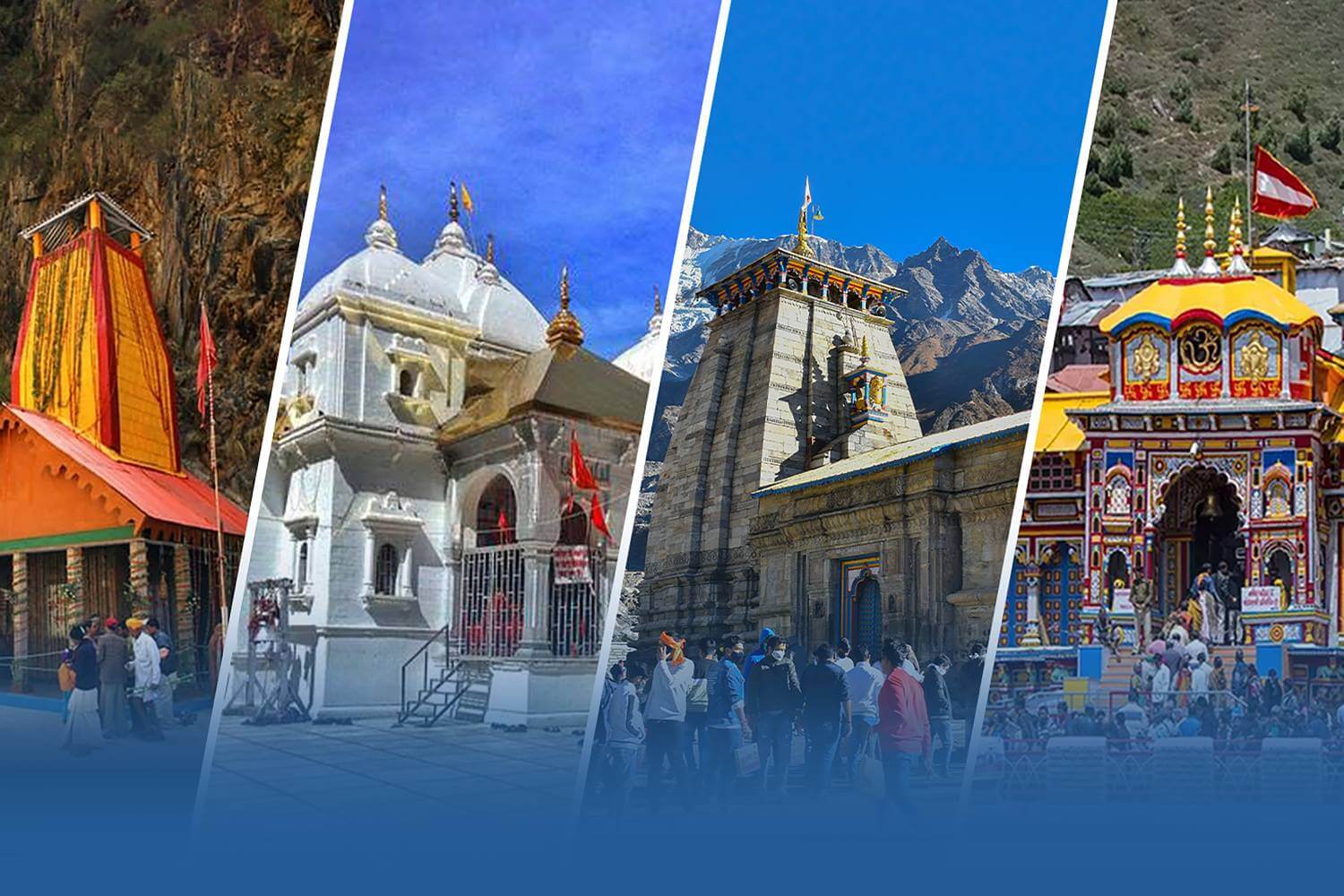
Chardham, meaning “four abodes,” refers to four sacred Hindu pilgrimage sites nestled in the Garhwal Himalayas of Uttarakhand, India. These four destinations—Yamunotri, Gangotri, Kedarnath, and Badrinath—form a spiritual circuit that millions of devotees aspire to complete at least once in their lifetime. Each site is associated with a specific deity and holds immense religious significance in Hindu mythology.
The pilgrimage traditionally begins from the westernmost shrine and proceeds clockwise, though the order can vary based on accessibility and personal preference. Unlike the larger Char Dham circuit that includes sites across India, the Chardham Yatra specifically refers to these four Himalayan temples.
Spiritual Significance of the Sacred Circuit
According to Hindu beliefs, completing the Chardham Yatra washes away sins and paves the path toward moksha (liberation from the cycle of birth and death). Each temple represents a different aspect of divine energy and offers pilgrims an opportunity to connect with the sacred rivers and deities of Hindu tradition.
Beyond religious merit, the journey tests one’s physical endurance and mental determination. The high-altitude terrain, unpredictable weather, and challenging treks make this pilgrimage as much about self-discovery as it is about devotion. Pilgrims often return transformed, having experienced something profound in the lap of the Himalayas.
The Four Sacred Dhams
Yamunotri – Source of the Yamuna River
Yamunotri, dedicated to Goddess Yamuna, marks the source of the sacred Yamuna River. Situated at an altitude of 3,293 meters, this is typically the first stop on the Chardham circuit. The actual source, Yamunotri glacier, lies at a higher elevation, while the temple sits in a picturesque valley surrounded by snow-capped peaks.
The temple houses a black marble idol of the goddess, and pilgrims traditionally bathe in the hot springs nearby before entering the temple. Surya Kund, a thermal spring, is particularly significant—devotees cook rice and potatoes tied in cloth here as offerings to the goddess.
Gangotri – Origin of the Holy Ganges
Gangotri, perched at 3,100 meters, is where the Ganges River (known as Bhagirathi here) originates. According to legend, King Bhagirath performed severe penance to bring Ganga down from heaven to earth to liberate his ancestors’ souls. Lord Shiva caught the forceful descent in his matted locks to prevent the earth from being destroyed.
The white marble temple dedicated to Goddess Ganga was built by Gorkha Commander Amar Singh Thapa in the 18th century. The serene surroundings, the thunderous sound of the rushing river, and the crisp mountain air create an atmosphere of profound peace. The nearby Pandava Gufa (cave) and Bhagirath Shila add to the site’s mythological richness.
Kedarnath – Abode of Lord Shiva
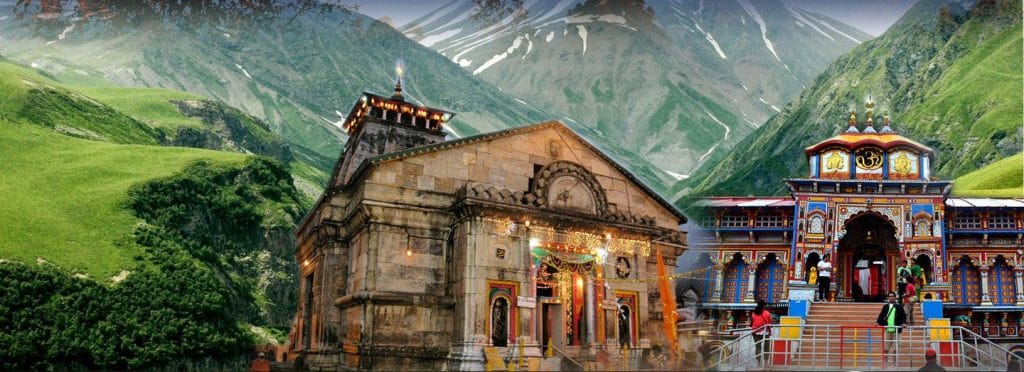
Kedarnath is perhaps the most dramatic of the four dhams, both in terms of setting and spiritual intensity. Located at 3,583 meters, the ancient temple dedicated to Lord Shiva sits amidst towering peaks and glaciers. It’s one of the twelve Jyotirlingas and holds a special place in Hindu mythology.
Legend says that after the Mahabharata war, the Pandavas sought Lord Shiva’s blessings to atone for killing their relatives. Shiva, unwilling to grant them an audience, took the form of a bull and dove into the ground. His hump appeared at Kedarnath, which is worshipped in the form of a triangular rock formation inside the temple.
The temple’s construction is a marvel—massive stone slabs fit together without mortar, standing strong against centuries of harsh weather. The journey to Kedarnath involves a challenging 16-kilometer trek from Gaurikund, making it the most physically demanding of the four pilgrimages.
Badrinath – Dwelling of Lord Vishnu
Badrinath, situated at 3,300 meters between the Nar and Narayan mountain ranges, is dedicated to Lord Vishnu. The temple, with its colorful facade, stands in stark contrast to the austere mountain landscape. According to mythology, Lord Vishnu meditated here, and his consort Lakshmi took the form of a Badri tree (Indian jujube) to protect him from the harsh weather.
The black stone idol of Badrinarayan in the temple is said to be a Shaligram stone from the Gandaki River in Nepal. The temple complex includes Tapt Kund, a natural thermal spring where pilgrims bathe before darshan. Badrinath is also significant as one of the four sites of the larger Char Dham circuit established by Adi Shankaracharya.
Best Time to Visit Chardham
Weather Conditions in the Himalayas
The Himalayan weather is notoriously unpredictable, but understanding general patterns helps in planning your pilgrimage. The region experiences extreme cold during winter with heavy snowfall that makes the temples completely inaccessible. Summer brings pleasant daytime temperatures but chilly nights. The monsoon season poses risks of landslides and roadblocks.
Ideal Months for the Pilgrimage
The Chardham yatra season typically runs from late April/early May to October/November. The absolute best time is between May and June, and then again in September and early October. During these periods, the weather is relatively stable, roads are clear, and temperatures are manageable.
May and June see maximum footfall as schools are closed for summer vacation, allowing families to undertake the pilgrimage together. The post-monsoon period of September-October offers clearer skies and stunning views, though it can get quite cold, especially at higher altitudes.
Monsoon and Winter Closures
The temples close for winter, usually around October or November, depending on snowfall. Badrinath typically closes on Vijay Dashami, Kedarnath on Kartik Purnima (November full moon), while Yamunotri and Gangotri close around the same period. The exact dates vary each year according to the Hindu calendar.
The monsoon season (July-August) should generally be avoided due to the high risk of landslides, road blockages, and flooding. However, if you’re an experienced trekker and don’t mind the challenges, you’ll find fewer crowds and lush green landscapes during this period.
How to Reach Chardham
Reaching Haridwar or Rishikesh
Most Chardham journeys begin from either Haridwar or Rishikesh, both well-connected to major Indian cities. Jolly Grant Airport in Dehradun, about 25 kilometers from Rishikesh, is the nearest airport with regular flights from Delhi, Mumbai, and Bangalore. Haridwar and Rishikesh both have railway stations with excellent train connectivity from Delhi, Mumbai, Kolkata, and other metros.
From Delhi, you can also drive to Haridwar (approximately 220 kilometers, 5-6 hours) or take overnight buses. Many pilgrims prefer reaching a day early to acclimatize and organize necessary arrangements.
Road Routes to Each Dham
From Haridwar/Rishikesh, the journey proceeds through mountainous terrain:
- To Yamunotri: Rishikesh → Barkot (210 km) → Janki Chatti (45 km) → Trek 6 km to Yamunotri
- To Gangotri: Rishikesh → Uttarkashi (150 km) → Gangotri (100 km)
- To Kedarnath: Rishikesh → Guptkashi (215 km) → Gaurikund (32 km) → Trek 16 km to Kedarnath
- To Badrinath: Rishikesh → Joshimath (250 km) → Badrinath (45 km)
The roads are narrow, winding, and sometimes treacherous. Landslides during monsoon and roadblocks are common. Travel early in the morning to avoid traffic congestion, especially near popular temple towns.
Helicopter Services for Chardham
For those with time constraints, physical limitations, or seeking comfort, helicopter services operate from Dehradun, connecting all four dhams. These services significantly reduce travel time—what takes 10-12 days by road can be completed in 2-3 days by air.
However, helicopter bookings are expensive (approximately ₹1.5-2.5 lakhs per person for the full circuit) and subject to weather conditions. Flights can get cancelled or delayed due to fog, rain, or strong winds. Book through authorized operators and read cancellation policies carefully.
Chardham Yatra Itinerary
Traditional Route and Duration
A typical Chardham yatra takes 10-12 days, though some devotees complete it faster while others take longer, depending on pace, fitness levels, and side trips. The traditional clockwise route starts from Yamunotri, proceeds to Gangotri, then Kedarnath, and concludes at Badrinath.
Day-by-Day Breakdown
Days 1-3: Journey to Yamunotri
Day 1: Depart from Haridwar/Rishikesh and drive to Barkot or Janki Chatti. The journey takes 7-8 hours through scenic mountain roads. Overnight stay in Barkot.
Day 2: Early morning drive to Janki Chatti (if staying in Barkot), then begin the 6-kilometer trek to Yamunotri. The trek is moderately difficult with a steady climb. After darshan and bathing in hot springs, trek back to Janki Chatti. Overnight stay.
Day 3: Drive to Uttarkashi (approximately 6 hours). This holy town on the banks of the Bhagirathi River serves as a base for the Gangotri leg. Rest and prepare for the next day.
Days 4-6: Gangotri Circuit
Day 4: Drive from Uttarkashi to Gangotri (approximately 100 kilometers, 3-4 hours). The road follows the Bhagirathi River through spectacular gorges. Visit Gangotri temple, perform prayers, and explore nearby areas. Overnight in Gangotri or return to Uttarkashi.
Day 5: Optional day for the Gaumukh trek (origin point of Ganges, 18 kilometers from Gangotri) for adventurous pilgrims. This requires a full day and good fitness levels. Others can spend time in Uttarkashi visiting temples like Vishwanath Temple and Shakti Temple.
Day 6: Drive from Uttarkashi/Gangotri to Guptkashi or Sitapur (approximately 220 kilometers, 8-9 hours). This is a long drive day. Overnight stay to prepare for Kedarnath.
Days 7-9: Kedarnath Trek
Day 7: Drive from Guptkashi to Gaurikund (32 kilometers, 1.5 hours), then begin the 16-kilometer trek to Kedarnath. The trek takes 6-8 hours depending on fitness. Alternatively, take a helicopter, pony, or palanquin. Check into lodge near the temple.
Day 8: Early morning darshan at Kedarnath temple. Experience the divine atmosphere at sunrise when the priests perform morning aarti. After darshan, trek back to Gaurikund and drive to Guptkashi. Overnight stay.
Day 9: Drive from Guptkashi to Joshimath (approximately 210 kilometers, 8-9 hours). Joshimath serves as the base for Badrinath. Rest and acclimatize.
Days 10-12: Badrinath and Return
Day 10: Drive from Joshimath to Badrinath (45 kilometers, 1.5 hours). Visit Badrinath temple and perform prayers. Explore nearby attractions like Mana village, Vyas Gufa, and Bhim Pul. Overnight in Badrinath.
Day 11: Early morning darshan at Badrinath. After breakfast, begin the return journey to Rudraprayag or Srinagar (approximately 160 kilometers, 6-7 hours). Overnight stay.
Day 12: Drive back to Haridwar/Rishikesh (approximately 160 kilometers, 5-6 hours). Journey complete!
Accommodation Options Along the Route
Government Guesthouses
The Garhwal Mandal Vikas Nigam (GMVN) operates guesthouses at strategic locations along the Chardham circuit. These government-run accommodations offer clean, basic rooms at reasonable rates (₹800-2,500 per night). They’re reliable options, especially during peak season, but book well in advance as they fill up quickly.
Private Hotels and Lodges
Private hotels ranging from budget to mid-range are available in all major towns like Barkot, Uttarkashi, Guptkashi, and Joshimath. Options near the temples themselves are limited and basic. Expect simple rooms with attached bathrooms and hot water facilities. During peak season, prices increase significantly, and even basic rooms can cost ₹1,500-3,000.
Dharamshalas and Ashrams
For budget-conscious pilgrims, dharamshalas (pilgrimage rest houses) and ashrams offer accommodation at minimal costs, sometimes even free (donations accepted). These provide very basic facilities—shared rooms, common bathrooms, and simple meals. They embody the true spirit of pilgrimage but require adjusting to modest conditions.
Registration and Permits for Chardham
Online Registration Process
Registration for Chardham yatra is now available online through the Uttarakhand government’s official portal. While not always mandatory, registration helps authorities manage crowds and provide assistance during emergencies. You’ll need to provide personal details, travel itinerary, and contact information.
The system generates a registration number that you should carry throughout your journey. Some checkpoints may ask for this registration, especially during peak season when authorities manage footfall.
Medical Certificate Requirements
For elderly pilgrims (typically above 65-70 years) or those with pre-existing medical conditions, carrying a medical certificate stating fitness for high-altitude travel is advisable. While not strictly enforced everywhere, this becomes important if you’re taking helicopter services or entering restricted zones like Gaumukh.
COVID-19 Related Guidelines
Post-pandemic, health protocols may still be in effect. Check the latest guidelines before departure regarding vaccination certificates, COVID testing requirements, and quarantine rules. These regulations can change rapidly, so verify current requirements from official sources closer to your travel dates.
Trekking to Yamunotri
Route from Janki Chatti
The 6-kilometer trek from Janki Chatti to Yamunotri gains about 600 meters in elevation. The well-marked path follows the Yamuna River, passing through forests and rocky terrain. The first 3 kilometers are relatively gentle, but the last stretch becomes steeper and more challenging.
Trek Difficulty and Distance
For moderately fit individuals, the trek takes 3-4 hours one way. The altitude and incline can make breathing difficult, especially for those unaccustomed to mountains. Take frequent breaks, stay hydrated, and maintain a steady pace. Many pilgrims underestimate this “short” trek and struggle with the elevation gain.
Alternative Options for Elderly Pilgrims
Ponies and palanquins (dandis) are available throughout the trek for those unable to walk. Pony costs typically range from ₹800-1,500, while palanquins (carried by porters) cost ₹1,500-3,000 depending on negotiation and season. Book these services at the base in Janki Chatti. Porters are also available to carry luggage for ₹400-800.
Visiting Gangotri Temple
The Legend of Ganga’s Descent
Gangotri’s mythology centers on King Bhagirath’s devotion. After years of penance, he convinced Ganga to descend from heaven to purify his ancestors’ ashes. The force of her descent would have shattered the earth, so Lord Shiva caught her in his hair, releasing her gently onto the mountains. This spot, where Ganga touched earth, is revered at Gangotri.
Nearby Attractions
Beyond the main temple, explore Bhagirath Shila, the rock where King Bhagirath meditated, and Pandava Gufa, a cave where the Pandava brothers supposedly rested. A short walk to the confluence of Kedar Ganga and Bhagirathi River offers peaceful moments away from crowds.
Gaumukh Trek for Adventure Seekers
The 18-kilometer trek from Gangotri to Gaumukh (literally “cow’s mouth,” the glacier snout where Ganga emerges) is stunning but challenging. This requires a permit from the Forest Department and ideally should be done over two days with overnight camping. The trek passes through the Gangotri National Park with chances to spot Himalayan wildlife. Only experienced trekkers should attempt this, preferably with guides.
Kedarnath Pilgrimage
The Trek from Gaurikund
The 16-kilometer trek to Kedarnath is the most challenging part of the Chardham yatra. Starting from Gaurikund at 1,982 meters and climbing to 3,583 meters, the path gains significant elevation. The first 7 kilometers to Rambara are relatively moderate, followed by a steep climb to Lincholi, then the final stretch to Kedarnath.
The trail is paved but uneven in places with stairs carved into rocks. Numerous tea stalls and rest points dot the route. The scenery transforms from lush forests to alpine meadows and finally to barren, rocky terrain near the temple.
Helicopter and Pony Services
Helicopter services operate from Phata, Guptkashi, and Sitapur to Kedarnath, making the journey accessible in just 10 minutes. Tickets cost ₹3,000-6,000 one way and must be booked in advance. Weight restrictions apply, and weather cancellations are common.
Ponies (₹1,500-2,500) and palanquins (₹4,000-8,000) are available from Gaurikund. Start early if using these services as bottlenecks can occur on narrow trail sections. Porters carrying luggage cost ₹600-1,200.
Temple History and Architecture
Kedarnath temple’s origins are shrouded in legend, with some accounts dating it back over 1,000 years. The structure, built from massive gray stone slabs, withstands extreme weather conditions. The conical-shaped roof and intricate carvings reflect ancient architectural brilliance.
Inside, the rock formation representing Lord Shiva’s hump is worshipped. Behind the temple, a large statue of Nandi Bull faces the shrine. The temple’s sanctity and the raw power of its surroundings create an overwhelming spiritual atmosphere.
The 2013 Tragedy and Reconstruction
In June 2013, devastating floods and landslides caused widespread destruction in Uttarakhand, with Kedarnath suffering catastrophically. Thousands lost their lives, and the town was buried under debris. Miraculously, the Kedarnath temple remained intact, though everything around it was destroyed.
Since then, massive reconstruction efforts have transformed Kedarnath. New pathways, helicopter services, improved facilities, and better infrastructure have made the pilgrimage safer. However, the tragedy serves as a solemn reminder of nature’s power and the importance of respecting these fragile Himalayan ecosystems.
Exploring Badrinath
Badrinath Temple Complex
The Badrinath temple, with its brightly painted facade and gold-plated dome, stands majestically against the mountain backdrop. The temple follows North Indian architectural style with a tall arched gateway. Inside, the black stone idol of Badrinarayan sits in a meditative posture.
The temple complex includes 15 idols of various deities. Tapt Kund, the natural thermal spring with water temperature around 45°C, is where pilgrims bathe before darshan. The ritualistic bath is believed to cleanse sins and cure ailments.
Mana Village – Last Indian Village
Just 3 kilometers from Badrinath lies Mana, the last inhabited village before the Tibet border. This picturesque hamlet, home to the Bhotiya tribal community, offers a glimpse into traditional mountain life. Visit Vyas Gufa, the cave where sage Ved Vyas supposedly composed the Mahabharata, and Ganesh Gufa nearby.
Bhim Pul, a massive rock bridging the Saraswati River, is linked to the Pandavas’ journey to heaven. Vasudhara Falls, about 5 kilometers from Mana, is a spectacular 400-foot waterfall requiring a moderate trek.
Hot Springs and Nearby Attractions
Besides Tapt Kund, Badrinath has several other hot springs considered therapeutic. The town’s location in the Nar-Narayan mountain range offers stunning views. Nearby Nilkantha peak dominates the skyline, especially beautiful at sunset when it glows golden-pink.
The Brahma Kapal ghat on the Alaknanda River is where Hindus perform rituals for deceased ancestors. The confluence of Alaknanda and Saraswati rivers (now mostly underground) at Keshav Prayag holds religious significance.
Essential Packing List for Chardham
Clothing and Footwear
Layer your clothing for changing temperatures and altitudes. Pack:
- Thermal innerwear for cold nights
- Light cotton clothes for daytime
- Warm jacket or fleece for evenings
- Windproof and waterproof jacket
- Comfortable trekking pants
- Rain poncho or raincoat
- Warm socks and gloves
- Cap/hat for sun protection
- Sturdy trekking shoes with good grip (already broken in)
- Sandals for temple visits and evening wear
Medical Kit and Medicines
A well-stocked medical kit is essential:
- Altitude sickness medication (Diamox – consult doctor)
- Pain relievers and fever medication
- Antiseptic cream and bandages
- Digestive medicines for stomach upset
- Personal prescription medications
- Electrolyte sachets
- Lip balm and moisturizer (for dry mountain air)
- Sunscreen (SPF 50+)
- Basic first-aid supplies
Documents and Other Essentials
Don’t forget:
- Valid ID proof (Aadhaar, passport, driving license)
- Registration confirmations and permits
- Medical certificate if applicable
- Travel insurance documents
- Cash in sufficient quantity (ATMs are limited)
- Power bank and chargers
- Flashlight/headlamp with extra batteries
- Water bottle and water purification tablets
- Snacks (dry fruits, energy bars, chocolate)
- Trekking pole (highly recommended for Kedarnath)
- Small backpack for daily use
- Plastic bags for protecting electronics from rain
Health and Safety Tips
Dealing with Altitude Sickness
Acute Mountain Sickness (AMS) is a real risk at high altitudes. Symptoms include headache, nausea, dizziness, fatigue, and shortness of breath. Prevention is key:
- Ascend gradually, allowing your body to acclimatize
- Stay well-hydrated (3-4 liters of water daily)
- Avoid alcohol and smoking
- Eat light, easily digestible meals
- Don’t overexert yourself
- Consider taking Diamox (consult your doctor before the trip)
If symptoms worsen or you experience severe headache, confusion, difficulty breathing, or fluid in lungs, descend immediately and seek medical help.
Staying Hydrated and Fit
Mountain air is dry and dehydrating. Drink water regularly even if you don’t feel thirsty. Maintain basic fitness before the yatra—practice walking, climbing stairs, and light cardio exercises at least 4-6 weeks before departure.
Eat nutritious meals but avoid heavy, spicy, or unfamiliar foods that might upset your stomach. Vegetarian meals are standard throughout the circuit. Carry energy bars and dry fruits for quick energy during treks.
Emergency Contact Numbers
Save these important numbers:
- Uttarakhand Police: 100
- Ambulance: 108
- Disaster Management: 1070
- Tourist Helpline: 1363
- GMVN Tourist Reception Center, Haridwar: +91-133-2427370
- Uttarakhand Helpline: 0135-2710334
Inform family members about your itinerary and check in regularly. Mobile connectivity is available in most major towns but can be patchy on treks and remote areas.
Food During the Yatra
Vegetarian Meal Options
The entire Chardham circuit serves only vegetarian food, respecting the sacred nature of the pilgrimage. Simple, fresh meals are available at dhabas (roadside eateries) and hotels throughout the journey. Typical meals include dal (lentils), rice, roti (flatbread), sabzi (vegetables), and curd.
North Indian cuisine dominates, with local Garhwali specialties like mandua ki roti (finger millet bread), jhangora ki kheer (millet pudding), and kaafuli (spinach-based curry) available at some places. Hot chai (tea) and pakoras at tea stalls provide comforting breaks during treks.
Staying Healthy on the Road
Stick to freshly cooked, hot food whenever possible. Avoid raw salads, cut fruits from street vendors, and ice in drinks. Drink only packaged water or water from reliable sources. Most lodges provide filtered water, but carrying purification tablets adds extra safety.
Listen to your body—eat when hungry but don’t overeat. Heavy meals can make trekking uncomfortable and increase the risk of digestive issues. Many pilgrims prefer eating lighter meals throughout the day rather than large portions.
Budget Planning for Chardham Yatra
Cost Breakdown
A basic Chardham yatra costs approximately ₹25,000-40,000 per person, covering transportation, accommodation, meals, and temple offerings. This breaks down roughly as:
- Transportation (shared taxis/buses): ₹8,000-12,000
- Accommodation: ₹8,000-15,000 (₹800-1,500 per night)
- Meals: ₹5,000-8,000 (₹500-800 per day)
- Helicopter services (if used): Additional ₹20,000-50,000
- Porter/pony services: ₹3,000-8,000
- Miscellaneous (offerings, permits): ₹2,000-5,000
Budget vs. Luxury Options
Budget pilgrims staying in dharamshalas, eating at simple dhabas, and using shared transportation can complete the yatra for ₹20,000-25,000. Mid-range travelers opting for decent hotels and some helicopter services might spend ₹50,000-80,000.
Luxury Chardham packages with helicopter services, premium accommodation, and guided services can cost ₹1.5-3 lakhs per person. These packages significantly reduce physical strain and save time but diminish some of the pilgrimage’s traditional character.
Conclusion
The Chardham Yatra isn’t just a religious pilgrimage—it’s a transformative journey through some of the most spectacular landscapes on Earth. From the source of sacred rivers to ancient temples perched on mountain peaks, from challenging treks to moments of profound spiritual connection, this circuit offers experiences that stay with you forever.
Yes, the journey demands physical stamina, mental resilience, and careful planning. The unpredictable weather, high altitudes, and challenging terrain test every pilgrim. But these very challenges become part of the pilgrimage’s essence, teaching lessons about perseverance, faith, and humility before nature’s grandeur.
Whether you’re drawn by deep religious devotion, the call of the mountains, or simply the desire to undertake an extraordinary journey, Chardham welcomes all with open arms. The path is as important as the destination, and every step brings you closer to something beyond the ordinary—perhaps even to yourself.
So prepare thoroughly, travel mindfully, respect the environment and local culture, and embrace whatever experiences come your way. The mountains are waiting, and Chardham promises a journey you’ll never forget.
FAQs
1. Is Chardham Yatra difficult for elderly people?
While challenging, many elderly people successfully complete the Chardham Yatra with proper planning and support. The most difficult part is the Kedarnath trek, but helicopter services, ponies, and palanquins make it accessible. Gangotri and Badrinath are easily reachable by road, while Yamunotri involves a shorter 6-kilometer trek with alternative transport options. Good fitness, gradual acclimatization, and consulting a doctor beforehand are essential. Many operators offer specialized packages for senior citizens with appropriate pace and assistance.
2. Can we complete Chardham Yatra in 7 days?
Completing Chardham in 7 days is extremely rushed and not recommended as it doesn’t allow proper acclimatization or rest.