
Introduction to Kumbh Mela
Have you ever imagined witnessing the world’s largest peaceful gathering of humanity? Picture millions of people converging at sacred riverbanks, united by faith, seeking spiritual purification, and participating in rituals that date back thousands of years. This is Kumbh Mela—an extraordinary phenomenon that transcends religion, culture, and nationality to become a testament to human devotion and collective consciousness.

What is Kumbh Mela?
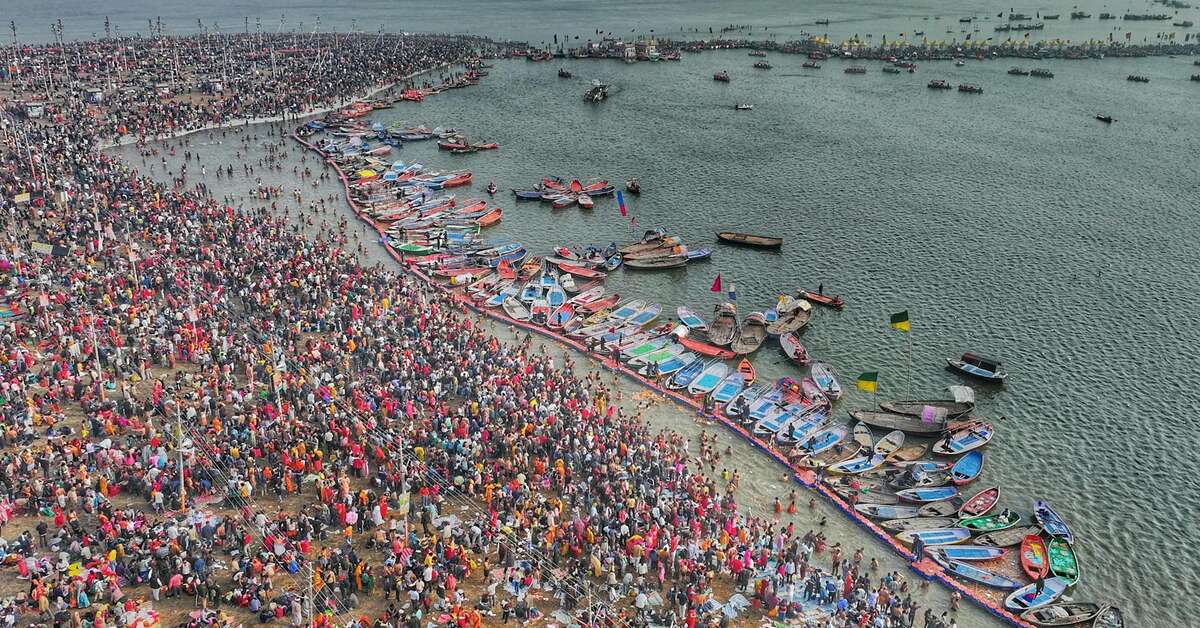
Kumbh Mela is the largest religious congregation on Earth, a Hindu pilgrimage that occurs every three years at one of four sacred locations in India. The gathering rotates between Prayagraj (Allahabad), Haridwar, Nashik, and Ujjain, with the most significant event—the Maha Kumbh—taking place once every 12 years at Prayagraj. The festival centers around the ritual bathing in holy rivers, believed to cleanse sins and grant moksha (liberation from the cycle of rebirth).
The 2019 Ardh Kumbh at Prayagraj attracted an estimated 240 million visitors over 49 days, making it visible even from space due to the temporary city created to accommodate the masses. Kumbh Mela isn’t just a religious event—it’s a living, breathing tapestry of India’s spiritual heritage, philosophical traditions, and cultural richness.
Spiritual Significance and Mythology
The mythology behind Kumbh Mela is as captivating as the event itself. According to Hindu scriptures, gods and demons once fought over the Kumbh (pot) containing the nectar of immortality (amrit) that emerged during the churning of the cosmic ocean. During a 12-day celestial battle (equivalent to 12 human years), four drops of this divine nectar fell at four earthly locations—Prayagraj, Haridwar, Nashik, and Ujjain.
These locations became sacred, and bathing in their rivers during specific astrological alignments is believed to bestow the same purifying and life-giving properties as the amrit itself. Pilgrims believe that during Kumbh Mela, the rivers transform into liquid nectar, capable of washing away lifetimes of karma and sins.
Kumbh Mela 2026 – Key Details
Where Will Kumbh Mela 2026 Be Held?
Kumbh Mela 2026 will be held in Prayagraj (formerly Allahabad), Uttar Pradesh. Prayagraj holds special significance as it sits at the Triveni Sangam—the sacred confluence of three rivers: the Ganga (Ganges), Yamuna, and the mythical Saraswati. This confluence is considered the holiest of all pilgrimage sites, making Prayagraj Kumbh the most significant in the rotation.
The event will span approximately 45-50 days, transforming the riverbanks and surrounding areas into the world’s largest temporary human settlement, complete with infrastructure, accommodations, medical facilities, and security arrangements for millions of pilgrims.
Important Dates and Shahi Snan Schedule
While final dates for Kumbh Mela 2026 will be announced based on astrological calculations, the event typically runs from January to March. The most auspicious days are the Shahi Snan (Royal Bath) dates when the maximum number of pilgrims converge.
For reference, typical Shahi Snan dates include:
- Makar Sankranti (mid-January)
- Mauni Amavasya (new moon in late January/early February)
- Basant Panchami (late January/early February)
- Maghi Purnima (full moon in February)
- Maha Shivratri (February/March)
These dates attract the highest footfall, with tens of millions taking the holy dip on single days. Check official sources closer to the event for confirmed 2026 dates based on the Hindu calendar and planetary positions.
Expected Attendance and Scale
Based on previous Prayagraj Kumbh Melas, the 2026 event is expected to attract between 100-150 million visitors over its duration, with 20-30 million on peak bathing days. To put this in perspective, this is equivalent to the entire population of Japan visiting a single location over 45 days!
The Uttar Pradesh government and various central agencies begin preparations years in advance, constructing temporary bridges, roads, accommodation facilities, hospitals, police stations, fire stations, and sanitation systems to manage this unprecedented gathering.
History and Evolution of Kumbh Mela
Ancient Origins
References to Kumbh Mela appear in ancient Hindu texts, with some scholars tracing its origins back over 2,000 years. Chinese traveler Xuanzang (Hiuen Tsang) mentioned a grand gathering at Prayagraj during the 7th century CE, where King Harshavardhan distributed alms to hundreds of thousands of pilgrims.
The festival has evolved significantly over centuries while maintaining its core spiritual essence. What began as gatherings of ascetics and saints has transformed into a massive event welcoming people from all walks of life, religions, and nationalities.
UNESCO Recognition
In 2017, UNESCO inscribed “Kumbh Mela” on the Representative List of Intangible Cultural Heritage of Humanity. This recognition acknowledged the festival’s cultural significance, its role in transmitting traditional knowledge, and its demonstration of humanity’s capacity for peaceful congregation on an unprecedented scale.
This international acknowledgment has amplified global interest, attracting researchers, photographers, filmmakers, and curious travelers from around the world who come not just to witness but to understand this remarkable phenomenon.
The Four Kumbh Mela Locations
Prayagraj (Allahabad)
Prayagraj, at the confluence of three rivers, hosts the most significant Kumbh Mela. The Maha Kumbh occurs here every 12 years, while Ardh Kumbh (half Kumbh) happens every 6 years. The spiritual potency of the Triveni Sangam makes bathing here during Kumbh particularly auspicious. The city becomes a temporary metropolis with elaborate arrangements spanning both sides of the rivers.
Haridwar
Located where the Ganges enters the plains from the Himalayas, Haridwar hosts Kumbh Mela every 12 years. The river here is considered especially pure, having just descended from its mountain source. The ghats of Haridwar, particularly Har Ki Pauri, become the focal point for ritual bathing, with the surrounding hills providing a dramatic backdrop.
Nashik
Nashik, on the banks of the Godavari River in Maharashtra, conducts Kumbh Mela every 12 years. This location is associated with Lord Rama’s exile period mentioned in the Ramayana, adding mythological significance. The Godavari, often called the “Ganges of South India,” attracts millions of devotees during Nashik’s Kumbh.
Ujjain
Ujjain, an ancient city in Madhya Pradesh on the Shipra River, completes the four-location circuit. Known as one of the seven sacred cities (Sapta Puri) in Hinduism, Ujjain’s Kumbh occurs every 12 years. The city’s rich astronomical heritage and the famous Mahakaleshwar Temple add unique dimensions to its Kumbh celebrations.
Spiritual Significance of the Sacred Bath
The Ritual of Holy Dip
The central ritual of Kumbh Mela is the holy bath or “snan” in the sacred river. Pilgrims believe that bathing at the auspicious moments washes away sins accumulated over countless lifetimes, purifies the soul, and advances them on the path to moksha. The act represents a physical, mental, and spiritual cleansing.
Devotees often perform specific rituals before and after bathing—prayers, offerings to ancestors, donations to priests and the needy, and meditation. Many pilgrims bring containers to carry holy water home for those unable to attend. The experience is intensely personal yet simultaneously collective, as millions share the same sacred space and intention.
Shahi Snan – The Royal Bath
The Shahi Snan (Royal Bath) represents the most sacred bathing moments during Kumbh Mela. On these dates, determined by astrological configurations, the spiritual energy is believed to be at its peak. The name “Shahi” reflects the tradition of royal patronage these events historically received.
The Shahi Snan follows a strict hierarchical order. The various akharas (ascetic orders) bathe first in a grand procession, followed by other sadhus, then the general public. This procession itself is spectacular—elaborately decorated elephants, horses, chariots, bands, and thousands of ash-smeared, often naked Naga Sadhus marching to the river creates an unforgettable spectacle.
The Akharas and Naga Sadhus
Who Are the Akharas?
Akharas are orders of Hindu ascetics and saints, organized into various sects primarily devoted to Lord Shiva or Lord Vishnu. Dating back to the 8th century CE when Adi Shankaracharya established them, these organizations serve as religious armies protecting Hindu dharma. There are 13 recognized akharas, including the prominent Juna Akhara, Niranjani Akhara, and Mahanirvani Akhara.
Each akhara maintains strict traditions, initiation rituals, and philosophical teachings. They remain active year-round at various pilgrimage sites, but Kumbh Mela is when they display their full strength and spiritual authority.
Understanding Naga Sadhus
Naga Sadhus are the most visually striking participants at Kumbh Mela. These ascetics renounce all worldly possessions, including clothing, and cover their bodies with sacred ash (vibhuti). “Naga” means naked, representing their complete detachment from material existence and social conventions.
Don’t mistake their appearance for simplicity—becoming a Naga Sadhu requires years of rigorous training, celibacy, yoga practice, and spiritual discipline. They undergo elaborate initiation ceremonies during Kumbh Mela itself, symbolically dying to their former lives and being reborn as spiritual warriors.
Procession and Traditions
The Naga Sadhus’ procession to the river during Shahi Snan is one of Kumbh Mela’s most anticipated moments. Thousands march in organized formations, carrying tridents, swords, and religious flags, chanting mantras, with bodies covered in ash and adorned with rudraksha beads. Some perform incredible feats of endurance and yogic control.
Their right to bathe first is fiercely protected and historically has even led to conflicts between akharas. Today, elaborate coordination ensures peaceful proceedings, though the competitive pride and territorial aspects remain part of the tradition’s fabric.
How to Reach Prayagraj for Kumbh Mela 2026
By Air
Prayagraj Airport (Bamrauli Airport), about 12 kilometers from the city center, operates regular flights from Delhi, Mumbai, Bangalore, and other major cities. During Kumbh Mela, additional flights and charter services are typically added to handle increased traffic. Book flights well in advance as prices surge and availability diminishes closer to the event.
From the airport, pre-paid taxis, app-based cabs, and shuttle services transport visitors to accommodation areas. Expect congestion and longer travel times during peak days.
By Train
Prayagraj is a major railway junction with excellent connectivity. The city has multiple stations including Prayagraj Junction (Allahabad), Prayagraj City, and Phaphamau. During Kumbh Mela, Indian Railways runs hundreds of special trains from across the country and expands platform capacities to manage the pilgrim influx.
Book train tickets months in advance through the Indian Railways website or app. Special Kumbh Mela train services are usually announced 2-3 months before the event. Expect overcrowding, delays, and longer journey times during peak periods.
By Road
Prayagraj is well-connected by national highways to Delhi (650 km), Lucknow (200 km), Varanasi (130 km), and other cities. State-run buses, private operators, and personal vehicles are popular options. During Kumbh Mela, special bus services operate from neighboring states.
Temporary approach roads and bridges are constructed to manage traffic flow. GPS navigation may not always reflect temporary routes, so follow signage and local guidance. Traffic congestion is inevitable, especially on Shahi Snan dates, so plan for significantly extended travel times.
Accommodation Options During Kumbh Mela
Government Tent Cities
The Uttar Pradesh government constructs massive tent cities specifically for Kumbh Mela, offering various categories from basic to luxury. These tent accommodations provide beds, attached bathrooms, electricity, and basic amenities. The advantage is proximity to bathing ghats and official coordination.
Booking opens several months before the event through the official Kumbh Mela website. Prices range from ₹1,000-10,000+ per night depending on category and location. Book early as these fill quickly, especially for Shahi Snan dates.
Private Camps and Hotels
Numerous private operators set up luxury and semi-luxury camps with superior amenities—comfortable beds, attached bathrooms with hot water, dining areas, cultural programs, and concierge services. These camps target domestic and international tourists seeking comfort alongside spiritual experience.
Hotels in Prayagraj city center, though farther from bathing sites, offer another option. Expect premium pricing during Kumbh Mela—rooms that normally cost ₹2,000 may surge to ₹10,000-20,000. Book 4-6 months in advance through reputable operators.
Budget Accommodation
For budget-conscious pilgrims, dharamshalas (pilgrimage rest houses), ashrams, and community accommodations offer basic facilities at minimal or no cost. Many religious organizations establish temporary camps providing free shelter and meals (langar) to devotees.
While incredibly economical, these options offer minimal comfort and privacy. Expect shared spaces, basic sanitation, and limited amenities. However, the communal experience and authentic pilgrim atmosphere can be rewarding for those seeking spiritual immersion over luxury.
What to Experience at Kumbh Mela 2026
Religious Ceremonies and Rituals
Beyond the holy dip, Kumbh Mela features continuous religious activities—yajna (fire ceremonies), bhajans (devotional singing), pravachan (spiritual discourses), and elaborate pujas. Various akharas and organizations conduct their own ceremonies, open to public participation.
Witness the evening Ganga Aarti at the sangam, when thousands of lamps illuminate the confluence, creating a breathtaking spiritual atmosphere. The collective chanting, ringing bells, and devotional fervor generate an energy that’s palpable and moving.
Cultural Programs and Exhibitions
The government organizes extensive cultural programming—classical music and dance performances, traditional crafts exhibitions, film screenings, seminars on yoga and meditation, and displays of India’s cultural diversity. These events showcase India’s artistic heritage while providing entertainment beyond the religious aspects.
Special pavilions feature exhibitions on Hindu philosophy, historical significance of Kumbh Mela, environmental initiatives, and technological innovations employed in managing the mega event.
Meeting Saints and Spiritual Gurus
Kumbh Mela attracts thousands of saints, yogis, and spiritual teachers from across India and beyond. Many establish temporary camps where they offer satsang (spiritual gatherings), answer questions, and provide blessings. This presents unique opportunities for spiritual seekers to meet revered figures who normally remain inaccessible.
Approach these interactions respectfully, following protocols like removing shoes, modest dress, and appropriate behavior. Many saints speak only Hindi or regional languages, though some accommodate English-speaking visitors. The conversations can be profoundly insightful, offering perspectives on philosophy, meditation, and the spiritual path.
Photography and Cultural Immersion
For photographers and cultural enthusiasts, Kumbh Mela is paradise. The visual richness—colorful processions, sadhus in various states of austerity, the chaotic yet organized bathing rituals, emotional moments of devotion, and the sheer scale of humanity—provides endless opportunities.
Always ask permission before photographing individuals, especially sadhus. Some welcome it, others decline, and a few may request small donations. Respect boundaries, particularly during sacred rituals. The goal is observation and understanding, not intrusion.
Essential Tips for Visiting Kumbh Mela
Best Time to Visit
If you’re seeking the most spiritually charged atmosphere with maximum crowd and energy, visit during Shahi Snan days. For a more manageable experience with fewer crowds but still authentic atmosphere, choose dates between major bathing days. Weekdays are generally less crowded than weekends.
Arrive at bathing ghats very early morning (4-6 AM) on peak days to secure good viewing positions. The sacred bath timing is calculated precisely, and millions converge simultaneously, creating extraordinary congestion.
What to Pack
Pack light but smart:
- Comfortable, modest clothing (cover shoulders and knees)
- Warm layers for early mornings and evenings (January-February is cold)
- Sturdy, waterproof footwear (you’ll walk through muddy, wet areas)
- Small backpack for daily essentials
- Flashlight/headlamp (power outages are common)
- Personal hygiene items and hand sanitizer
- Reusable water bottle
- Basic medications
- Photocopies of ID and important documents
- Cash in small denominations (ATMs may not function reliably)
- Power bank for charging phones
- Whistle (helps if you get separated from group)
Safety and Security Tips
Kumbh Mela is generally safe despite massive crowds, with extensive security deployment. However, basic precautions are essential:
- Stay aware of your surroundings in crowded areas
- Keep valuables secure and minimal
- Establish meeting points with travel companions in case of separation
- Follow authorities’ instructions, especially during crowd management
- Don’t venture into isolated areas, especially after dark
- Register yourself at information centers
- Save emergency numbers in your phone
- Avoid consuming food or drinks from unreliable sources
- Be cautious of pickpockets in dense crowds
- Women should stay in groups and avoid isolated situations
Health and Hygiene Precautions
Managing personal health in such massive gatherings requires vigilance:
- Drink only packaged or boiled water
- Carry hand sanitizer and use it frequently
- Avoid raw or improperly cooked food
- Use public toilets with caution; carry tissue paper
- Consider vaccinations (consult your doctor beforehand)
- Bring personal medications and basic first-aid supplies
- Protect yourself from sun exposure with hats and sunscreen
- Get adequate rest—the experience can be physically exhausting
- If you have respiratory issues, consider masks during dust storms
- Seek medical help immediately if you feel unwell—medical camps are abundant
Food and Facilities at Kumbh Mela
Food Options and Langar Services
Vegetarian food is universally available at Kumbh Mela. Numerous langars (community kitchens) run by religious organizations serve free meals to all visitors regardless of background. These simple but nutritious meals embody the spirit of seva (selfless service).
Commercial food stalls and temporary restaurants offer more varied options—North Indian cuisine, local specialties, sweets, chai, and snacks. Stick to freshly cooked, hot food and avoid raw items. Food prices may be higher than normal but generally remain affordable.
International visitors unfamiliar with Indian food should start cautiously with mild options and stay hydrated. Bring snacks if you have dietary restrictions, though vegan and vegetarian options are plentiful.
Medical Facilities
Comprehensive medical arrangements include:
- Temporary hospitals with specialist doctors
- Mobile medical units
- Ambulance services
- First-aid posts throughout the mela area
- Blood banks
- Pharmacies
Most services are free or heavily subsidized. Don’t hesitate to seek help if needed—the medical infrastructure rivals that of small cities, with thousands of healthcare professionals deployed specifically for Kumbh Mela.
Lost and Found Services
Getting separated from companions in the crowds is common. Authorities establish multiple lost-and-found centers with public announcement systems. If separated:
- Head to the nearest police or information booth
- Use designated meeting points established with your group
- Most lost children are quickly reunited through the efficient lost-and-found network
- Keep your phone charged and maintain communication
Consider writing contact numbers on children’s arms with permanent markers for additional safety.
Booking and Registration Process
Online Registration
While not always mandatory, registering for Kumbh Mela helps authorities manage crowds and provide assistance. The official Kumbh Mela website offers online registration where you provide personal details, travel dates, and accommodation information.
Registration may be required for specific activities, entry to certain zones on peak days, or accessing government services. Complete this process before departure for convenience.
Accommodation Booking
Book accommodation as early as possible—ideally 4-6 months before the event. Use official government websites, reputable travel agencies, or verified operators. Be wary of fraudulent bookings; confirm reservations through official channels and keep all documentation.
Read cancellation policies carefully as unpredictable circumstances (weather, health, travel disruptions) might affect plans. Travel insurance covering trip cancellations is advisable.
Cultural and Historical Significance
Beyond Religion – A Cultural Phenomenon
While rooted in Hindu tradition, Kumbh Mela transcends religious boundaries to become a cultural phenomenon. The gathering represents India’s living traditions, philosophical diversity, and social fabric. Scholars, anthropologists, and sociologists study the event as a unique model of mass human coordination, temporary urbanization, and cultural transmission.
The festival demonstrates how ancient traditions adapt to modern contexts—integrating technology, contemporary management systems, and inclusive approaches while maintaining spiritual authenticity.
Global Attraction
Kumbh Mela attracts international visitors from diverse backgrounds—spiritual seekers exploring Eastern philosophy, adventure travelers seeking unique experiences, photographers documenting humanity, researchers studying mass gatherings, and curious travelers wanting to witness something extraordinary.
This global participation enriches the event, creating cross-cultural exchanges and fostering understanding between traditions. International media coverage has positioned Kumbh Mela as a bucket-list experience for anyone interested in spirituality, culture, or simply witnessing one of humanity’s most remarkable gatherings.
Environmental Initiatives
Cleanliness Drives
Managing waste from millions of people is a colossal challenge. Recent Kumbh Melas have emphasized cleanliness through:
- Thousands of public toilets and sanitation facilities
- Regular waste collection and disposal systems
- Awareness campaigns promoting cleanliness
- Volunteer groups conducting daily clean-up drives
- Plastic ban enforcement in mela areas
- Biodegradable materials for temporary structures
The 2019 Kumbh Mela was notably cleaner than previous editions, reflecting improved environmental consciousness.
Sustainable Practices
Efforts to minimize environmental impact include:
- Solar power for lighting and utilities
- Wastewater treatment facilities
- River water quality monitoring
- Controlled sewage discharge
- Post-event restoration of riverbanks and natural habitats
- Promotion of eco-friendly practices among pilgrims
These initiatives represent growing awareness that spiritual purity should extend to environmental stewardship, ensuring that sacred rivers remain clean and healthy for future generations.
Conclusion
Kumbh Mela 2026 offers more than just a religious pilgrimage—it’s an invitation to witness humanity at its most devoted, to experience India’s spiritual heart, and to participate in something truly extraordinary. Whether you’re drawn by faith, curiosity, cultural interest, or the simple desire to be part of history’s largest peaceful gathering, Kumbh Mela promises an experience that defies easy description.
Yes, it will test your patience with crowds, challenge your comfort zones, and push your physical limits. But it will also open your eyes to dimensions of human experience rarely encountered in our ordinary lives. The sight of millions united in devotion, the energy of collective faith, the diversity of spiritual expressions, and the temporary city that appears and disappears like a dream—these memories will stay with you forever.
So prepare thoroughly, approach with an open heart and mind, respect the traditions and environment, and allow yourself to be absorbed into this river of humanity flowing toward something greater than individual existence. Kumbh Mela awaits—an experience that truly must be witnessed to be believed.
FAQ
1. Is Kumbh Mela open to non-Hindus and foreign tourists?
Absolutely! Kumbh Mela welcomes everyone regardless of religion, nationality, or background. While rooted in Hindu tradition, the event embraces universal spiritual seeking and cultural curiosity. Foreign tourists are common participants, and many come specifically to witness this unique phenomenon. However, visitors should dress modestly, behave respectfully, and understand basic customs. Non-Hindus can observe ceremonies, take the holy dip if they wish, and explore the mela grounds. The spirit of Kumbh is inclusive—what matters is genuine respect for the traditions and the sacred nature of the gathering.
2. How safe is Kumbh Mela for women travelers?
Kumbh Mela is generally safe for women due to massive security deployment and the predominantly devotional atmosphere. However, basic precautions are essential: travel in groups when possible, avoid isolated areas especially after dark, dress modestly covering shoulders and knees, stay alert in dense crowds where inappropriate touching can occur, and carry a whistle for emergency signaling. Women-only camps, toilets, and assistance centers are specifically established. Many women travel solo to Kumbh Mela successfully, but situational awareness and common sense are always important in any mass gathering.
3. Can I take a holy dip if I don’t know how to swim?
Yes, you don’t need swimming skills for the ritual bath. The bathing areas have varying depths, with shallow sections specifically designated for non-swimmers, children, and elderly pilgrims. Bathing is done near the shore where water is typically waist to chest deep. However, during peak crowds, people can inadvertently push each other, creating risks. Hold onto companions, don’t venture into deeper waters, and if uncomfortable, simply sprinkle holy water on yourself—this is considered equally auspicious. Lifeguards and security personnel are present, but personal caution is your best safety measure in crowded conditions.
4. What is the estimated budget for attending Kumbh Mela 2026?
Budget varies dramatically based on comfort expectations and duration. Ultra-budget pilgrims using free dharamshalas, community kitchens, and government transport can manage for ₹3,000-5,000 for 3-4 days (excluding travel to Prayagraj). Mid-range travelers using government tent cities and modest facilities should budget ₹15,000-30,000. Comfortable private camps with better amenities run ₹40,000-80,000. Luxury experiences with premium camps, guided services, and helicopter transfers can exceed ₹1.5-3 lakhs. Add travel costs to/from Prayagraj, insurance, and contingency funds. International tourists should budget $1,000-3,000+ depending on accommodation choices and length of stay.
5. When exactly will Kumbh Mela 2026 take place and how long does it last?
While precise dates will be announced based on astrological calculations, Kumbh Mela 2026 will likely span from mid-January to late February/early March 2026, lasting approximately 45-50 days. The most important bathing dates (Shahi Snan) typically fall around Makar Sankranti (mid-January), Mauni Amavasya (late January/early February), Basant Panchami (early February), and Maha Shivratri (February/March). Most pilgrims visit for 2-5 days around these peak dates rather than the entire duration. Monitor official Kumbh Mela websites and government announcements from mid-2025 onwards for confirmed schedules. Plan to arrive 1-2 days before your chosen bathing date to settle in and avoid last-minute rush.



Comments are closed.