Your cart is currently empty!
You may check out all the available trips and book one that suits you.
Continue Browsing TripsNo destinations found
No destinations found
No destinations found
No destinations found
No destinations found
No destinations found
No destinations found
No destinations found
No destinations found

No destinations found
No destinations found
No destinations found
No destinations found
No destinations found
No destinations found
No destinations found
No destinations found
No destinations found
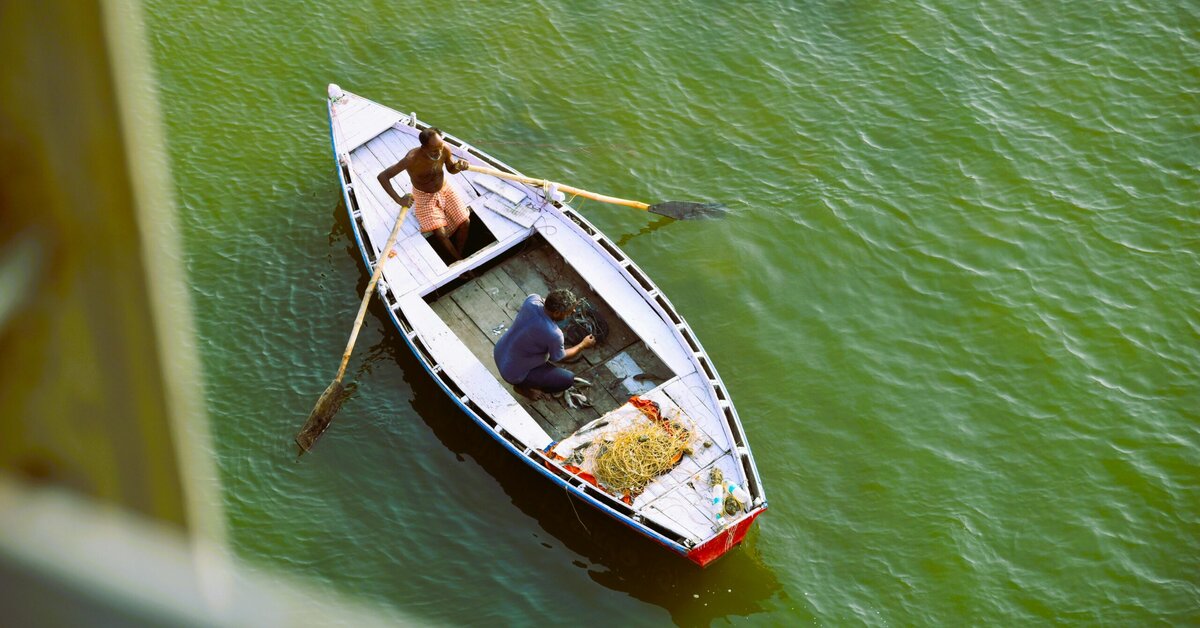
Have you ever felt the pull of something ancient, something that transcends time and touches the very core of human spirituality? That’s exactly what Varanasi offers. This city, one of the oldest continuously inhabited places on Earth, sits on the banks of the sacred Ganges River like a keeper of eternal wisdom. The evening Ganga Aarti isn’t just a ceremony—it’s a conversation between humanity and the divine, played out with fire, prayer, and devotion as the sun dips below the horizon.
Evening Boat Aarti View Varanasi : Watching this spectacle from a boat on the Ganges transforms the experience entirely. Instead of being part of the jostling crowd on the ghats, you become a privileged observer, floating on the very waters that millions consider the pathway to salvation. The river itself becomes your front-row seat to one of India’s most mesmerizing spiritual performances.
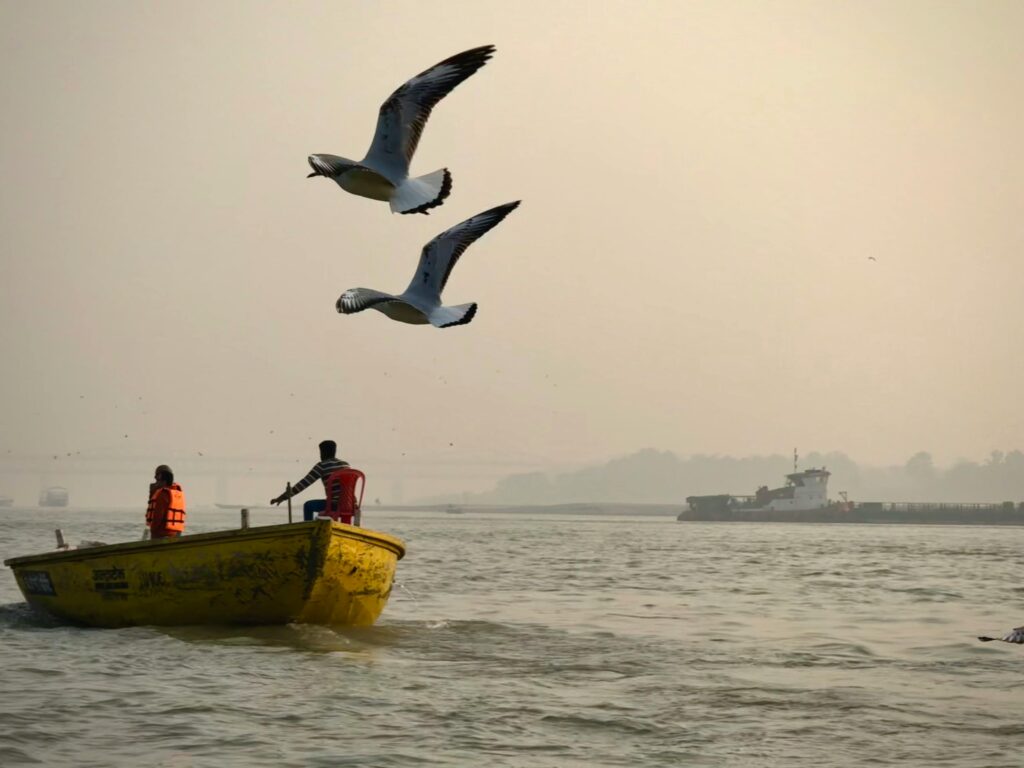
The Ganga Aarti is a ritual of worship dedicated to the River Ganges, personified as the goddess Ganga in Hindu mythology. This ceremony has been performed for centuries, though its current elaborate form at Dashashwamedh Ghat was popularized in recent decades. The ritual represents gratitude to the river that sustains life, purifies souls, and according to Hindu belief, offers liberation from the cycle of rebirth.
The ceremony isn’t just religious theater—it’s an expression of profound faith. For devotees, the Ganges isn’t merely water flowing from the Himalayas; she’s a mother, a purifier, a deity who descended from heaven to earth to cleanse humanity of its sins.
The aarti involves young priests, dressed in traditional saffron robes, performing synchronized movements with large multi-tiered brass lamps. These lamps, heavy with burning wicks, are circled in elaborate patterns while bells ring, conch shells blow, and devotional songs fill the air. Incense smoke curls upward, carrying prayers to the heavens, while the flames reflect and dance on the water’s surface.
Each element has meaning. The fire represents the light of knowledge dispelling darkness. The bells awaken the divine. The flowers and incense please the goddess. Together, they create a multisensory offering that engages every part of the worshipper’s being.
Imagine this: you’re gently rocking on the Ganges, the water lapping against your wooden boat. Before you, the ghats rise in tiers of ancient stone, illuminated by thousands of flickering diyas and electric lights. The priests move in perfect synchrony, their brass lamps creating arcs of fire against the deepening twilight. From the water, you see the entire scene as a unified canvas—the architecture, the crowd, the ceremony, and the river itself, all blending into a moment of pure visual poetry.
This perspective offers something the shore cannot—distance that allows appreciation of the whole spectacle, quiet that lets you hear the chants clearly, and space that invites contemplation rather than distraction.
Let’s be honest: Dashashwamedh Ghat during aarti can feel overwhelming. Thousands of pilgrims, tourists, vendors, and curious onlookers pack into every available space. It’s hot, crowded, and sometimes difficult to see the ceremony through the sea of heads and smartphones held high. The experience can feel more like survival than spirituality.
From a boat, you escape all that. You have your own space, your own viewpoint, and the freedom to simply be present with the experience without constantly worrying about your belongings or your personal space being invaded.
The evening aarti at Dashashwamedh Ghat happens every single day of the year, rain or shine, come what may. It typically begins around sunset, which means the timing shifts throughout the year. During summer months (April to September), expect it to start between 6:30 and 7:00 PM. In winter (October to March), it begins earlier, around 6:00 to 6:30 PM.
The best season to experience the aarti from a boat is arguably winter. The weather is pleasant, the skies are clear, and the cooler temperatures make the boat ride comfortable. Monsoon season (July to September) can be unpredictable, with possible rain and higher water levels, though witnessing the aarti during a light drizzle has its own dramatic beauty.
Plan to arrive at the boat at least 30 minutes before the ceremony begins. This gives you time to find a good position on the water and settle in before the spectacle starts.
The Ganges offers various boating options for aarti viewing. The most common are traditional wooden rowboats, typically seating 4-6 people. These boats are intimate and authentic, rowed by local boatmen who have often inherited their trade through generations.
For larger groups or those seeking more comfort, you might find motorboats or larger vessels with seating arrangements. Some tour operators offer boats with cushioned seating, though these are less traditional and slightly more expensive.
Expect to pay anywhere from ₹200 to ₹500 per person for a shared boat experience during aarti, depending on the season and your bargaining skills. Private boat rentals typically cost ₹1,000 to ₹2,500 for the entire boat, accommodating 4-6 people.
Many hotels in Varanasi arrange boat bookings for their guests, often at inflated prices but with guaranteed reliability. You can also book directly at the ghats, particularly at Dashashwamedh, Assi, or Manikarnika, where boatmen congregate. If booking at the ghat, arrive early to negotiate prices before demand peaks.
Shared boats are economical and offer opportunities to meet fellow travelers. However, you’ll have less control over positioning and timing. Private boats give you flexibility—you can ask your boatman to adjust your position for better views, stay longer, or leave early if needed.
For photographers or those seeking a more personal spiritual experience, private boats are worth the extra investment. For budget travelers or solo visitors, shared boats work perfectly well.
Boarding typically happens at one of the ghats near Dashashwamedh, though some operators start from Assi Ghat further south and row or motor upstream. The ghats have steep stone steps leading down to the water, which can be slippery, especially after rain or in the early morning dew.
What should you bring? Keep it minimal. A light jacket or shawl for the evening breeze, your camera or smartphone, and perhaps some cash for offerings or tips. Leave valuables at your hotel. Most boats don’t have life jackets, which concerns some visitors, but the boats stay close to shore in relatively shallow water during the ceremony.
Set your expectations appropriately. These are working boats, not luxury vessels. They’re functional, slightly worn, and absolutely authentic. The beauty lies not in comfort but in the experience itself.
As the ceremony begins, usually seven young priests take their positions on raised platforms at Dashashwamedh Ghat. They move in perfect harmony, a choreography passed down through training and tradition. Each priest handles a massive brass lamp with multiple tiers of flames, weighing several kilograms, yet they move with grace and precision.
The synchronization is hypnotic. All seven lamps rise together, circle together, and lower together in offering to the river goddess. It’s like watching a prayer made visible, devotion given physical form through movement and fire.
The flames themselves tell a story. Oil-fed wicks burn bright orange and gold, creating trails of light as the lamps move through the air. The priests also use smaller oil lamps, conch shells that produce deep, resonant sounds, and multi-tiered incense holders that send fragrant smoke spiraling upward.
Large bells, some requiring two hands to ring, add their voices to the ceremony. Their sound is both grounding and transcendent, a sonic anchor that holds the entire ritual together.
From your boat, you’ll see the crowd on the ghats as part of the living tableau. Thousands of people sit, stand, and press forward to witness the aarti. Some pray with folded hands, others take photographs, and many simply watch in awe. The collective energy is palpable even from the water—you can feel the intensity of faith and curiosity mixing in the air.
Look for the smaller moments too: elderly pilgrims with tears streaming down their faces, children watching wide-eyed, foreign visitors trying to understand what they’re witnessing. Each person brings their own story to this shared moment.
The evening aarti isn’t something you just see—you experience it with every sense. The visual spectacle is obvious, but close your eyes for a moment and notice what else is there. The sound of bells creates a metallic, almost celestial harmony. The rhythmic chanting of Sanskrit mantras carries across the water, words so ancient that they seem to come from the stones themselves.
The smell of incense mixes with the particular scent of the Ganges, something earthy and essential that you can’t quite describe but will never forget. The river breeze carries both fragrance and smoke, creating an atmosphere that feels separate from ordinary life.
Even the sense of touch is engaged. The gentle rocking of your boat, the evening air on your skin, the worn wood of the boat beneath your hands—all of it grounds you in the present moment while simultaneously connecting you to centuries of tradition.
The play of light on water creates magic that no photograph can fully capture. The flames reflect and fracture on the rippling surface, creating ribbons of gold and orange that stretch toward your boat. As darkness deepens, the contrast becomes more dramatic—bright fire against deep blue twilight, eventually giving way to fire against black night.
If you’re serious about photography, bring a camera with manual settings. The challenging lighting conditions—bright flames against dark backgrounds—can confuse automatic modes. Start with a wide aperture (f/2.8 to f/4) to gather as much light as possible. Set your ISO higher than usual, perhaps 1600-3200, accepting some grain as necessary for the conditions.
Shutter speed requires experimentation. Too fast and you’ll freeze the flame trails but get dark surroundings; too slow and everything blurs from boat movement. Try starting around 1/125th of a second and adjust based on your results.
A stabilizer or fast shutter speeds help counter the boat’s movement. Lenses in the 24-70mm range offer versatility for both wide shots of the entire scene and tighter compositions of individual priests.
Remember that you’re photographing a sacred ceremony, not a performance staged for tourists. Be discreet. Don’t use flash, which disrupts the ceremony and disturbs others. Don’t make yourself the center of attention by constantly standing, moving, or creating distractions in your boat.
Consider spending at least part of the ceremony just watching, camera down, present in the moment. The best memories aren’t always the ones you capture in pixels—sometimes they’re the ones you capture in your heart.
Here’s something that surprises many first-time visitors: the aarti isn’t performed for you. It’s easy to fall into the trap of thinking this is entertainment, a cultural show put on for tourists. It’s not. This is active worship, performed with the same sincerity whether ten people watch or ten thousand.
For devotees, this ceremony is profound. The River Ganges represents purification, salvation, and the divine feminine. Offering light back to the source of spiritual illumination is an act of gratitude and recognition. When you understand this context, the ceremony transforms from spectacle to sacred ritual, and your presence shifts from tourist to witness.
Many visitors report unexpected emotional responses—tears, chills, a sense of connection to something larger than themselves. This isn’t manufactured mysticism; it’s the natural human response to witnessing authentic devotion and participating, even as an observer, in something that transcends cultural boundaries.
If the evening aarti captures your heart, consider booking a sunrise boat ride as well. The morning Ganges offers a completely different experience. As mist rises from the water and the first light touches the ghats, you’ll see Varanasi awakening. Pilgrims descend the steps for their morning ablutions, sadhus meditate in lotus position, and the city slowly comes to life.
The morning light is softer, perfect for photography. The crowds are smaller, and the atmosphere is more contemplative. Many visitors find the sunrise even more moving than the evening ceremony, though both have their unique magic.
Your boat journey can include stops at other significant ghats. Manikarnika Ghat, the main cremation ground, offers a stark reminder of life’s impermanence. Assi Ghat, at the southern end of the main ghat stretch, hosts its own smaller aarti and has a more relaxed atmosphere. Panchganga Ghat marks the mythical confluence of five rivers and holds deep religious significance.
Each ghat tells its own story, serves its own purpose, and adds layers of understanding to your Varanasi experience.
Varanasi evenings can be cool, especially on the water, even during hot months. Bring a light shawl or jacket. Modest clothing shows respect for the religious context—covering shoulders and knees is appropriate, though you’ll see plenty of tourists who don’t follow this guideline.
Comfortable, closed-toe shoes are practical for navigating the ghats, which can be uneven and sometimes slippery. You won’t need formal attire, but aim for neat, respectful casual wear.
The boats are generally safe, but basic precautions apply. Don’t lean out excessively, especially if you’re on the river side. Keep your belongings secure—cameras and phones can slip from laps or bags. If you’re uncomfortable in boats or can’t swim, mention this to your boatman.
Children should be supervised closely. The Ganges isn’t a pool—it’s a working river with currents and depths that vary. That said, thousands of people take these boat rides daily without incident. Use common sense and you’ll be fine.
While Dashashwamedh Ghat hosts the most famous and elaborate aarti ceremony, it’s not your only option. The spectacle here involves seven priests and draws the largest crowds, both on the ghat and on the water. Your boat will position somewhere in the river facing this ghat, though exact positioning depends on when you arrive and how many other boats are present.
Assi Ghat, further south, has a smaller, more intimate aarti ceremony. Fewer boats crowd the water, and the atmosphere feels more personal, less like a major event. If you prefer a quieter experience or are visiting during peak tourist season when Dashashwamedh feels overwhelming, Assi offers a wonderful alternative.
Some travelers do both—the grand spectacle at Dashashwamedh one evening, and the intimate ceremony at Assi another night. Each offers its own rewards.
Respect enhances your experience and honors those for whom this ceremony is deeply meaningful. Here are some guidelines:
Do maintain relative quiet during the ceremony. Soft conversation is fine, but loud talking or laughter disrupts the sacred atmosphere.
Don’t point your feet toward the ceremony or the river. In Hindu culture, feet are considered the lowest and dirtiest part of the body, so pointing them toward sacred elements shows disrespect.
Do ask before photographing individual people, especially priests or pilgrims in prayer. The general ceremony is fine to photograph, but close-ups of individuals require permission.
Don’t drink alcohol before or during the boat ride. This is a religious ceremony, and arriving intoxicated is deeply disrespectful.
Do consider making a small offering or donation. Many visitors float small leaf boats with candles on the river after the ceremony as an offering—a beautiful gesture that participates respectfully in the tradition.
Don’t litter. The Ganges faces serious pollution challenges. Be part of the solution, not the problem. Take all your trash with you.
The evening boat aarti view in Varanasi offers something rare in our modern world—a genuine connection to ancient spirituality, experienced in a way that puts you literally in the flow of tradition. From your boat on the Ganges, you’re not just watching history; you’re floating on it, surrounded by it, breathing it in with the incense smoke and hearing it in the bells.
This isn’t just about checking off a bucket list item or getting Instagram-worthy photos, though you’ll certainly get those. It’s about allowing yourself to be moved by something authentic, something that has touched millions of souls across countless generations. Whether you’re deeply religious, casually spiritual, or thoroughly secular, the aarti ceremony speaks a universal language of beauty, devotion, and the human hunger for meaning.
The Ganges has witnessed this ritual thousands upon thousands of times, and yet each evening, as the flames are lit and the bells begin to ring, something magical happens. The ceremony is both always the same and never quite the same, like the river itself—eternal yet constantly flowing, ancient yet forever present.
So when you find yourself on that wooden boat, gently rocking on sacred waters as fire dances before you and prayers fill the air, take a deep breath. You’re experiencing something that transcends tourism, something that connects you, however briefly, to the eternal heart of India.
The evening aarti typically lasts about 45 minutes to one hour. However, you should plan for a 90-minute to 2-hour experience from the time you board your boat until you return to the ghat, accounting for positioning time before the ceremony and the return journey after.
Yes, many families take children on these boat rides. The boats stay relatively close to shore during the ceremony, and the water is generally calm. However, supervise young children closely, as the boats lack safety barriers. Life jackets are rarely provided, so if this concerns you, you might consider bringing your own or watching from the ghats instead.
While the Ganges holds deep spiritual significance and many pilgrims do bathe in it, the water quality varies considerably and doesn’t meet Western sanitation standards. If spiritual bathing is important to you, most boatmen can accommodate a brief stop at a less crowded ghat, but be prepared for cold water and understand the health considerations involved.
The aarti ceremony happens every single day regardless of weather conditions. During rain, the priests perform under large umbrellas, and the ceremony continues. In fact, witnessing the aarti during a monsoon evening has its own dramatic beauty, with rain and river becoming one. Just bring appropriate rain protection if visiting during monsoon months.
Absolutely! Solo travelers can easily join shared boat rides, which are the most economical option. Many hotels and guesthouses arrange these shared experiences, or you can find boatmen at the ghats who group solo travelers together. This often leads to meeting interesting fellow travelers and can actually enhance the experience through shared perspectives.
Comments (3)
Comments are closed.