Your cart is currently empty!
You may check out all the available trips and book one that suits you.
Continue Browsing Trips
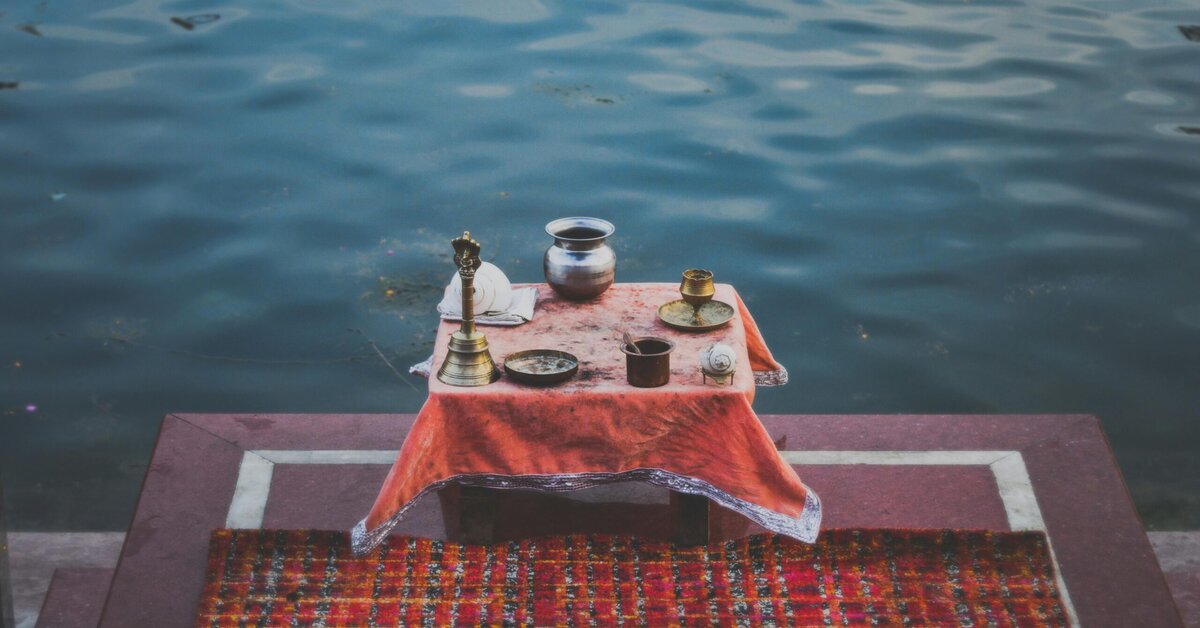
Temples of Kedar Ghat – Hidden Shrines of Varanasi : Have you ever wandered off the beaten path and discovered a place that feels like it’s been waiting just for you? Kedar Ghat in Varanasi offers precisely that experience. While thousands of tourists flock daily to Dashashwamedh and Assi Ghats, Kedar Ghat maintains a quieter, more contemplative atmosphere where spirituality feels less performed and more genuine. This isn’t the Varanasi of tour buses and selfie sticks—it’s the Varanasi of devotion, continuity, and ancient stones that have absorbed centuries of prayers.
Nestled among the 88 ghats that line the sacred Ganges, Kedar Ghat might not grab headlines or dominate Instagram feeds, but it holds a special place in the hearts of those who seek authentic spiritual experiences over spectacular ones. The temples clustered around and above this ghat represent layers of religious history, each shrine telling stories that connect earth to heaven, mythology to daily practice, and the past to the present moment.
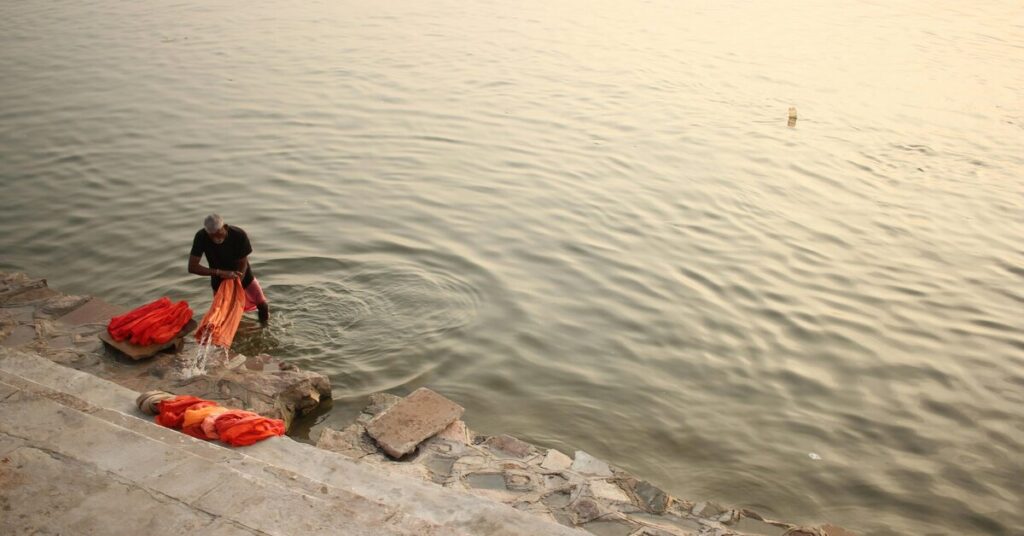
The name “Kedar” immediately signals this ghat’s connection to Lord Shiva, specifically linking it to the famous Kedarnath temple in the Himalayas—one of the twelve Jyotirlingas and among the holiest Shiva shrines in Hindu tradition. According to local belief, visiting Kedar Ghat and worshipping at its Kedareshwar temple grants blessings equivalent to making the arduous pilgrimage to Kedarnath itself.
Historical records suggest the ghat’s existence dates back many centuries, though like most ancient structures in Varanasi, precise dating proves elusive. The ghat appears in various Puranic texts and pilgrimage guides that enumerate Varanasi’s sacred sites. Its inclusion in these traditional lists indicates recognition as an important spiritual location for at least several hundred years, possibly much longer.
The physical structure we see today reflects multiple periods of construction and reconstruction. The steps, temples, and supporting buildings have been renovated and rebuilt numerous times, a common pattern in Varanasi where continuous use necessitates ongoing maintenance. What remains constant is the spiritual significance—the recognition that this spot carries particular sacred power worthy of devotion and pilgrimage.
The mythological connection between Kedar Ghat and Kedarnath temple in Uttarakhand runs deep in Hindu tradition. Legend holds that after the great Mahabharata war, the Pandava brothers sought Lord Shiva’s blessings to absolve themselves of the sin of killing their relatives in battle. Shiva, unwilling to easily grant forgiveness, disguised himself as a bull and hid in Kedarnath.
When the Pandavas discovered his location, Shiva began sinking into the earth. The Pandavas managed to grab the bull’s hump, which remained above ground and became the Kedarnath lingam. Other body parts of the bull-form Shiva are believed to have emerged at different locations, creating the sacred Panch Kedar shrines.
The Kedareshwar temple at Kedar Ghat represents a spiritual replica or extension of that Himalayan sacred site. Devotees believe that sincere worship here, especially during certain auspicious periods, channels the same divine energy that resides in the mountain temple. For those unable to undertake the challenging Kedarnath pilgrimage—due to age, health, finances, or time constraints—Kedar Ghat offers an accessible alternative that still provides profound spiritual merit.
Kedar Ghat sits roughly in the middle section of Varanasi’s long stretch of ghats, positioned between Chauki Ghat to the south and Mansarovar Ghat to the north. If you’re using the major ghats as reference points, it’s located north of the famous Harishchandra Ghat (one of the cremation ghats) and south of the central tourist zone around Dashashwamedh Ghat.
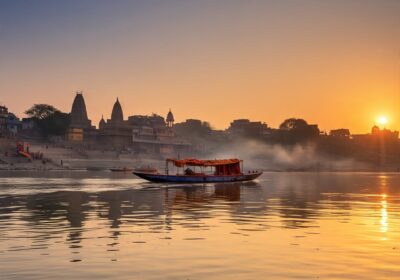
The ghat isn’t prominently marked with large signs, which contributes to its hidden quality. From the river, you’ll recognize it by the distinctive temples rising above the steps and the characteristic architecture of its buildings. The Kedareshwar temple’s shikhara (spire) provides a visual landmark when viewing the ghat from a boat on the Ganges.
Reaching Kedar Ghat involves navigating Varanasi’s characteristic maze of lanes. From the main road areas, you can hire a rickshaw to bring you to the nearest accessible point, then continue on foot through the lanes that lead toward the river. Ask locals for “Kedar Ghat” or “Kedareshwar Mandir”—most residents know the location and can point you in the right direction.
The approach through the lanes offers its own rewards. You’ll pass through genuinely residential areas where local life unfolds without tourist-oriented modification. Small shops selling daily necessities, homes with open doorways revealing courtyards, children in school uniforms, and the smells of cooking meals create an atmosphere distinct from the more commercialized tourist zones.
Alternatively, approaching by boat from the river provides a completely different perspective. Many visitors find this the most atmospheric way to discover Kedar Ghat—seeing the temples first from the water, then disembarking at the ghat steps to explore the shrines. Boat rides along the ghats are easily arranged from any major ghat, and boatmen know all the ghat locations.
Kedar Ghat sits within walking distance of several other significant locations. Harishchandra Ghat, one of Varanasi’s two main cremation ghats, lies just to the south—a sobering reminder of death’s ever-presence that actually enhances rather than diminishes the spiritual atmosphere. To the north, you’ll find Mansarovar Ghat, named after the sacred lake in Tibet.
The ghat’s location places it away from both the most touristy southern areas (around Assi Ghat) and the intensely crowded central zones (around Dashashwamedh and Kashi Vishwanath). This intermediate position grants it a balanced character—active enough to feel alive but quiet enough to permit contemplation.
Within the lanes behind the ghat, numerous smaller temples and shrines create a dense sacred geography. You could spend hours wandering these alleys, discovering unexpected sanctuaries and observing devotional practices that have continued unchanged for generations.
The Kedareshwar Temple stands as the ghat’s centerpiece, its architecture reflecting traditional North Indian temple design. The temple rises several stories, with the main sanctum at the base level and additional structures built above. The shikhara—the tower above the sanctum—follows the nagara style characteristic of northern temples, with curved sides ascending to a point topped by an amalaka (a ribbed stone disk) and kalasha (pot-shaped finial).
The exterior walls, weathered by centuries of monsoon rains and river humidity, display carvings that have softened with time but retain their essential forms. Niches contain subsidiary deities, and decorative elements frame doorways and windows. The stonework shows the craftsmanship of traditional temple builders who worked without modern tools yet achieved remarkable precision and beauty.
The temple’s footprint is relatively compact, as space in this densely built area comes at a premium. Rather than sprawling horizontally, the structure builds vertically, with steep stairs connecting different levels. This vertical orientation creates an ascending spiritual journey—you climb upward to reach the main deity, a physical metaphor for spiritual elevation.
Inside the sanctum resides the Kedareshwar lingam—a naturally formed or sculpted stone representing Lord Shiva in his most abstract, essential form. The lingam sits in a yoni base, representing the union of masculine and feminine divine principles, Shiva and Shakti. Daily abhishekam (ritual bathing) with water, milk, yogurt, honey, and ghee keeps the lingam lustrous and sanctified.
Devotees believe this lingam carries particular power, especially during the month of Sawan (July-August) when Shiva worship intensifies throughout India. The sanctum’s atmosphere—dark, cool, fragrant with incense and flowers—creates a womb-like space that feels protected from the external world’s chaos. Oil lamps flickering before the deity provide the only light, their flames dancing in ways that make the stone seem almost alive.
The lingam’s size is modest compared to some grand temples, but devotees insist that spiritual power doesn’t correlate with physical dimensions. In fact, the intimacy of the small sanctum creates a sense of personal connection with the divine that massive temple halls sometimes lack. You’re close enough to touch the lingam during worship, creating a direct, unmediated encounter with the sacred.
One of the most intriguing legends associated with Kedar Ghat involves a temple that supposedly lies submerged beneath the Ganges waters. According to tradition, an even more ancient Kedareshwar temple once stood at a lower level than the current structure. As the river’s course shifted over centuries and water levels changed, this original temple became partially or completely submerged.
Local priests and elderly residents speak of times when the water level drops significantly—usually during the driest part of summer—and portions of this submerged structure become briefly visible. Some claim to have seen stone carvings and architectural elements beneath the water during exceptionally low tides. Whether literal truth or mythic embellishment, the story reinforces the site’s antiquity and adds an element of mystery.
This legend also connects to the broader Hindu concept of cyclical time and civilization’s rise and fall. Temples submerge, new temples rise above them, and the divine presence continues regardless of physical structures’ fate. The story reminds devotees that what matters isn’t the stone and mortar but the faith and devotion that animate these sacred spaces.
Adjacent to or integrated with the main Kedareshwar Temple stands a shrine dedicated to Goddess Gauri, Parvati’s form representing marital bliss and fertility. This pairing of Shiva and his consort follows orthodox Hindu temple theology—rarely does Shiva appear without some representation of Shakti nearby, as the two represent complementary aspects of ultimate reality.
The Gauri shrine attracts particularly female devotees seeking blessings for marriage, children, or family harmony. Women often perform special rituals here, sometimes coordinated with their worship at the main Shiva temple. The goddess’s presence softens the masculine energy of Shiva worship, creating balance and completeness.
The architectural style of this shrine typically matches the main temple, suggesting simultaneous construction or careful later addition designed to maintain aesthetic coherence. Inside, the goddess may be represented by a small idol, a sacred stone, or yantra (geometric diagram). Fresh flowers, red sindoor, and bright fabrics often decorate the shrine, reflecting the goddess’s association with auspiciousness and feminine power.
True to Hindu tradition, you’ll find Ganesh shrines scattered around the Kedar Ghat temple complex. As the remover of obstacles and the deity worshipped before beginning any undertaking, Ganesh holds a preliminary position in Hindu ritual. Devotees typically offer prayers to Ganesh before proceeding to worship the main deity, ensuring their devotion encounters no impediments.
These Ganesh shrines vary from elaborate stone-carved niches to simple painted images housed in small alcoves. Some may be quite ancient, while others represent recent additions reflecting continuing devotional practice. Each carries offerings—flowers, sweets (particularly modak, Ganesh’s favorite), and broken coconut shells—evidence of ongoing worship.
The presence of multiple Ganesh shrines rather than just one reflects organic religious development. As different families, communities, or individuals felt called to honor Ganesh, they established shrines according to their means and devotion. Over time, these accumulate into a landscape dense with sacred markers.
Beyond the immediately visible temples, the lanes surrounding Kedar Ghat hide numerous smaller shrines dedicated to various deities. Hanuman temples are particularly common, as the monkey god’s association with strength, devotion, and protection makes him universally popular. These shrines often consist of a simple structure housing a Hanuman idol or image, with devotees stopping briefly to apply sindoor and offer prayers.
You’ll also encounter shrines to other deities—Durga, Kali, various river goddesses, planetary deities (Navagraha), and local guardian spirits unique to Varanasi. Some of these sanctuaries are so small and unassuming that only locals aware of their presence actively worship there. Others maintain enough visibility to attract passing devotees.
Discovering these hidden shrines requires curiosity and willingness to explore. Wander the lanes with open attention, and you’ll notice sacred spaces you initially overlooked—a small doorway leading to a courtyard temple, a niche in a wall housing a deity image, or a modest structure identified only by the presence of flowers and incense. Each represents someone’s devotion, a sacred geography built not by official decree but by accumulated acts of faith.
First-time visitors often comment that Kedar Ghat possesses a distinctly different energy than the more famous ghats. The difference isn’t easily articulated but unmistakably felt. Part of it stems from lower tourist traffic—you’re more likely to share space with genuine pilgrims and local devotees than with tour groups. The commercialization that shapes visitor experiences at major ghats remains minimal here.
The ghat’s physical layout contributes to its atmosphere. The temples rising directly from the ghat steps create an integrated sacred landscape where the boundary between worship space and public space blurs. You’re not entering a clearly demarcated tourist attraction; you’re moving through living religious space where the sacred infuses the everyday.
The sound environment differs too. Rather than the amplified announcements and organized chaos of popular ghats, Kedar Ghat’s soundtrack consists of temple bells ringing irregularly, priests chanting, water lapping against stone steps, and the ordinary sounds of nearby residential life. This creates a contemplative rather than spectacular atmosphere—inviting introspection rather than excitement.
If Dashashwamedh Ghat represents Varanasi’s extroverted, performative aspect—the grand spectacle of the Ganga Aarti watched by thousands—then Kedar Ghat embodies the city’s introverted, meditative dimension. Here, spirituality operates at a more intimate scale, accessible to individual seekers rather than requiring crowds to generate energy.
This quieter character attracts certain visitors who find the major ghats overwhelming. Introverts, serious spiritual practitioners, and those seeking contemplative rather than celebratory religious experiences often gravitate toward places like Kedar Ghat. You can sit on the steps for extended periods, watching the river and processing your thoughts without constant interruption.
The pace feels slower, more aligned with traditional rhythms than modern tourism’s accelerated consumption of experiences. Time seems to expand slightly, allowing you to notice details—the way morning light illuminates temple carvings, the specific tone of a particular bell, the expression on an elderly devotee’s face during prayer. These small observations accumulate into deep appreciation.
Dawn at Kedar Ghat offers something special. As the sun rises, its first rays strike the temple spires, and the ghat gradually wakes. Priests open temple doors, ringing bells and beginning morning pujas. Devotees arrive for their daily worship, some coming to bathe in the Ganges before entering the temple. The morning air carries sounds of chanting, the smell of incense, and a sense of fresh beginning.
The morning crowd consists mainly of locals following their regular routines—this isn’t performative for tourists but genuine devotional practice continuing as it has for generations. You witness religion as a living tradition rather than a museum display, observing how faith structures daily life for practitioners.
Evening brings its own quality. As daylight fades, oil lamps are lit throughout the temples. The evening aarti at Kedar Ghat is modest compared to Dashashwamedh’s spectacle, but that modesty creates intimacy. Devotees gather—not hundreds or thousands, but perhaps dozens—and participate in prayers that feel communal rather than theatrical. The collective energy is palpable but gentle, lifting spirits without overwhelming senses.
Temple priests maintain rigorous daily schedules of worship that sanctify time through repetition and ritual precision. The day typically begins before dawn with Mangala Aarti—awakening the deity with lamps, bells, and chanting. This is followed by Shringar, the ritual of dressing and decorating the deity with fresh flowers, cloth, and ornaments.
Throughout the day, multiple puja sessions occur at prescribed times. Each involves specific ritual actions—offering flowers, incense, food, and light to the deity while reciting mantras. Between formal pujas, the temple remains open for individual devotees to perform darshan (viewing the deity) and offer personal prayers.
The evening schedule includes another aarti, often the day’s most attended ritual, followed by bhoga (food offering), and finally Shayan Aarti—putting the deity to rest for the night. This daily cycle anthropomorphizes the divine, treating the deity as an honored guest who must be awakened, fed, entertained, and put to sleep with proper respect.
Beyond daily routines, devotees can arrange special pujas for specific purposes—seeking blessings for marriages, births, business success, health recovery, or ancestral peace. These special ceremonies involve priests performing elaborate rituals with multiple offerings, extended chanting, and fire sacrifice (havan).
The cost and complexity vary based on the devotee’s desires and resources. Simple pujas might involve basic offerings and brief ceremonies, while elaborate ones can span hours with numerous ritual components. Priests skilled in Vedic procedures conduct these ceremonies, often with family members participating under the priest’s guidance.
Common offerings at Kedar Ghat temples include flowers (especially belpatra leaves for Shiva), coconuts, fruits, sweets, incense, and camphor for the aarti flame. Devotees sometimes offer milk or Ganga water for abhishekam—ritually bathing the lingam. During special occasions, more elaborate offerings like silk cloth, silver ornaments, or significant monetary donations might be presented.
The month of Sawan (typically July-August, during monsoon) holds special significance for Shiva worship. Mondays within Sawan become particularly sacred, as Monday is Shiva’s day throughout the year. During this period, Kedar Ghat and its Kedareshwar Temple experience significantly increased devotional activity.
Devotees undertake fasts on Sawan Mondays, consuming only fruits, milk, or specific permitted foods before breaking the fast after evening prayers. Many commit to visiting Shiva temples every Monday throughout the month, sometimes performing elaborate personal rituals. The atmosphere at Kedar Ghat during these Mondays is noticeably more intense—more devotees, longer prayers, and a palpable increase in devotional fervor.
Special decorations adorn the temple during Sawan. The lingam receives extra attention with more frequent abhishekams using various sacred substances. Priests conduct extended aarti ceremonies, and devotional singing (bhajans) continues for hours. For serious Shiva devotees, the Sawan Mondays at Kedar Ghat represent the year’s spiritual highlight.
Despite weathering and periodic renovations, significant stone carvings survive around the Kedar Ghat temples. These carvings serve both decorative and didactic purposes, beautifying the structure while teaching religious narratives to viewers. Common motifs include depictions of deities, mythological scenes, geometric patterns, and stylized natural forms like lotus flowers and creeping vines.
Some carvings show remarkable detail despite their age—the folds of a deity’s clothing, the expressions on celestial beings’ faces, the ornaments adorning various figures. These were created by skilled artisan communities who held specialized knowledge passed through generations. Examining the carvings closely reveals the care and devotion invested in their creation.
Look for panels depicting Shiva in various forms—as Nataraja performing the cosmic dance, as the ascetic meditating in the Himalayas, or in his family aspect with Parvati and sons Ganesha and Kartikeya. These narrative carvings served as visual scripture for devotees who couldn’t read texts, communicating religious teachings through stone.
The temples at Kedar Ghat reflect the nagara style of North Indian temple architecture, characterized by curved towers (shikhara) that rise above the sanctum like mountain peaks. This architectural choice isn’t accidental—it symbolizes Mount Kailash or Mount Meru, the cosmic mountain at the universe’s center in Hindu cosmology.
The construction uses local sandstone and, in some sections, brick covered with plaster and paint. The temples’ integration with surrounding buildings demonstrates how sacred and domestic architecture interweave in Varanasi’s dense urban fabric. Temples don’t stand in isolated compounds but emerge organically from the built environment, their sacred nature marked by architectural features rather than physical separation.
Foundation construction deserves special mention. Building stable structures on the ghat itself, where monsoon floods and shifting soil pose challenges, requires engineering knowledge refined over centuries. The temples have survived repeated floods, earthquakes, and the constant settling that affects all Varanasi structures, testament to builders’ understanding of local conditions.
Maintaining ancient temples in Varanasi presents ongoing challenges. Monsoon humidity, air pollution, river flooding, structural settling, and simple aging all take their toll. Various preservation efforts—some official, others community-driven—work to maintain these structures for future generations.
The Archaeological Survey of India occasionally undertakes restoration work on particularly significant structures, though bureaucratic and funding limitations restrict their scope. More commonly, local communities and temple management committees organize preservation work, raising funds through donations and conducting repairs as resources allow.
Preservation philosophy must balance competing concerns—maintaining structural integrity while respecting historical authenticity, making temples accessible while protecting delicate elements, and accommodating ongoing worship while preventing damage from ritual activities. Finding this balance requires wisdom and compromise, not always perfectly achieved but earnestly pursued.
The ghat consists of stone steps descending to the river, their number varying with seasonal water levels. During monsoon, when the Ganges swells with runoff, only the topmost steps remain above water. In summer’s dry season, the water recedes, exposing the full staircase and sometimes revealing lower structures typically submerged.
These steps, worn smooth by countless feet over centuries, provide access for ritual bathing, water collection, laundry washing, and simply sitting to watch the river. They’re practical infrastructure that has gained sacred status through continuous religious use—every stone consecrated by prayers offered, ablutions performed, and devotional acts enacted upon it.
The steps’ configuration includes platforms at intervals—flat areas where priests perform ceremonies, devotees sit for worship, or families gather. Some platforms feature small permanent shrines or sacred trees, creating additional focal points for devotion. The entire structure functions as an interface between land and water, human and divine, ordinary and sacred.
Bathing in the Ganges at any ghat carries spiritual merit, but doing so at specific ghats like Kedar increases that merit according to traditional belief. The bath serves multiple purposes—physical cleansing certainly, but more importantly, spiritual purification that washes away karmic impurities accumulated through wrong actions, thoughts, or intentions.
Proper ritual bathing follows prescribed procedures. Devotees enter the water facing the rising sun (if morning) or in specific directions associated with particular deities. They immerse themselves completely, sometimes multiple times, while reciting mantras or prayers. Some perform tarpan—offering water to ancestors—or other ceremonies during their bath.
The experience of bathing in the Ganges at Kedar Ghat carries emotional weight beyond ritual requirements. The water’s coolness, the current’s gentle tug, the sight of temples rising above, and the knowledge of countless generations who have bathed here creates a profound sense of participation in something timeless and vast.
Kedar Ghat serves as a boarding and disembarking point for boats offering river tours. Boatmen wait along the steps, ready to row tourists along the ghats or across the river. These traditional wooden boats, rowed by oar rather than motor, provide the classic Varanasi experience—gliding along the water as the ghats’ panorama unfolds.
The view of Kedar Ghat from the river reveals its full architectural composition—temples rising in tiers, the ghat steps descending to water, and the surrounding buildings creating a dense urban wall along the riverbank. From this perspective, you understand how intimately water and worship intertwine in Varanasi’s sacred geography.
Early morning boat rides offer particular magic. As sunrise illuminates the ghats, mist often rises from the water’s surface, creating ethereal effects. You pass devotees performing morning ablutions, priests conducting ceremonies, and the city gradually waking. The boat’s gentle rocking and the rhythmic sound of oars create a meditative quality that allows deep appreciation of your surroundings.
Mahashivaratri—the great night of Shiva—transforms Kedar Ghat into a hub of intense devotional activity. This annual festival, usually falling in February or March, celebrates Shiva with nightlong prayers, fasting, and vigils. Devotees believe that sincere worship on this night grants special blessings and spiritual advancement.
At Kedar Ghat, the Kedareshwar Temple becomes the center of celebration. Devotees throng to the temple throughout the night, queuing for darshan and offering prayers. The lingam receives continuous abhishekam with milk, honey, yogurt, and water brought from the Ganges. Temple priests conduct elaborate ceremonies every few hours, and devotional music continues without pause.
The atmosphere is electric with devotion but also communal celebration. Street vendors set up stalls selling food, flowers, and religious items. Temporary lights illuminate the entire area. Families make collective pilgrimages, and the normally quiet ghat buzzes with activity. By dawn, thousands may have passed through, each seeking the divine grace especially available on this sacred night.
The monsoon season holds particular significance at Kedar Ghat due to the Sawan month falling during this period. Additionally, the monsoon’s association with Shiva—who holds the Ganges in his matted locks—creates theological connections that amplify the season’s sacredness.
As rains swell the river, the ghat’s appearance transforms. Water rises to cover lower steps, and the increased flow creates a more powerful, dynamic Ganges. The visual drama of rain, river, and temples under cloudy skies creates atmospheric conditions that many find spiritually evocative.
Practical challenges accompany monsoon beauty—slippery steps, flooding that occasionally closes access, and the general discomfort of navigating Varanasi in heavy rain. Yet devoted pilgrims continue coming, some believing that the hardship of monsoon pilgrimage actually increases its spiritual merit.
Beyond the major festivals, regional celebrations and specific community observances add variety to Kedar Ghat’s ritual calendar. Ganga Dussehra, celebrating the Ganges’ descent to earth, brings increased bathing activity. Local festivals honoring specific deities or commemorating saints’ lives create occasions for special worship.
Community-specific celebrations also occur. Particular families or groups with hereditary connections to Kedar Ghat temples might organize annual ceremonies. These can be private affairs or semi-public events where broader community participation is welcomed. They demonstrate how religious practice at the ghat isn’t standardized but includes layers of meaning specific to different communities.
The temples at Kedar Ghat are maintained by hereditary priestly families who have served these shrines for generations, sometimes centuries. These priests—typically Brahmins from specific sub-castes—inherit both the privilege and responsibility of temple service, passing knowledge from father to son in an unbroken chain.
These families often live in the immediate vicinity, their homes integrated into the temple complex or nearby structures. Their lives revolve around the temple’s rhythms—waking for pre-dawn rituals, conducting ceremonies throughout the day, and managing the myriad details of temple maintenance and administration.
The relationship between these priestly families and the broader devotee community is complex. Priests serve as intermediaries between devotees and deities, conducting rituals many devotees cannot perform themselves. This creates both respect for their religious knowledge and occasional tension over fees, access, and the commercialization of what should ideally be pure devotion.
The area surrounding Kedar Ghat’s temples functions as a neighborhood where religious and domestic life interweave seamlessly. Residents include priests and their families, shopkeepers selling religious goods, long-term pilgrims staying in modest accommodations, and families who have lived here for generations.
Daily life follows rhythms shaped by temple schedules. Morning sounds include temple bells and chanting along with typical domestic noises—children preparing for school, breakfast being cooked, neighbors greeting each other. The lanes serve multiple functions—religious procession routes, children’s playgrounds, commercial corridors, and social spaces where neighbors gather and converse.
This integration of sacred and mundane reminds visitors that Varanasi isn’t a theme park or museum but a living city where people make their homes and live complete lives that happen to unfold in extraordinarily sacred surroundings. The temples aren’t set apart from life but embedded within it, shaping and being shaped by the community around them.
For the fullest experience of Kedar Ghat’s spiritual atmosphere, early morning visits are ideal. Arriving around sunrise lets you witness the ghat awakening—priests opening temples, devotees beginning their daily worship, and the soft light creating beautiful photographic conditions. Morning also means fewer visitors, allowing quieter contemplation.
Evening presents a different but equally valuable experience. As daylight fades and lamps are lit, the temples acquire a mysterious, enchanting quality. Evening aartis provide opportunities to participate in communal worship. The cooler temperatures make exploring more comfortable than midday heat.
Avoid midday visits when possible, especially during summer. The intense sun reflecting off stone makes the area uncomfortable, most temples close for a few hours during the hottest part of the day, and the spiritual atmosphere feels less concentrated. If you must visit midday, keep it brief and plan to return during better hours.
Photography policies at Kedar Ghat’s temples vary. Some areas permit photography freely, others restrict it partially, and inner sanctums typically prohibit it entirely. Always ask permission before photographing inside temples, even if you don’t see explicit prohibition signs.
The ghat steps and exteriors generally allow photography without restriction. You can capture the architecture, the river views, and the general atmosphere. When photographing people engaged in worship or ritual bathing, exercise sensitivity—maintain distance, avoid flash that might disturb devotees, and if someone seems uncomfortable with your camera, lower it immediately.
Consider whether photography enhances or detracts from your experience. Sometimes the impulse to capture everything prevents you from fully experiencing anything. Try alternating between taking photos and simply being present, allowing some moments to exist only in memory rather than on a memory card.
Standard Hindu temple etiquette applies at Kedar Ghat. Remove shoes before entering temple premises—designated areas for footwear exist near entrances. Dress modestly with shoulders covered and clothing extending below knees. Head covering isn’t typically required for Shiva temples but shows additional respect if you choose.
Inside temples, maintain quiet voices and avoid unnecessary conversation. Don’t touch the deity or ritual objects unless specifically invited by priests. If you wish to offer prayers but don’t know proper procedures, observe what others do or ask a priest for guidance—they’re usually happy to help sincere seekers.
Be mindful of not interrupting ceremonies or obstructing other devotees’ worship. These temples primarily serve devotees, not tourists. Your presence is generally welcome, but remember you’re a guest in someone else’s sacred space. Respectful curiosity is appreciated; entitled demands for access or explanation are not.
Kedar Ghat offers something fundamentally different from Varanasi’s celebrity ghats. Dashashwamedh, with its mighty Ganga Aarti performed by multiple priests with massive lamps, creates spectacle and collective energy that can be thrilling. Assi Ghat, popular with yoga practitioners and the tourist cafe scene, has a more relaxed, almost bohemian atmosphere. Manikarnika, the main cremation ghat, confronts you with death’s reality in ways that can be profound or overwhelming.
Kedar Ghat sits somewhere between these extremes. It offers genuine religious significance without the overwhelming crowds that can make major ghats feel like performances rather than worship. The temples provide architectural and spiritual substance that some quieter ghats lack. Yet it remains accessible and welcoming rather than forbidding or intensely somber.
For travelers who find Dashashwamedh too crowded and commercialized but want more spiritual depth than simply sitting at a quiet ghat watching the river, Kedar provides an ideal middle ground. You can experience authentic devotional practice, explore architecturally significant temples, and still find quiet moments for personal reflection.
The comparison reveals that Varanasi’s richness lies partly in its variety. Different ghats serve different functions and appeal to different temperaments. Rather than ranking them hierarchically, appreciate each for its unique contribution to the city’s complex sacred geography. Kedar Ghat’s gift is its balance—substantial but not overwhelming, sacred but not forbidding, welcoming but not panderin to tourism.
I remember sitting on Kedar Ghat’s steps one February morning, watching an elderly couple complete their ritual bath. They moved slowly, supporting each other carefully on the slippery stones, immersing themselves with obvious effort. Afterward, they sat on the steps, faces turned toward the rising sun, completely still for perhaps twenty minutes. Something about their stillness—born not of performance but of complete absorption in the moment—stayed with me long after I left Varanasi.
Another time, I witnessed a young family conducting a ceremony for their infant son. The baby, dressed in elaborate traditional clothing, was brought to the temple for blessings. The priest performed rituals while the baby cried, then cooed, then fell asleep in his mother’s arms—life’s ordinary chaos continuing despite the sacred ceremony. The family’s joy and the priest’s patient accommodation of the crying baby revealed religion’s human dimension more clearly than any theological text.
During one Sawan Monday, I saw a man who had walked from a village dozens of kilometers away carrying a decorated pot of Ganges water on his head. He would pour this water on the Kedareshwar lingam, completing his annual pilgrimage. His exhausted but radiant face after completing the ritual spoke of devotion’s power to transcend physical hardship.
These personal glimpses into others’ spiritual lives offer something guidebooks cannot—the recognition that these stones, rituals, and waters matter profoundly to real people whose faith shapes their life choices. You’re not observing quaint customs or exotic practices but witnessing how humans construct meaning, seek transcendence, and connect with what they understand as divine.
Come prepared with small bills if you plan to make offerings or donations—large notes create awkward change-making situations. Bring a small bag for storing shoes, as designated shoe storage areas sometimes charge small fees, and carrying your own footwear gives you more flexibility.
Allow more time than you think necessary. Rushing through temple exploration defeats the purpose. Plan at least an hour or two for Kedar Ghat and its temples, more if you want to also bathe in the Ganges or take a boat ride. The experience improves dramatically when you’re not watching the clock.
Stay hydrated but remember that many temple areas lack public restrooms. Plan accordingly, perhaps visiting nearby cafes or your hotel facilities before embarking on extensive temple exploration. This practical consideration often gets overlooked until it becomes urgent.
Consider hiring a knowledgeable local guide for your first visit. While Kedar Ghat is accessible for independent exploration, a good guide provides historical context, points out easily missed details, and helps navigate interactions with priests and vendors. This investment often significantly deepens your understanding and appreciation.
Learn a few basic Hindi or local phrases. “Namaste” (respectful greeting), “dhanyavad” (thank you), “yeh kya hai?” (what is this?), and “kitna?” (how much?) facilitate communication and demonstrate respect for local culture. Even imperfect attempts at using local language are usually appreciated and can create warm connections.
The temples of Kedar Ghat represent Varanasi in microcosm—ancient yet living, sacred yet integrated with daily life, significant yet unpretentious. In a city where spiritual tourism sometimes overwhelms authentic devotion, these shrines maintain a balance that allows both genuine pilgrims and curious visitors to find meaning.
Walking through these temples, climbing the ghat steps, watching the Ganges flow past, and observing devotions that have continued for centuries creates a sense of connection across time. You touch, however briefly, something that extends far beyond your individual life—a tradition that flourished before you were born and will continue after you die, yet which welcomes your temporary participation.
The hidden quality of these shrines—their location off the main tourist circuit, their lack of aggressive marketing, their maintenance of traditional practices despite modernization pressures—actually enhances their value. They represent what Varanasi might lose if commercialization and tourism completely transform the city. They remind us that some things remain sacred not despite but because they resist full commodification.
Whether you approach these temples as a devotee, a cultural explorer, or simply a curious traveler, they offer something increasingly rare in our interconnected world—authentic sacred space that hasn’t been primarily shaped by external expectations but continues evolving according to internal religious logic and community needs. In discovering Kedar Ghat’s hidden shrines, you discover a Varanasi that still belongs primarily to itself.
The ideal visiting period is October through March when Varanasi’s weather is pleasant and comfortable for exploration. Within this window, February-March during Mahashivaratri offers the most intense spiritual experience, while November provides excellent weather with fewer festival crowds. The monsoon season (July-August), particularly Sawan month, holds special religious significance for Shiva worship and attracts serious devotees, though rain can complicate visits. Summer months (April-June) should be avoided if possible due to extreme heat, though early morning or late evening visits remain feasible.
Generally yes, the temples at Kedar Ghat welcome respectful visitors of all faiths and backgrounds. Unlike some temples that restrict entry to Hindus only, Kedar Ghat maintains an open policy. However, you must follow all protocols regarding dress code, shoe removal, and behavior. Inner sanctums may have some restrictions during certain rituals, and you should always ask priests if unsure about access to specific areas. Approaching with genuine respect and curiosity rather than mere sightseeing tourism ensures a welcome reception.
A thorough exploration of the main Kedareshwar Temple and surrounding shrines typically requires 1-2 hours. If you want to attend a full aarti ceremony, take a boat ride for river views, and explore the lanes behind the ghat, allocate 2-3 hours. Serious spiritual seekers or those wanting to sit for extended meditation or contemplation might spend half a day or more. The experience improves when unhurried, so err on the side of allowing extra time rather than racing through. Consider visiting both morning and evening to experience the ghat’s different atmospheres.
From a devotional perspective, bathing in the Ganges at Kedar Ghat is considered spiritually beneficial and safe according to Hindu belief in the river’s purifying power. From a scientific health perspective, the Ganges carries pollution that raises legitimate hygiene concerns. Many foreign visitors choose to wade in the water or perform symbolic rituals without full immersion. If you do bathe, avoid swallowing water, shower thoroughly afterward, and ensure any cuts or wounds are covered. Ultimately, the decision involves personal comfort balancing religious respect with health considerations. Observing the ritual without complete immersion still allows meaningful participation.
Photography policies vary within the temple complex. Exterior architecture and the ghat steps generally permit photography without restriction. Inside temple structures, particularly in the sanctum where the main lingam resides, photography is typically prohibited or restricted. Always ask permission from priests or temple attendants before photographing inside any temple building. Even where photography is technically permitted, consider whether taking photos enhances or detracts from the experience. Sometimes simply being fully present without a camera creates deeper memory and appreciation than photographing everything. When photographing devotees engaged in worship, maintain respectful distance and avoid flash or intrusive behavior.

Comments are closed.