Your cart is currently empty!
You may check out all the available trips and book one that suits you.
Continue Browsing Trips

Varanasi Heritage Tour Package , Have you ever wondered what it feels like to walk through a living, breathing history book? That’s exactly what Varanasi offers. Nestled along the sacred banks of the Ganges River, this ancient city pulses with thousands of years of history, spirituality, and culture. Known as Kashi or Banaras in different eras, Varanasi isn’t just a destination—it’s an experience that touches your soul.
When you step into Varanasi, you’re stepping into one of the world’s oldest continuously inhabited cities. The narrow lanes, ancient temples, and riverside ghats tell stories that span millennia. Every corner whispers tales of saints, scholars, and seekers who’ve walked these paths before you. It’s no wonder that a heritage tour package here becomes more than just sightseeing—it becomes a journey through time itself.

Let’s be honest—Varanasi can be overwhelming for first-time visitors. The sensory overload of sights, sounds, and smells can leave you spinning. That’s where a well-planned heritage tour package becomes your best friend. These packages are designed to help you navigate the city’s complex layers while ensuring you don’t miss the hidden gems that make Varanasi truly special.
A heritage tour package takes the stress out of planning. Instead of wondering which temple to visit first or how to reach Sarnath, you’ll have expert guides who know every nook and cranny of this sacred city. They’ll share stories that bring ancient stones to life and help you understand the deep spiritual significance behind every ritual you witness. Plus, you’ll travel comfortably and safely, allowing you to focus on absorbing the incredible atmosphere around you.
According to Hindu mythology, Lord Shiva himself founded Varanasi over 5,000 years ago. The city is mentioned in ancient texts like the Rigveda, making it one of the oldest cities referenced in written history. Legends say that anyone who dies in Varanasi attains moksha—liberation from the cycle of birth and death. This belief has drawn pilgrims for centuries, creating a unique spiritual ecosystem.
The city’s connection to the divine isn’t just Hindu. Buddhists revere nearby Sarnath, where Buddha delivered his first sermon after achieving enlightenment. Jains consider Varanasi the birthplace of several Tirthankaras. This confluence of faiths has created a rich tapestry of religious heritage that’s rare anywhere else in the world.
Varanasi has witnessed the rise and fall of empires. From the ancient kingdoms mentioned in the Mahabharata to the Mughal period, from British colonial rule to modern independent India—the city has survived them all. Each era has left its mark on the architecture, culture, and social fabric of Varanasi.
The city has been a center of learning for millennia. Scholars came here to study Sanskrit, philosophy, music, and astrology. The famous poet Tulsidas wrote the Ramcharitmanas here. Musicians like Pandit Ravi Shankar carried forward Varanasi’s classical music traditions to the world stage. This intellectual heritage continues today, with numerous educational institutions keeping ancient knowledge systems alive.
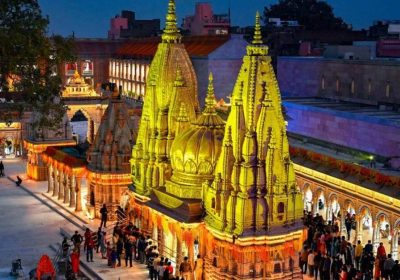
No heritage tour of Varanasi is complete without visiting the Kashi Vishwanath Temple. This golden-spired temple dedicated to Lord Shiva is considered one of the twelve Jyotirlingas—the holiest Shiva temples in India. The current structure dates back to 1780, rebuilt by Maharani Ahilyabai Holkar after earlier temples were destroyed.
The temple’s spiritual magnetism is palpable. Thousands of devotees queue daily for darshan, their faith creating an energy that’s hard to describe but impossible to ignore. The narrow lanes leading to the temple are lined with shops selling religious items, sweets, and flowers—a vibrant marketplace that’s existed for centuries.
Just ten kilometers from Varanasi lies Sarnath, a place of immense significance for Buddhists worldwide. Here, in 528 BCE, Buddha delivered his first sermon, setting in motion the wheel of dharma. The Dhamek Stupa, standing 43 meters tall, marks this sacred spot.
The archaeological museum at Sarnath houses priceless artifacts, including the famous Lion Capital that became India’s national emblem. Walking through these ruins, you can almost hear the Buddha’s teachings echoing through time. The peaceful atmosphere contrasts beautifully with Varanasi’s bustling energy, offering a moment of contemplation.
Perched on the eastern bank of the Ganges, Ramnagar Fort serves as the ancestral home of the Maharaja of Varanasi. Built in the 18th century with chunar sandstone, this fort showcases Mughal architecture with its balconies, open courtyards, and pavilions.
Inside, you’ll find a museum displaying vintage cars, royal palanquins, medieval costumes, and ancient weaponry. The collection of astronomical clocks and ivory work demonstrates the sophisticated craftsmanship of that era. During Dussehra, the fort becomes the venue for the month-long Ramlila performances, a tradition that continues from centuries past.
The most famous of Varanasi’s 88 ghats, Dashashwamedh Ghat pulsates with life from dawn to dusk. According to legend, Lord Brahma performed ten horse sacrifices here, giving the ghat its name. Today, it’s best known for the mesmerizing Ganga Aarti ceremony held every evening.
The ghat’s steps have witnessed countless rituals, celebrations, and ceremonies. Early morning brings spiritual seekers taking holy dips, while evenings transform the space into a theatrical spectacle of devotion. The stone steps, worn smooth by millions of feet over centuries, connect the earthly realm to the sacred waters below.
Picture this: as the sun sets, priests in saffron robes gather at the ghat. Conch shells blow, bells ring, and massive brass lamps with multiple wicks are lit. The priests perform synchronized movements, waving the lamps in circular patterns while chanting Vedic hymns. The reflection of flames dances on the Ganges as hundreds of spectators watch in reverent silence.
This daily ritual isn’t a tourist show—it’s a living tradition of worship. The aarti expresses gratitude to the river that sustains millions of lives. Watching it, you’ll understand why people call the Ganges their mother. The spiritual energy during these moments is transformative, leaving even skeptics moved.
Varanasi has nurtured Indian classical arts for generations. The city is particularly famous for its gharana (school) of Hindustani classical music. Many legendary musicians were born or trained here, and the tradition continues in numerous music schools and ashrams.
If you’re lucky, your heritage tour might include a classical music or Kathak dance performance. These aren’t just entertainment—they’re spiritual practices where art becomes meditation. The intricate rhythms and melodies carry stories from ancient epics, creating a bridge between past and present.
The shimmer of Banarasi silk is legendary across India and beyond. For over 2,000 years, weavers in Varanasi have created these exquisite textiles using techniques passed down through families. The intricate brocade work, often featuring Mughal-inspired designs with gold and silver threads, requires exceptional skill and patience.
Visiting a weaving workshop offers insight into this meticulous craft. You’ll see artisans working on traditional handlooms, creating patterns that take weeks or even months to complete. Understanding the labor behind each saree makes you appreciate why they’re treasured as heirlooms.
Heritage tour packages typically offer a range of accommodation choices to suit different budgets and preferences. You might stay in a heritage hotel converted from an old haveli, where antique furniture and traditional architecture transport you to another era. Mid-range options include comfortable hotels near the ghats, while luxury packages might include boutique properties with river views.
Many packages ensure your accommodation is strategically located, minimizing travel time to major heritage sites. Some even offer stays in ancestral homes where you can experience authentic Banarasi hospitality and home-cooked traditional meals.
The true value of a heritage package lies in knowledgeable guides who bring history alive. These aren’t just tour operators rattling off dates and facts—they’re storytellers who understand the cultural context behind every monument. They’ll explain the symbolism in temple carvings, share local legends, and answer your questions about religious practices.
Many packages include specialized guides for different aspects of your tour. A temple expert might guide your religious site visits, while a cultural historian leads your exploration of architectural marvels. This expertise ensures you gain deep insights rather than superficial impressions.
Navigating Varanasi’s labyrinthine lanes can be challenging. Heritage packages handle all transportation, whether it’s comfortable air-conditioned vehicles for longer distances or cycle rickshaws for navigating the old city’s narrow alleys. Boat rides on the Ganges, essential for the full Varanasi experience, are typically included.
The package also manages practical details like entrance fees, timing your visits to avoid crowds, and ensuring you experience key events like the Ganga Aarti from the best vantage points. This logistical support lets you immerse yourself in the experience without worrying about the details.
Timing your Varanasi heritage tour can significantly impact your experience. The most pleasant weather occurs between October and March when temperatures range from comfortable to cool. Winter months (December to February) can get quite cold in the mornings and evenings, so pack accordingly.
The summer months (April to June) are scorching hot, with temperatures often exceeding 45°C. The monsoon season (July to September) brings relief from heat but also humidity and potential flooding of ghats. However, the monsoon transforms the landscape with greenery and brings a different kind of beauty to the river.
Visiting during major festivals offers unparalleled cultural experiences. Dev Deepawali, celebrated fifteen days after Diwali, sees all ghats illuminated with thousands of earthen lamps—a breathtaking sight. Mahashivratri draws massive crowds to Shiva temples, creating an intense spiritual atmosphere.
The Ganga Mahotsav, a five-day festival in November, showcases classical music, dance, and cultural programs along the ghats. However, festival times also mean higher prices and larger crowds, so book your heritage package well in advance if you’re planning around these dates.
Varanasi’s culinary scene is as historic as its temples. The city’s street food culture has evolved over centuries, creating unique flavors you won’t find elsewhere. Start your day with kachori sabzi—deep-fried bread served with spicy potato curry. The tamatar chaat (tomato chaat) is a local specialty that perfectly balances tangy, spicy, and sweet flavors.
Don’t miss the famous Banarasi paan, a betel leaf preparation that’s an art form here. Paan vendors create elaborate mixtures with various ingredients, and trying one is practically a cultural obligation. The lassi shops serve creamy, rich yogurt drinks in traditional clay cups that add an earthy flavor to the experience.
Beyond street food, Varanasi offers refined traditional cuisine worth exploring. The city’s sweet shops are legendary—try the malaiyo, an ephemeral milk foam dessert available only in winter mornings. Launglata, a clove-flavored dessert, and the various preparations of rabri (thickened sweetened milk) showcase the city’s dairy expertise.
Many heritage tour packages include meals at traditional restaurants serving vegetarian thalis—platters with multiple dishes representing Banarasi home cooking. The use of local spices and cooking techniques passed through generations creates flavors that define the region’s culinary identity.
Taking home a Banarasi saree means owning a piece of living heritage. These sarees aren’t just clothing—they’re wearable art. The finest pieces feature intricate zari (gold thread) work with patterns inspired by Mughal motifs like flowers, leaves, and architectural elements. Prices vary dramatically based on silk quality, amount of handwork, and design complexity.
When shopping, visit government emporiums or reputable weaver cooperatives to ensure authenticity. Many tour packages include visits to weaving centers where you can purchase directly from artisans, ensuring fair prices and genuine products. Remember, a real Banarasi silk saree with heavy zari work won’t come cheap, but it’s an investment that lasts generations.
Varanasi’s crafts extend beyond textiles. The city is famous for brassware, particularly the traditional lamps and utensils used in religious ceremonies. Wooden toys from Varanasi showcase intricate hand-painting techniques. The city also produces beautiful bead jewelry, especially rudraksha beads considered sacred in Hindu tradition.
The lanes near Vishwanath Temple and Thatheri Bazaar are shopping paradises for heritage crafts. Bargaining is expected and part of the shopping experience. Many heritage packages include shopping tours with guides who help you navigate markets and ensure you’re getting quality products at fair prices.
If there’s one experience that defines Varanasi, it’s a sunrise boat ride on the Ganges. As dawn breaks, the river comes alive with activity. Devotees perform surya namaskar (sun salutations), priests conduct morning pujas, and people take holy dips believing the Ganges washes away sins.
From your boat, you’ll witness life unfolding along the ghats—yoga practitioners, cremation rituals at Manikarnika Ghat, children playing, washermen cleaning clothes in traditional methods. The early morning light creates a mystical atmosphere, and the scene seems unchanged from centuries ago. This boat ride offers perspective on how the river sustains Varanasi’s spiritual and practical life.
Many heritage packages offer opportunities to participate in traditional ceremonies. You might join a puja at a temple, learning the significance of each ritual element. Some packages arrange visits to ashrams where you can attend meditation sessions or philosophical discussions.
Participating respectfully in these practices—even as an observer—deepens your understanding of Varanasi’s living traditions. Whether lighting a diya (lamp) at the evening aarti or offering flowers to the river, these small acts connect you to practices that stretch back thousands of years.
Varanasi’s temples showcase various architectural styles reflecting different periods of construction. The shikhara (tower) style dominates, with intricate carvings covering every surface. Many temples feature mandapas (pillared halls) with ornate columns displaying mythological scenes.
The Durga Temple, known as the Monkey Temple, exemplifies North Indian Nagara architecture with its multi-tiered shikhara. The Tulsi Manas Temple, built with white marble, demonstrates modern temple architecture while maintaining traditional elements. Each temple’s architectural details—from the carved doorways to the ceiling patterns—tell stories from Hindu epics and philosophy.
British colonial rule left its architectural mark on Varanasi. Buildings like the Varanasi Cantonment railway station showcase Victorian Gothic architecture. The Banaras Hindu University campus, established in 1916, blends Indian and colonial architectural elements across its extensive grounds.
Some heritage properties have been converted into hotels, allowing visitors to experience colonial-era grandeur. The wide avenues of the cantonment area contrast sharply with the medieval old city, illustrating Varanasi’s layered history where different periods coexist rather than replace each other.
Varanasi is deeply religious, and respecting local customs ensures positive interactions. Dress modestly, especially when visiting temples—covering shoulders and knees is advisable. Always remove shoes before entering temples or stepping on someone’s carpet during prayers. Ask permission before photographing people, particularly during religious ceremonies.
The burning ghats (cremation sites) deserve special sensitivity. While some tour packages view them from boats, if you visit on foot, maintain a respectful distance and demeanor. These are sacred spaces for grieving families, not tourist attractions. Photography at cremation ghats is generally prohibited and deeply offensive.
While Varanasi is generally safe, the crowds and narrow lanes require vigilance. Keep valuables secure, and be cautious in extremely crowded areas. Use only registered taxis or transportation arranged by your tour package to avoid scams.
Health-wise, stick to bottled water and eat at reputable restaurants, especially initially until your system adjusts. The intense sensory experience—sights, sounds, and yes, smells—can be overwhelming. Heritage packages usually include meals at vetted establishments, minimizing health risks while letting you explore authentic cuisine.
Booking your heritage tour package requires some research. Reputable tour operators offer packages ranging from 2-day express tours to week-long immersive experiences. Look for operators with good reviews and transparent pricing that clearly lists inclusions and exclusions.
Many packages can be customized based on your interests—whether you’re more focused on spiritual experiences, architectural history, or cultural performances. Booking through licensed tour operators ensures better accommodation, knowledgeable guides, and reliable transportation. Online platforms make comparison easy, but also check with specialized heritage tour companies that might offer more curated experiences.
Consider package flexibility. Can you modify the itinerary? Are meals included? What happens if you want to spend extra time at a particular site? The best heritage packages balance structure with flexibility, ensuring you see the highlights while allowing spontaneous exploration.
Varanasi isn’t just a city—it’s a philosophy, a way of life, and a testament to civilization’s continuity. A heritage tour package provides the framework to explore this complexity without getting lost in its intensity. From the divine energy at Kashi Vishwanath Temple to the serene teachings at Sarnath, from the vibrant street food culture to the timeless craft of silk weaving, every element contributes to an unforgettable experience.
The city challenges your senses and assumptions while offering profound insights into spirituality, history, and human resilience. Whether you’re watching the eternal flame at Manikarnika Ghat or listening to classical music in an ancient courtyard, Varanasi touches something deep within. A well-planned heritage tour package ensures you don’t just visit Varanasi—you experience its soul. This ancient city has survived millennia by embracing change while staying rooted in tradition, and that paradox is exactly what makes it endlessly fascinating.
So when will you book your journey to the eternal city? Varanasi awaits, ready to share its stories with those willing to listen.
A comprehensive heritage tour typically requires 3-4 days to cover major sites without rushing. This allows time for Varanasi’s main temples and ghats, a half-day trip to Sarnath, cultural experiences like the Ganga Aarti, and some exploration of local crafts and cuisine. If you want deeper immersion or wish to participate in spiritual practices, consider extending to 5-7 days. However, even a 2-day express package can cover highlights if you’re short on time.
Absolutely! Varanasi offers educational experiences that children find fascinating—boat rides, observing silk weaving, exploring forts, and experiencing vibrant street life. However, parents should prepare children for the city’s sensory intensity and explain cultural practices sensitively, especially regarding cremation ghats. Many heritage tour packages can be customized for families with age-appropriate activities and comfortable pacing.
Budget packages typically include basic accommodation, group tours, and standard transportation, covering major sites efficiently. Luxury packages offer boutique or heritage hotel stays, private guides with specialized knowledge, exclusive experiences (private boat rides, special temple access), premium dining, and more comfortable transportation. Both cover similar heritage sites, but the level of comfort, personalization, and depth of experience differs significantly.
Yes, though it comes with considerations. Monsoon (July-September) brings fewer tourists, lush greenery, and a different perspective on the river. However, heavy rains can cause ghat flooding, limit boat rides, and make walking difficult in narrow lanes. If you don’t mind rain and humidity, monsoon offers unique photographic opportunities and a more intimate experience with locals. Just pack appropriate rain gear and flexible expectations.
Photography policies vary by location. Most temples allow exterior photography but restrict cameras inside sanctums. Some charge camera fees. Cremation ghats strictly prohibit photography out of respect for grieving families. Professional photography equipment may require special permits at archaeological sites like Sarnath. Your heritage tour guide will inform you about specific restrictions. Always ask permission before photographing local people, especially during religious activities, and respect any refusals graciously.