Your cart is currently empty!
You may check out all the available trips and book one that suits you.
Continue Browsing Trips

Varanasi and Sarnath Tour Package , Ever felt that pull to disconnect from the everyday chaos and reconnect with something deeper? A weekend getaway to Varanasi and Sarnath offers exactly that—a compact yet profound journey through India’s spiritual heartland. These two ancient cities, separated by just twelve kilometers but spanning different faiths and eras, create a perfect combination for travelers seeking meaning, history, and unforgettable experiences in a short timeframe.
Varanasi, the eternal city where life and death dance along the Ganges, contrasts beautifully with Sarnath’s tranquil Buddhist sanctity. Together, they offer a weekend that satisfies multiple dimensions of travel—spiritual seekers find enlightenment, history enthusiasts discover layers of civilization, photographers capture extraordinary moments, and even casual travelers leave transformed. The best part? Modern tour packages have perfected the logistics, allowing you to experience both destinations thoroughly without the stress of planning.
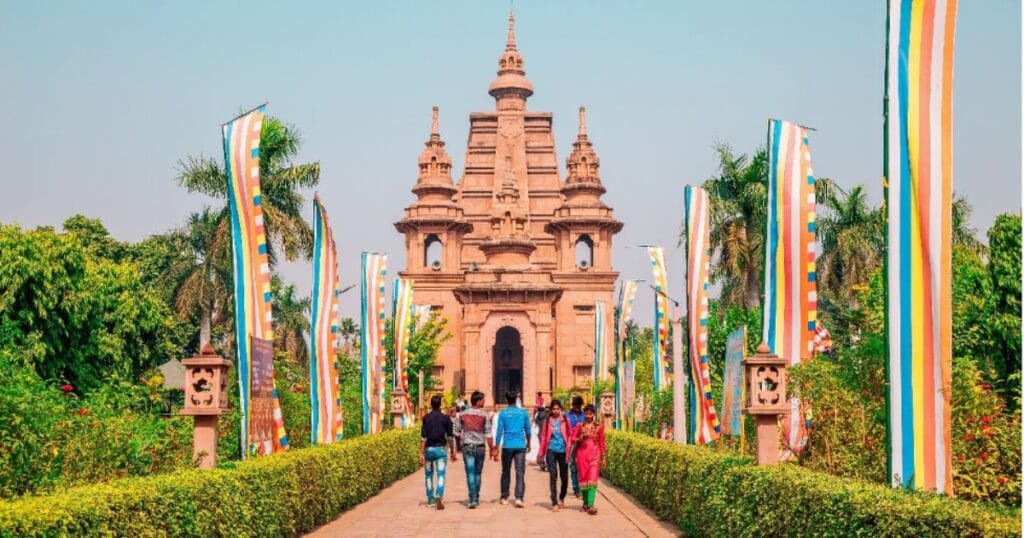
Why visit two places when most weekend trips focus on one? The answer lies in their complementary natures. Varanasi overwhelms your senses with its intensity—the crowds, the rituals, the energy that never sleeps. Sarnath provides balance with its peaceful gardens, quiet stupas, and contemplative atmosphere. Experiencing both in one weekend creates a complete narrative of India’s spiritual evolution.
VIP Sugam Darshan passes, verified outstation cabs, Ganga aarti boat allocations, and clean hotel stays — fully coordinated by our on-ground team.
Practically speaking, their proximity makes combination packages incredibly efficient. Sarnath sits just 20-30 minutes from Varanasi, easily accessible as a half-day excursion. You’re not wasting precious weekend hours traveling between distant cities. Instead, you maximize your time experiencing rather than transiting. Tour operators have refined itineraries that flow naturally, ensuring you witness sunrise boat rides, evening aartis, archaeological wonders, and cultural performances without feeling rushed.
The contrasts deepen appreciation for both places. After experiencing Varanasi’s chaotic devotion, Sarnath’s ordered serenity feels even more profound. The Hindu rituals along the Ganges gain context when you understand Buddhism emerged partly as a reaction to rigid orthodoxy. You’re not just visiting tourist spots—you’re understanding the philosophical dialogue that shaped a subcontinent’s spirituality.
What makes Varanasi endure when countless ancient cities have crumbled into ruins? The answer lies in its living tradition. This isn’t a museum where history is preserved behind glass—it’s a place where ancient practices continue unbroken. The morning rituals performed today mirror those from thousands of years ago. Pilgrims still come seeking moksha, priests still recite Sanskrit mantras, and the Ganges still flows with the same sacred significance.
The city works its magic through layers. Initially, you notice the chaos—narrow lanes packed with people, sacred cows wandering freely, vendors calling out, the aromatic smoke of incense mixing with less pleasant smells. But look deeper, and patterns emerge. The apparent disorder has its own rhythm, a logic shaped by centuries of adaptation. Behind every crowded ghat lies someone’s private moment of devotion. Within the commercial hustle exists genuine faith. Varanasi demands you look beyond surface impressions.
Weekend packages prioritize Varanasi’s essential experiences. The Kashi Vishwanath Temple, dedicated to Lord Shiva, forms the spiritual epicenter—though crowds can be overwhelming. Dashashwamedh Ghat hosts the famous evening aarti, a spectacle of devotion you’ll remember forever. Manikarnika Ghat, the primary cremation site, confronts visitors with Hindu perspectives on death and liberation.
Beyond these highlights, Varanasi rewards wandering. The ghats extending along the riverfront each have distinct characters—some quiet, others bustling with activity. The old city’s lanes hide centuries-old temples, traditional akharas (wrestling schools), and workshops where artisans create Banarasi silk. Banaras Hindu University’s campus offers architectural beauty and the Bharat Kala Bhavan museum. Good tour packages balance famous sites with these lesser-known gems.
In 528 BCE, after achieving enlightenment under the Bodhi tree in Bodh Gaya, Buddha walked to Sarnath. Here, in a deer park, he delivered his first sermon to five ascetics, setting in motion the dharma wheel—Buddhist teachings that would eventually spread across Asia and beyond. This makes Sarnath one of Buddhism’s four most sacred sites, pilgrimage destinations for Buddhists worldwide.
What Buddha taught here revolutionized spiritual thinking. His Four Noble Truths and Eightfold Path offered a middle way between extreme asceticism and indulgent living. He emphasized personal experience over inherited tradition, ethical conduct over ritual correctness. These teachings, radical for their time, created a new philosophical framework that still resonates today. Standing where Buddha spoke these words connects you tangibly to this pivotal moment in human spiritual evolution.
The site flourished for centuries. Emperor Ashoka, Buddhism’s greatest patron, erected monuments here in the 3rd century BCE. Chinese pilgrims Xuanzang and Faxian documented thriving monasteries with thousands of monks. By the 12th century CE, however, invasions destroyed Sarnath’s structures, and the jungle reclaimed the ruins. Only in the 19th century did archaeological excavations reveal the site’s magnificence, restoring it to prominence.
The Dhamek Stupa dominates Sarnath’s landscape—a massive cylindrical structure rising 43 meters, marking the exact spot where Buddha preached. Unlike many stupas, it was never completely destroyed, surviving relatively intact for over 2,000 years. The intricate stone carvings around its base showcase ancient artistry, while the structure’s imposing presence creates an atmosphere of profound peace.
The Ashoka Pillar, though only fragments remain in situ, demonstrates ancient engineering brilliance. The famous Lion Capital that once topped this pillar now resides in the Sarnath Museum and serves as India’s national emblem. The polished sandstone pillar’s edict, inscribed by Ashoka, prohibits harming the sangha (monastic community), providing direct evidence of imperial Buddhist patronage.
The Archaeological Museum houses treasures unearthed from Sarnath—the Lion Capital, Buddha statues showing evolving artistic styles, and artifacts illustrating daily monastic life. Mulagandha Kuti Vihar, a modern temple built in 1931, features beautiful murals by Japanese artist Kosetsu Nosu depicting Buddha’s life. Its peaceful gardens offer perfect spots for meditation and reflection.
Most weekend packages begin with Friday evening or Saturday morning arrival. If you arrive Friday, settle into your accommodation and perhaps take an evening stroll near your hotel to acclimate. Saturday morning starts early—around 5:30 AM—with a boat ride on the Ganges during sunrise. This experience alone justifies the entire trip.
As dawn breaks, the ghats come alive with morning rituals. You’ll witness yoga practitioners on the steps, priests performing puja at riverside temples, devotees taking holy baths, and bodies wrapped in saffron cloth arriving at cremation ghats. The early morning light creates magical photography opportunities, with golden rays illuminating ancient architecture and reflecting off the river. The boat ride typically lasts 60-90 minutes, after which you’ll return to your hotel for breakfast.
Post-breakfast, the itinerary typically includes walking tours through the old city. You’ll navigate narrow lanes barely wide enough for two people, passing temples hiding behind unassuming doors, flower markets exploding with color, and shops selling religious items. Guides explain the significance of various sights while helping you dodge motorbikes, cows, and the constant flow of pilgrims. A visit to Kashi Vishwanath Temple’s exterior (non-Hindus cannot enter the inner sanctum) introduces you to Varanasi’s spiritual epicenter.
After lunch and perhaps some rest during the hot afternoon, your day culminates with the Ganga Aarti at Dashashwamedh Ghat. Good packages position you well—either with boat views or reserved seating on the ghat. Arriving by 6:00 PM ensures you’re settled before the 7:00 PM ceremony begins.
The aarti’s spectacle—priests performing synchronized rituals with massive brass lamps, devotional songs echoing across the water, flames reflecting on the river, and thousands participating in collective worship—creates an unforgettable sensory experience. The ceremony lasts about 45 minutes, and afterward, many travelers enjoy dinner at rooftop restaurants overlooking the ghats, reflecting on the day’s experiences while watching the river’s nocturnal rhythm.
Sunday typically dedicates mornings to Sarnath. After breakfast, a comfortable drive (30-40 minutes depending on traffic) takes you to this Buddhist sanctuary. The atmosphere shift is immediately noticeable—from Varanasi’s intense energy to Sarnath’s contemplative calm.
Your guided tour begins at the Dhamek Stupa, where guides explain Buddhist philosophy and the site’s historical significance. You’ll walk through the monastery ruins, imagining the thriving community that once studied and practiced here. The Ashoka Pillar site demonstrates ancient architectural prowess, while the well-maintained gardens provide peaceful walking paths connecting various monuments.
The Archaeological Museum typically takes 45-60 minutes, showcasing the famous Lion Capital and other priceless artifacts. Guides highlight how Buddhist art evolved from symbolic representations to human forms of Buddha. Many packages include time at Mulagandha Kuti Vihar for viewing the murals and participating in or observing meditation sessions. The entire Sarnath experience usually spans 3-4 hours, allowing thorough exploration without feeling rushed.
Returning to Varanasi by early afternoon leaves time for additional activities. Many packages include visits to the Banaras Hindu University campus—its Vishwanath Temple (replica of the main one but accessible to all), the New Vishwanath Temple with its striking modern architecture, and the Bharat Kala Bhavan museum displaying miniature paintings, sculptures, and textiles.
Alternatively, you might explore Ramnagar Fort across the river, shop for Banarasi silk sarees, or attend classical music or dance performances often included in premium packages. Some travelers prefer free time to wander independently, grab street food, or simply absorb the atmosphere. Evening might include another boat ride or visiting smaller ghats like Assi Ghat for a less crowded aarti experience.
Monday morning—if your weekend extends to three days—might include a quick sunrise visit to the ghats for those who can’t get enough of that magical morning atmosphere. Alternatively, packages might schedule temple visits or shopping time for last-minute souvenirs. Banarasi silk shops, brass vendors, and handicraft stores offer unique items worth taking home.
Breakfast is followed by hotel checkout, with departures typically scheduled around noon or early afternoon, allowing comfortable connections for flights or trains. Some packages offer airport or railway station transfers, while others conclude at your hotel. The shorter timeframe keeps the focus tight—you’ve experienced the essentials without overstaying to the point of diminishing returns.
Weekend packages offer various accommodation tiers. Budget options include clean, comfortable guesthouses or 2-3 star hotels near the ghats—basic but adequate, often family-run with authentic local hospitality. Mid-range packages feature 3-4 star hotels with modern amenities like air conditioning, WiFi, and in-house restaurants, positioned strategically for easy access to attractions.
Luxury weekend packages showcase Varanasi’s heritage hotels—converted havelis and palaces offering period furniture, traditional architecture, personalized service, and often river views. These properties provide retreats from the city’s intensity while maintaining authentic atmosphere. Some luxury packages include boutique hotels in peaceful neighborhoods, offering tranquility without sacrificing accessibility.
Most packages include breakfast; some add other meals depending on the package level. Accommodation location significantly impacts experience—staying near the ghats offers authentic immersion but comes with noise and crowding, while slightly removed properties provide peaceful rest while requiring short commutes.
Comprehensive packages handle all transportation logistics. This includes airport or railway station pickup upon arrival and drop-off at departure—eliminating negotiation stress with taxi drivers. Inter-city transport to Sarnath uses comfortable air-conditioned vehicles appropriate to group size, from sedans for couples to mini-buses for larger groups.
Within Varanasi, packages utilize suitable transport for different contexts. Narrow old city lanes require walking or cycle rickshaws—motorized vehicles simply can’t access many areas. For broader avenue travel, the package provides vehicles. Boat rides on the Ganges are included for morning and/or evening experiences, with boats matching your package level—simple wooden boats for budget packages, more comfortable vessels with cushioned seating for luxury options.
This comprehensive transportation coverage means you never wonder how to reach the next destination or worry about being overcharged. Everything flows smoothly, maximizing your limited weekend time.
Quality packages include knowledgeable guides throughout your journey. These aren’t just navigators but cultural interpreters who contextualize what you’re seeing, explain religious concepts, share historical background, and answer questions. The difference between visiting with and without expert guidance is substantial—monuments become meaningful, rituals make sense, and your overall comprehension deepens dramatically.
Entry fees to various sites are typically included—museums, archaeological parks, special viewing areas, and sometimes temple donations. This transparent pricing prevents unexpected expenses and eliminates tedious ticket lines. Premium packages might include additional experiences like classical music concerts, silk weaving workshop visits, or cooking demonstrations, enriching your weekend beyond standard sightseeing.
This golden-spired Shiva temple represents Varanasi’s spiritual heart. According to Hindu belief, worshipping here guarantees moksha—liberation from the cycle of rebirth. The current structure, rebuilt in 1780 after earlier demolitions, features 800 kilograms of gold plating on its shikhara, gleaming magnificently in sunlight.
Security is extremely tight due to the temple’s religious importance and historical conflicts. Long queues are standard, especially during festivals. Many packages focus on the temple’s exterior and surrounding Vishwanath Gali (lane), explaining its significance while acknowledging access limitations. The energy in this area—intense devotion mixed with commercial activity—epitomizes Varanasi’s character.
As the venue for the famous evening Ganga Aarti, Dashashwamedh Ghat sees constant activity from dawn through night. Its name references a legend where Lord Brahma performed ten horse sacrifices here. The broad stone steps accommodate thousands, creating an amphitheater-like setting for the nightly devotional spectacle.
Beyond the aarti, this ghat serves as a central gathering point. Priests offer personal pujas for pilgrims, astrologers provide consultations, vendors sell religious items and street food, and holy men demonstrate yogic postures. The variety of human activity concentrated here provides endless fascination and photography opportunities. Weekend packages typically use this ghat as the primary evening experience focal point.
The main cremation ghat confronts visitors with Hindu perspectives on death as transition rather than ending. Funeral pyres burn continuously—Hindu tradition holds that cremation here grants immediate moksha. The ghat operates 24 hours daily, having hosted countless cremations over millennia.
Visiting requires sensitivity and respect. Photography is strictly prohibited and deeply offensive to grieving families. Many packages view this ghat from boats, maintaining respectful distance while allowing observation of these sacred final rites. Guides explain the cremation process, the role of the Dom caste who manage the pyres, and the theological beliefs underlying these practices, providing context that transforms curiosity into understanding.
Established in 1916 by Pandit Madan Mohan Malaviya, BHU sprawls across 1,300 acres, creating a city within the city. The campus blends Indian and colonial architectural styles—the Vishwanath Temple features intricate white marble carvings, while the university buildings showcase Indo-Gothic design.
The Bharat Kala Bhavan museum houses exceptional collections: miniature paintings, Mughal and Rajput art, textiles including antique Banarasi silks, sculptures spanning Indian art history, and archaeological finds. The tranquil campus offers welcome respite from the old city’s intensity. Weekend packages usually allocate 1-2 hours here, balancing cultural enrichment with schedule efficiency.
This 43-meter cylindrical structure, built around 500 CE though marking much earlier events, dominates Sarnath’s landscape. Its massive proportions—28 meters diameter at the base—and partial preservation make it archaeologically significant. The geometric and floral patterns carved around the lower portion demonstrate artistic sophistication from fifteen centuries ago.
Walking around the stupa (circumambulation), following Buddhist practice, many visitors report a palpable sense of peace. The structure’s sheer age and continuity—standing while empires rose and fell around it—creates humbling perspective. Sunset light on the ancient stones creates particularly beautiful photographic moments that weekend packages often time perfectly.
Emperor Ashoka erected pillars throughout his empire inscribing Buddhist principles and royal edicts. The Sarnath pillar, erected around 250 BCE, originally stood over 15 meters tall with the famous Lion Capital crowning it. Today, only the pillar’s base remains in situ—the polished sandstone still gleaming after 2,300 years.
The Lion Capital itself, now in the museum, showcases ancient India’s artistic and technical mastery. Four lions stand back-to-back on a circular abacus featuring a wheel, a bull, a horse, a lion, and another bull—representing dharma and power. The polish achieving such smoothness on sandstone demonstrates skills modern craftsmen struggle to replicate. This emblem’s adoption as India’s national symbol connects contemporary India to its ancient Buddhist heritage.
This museum, opened in 1910, houses treasures from excavations conducted over decades. The galleries chronologically trace Buddhist art evolution from the Mauryan period through the Gupta golden age. You’ll see the transformation from symbolic representation (Buddha shown only through symbols like footprints or wheels) to anthropomorphic depictions showing him in human form.
The famous Lion Capital occupies the central gallery, displayed at eye level allowing detailed appreciation. Other highlights include Buddha statues showing regional style variations, stone umbrellas that topped stupas, and artifacts illustrating monastic life—bowls, architectural fragments, and inscribed stones. Guides typically spend 45-60 minutes here, ensuring you understand key pieces without feeling overwhelmed by archaeological detail.
This modern temple, built in 1931 by the Mahabodhi Society, features stunning murals by Japanese artist Kosetsu Nosu depicting Buddha’s life from birth through enlightenment and teaching. The paintings’ rich colors and expressive figures create visual narratives accessible even without deep Buddhist knowledge.
The temple enshrines relics of Buddha supposedly brought from Taxila, making it sacred for Buddhist pilgrims. The attached park features trees from the original Bodhi tree, creating genealogical connection to the tree under which Buddha achieved enlightenment. Evening prayers and meditation sessions welcome visitors, offering opportunities to experience Buddhist practice directly rather than just observing historical sites.
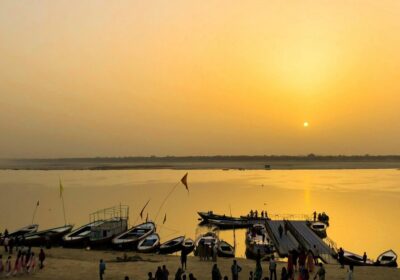
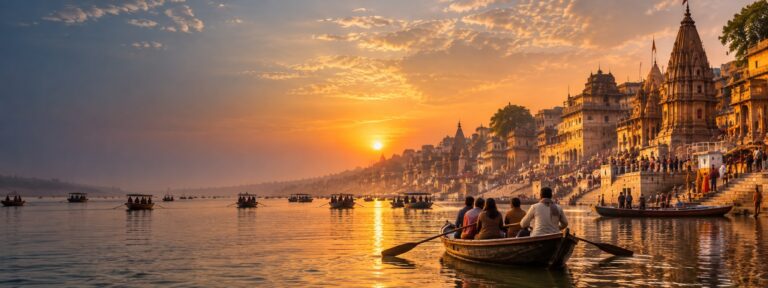
No Varanasi visit is complete without experiencing the river from the water. Morning boat rides, typically included in weekend packages, offer the most magical perspective. As dawn breaks, you’re surrounded by the city awakening—temple bells ringing, priests chanting, devotees bathing, and the entire ghats reflecting pink-golden sunrise light.
The boat provides constantly shifting views as you glide along the five-kilometer ghat stretch. Your boatman navigates between other vessels while guides explain each ghat’s significance, point out architectural details, and share stories about the river’s role in Hindu cosmology. The gentle rocking, the oar’s rhythmic splash, and the unfolding panorama create meditative tranquility despite surrounding activity.
Some packages include evening boat rides too, offering different perspectives—the illuminated ghats, the aarti viewed from the water, and the mysterious beauty of the river at night. Both experiences are valuable, and if your package includes only one, consider booking the other independently—it’s worth it.
Varanasi’s musical heritage runs deep—legendary performers like Bismillah Khan and Ravi Shankar learned and performed here. The city remains a classical music center with numerous gharanas (schools) maintaining traditional teaching lineages. Weekend packages, especially mid-range and luxury options, often include evening classical music or Kathak dance performances.
These aren’t tourist shows but authentic performances by trained artists, often held in temples, cultural centers, or heritage properties. The intimate settings—perhaps 20-50 attendees—create connections with performers impossible in large auditoriums. Even without understanding classical music’s technical complexity, the emotional expression and rhythmic intricacy prove captivating. It’s cultural immersion that enriches your weekend beyond sightseeing.
Varanasi’s culinary scene deserves exploration, and organized street food tours combine safety with authenticity. Guides lead you to reputable vendors, explain dishes, ensure hygienic practices, and order appropriate portions for sampling without overeating. You might try kachori-sabzi for breakfast, tamatar chaat (tomato-based savory snack), malaiyo (winter milk foam dessert), and conclude with the legendary Banarasi paan.
These tours reveal Varanasi’s flavors beyond hotel restaurants while avoiding the health risks of random street eating. The social interaction—watching vendors prepare food, hearing stories about family recipes passed through generations, and sharing meals with fellow travelers—creates memorable cultural exchange. Not all packages include food tours, but they’re often available as optional additions worth considering.
The ideal period for Varanasi and Sarnath weekend trips runs from October through March when weather remains pleasant. October-November offers post-monsoon freshness with comfortable temperatures around 20-30°C. This coincides with festivals like Diwali and Dev Deepawali, creating spectacular atmospheres but also larger crowds and higher prices.
December-February brings cooler weather—mornings can be quite cold (5-10°C), requiring warm layers for sunrise boat rides. However, afternoons remain pleasant (20-25°C), perfect for sightseeing. Winter’s clear skies favor photography, and cooler temperatures make walking tours less exhausting. This is peak tourist season, so book packages well in advance and expect popular sites to be crowded.
March sees warming temperatures (25-35°C) and fewer tourists, offering good value and comfortable experiences. April-June becomes extremely hot (35-45°C), making daytime sightseeing uncomfortable though prices drop significantly. Monsoon (July-September) brings rain, humidity, and potential flooding affecting ghat access, but also dramatic skies, lush greenery, and minimal crowds. Each season offers different trade-offs—choose based on your priorities regarding weather, crowds, and budget.
Budget weekend packages typically range from ₹5,000-10,000 per person, including basic accommodation, standard transportation, guided tours, and essential entry fees. These packages focus efficiently on must-see attractions without extra frills. Accommodation might be modest guesthouses, transportation uses standard vehicles, and meals may be limited to breakfast.
Economy packages work well for younger travelers, backpackers, or those prioritizing experiences over comfort. You’ll see the same sites as luxury travelers—the Ganges looks equally beautiful regardless of what you paid. The trade-offs involve comfort levels, crowd management, and personalization. You might share transport with larger groups and have less flexibility in timings.
Mid-range packages (₹10,000-20,000 per person) offer comfortable 3-4 star hotels, air-conditioned transportation, more comprehensive meals, and additional experiences beyond basic sightseeing. These might include classical music performances, extended boat rides, or specialized guides with deeper expertise.
This category provides excellent value—significant comfort improvements over budget options without luxury pricing. Accommodations are reliably comfortable, transportation is spacious and timely, and group sizes tend to be smaller, allowing more personalized attention. Mid-range packages suit most travelers seeking quality experiences without extravagance.
Luxury packages (₹20,000-50,000+ per person) deliver premium experiences throughout. You’ll stay in heritage hotels with historical ambiance and modern amenities, travel in private vehicles, enjoy personalized guides, and access exclusive experiences—private boat rides with breakfast served on board, special temple darshan arrangements, private classical music performances, and gourmet dining.
These packages emphasize comfort, exclusivity, and customization. Itineraries adapt to your interests and pace rather than fixed schedules. Photography-focused travelers might get extended dawn sessions; spiritual seekers might have meditation teachers or philosophical discussions arranged. Luxury packages transform weekend getaways into once-in-a-lifetime experiences where every detail receives attention.
Pack light but thoughtfully for a weekend trip. Comfortable walking shoes are essential—you’ll navigate uneven ghat steps and old city lanes. Modest clothing respecting religious sites means covering shoulders and knees; carry a scarf for additional coverage if needed. Layers work well as temperatures fluctuate between early morning boat rides and midday heat.
Bring a small daypack for carrying water, sunscreen, sunglasses, and a hat for sun protection. A power bank keeps devices charged during long sightseeing days. Hand sanitizer and tissues prove invaluable given limited restroom facilities at some sites. If visiting in winter, warm layers are crucial for early morning activities. A good camera or smartphone with extra storage captures countless photographic opportunities.
Respecting local customs ensures positive interactions and enriches your experience. Remove shoes before entering temples and stepping onto prayer carpets. Ask permission before photographing people, especially during religious activities. Avoid pointing feet toward sacred objects or people (considered disrespectful in Hindu culture). Dress modestly—revealing clothes attract unwanted attention and prevent temple entry.
At cremation ghats, maintain respectful distance and never photograph or act casually—these are profound moments for grieving families. If offered prasad or blessings during rituals, accept graciously even if you don’t share the faith. Learn basic Hindi greetings—simple efforts at communication are appreciated. Understanding that you’re visiting living religious sites, not tourist attractions, shapes appropriate behavior.
Varanasi offers extraordinary photography opportunities, but respect must guide your camera use. Dawn and dusk provide the best light—the golden hour transforms ordinary scenes into magical images. For morning boat rides, protect cameras from water splashes. A good zoom lens captures intimate moments without intrusive proximity.
Respect photography restrictions at temples and cremation sites. When photographing people, establish eye contact and gesture asking permission—most people happily agree, though some may request payment or decline. Candid street photography captures authentic moments, but be sensitive and avoid causing discomfort. Back up photos daily since you’ll take hundreds across the weekend—losing them to a device failure would be heartbreaking.
Varanasi is well-connected by air, rail, and road. Lal Bahadur Shastri International Airport, about 25 kilometers from the city center, receives flights from major Indian cities including Delhi, Mumbai, Bangalore, and Kolkata. Weekend packages typically include airport transfers, making arrival straightforward. Flight time from Delhi is approximately 1.5 hours, convenient for Friday evening arrivals.
Varanasi Junction and Kashi Junction railway stations connect the city to India’s extensive rail network. Several overnight trains from Delhi, Mumbai, and Kolkata arrive early morning, maximizing your weekend time. The Vande Bharat Express from Delhi offers a comfortable daytime journey (around 8 hours), arriving by afternoon for early evening activities.
Road connections serve those driving from nearby cities—Varanasi is about 270 kilometers from Lucknow (5-6 hours) and 800 kilometers from Delhi (12-14 hours). However, for weekend getaways, flying or taking overnight trains proves more time-efficient. Most packages specify pickup locations, coordinating with your arrival method for seamless transitions.
Weekend getaways need to balance achievement with relaxation—you want to feel you’ve truly experienced a destination without returning exhausted. Varanasi and Sarnath perfectly fit this requirement. The compact geography means minimal travel time between accommodations and attractions. The focused itinerary covers genuine highlights rather than spreading thin across too many sites.
The profound nature of experiences creates lasting impact despite the short duration. A sunrise boat ride on the Ganges, the evening Ganga Aarti, and Sarnath’s Buddhist serenity aren’t activities you forget quickly. They’re transformative moments that justify the entire trip. You return with stories, photographs, and memories that resonate far longer than a typical three-day vacation.
The well-developed tourism infrastructure—from package options to accommodation variety to transportation networks—makes weekend trips logistically smooth. You’re not pioneering unexplored territory requiring extensive planning. Operators have refined itineraries through experience, knowing exactly what can be accomplished in a weekend without rushing. This reliability lets you focus on experiencing rather than organizing.
A weekend combining Varanasi and Sarnath delivers spiritual depth, historical richness, and cultural immersion in a compact timeframe that fits modern schedules. Whether you’re seeking religious experiences, historical understanding, photographic opportunities, or simply a break from routine that offers substance beyond typical tourist destinations, these two ancient cities deliver magnificently.
The synergy between Varanasi’s vibrant chaos and Sarnath’s contemplative peace creates a balanced journey. You’ll witness humanity’s eternal questions about life, death, and transcendence played out in rituals unchanged for millennia. You’ll stand where Buddha taught principles that shaped half the world. You’ll experience sensory overload and profound tranquility, often within hours of each other.
Modern tour packages have perfected the logistics, removing barriers that once made such trips daunting. With accommodation, transportation, guides, and itineraries handled professionally, you simply show up and absorb experiences. It’s accessible yet authentic, convenient yet profound—the ideal weekend getaway for those seeking more than superficial tourism. When will you take your journey to these timeless cities?
Yes, a well-planned two-day itinerary covers both destinations’ essential highlights effectively. Day one focuses on Varanasi’s core experiences—sunrise boat ride, old city exploration, temples, and evening Ganga Aarti, while day two is dedicated to Sarnath’s historical and spiritual sites, including the Deer Park and Mahabodhi Temple. With efficient planning, you can immerse yourself in the spiritual and cultural essence of both places.
VIP Sugam Darshan passes, verified outstation cabs, Ganga aarti boat allocations, and clean hotel stays — fully coordinated by our on-ground team.
Starting from ₹7,500 / Person (Reserve with 30% advance deposit)
TripCosmos guarantees verified Kashi Vishwanath Sugam Darshan passes (zero line waiting), private Dev Deepawali & Ganga Aarti Bajra boats, and verified Toyota Innova Crysta cabs with trusted local chauffeurs.

Comments are closed.