Your cart is currently empty!
You may check out all the available trips and book one that suits you.
Continue Browsing Trips
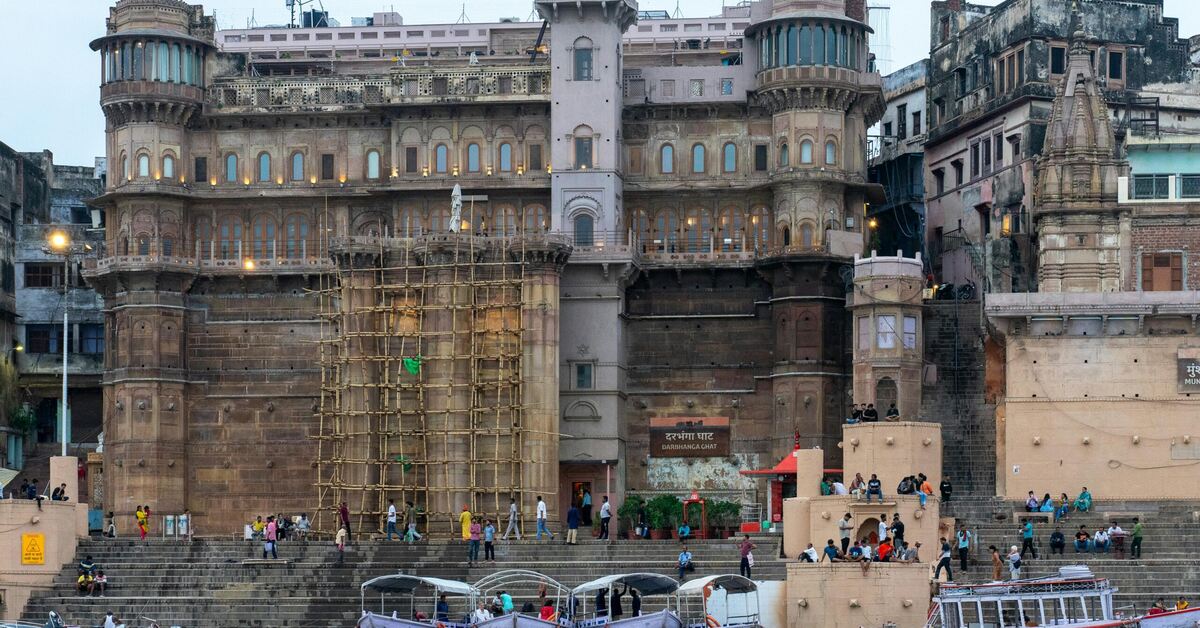
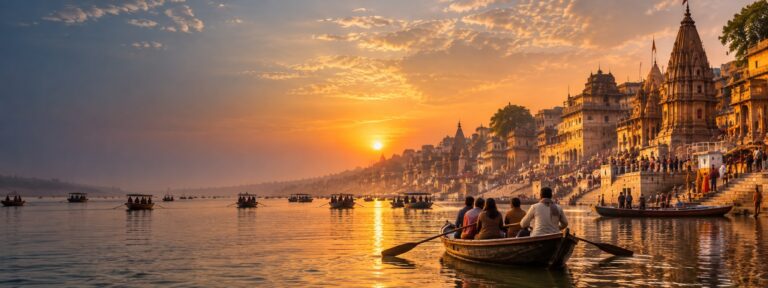
Varanasi Nature Tour Package, When you think of Varanasi, what comes to mind? Ancient temples, spiritual rituals, crowded ghats, and the sacred Ganges, right? But here’s something most travelers never discover—Varanasi harbors surprising pockets of natural beauty that exist quietly alongside its famous spiritual landscape. The same city that pulses with religious fervor also offers serene river islands, lush countryside, diverse birdlife, and landscapes that have witnessed nature’s rhythms for millennia.
Nature tour packages in Varanasi reveal this hidden dimension. They take you beyond the stone steps and temple spires into environments where the Ganges flows peacefully through rural landscapes, where migratory birds gather in thousands, where village farms showcase traditional agricultural harmony with nature, and where the sunrise illuminates not just architectural grandeur but natural splendor. It’s Varanasi reimagined—not replacing the spiritual experience but complementing it with ecological wonder.
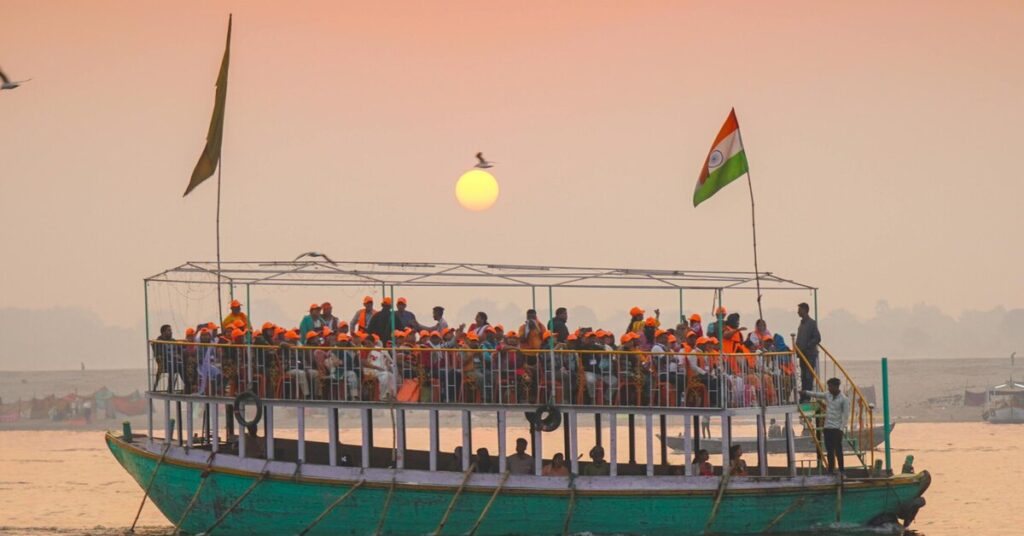
You might wonder why choose Varanasi for nature tourism when India boasts renowned national parks and wildlife sanctuaries. The answer lies in unique integration. Where else can you watch dolphins surfacing in a sacred river, spot rare birds against backdrops of ancient temples, or explore rural ecology within kilometers of a major spiritual center? Varanasi offers something rare—nature interwoven with human civilization rather than isolated from it.
VIP Sugam Darshan passes, verified outstation cabs, Ganga aarti boat allocations, and clean hotel stays — fully coordinated by our on-ground team.
This integration creates educational opportunities. You’ll understand how the Ganges sustains both spiritual practice and ecological systems, how traditional agriculture maintained biodiversity, and how urbanization impacts river health. It’s nature tourism with context—environmental awareness deepened by cultural and historical understanding. You’re not just observing wildlife but comprehending humanity’s relationship with nature across millennia.
Nature tourism in Varanasi also addresses traveler fatigue. The city’s spiritual intensity can overwhelm—constant crowds, sensory overload, emotional profundity. Nature experiences provide necessary balance. Morning birdwatching offers peaceful contrast to evening aarti crowds. Countryside cycling delivers fresh air after old city lanes. River island exploration provides space and silence. These natural elements make extended Varanasi stays sustainable, preventing the burnout that intense urban spirituality can create.
The Ganges isn’t just spiritually sacred—it’s ecologically vital. This massive river system supports over 400 million people, sustains countless species, and maintains wetland ecosystems crucial for regional biodiversity. The river’s floodplains create fertile agricultural zones that have fed civilizations for thousands of years. Understanding this ecological dimension transforms how you perceive the Ganges—not merely a religious icon but a living natural system.
The river demonstrates nature’s resilience and vulnerability simultaneously. Despite severe pollution challenges, the Ganges maintains self-purification properties through unique bacteriophages that break down organic matter. Yet this natural capacity faces overwhelming pressure from industrial discharge, sewage, and plastic waste. Nature tours often include discussions on conservation efforts, Ganges cleaning initiatives, and how traditional respect for the river once maintained ecological balance.
The seasonal transformations are remarkable. Monsoon swells the river dramatically, flooding ghats and creating temporary wetlands. Winter reveals sandbanks becoming temporary islands with distinct ecosystems. These cycles have shaped Varanasi’s relationship with nature—architecture accommodating floods, agriculture timing around water levels, and religious practices aligning with natural rhythms.
Surprisingly diverse life thrives in and around the Ganges at Varanasi. The Ganges river dolphin, an endangered freshwater species, inhabits these waters. Though sightings aren’t guaranteed, early morning boat rides away from crowded areas occasionally reveal these remarkable creatures surfacing for air. Their presence indicates that despite pollution, the river maintains sufficient health to support complex species.
The riverbanks host various water birds—cormorants diving for fish, herons stalking shallows, kingfishers darting in flashes of blue, and egrets wading through sandbank pools. The Ganges softshell turtle, another endangered species, occasionally appears basking on riverside rocks. Fish diversity, though reduced from historical levels, includes several species supporting local fishing communities who’ve practiced sustainable techniques for generations.
Sandbanks emerging during winter become temporary ecosystems—insects colonize quickly, attracting insectivorous birds, which in turn draw raptors. These islands demonstrate ecological succession on accelerated timescales, offering educational insights into how ecosystems establish and evolve. Nature-focused tour guides explain these processes, transforming simple river views into dynamic ecological classrooms.
Across the Ganges from the main city, Ramnagar offers remarkably different atmosphere. The area around Ramnagar Fort includes less developed riverside stretches where nature dominates over urbanization. Early morning walks here reveal rural Varanasi—agricultural fields meeting the river, village life proceeding at traditional rhythms, and birdlife abundant without tourist disturbance.
The sanctuary isn’t a formal protected area but rather relatively undeveloped land where local biodiversity thrives. Migratory waterfowl congregate here during winter months. The quieter ghats attract wading birds and occasionally, dolphins. Village ponds and agricultural waterways create wetland habitats supporting amphibians, aquatic birds, and diverse insect life. Nature packages often include guided walks exploring these ecosystems while explaining traditional agricultural practices maintaining this biodiversity.
About 40 kilometers from Varanasi, Chunar Fort sits atop the Vindhya Range, offering both historical interest and natural beauty. The drive itself showcases rural landscapes—agricultural plains transitioning to gentle hills covered with mixed deciduous forests. The fort’s elevated position provides panoramic views across the Ganges valley, particularly spectacular during sunrise and sunset.
The surrounding Vindhya forests harbor diverse wildlife including spotted deer, wild boar, various monkey species, and occasionally leopards (though sightings are rare). Birdlife is abundant—both forest species and raptors utilizing thermal currents from the hillsides. The Chunar sandstone quarries, while industrial, demonstrate geological features that nature enthusiasts find fascinating. The area’s relative quietness compared to Varanasi makes it perfect for nature-focused day trips.
Sarnath, famous for its Buddhist heritage, also features a well-maintained deer park where spotted deer roam freely. The combination of archaeological ruins, mature trees, and wildlife creates a unique environment. The park’s tranquil atmosphere—quite unlike Varanasi’s intensity—makes it popular with local families and provides peaceful settings for nature observation.
The park’s established trees attract various bird species—barbets, koels, parakeets, and seasonal migrants. Butterflies are particularly abundant given the flowering plants and undisturbed habitat. The deer themselves, accustomed to human presence, allow close observation of their social behaviors. Nature tour packages often spend contemplative time here, combining Buddhist historical exploration with natural history observations.
Within Varanasi itself, certain temple complexes maintain garden spaces offering green respite from urban density. Nageswarnath Temple, dedicated to Shiva, features relatively spacious grounds with mature trees, flowering plants, and traditional water features. While modest in scale, these green spaces demonstrate how religious architecture traditionally incorporated natural elements.
The temple’s large neem and peepal trees provide habitat for urban bird species and squirrels. The presence of sacred trees in Hindu tradition meant they received protection even during intensive urbanization. These surviving green pockets serve crucial ecological functions—oxygen production, temperature moderation, and biodiversity refuges. They’re living examples of how religious values historically supported environmental conservation.
Varanasi offers surprising birdwatching opportunities for those knowing where to look. The quieter ghats north and south of the main tourist area—particularly around Assi Ghat early morning and northern ghats beyond Panchganga—provide excellent viewing. River islands and sandbanks emerging during winter attract diverse waterfowl. The Banaras Hindu University campus, with its extensive grounds and mature trees, supports both resident and migratory species.
Agricultural areas surrounding the city, accessible through countryside tours, harbor grassland and wetland species rarely seen within urban zones. Village ponds, irrigation canals, and rural temples with established gardens create diverse habitats. Even within the busy city, rooftop vantage points can yield sightings of raptors and urban-adapted species. Nature packages designed for birdwatchers include transportation to these varied habitats, maximizing species diversity encountered.
Winter months (November through February) bring migratory species escaping Himalayan cold and Central Asian winters. Waterfowl including various duck species, geese, and waders arrive in substantial numbers. Sandbanks and quieter river stretches become temporary homes for these travelers. The diversity peaks in December and January when both resident species and winter visitors coexist.
Migratory raptors also pass through—harriers, kites, and occasionally eagles utilize the Ganges valley as a migration corridor. Their presence adds excitement to birdwatching expeditions. Spring migration (March-April) sees northbound movement, often with birds in breeding plumage offering spectacular viewing. Nature tour packages timing visits around migration periods can document impressive species lists.
Resident species include abundant Asian paradise flycatchers, purple sunbirds, Indian robins, and various bulbuls. Waterbirds like cormorants, river terns, and egrets fish the Ganges year-round. The iconic Indian kingfisher, with its brilliant blue plumage, perches along riverbanks waiting to dive for prey. Raptors such as black kites, pariah kites, and Brahminy kites soar overhead constantly.
The pied kingfisher hovers above water before plunging spectacularly for fish. Painted storks, when present, offer striking visual subjects with their colorful plumage and large size. The Indian roller, despite being common, never fails to impress with its bright blue flight feathers. Even casual observers can identify multiple species during morning boat rides, while serious birders with local guides can document 50+ species across varied habitats during multi-day visits.
Early morning ghat walks, when tourists are few and locals dominate, reveal nature awakening alongside human activity. Before dawn, the riverbank comes alive with bird songs—a natural symphony often drowned later by urban noise. The cool air, mist rising from the water, and soft light create atmospheric conditions perfect for nature observation and photography.
These walks aren’t about distance but attention. You might cover only one kilometer in 90 minutes, stopping frequently to observe birds, examine plant life growing between stones, watch sunrise colors transform the river, or simply stand still absorbing the natural soundscape. Naturalist guides identify species, explain ecological relationships, and discuss how urbanization has transformed yet not entirely eliminated natural processes.
During winter when water levels drop, sandbar islands emerge in the Ganges. These temporary landforms, absent during monsoon, create unique ecosystems lasting only months before floods reclaim them. Boat trips to these islands, included in specialized nature packages, offer adventurous exploration opportunities. You’ll walk on pure sand, examine shells and river stones, observe bird footprints revealing recent visitors, and experience the river in ways impossible from ghats or boats.
The islands’ temporary nature makes every visit unique—formations change, channels shift, and wildlife presence varies daily. It’s dynamic ecology in action, demonstrating the river’s power to constantly reshape landscapes. Some islands support quick-growing vegetation if they last long enough, showing how life colonizes new territories. These explorations combine adventure, education, and intimate river connection rarely available in typical Varanasi visits.
Venturing beyond the city into surrounding agricultural villages reveals rural lifestyles maintaining traditional harmony with nature. You’ll see farming techniques minimizing environmental impact, observe crop rotation and natural pest control methods, explore village ponds supporting fish cultivation and waterfowl, and witness agricultural cycles directly connected to seasonal changes.
Village tours often include interactions with farmers discussing challenges of modern agriculture, traditional ecological knowledge being lost, and efforts to maintain sustainable practices amid economic pressures. You might participate in activities—helping with irrigation, understanding natural dye production, or learning about medicinal plant cultivation. These experiences contextualize nature within human use, raising important questions about conservation, development, and cultural preservation.
While Varanasi lacks major botanical gardens, certain institutions maintain plant collections worth visiting. Banaras Hindu University’s agricultural campus includes organized plantings showcasing regional flora, medicinal plants important to Ayurveda, and agricultural research plots. Some private estates and heritage properties maintain traditional gardens featuring plants mentioned in ancient texts.
These visits emphasize plants’ cultural roles—trees considered sacred, flowers used in religious offerings, medicinal herbs referenced in traditional healing, and agricultural varieties adapted to local conditions. You’re learning botany through cultural lens, understanding how human societies have classified and valued plant diversity for millennia.
Monsoon transforms Varanasi dramatically. The parched summer landscape erupts into greenery within days of rain’s arrival. The Ganges swells, rising to cover lower ghat steps and creating powerful currents. The atmosphere shifts—oppressive heat gives way to humid freshness, dusty air turns crystalline after rains, and the entire city seems to breathe relief.
Nature tours during monsoon emphasize transformation. You’ll observe the river at peak power, watch amphibians emerging after months of dormancy, see butterflies suddenly abundant, and witness the agricultural cycle beginning with monsoon plowing. The dramatic cloud formations and rainfall photography create spectacular images. However, monsoon tours require flexibility—sudden storms can cancel activities, and outdoor plans need constant adjustment to weather.
Winter represents peak season for nature tourism. Pleasant temperatures make outdoor activities comfortable, clear skies favor photography, and migratory bird arrivals maximize biodiversity. Early mornings remain cool enough to require light jackets but soon warm to pleasant temperatures perfect for extended nature walks or countryside cycling.
The river reveals extensive sandbanks becoming temporary wildlife habitats. Mist rising from the Ganges creates atmospheric conditions beloved by photographers. Agricultural fields between harvest and replanting attract ground-feeding birds. The combination of comfortable weather, maximum biodiversity, and clear visibility makes winter ideal for nature-focused tours, though advanced booking becomes essential as this coincides with general peak tourist season.
As winter transitions to summer, spring brings flowering season. Many trees bloom before leafing—producing spectacular displays of color before foliage obscures branches. The silk cotton tree’s bright red flowers, seen throughout Varanasi, create stunning visuals. Mango blossoms perfume the air. Gardens and temple courtyards display seasonal flowers used in religious offerings.
Butterflies reach peak abundance during spring, attracted to blooming flowers. Migratory birds begin northbound journeys, often pausing around Varanasi to feed and rest. The pleasant weather—warm but not yet scorching—makes outdoor activities enjoyable. Spring represents a sweet spot between winter crowds and summer heat, offering excellent nature experiences with fewer tourists competing for space.
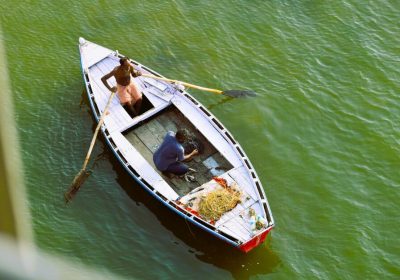
Traditional wooden boats rowed manually represent the most eco-friendly river experience. Unlike motorized boats generating noise pollution, water pollution from fuel leakage, and greenhouse gas emissions, rowing boats maintain silence allowing natural soundscapes—bird calls, water lapping, distant temple bells—to dominate. The slow pace encourages observation over destination-focused travel.
Some nature tour operators partner with traditional boat families whose livelihoods depend on river health, creating economic incentives for conservation. These boatmen often possess deep traditional knowledge about the river—seasonal patterns, fish movements, and historical changes. Choosing sustainable boat options supports these communities while minimizing environmental impact.
Growing awareness of sustainable agriculture has inspired some farmers near Varanasi to adopt or return to organic methods. Farm visits included in nature packages showcase these practices—composting, natural pest management using companion planting, water conservation through traditional techniques, and seed saving maintaining heirloom varieties.
These visits provide more than agricultural education—they’re windows into alternative development models prioritizing ecological health over maximum yield. Conversations with organic farmers reveal challenges, successes, and philosophies underlying their choices. Some packages include farm-to-table meals using organic produce, directly connecting visitors with sustainable food systems.
Several organizations conduct tree plantation drives along the Ganges and in surrounding areas attempting to restore green cover reduced by urbanization. Nature tour packages sometimes incorporate participation in these efforts. You’ll plant native species—perhaps peepal, neem, or mango trees—receive information about the species’ ecological roles, and contribute directly to environmental restoration.
These activities hold symbolic significance beyond individual trees planted. They acknowledge tourism’s environmental impact and attempt constructive contribution. The hands-on nature creates memorable experiences and emotional connections to conservation causes. Some programs provide updates on planted trees’ growth, maintaining long-term engagement with conservation efforts.
The countryside surrounding Varanasi showcases agricultural landscapes shaped by centuries of cultivation. Fields create patchwork patterns—different crops at various growth stages producing visual variety. Traditional farming villages punctuate the landscape, their structures built from local materials using time-tested designs adapted to climate and resources.
Rural tours typically involve walking through fields, observing farming activities, and interacting with agricultural communities. You might see buffalo-driven plowing (still common despite mechanization), traditional irrigation using Persian wheels, or harvest activities depending on season and crop cycles. These experiences reveal how human livelihoods remain intimately connected to natural cycles—something easily forgotten in urban environments.
The agricultural landscape’s biodiversity surprises many visitors. Field margins support wild plant communities. Irrigation channels create wetland habitats. Farm ponds attract waterfowl. The mosaic of fields, fallows, settlements, and wild patches creates diverse habitats supporting more biodiversity than either pure agriculture or complete wilderness might.
The region features numerous traditional water bodies—village ponds, step wells, and small lakes—constructed over centuries for irrigation, drinking water, and religious purposes. These water features served ecological functions: groundwater recharge, biodiversity habitats, temperature moderation, and cultural focal points for village life.
Many traditional water bodies have degraded—filled with waste, encroached upon, or abandoned as modern water systems replaced them. However, restoration efforts are reviving some. Nature tours visiting maintained examples demonstrate their continued value. You’ll see fish cultivation supplementing farm income, waterfowl using them as habitat, and communities gathering around them maintaining social functions they’ve served for generations.
Cycling through rural areas surrounding Varanasi offers immersive nature experiences at perfect pace—faster than walking but slow enough for observation and interaction. The quiet pedaling through agricultural land, village paths, and along irrigation canals allows natural sounds to dominate. You’ll stop at will for photography, bird observation, or conversations with farmers.
Cycling tours typically cover 20-30 kilometers through relatively flat terrain suitable for moderate fitness levels. Routes wind through multiple villages, pass various agricultural landscapes, skirt wetlands, and sometimes visit rural temples or historic sites. The physical activity combined with natural surroundings and cultural encounters creates holistic experiences. Support vehicles carry water, snacks, and equipment, ensuring comfort while maintaining cycling’s experiential benefits.
Quality nature packages employ guides with ecological knowledge beyond standard tour guides’ historical and religious expertise. These naturalists identify bird species, explain plant ecology, discuss conservation challenges, and interpret natural phenomena. Their knowledge transforms observations from “that’s a pretty bird” to understanding species identification, migration patterns, and ecological roles.
The best naturalist guides balance scientific knowledge with engaging communication. They answer questions patiently, adjust explanations to audience knowledge levels, and convey enthusiasm that’s infectious. They know when to provide information and when to simply let nature’s beauty speak for itself. This educational dimension distinguishes nature tourism from recreational outings—you return not just with experiences but with deepened understanding.
Nature photography demands specific equipment. Quality packages may provide binoculars for birdwatching, spotting scopes for distant observation, and waterproof protective gear for river activities. Some offer camera lens rentals for those lacking telephoto equipment essential for wildlife photography. Photography-focused guides understand lighting, composition, and technical settings, offering advice improving your results.
Support includes transportation accommodating equipment—protected storage, charging facilities, and positioning for optimal shooting angles. Itineraries incorporate photographer needs: arriving at locations during ideal lighting, allowing time to set up shots properly, and returning to promising locations under different conditions. This specialized support transforms casual snapping into serious nature photography.
Nature-conscious tour operators emphasize minimizing environmental impact. This might mean prioritizing cycling and walking over vehicles, using fuel-efficient cars when motorized transport is necessary, or selecting boat operators maintaining engines properly to reduce emissions. Some operators offset carbon emissions through tree-planting programs or renewable energy investments.
Transportation choices also affect nature observation quality. Noisy vehicles disturb wildlife and destroy natural soundscapes. Slow, quiet transport—cycles, electric vehicles, rowing boats—maintains environments conducive to nature observation. The commitment to eco-friendly transportation demonstrates operators’ genuine environmental values rather than merely marketing nature experiences.
Nature’s restorative qualities enhance meditative practices. Tour packages combining spiritual and natural elements might include guided meditation sessions at peaceful riverside locations away from crowds, morning meditation coordinated with sunrise on river islands, or sessions in temple gardens where natural sounds replace urban noise.
The combination makes philosophical sense—many spiritual traditions emphasize nature connection as pathways to transcendence. Hindu philosophy recognizes natural elements as divine manifestations. Buddhist teachings frequently use natural metaphors—rivers representing impermanence, mountains symbolizing stability. Practicing meditation in natural settings embodies these teachings experientially rather than merely intellectually.
Early morning yoga sessions on ghat platforms as the sun rises combine physical practice with natural beauty. The sound of flowing water, bird songs, and gentle breezes enhance the experience beyond studio classes. Some packages arrange private yoga instructions at quieter ghats or rural locations where nature provides the setting.
The philosophical connections between yoga and nature run deep. Classical yoga texts reference natural elements repeatedly. Asanas (postures) often draw names from nature—tree pose, mountain pose, cobra, eagle. Practicing in natural environments brings these connections alive, grounding abstract philosophy in physical experience. The fresh air and natural sounds create conducive atmospheres for mindful practice.
Hindu tradition includes numerous practices directly engaging nature. Tour packages might facilitate participation in these: offering flowers to the river at sunrise, circumambulating sacred trees, visiting natural sacred sites like riverside Shiva lingas, or performing simple fire ceremonies using natural materials. These practices aren’t performances for tourists but authentic spiritual expressions honored for millennia.
Understanding the ecological wisdom embedded in these practices enriches both spiritual and environmental appreciation. Sacred grove preservation protected biodiversity. Worship of specific trees ensured their survival. Ritual river bathing maintained personal stakes in water cleanliness. Exploring these connections reveals how religious traditions historically supported environmental conservation—insights relevant to contemporary sustainability challenges.
The optimal period spans November through February—pleasant weather, migratory bird presence, clear skies, and comfortable outdoor conditions. November brings early winter migrants and post-monsoon freshness. December-January reaches peak diversity with maximum species present. February begins spring transition with flowering trees and departing migrants.
However, each season offers unique experiences. Monsoon (July-September), despite weather unpredictability, showcases nature’s drama—the swollen river, lush greenery, and transformation from dry to wet landscapes. Spring (March-April) features flowering seasons and pleasant temperatures before summer heat. Even summer (May-June) has merits—fewer tourists, dramatic thunderstorms, and wildlife congregating around scarce water sources.
Nature enthusiasts with specific interests should time visits accordingly. Serious birdwatchers target December-January for maximum species diversity. Photographers might prefer monsoon for dramatic lighting despite weather challenges. Those interested in agricultural cycles should coordinate with planting (monsoon onset) or harvest seasons (varying by crop). Discussing your specific nature interests with tour operators helps determine optimal timing.
Early morning and late afternoon provide ideal lighting—the “golden hours” when warm, angled sunlight creates dimensional images with rich colors. Plan key photography activities during these periods. Midday harsh lighting suits silhouettes and high-contrast compositions but generally produces less appealing nature images.
For bird photography, patience proves essential. Unlike landscape photography where subjects don’t move, wildlife work requires waiting for behavioral moments—feeding, flight, interaction. Bring telephoto lenses (300mm+ for meaningful bird images). Fast shutter speeds freeze motion; slower speeds with panning create dynamic motion blur. Continuous shooting mode captures sequences where single frames might miss peak action.
River photography benefits from various perspectives. Boat-level views differ dramatically from ghat-level or elevated viewpoints. Experiment with reflections on calm water, motion blur from flowing currents, and silhouettes against sunrise/sunset skies. Include environmental context—showing birds within habitat rather than isolated portraits creates more meaningful images.
Respect must guide nature photography. Never disturb wildlife for shots—chasing birds, damaging vegetation, or stressing animals for better angles is unacceptable. If your presence changes subject behavior, you’re too close. The best nature photography documents wildlife behaving naturally, requiring patience and ethical restraint.
Several organizations work on Ganges conservation, pollution reduction, and wildlife protection around Varanasi. Nature tour operators often partner with these groups or can facilitate connections. You might contribute financially, participate in cleanup drives, or simply learn about issues facing the river ecosystem, becoming informed advocates after returning home.
Turtle conservation programs work to protect Ganges softshell turtles and other endangered species. Dolphin research tracks populations and threats. Wetland restoration projects recreate habitat lost to development. Sustainable livelihood programs help communities depending on river resources transition to practices supporting long-term ecological health.
Your tourism choices themselves impact conservation. Selecting operators committed to environmental responsibility, minimizing plastic use, respecting wildlife, and supporting local conservation initiatives provides economic incentives for sustainability. Tourism demonstrating nature’s economic value through non-extractive use strengthens conservation arguments against development pressures.
Day 1: Arrival, evening orientation walk at Assi Ghat noting resident bird species, sunset boat ride observing river ecology, dinner discussion about tour focus and participant interests.
Day 2: Pre-dawn departure for sunrise nature walk along quieter northern ghats, morning boat ride to river island for exploration and birdwatching, afternoon rest, late afternoon visit to BHU campus for urban birdwatching, evening at leisure.
Day 3: Early morning countryside cycling tour through agricultural villages (20km), interactions with farmers, village pond birdwatching, lunch at organic farm, afternoon visit to Sarnath Deer Park, return by evening.
Day 4: Dawn boat ride focusing on dolphin spotting and waterbird observation, breakfast return, morning visit to traditional water body restoration project, afternoon visit to naturalist’s home/workplace learning about regional ecology, evening reflection session.
Day 5: Early morning visit to Ramnagar area for quieter river experience, morning exploration of rural landscape and wetlands, afternoon departure.
This itinerary balances structured activities with flexible time, varies activities maintaining interest, incorporates education with experience, and provides adequate rest preventing exhaustion.
Dress appropriately—comfortable walking shoes, neutral colors (bright clothing disturbs wildlife), sun protection, and layers accommodating temperature changes between early morning cool and midday warmth. Binoculars enhance birdwatching enormously; if you don’t own them, check if your tour provides them.
Bring field guides for species identification—printed guides work better than phone apps when battery dies or connectivity fails. Regional bird guides, plant identification books, and general natural history references enhance understanding. Some tour operators provide these, but having personal copies allows continued learning during free time.
Practice Leave No Trace principles—carry out all trash, stay on designated paths, respect wildlife by observing from appropriate distances, and minimize noise. Even though you’re visiting urban and rural areas rather than pristine wilderness, these ethics still apply and model responsible behavior.
Manage expectations realistically. Wildlife sightings are never guaranteed—animals operate on their schedules, not tourist itineraries. Bad weather can cancel plans. River conditions may prevent island visits. Flexibility and patience transform potential disappointments into acceptable variations rather than ruined experiences.
Varanasi’s nature tourism dimension remains surprisingly underexplored. Most visitors never discover the birdlife thriving along the sacred river, the peaceful countryside mere kilometers from urban intensity, or the ecological wisdom embedded in traditional practices. Nature tour packages unlock this parallel Varanasi—one where environmental appreciation complements spiritual experience, where ecological understanding enriches cultural comprehension, and where natural beauty provides balance to urban intensity.
The combination proves uniquely powerful. You’re not choosing between spiritual Varanasi and natural Varanasi but experiencing both as integrated whole. You understand the Ganges as simultaneously sacred and ecological, appreciate temples within natural settings rather than isolation from nature, and recognize how traditional wisdom often embodied environmental sustainability before modern conservation movements existed.
Nature tours also contribute to conservation. By demonstrating nature’s tourism value, they provide economic arguments for environmental protection. The growing demand for nature experiences encourages preservation over development, supports communities practicing sustainable livelihoods, and raises awareness about environmental challenges. Every nature tourist becomes potential conservation advocate, carrying environmental messages beyond Varanasi.
Whether you’re an avid birder seeking new species, a photographer pursuing natural beauty, a spiritual seeker finding divinity in nature, or simply someone craving green spaces and fresh air after intense urban experiences, Varanasi’s nature tourism offers unexpected rewards. When will you discover the natural dimension of this ancient spiritual city?
Yes, surprisingly so. While Varanasi faces serious environmental challenges, nature persists in remarkable ways. The Ganges hosts endangered dolphins and diverse birdlife. Surrounding countryside maintains traditional agricultural landscapes with substantial biodiversity. Migratory birds arrive annually in significant numbers. The key is knowing where to look and when to visit—early mornings at quieter locations, countryside areas beyond the urban core, and winter months when migratory species boost diversity. Nature packages with expert guides access these less obvious natural assets that independent tourists typically miss. Think of it as discovering nature resilience within and around urban environments rather than pristine wilderness tourism.
Most Varanasi nature tours accommodate moderate fitness levels. Activities like morning walks and boat rides require minimal physical exertion. Cycling tours involve 20-30 kilometers on relatively flat terrain manageable for anyone who can ride a bicycle comfortably. River island exploration might involve walking on uneven sand surfaces. Countryside walks proceed at leisurely paces with frequent stops for observation. However, early morning starts—often before 6 AM—require tolerance for disrupted sleep schedules. If you have specific limitations, discuss them with operators who can customize pace and activities accordingly. The advantage of customized nature packages is adaptability to various fitness and mobility levels.
Absolutely! Children often engage more enthusiastically with nature experiences than temple visits. Birdwatching becomes treasure-hunting, river island exploration feels adventurous, countryside cycling offers freedom and excitement, and farm visits provide hands-on learning. Many nature activities work better for children than standard Varanasi tourism—less crowding, more space to move, interactive rather than passive observation. However, early morning starts might challenge younger children, and attention spans should inform activity duration. Inform operators about children’s ages and interests, allowing them to customize appropriately. Some packages include child-specific activities like nature scavenger hunts, simplified field guides, or hands-on projects (tree planting, bird nest box construction) maintaining engagement.
Research operators carefully before booking. Genuine eco-friendly operators demonstrate commitment through specific practices: partnering with conservation organizations, employing local naturalist guides, using sustainable transportation, minimizing plastic use, supporting organic farms, and contributing to environmental restoration projects. Check if they provide detailed information about their environmental practices rather than vague “eco-friendly” claims. Read reviews from previous nature-focused tourists. Ask specific questions about transportation, waste management, wildlife interaction protocols, and conservation contributions. Legitimate operators welcome these questions and answer specifically. Also verify they follow ethical wildlife viewing guidelines—maintaining appropriate distances, never feeding or disturbing animals, and prioritizing animal welfare over tourist photo opportunities.
Start with regional field guides—several good books cover northern Indian birds and plants. Apps like Merlin Bird ID (Cornell Lab) and iNaturalist help with identification and include distribution maps showing species likely in Varanasi. Watch YouTube videos featuring birds of the region, helping you learn calls and songs which often aid identification more than visual features. Join online birding communities where experts help beginners with identification challenges. However, don’t stress about becoming expert before arrival—part of the tour’s value is learning from knowledgeable guides. Basic familiarity with common families (ducks, herons, kingfishers) helps, but your naturalist guide will handle detailed identification. Bring a notebook for recording observations—writing descriptions before consulting guides or apps improves observational skills and retention.
VIP Sugam Darshan passes, verified outstation cabs, Ganga aarti boat allocations, and clean hotel stays — fully coordinated by our on-ground team.
Starting from ₹7,500 / Person (Reserve with 30% advance deposit)
TripCosmos guarantees verified Kashi Vishwanath Sugam Darshan passes (zero line waiting), private Dev Deepawali & Ganga Aarti Bajra boats, and verified Toyota Innova Crysta cabs with trusted local chauffeurs.

Comments are closed.