Your cart is currently empty!
You may check out all the available trips and book one that suits you.
Continue Browsing Trips
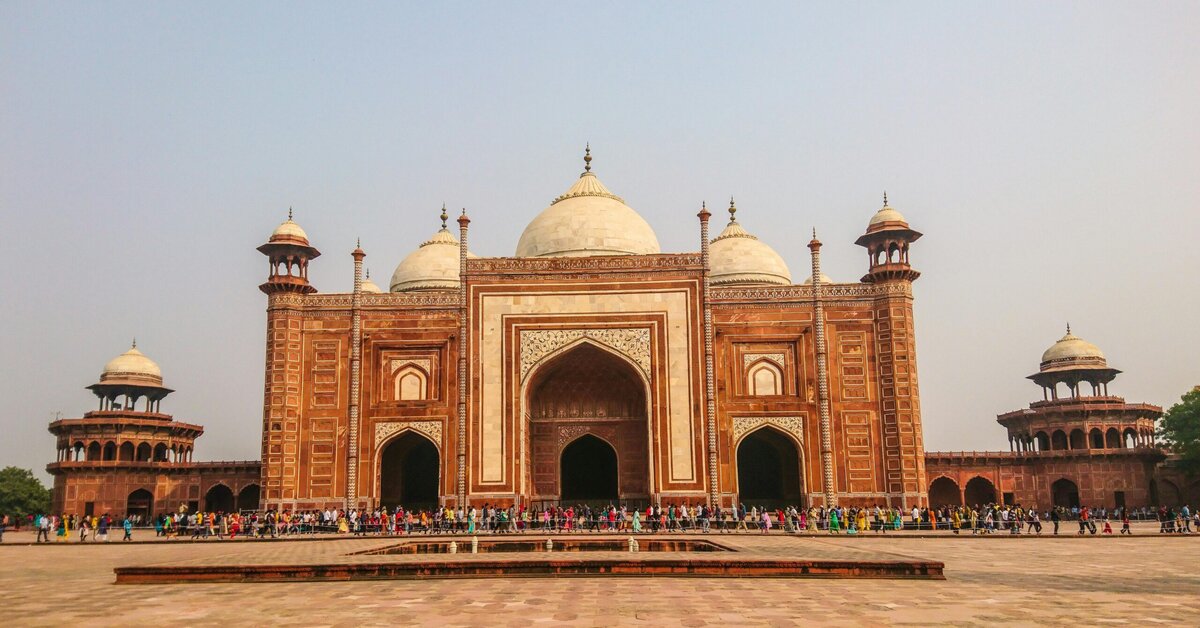
Agra and Fatehpur Sikri Tour Package , Have you ever wondered what it would be like to walk through the pages of history? To stand where emperors once ruled and to witness architectural marvels that have defied time itself? The Mughal Empire, one of the most powerful dynasties in Indian history, left behind a treasure trove of monuments that continue to mesmerize travelers from around the globe. Agra and Fatehpur Sikri represent the very heart of this glorious legacy, offering visitors a chance to step back into an era of unparalleled grandeur, romance, and artistic brilliance.
A tour package covering these two magnificent destinations isn’t just a vacation—it’s a journey through centuries of culture, craftsmanship, and captivating stories. Whether you’re a history buff, an architecture enthusiast, or simply someone seeking an unforgettable travel experience, this Mughal legacy tour promises memories that will last a lifetime.
When we talk about India’s cultural heritage, Agra inevitably takes center stage. Home to the iconic Taj Mahal, this city has become synonymous with love and architectural perfection. But there’s more to Agra than just one monument. The entire city breathes Mughal history through its forts, palaces, and gardens.
Just a short drive away lies Fatehpur Sikri, the abandoned capital of Emperor Akbar. This ghost city tells tales of ambition, spirituality, and eventual abandonment due to water scarcity. Together, these destinations paint a complete picture of Mughal civilization at its zenith—its triumphs, its artistry, and its eventual decline.
What makes these places truly special is their ability to transport you to another time. The red sandstone structures, intricate marble inlays, and sprawling courtyards aren’t just buildings; they’re storytellers whispering secrets from centuries past.
Is there any monument more universally recognized than the Taj Mahal? This white marble mausoleum, built by Emperor Shah Jahan in memory of his beloved wife Mumtaz Mahal, stands as the ultimate symbol of eternal love. Rising majestically on the banks of the Yamuna River, the Taj Mahal changes its appearance throughout the day—glowing soft pink at sunrise, dazzling white at noon, and turning golden at sunset.
The craftsmanship is nothing short of miraculous. Thousands of artisans spent over twenty years creating this masterpiece, employing precious and semi-precious stones from across Asia to create intricate floral patterns and calligraphic inscriptions. The symmetry is so perfect that it almost seems unreal, as if the building were a divine creation rather than a human one.
Walking through the grand entrance gate and catching that first glimpse of the Taj Mahal is an experience that words struggle to capture. The reflection in the long pool, the perfectly manicured gardens, and the sense of peace that pervades the entire complex make this more than just a tourist attraction—it’s a spiritual experience.
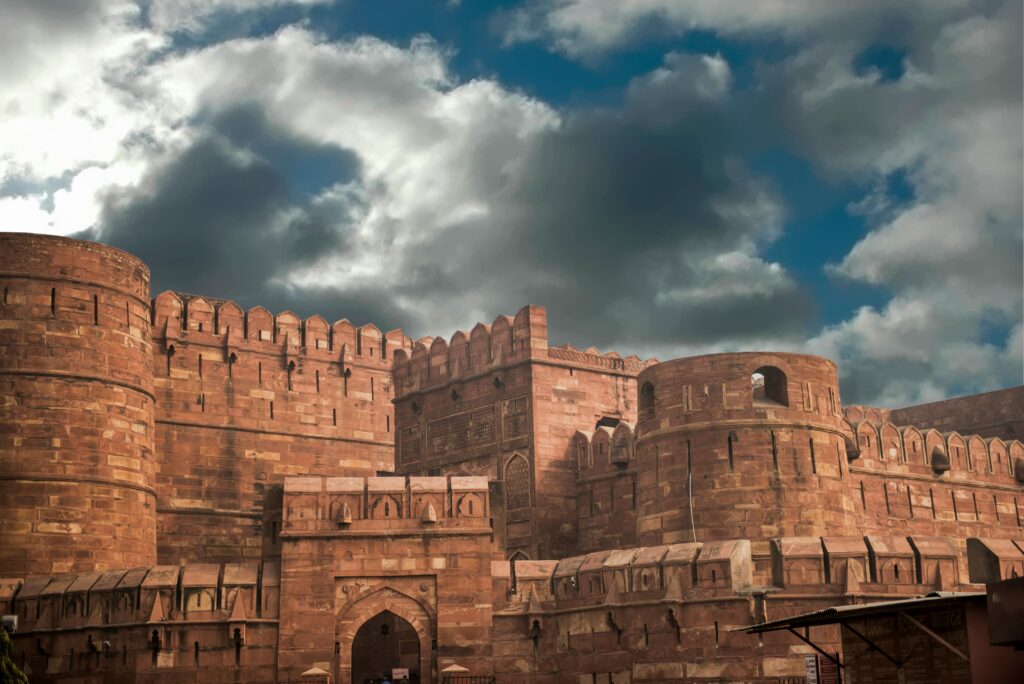
While the Taj Mahal gets most of the attention, Agra Fort deserves equal acclaim. This massive red sandstone fortress served as the main residence of Mughal emperors for generations. Its imposing walls, which stretch for over two kilometers, contain within them a miniature city of palaces, mosques, and audience halls.
Emperor Akbar began construction of this fort in 1565, and subsequent rulers added their own architectural touches. The contrast between Akbar’s robust red sandstone structures and Shah Jahan’s delicate white marble additions tells the story of changing tastes and priorities within the Mughal dynasty.
Inside the fort, you’ll discover stunning structures like the Diwan-i-Am (Hall of Public Audience), where emperors would address their subjects, and the Diwan-i-Khas (Hall of Private Audience), reserved for important dignitaries. The Musamman Burj, a beautiful octagonal tower, is where Shah Jahan spent his final years imprisoned by his own son, gazing longingly at the Taj Mahal where his wife rested.
Often overlooked by rushed tourists, Itmad-ud-Daulah’s Tomb represents an important transition in Mughal architecture. Built between 1622 and 1628, this exquisite tomb is considered a draft of the Taj Mahal. It was commissioned by Nur Jahan, the wife of Emperor Jahangir, for her father Mirza Ghiyas Beg.
What makes this monument special is its extensive use of white marble and the intricate pietra dura (stone inlay) work that would later be perfected in the Taj Mahal. The tomb sits in a beautiful garden setting on the banks of the Yamuna, offering a more intimate and peaceful experience compared to the crowds at the Taj Mahal.
The delicate lattice screens, floral motifs, and Persian-inspired designs make this a photographer’s paradise and an essential stop for anyone truly interested in understanding the evolution of Mughal architecture.
Approximately 40 kilometers from Agra lies one of history’s greatest mysteries—Fatehpur Sikri. Emperor Akbar built this magnificent city in 1571 to serve as his capital, and for fourteen years, it was the vibrant center of the Mughal Empire. Then, just as suddenly as it rose, the city was abandoned, reportedly due to a severe water shortage.
Today, Fatehpur Sikri stands frozen in time, a perfectly preserved example of 16th-century Mughal urban planning. Walking through its deserted courtyards and palaces, you can almost hear the echoes of court proceedings, religious debates, and royal celebrations. The red sandstone buildings glow warmly in the Indian sun, creating an atmosphere that’s both haunting and beautiful.
The city showcases Akbar’s architectural vision, which blended Hindu and Islamic styles in a unique synthesis that reflected his policy of religious tolerance. Every building here tells a story, and the entire complex has been designated as a UNESCO World Heritage Site.
The first thing that strikes visitors approaching Fatehpur Sikri is the Buland Darwaza, or “Gate of Magnificence.” Standing 54 meters high, this is one of the largest gateways in the world and was built to commemorate Akbar’s victory over Gujarat in 1601.
The sheer scale of this structure is overwhelming. Climbing the steep steps to reach the gate itself gives you a sense of the awe it must have inspired in visitors during Akbar’s time. The gateway features beautiful calligraphy and geometric patterns, and from its height, you get a commanding view of the surrounding countryside.
This architectural marvel isn’t just about size—it’s about symbolism. It represents Akbar’s power, his military victories, and his grand vision for the Mughal Empire. Standing beneath its soaring arch, you can’t help but feel connected to that imperial past.
The Jama Masjid at Fatehpur Sikri is one of the largest mosques in India, with a massive courtyard that could accommodate thousands of worshippers. Its architecture reflects the beautiful simplicity of Islamic design, with elegant arches and a peaceful atmosphere that invites contemplation.
Within the mosque complex lies the tomb of Salim Chisti, the Sufi saint whose blessing reportedly led to the birth of Akbar’s son and heir, Jehangir. This white marble tomb, in stark contrast to the red sandstone surrounding it, is considered one of the finest examples of Mughal architecture.
The tomb is famous for its intricate jali (lattice) screens, which are carved from single pieces of marble with such delicacy that they appear almost lace-like. Visitors tie threads on the marble screens, hoping their wishes will be granted by the saint—a tradition that continues to this day.
The Panch Mahal, or Five-Storey Palace, is perhaps the most distinctive building in Fatehpur Sikri. This unique structure has no walls, just pillars supporting each successive floor, creating an open-air pavilion that would have caught even the slightest breeze during hot Indian summers.
Each floor is smaller than the one below, creating a pyramidal effect that’s both aesthetically pleasing and structurally ingenious. The palace demonstrates the Mughal appreciation for comfort and their clever architectural solutions for dealing with extreme climate conditions.
Originally, the palace was adorned with delicate curtains that could be adjusted to provide shade and privacy while still allowing air to circulate freely. Standing on its upper levels, you can imagine royal ladies enjoying the cool evening breezes while gazing out over the city below.
A well-designed tour package takes the stress out of planning and ensures you don’t miss any hidden gems. The best Agra and Fatehpur Sikri packages offer flexible itineraries that can be customized based on your interests and pace.
Whether you’re a photographer who wants to catch the Taj Mahal at sunrise, a history enthusiast who needs extra time at each monument, or a family with children who require a more relaxed schedule, good tour operators can accommodate your needs. They handle all the logistics—transportation, entry tickets, guides, and sometimes even meals—so you can focus entirely on soaking in the experience.
Many packages also include lesser-known sites like Mehtab Bagh (Moonlight Garden), which offers stunning sunset views of the Taj Mahal from across the river, or local craft workshops where you can see traditional marble inlay work being created.
Have you ever visited a historical site and left feeling like you missed half the story? That’s where expert guides make all the difference. The monuments of Agra and Fatehpur Sikri have layers upon layers of history, and a knowledgeable guide can bring these stones to life with fascinating anecdotes, architectural explanations, and historical context.
A good guide doesn’t just recite dates and facts—they tell stories. They’ll explain why certain architectural choices were made, point out symbols and inscriptions you might otherwise miss, and share intriguing tales about the personalities who inhabited these palaces. They can also help you navigate the sites efficiently, avoiding crowds and finding the best spots for photographs.
How long should you spend exploring these Mughal wonders? Most comprehensive tour packages range from two to three days, which allows enough time to thoroughly experience both Agra and Fatehpur Sikri without feeling rushed.
A typical two-day itinerary might include the Taj Mahal and Agra Fort on the first day, with an evening visit to Mehtab Bagh or local markets. The second day would be dedicated to Fatehpur Sikri, with a possible stop at Itmad-ud-Daulah’s Tomb on the way back.
If you have three days, you can take a more leisurely pace, perhaps including a sunrise and sunset visit to the Taj Mahal (it looks completely different at different times of day), exploring local bazaars for traditional crafts, or visiting additional sites like Akbar’s Tomb at Sikandra.
For travelers on a tight schedule, even a well-planned one-day tour can cover the major highlights, though you’ll need to start early and maintain a brisk pace.
Timing can make or break your experience at these outdoor monuments. The best time to visit Agra and Fatehpur Sikri is during the cooler months from October to March. During this period, temperatures are pleasant, ranging from 10 to 25 degrees Celsius, making it comfortable to spend hours exploring outdoor sites.
The winter months also offer the advantage of clear skies, which means better photography opportunities. The soft winter light enhances the beauty of the white marble Taj Mahal and the red sandstone structures of Fatehpur Sikri.
Summer months (April to June) can be brutally hot, with temperatures often exceeding 40 degrees Celsius. If you must visit during this time, plan early morning or late afternoon visits and stay well-hydrated. The monsoon season (July to September) brings relief from the heat but can make travel challenging and obscure views with heavy cloud cover.
The period around the full moon is particularly magical, as the Archaeological Survey of India occasionally offers night viewing of the Taj Mahal, creating an ethereal experience that few travelers get to enjoy.
Packing smart can significantly enhance your comfort during the tour. Here’s what should definitely make it into your bag:
Comfortable walking shoes are essential—you’ll be on your feet for hours, often on uneven surfaces. The monuments have large complexes that require considerable walking, and Fatehpur Sikri involves climbing several stairs.
Modest clothing is recommended, especially since you’ll be visiting religious sites. Both men and women should avoid shorts and sleeveless tops. A light scarf can be useful for women to cover their heads at mosques if needed.
Sun protection is crucial—pack sunscreen, sunglasses, and a hat or cap. Despite the historical charm, there’s limited shade at many of these outdoor monuments.
Don’t forget your camera and extra batteries or power banks. These monuments offer countless photography opportunities, and you’ll want to capture every angle. However, remember that tripods are not allowed inside most monuments.
A reusable water bottle is a must to stay hydrated, though be aware that you’ll need to finish your water before entering certain monuments where drinking water isn’t permitted inside.
Respecting local customs enhances your experience and shows consideration for the cultural significance of these sites. At the Taj Mahal, visitors must remove their shoes before entering the mausoleum itself, though disposable shoe covers are provided.
Photography is generally allowed in the complex but not inside the main tomb chamber. Be mindful of other visitors when taking photographs, and avoid using flash where prohibited.
Agra and Fatehpur Sikri can get crowded, especially during peak tourist season and weekends. Patience and courtesy go a long way in navigating crowds. Many local visitors also come to these sites as pilgrims, so maintaining a respectful demeanor is important.
Bargaining is expected when shopping in local markets, but do so politely and with a smile. Starting at about half the asking price is typical, and negotiation should be viewed as a friendly interaction rather than a confrontation.
No visit to Agra would be complete without sampling its culinary treasures. The city is famous for its Mughlai cuisine, which features rich, aromatic dishes that reflect the sophisticated tastes of the Mughal emperors.
Petha, a translucent soft candy made from ash gourd, is Agra’s most famous sweet. Available in numerous flavors—from traditional plain to modern variants with saffron, coconut, or chocolate—it makes an excellent gift to take home.
For meals, try authentic Mughlai dishes like biryani, kebabs, and korma at local restaurants. The tandoori cuisine here is exceptional, with marinated meats cooked in traditional clay ovens. Vegetarians will find plenty of options too, including paneer dishes and dal preparations.
Street food enthusiasts shouldn’t miss the chaat at local markets, particularly the bedai and jalebi combination that locals enjoy for breakfast. The parathas stuffed with various fillings are another popular choice.
Many tour packages include meals at heritage hotels or restaurants with views of the Taj Mahal, offering not just good food but also memorable dining experiences.
Agra offers accommodation options for every budget and preference. At the luxury end, several five-star hotels offer spectacular views of the Taj Mahal from their rooms and rooftops. Waking up to a view of this monument bathed in morning light is an experience that justifies the premium pricing.
Heritage hotels housed in restored havelis (traditional mansions) provide an authentic Mughal ambiance with modern amenities. These properties often feature traditional architecture, period furniture, and courtyards that recreate the feel of staying in a royal residence.
Mid-range hotels near the Taj Mahal offer good value, with comfortable rooms and convenient access to major attractions. Many include breakfast and have in-house restaurants serving both Indian and international cuisine.
Budget travelers will find numerous guesthouses and hostels that provide clean, basic accommodation at affordable prices. Some of these are run by local families who can offer insider tips about the city.
Many tour packages include accommodation, often negotiating better rates than individual bookings would achieve. When selecting a package, check what category of hotel is included and whether you can upgrade if desired.
Booking a tour package for Agra and Fatehpur Sikri has never been easier, with multiple channels available to suit your preferences. Online travel agencies offer the convenience of comparing different packages, reading reviews, and booking instantly from the comfort of your home.
Local tour operators in Agra often provide more personalized service and flexibility. They can customize itineraries, accommodate last-minute changes, and offer local expertise that larger companies might lack. Many have offices near major hotels or at the railway station.
Your hotel concierge can also arrange tours, often working with trusted local operators. While this might be slightly more expensive, it offers the convenience of having everything coordinated through one point of contact.
When booking, look for packages that clearly list what’s included—transportation, guide services, monument entry fees, meals, and accommodation. Transparency in pricing helps avoid unexpected costs during your trip.
Read reviews from previous travelers to gauge the reliability and quality of service. Pay attention to comments about punctuality, guide knowledge, and how well the operator handles unexpected situations.
Tour packages come in various price ranges, each offering different levels of comfort and inclusion. Understanding what distinguishes them helps you choose the one that best fits your needs and budget.
Budget packages typically include basic transportation (often AC cars or mini-buses), standard category hotels, and guides for the major monuments. You’ll visit all the main attractions but might have less flexibility in timing and fewer frills. These packages are perfect for independent travelers who want logistical support without breaking the bank.
Mid-range packages upgrade the experience with better hotels, private transportation, more knowledgeable guides, and sometimes include some meals. These offer a good balance between value and comfort, suitable for families and travelers who want a hassle-free experience without luxury pricing.
Luxury packages pull out all the stops—five-star hotels with Taj views, private cars with experienced drivers, expert historians as guides, gourmet meals at heritage restaurants, and special experiences like private sunrise viewings or cultural performances. Some even include helicopter transfers or vintage car rides. These packages cater to travelers who want the ultimate experience and are willing to pay premium prices for it.
Regardless of which category you choose, the core experience—witnessing these magnificent monuments—remains essentially the same. The difference lies in the level of comfort and convenience surrounding that experience.
The monuments of Agra and Fatehpur Sikri are a photographer’s dream, offering endless opportunities for stunning images. Here are some tips to help you capture their beauty:
The golden hours—shortly after sunrise and before sunset—provide the best natural lighting. The warm, soft light during these times enhances the beauty of marble and sandstone, creating magical photographs. The Taj Mahal is particularly spectacular at sunrise when crowds are minimal and the light is soft.
Composition matters more than equipment. While a good camera helps, even smartphones can capture beautiful images with thoughtful framing. Use the rule of thirds, look for leading lines, and include foreground elements to add depth to your photographs.
The reflection pool at the Taj Mahal offers classic shots, but don’t stop there. Explore different angles—try photographing through arches and doorways, or capture details like intricate carvings and inlay work.
At Fatehpur Sikri, the warm red sandstone looks stunning in afternoon light. The geometric patterns and symmetry of Islamic architecture create compelling compositions. The Buland Darwaza offers dramatic perspectives from both below and above.
Don’t just photograph buildings—capture moments. Local visitors, architectural details, the play of light and shadow, and the interaction between people and these historic spaces all tell important parts of the story.
Be mindful of photography restrictions. Tripods are generally not allowed, and flash photography is prohibited in certain areas. Respect these rules—they’re designed to protect these precious monuments for future generations.
Exploring the Mughal legacy through Agra and Fatehpur Sikri isn’t just about ticking monuments off a bucket list—it’s about connecting with a fascinating chapter of human history. These cities offer more than beautiful buildings; they provide windows into an era of unprecedented cultural synthesis, architectural innovation, and artistic achievement.
The Taj Mahal’s eternal beauty, Agra Fort’s imposing grandeur, and Fatehpur Sikri’s haunting emptiness each tell different stories about the Mughal Empire—its romantic ideals, its military might, and its ambitious visions. Together, they create a comprehensive portrait of one of history’s greatest civilizations.
A well-planned tour package removes the stress of logistics and ensures you experience these monuments at their best, with expert guidance that brings history to life. Whether you choose a budget-friendly option or a luxury experience, the memories you create will be priceless.
So why wait? The Mughal emperors may be long gone, but their legacy lives on in these magnificent structures. Book your tour package today and prepare for a journey that will transport you across centuries, leaving you with a deeper appreciation for India’s rich cultural heritage and the timeless beauty of human creativity.
Ideally, you should allocate two to three days to thoroughly experience both destinations without rushing. This allows time for the Taj Mahal, Agra Fort, and other monuments in Agra on the first day, a trip to Fatehpur Sikri on the second day, and perhaps some leisure time to explore local markets or revisit favorite spots. However, if you’re pressed for time, a well-organized one-day tour can cover the major highlights, though you’ll need to start early and maintain a brisk pace throughout the day.
Entry fees vary for Indian citizens and international tourists. For the Taj Mahal, international visitors pay approximately INR 1,050, while Indian citizens pay significantly less. Agra Fort costs around INR 650 for foreigners and INR 50 for Indians. Fatehpur Sikri charges about INR 610 for international tourists and INR 50 for domestic visitors. Children under 15 usually enter free. Most quality tour packages include these entry fees in their pricing, so check what’s covered when booking. Prices are subject to change, so verify current rates before your visit.
Absolutely! While the Taj Mahal is undoubtedly spectacular, Fatehpur Sikri offers a completely different experience that’s equally fascinating. It provides insight into Akbar’s vision and the daily life of a Mughal capital in ways that Agra’s monuments cannot. The architecture is unique, the historical significance is immense, and the relatively fewer crowds make for a more contemplative experience. If you can spare just half a day, the approximately 90-minute journey each way is well worth it to witness this perfectly preserved ghost city.
The Taj Mahal is closed on Fridays for prayer. Visiting early morning (sunrise) or late afternoon (before sunset) offers the best lighting and fewer crowds. Security is stringent—large bags, food, and many electronic items are not permitted inside. You’ll need to store these in lockers near the entrance. Shoe covers are provided before entering the main mausoleum, and respectful behavior is expected as it’s not just a monument but also a tomb. Photography is allowed in the complex but not inside the main chamber. Plan to spend at least two to three hours to fully appreciate the entire complex, including the gardens and mosque.
Most reputable tour operators are happy to customize packages based on your interests and schedule. Common additions include Akbar’s Tomb at Sikandra, Mehtab Bagh for sunset views of the Taj Mahal, local craft workshops to see marble inlay artists at work, or extended time for shopping in traditional bazaars. Some travelers also add day trips to nearby attractions like the Keoladeo National Park bird sanctuary in Bharatpur. When discussing customization, be clear about your interests and budget so the operator can design an itinerary that matches your expectations while remaining logistically feasible.