Your cart is currently empty!
You may check out all the available trips and book one that suits you.
Continue Browsing Trips
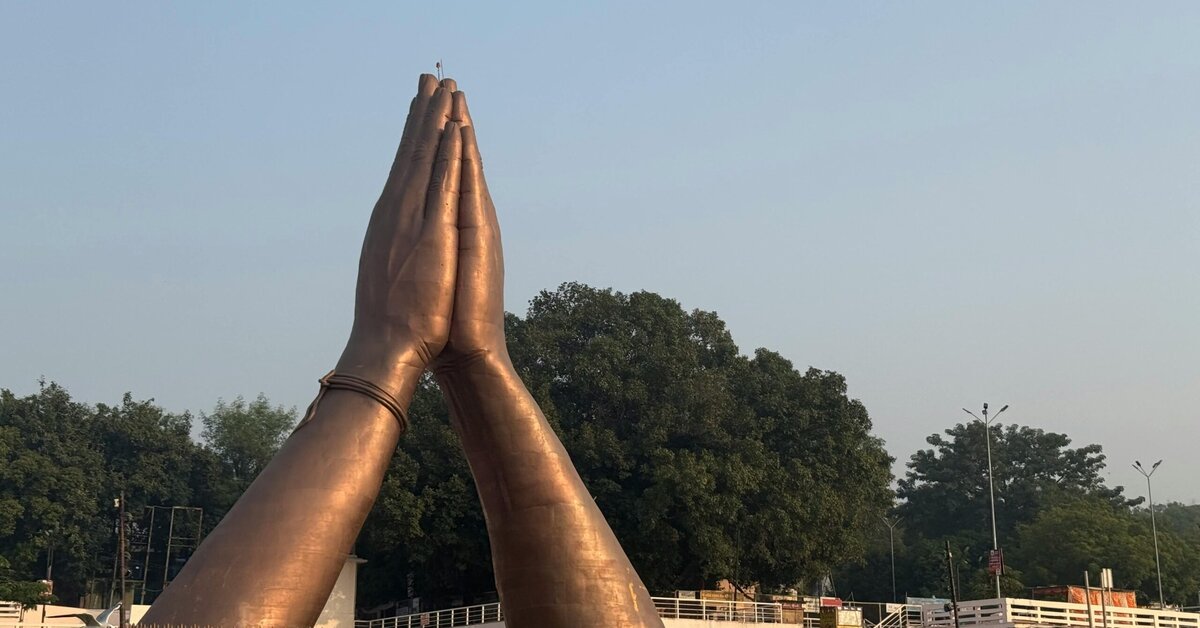
Prayagraj,Varanasi, Ayodhya A Spiritual Journey , Imagine embarking on a journey where every step connects you to thousands of years of devotion, where ancient stones whisper prayers, and where rivers carry the hopes of millions. Welcome to the spiritual triangle of Varanasi, Ayodhya, and Prayagraj—three cities that form the beating heart of India’s religious consciousness.
This isn’t just a trip; it’s a pilgrimage through time itself. Whether you’re a devoted seeker looking to deepen your spiritual practice or a curious traveler wanting to understand India’s soul, this journey through these three sacred cities promises to transform how you perceive faith, culture, and perhaps even yourself.
These cities aren’t merely destinations on a map. They’re living, breathing repositories of Hindu mythology, philosophy, and devotion. Each has played a pivotal role in shaping the spiritual landscape of India, and together, they offer a comprehensive experience of what makes this land so magnetically spiritual.
Why are Varanasi, Ayodhya, and Prayagraj considered the ultimate spiritual circuit? Think of them as three chapters in the same sacred book, each revealing different aspects of Hindu spirituality.
Varanasi represents moksha (liberation)—the ultimate spiritual goal of breaking free from the cycle of birth and death. It’s where Hindus believe dying grants instant liberation, making it the most auspicious place to take one’s final breath.
Ayodhya embodies dharma (righteous duty) through the life and rule of Lord Rama, who is considered the perfect example of how to live according to cosmic law. The city represents the ideal of righteous governance and moral living.
Prayagraj symbolizes purification and renewal. The confluence of sacred rivers here is believed to wash away sins accumulated over lifetimes, offering devotees a fresh spiritual start.
Together, these three cities create a complete spiritual journey—from understanding righteous living (Ayodhya) to purification (Prayagraj) to ultimate liberation (Varanasi). It’s like a cosmic roadmap to enlightenment.
Varanasi, also called Kashi (the City of Light) or Benares, is where spirituality becomes tangible. The city’s 88 ghats—stone steps descending into the holy Ganges—are its soul. Each ghat has its own personality, history, and spiritual significance.
Walking along the ghats is like traveling through a spiritual timeline. At dawn, you’ll witness thousands of devotees performing their morning ablutions, their prayers rising with the mist from the sacred river. Priests conduct elaborate rituals under colorful umbrellas, while boatmen offer rides to witness this ancient spectacle from the water.
Dashashwamedh Ghat buzzes with constant activity and is the venue for the famous evening aarti. Assi Ghat, at the southern end, attracts younger pilgrims and has a more relaxed atmosphere. Manikarnika Ghat, the main cremation site, operates 24/7, reminding everyone of life’s impermanence—a core Buddhist and Hindu teaching.
The ghats aren’t just steps; they’re stages where the drama of life, death, and rebirth plays out continuously. You’ll see birth ceremonies, wedding rituals, yoga sessions, cremations, and everything in between—all coexisting peacefully on these ancient stones.
The Kashi Vishwanath Temple, with its golden spire visible across Varanasi’s skyline, is one of the twelve Jyotirlingas—the most sacred abodes of Lord Shiva. The temple’s history is as turbulent as the river it overlooks, having been destroyed and rebuilt multiple times over the centuries.
The current structure, with its gold-plated towers donated by Maharaja Ranjit Singh, attracts millions of devotees annually. The queue for darshan (viewing the deity) can take hours, especially during festivals, but devotees consider every moment of waiting worthwhile.
Inside the temple’s inner sanctum resides the Jyotirlinga—a representation of Shiva’s infinite nature. The atmosphere is intensely devotional, with continuous chanting, ringing bells, and the fragrance of incense creating a sensory overload that somehow calms the mind rather than overwhelming it.
Recent expansions have made the temple more accessible while preserving its ancient sanctity. The Kashi Vishwanath Corridor project has created a grand approach to the temple, connecting it more directly with the Ganges and creating open spaces for devotees.
If you experience only one thing in Varanasi, make it the evening Ganga Aarti at Dashashwamedh Ghat. As the sun descends and darkness begins to embrace the city, young priests in traditional saffron robes emerge carrying massive brass lamps with multiple tiers of oil-soaked wicks.
The ceremony begins with the blowing of conch shells, followed by the synchronized movements of the priests as they offer fire to the river goddess Ganga. The flames create dancing shadows against the darkening sky while thousands of devotees watch from the ghats and boats crowding the river.
The aarti isn’t merely a performance; it’s a prayer in motion. The bells, the chants, the swirling smoke from incense, and the flickering flames combine to create an atmosphere that transcends religious boundaries. Even skeptics find themselves moved by this ancient ritual that has been performed in essentially the same way for centuries.
After the main aarti, devotees float small leaf boats containing flowers and oil lamps on the river, creating a constellation of lights that drift downstream, carrying prayers and wishes toward the sea.
Beyond Dashashwamedh, several ghats deserve your attention:
Assi Ghat hosts a smaller, more intimate morning aarti and is popular with foreign visitors and younger Indian travelers. The atmosphere here is less intense but equally authentic.
Man Mandir Ghat features a stunning 18th-century observatory with architectural instruments for astronomical observations, reflecting India’s ancient scientific traditions.
Panchganga Ghat is where five rivers are believed to meet (though most are now invisible or mythological). It’s less crowded and offers beautiful views, especially at sunrise.
Harishchandra Ghat, the second cremation ghat, offers a less touristy perspective on Varanasi’s relationship with death and the afterlife.
Ayodhya, located about 200 kilometers from Varanasi, is where Hindu mythology meets historical devotion. As the birthplace of Lord Rama—the seventh avatar of Vishnu and hero of the epic Ramayana—Ayodhya holds unparalleled significance for millions of Hindus worldwide.
The Ram Janmabhoomi temple complex marks the exact spot where tradition holds that Rama was born thousands of years ago. The recently constructed temple is an architectural masterpiece blending traditional Nagara style temple architecture with modern engineering. The structure showcases intricate carvings depicting scenes from the Ramayana, bringing the ancient epic to life in stone.
Visiting Ram Janmabhoomi is an emotional experience for many devotees. The temple represents not just a religious site but a symbol of faith that has endured through centuries of challenges. The atmosphere inside the complex is reverent yet joyous, reflecting Rama’s dual nature as both a god and an exemplar of ideal human behavior.
The temple grounds also house several smaller shrines dedicated to other characters from the Ramayana, creating a complete narrative experience. Walking through these spaces, you’re essentially touring the life story of one of Hinduism’s most beloved deities.
Before visiting Ram Janmabhoomi, most pilgrims first pay their respects at Hanuman Garhi, a fortress-temple dedicated to Lord Hanuman, Rama’s most devoted follower. This tradition reflects the belief that one should first seek Hanuman’s blessings before approaching Rama.
The temple sits atop a hill and requires climbing 76 steep steps—a small pilgrimage within the larger pilgrimage. The effort is rewarded not just with spiritual merit but also with panoramic views of Ayodhya spreading below.
Inside, the main shrine houses an idol of Hanuman along with his mother, Anjani. The temple complex includes numerous smaller shrines and living quarters for priests and sadhus (holy men). The constant chanting of “Jai Shri Ram” and “Hanuman Chalisa” creates an atmosphere of concentrated devotion.
The temple’s energy is palpable—there’s something about the collective faith of thousands of devotees that creates an almost electric atmosphere. Whether you’re religious or not, it’s hard not to be moved by such intense collective devotion.
The Sarayu River flows through Ayodhya like a liquid thread connecting the city to its divine past. According to mythology, Rama performed his morning ablutions in this river, making it sacred by association. Today, devotees follow in his footsteps, bathing in the Sarayu to purify themselves spiritually.
The riverfront has been recently developed with beautiful ghats reminiscent of Varanasi’s riverfront. Ram Ki Paidi, the main ghat, becomes the center of spiritual activity during evening aartis and festivals. The development has transformed Ayodhya’s waterfront into a space that honors tradition while providing modern amenities for pilgrims.
Boat rides on the Sarayu offer a peaceful perspective on Ayodhya, allowing you to see temples and historic buildings from the water while escaping the crowds that gather on the ghats.
If possible, time your visit to Ayodhya for Deepotsav, celebrated on Diwali. This festival commemorates Rama’s return to Ayodhya after fourteen years of exile and his victory over the demon king Ravana. The entire city illuminates with millions of oil lamps (diyas), creating a spectacle that has earned Guinness World Records.
The Sarayu riverfront becomes a sea of flickering flames as countless diyas are lit simultaneously, their reflection in the river doubling the visual impact. Cultural programs, fireworks, and reenactments of Ramayana scenes add to the festivities, making Deepotsav an unforgettable experience.
Even if you can’t visit during Deepotsav, Ayodhya maintains a festive atmosphere throughout the year, with daily aartis and continuous bhajan (devotional song) sessions at various temples.
Prayagraj (formerly Allahabad) completes the sacred triangle with its crown jewel: the Triveni Sangam, where three sacred rivers—Ganga, Yamuna, and the mythical Saraswati—meet. This confluence is considered one of the holiest spots in Hinduism, where bathing is believed to cleanse sins from this life and countless previous incarnations.
The experience of bathing at Sangam is profound. Boatmen ferry devotees to the exact meeting point, where you can see the distinct colors of the Ganga and Yamuna merging before your eyes. The Ganga’s muddy brown waters meet the Yamuna’s clearer greenish flow, creating a visible line of demarcation before they blend completely.
Taking a dip in these sacred waters connects you to a tradition spanning millennia. Millions before you have performed this same act, seeking the same spiritual cleansing. The water is cold, the currents are strong, and the experience is utterly transformative—a baptism in faith itself.
Beyond the religious significance, the Sangam offers a beautiful natural spectacle. Sunrise and sunset at the confluence are particularly stunning, with the changing light creating an ever-shifting palette of colors across the water.
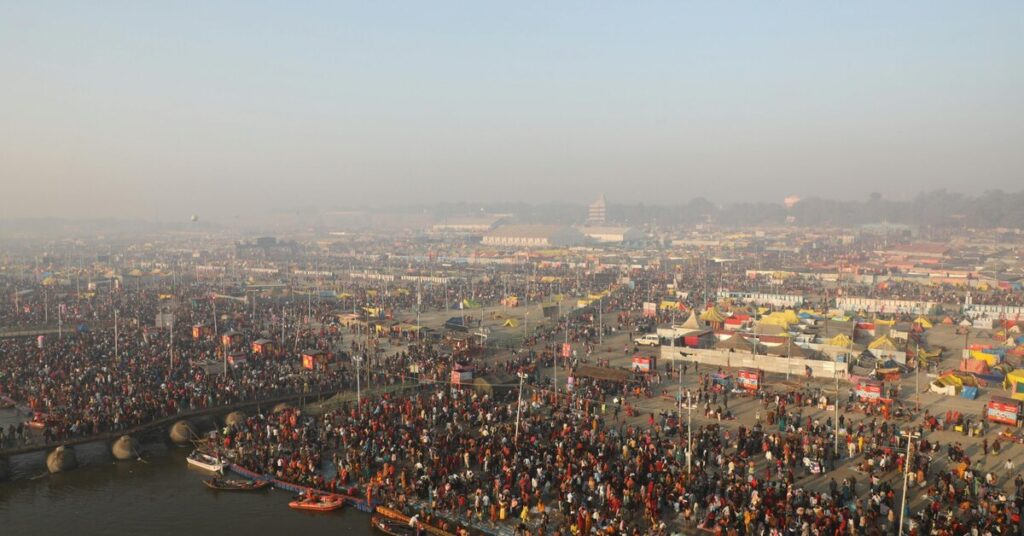
Every twelve years, Prayagraj hosts the Maha Kumbh Mela, the largest religious gathering on the planet. This event attracts over 100 million pilgrims over the course of several weeks, creating a temporary city complete with hospitals, police stations, electricity, water supply, and sanitation facilities.
The Kumbh is more than a religious festival; it’s a phenomenon that showcases humanity’s capacity for organization, devotion, and peaceful coexistence. The most auspicious bathing dates, called Shahi Snan (royal baths), see millions entering the water simultaneously—a sight that must be seen to be believed.
Even if you can’t attend the Maha Kumbh, the Ardh Kumbh (held every six years) and the annual Magh Mela offer scaled versions of this incredible spectacle. During these events, Prayagraj transforms completely, becoming a living museum of India’s diverse spiritual traditions.
The Kumbh brings together naked Naga sadhus who have renounced everything, scholarly saints who can debate ancient philosophy, simple villagers seeking blessings, and curious international travelers—all sharing the same sacred space in remarkable harmony.
Built by Emperor Akbar in 1583, Allahabad Fort is a massive structure that guards the banks of the Yamuna near the Sangam. While primarily under military control, parts of the fort are accessible to visitors and reveal fascinating historical layers.
Inside the fort lies the Akshaya Vat (immortal banyan tree), a sacred tree mentioned in ancient texts and surrounded by legends. According to tradition, this tree has existed since the beginning of time and will survive until the end of the world.
The fort also contains the Saraswati Koop, a well said to connect to the underground Saraswati River. The Patalpuri Temple inside the fort is believed to mark the spot where Lord Rama performed a ritual after defeating Ravana.
The fort’s architecture reflects Mughal military engineering at its finest, with massive walls, strategic bastions, and elegant archways. Walking through its corridors feels like traveling through India’s layered history—from ancient Hindu traditions to Mughal grandeur to British colonial rule.
Anand Bhavan and the nearby Swaraj Bhavan are must-visits for anyone interested in India’s independence movement. These ancestral homes of the Nehru family have been converted into museums documenting the freedom struggle. Seeing the personal belongings, letters, and photographs of leaders like Jawaharlal Nehru, Indira Gandhi, and Motilal Nehru adds a human dimension to history textbook narratives.
The most logical route forms an actual triangle: start in Varanasi, travel to Ayodhya (about 200 km), then to Prayagraj (about 165 km from Ayodhya), and return to Varanasi (about 120 km from Prayagraj). This route minimizes backtracking and follows a natural spiritual progression.
By Road: Hiring a private car with a driver offers the most flexibility and comfort. The roads connecting these cities are generally good, and the journey times range from 3-5 hours between cities. This option allows you to stop at smaller temples and viewpoints along the way.
By Train: India’s extensive rail network connects all three cities with regular services. Trains are economical and offer a authentic travel experience, though they can be crowded and sometimes delayed. Book in advance for better seat availability.
By Air: Varanasi and Prayagraj have airports with regular flights from major Indian cities. Ayodhya’s airport is newly developed and expanding its connectivity. Flying saves time but means missing the scenic countryside journey.
Varanasi: Allocate at least 3-4 days to properly experience the city. This allows time for morning and evening ghats visits, temple tours, day trips to Sarnath (where Buddha gave his first sermon), and simply absorbing the city’s unique energy. Varanasi rewards slow exploration rather than rushed sightseeing.
Ayodhya: 2 days is sufficient to cover the main temples and experience the city’s devotional atmosphere. This gives you time for leisurely temple visits without feeling rushed and allows for attendance at evening aartis.
Prayagraj: 1-2 days covers the Sangam, fort, and historical sites, unless you’re attending a major religious event like Kumbh Mela, which deserves at least 3-4 days to fully experience.
In total, plan for 7-10 days to comfortably complete this spiritual triangle without exhausting yourself.
The ideal time to visit this circuit is during the cooler months from October to March. During this period, temperatures range from pleasant to comfortably cool, making temple visits and outdoor activities enjoyable.
October-November brings the festive season, including Diwali in Ayodhya and various celebrations along the Ganges in Varanasi. The atmosphere is electric with devotion and celebration.
December-February offers the coolest weather, perfect for extensive walking and boat rides. However, early mornings can be foggy and chilly, especially in Varanasi, so pack warm clothes for dawn activities.
March-May brings intense heat, with temperatures often exceeding 40°C (104°F). Temple visits become challenging, and the experience can be physically exhausting. If you must visit during summer, plan temple visits for early morning or late evening.
June-September is monsoon season. While rain brings relief from heat and creates lush greenery, it can also cause travel disruptions and make ghat access difficult due to rising river levels. However, the monsoon has its own spiritual significance, and some devotees prefer this season for its symbolism of renewal.
Special Events: Consider timing your visit around major festivals like Mahashivratri in Varanasi, Deepotsav in Ayodhya, or Magh Mela in Prayagraj for enhanced spiritual experiences.
All three cities offer accommodation ranging from budget hostels to luxury hotels, catering to diverse preferences and budgets.
In Varanasi: Budget travelers can find clean guesthouses near Assi Ghat starting from ₹500-1000 per night. Mid-range hotels near the ghats offer balconies with river views (₹2000-4000). Luxury properties like Brijrama Palace and Nadesar Palace provide heritage experiences with modern amenities (₹10,000+).
Staying near the ghats puts you at the heart of spiritual action but can be noisy. Alternatively, hotels in the Cantt area offer quieter accommodations with easier vehicle access.
In Ayodhya: Ayodhya’s accommodation scene is developing rapidly. Options range from dharamshalas (pilgrim rest houses) offering basic rooms for nominal charges to mid-range hotels (₹1500-3000). New hotels are opening as tourism increases following the temple’s construction.
Many pilgrims prefer staying in dharamshalas attached to temples for a more immersive experience, though comfort levels are basic.
In Prayagraj: Prayagraj offers diverse options from budget hotels near the railway station (₹800-1500) to upscale hotels in the Civil Lines area (₹3000-6000). During Kumbh Mela, authorities set up massive tent cities with varying comfort levels, though booking well in advance is essential.
Pro Tip: Book accommodations well in advance, especially if traveling during festivals. Read recent reviews, as standards can vary significantly even within the same hotel chain.
The food in these sacred cities is predominantly vegetarian, reflecting the religious sensibilities of the region. This is a blessing in disguise—you’ll discover incredibly diverse and delicious vegetarian cuisine you might never have tried otherwise.
In Varanasi: Don’t miss the city’s famous street food. Kachori-sabzi for breakfast, tamatar chaat (a unique tomato-based snack), malaiyo (a winter delicacy made from milk foam), and the incredibly sweet jalebi are must-tries. Blue Lassi Shop near Manikarnika Ghat serves legendary lassis in earthen pots.
For meals, try traditional Banarasi thali at local restaurants. Kashi Chat Bhandar and Deena Chat Bhandar are institutions. For sit-down dining, Pizzeria Vaatika Cafe near Assi Ghat offers Italian food with a river view, while Open Hand Cafe serves healthy options.
In Ayodhya: Ayodhya’s food scene is simpler but authentic. Temple-area eateries serve wholesome sattvic food (prepared without onion and garlic). Try peda (milk-based sweet) from local sweet shops—Ayodhya’s version is particularly renowned.
Ram Rasoi near Ram Janmabhoomi serves excellent thalis in a clean, pilgrim-friendly environment.
In Prayagraj: Prayagraj offers delicious Awadhi cuisine. El Chico Restaurant is famous for its North Indian food, while Eat On serves good multi-cuisine options. Don’t leave without trying prayagraj ka meetha paan (sweet betel leaf)—a traditional mouth freshener and digestive.
Safety Tips: Stick to busy, reputable establishments. Street food is generally safe if it’s cooked fresh before your eyes. Avoid raw vegetables from roadside vendors. Drink only bottled water.
Understanding and respecting local customs enhances your experience and shows respect for the sacred nature of these cities.
Dress Code: Dress modestly in all three cities. Cover shoulders and knees when entering temples. Many temples require removing shoes before entry—wear easily removable footwear. Some temples provide cloth to cover inappropriate clothing, but it’s better to dress appropriately from the start.
Photography: Rules vary by temple. Some prohibit photography entirely, especially of inner sanctums. Always ask permission before photographing people, especially sadhus and priests (some may demand payment after you’ve taken the photo). The ghats and river are generally fine for photography.
Temple Behavior: Remove shoes before entering temples. Don’t point your feet toward deities. Follow the flow of visitors, which is usually clockwise around the main shrine. Silence your phone. Refrain from public displays of affection. If you don’t want to participate in rituals, you can politely decline offerings from priests.
River Etiquette: The Ganges is sacred—don’t throw trash into it. If taking a holy dip, dress modestly (long kurtas work well for both men and women). Women should avoid bathing during menstruation as it’s considered inappropriate in this religious context.
Dealing with Touts and Priests: Some priests and guides can be pushy. Be firm but polite when declining services. If you do engage a priest for puja, clarify the price beforehand. Don’t feel obligated to donate large sums despite emotional appeals.
Cremation Grounds: Manikarnika Ghat in Varanasi is a working cremation ground. Maintain respectful silence, don’t take photographs (it’s strictly forbidden and deeply offensive), and don’t stare at mourning families.
These cities offer numerous opportunities for spiritual engagement beyond sightseeing.
Yoga and Meditation: Varanasi has numerous yoga centers offering classes for all levels. Morning yoga sessions on the ghats, with the rising sun and sounds of the river, are unforgettable. Many ashrams offer longer meditation retreats.
Attend Aarti Ceremonies: Beyond the famous Dashashwamedh aarti, smaller aartis happen at multiple ghats throughout the day. These less crowded ceremonies often feel more intimate and spiritually focused.
Temple Darshan: Visiting temples isn’t just sightseeing—it’s an opportunity to witness and participate in living traditions. Observe how devotees interact with the divine, make offerings, and seek blessings.
Boat Rides: Early morning boat rides on the Ganges in Varanasi offer a peaceful, contemplative experience. Watching the city wake up from the water provides perspective on the rhythms of spiritual life.
Participation in Rituals: Many visitors arrange for personalized pujas at the ghats or Sangam. While optional, participating in these ancient rituals can be meaningful, offering a hands-on connection to traditions.
Learning Sessions: Some ashrams and cultural centers offer sessions on Hindu philosophy, Sanskrit chanting, and the meanings behind various rituals. These educational experiences deepen understanding beyond surface observations.
Photography is a wonderful way to preserve memories, but it requires sensitivity in sacred spaces.
Where Photography is Welcome:
Where Photography is Restricted:
Photographing People: Always ask permission, especially for close-up portraits. Sadhus often expect payment for photographs—negotiate politely beforehand. Never photograph mourners at cremation sites. Be respectful when photographing women, especially at bathing ghats.
Pro Photography Tips: Dawn and dusk offer magical golden light perfect for ghat photography. Use a fast shutter speed to capture boat movement on the river. A telephoto lens allows respectful distance when photographing ceremonies. Consider hiring a local photographer who knows the best spots and protocols.
Drone Photography: Generally prohibited near temples and sensitive religious sites without special permissions. Check local regulations before flying any drone.
All three cities offer unique items that make meaningful souvenirs or gifts.
In Varanasi:
In Ayodhya:
In Prayagraj:
Shopping Tips: Bargaining is expected in markets but not in fixed-price shops. Buy from reputable stores for expensive items like silk sarees. Verify authentication for gemstones and precious metals. Support local artisans when possible rather than mass-produced souvenir shops.
The journey through Varanasi, Ayodhya, and Prayagraj is more than a vacation—it’s a pilgrimage through the very soul of India’s spiritual heritage. These three cities offer a complete immersion into Hindu philosophy, from the joyous devotion of Ayodhya to the purifying waters of Prayagraj to the profound acceptance of life’s impermanence in Varanasi.
What makes this journey truly special isn’t just the ancient temples or sacred rivers—it’s the living tradition you witness. These cities haven’t frozen their rituals in time as museum pieces; they continue to evolve while maintaining their essential spiritual core. You’ll see young priests learning mantras their ancestors chanted thousands of years ago, while smartphones capture the flickering aarti flames. It’s this beautiful blend of eternal and contemporary that makes the experience so powerful.
Whether you leave these cities with strengthened faith, answered questions, or simply more profound questions, you’ll undoubtedly leave transformed. The memories of sunrise over the Ganges, the devotional energy at Ram Janmabhoomi, and the sacred confluence at Prayagraj will stay with you, becoming touchstones you’ll return to in quieter moments long after your journey ends.
This spiritual triangle isn’t just about visiting places—it’s about connecting with something larger than yourself, whether you call it God, cosmic consciousness, or simply the accumulated devotion of billions of souls across millennia. It’s about recognizing that despite our modern, digital, globalized world, ancient wisdom and sacred spaces still have profound relevance and power.
So pack your bags, open your heart, and prepare for a journey that just might answer questions you didn’t even know you had.
Absolutely not! While these cities hold special significance for Hindus, they welcome visitors of all faiths and backgrounds. Many travelers from different religious traditions find profound meaning in experiencing these ancient spiritual practices. Approach with respect and genuine curiosity, and you’ll be welcomed warmly. The universal themes of devotion, community, and seeking connection with the divine transcend specific religious boundaries.
The physical demands vary by what you choose to do. Temple visits can involve stairs and walking, but most major sites are reasonably accessible. Varanasi’s narrow ghat lanes can be challenging for those with mobility issues, though boats provide alternative access to river experiences. Ayodhya and Prayagraj are generally flatter and easier to navigate. For elderly travelers, hiring a guide or assistant is advisable, and planning for frequent rest breaks makes the journey comfortable. Many seniors successfully complete this pilgrimage with proper planning.
Budget depends greatly on your travel style. A budget traveler staying in basic accommodations, using public transport, and eating street food could complete the circuit for ₹15,000-25,000 ($180-300 USD) per person for 7-10 days. Mid-range travelers using private transport, decent hotels, and restaurants should budget ₹40,000-60,000 ($480-720 USD). Luxury travelers can expect to spend ₹100,000+ ($1,200+ USD). These estimates include accommodation, food, transport between cities, entry fees, and some shopping, but not international flights.
Yes, with normal precautions. These are heavily visited pilgrimage sites with significant security, especially around major temples. However, solo female travelers should dress modestly, avoid isolated areas after dark, use registered transportation, and stay in reputable accommodations. The heavy presence of families, pilgrims, and tourists creates a generally safe environment. Many solo female travelers successfully visit these cities each year. Trust your instincts, and don’t hesitate to firmly decline unwanted attention or assistance.
Monsoon (July-September) is possible but challenging. The spiritual significance remains, and some devotees prefer this season for its symbolism of purification and renewal. However, expect rain disruptions, higher river levels that might limit ghat access, humidity, and occasional flooding. Transportation can be affected, and outdoor activities become unpredictable. If you don’t mind rain and want fewer crowds, monsoon has its charms. However, for the most comfortable experience with reliable weather, stick to October-March.

Comments are closed.