Your cart is currently empty!
You may check out all the available trips and book one that suits you.
Continue Browsing Trips
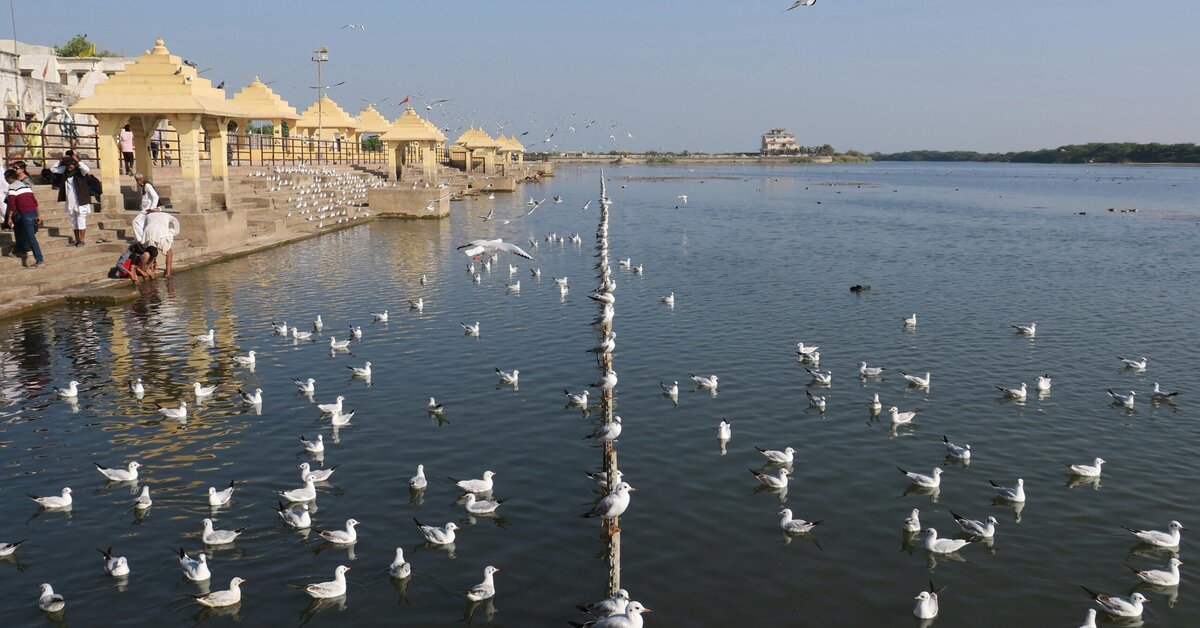
Uttar Pradesh’s Spiritual Triangle , Have you ever wondered why certain places vibrate with spiritual energy that’s palpable even to skeptics? In the heart of northern India, three ancient cities form what might be the world’s most powerful spiritual configuration—the sacred triangle of Varanasi, Ayodhya, and Prayagraj. This isn’t just a convenient tourism marketing concept; it’s a geographic and spiritual reality that has shaped Hindu consciousness for millennia.
Think of this triangle as India’s spiritual power grid. Each city represents a vertex channeling distinct divine energies—liberation, righteousness, and purification. Together, they create a force field that has drawn seekers, saints, and pilgrims for thousands of years, making Uttar Pradesh the undisputed spiritual capital of India.
This comprehensive guide explores not just the individual cities but the synergistic relationship between them—how they complement, amplify, and complete each other to offer a holistic spiritual experience unavailable anywhere else on Earth. Whether you’re planning a pilgrimage, researching Indian spirituality, or simply curious about what makes these places so magnetically powerful, understanding the spiritual triangle concept reveals layers of meaning that transform how you perceive these ancient cities.
The triangle isn’t merely a geographic convenience or tourism circuit. It represents a complete theological system, a cosmological map, and a practical roadmap for spiritual evolution—all encoded in the landscape of Uttar Pradesh itself.
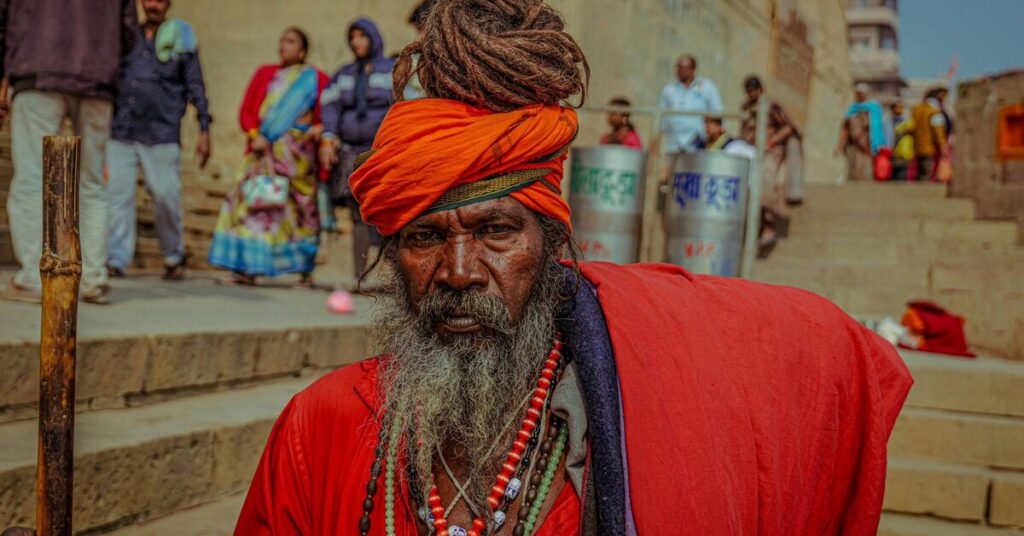
The concept of a spiritual triangle isn’t arbitrary. These three cities naturally form a roughly triangular geographic formation, with distances between them ranging from 120 to 200 kilometers. But the significance goes far deeper than mere geography.
Each city embodies a fundamental aspect of Hindu spiritual philosophy. Varanasi represents moksha (liberation from the cycle of rebirth)—the ultimate spiritual goal. Ayodhya embodies dharma (righteous living and cosmic law)—the path one must follow. Prayagraj symbolizes shuddhi (purification)—the necessary cleansing for spiritual progress.
This creates a complete spiritual system: learn dharma, achieve purification, attain liberation. The triangle isn’t just three separate destinations but three interconnected stages of spiritual evolution. Completing the circuit traditionally meant moving through these stages sequentially, each preparing you for the next.
Ancient sages recognized this pattern. Vedic texts, Puranas, and countless pilgrimage accounts reference these three cities not in isolation but as interconnected nodes of spiritual power. The triangle formation itself holds symbolic meaning in Hindu cosmology—triangles represent stability, harmony, and the integration of opposites (heaven-earth-humanity, or creation-preservation-destruction).
From a theological perspective, the spiritual triangle maps onto the Trimurti—the three primary aspects of the Divine in Hinduism:
Varanasi = Shiva (Destruction/Transformation): As the abode of Lord Shiva, Varanasi represents the transformative power that destroys ignorance and grants liberation. Shiva’s presence here facilitates the ultimate transformation—transcendence of the material world.
Ayodhya = Vishnu/Rama (Preservation/Dharma): Lord Rama, an avatar of Vishnu the Preserver, was born here and established the ideal kingdom. Ayodhya teaches how to maintain dharma and preserve spiritual values while living in the material world.
Prayagraj = Brahma (Creation/Renewal): The confluence of rivers represents creation and renewal—the constant cycle of spiritual rebirth. Bathing at Sangam is like being recreated, washed clean to begin again.
This theological mapping isn’t coincidental. The three cities together encompass the complete cycle of existence: creation → preservation → dissolution → liberation. By visiting all three, pilgrims symbolically complete this cosmic cycle within their own consciousness.
Additionally, the triangle represents the three gunas (fundamental qualities): sattva (purity), rajas (activity), and tamas (inertia). Spiritual progress requires balancing these qualities, and the triangle journey facilitates this balance. Prayagraj’s purifying waters cleanse tamas, Ayodhya’s dharmic teachings activate proper rajas, and Varanasi’s transcendent energy elevates consciousness to sattva and beyond.
Varanasi occupies the apex position in the spiritual triangle—the ultimate destination, the final goal. If the triangle represents a spiritual journey, Varanasi is where that journey culminates. This positioning isn’t arbitrary; it reflects Varanasi’s unique promise: liberation itself.
The city serves as the triangle’s crown jewel, the point toward which all spiritual energy flows. Pilgrims traditionally save Varanasi for last, after learning dharma in Ayodhya and achieving purification in Prayagraj. Only then are they spiritually prepared to fully receive Varanasi’s transformative power.
Geographically, Varanasi sits at the northernmost point of the triangle, along the sacred Ganges River. This northern position carries symbolic weight—north represents spiritual aspiration, the direction of Mount Kailash (Shiva’s cosmic abode), and the path of liberation. Varanasi thus becomes the earthly gateway to ultimate spiritual realization.
The city’s energy is distinctly different from the other two vertices. While Ayodhya feels devotional and Prayagraj feels purifying, Varanasi feels transcendent—a place where the boundary between life and death, material and spiritual, becomes gossamer-thin. This is the city where souls come to leave the wheel of rebirth forever.
Understanding Varanasi’s role requires understanding Shiva’s unique position in Hindu cosmology. Shiva is the destroyer—not in a negative sense, but as the force that dissolves illusion and grants liberation. He destroys ignorance, ego, and attachment, revealing the eternal soul beneath.
Varanasi is considered Shiva’s permanent earthly residence—Kashi, the “City of Light,” where Shiva’s divine light perpetually shines. This isn’t metaphorical; devotees believe Shiva is genuinely present here in a way that differs from his presence elsewhere. The entire city is his cosmic temple; the Vishwanath temple merely marks the central point of his consciousness.
This permanent divine presence creates a unique spiritual atmosphere. Death in Varanasi means dying in the direct presence of Shiva himself. The tradition holds that Shiva whispers the Taraka mantra (a liberation-granting incantation) into the ears of the dying, ensuring their souls achieve moksha regardless of their accumulated karma.
This divine promise makes Varanasi unique in the spiritual triangle and indeed in all of Hinduism. While other holy places offer spiritual merit, blessings, or purification, only Varanasi offers guaranteed liberation from the endless cycle of rebirth. This eschatological significance—the power over the ultimate spiritual destiny—positions Varanasi as the triangle’s spiritual apex.
Varanasi’s ghats—those ancient stone steps descending into the Ganges—aren’t just infrastructure. They’re transition zones between the mundane and the sacred, the material and the spiritual, life and death. The ghats are where Varanasi’s unique spiritual energy becomes tangible and accessible.
Each of the 88 ghats has its own character and spiritual specialty. Dashashwamedh Ghat, where Brahma supposedly performed a great sacrifice, pulses with devotional energy. Manikarnika Ghat, the main cremation site, confronts visitors with mortality’s reality while simultaneously promising transcendence. Assi Ghat, at the confluence of Assi and Ganges rivers, offers a quieter, contemplative energy.
Walking the ghats at dawn is transformative. You witness the full spectrum of Hindu spiritual practice: yogis in deep meditation, priests performing elaborate rituals, pilgrims bathing in sacred waters, bodies being cremated, children playing—life and death, sacred and mundane, all coexisting seamlessly. This integrated vision of existence is Varanasi’s teaching: everything is sacred, everything is divine, and death is not an ending but a transformation.
The Ganges herself—Mother Ganga—flows through Varanasi in a crescent, creating a natural mandala shape. Bathing here doesn’t just wash the body; it’s believed to cleanse karmic imprints from countless lifetimes. The river’s flow carries away accumulated spiritual impurities, preparing the devotee for higher consciousness.
The Kashi Vishwanath Temple represents the heart of Varanasi’s spiritual anatomy. The Jyotirlinga housed here is one of twelve such manifestations of Shiva scattered across India, but this one holds special significance as being in Shiva’s home city.
The temple’s energy is intense and unmistakable. Even in the chaotic queues and crowds, devotees report profound spiritual experiences—sudden tears, overwhelming devotion, mystical visions, or simply deep peace. The accumulated devotion of millions of pilgrims over millennia has charged this space with palpable spiritual power.
The temple’s history reflects India’s tumultuous past—destroyed and rebuilt multiple times, yet the spiritual presence remaining unbroken. The current structure, rebuilt in 1780 with gold-plated towers added later, represents not just architectural grandeur but spiritual resilience—the eternal light of Shiva persisting through all challenges.
Darshan (viewing) of the Jyotirlinga is the culminating moment of most Varanasi visits. In that moment, pilgrims aren’t just seeing a stone lingam; they’re connecting directly with Shiva’s consciousness, seeking his grace for ultimate liberation. The lingam represents Shiva’s formless, infinite nature—the transcendent reality beyond all form that is the goal of spiritual seeking.
Ayodhya occupies the eastern vertex of the spiritual triangle, positioned symbolically as the point of beginnings. In Hindu cosmology, east represents dawn, new beginnings, and the source of light. Ayodhya’s role in the triangle aligns perfectly with this symbolism—it’s where spiritual seekers learn the foundations of righteous living.
If Varanasi represents the destination and Prayagraj the purification journey requires, Ayodhya represents the starting point—the ethical and spiritual education that makes the journey possible. You can’t skip to liberation without understanding dharma, just as you can’t reach a mountaintop without ascending from the base.
Geographically, Ayodhya lies roughly 200 kilometers east of Varanasi and 165 kilometers from Prayagraj, forming a natural triangular circuit. The city sits on the banks of the Sarayu River (a tributary system connecting to the Ganges), linking it hydrologically to the other two cities. This water connection isn’t merely physical; in Hindu thought, rivers carry spiritual energy and sacred consciousness.
Ayodhya’s energy differs markedly from Varanasi’s transcendent intensity. Here, the atmosphere is gentler, more devotional, more accessible. While Varanasi confronts you with ultimate questions of existence and liberation, Ayodhya invites you into the loving embrace of bhakti (devotion) and teaches through Rama’s example how to live righteously in the world.
The epic Ramayana is India’s great dharmic text—a narrative that teaches righteous behavior through Rama’s example. Every character in the Ramayana, from Rama himself to the antagonist Ravana, illustrates dharmic principles. The epic is simultaneously literature, scripture, ethical manual, and spiritual guide.
Ayodhya is where this epic begins and ends. Rama was born here, grew up here, was crowned here, and established his ideal kingdom—Ram Rajya—here. The city is thus inseparable from the Ramayana’s teachings. Walking Ayodhya’s streets means walking through the narrative itself, visiting places where epic events unfolded.
This connection makes Ayodhya the spiritual triangle’s “teaching point.” If Varanasi offers liberation and Prayagraj offers purification, Ayodhya offers education. Here, you learn what it means to live dharmically through Rama’s example: honoring promises even at great personal cost, treating all beings with respect, balancing duty and compassion, maintaining integrity under pressure.
The Ramayana’s universal appeal—it’s beloved across Asia in Hindu, Buddhist, and secular contexts—reflects its profound wisdom. Rama represents the divine descended to demonstrate how to live humanly while maintaining spiritual consciousness. His life answers the perennial question: “How do I live righteously in an imperfect world?”
Ayodhya’s complementary role becomes clear when understanding the complete spiritual journey the triangle represents:
Ayodhya teaches the MAP: Here you learn dharmic principles—the ethical and spiritual guidelines that constitute the path itself. Without understanding dharma, spiritual practice lacks direction.
Prayagraj provides the CLEANSING: Purification removes obstacles accumulated through dharmic violations and karmic debts. You can’t progress spiritually while carrying heavy karmic baggage.
Varanasi offers the DESTINATION: Liberation becomes possible only after learning the path and clearing obstacles. Varanasi’s grace completes what Ayodhya began and Prayagraj facilitated.
This sequential logic explains why traditional pilgrims follow a specific circuit order. Starting in Ayodhya, they absorb dharmic teachings. Moving to Prayagraj, they wash away impediments to following those teachings. Culminating in Varanasi, they reach for the ultimate goal: liberation itself.
Ayodhya also provides the devotional heart that balances Varanasi’s philosophical intensity and Prayagraj’s ritualistic focus. Bhakti—loving devotion to the divine—is the emotional fuel that sustains spiritual practice. Ayodhya’s Ram bhakti tradition teaches that love for God can be the path itself, making spirituality accessible even to those without philosophical sophistication.
Ram Janmabhoomi—literally “Rama’s birthplace”—functions as Ayodhya’s spiritual ground zero. This is where divine consciousness incarnated in human form, where the eternal descended into time, where transcendence took birth.
For devotees, this spot carries unparalleled sacred charge. It’s not just historically or mythologically significant; it’s energetically potent. The belief that divine birth sanctifies a location permanently makes Ram Janmabhoomi a perpetual portal to divine consciousness.
The recently constructed temple complex honors this significance with architectural grandeur that matches devotional intensity. Yet the temple’s beauty is secondary to the spiritual presence devotees feel here—a tangible sense of Rama’s continuing spiritual accessibility at his birthplace.
Visiting Ram Janmabhoomi isn’t tourism; it’s communion. Devotees come not just to see but to connect—to feel Rama’s presence, seek his blessings, and absorb the dharmic teachings his life exemplified. The experience often proves deeply emotional, with spontaneous devotional tears common even among typically reserved pilgrims.
Ayodhya emanates a distinct spiritual quality best described as “dharmic energy”—an atmosphere that naturally inclines visitors toward righteous thought and behavior. Many visitors report feeling gentler, more patient, more ethical during their Ayodhya stay.
This isn’t imagination but the cumulative effect of millennia of dharmic focus. Hindu philosophy holds that spaces absorb and radiate the consciousness repeatedly expressed there. Ayodhya, focused for thousands of years on Rama’s dharmic example, has become saturated with that energy.
The concept of Ram Rajya—Rama’s perfect kingdom—represents the political and social embodiment of dharmic principles. It’s a vision of society where rulers serve citizens selflessly, justice prevails impartially, prosperity reaches all, and spiritual values guide governance. While perhaps idealistic, this vision has profoundly influenced Indian political philosophy and social ethics for millennia.
For modern visitors, Ayodhya offers a gentle introduction to Hindu spirituality. Unlike Varanasi’s intense confrontation with mortality or Prayagraj’s demanding purification rituals, Ayodhya welcomes with the warmth of bhakti devotion. It’s accessible, emotionally engaging, and spiritually elevating without being overwhelming.
Prayagraj occupies the southern vertex of the spiritual triangle, positioned as the purification point between learning (Ayodhya) and liberation (Varanasi). Its role is transformative—it doesn’t teach or liberate but cleanses, preparing the pilgrim for higher spiritual experiences.
The city’s positioning makes geographic and symbolic sense. Flowing from Varanasi in the north, the Ganges meets the Yamuna (which flows from Mathura-Vrindavan in the west) at Prayagraj. The mythical Saraswati supposedly joins them underground. This triple confluence creates Triveni Sangam—literally “three-braided meeting point.”
Water, in Hindu philosophy, represents consciousness itself. Rivers are conscious entities—goddesses who purify, nourish, and transform. The meeting of three sacred rivers creates an exponential multiplication of spiritual power. Bathing at this confluence doesn’t just offer triple the purification; it creates a synergistic effect far exceeding the sum of individual rivers.
Prayagraj’s Sanskrit name means “place of sacrifice,” reflecting its ancient role as a premier location for yajna (ritual sacrifices). Kings, sages, and gods themselves supposedly performed penance here. This accumulated spiritual energy charges the location, making it exceptionally powerful for purification rituals.
In the triangle’s logic, Prayagraj serves as the necessary intermediate step. You can’t jump from learning (Ayodhya) directly to liberation (Varanasi) without purification. Accumulated karma—actions and their consequences from this and previous lives—creates spiritual impediments. Prayagraj’s sacred waters wash away these obstructions, clearing the path forward.
Beyond theological explanations, there’s fascinating natural science at Triveni Sangam. The physical meeting of rivers with different mineral contents, temperatures, and flow rates creates visible distinctions—you can actually see where the muddy Ganges meets the clearer Yamuna, creating a demarcation line before they fully merge.
This visible mixing serves as a powerful metaphor for spiritual transformation. Just as two distinct rivers merge to create something new, the pilgrim’s old self dissolves in sacred waters to emerge transformed. The confluence represents the dissolution of duality—subject and object, self and other, material and spiritual—into unified consciousness.
The underground Saraswati adds mystery and depth to the confluence. While geologists debate its physical existence, the mythological Saraswati represents wisdom, learning, and refined consciousness. That this wisdom-river flows hidden beneath the physical rivers suggests that true spiritual transformation operates at levels deeper than surface appearances.
The confluence also represents the meeting of different spiritual currents within Hinduism. The Ganges, associated with Shiva, brings ascetic and yogic traditions. The Yamuna, associated with Krishna, carries bhakti (devotional) traditions. The Saraswati represents Brahma and Vedic knowledge traditions. Their meeting point honors all paths, suggesting that genuine spiritual life integrates multiple approaches.
The Kumbh Mela occurs when specific astronomical configurations repeat—primarily when Jupiter enters Aquarius and the Sun enters Aries, occurring approximately every twelve years. These celestial alignments are believed to create especially auspicious conditions at the Sangam, multiplying the spiritual power of bathing here.
Hindu cosmology intimately connects terrestrial and celestial realms. Planetary positions affect consciousness and spiritual opportunity. The Kumbh Mela timing reflects this understanding—during specific alignments, the veil between material and spiritual dimensions thins, making spiritual breakthroughs more accessible.
The mythology explaining Kumbh’s origins involves a cosmic battle between gods and demons over a kumbh (pitcher) containing amrita (nectar of immortality). During the struggle, drops of amrita fell at four locations on Earth—Prayagraj, Haridwar, Ujjain, and Nashik—each hosting Kumbh Mela on a rotating basis.
This mythology encodes deeper truth: Prayagraj (and the other Kumbh sites) holds “nectar of immortality”—not physical immortality but spiritual liberation, which transcends death entirely. The astronomical timing indicates when this nectar becomes most accessible, drawing millions to partake.
The Kumbh Mela transforms Prayagraj from a pilgrimage site into a temporary spiritual nation. At its peak, over 100 million people attend across several weeks—the largest peaceful gathering of humans anywhere, anytime. This mass convergence itself becomes spiritually significant.
Hindu thought recognizes the power of collective consciousness. When millions focus on the same spiritual goal simultaneously, it creates an exponential effect. Individual consciousness connects to a vast collective field, accessing spiritual power unavailable to isolated practitioners.
The Kumbh also showcases Hinduism’s incredible diversity. Every sect, tradition, lineage, and practice finds representation—from naked Naga sadhus who’ve renounced everything to scholarly pundits to simple villagers. This diversity-within-unity exemplifies Hindu philosophy’s characteristic inclusiveness.
For many Hindus, attending Kumbh Mela is a lifetime goal, similar to hajj in Islam. The spiritual merit (punya) accumulated equals thousands of regular pilgrimage visits. More importantly, the experiential impact—bathing with millions in sacred waters during cosmically auspicious timing—often proves life-transforming.
The Kumbh energizes the entire spiritual triangle. Increased spiritual focus on Prayagraj during Kumbh amplifies energy throughout the triangle, making this period optimal for visiting all three cities if possible.
While ley lines remain controversial in Western esotericism, Hindu sacred geography has long recognized energy flows between holy sites. The concept of shakti peethas (power places), jyotirlingas (light manifestations), and tirthas (crossing places) acknowledges that sacred energy concentrates at specific locations and flows along specific paths.
The three cities of the spiritual triangle are connected not just by roads and railways but by subtle energy channels. Traditional pilgrims walking the circuit reported experiencing continuous spiritual elevation from city to city, as if each location’s energy prepared them for the next.
This isn’t mere superstition. Modern energy workers, meditation practitioners, and sensitive individuals often report distinct energy signatures at each location. Varanasi’s energy typically feels intense, transformative, and slightly overwhelming. Ayodhya feels warm, devotional, and gentle. Prayagraj feels cleansing, refreshing, and renewing.
The triangle formation itself concentrates energy. In sacred geometry, triangles represent stability, balance, and the integration of polarities. The spiritual triangle creates a contained energy field across a vast geographic area, with the rivers serving as natural conductors flowing through and between the vertices.
Many pilgrims report that completing the full triangle circuit provides different spiritual benefits than visiting cities individually. The sequential experience creates cumulative effects—dharmic understanding from Ayodhya informs purification at Prayagraj, which then prepares consciousness for liberation-seeking in Varanasi.
The spiritual triangle isn’t a passive geographic formation; it’s activated through pilgrimage. Just as a circuit requires electricity flowing through it to function, the spiritual triangle requires the conscious intention and physical movement of pilgrims to fully manifest its power.
Traditional pilgrimage involved walking between cities, a journey taking weeks or months. This slow movement allowed deep integration of each location’s spiritual lessons before moving to the next. Modern transportation speeds this process but potentially sacrifices depth—arriving by plane provides different experience than walking with spiritual focus for weeks.
The activation process works individually and collectively. Each sincere pilgrim completing the circuit adds their consciousness to the accumulated spiritual energy, subtly enhancing it for future visitors. Over millennia, countless millions have walked this path, creating what might be called a “spiritual highway”—a well-worn consciousness channel that subsequent pilgrims naturally tap into.
Group pilgrimage (yatra) amplifies this effect. When dozens or hundreds travel together with shared spiritual focus, they create a collective energy field stronger than individual practice. This explains why organized pilgrimage groups often report profound experiences exceeding members’ individual spiritual capacities.
The act of physically moving between the three vertices, carrying consciousness and intention from one to the next, creates a personal energy triangle within the larger geographic one. This inner triangle—your own journey through learning, purification, and liberation-seeking—resonates with the outer triangle’s ancient energy, facilitating spiritual transformation.
The spiritual significance of these three cities appears in India’s oldest texts. The Rigveda mentions Varanasi (as Kashi) as a center of learning and spirituality. The Ramayana, composed around 500 BCE or earlier, details Ayodhya as Rama’s capital. The Mahabharata describes Prayag (Prayagraj) as a supreme pilgrimage destination where even the gods come to purify themselves.
The Puranas—encyclopedic texts compiling mythology, cosmology, and pilgrimage guides—extensively document all three cities. The Kashi Khand section of Skanda Purana is entirely devoted to Varanasi’s glories. The Padma Purana describes Prayag’s sanctity. Various Puranas recount Ayodhya’s divine lineage through the Ikshvaku dynasty culminating in Rama.
These ancient references weren’t merely historical documentation but prescriptive pilgrimage guides. They provided detailed instructions on which temples to visit, which rituals to perform, and what spiritual benefits to expect. The triangle concept, while not explicitly named as such, emerges from these texts’ treatment of the three cities as interconnected pilgrimage destinations.
Vedic-era pilgrimage differed from modern tourism. It involved extended stays at each location, deep scriptural study, austerities, and service to local communities. Pilgrims often spent years traveling from sacred site to sacred site, with Varanasi, Ayodhya, and Prayagraj forming essential nodes in elaborate pilgrimage circuits spanning all of India.
The medieval period saw the flourishing of bhakti (devotional) movements that transformed Indian spirituality. Saints like Kabir, Tulsidas, and Ramananda were deeply connected to the spiritual triangle cities, and their teachings emphasized accessibility and devotion over rigid ritualism.
Tulsidas (1532-1623) composed the Ramcharitmanas in Varanasi, making the Ramayana accessible to common people through the Hindi language rather than Sanskrit. This text profoundly influenced Ayodhya’s devotional traditions, strengthening the Rama bhakti that defines the city today.
Kabir (1440-1518), the revolutionary poet-saint, spent most of his life in Varanasi. His teachings transcended Hindu-Muslim divisions, emphasizing direct experience of the divine over ritual or doctrine. His presence in Varanasi added a universalist dimension to the city’s spiritual character.
These saints didn’t just visit the triangle cities—they embedded their consciousness in them through sustained presence, teaching, and spiritual practice. Their influence persists centuries later, shaping how millions experience these sacred spaces.
The medieval period also saw political challenges. Ayodhya and Varanasi temples faced destruction during various invasions, yet the spiritual essence persisted. Devotees rebuilt, maintained practices, and preserved traditions despite adversity—testament to the triangle’s deep spiritual roots.
The 19th and 20th centuries brought renewed scholarly and spiritual attention to the triangle cities. The independence movement found inspiration in these sacred places—Ayodhya’s Ram Rajya ideal influenced Gandhian visions of governance, while Varanasi and Prayagraj hosted key independence movement activities.
Post-independence India invested heavily in preserving and developing these sacred cities. Improved infrastructure made pilgrimage accessible to millions who previously couldn’t afford lengthy journeys. Railways, roads, and eventually airports connected the triangle vertices efficiently.
The late 20th and early 21st centuries saw massive restoration projects. Varanasi’s ghats underwent extensive renovation. Ayodhya’s Ram Janmabhoomi temple construction brought international attention. Prayagraj’s infrastructure improvements accommodated ever-growing Kumbh Mela crowds.
Modern recognition extends beyond Hindu circles. UNESCO and other international bodies acknowledge these cities’ cultural and spiritual significance. Academic institutions worldwide study their history, architecture, and ongoing religious practices.
The “spiritual triangle” terminology emerged relatively recently in tourism and pilgrimage promotion, but it articulates an ancient reality. Formalizing the concept helps modern travelers understand the interconnected significance of these three cities, encouraging complete circuit pilgrimage rather than isolated visits.
Traditionally, pilgrims traveled on foot or by bullock cart, taking weeks to complete the circuit. The journey itself was considered spiritually significant—hardship purified, slow movement allowed contemplation, and encounters with fellow pilgrims created bonds of shared spiritual purpose.
Historical routes followed river systems when possible, with pilgrims bathing in sacred waters along the way. Rest houses (dharamshalas) and temples provided accommodation, creating a supporting infrastructure that sustained continuous pilgrimage for centuries.
Modern connectivity has revolutionized the circuit:
By Road: Good highways now connect all three cities. Private car rental allows comfortable completion of the circuit in 3-5 days. The drive from Varanasi to Ayodhya takes 4-5 hours (200 km), Ayodhya to Prayagraj 3-4 hours (165 km), and Prayagraj back to Varanasi 2-3 hours (120 km).
By Train: Excellent rail connectivity exists between the cities. Express trains make the journey convenient, with multiple daily options. Train travel offers authentic Indian experience at budget-friendly prices, though comfort levels vary by class.
By Air: Varanasi and Prayagraj have airports with regular flights from major Indian cities. Ayodhya’s newly constructed airport is expanding connectivity. Flying saves time but misses the gradual geographic and spiritual transition between cities.
Organized Tours: Numerous tour operators offer complete spiritual triangle packages handling all logistics. These range from budget group tours to luxury private experiences, making the circuit accessible to international travelers unfamiliar with Indian logistics.
Modern connectivity’s blessing is efficiency; its challenge is losing the contemplative dimension longer journeys provided. Rapid movement between cities can feel spiritually superficial compared to traditional slow pilgrimage. Conscious travelers compensate by building in reflection time, journaling, and meditation practices between locations.
While any sequence offers spiritual benefits, traditional wisdom suggests specific orders based on your spiritual goals:
The Traditional Learning Path (Recommended for First-Timers): Ayodhya → Prayagraj → Varanasi
This sequence follows logical spiritual progression: learn dharmic principles, purify obstacles, seek liberation. It moves from gentlest (Ayodhya) to most intense (Varanasi), allowing gradual spiritual acclimatization.
The Purification Path: Prayagraj → Ayodhya → Varanasi
Begin with cleansing at Sangam, then absorb Ayodhya’s dharmic teachings with a purified mind, finally seeking liberation in Varanasi. This sequence prioritizes removing obstacles before learning and practice.
The Devotional Path: Ayodhya → Varanasi → Prayagraj
Start with Rama bhakti’s heart-opening devotion, deepen it through Varanasi’s intense spiritual atmosphere, then seal the experience with purificatory bathing at Sangam. This sequence emphasizes emotional and devotional development.
The Pragmatic Path: Determined by logistics, schedule, and festival timing. If Kumbh Mela is occurring, prioritize Prayagraj. If Deepotsav attracts you, start with Ayodhya. Let practical considerations guide you—spiritual benefits accrue regardless of sequence when approached with sincere intention.
Circular vs. Linear: Some pilgrims prefer circular routes (ending where they started), creating symbolic completion. Others prefer linear routes with distinct beginning and ending points. Neither approach is superior—choose what resonates with your spiritual sensibility.
Duration Recommendations:
Quality trumps quantity. Better to spend adequate time at two cities than rush through all three superficially. Spiritual experiences require time to unfold, integrate, and transform consciousness.
The spiritual triangle has profoundly influenced Indian arts for millennia. These cities aren’t just pilgrimage destinations—they’re cultural crucibles that have shaped India’s artistic consciousness.
Literature: Varanasi inspired countless Sanskrit texts, medieval bhakti poetry, and modern literature. Writers from Kabir to Premchand to contemporary authors have drawn on the city’s spiritual intensity. The Ramcharitmanas, composed in Varanasi, remains one of Hindi literature’s greatest works, shaping the language itself.
Ayodhya, as the Ramayana’s setting, has generated perhaps more literary works than any other Indian city. The epic has been retold, reinterpreted, and reimagined across centuries and cultures, influencing literature throughout Southeast Asia.
Visual Arts: Temple architecture in these cities represents pinnacle achievements of Indian artistic traditions. The intricate carvings, symbolic imagery, and architectural proportions encode spiritual principles in stone.
Varanasi particularly influenced miniature painting traditions, with artists depicting ghat scenes, religious processions, and spiritual practices. These paintings document not just artistic skill but devotional culture across centuries.
Performing Arts: Varanasi is one of Indian classical music’s great centers. Many legendary musicians lived here, and the city’s spiritual atmosphere infuses musical traditions with meditative depth. The gharana (musical lineage) system flourished here, preserving and evolving classical arts.
Ayodhya’s Ram Lila performances—theatrical enactments of the Ramayana—represent folk art at its finest. These performances, occurring during Dussehra festival, democratize the epic’s teachings, making them accessible through drama, music, and spectacle.
The spiritual triangle’s influence on Indian classical music deserves special attention. Music in Hindu philosophy isn’t mere entertainment—it’s a spiritual practice capable of inducing transcendent states (rasa) and expressing devotional emotions (bhava).
Varanasi produced legendary musicians across generations:
The city’s atmosphere—simultaneously ancient and alive, intense yet meditative—perfectly suits classical music’s aesthetic. Musicians report that practicing in Varanasi brings special depth to their art, as if the accumulated spiritual energy enhances musical expression.
Ayodhya’s contribution lies more in devotional music (bhajan and kirtan traditions). The melodic, accessible, emotionally direct music associated with Ram bhakti contrasts with classical music’s complexity, offering another valid path to spiritual experience through sound.
Prayagraj, while less musically prominent, hosts significant classical music festivals, especially during Magh Mela and Kumbh Mela, when top artists perform for massive audiences.
The spiritual triangle incubated philosophical movements that shaped Hindu thought:
Varanasi has been India’s premier center of learning for over 2,500 years. The ancient Kashi university attracted scholars across the subcontinent. Major philosophical schools (darshanas) were debated, refined, and taught here. Advaita Vedanta—the non-dualist philosophy teaching that individual soul and universal consciousness are ultimately identical—flourished in Varanasi’s intellectual atmosphere.
Ayodhya contributed practical, accessible spiritual philosophy through the bhakti movement. Ramananda, Kabir, and Tulsidas articulated philosophies emphasizing devotion over intellectualism, making spirituality accessible beyond scholarly elites. This democratization profoundly influenced Hindu practice, making the religion’s sophisticated philosophy available to common people.
Prayagraj served as venue for philosophical debates and councils. The Kumbh Mela traditions include akhadas (organizations of holy men) representing different philosophical lineages, gathering for discussion and sometimes vigorous debate about doctrine and practice.
These philosophical contributions extend beyond Hinduism. Buddhist philosophy developed partly in response to Hindu schools, and Varanasi (where Buddha gave his first sermon at nearby Sarnath) served as a key site for Buddhist-Hindu philosophical exchange.
The spiritual triangle generates enormous economic activity through religious tourism. Tens of millions visit annually, creating employment, supporting businesses, and driving infrastructure development.
Scale of Tourism:
This tourism supports vast ecosystems of hotels, restaurants, transportation providers, guides, priests, shop owners, artisans, and countless others. For many locals, spiritual tourism isn’t just economic activity—it’s their life’s work and spiritual service simultaneously.
Types of Tourism:
Each type brings different economic benefits and challenges. Religious pilgrims typically spend less per capita but visit in much larger numbers and with greater frequency. International tourists spend more but represent smaller overall numbers.
Recent years have seen massive infrastructure investments:
Varanasi:
Ayodhya:
Prayagraj:
These developments aim to handle growing tourist numbers while preserving sacred character. The challenge lies in modernizing without commercializing—providing comfort without compromising spirituality.
Critics note that rapid development sometimes threatens authenticity. Varanasi’s narrow lanes losing character to concrete expansion, commercialization overwhelming quiet devotion, and displacement of traditional communities all present genuine concerns. Sustainable development requires balancing accessibility, economy, and preservation.
Sustainability challenges facing the spiritual triangle include:
Environmental:
Cultural:
Solutions Emerging:
The spiritual triangle’s future depends on developing tourism models that honor sacred purpose while providing economic benefits. This requires conscious travelers, responsible developers, and government policies prioritizing long-term sustainability over short-term gain.
Modern travelers face choices earlier pilgrims never encountered:
Spiritual Preparation: Even if not religiously Hindu, approaching these cities with spiritual openness enhances experience. Read basic Hindu philosophy, understand the cities’ significance, and cultivate respectful curiosity rather than mere tourist consumption.
Physical Preparation: These cities challenge physical comfort. Summer heat is intense, crowds are overwhelming, facilities sometimes basic, and sensory overload is guaranteed. Mental and physical preparation helps you embrace rather than resist these challenges.
Logistical Planning:
What to Pack:
Optimal Season: October-March Cool, pleasant weather makes extensive walking and outdoor activities comfortable. This is peak pilgrimage season, so expect larger crowds but also more vibrant spiritual atmosphere.
Avoid: April-June Extreme heat makes daytime activities difficult. Only committed pilgrims should consider summer visits.
Monsoon: July-September Manageable with rain preparedness, and some find the washed, green landscape spiritually evocative. However, river levels rise, sometimes limiting ghat access.
Festival Timing:
Attending festivals offers extraordinary experiences but requires significant advance planning.
Cultural Sensitivity: These are living sacred cities, not museums. Residents and pilgrims are engaging in genuine spiritual practice. Approach with humility and respect. Don’t treat religious ceremonies as photo opportunities or entertainment.
Photography Ethics: Always ask permission before photographing people, especially during religious activities. Some temples prohibit photography entirely. Cremation ghats are strictly off-limits for photography—taking such photos is deeply offensive and disrespectful.
Dealing with Touts and Scams: Unfortunately, the spiritual triangle attracts those who exploit visitors. Be firm but polite when declining services. Agree on prices before accepting any service. Don’t be pressured into expensive rituals you don’t want.
Safety: These cities are generally safe, but normal precautions apply. Be extra vigilant in crowds (pickpockets operate). Women travelers should dress modestly and be cautious about accepting help from unknown men, though most interactions will be genuinely helpful.
Health Precautions: Drink only bottled or purified water. Be cautious with street food if you have a sensitive stomach, though many travelers eat street food without issues. The sacred rivers are spiritually but not hygienically clean—don’t swallow bath water.
Respecting Sacred Spaces: Remove shoes before entering temples. Cover your head when required. Don’t point feet toward deities. Silence phones. Ask before sitting or eating in temple areas. Menstruating women traditionally avoid temple entry in some places (individual choice).
The spiritual triangle stands at a fascinating crossroads. Massive development aims to accommodate growing visitor numbers and provide modern amenities, while preservation concerns worry about losing authentic character to commercialization.
Positive Trends:
Challenges:
Vision for Sustainable Future: The ideal future sees these cities remaining vibrant spiritual centers while adapting to modern needs. This requires conscious choices by all stakeholders—government investing in sustainable infrastructure, businesses prioritizing ethics over profit maximization, travelers approaching with genuine respect, and local communities maintaining authentic traditions.
Technology offers interesting possibilities. Virtual reality could allow immersive experiences of major festivals for those unable to travel. Digital archives preserve teachings, rituals, and philosophical traditions. Online platforms connect seekers with authentic teachers. These technologies should supplement rather than replace physical pilgrimage, which remains irreplaceable for full spiritual impact.
The spiritual triangle’s essence—ancient wisdom, sacred geography, and accumulated devotional energy—transcends any particular era’s challenges. These cities have survived invasions, political upheavals, and countless transformations across millennia. Their spiritual power persists because it’s rooted in something deeper than physical structures or social arrangements—the eternal human longing for meaning, connection, and transcendence.
The spiritual triangle of Varanasi, Ayodhya, and Prayagraj represents far more than three cities in northern India. It’s a geographic and spiritual configuration that has shaped Hindu consciousness for millennia, a complete system for spiritual evolution encoded in the landscape itself, and a living tradition that continues drawing millions into its transformative embrace.
Each city offers unique gifts: Ayodhya’s dharmic education through Rama’s example, Prayagraj’s purifying waters at the sacred confluence, and Varanasi’s promise of ultimate liberation in Shiva’s presence. Together, they create a synergistic spiritual ecosystem greater than the sum of its parts.
For travelers—whether devout pilgrims seeking religious merit, spiritual seekers exploring consciousness, cultural enthusiasts fascinated by living traditions, or simply curious humans drawn to one of Earth’s most powerfully sacred regions—the spiritual triangle offers experiences that resonate long after the journey ends.
In our increasingly secular, materialistic, and fragmented world, these ancient cities remind us of different possibilities. They demonstrate that vast numbers of humans still organize their lives around spiritual rather than materialistic values, that ancient traditions remain vibrantly alive rather than museum fossils, and that geography itself can be sacred—not just in poetic metaphor but as lived reality for millions.
The triangle’s ultimate gift might be perspective. Standing on Varanasi’s ghats watching continuous rituals that have occurred in essentially the same form for thousands of years, you glimpse human existence from a different temporal scale. Your concerns shrink; your sense of connection to something vast and ancient grows. This perspective shift—from individual ego to cosmic consciousness, from isolated self to interconnected existence—is perhaps the deepest transformation pilgrimage offers.
Whether you physically travel to these cities or simply understand their significance from afar, the spiritual triangle invites you into a worldview where rivers are goddesses, cities are deities’ abodes, and the landscape itself is sacred text teaching humanity’s highest truths.
The triangle isn’t going anywhere. It will be there tomorrow, next year, next century—eternal in its essential nature despite surface transformations. The question isn’t whether it will endure but whether we’ll approach it with the reverence, humility, and genuine spiritual seeking that allows us to receive its profound gifts.
Om Shanti. Peace be with you on your journey, whether physical or spiritual, through Uttar Pradesh’s eternal sacred triangle.
Each city offers complete spiritual benefits individually—you don’t “need” to visit all three. However, completing the triangle creates a more comprehensive spiritual experience. Think of it like reading all three acts of a play versus just one act. The single act has value, but the complete story provides deeper understanding. If you must choose one: Varanasi offers the most intense spiritual atmosphere for most visitors, Ayodhya provides the gentlest introduction to Hindu devotion, and Prayagraj is essential if timing coincides with Kumbh Mela. Follow your intuition—you’ll be drawn to the city whose energy most matches your spiritual needs.
The Char Dham (four abodes) in the Himalayas emphasizes physical challenge and remote sacred geography—spiritual elevation through mountain pilgrimage. The spiritual triangle differs in being more accessible, urbanized, and theologically complete (it addresses learning, purification, and liberation as a sequence). Char Dham is primarily Vishnu-focused, while the triangle integrates multiple deities and traditions. Both circuits are profoundly sacred but offer different spiritual experiences. The triangle works better for those unable to undertake physically demanding Himalayan treks or preferring philosophically integrated pilgrimage over geographic challenge.
Absolutely non-Hindus can have profound experiences! While Hindu pilgrims might engage more deeply with specific theological aspects, the triangle’s essential qualities—ancient sacred space, devoted communities, powerful rituals, and philosophical depth—resonate across religious boundaries. Many Buddhist, Jain, and Sikh pilgrims visit (these religions share cultural and philosophical connections with Hinduism). International travelers from all backgrounds report transformative experiences when approaching with genuine respect and openness. The key is sincere spiritual seeking rather than religious affiliation. However, be prepared that in these deeply religious spaces, Hindu practice dominates and shapes the atmosphere—embrace this rather than expecting syncretism or universalist watering-down.
Modernization has definitely changed physical appearance—wider roads, concrete buildings, electric lighting, modern hotels. Some authenticity has been lost, particularly in overcrowded areas where commercialization dominates. However, the essential spiritual core remains remarkably intact. Early morning ghats in Varanasi, temple darshans in Ayodhya, and sunrise at Sangam still provide experiences essentially unchanged for centuries. The divine presence, accumulated spiritual energy, and dedicated practitioners maintaining ancient rituals ensure authentic experiences remain accessible to those seeking them. Authenticity requires looking past surface modernity to engage with continuing traditions. Stay in dharamshalas rather than luxury hotels, wake at 4 AM for dawn rituals rather than sleeping until breakfast time, engage local priests in conversation about philosophy rather than treating temples as photo stops. Authenticity is still there, but you must consciously seek it.
This depends on your heat tolerance and spiritual motivation. Summer (April-June) is genuinely challenging—temperatures often exceed 40°C (104°F), making midday activities nearly impossible. However, if your available window is only summer, you can still have profound experiences by adjusting your approach: schedule all outdoor activities for early morning (4-8 AM) and evening (5-8 PM), take long afternoon rest breaks in air-conditioned rooms, stay extremely well-hydrated, and embrace that physical challenge itself becomes spiritual practice (tapas—austerity). Summer actually has fewer tourists, providing more intimate experiences at temples and ghats. Some pilgrims specifically choose difficult conditions as spiritual discipline. If you’re elderly, have heat-sensitive health conditions, or low heat tolerance, postpone. If you’re reasonably healthy and flexible, summer pilgrimage is challenging but absolutely viable and perhaps spiritually deepening through the very challenge it presents.