Your cart is currently empty!
You may check out all the available trips and book one that suits you.
Continue Browsing Trips
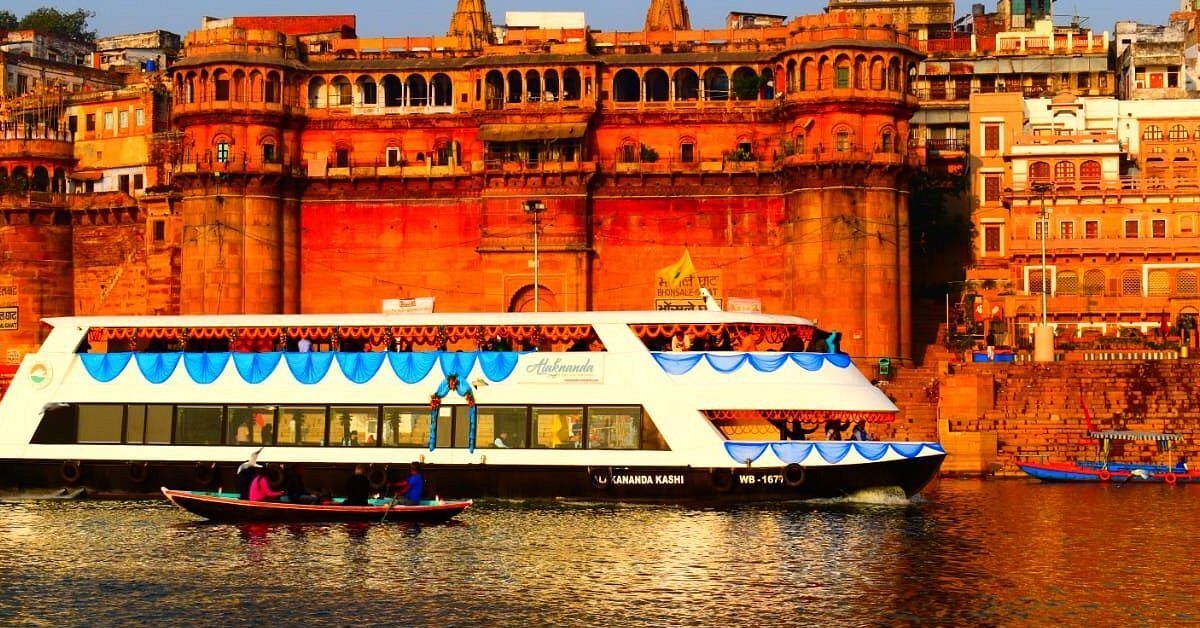
Varanasi Prayagraj & Ayodhya Package , Imagine embarking on a journey that takes you through the very heart of Indian spirituality, where every step echoes with ancient prayers and every stone tells a thousand-year-old story. Welcome to the sacred triangle of Varanasi, Prayagraj, and Ayodhya—three cities that form the spiritual backbone of Hindu civilization.
These aren’t just destinations on a map; they’re living testimonies to faith, devotion, and cultural heritage spanning millennia. Together, they offer a comprehensive spiritual experience that few places on Earth can match. Whether you’re a devout pilgrim, a culture enthusiast, or a curious traveler, this tri-city package promises to transform your understanding of India’s rich spiritual landscape.

These three cities are interconnected through mythology, history, and geography. All three sit in Uttar Pradesh, relatively close to each other, making them perfect for a combined tour. Varanasi represents moksha (liberation), Prayagraj symbolizes purification through the sacred confluence, and Ayodhya embodies the ideals of dharma through Lord Rama’s legacy.
Visiting them together creates a complete spiritual narrative—from seeking blessings at Rama’s birthplace, to purifying yourself at the Sangam, to finally experiencing liberation’s promise on Varanasi’s ghats. It’s a journey that mirrors the Hindu spiritual path itself.
Varanasi Prayagraj & Ayodhya Package Each city holds immense religious weight. Varanasi is believed to be Lord Shiva’s abode, one of the oldest continuously inhabited cities globally. Prayagraj hosts the world’s largest religious gathering, the Kumbh Mela, at its sacred confluence. Ayodhya, the birthplace of Lord Rama, is central to the epic Ramayana and Hindu consciousness.
Together, they represent different aspects of Hindu philosophy and devotion—Shaivism in Varanasi, the sacred rivers in Prayagraj, and Vaishnavism in Ayodhya. This diversity within unity offers profound insights into India’s spiritual complexity.
Most comprehensive packages run 5-7 days, allowing adequate time to explore each city without rushing. Shorter 3-4 day packages are available but feel hurried. Extended 8-10 day packages include additional sites, deeper experiences, and more leisurely exploration.
A typical itinerary might allocate 2 days for Varanasi (including Sarnath), 2 days for Prayagraj, and 1-2 days for Ayodhya. This provides balance between major attractions and spontaneous discovery, structured activities and free time.
Standard packages typically include accommodation, transportation between cities, guided tours, entrance fees to major attractions, and some meals (usually breakfast, sometimes dinner). Higher-end packages add airport transfers, more meals, better hotels, and additional experiences like private boat rides or special pujas.
Most reputable packages also include a knowledgeable guide familiar with the spiritual, historical, and cultural significance of each location. This expertise dramatically enhances your understanding and appreciation of what you’re experiencing.
Varanasi is where your spiritual journey truly intensifies. This ancient city, also known as Kashi or Banaras, has been a center of learning, culture, and spirituality for over 3,000 years. Mark Twain famously called it older than history itself—and walking its lanes, you’ll understand why.
This golden-spired temple dedicated to Lord Shiva is Varanasi’s spiritual epicenter. It’s one of the twelve Jyotirlingas, the most sacred Shiva shrines. The current structure was built by Maharani Ahilyabai Holkar in 1780, though the site has been venerated for millennia.
The temple’s golden spire and dome, donated by Maharaja Ranjit Singh, create a stunning sight. The darshan (sacred viewing) can involve long queues, but the spiritual atmosphere inside is palpable and worth the wait. Recent renovations have expanded the complex significantly.
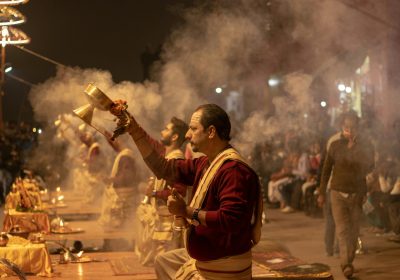
No Varanasi visit is complete without witnessing the evening Ganga Aarti. Seven priests perform synchronized rituals with massive brass lamps, creating a spectacle of light, sound, and devotion. Thousands gather nightly—it’s Varanasi’s signature spiritual experience.
The ceremony represents humanity’s gratitude to the life-giving Ganges. The chants, bells, incense, and fire create a multisensory experience that transcends religious boundaries, touching all who witness it.
Sunrise boat rides offer the perfect introduction to Varanasi’s ghat life. As you glide along the river, you’ll pass ancient temples, witness morning rituals, see cremation ghats, and absorb the timeless rhythms of this holy city.
The perspective from the water reveals Varanasi’s architectural splendor and spiritual intensity in ways impossible from land. It’s peaceful, contemplative, and absolutely essential for understanding the city’s soul.
Just 10 kilometers from Varanasi lies Sarnath, where Buddha delivered his first sermon after attaining enlightenment. The site features the impressive Dhamek Stupa, monastery ruins, and an excellent museum housing Buddhist art and relics.
Sarnath provides a serene counterpoint to Varanasi’s intensity. The peaceful gardens, ancient structures, and contemplative atmosphere offer space for reflection. It also represents India’s religious diversity and tolerance.
Prayagraj’s claim to fame is the Triveni Sangam—the confluence of three rivers: the Ganges, Yamuna, and the mythical Saraswati. This meeting point is considered supremely sacred. Taking a ritual bath here is believed to wash away sins and grant spiritual merit.
Boat rides to the exact confluence point are essential. You can see the distinct colors where the muddy Ganges meets the clearer Yamuna. The experience is both visually striking and spiritually significant, especially during auspicious dates when thousands gather.
Built by Emperor Akbar in 1583, this magnificent fort sits at the Sangam. Inside stands the Akshaya Vat (immortal banyan tree), mentioned in Hindu scriptures and believed to be indestructible. Access requires permission, but the fort’s exterior itself is impressive.
The fort also houses the Patalpuri Temple and the Saraswati Koop (well), associated with the invisible Saraswati River. These sites connect Prayagraj’s Mughal history with its ancient spiritual heritage.
Prayagraj played a crucial role in India’s independence movement. Anand Bhavan, the ancestral home of the Nehru family, is now a museum showcasing personal belongings, photographs, and memorabilia of Jawaharlal Nehru, India’s first Prime Minister, and his family.
Nearby Swaraj Bhavan was donated to the nation by Motilal Nehru. Together, they offer fascinating insights into India’s freedom struggle and the leaders who shaped modern India. This adds historical depth to your spiritual journey.
The Hanuman Mandir at Prayagraj is unique—the deity lies in a reclining position, unusual for Hanuman temples. Legend says the idol grows taller annually. Other significant temples include Mankameshwar Temple, Alopi Devi Temple, and the modern Sangam Temple.
Each temple has distinct architectural styles and spiritual significance, reflecting Prayagraj’s religious diversity and long history as a pilgrimage center.
The newly constructed Ram Janmabhoomi Temple stands at the site believed to be Lord Rama’s birthplace. This magnificent temple complex represents one of Hinduism’s most important pilgrimage sites. The temple’s grandeur reflects the devotion millions hold for Lord Rama.
The complex includes beautifully carved pillars, domes, and sanctums. The atmosphere is charged with devotion and historical significance. Recent developments have made access easier while maintaining the site’s sanctity.
This fortress-like temple dedicated to Lord Hanuman sits atop a hill, requiring a climb of 76 steps. According to legend, Hanuman resided here protecting the Ram Janmabhoomi. The temple offers panoramic views of Ayodhya and is always bustling with devotees.
The temple’s architecture combines fortress and temple elements, with thick walls and circular structures. Inside, the main shrine houses Hanuman in a maternal posture with young Rama on his lap—a unique and touching iconography.
This beautiful temple is dedicated to Rama and his consort Sita. According to tradition, it was gifted to Sita by Rama’s stepmother Kaikeyi after their wedding. The temple features ornate architecture with detailed carvings and houses gold-crowned idols of the divine couple.
The temple’s serene atmosphere and artistic beauty make it a favorite among visitors. The surrounding gardens and architectural details reward contemplative exploration.
The evening Aarti on the banks of the Saryu River offers Ayodhya’s version of Varanasi’s Ganga Aarti. Though smaller in scale, it carries equal spiritual weight. The ceremony, accompanied by bhajans and prayers, creates a peaceful, devotional atmosphere.
Taking a dip in the Saryu River is considered auspicious. The ghats have been recently renovated, making them more accessible and comfortable for pilgrims and visitors.
Day 1: Arrive in Varanasi. Evening Ganga Aarti at Dashashwamedh Ghat. Overnight in Varanasi.
Day 2: Early morning boat ride on the Ganges. Visit Kashi Vishwanath Temple and explore the ghats. Afternoon excursion to Sarnath. Overnight in Varanasi.
Day 3: Morning departure to Prayagraj (approximately 3 hours by road). Visit Triveni Sangam, take boat ride to confluence point. Visit Hanuman Mandir. Overnight in Prayagraj.
Day 4: Morning visit to Allahabad Fort (if accessible), Anand Bhavan, and other temples. Afternoon departure to Ayodhya (approximately 3 hours). Evening Saryu Aarti. Overnight in Ayodhya.
Day 5: Full day exploring Ayodhya—Ram Janmabhoomi Temple, Hanuman Garhi, Kanak Bhawan, and other Ram-related sites. Overnight in Ayodhya.
Day 6: Morning at leisure or visit any remaining sites. Departure back to Varanasi or onward journey.
For a 4-day express tour, reduce each city to one day (tight but doable). For 7-8 day leisurely tours, add extra days in Varanasi for deeper exploration, or include nearby attractions like Vindhyachal near Prayagraj or Naimisharanya near Ayodhya.
Customization is key—tailor the itinerary to your interests, pace, and spiritual inclinations. Some prefer more temple time, others more cultural exploration or free time for personal reflection.
October to March is ideal—pleasant weather, comfortable temperatures, and clear skies. Winter mornings can be foggy (adding atmospheric beauty) but chilly. This period also sees major festivals and active pilgrimage seasons.
April to June brings intense heat, making outdoor exploration exhausting, though this is considered highly auspicious for certain rituals. July to September sees monsoons—romantic but potentially disruptive with flooding and transportation challenges.
Visiting during festivals offers extraordinary experiences but expect massive crowds and higher prices. Diwali in Ayodhya is legendary—the entire city illuminated with countless lamps. The Ganga Mahotsav in Varanasi (November) showcases classical music and dance.
The Magh Mela and Kumbh Mela in Prayagraj (every 12 years, next in 2025) are unparalleled spiritual gatherings. However, infrastructure gets overwhelmed. Plan meticulously if attending these mega-events.
Varanasi to Prayagraj is approximately 125 kilometers (2.5-3.5 hours). Prayagraj to Ayodhya is about 160 kilometers (3-4 hours). Roads are generally good, though traffic can be unpredictable.
State-run buses offer economical options. Private vehicles provide comfort and flexibility, allowing stops at interesting spots along the way.
All three cities are well-connected by rail. Trains offer authentic Indian travel experiences and are economical. However, booking in advance is essential, especially during peak seasons. Journey times are comparable to road travel when accounting for station transfers.
Most packages include private air-conditioned vehicles with drivers. This is the most comfortable option—direct door-to-door service, luggage security, flexible timing, and no navigation stress. It’s worth the additional cost for the convenience and peace of mind.
Guesthouses, dharamshalas (pilgrim rest houses), and budget hotels are available in all three cities. They’re clean, basic, and affordable (₹500-1500 per night). Many are near major temples, offering convenience despite minimal amenities.
Budget accommodations provide authentic experiences and opportunities to interact with fellow pilgrims and travelers from across India and beyond.
Comfortable hotels with modern amenities—attached bathrooms, air conditioning, Wi-Fi, and on-site restaurants—range from ₹2000-5000 per night. They balance comfort and affordability, ideal for most travelers.
Many mid-range hotels in these spiritual cities cater specifically to pilgrims and tourists, understanding their needs and providing helpful services like tour bookings and spiritual guidance.
Heritage hotels, boutique properties, and luxury chains offer premium experiences with river views, spa services, fine dining, and personalized service. Prices range from ₹6000-20,000+ per night.
Luxury properties in Varanasi, particularly those overlooking the Ganges, provide stunning settings combining spiritual atmosphere with modern comfort—perfect for those seeking elevated experiences.
Varanasi’s food scene is legendary. Start your day with kachori-sabzi and jalebi. Try chaat varieties at Kashi Chat Bhandar, creamy lassi at Blue Lassi Shop, and don’t miss Banarasi paan—a betel leaf preparation that’s more art than snack.
The city’s vegetarian cuisine reflects its spiritual nature. Sattu-stuffed litti, tamatar chaat, and malaiyyo (winter specialty) showcase local flavors. Numerous cafes near Assi Ghat offer both Indian and international options.
Prayagraj’s food combines Awadhi and local traditions. Must-tries include the famous Loknath Ki Kachoris, various chaat preparations, and seasonal specialties. The city’s kulfi, lassi, and traditional sweets like peda reflect its culinary heritage.
During Magh Mela and Kumbh, the riverfront transforms into a massive food fair with regional specialties from across India—a gastronomic pilgrimage paralleling the spiritual one.
Ayodhya’s cuisine reflects Awadhi influences with strong vegetarian traditions given its religious significance. Local specialties include tehri (vegetable pulao), various pakoras, and excellent sweets. The prasad (blessed food) from major temples is specially cherished.
Simple sattvic (pure vegetarian) meals emphasizing grains, lentils, vegetables, and dairy align with the city’s spiritual atmosphere. Many restaurants near temples serve traditional thalis offering complete nutritional and taste experiences.
Get Details About: Varanasi Tour Package from Delhi/Bangalore/Mumbai/Pune
Each city offers numerous temple darshan opportunities. Arrive early to avoid crowds, especially at popular temples. Many temples have specific darshan timings—check schedules beforehand. Dress modestly, remove footwear when required, and maintain respectful behavior.
Consider hiring temple priests for guided pujas (worship ceremonies) tailored to your intentions—whether seeking blessings, performing ancestral rites, or simply experiencing traditional rituals.
Taking holy dips in the Ganges at Varanasi, the Sangam at Prayagraj, or the Saryu at Ayodhya forms the pilgrimage’s core. While these rivers face pollution challenges, the spiritual significance remains paramount for millions.
Participate according to your comfort level—full immersion, foot dipping, or simply offering flowers and prayers. The intention and reverence matter more than the specific action.
Many ashrams and yoga centers in these cities offer classes, workshops, and retreats. Morning yoga sessions on Varanasi’s ghats, meditation at Sarnath’s peaceful grounds, or spiritual discourses at Ayodhya’s ashrams enrich your journey.
These practices provide tools for processing the intense experiences, maintaining inner peace amid crowds, and deepening your spiritual understanding.
Research thoroughly—read reviews, check credentials, and compare offerings. Established operators with good reputations ensure smooth experiences. Look for transparent pricing, clear itineraries, responsive customer service, and appropriate insurance coverage.
Personal recommendations from previous travelers provide valuable insights. Online travel forums and review sites help identify reliable operators versus problematic ones.
Good tour operators allow customization—adjusting duration, accommodation levels, included meals, and specific sites. If you have particular spiritual interests (specific temples, rituals, or practices), communicate these upfront.
Solo travelers, families, senior citizens, and differently-abled visitors have varying needs. Ensure your chosen package accommodates your specific requirements.
Prices vary widely based on duration, accommodation, transportation, season, and inclusions. Budget packages might start around ₹8,000-12,000 per person for 4-5 days, mid-range ₹15,000-25,000, and luxury ₹30,000-60,000+.
Evaluate what’s included versus excluded. Sometimes seemingly expensive packages offer better value when all costs are considered. Beware of unrealistically cheap offers—they often involve hidden costs or substandard services.
Comfortable walking shoes (you’ll do lots of walking on uneven surfaces), modest clothing covering shoulders and knees, light layers for temperature variations, sun protection (hat, sunglasses, sunscreen), and a small daypack.
Carry basic medications, hand sanitizer, toilet paper, and wet wipes. A reusable water bottle, flashlight, and power bank prove invaluable. If planning ritual baths, quick-dry clothing is practical.
Respect religious sentiments—these cities are deeply sacred to millions. Photography restrictions vary; always ask permission, especially at temples and during ceremonies. Never photograph cremation sites closely.
Remove shoes when required, don’t point feet toward deities, and avoid public displays of affection. Dress modestly, speak softly in temples, and approach spiritual practices with sincere respect or polite curiosity, never mockery.
Drink only bottled or filtered water. Be cautious with street food—choose busy vendors with visible hygiene practices. Carry basic first-aid supplies and any prescription medications.
Guard against pickpockets in crowded areas. Keep valuables secure, don’t display expensive jewelry or electronics unnecessarily, and use hotel safes. Women travelers should exercise standard precautions—dress modestly, avoid isolated areas after dark, and trust instincts.
These three cities offer incredible photographic opportunities—ancient architecture, colorful rituals, dramatic river scenes, vibrant markets, and candid human moments. Golden hour (sunrise and sunset) provides the best light.
However, balance photography with presence. Don’t experience everything through a lens. Sometimes putting the camera away and simply absorbing the atmosphere creates the most lasting memories.
Respect photography ethics—always ask permission for portraits, never intrude on private moments, avoid photographing cremations, and consider whether your photography honors or exploits subjects.
The sacred triangle of Varanasi, Prayagraj, and Ayodhya offers a spiritual journey unmatched anywhere on Earth. These three cities, each with distinct character yet bound by common threads of faith and tradition, provide windows into India’s soul. From Varanasi’s intense, ancient spirituality to Prayagraj’s purifying confluence to Ayodhya’s devotional sweetness, the journey encompasses the breadth of Hindu spiritual expression.
Whether you seek divine blessings, cultural understanding, personal transformation, or simply unforgettable experiences, this tri-city package delivers abundantly. The sights, sounds, rituals, and encounters along the way don’t just create memories—they often spark profound inner changes. So pack your bags, open your heart, and prepare for a journey that transcends ordinary travel, offering instead a pilgrimage through time, faith, and the eternal questions that unite all humanity.
Ideally, 5-7 days allows comfortable exploration without rushing. A minimum of 4 days covers highlights, while 8-10 days permits deeper immersion, additional sites, and leisurely pacing. Your available time, interests, and desired depth of experience should guide your decision.
October to March offers the best weather—pleasant temperatures, clear skies, and comfortable conditions for outdoor activities. November to February is peak season with festivals and comfortable weather, though accommodations cost more and crowds are larger. Avoid summer (April-June) due to extreme heat.
Yes, with standard precautions. These religious cities generally have respectful atmospheres. Dress modestly, avoid isolated areas after dark, stay in reputable accommodations, use registered guides and drivers, and trust your instincts. Many solo female travelers visit successfully. Joining group tours adds safety and social connection.
Most temples welcome visitors of all faiths, though some have entry restrictions. Kashi Vishwanath Temple allows non-Hindus but requires security clearance. Approach all religious sites with respect regardless of your beliefs—remove shoes when required, dress modestly, maintain quiet behavior, and follow instructions from temple authorities.
Package tours offer convenience, expertise, cost-effectiveness (through bulk bookings), and stress-free logistics—ideal for first-time visitors, those with limited time, or travelers uncomfortable with independent navigation in India. Independent travel provides flexibility, spontaneity, and potentially deeper local interactions but requires more planning and cultural comfort. Your travel style, experience level, and preferences should determine your choice.

One Comment
Comments are closed.