Kashi Tour Package Temple Ghat and Ganga Aarti Experience , Have you ever dreamed of walking through streets that whisper tales of thousands of years? Kashi, also known as Varanasi or Banaras, is not just a city—it’s an emotion, a spiritual journey, and a bridge between the earthly and the divine. Nestled along the banks of the holy River Ganges, Kashi is one of the oldest continuously inhabited cities in the world. It’s where pilgrims come to cleanse their souls, seekers find enlightenment, and travelers discover the heart of Indian spirituality.
A Kashi tour package offers you an immersive experience into this sacred land, where temples resonate with devotional chants, ghats buzz with life and rituals, and the evening Ganga Aarti leaves you spellbound. Whether you’re a spiritual seeker, a history enthusiast, or simply a curious traveler, Kashi has something magical to offer everyone.
Why Visit Kashi (Varanasi)?
The Ancient Heritage
Kashi Tour Package Temple Ghat and Ganga Aarti Experience , Kashi isn’t just old—it’s ancient beyond measure. According to Hindu mythology, Lord Shiva himself founded this city. Archaeological evidence and ancient texts suggest that Varanasi has been a thriving cultural center for over 3,000 years. Walking through its narrow alleys feels like stepping back in time, where every stone has a story to tell.
Spiritual Significance
For Hindus, Kashi is the ultimate pilgrimage destination. It’s believed that dying in Kashi grants moksha (liberation from the cycle of birth and death). The city is dotted with countless temples, ashrams, and ghats where spiritual practices have been followed for millennia. The divine energy here is palpable, making it a powerful place for meditation, prayer, and self-discovery.
Cultural Diversity
Beyond its spiritual essence, Kashi is a melting pot of culture, art, music, and philosophy. It has nurtured saints, poets, musicians, and scholars throughout history. From classical music performances to traditional dance forms, from philosophical debates to handicraft excellence—Kashi celebrates life in all its vibrant forms.
What Does a Kashi Tour Package Include?
Temple Tours
A comprehensive Kashi tour package ensures you visit the most significant temples. The crown jewel is the Kashi Vishwanath Temple, dedicated to Lord Shiva. But there are many other sacred sites like Sankat Mochan Hanuman Temple, Durga Temple, and Tulsi Manas Temple that form essential parts of the spiritual circuit.
Ghat Visits
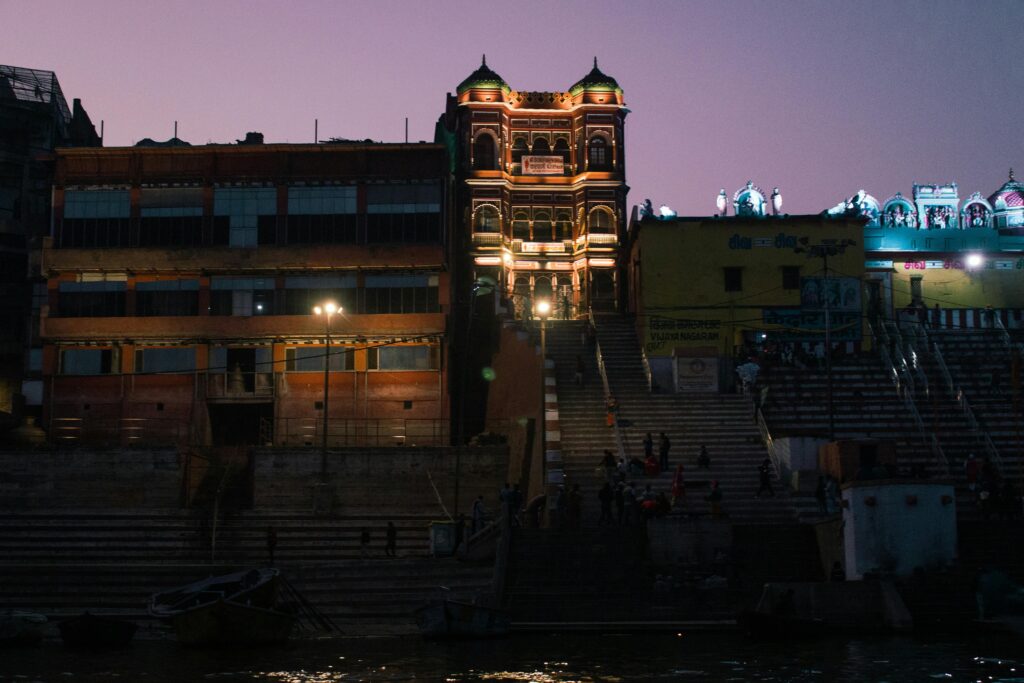
The ghats of Varanasi are its lifeline. A good tour package will take you to prominent ghats like Dashashwamedh Ghat, Assi Ghat, and Manikarnika Ghat. You’ll witness early morning rituals, yoga sessions, boat rides, and the continuous cycle of life and death that unfolds along these riverbanks.
Ganga Aarti Experience
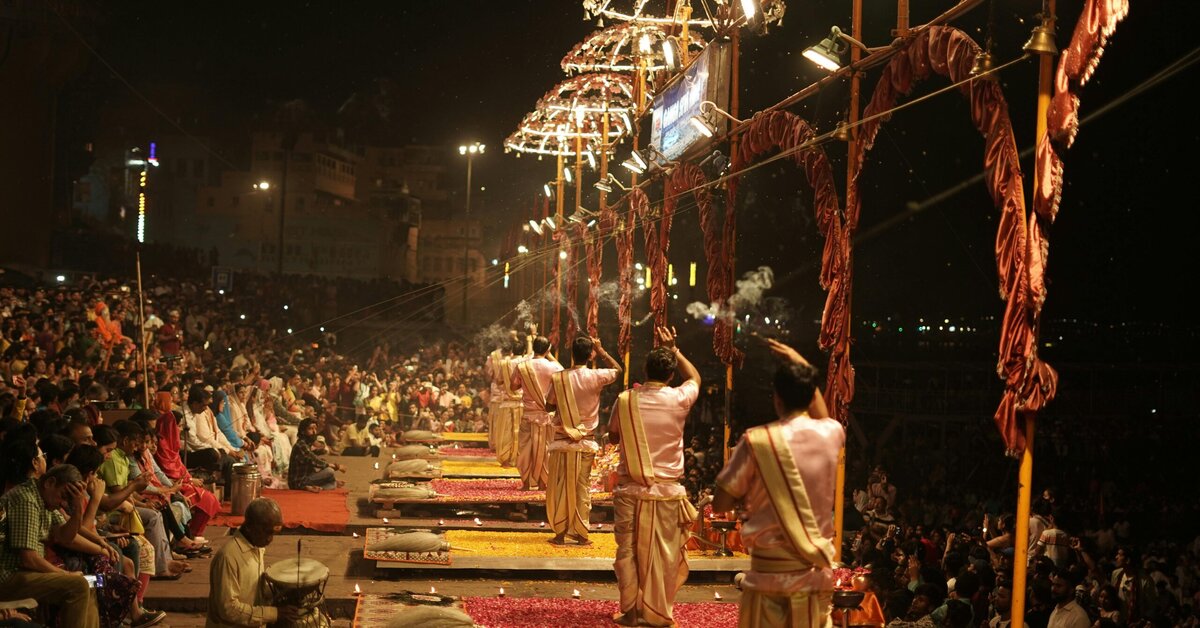
The evening Ganga Aarti is the highlight of any Kashi visit. Tour packages typically include reserved seating or boat arrangements for the best views of this spectacular ceremony. Watching priests perform synchronized rituals with fire, bells, and chants as the sun sets over the Ganges is an unforgettable experience.
Accommodation and Meals
Depending on your budget and preferences, packages offer various accommodation options—from heritage hotels overlooking the Ganges to comfortable budget stays in the heart of the city. Many packages also include traditional vegetarian meals, giving you a taste of authentic Banarasi cuisine.
Local Transportation
Getting around Varanasi’s labyrinthine streets can be challenging. Tour packages typically provide comfortable transportation for temple visits and ghat tours, along with experienced guides who know the city inside out.
Top Temples to Visit in Kashi
Kashi Vishwanath Temple
The Kashi Vishwanath Temple is the soul of Varanasi. Dedicated to Lord Shiva, this temple has been destroyed and rebuilt several times throughout history. The current structure, with its golden spire, stands as a symbol of unwavering faith. The temple’s sanctum houses one of the twelve Jyotirlingas, making it one of the most sacred Shiva temples in India.
Sankat Mochan Hanuman Temple
Founded by the great saint-poet Tulsidas in the 16th century, this temple is dedicated to Lord Hanuman. Devotees believe that worshipping here removes all troubles and obstacles. The temple’s serene atmosphere and the constant chanting of Hanuman Chalisa create a powerful spiritual ambiance.
Durga Temple
Also known as the Monkey Temple due to the numerous monkeys residing there, the Durga Temple is dedicated to Goddess Durga. Built in the 18th century, its distinctive red color and North Indian architectural style make it visually striking. The temple is especially crowded during Navratri when devotees come in large numbers to seek the goddess’s blessings.
Tulsi Manas Temple
This relatively modern temple, built in 1964, is dedicated to Lord Rama. What makes it unique is that the walls are inscribed with verses from the Ramcharitmanas, the Hindu epic written by Tulsidas. The temple’s white marble construction and beautiful carvings attract both pilgrims and architecture enthusiasts.
Exploring the Famous Ghats of Varanasi
Dashashwamedh Ghat
Dashashwamedh Ghat is the most vibrant and busiest ghat in Varanasi. According to legend, Lord Brahma created this ghat to welcome Lord Shiva and performed the Dasa-Ashwamedha sacrifice here. Today, it’s the main venue for the spectacular Ganga Aarti that draws thousands of visitors every evening. The ghat is always buzzing with activity—pilgrims bathing, priests performing rituals, vendors selling offerings, and tourists capturing memories.
Assi Ghat
Located at the confluence of the Assi and Ganges rivers, Assi Ghat is the southernmost major ghat in Varanasi. It’s popular among both locals and tourists for its relatively peaceful atmosphere. Early morning here offers a beautiful spectacle of people practicing yoga, students taking boat rides, and priests conducting smaller, intimate aartis. The ghat comes alive during festivals, particularly during the famous Assi Ghat evening aarti.
Manikarnika Ghat
Manikarnika Ghat is the primary cremation ghat of Varanasi and holds immense spiritual significance. Hindus believe that being cremated here grants instant salvation. The ghat operates 24/7, with funeral pyres burning continuously. While it might seem somber, witnessing the rituals here offers profound insights into Hindu beliefs about life, death, and liberation. It’s a powerful reminder of life’s impermanence.
Harishchandra Ghat
Named after the legendary King Harishchandra who worked at a cremation ground, this is another ancient cremation ghat. Though less crowded than Manikarnika, it carries equally strong spiritual significance. The ghat exemplifies the Hindu philosophy that death is not an end but a transition—a doorway to the next journey of the soul.
The Mesmerizing Ganga Aarti Experience
What is Ganga Aarti?
Ganga Aarti is a devotional ritual performed to honor the River Ganges, considered a goddess in Hindu tradition. The ceremony involves priests dressed in traditional attire performing choreographed movements with large brass lamps filled with oil and multiple wicks. Accompanied by bells, conch shells, drums, and devotional songs, the aarti creates an atmosphere charged with divine energy.
Best Time to Witness Ganga Aarti
The main Ganga Aarti at Dashashwamedh Ghat takes place every evening around sunset, typically starting between 6:00 PM and 7:00 PM, depending on the season. There’s also a smaller morning aarti at around 5:00 AM at Assi Ghat. For the best experience, arrive at least 30-45 minutes early to secure a good viewing spot. The evening aarti is particularly spectacular as darkness falls and the lamps illuminate the ghat.
What to Expect During the Aarti
As you settle into your spot—whether on the ghat steps or aboard a boat on the river—you’ll feel the energy building. When the aarti begins, seven priests simultaneously perform the ritual on elevated platforms. The synchronized movements of the massive fire lamps create mesmerizing patterns against the darkening sky. The air fills with the fragrance of incense, the sound of temple bells, and devotional chants. Devotees float small leaf boats with candles on the river, creating a carpet of twinkling lights on the water. It’s a sensory experience that touches something deep within, regardless of your religious beliefs.
Best Time to Visit Kashi
Winter Season (October to March)
Winter is undoubtedly the best time to visit Varanasi. The weather is pleasant, with temperatures ranging from 5°C to 15°C. The cool mornings are perfect for boat rides and ghat visits, while the evenings are comfortable for attending the Ganga Aarti. Major festivals like Diwali, Dev Deepawali (fifteen days after Diwali), and Maha Shivaratri fall during this period, offering unique cultural experiences.
Monsoon Season (July to September)
Monsoon brings a different charm to Varanasi. The Ganges swells, and the ghats get partially submerged, creating dramatic visuals. The rains wash away the summer dust, leaving the city refreshed. However, humidity is high, and occasional heavy rains might disrupt travel plans. If you don’t mind getting wet and enjoy quieter tourist spots, monsoon can be an interesting time to visit.
Summer Season (April to June)
Summers in Varanasi are hot and humid, with temperatures soaring to 45°C. It’s the least comfortable time to visit, and not recommended unless you’re specifically coming for a festival or have no other option. If you do visit during summer, plan activities for early morning or late evening, stay hydrated, and wear light, breathable clothing.
How to Reach Kashi (Varanasi)
By Air
Lal Bahadur Shastri International Airport is located about 25 kilometers from the city center. It’s well-connected to major Indian cities like Delhi, Mumbai, Bangalore, and Kolkata, with several daily flights. The airport also has international connectivity. From the airport, you can hire prepaid taxis or book app-based cabs to reach your hotel.
By Train
Varanasi is a major railway junction with excellent connectivity across India. The main railway stations are Varanasi Junction (also called Varanasi Cantt) and Manduadih Railway Station. Several express and superfast trains connect Varanasi to cities nationwide. The newly inaugurated Varanasi Junction has modern facilities and is more centrally located for accessing the main tourist areas.
By Road
Varanasi is well-connected by road to nearby cities. State-run and private buses operate regularly from places like Lucknow, Allahabad, Gorakhpur, and Patna. If you’re driving, National Highways NH2 and NH7 connect to Varanasi. However, navigating the city’s narrow, crowded lanes can be challenging, so hiring a local driver is advisable.
Types of Kashi Tour Packages Available
Budget-Friendly Packages
For travelers watching their expenses, budget packages typically range from INR 3,000 to INR 8,000 per person for a 2-3 day trip. These include basic accommodation, local transportation, guided temple tours, and Ganga Aarti viewing. Meals might not be fully included, giving you the flexibility to explore local eateries at your own pace.
Luxury Tour Packages
Luxury packages, ranging from INR 15,000 to INR 40,000 per person, offer premium experiences. Stay in heritage hotels with Ganges views, enjoy private boat rides, get exclusive access to temples with minimal crowds, and savor multi-cuisine meals at fine restaurants. These packages often include spa services, cultural performances, and personalized guides who cater to your specific interests.
Customized Spiritual Tours
Many tour operators offer customizable packages where you can design your itinerary based on your spiritual goals. Whether you want extended meditation sessions, consultations with learned pandits, participation in specific rituals, or visits to lesser-known temples and ashrams, these packages can be tailored to your needs. Prices vary depending on the services selected.
What to Eat in Kashi
Famous Street Foods
Varanasi is a paradise for food lovers, especially those who enjoy vegetarian cuisine. Start your culinary journey with kachori-sabzi for breakfast—spicy fried bread served with potato curry. Don’t miss the famous Banarasi chaat—varieties like tamatar chaat, palak chaat, and aloo tikki are explosions of flavor. For a sweet-savory combination, try the iconic lassi at the legendary Blue Lassi shop, which has been serving flavored yogurt drinks for generations.
Traditional Sweets
Varanasi’s sweet shops are treasure troves of deliciousness. Malaiyo, a winter specialty, is a frothy, milk-based dessert that melts in your mouth. Jalebi—crispy spirals soaked in sugar syrup—tastes best when eaten fresh and hot. The city is also famous for its paan (betel leaf preparation), particularly the Banarasi paan with its unique blend of ingredients. Launglata, a sweet made from wheat flour and sugar, is another local favorite.
Local Delicacies
For lunch or dinner, try the simple yet satisfying dal-bati-chokha or the aromatic Banarasi puri-sabzi. Kashi is also known for its thandai, especially during Holi—a cooling milk-based drink infused with nuts, saffron, and spices. If you’re adventurous, sample the local preparations of sattu (roasted gram flour) drinks and dishes. Most restaurants serve pure vegetarian food, respecting the city’s spiritual atmosphere.
Tips for a Memorable Kashi Tour
Dress Modestly
Varanasi is a deeply religious city. When visiting temples and ghats, dress conservatively. For women, covering shoulders and knees is advisable. Lightweight, breathable fabrics work best given the city’s climate. Comfortable walking shoes are essential as you’ll be navigating uneven ghat steps and narrow lanes.
Respect Local Customs
Photography restrictions exist at certain temples, especially inside sanctums. Always ask permission before photographing rituals or people. Remove shoes before entering temples. At cremation ghats, maintain respectful silence and avoid photography out of consideration for mourning families. During the Ganga Aarti, refrain from loud conversations that might disturb others’ spiritual experience.
Stay Hydrated
Carry a water bottle, especially if visiting during warmer months. The heat and extensive walking can be dehydrating. Stick to bottled or purified water to avoid stomach issues. Many hotels and restaurants serve safe drinking water, so refill your bottle whenever possible.
Hire a Local Guide
Varanasi’s complex lanes can be confusing, and its rich history deserves proper explanation. A knowledgeable local guide enhances your experience manifold, sharing stories, historical context, and spiritual significance that you’d otherwise miss. They can also help navigate crowds, suggest authentic eateries, and ensure you don’t fall victim to tourist scams.
Shopping in Varanasi
Banarasi Silk Sarees
No visit to Varanasi is complete without exploring its famous silk sarees. Banarasi silk, with its intricate gold and silver brocade work (zari), is world-renowned. These sarees are wedding favorites across India. Visit areas like Thatheri Bazaar, Chowk, and Godowlia to find authentic pieces. Be prepared to bargain, and ask for government silk mark certification to ensure quality.
Handicrafts and Souvenirs
The city’s artisan community produces beautiful brass items, wooden toys, carved stone work, and miniature paintings. The narrow lanes around Vishwanath Temple are lined with shops selling religious artifacts, rudraksha beads, traditional lamps, and decorative items perfect as souvenirs or gifts.
Religious Items
For those seeking spiritual items, Varanasi offers an incredible variety—from prayer beads and meditation cushions to sacred books, incense, and puja items. The shops near major temples stock everything needed for Hindu rituals. You’ll also find authentic ayurvedic products, essential oils, and herbal preparations made using traditional methods.
Accommodation Options in Kashi
Budget Hotels
Several budget-friendly hotels and guesthouses are scattered throughout Varanasi, particularly near the ghats and in areas like Godowlia. Expect clean, basic rooms with essential amenities. Some budget accommodations offer rooftop restaurants with Ganges views, providing excellent value for money. Prices typically range from INR 500 to INR 2,000 per night.
Mid-Range Hotels
Mid-range hotels offer more comfort, better locations, and additional amenities like air conditioning, Wi-Fi, and in-house restaurants. Hotels in this category (INR 2,000 to INR 5,000 per night) often provide travel assistance, guided tours, and better hygiene standards. Many are within walking distance of major attractions.
Luxury Hotels and Resorts
For travelers seeking premium experiences, Varanasi has several luxury hotels and heritage properties. Stay in beautifully restored havelis overlooking the Ganges, enjoy rooftop dining under the stars, pamper yourself with spa treatments, and experience world-class hospitality. These properties (INR 8,000 to INR 25,000+ per night) combine modern luxury with traditional Banarasi charm, offering an unforgettable stay.
Conclusion
A Kashi tour package is more than just a vacation—it’s a transformative journey into the heart of India’s spiritual and cultural heritage. From the moment you witness the first rays of sunlight illuminating the Ganges to the evening when flames from the Ganga Aarti dance against the darkening sky, Kashi weaves its magic around you. The ancient temples echo with centuries of devotion, the ghats pulse with the rhythm of life and death, and the narrow alleys whisper stories of saints and seekers who walked here before you.
Whether you’re seeking spiritual awakening, cultural immersion, or simply an escape from the mundane, Varanasi delivers experiences that touch your soul. The city challenges you, humbles you, and ultimately enriches you. It reminds us that life is precious, impermanent, and deeply interconnected.
So pack your bags, open your heart, and prepare for a journey that will stay with you long after you’ve left the ghats behind. Kashi doesn’t just leave impressions on your camera roll—it leaves imprints on your soul. As they say in Varanasi, “Kashi ke kankar Shiva ho jate hain” (Even the pebbles of Kashi become Shiva). Come, experience this divine transformation yourself.
FAQs
1. How many days are sufficient for a Kashi tour package?
Ideally, a 2-3 day trip covers the major attractions comfortably. This allows time for temple visits, ghat exploration, boat rides, the Ganga Aarti, and some shopping. If you want a deeper spiritual experience or plan to visit nearby places like Sarnath, consider extending to 4-5 days.
2. Is it safe to travel to Varanasi as a solo female traveler?
Yes, Varanasi is generally safe for solo female travelers, especially in tourist areas and during daytime. However, exercise normal precautions—dress modestly, avoid isolated areas after dark, use reputable transportation, and stay in well-reviewed accommodations. The local people are usually helpful and respectful toward tourists.
3. What should I avoid doing in Varanasi?
Avoid drinking tap water, eating from unhygienic street vendors, taking photographs at cremation ghats, wearing revealing clothes at religious sites, and getting into boats without checking safety measures. Also, be cautious of touts offering unsolicited guidance or deals that seem too good to be true.
4. Can non-Hindus visit the temples in Varanasi?
Most temples in Varanasi welcome visitors of all faiths, though some might have restrictions for non-Hindus entering the inner sanctum. The Kashi Vishwanath Temple, for instance, allows non-Hindus in certain areas but not inside the main temple. Always respect posted rules and ask temple authorities if you’re unsure.
5. What is the significance of taking a boat ride on the Ganges?
A boat ride offers a unique perspective of Varanasi’s ghats and provides a peaceful escape from the crowded streets. The early morning boat ride is particularly magical, allowing you to witness sunrise rituals, yoga sessions, and the city awakening. The evening boat ride gives you an excellent vantage point for watching the Ganga Aarti from the river, creating unforgettable memories.