Your cart is currently empty!
You may check out all the available trips and book one that suits you.
Continue Browsing Trips
Kashi Tour Itinerary Cultural Adventure and Spiritual Activities , Have you ever wondered what it feels like to step into a city where time seems to stand still, yet life pulsates with unmatched energy? Welcome to Kashi, also known as Varanasi or Banaras—one of the oldest continuously inhabited cities on Earth. This sacred city on the banks of the Ganges River isn’t just a destination; it’s an experience that touches your soul, challenges your senses, and leaves you transformed.
Kashi is where spirituality meets chaos, where ancient traditions blend seamlessly with modern life, and where every corner tells a story thousands of years old. Whether you’re seeking spiritual enlightenment, cultural immersion, or adventurous exploration, Kashi offers an itinerary that caters to every traveler’s desires.
Kashi holds a special place in Hindu mythology and philosophy. It’s believed that Lord Shiva founded this city, making it one of the seven sacred cities in Hinduism. Hindus believe that dying in Kashi and having your ashes scattered in the Ganges grants moksha—liberation from the cycle of birth and death. This profound spiritual significance draws millions of pilgrims annually, creating an atmosphere thick with devotion and faith.
But you don’t need to be religious to feel the city’s magnetic pull. The spiritual energy here is palpable, whether you’re watching the sunrise over the river or listening to temple bells echoing through narrow alleyways.
Kashi has been a center of learning, music, and art for millennia. The city has produced legendary musicians, scholars, and poets. Walking through its streets, you’ll encounter classical music performances, witness traditional silk weaving, and experience rituals that have remained unchanged for centuries. This living heritage makes Kashi not just a museum of the past but a vibrant celebration of continuous tradition.
Timing your visit can significantly enhance your experience. The ideal months are October to March when the weather is pleasant, with temperatures ranging from 15°C to 30°C. The scorching summer months (April to June) can be overwhelming, with temperatures soaring above 45°C. Monsoon season (July to September) brings occasional heavy rains, but the city has a mystical beauty during this time, with fewer tourists and greener surroundings.
Special festivals like Dev Deepawali (usually in November) or Mahashivratri offer extraordinary experiences but also mean larger crowds and higher accommodation prices.
Kashi is well-connected to major Indian cities. The Lal Bahadur Shastri International Airport is about 25 kilometers from the city center, with regular flights from Delhi, Mumbai, and other metropolitan areas. The city has two major railway stations—Varanasi Junction and Varanasi City—connecting it to the extensive Indian railway network.
If you’re already in North India, road trips offer scenic routes, though the final approach through congested city streets can be challenging.
Your accommodation choice dramatically affects your Kashi experience. Heritage hotels overlooking the ghats provide unmatched atmosphere but can be pricey. Mid-range guesthouses in areas like Assi Ghat offer comfort with local flavor. Budget travelers will find numerous hostels and dharamshalas near the ghats. For a truly immersive experience, consider homestays where local families share their daily lives and traditions with you.
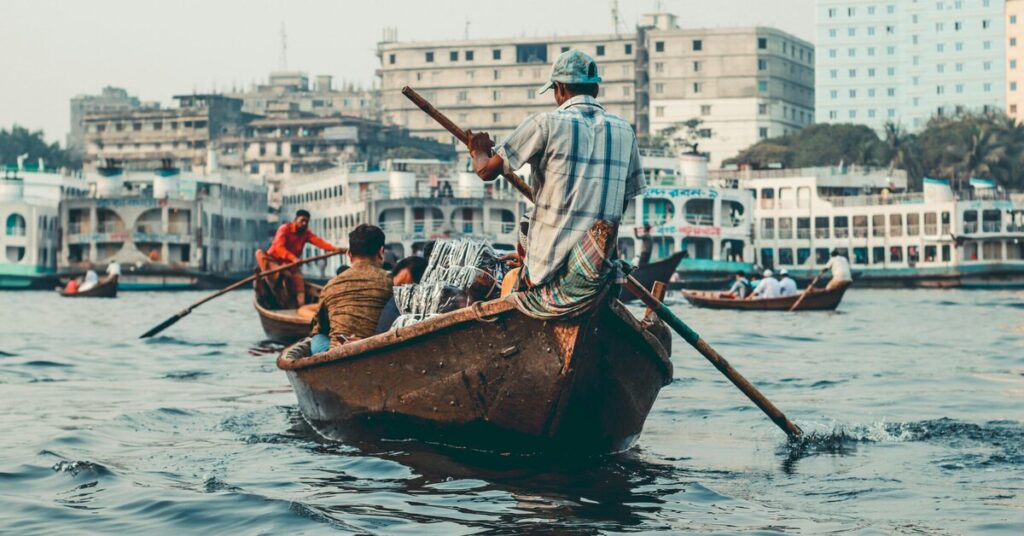
Nothing prepares you for the magic of a sunrise boat ride on the Ganges. As dawn breaks, the city slowly awakens. Priests perform morning rituals, devotees take holy dips, and the golden light paints the ancient ghats in ethereal hues. This hour-long journey covers several ghats, each with its unique character and history.
Your boatman, often a generational expert, will share stories about the temples, buildings, and traditions you’re witnessing. The serenity of this experience contrasts beautifully with the chaos that will envelop the city later in the day.
Dashashwamedh Ghat is Kashi’s most vibrant and oldest ghat. According to legend, Lord Brahma created it to welcome Lord Shiva. The name literally means “the ghat of ten sacrificed horses,” referring to an ancient ritual performed here.
Morning at Dashashwamedh is a sensory overload in the best way possible. Priests in saffron robes perform elaborate pujas, flower sellers arrange their colorful offerings, and pilgrims from across India gather for prayers. Take time to observe the rituals—each gesture, each chant carries centuries of meaning.
Manikarnika Ghat is Kashi’s main cremation ghat, operating continuously for thousands of years. This might sound morbid, but visiting this ghat offers profound insights into Hindu philosophy regarding death and rebirth.
Funeral pyres burn here day and night. Families bring their deceased loved ones, believing that cremation in Kashi guarantees liberation. While photography is strictly prohibited and should be respected, observing from a distance teaches you about acceptance, impermanence, and the Hindu view of death not as an ending but as a transition.
The Dom Raja, the guardian of the sacred fire that has burned here for millennia, represents one of the most fascinating hereditary roles in India. His family has maintained this fire and overseen cremations for generations.
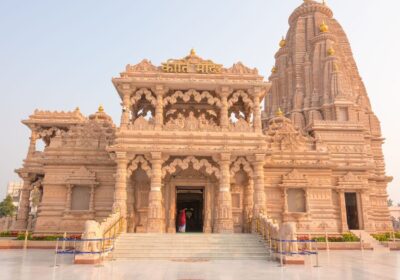
The Kashi Vishwanath Temple, dedicated to Lord Shiva, is the spiritual nucleus of the city. The current structure was built by Maharani Ahilyabai Holkar of Indore in 1780, though a temple has stood on this site for far longer. The golden spire, donated by Maharaja Ranjit Singh, gleams brilliantly in the sunlight.
Expect long queues, especially during auspicious days. The temple’s inner sanctum houses one of the twelve Jyotirlingas—the most sacred Shiva shrines. Non-Hindus are generally not allowed inside, but the energy and devotion surrounding this temple are palpable even from outside.
The recent redevelopment project has created a corridor approach, making access easier while attempting to preserve the temple’s ancient character.
Founded by the great poet-saint Tulsidas in the 16th century, the Sankat Mochan Temple is dedicated to Lord Hanuman. “Sankat Mochan” means “reliever of troubles,” and devotees believe that sincere prayers here solve their problems.
The temple has a peaceful atmosphere compared to the crowded Kashi Vishwanath. Every Tuesday and Saturday, special prayers draw large crowds. The temple also hosts the famous Sankat Mochan Sangeet Samaroh, a five-day music festival held annually that attracts India’s finest classical musicians.
This unusual temple, inaugurated by Mahatma Gandhi in 1936, doesn’t worship any deity. Instead, it houses a marble relief map of undivided India carved to scale. The temple celebrates the concept of Mother India and promotes national unity.
It’s a refreshing change from traditional temples and offers geographical insights along with patriotic sentiments. The multi-story structure also contains smaller shrines dedicated to various Indian heroes, freedom fighters, and notable personalities.
Want to experience Kashi like a local? Rent a bicycle and navigate the labyrinthine alleys that cars can’t reach. Early morning is ideal when the lanes are relatively empty. You’ll discover hidden temples, encounter artisans at work, spot impromptu street performances, and stumble upon chai shops where locals gather.
These narrow passages, some barely wide enough for two people, have remained unchanged for centuries. Getting lost is part of the adventure—locals are remarkably helpful when you need directions.
Several organizations offer guided walking tours focusing on different aspects of Kashi—architecture, food, spirituality, or history. A knowledgeable guide transforms random observations into meaningful understanding.
Popular routes include the Old City Walk covering ancient havelis (mansions), the Silk Route exploring weaving traditions, and the Ghat Walk connecting the spiritual stories of various riverfront steps. These tours typically last three to four hours and are best done in cooler morning or evening hours.
Surprised? While the Ganges through Kashi isn’t suitable for extreme water sports, the surrounding regions offer adventure opportunities. The Ganges in upstream locations like Rishikesh provides white-water rafting. Closer to Varanasi, you can enjoy kayaking and paddleboarding experiences organized by adventure tourism companies.
Some operators also offer multi-day packages combining Kashi’s spiritual experiences with Himalayan adventure activities, creating a perfect blend of tranquility and adrenaline.
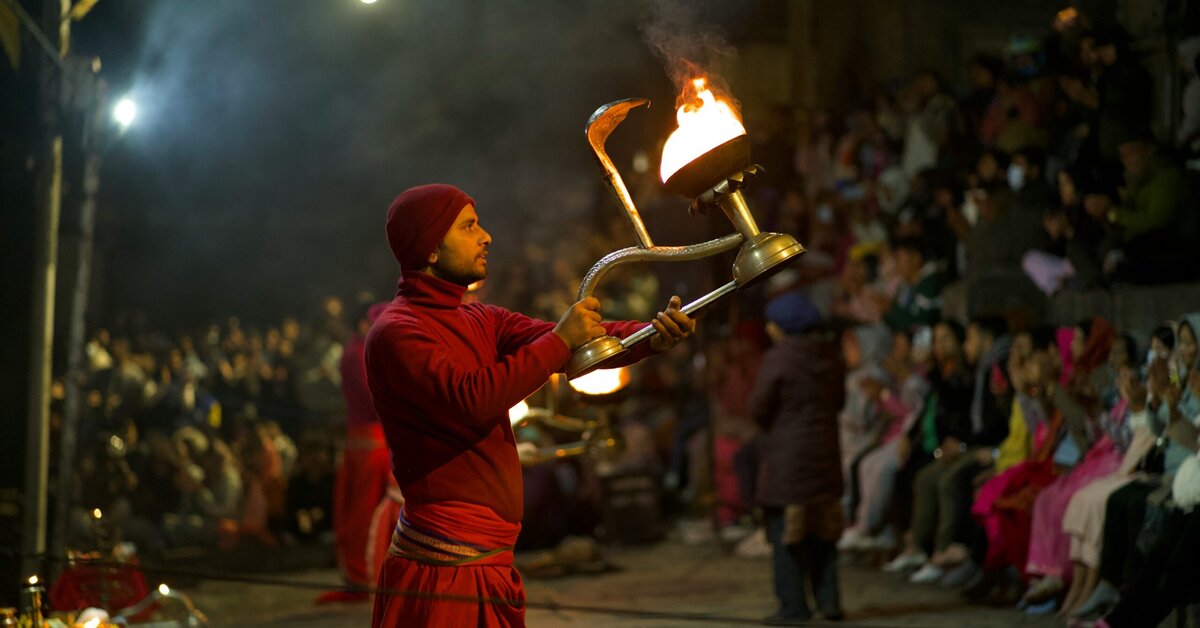
If you do nothing else in Kashi, attend the evening Ganga Aarti at Dashashwamedh Ghat. This synchronized ritual, performed daily at sunset, is a spectacular display of devotion. Young priests in traditional attire perform choreographed movements with large brass lamps, fire, incense, and flowers, all while devotional songs fill the air.
The aarti typically lasts 45 minutes and attracts hundreds of spectators. The atmosphere is electric—bells ring, conch shells blow, and the gathered crowd participates in prayer. As darkness descends and the flames dance against the twilight sky, you’ll understand why people describe this as a transcendent experience.
The ghat itself gets extremely crowded, with people jostling for good positions hours before the ceremony begins. If you prefer comfort and a better view, book a seat on one of the viewing platforms that hotels and restaurants near the ghat offer (for a fee).
Alternatively, watching from a boat anchored in the river provides a unique perspective. You’ll see the illuminated ghats, the ceremony in full glory, and the devotees’ silhouettes against the firelight—a photographer’s dream. Book your boat in advance during peak season.
Kashi’s street food scene is legendary. The city’s culinary traditions have developed over millennia, creating unique flavors you won’t find anywhere else.
Start your morning with kachori sabzi—crispy, spiced fried bread served with potato curry. Kashi’s version has a distinct taste thanks to local spice blends. Visit iconic spots like Ram Bhandar or Madhur Milan Cafe for authentic experiences.
For evening snacks, explore the chaat options. Tamatar (tomato) chaat is a Banarasi specialty you must try. The combination of tangy, spicy, and sweet flavors creates an explosion in your mouth. The chaat wallahs have been perfecting these recipes for generations, and their lightning-fast preparation skills are entertaining to watch.
Kashi has a serious sweet tooth. The city is famous for its paan (betel leaf preparation), but the sweets deserve equal attention. Launglata (twisted sweet fried dough), rabri (condensed milk dessert), malaiyyo (milk foam delicacy available only in winter), and countless variations of pedas and barfis await your indulgence.
Visit shops in the Thatheri Bazaar or near Vishwanath Gali that have been family-run for centuries. Don’t miss the creamy, saffron-infused lassi served in earthen cups—it’s refreshing and quintessentially Banarasi.
Just 10 kilometers from Varanasi lies Sarnath, one of Buddhism’s most important pilgrimage sites. After achieving enlightenment in Bodh Gaya, Buddha came here to deliver his first sermon, setting in motion the Wheel of Dharma.
The archaeological site contains impressive stupas, including the Dhamek Stupa standing 34 meters tall. The Ashoka Pillar, though its famous lion capital is now in the museum, marks the exact spot of Buddha’s sermon. The museum houses exceptional sculptures from the Mauryan and Gupta periods.
Sarnath has a peaceful, contemplative atmosphere—a stark contrast to Kashi’s intensity. Several countries have built monasteries here, each reflecting their architectural traditions. Spend a half-day exploring this site, preferably in the cooler morning hours.
Across the Ganges sits the 18th-century Ramnagar Fort, still the residence of the Kashi royal family. This imposing sandstone structure overlooks the river and contains a museum with an eclectic collection of vintage cars, royal palanquins, weapons, astronomical clocks, and rare manuscripts.
The fort looks particularly beautiful during sunset when the golden light illuminates its weathered walls. During Dussehra, the fort becomes the center of month-long Ramlila performances, attracting thousands of spectators.
The ferry ride to reach Ramnagar adds to the adventure. The fort’s architecture blends Mughal and Indian styles, and walking through its courtyards feels like stepping back in time.
For adventure enthusiasts, Chunar Fort, about 40 kilometers from Varanasi, offers historical exploration combined with scenic beauty. This ancient fort has witnessed rulers from Vikramaditya to the British. Perched on a rocky hill, it provides panoramic views of the Ganges and surrounding countryside.
The fort’s underground passages, secret chambers, and defensive architecture fascinate history buffs. The journey to Chunar takes you through rural landscapes, offering glimpses of village life and agricultural practices.
Banarasi silk sarees are world-renowned, and Kashi is where this magic happens. The weaving tradition dates back to the Mughal period when Persian artisans settled here. Today, thousands of families continue this craft in small workshops scattered throughout the city.
Visit weaving clusters to watch artisans create intricate brocade patterns on traditional looms. The patience and skill required are astounding—some sarees take months to complete. Many workshops welcome visitors and explain the process, from dyeing threads to the final product.
If you’re interested in purchasing, deal directly with weavers rather than middlemen for better prices and quality. Remember, authentic Banarasi silk is expensive for good reason—it’s genuine artistry.
Kashi has nurtured Indian classical music for centuries. The city has produced legendary musicians and continues to be a learning hub. Several institutions and temples organize regular performances.
The International Music Centre Ashram near Assi Ghat hosts evening concerts featuring sitar, tabla, and vocal performances. The atmosphere in these intimate settings—often just 20-30 people sitting on the floor in a traditional setting—creates profound connections between artists and audience.
Classical dance performances, particularly Kathak, are also regularly organized. Check local listings or ask at cultural centers for current schedules.
What could be more inspiring than practicing yoga with the Ganges flowing beside you and temple bells ringing in the distance? Several ashrams and yoga centers offer drop-in classes and longer courses.
Assi Ghat has become a hub for yoga enthusiasts, with multiple centers offering everything from beginner classes to advanced training programs. Morning sessions timed with sunrise are particularly popular. Most classes follow traditional Hatha or Ashtanga styles, though you’ll find variations catering to different needs.
Beyond physical yoga, Kashi offers numerous opportunities for meditation, philosophy discussions, and spiritual learning. Many ashrams welcome seekers for satsangs (spiritual gatherings) where learned scholars discuss Hindu philosophy, Vedanta, and meditation techniques.
Some renowned ashrams require advance booking for longer stays, while others offer open sessions. Even if you’re not deeply spiritual, these experiences provide insights into India’s philosophical traditions and often lead to unexpected moments of clarity and peace.
Photographers dream about Kashi’s ghats during golden hour—both sunrise and sunset offer extraordinary lighting conditions. The interplay of light on ancient architecture, the river’s reflections, and the colorful activities create frame-worthy moments constantly.
The best photography spots include viewing the ghats from the river (hire a boat), shooting from higher vantage points like rooftop cafes, and working within the narrow lanes where shafts of light create dramatic effects.
Kashi’s streets are a street photographer’s paradise. However, always ask permission before photographing people, especially during religious ceremonies or at cremation ghats where photography is prohibited.
The markets, particularly in early morning, offer wonderful opportunities—flower sellers arranging marigolds, milk vendors with their buffaloes, children playing in ancient doorways. The key is patience and respect. Engage with people, explain your interest, and you’ll often find subjects willing to be photographed.
Technically, bring weather-sealed equipment as the humidity near the river can be high. A versatile zoom lens helps maintain respectful distance while capturing intimate moments.
Pack light, comfortable cotton clothes suitable for temple visits (covering shoulders and knees). The city involves considerable walking on uneven surfaces, so comfortable, closed-toe shoes are essential. Flip-flops work for ghat visits but aren’t ideal for navigating the city.
Bring a good water bottle with a filter, as staying hydrated is crucial. Sunscreen, hat, and sunglasses protect against the intense sun. A small daypack for essentials, hand sanitizer, and wet wipes prove invaluable. If visiting in winter (December-January), pack layers as mornings and evenings can be surprisingly cool.
Kashi is generally safe for tourists, but standard precautions apply. Watch your belongings in crowded areas, use reputable transportation services, and be cautious of overly friendly strangers offering unsolicited help.
Cultural sensitivity is important. Remove shoes before entering temples, dress modestly, and avoid public displays of affection. If visiting during religious ceremonies, observe respectfully without disrupting proceedings. Don’t photograph funeral rituals at cremation ghats—this is strictly prohibited and highly disrespectful.
Be prepared for aggressive touts, particularly near tourist spots. A firm but polite “no, thank you” usually suffices. Many scams involve offers of “special pujas” or “government-approved” guides—do your research beforehand.
Kashi is perpetually crowded, and managing this is essential for an enjoyable visit. Visit major attractions early morning or late afternoon when crowds are thinner. Weekdays are generally less crowded than weekends.
During major festivals, the city becomes exponentially more crowded. While these festivals offer unique experiences, they require extra patience and planning. Book accommodations well in advance and expect longer waiting times everywhere.
Sometimes, the best strategy is embracing the chaos rather than fighting it. Slow down, observe, and let the city’s rhythm wash over you. That’s when Kashi reveals its magic most powerfully.
Kashi isn’t just a destination you visit; it’s an experience that visits you—staying with you long after you’ve left its ghats and galis behind. This ancient city offers an unparalleled combination of spiritual depth, cultural richness, and yes, adventure for those willing to explore beyond the obvious.
Whether you’re watching the sunrise paint the Ganges in gold, navigating chaotic lanes on a bicycle, savoring street food that’s been perfected over centuries, or simply sitting by the river contemplating life’s bigger questions—Kashi provides experiences that transform perspectives.
The itinerary we’ve explored balances the spiritual, cultural, and adventurous aspects that make Kashi unique. But remember, the best moments often happen unplanned—a chance conversation with a local, stumbling upon a hidden temple, or witnessing a simple act of devotion that moves you unexpectedly.
Come to Kashi with an open heart and mind. Let the city surprise you, challenge you, and ultimately, change you. Because that’s what this timeless city has been doing for thousands of years, and it shows no signs of stopping.
A minimum of 3-4 days allows you to cover major attractions without rushing. However, if you want to include day trips to places like Sarnath and Chunar, plus have time for yoga sessions or deeper cultural immersion, 5-7 days would be ideal. Many travelers find themselves extending their stay once they experience the city’s magnetic pull. If time is limited, prioritize the morning boat ride, Ganga Aarti, and exploring 2-3 major temples along with simply wandering the ghats and lanes.
Yes, Kashi is generally safe for solo female travelers who take standard precautions. Dress modestly (covering shoulders and knees), avoid isolated areas after dark, and use reputable transportation. Many women travel solo to Kashi without issues. Staying near popular ghats like Assi provides a safer environment with more tourist infrastructure. Consider joining group tours or activities to meet fellow travelers. The spiritual atmosphere actually makes it one of India’s friendlier cities for solo travelers, though you should remain aware of your surroundings and trust your instincts.
Absolutely! Kashi welcomes visitors of all faiths and backgrounds. While some temple inner sanctums restrict entry to Hindus only (like Kashi Vishwanath Temple), most areas are accessible to everyone. The ghats, boat rides, Ganga Aarti, and general exploration have no religious restrictions. Buddhist pilgrims regularly visit both Kashi and nearby Sarnath. Many non-religious travelers come simply to experience the cultural and historical aspects. Respect local customs, dress appropriately, and you’ll find the city remarkably welcoming regardless of your faith or lack thereof.
Walking is often the best option for exploring the old city and ghats, as many lanes are too narrow for vehicles. For longer distances, auto-rickshaws are convenient (negotiate fares beforehand or insist on the meter). App-based cabs like Uber and Ola operate in Varanasi. Cycle rickshaws work for short distances and offer a leisurely pace. Renting a bicycle or scooter gives you flexibility for exploring farther areas. For accessing the ghats, walking along the riverfront is ideal. Boats can transport you between different ghats from the river, offering a unique perspective and avoiding land traffic entirely.
Yes, several precautions enhance your comfort and safety. Drink only bottled or filtered water—never tap water or drinks with ice from unknown sources. Be cautious with street food initially until your stomach adjusts; start with cooked items and avoid raw foods. The river water is sacred but heavily polluted—don’t drink it or submerge your head if you take a dip. Carry hand sanitizer and use it frequently. Consider getting hepatitis A and typhoid vaccinations before traveling. The heat and humidity can be intense, so stay hydrated and take breaks. Carry basic medications for common ailments as pharmacies might not stock your preferred brands.