Your cart is currently empty!
You may check out all the available trips and book one that suits you.
Continue Browsing Trips
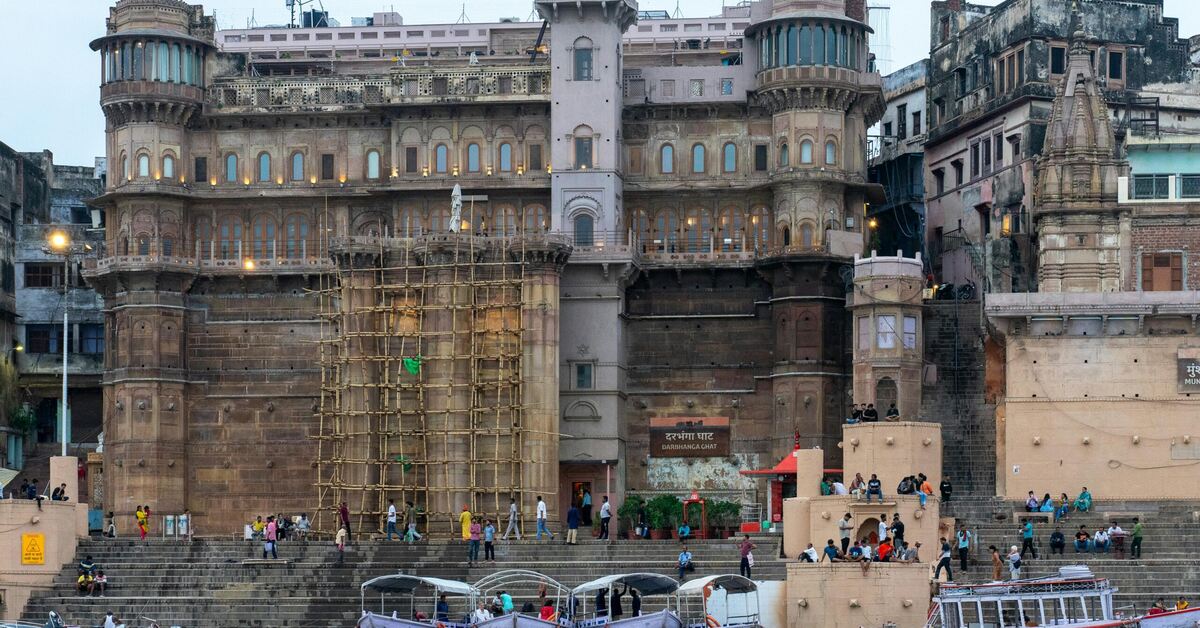
Kashi Travel Safety , Planning a trip to the spiritual heart of India? Kashi, also known as Varanasi, beckons millions of travelers each year with its ancient temples, mesmerizing ghats, and profound spiritual energy. But like any major destination—especially one as vibrant and bustling as this 3,000-year-old city—knowing how to stay safe is essential for enjoying your journey fully.
Here’s the good news: Kashi is generally safe for travelers who take reasonable precautions. The city thrives on tourism and pilgrimage, meaning locals are accustomed to visitors and the infrastructure continues to improve. However, the sheer intensity of the place—the crowds, the narrow winding lanes, the sensory overload—can be overwhelming, particularly for first-time visitors.
This comprehensive guide will walk you through everything you need to know about staying safe in Kashi, from avoiding common scams to knowing exactly who to call in an emergency. Think of this as your safety companion for navigating one of India’s most captivating cities.
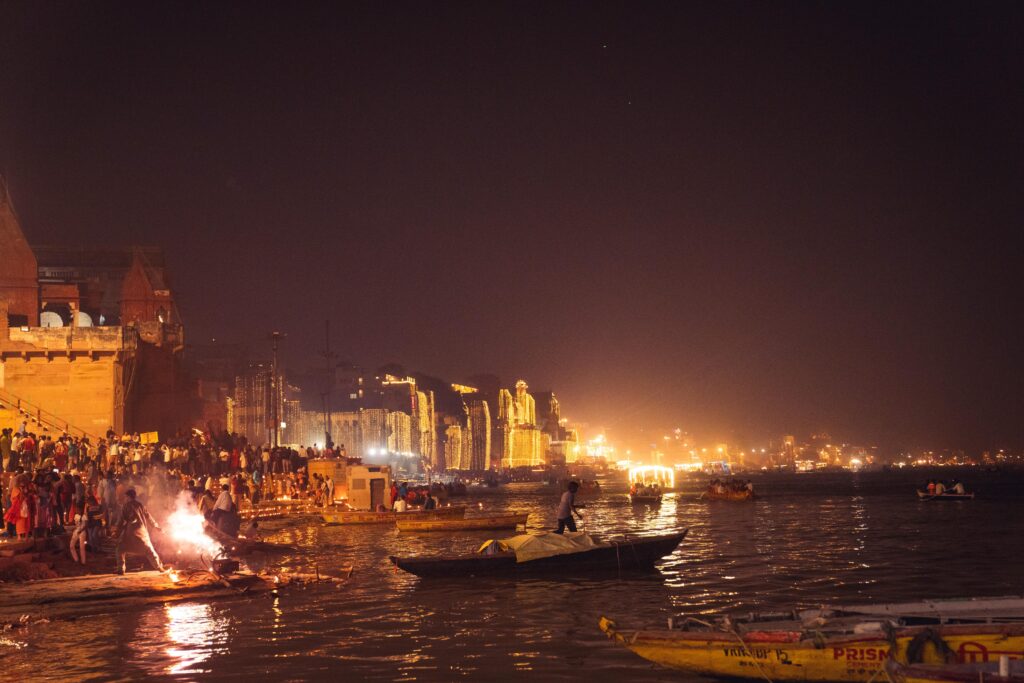
Before we dive into specific safety tips, let’s understand what makes Kashi different from other tourist destinations. This isn’t a planned city with wide boulevards and clear signage. Varanasi’s old city is a labyrinth of narrow alleys—some barely wide enough for two people to pass—where GPS often fails and getting lost is almost a rite of passage.
The city operates on its own rhythm. Spiritual activities begin before dawn and continue well past midnight. The ghats teem with pilgrims, tourists, priests, vendors, and animals all sharing the same ancient steps. The sensory experience is intense: incense smoke mingles with cooking fires, temple bells compete with vendors’ calls, and the sacred and the mundane coexist in ways that can feel jarring to outsiders.
Understanding this environment helps you prepare mentally and practically. Kashi demands patience, flexibility, and heightened awareness—but it rewards these with experiences you’ll find nowhere else on earth.
Let’s address the question directly: Yes, Kashi is generally safe for travelers, including solo travelers and women. Serious crimes against tourists are relatively rare. The city’s economy depends heavily on pilgrims and visitors, creating a community interest in their safety and positive experiences.
That said, petty crimes like pickpocketing and bag-snatching do occur, particularly in crowded areas. Scams targeting tourists are common, though usually more annoying than dangerous. Health concerns—primarily related to food, water, and air quality—are probably the most frequent issues travelers face.
The key is preparation and awareness. Travelers who research beforehand, take sensible precautions, and stay alert generally have safe, transformative experiences. Those who arrive unprepared or behave recklessly are more likely to encounter problems.
Never travel to India without comprehensive travel insurance. Make sure your policy covers medical emergencies, evacuation, theft, and trip interruptions. Keep digital and physical copies of important documents: passport, visa, insurance policy, accommodation bookings, and emergency contacts.
Register with your embassy or consulate if your country offers this service. Store emergency numbers in your phone and write them down separately. Share your itinerary with family or friends back home and establish regular check-in times.
Consult a travel medicine specialist at least 6-8 weeks before departure. Recommended vaccinations typically include Hepatitis A and B, Typhoid, and Tetanus. Depending on your itinerary and length of stay, doctors might recommend Japanese Encephalitis or Rabies vaccines.
Pack a comprehensive medical kit including: prescription medications (in original containers with documentation), anti-diarrheal medication, oral rehydration salts, antibiotics (if prescribed), antihistamines, pain relievers, insect repellent, and hand sanitizer. Bring enough prescription medication for your entire trip plus extra in case of delays.
The ghats, especially during Ganga Aarti at Dashashwamedh Ghat, get extremely crowded. This creates both magical atmosphere and opportunity for pickpockets. Keep your valuables secure and close to your body. Use a money belt or hidden pouch for passport and large amounts of cash. Carry only what you need for the day in a cross-body bag that you can keep in front of you.
Watch your step on the ghats—stones can be uneven and slippery, especially near the water. Wear appropriate footwear with good grip. During festivals or special occasions, crowd density increases dramatically. If you feel uncomfortable or claustrophobic, move to the edges or leave the area.
Don’t display expensive jewelry, watches, or electronics unnecessarily. Keep cameras secure when not in use. Never leave belongings unattended, even for a moment. Be particularly vigilant in markets, crowded temples, and on public transportation.
Consider using your hotel safe for valuables you don’t need daily. Carry modest amounts of cash and use ATMs in secure locations like banks or malls rather than standalone machines in isolated areas. Keep emergency cash separate from your daily wallet.
Kashi has its share of scams targeting tourists. Common ones include: touts offering to take you to “better” hotels (they get commissions); “helpful” guides who later demand large fees; shops where the “brother” or “uncle” has a silk factory; fake priests offering special pujas for inflated prices; and boatmen overcharging for Ganges rides.
The best defense? Book accommodations, guides, and major services in advance through reputable sources. Politely but firmly decline unsolicited offers of help. Negotiate and agree on prices before accepting any service. If something seems too good to be true or feels uncomfortable, trust your instincts and walk away.
Varanasi is a conservative, religious city. Women should dress modestly—covering shoulders, chest, and knees is advisable, especially when visiting temples or ghats. Loose-fitting clothing is both respectful and practical in the heat. Carry a large scarf or shawl that can provide additional coverage when needed.
Modest dress doesn’t guarantee avoiding unwanted attention, but it does show cultural respect and generally attracts less staring. Indian culture accepts direct eye contact differently than Western culture; avoiding prolonged eye contact with strangers is often wise.
Women should use prepaid taxis, app-based services like Uber or Ola, or transportation arranged by their hotel, especially after dark. If using auto-rickshaws, consider sharing rides with other travelers. Sit behind the driver rather than beside him.
Avoid empty train compartments—travel in ladies’ compartments when available or in populated general compartments. When booking accommodations, choose well-reviewed properties in safe neighborhoods. Many female travelers find staying near the main ghats or in Assi Ghat area relatively comfortable and well-connected.
Food safety is probably the most common health concern for travelers in Kashi. The city’s intense heat, dense population, and varying hygiene standards create challenges. Start by eating at your hotel for the first couple of days, allowing your system to adjust gradually.
Choose restaurants that cater to tourists and look clean. Establishments that are busy with both tourists and locals are usually safe bets. Look for places where food is cooked to order rather than sitting under heat lamps. Avoid buffets where food might have been sitting for hours.
Street food is part of Kashi’s charm, but it carries real health risks. If you choose to try street food, look for vendors with high turnover—popular stalls where food is constantly cooking fresh. Avoid anything that’s been sitting out or food handled with bare hands after handling money.
Stick to foods served piping hot and avoid raw vegetables, pre-cut fruits, and dairy products from street vendors. The famous Banarasi paan (betel leaf) and lassi might be tempting, but they’re common culprits in traveler illness. If you do indulge, choose very busy, reputable shops.
Never drink tap water, including ice in drinks. Use bottled water (check that seals are intact) for drinking and brushing teeth. Avoid beverages served in glasses that might have been rinsed with tap water—drink directly from sealed bottles or use straws.
Auto-rickshaws are the primary mode of local transport but come with their own challenges. Most don’t use meters, so negotiate and agree on fares before starting your journey. As a reference, short trips within the city typically cost 30-80 rupees, while longer trips might be 100-200 rupees.
App-based services like Uber and Ola operate in Varanasi and offer more transparency and accountability. For airport transfers or longer journeys, arrange prepaid taxis through your hotel or reputable operators. Avoid drivers who aggressively solicit customers at the airport or station—they often overcharge or take you on unnecessary detours to shops.
Boat rides are essential to experiencing Kashi, but ensure they’re safe. Use registered boats through your hotel or reputable operators. Check that boats have adequate life jackets—insist on wearing them even if locals don’t. Avoid overcrowded boats or those that look poorly maintained.
During monsoon season, currents can be strong and water levels unpredictable. Exercise extra caution or avoid boat rides during heavy rain or flooding. Early morning and evening are generally calmer and offer the best experiences. Never go boating alone; always go with a reputable guide or group.
Walking is often the only way to navigate Varanasi’s old city. The lanes can be confusing—consider hiring a guide for your first explorations or joining group walking tours. Download offline maps (though they’re imperfect in the old city). Take photos of landmarks to help remember your route back.
Watch out for motorcycles, cows, and uneven surfaces. Step aside politely when faster-moving locals need to pass. Avoid walking through deserted lanes after dark. Stick to well-lit, populated areas and be aware of your surroundings. If you feel lost, ask shopkeepers for directions rather than following strangers who offer to guide you.
“Delhi belly” or traveler’s diarrhea affects many visitors. Symptoms typically include stomach cramps, nausea, and diarrhea. Stay hydrated with bottled water and oral rehydration solutions. Most cases resolve within a few days. If symptoms persist beyond three days, involve blood or fever, seek medical attention.
Heat exhaustion and heat stroke are real risks, especially during summer months (April-June). Symptoms include dizziness, nausea, excessive sweating, and confusion. Stay hydrated, avoid midday sun, wear light clothing and hats, and take regular breaks in air-conditioned spaces.
Insect-borne diseases like dengue and malaria occur in the region. Use insect repellent, especially during dawn and dusk. Sleep under mosquito nets if your accommodation lacks proper screens. Wear long sleeves and pants during high mosquito activity times.
Varanasi struggles with air pollution, particularly during winter months when burning and fog combine to create hazardous conditions. People with respiratory conditions should consult doctors before traveling and bring necessary medications. Consider wearing N95 masks during particularly bad air quality days.
Check air quality indexes before traveling and adjust outdoor activities accordingly. Spend time in accommodations with air purifiers when available. The air is generally better near the river and worse in the densely packed old city areas.
Kashi’s spiritual activities continue 24/7, so the city never fully sleeps. However, nights require additional caution. The main ghats remain relatively safe and populated, especially Dashashwamedh and Assi ghats. Attending the evening Ganga Aarti is generally safe even after dark.
However, avoid wandering through the old city’s narrow lanes after dark, especially if alone. Use transportation rather than walking long distances at night. If returning to hotels in the old city after dark, arrange pickup services or travel in groups. Keep your phone charged and easily accessible.
Solo women travelers should be particularly cautious after dark. If you want to experience evening activities, consider joining organized tours or groups. Inform your hotel when you expect to return and consider sharing your live location with friends or family.
Safety isn’t just physical—cultural missteps can create uncomfortable or unsafe situations. Remove shoes before entering temples and homes. Ask permission before photographing people, especially during religious activities. Maintain respectful distance during cremation ceremonies at Manikarnika and Harishchandra ghats—photography is strictly prohibited here.
Avoid public displays of affection, which are culturally inappropriate. Don’t point your feet toward religious images or people—it’s considered disrespectful. If invited to participate in religious ceremonies, follow your host’s lead or politely decline if uncomfortable.
Respect the Ganges as a sacred river. Don’t throw trash or behave irreverently near the water. While you’ll see locals bathing and washing clothes, be mindful that for many, these are sacred acts, not tourist attractions.
Emergency Police Number: 100 (works from any phone, no area code needed)
Varanasi Police Control Room: +91-542-250-3632
Tourist Police Station (Godowlia): +91-542-220-6638
Women’s Helpline: 1090
Senior Superintendent of Police (Varanasi): +91-542-250-1520
For non-emergency police assistance or to report minor crimes, you can visit the nearest police station. The Tourist Police specifically handle issues involving travelers and generally have some English-speaking staff.
Ambulance Services: 108 (free government ambulance service across Uttar Pradesh)
Private Ambulance Services: 102
Varanasi Emergency Medical Services: +91-542-236-8329
National Health Emergency Helpline: 104
Store these numbers with country codes (+91) if calling from international phones. In serious emergencies, hospital emergency rooms can be reached directly—see the hospitals section below.
Uttar Pradesh Tourism Helpline: 1800-180-4333 (toll-free)
Incredible India Helpline: 1800-111-363 (24/7 multilingual assistance)
Ministry of Tourism 24×7 Helpline: +91-11-2336-0005
Varanasi Tourist Information Centre: +91-542-220-6638
These helplines can assist with information, complaints, and coordination with local authorities. The Incredible India helpline has English-speaking operators and can help with various travel-related issues.
International travelers should know their embassy/consulate locations and contact information. While there are no consulates in Varanasi itself, major embassies are in Delhi and consulates in Kolkata:
New Delhi (Capital): Approximately 800 km from Varanasi
Kolkata: Approximately 680 km from Varanasi
Major embassies typically have 24-hour emergency lines for citizens. Store these numbers before traveling:
Check your specific country’s embassy website before traveling for exact emergency protocols and contact information.
Heritage Hospital Address: Bhelupur, Lanka, Varanasi Phone: +91-542-236-7777 Notable for: Multi-specialty hospital with modern facilities, emergency services available 24/7
Shiv Prasad Gupta Hospital (District Hospital) Address: Kabir Chaura, Varanasi Phone: +91-542-239-8800 Notable for: Government hospital with emergency services
Apex Hospital Address: Mahmoorganj, Varanasi Phone: +91-542-250-8888 Notable for: Private multi-specialty hospital, English-speaking staff
Sushrut Trauma Centre Address: Lanka, Varanasi Phone: +91-542-231-5300 Notable for: Specialized trauma and emergency care
Sun Shine Hospital Address: Sigra, Varanasi Phone: +91-542-222-7777 Notable for: Well-equipped private hospital
For minor ailments, numerous pharmacies throughout the city stock common medications. Apollo Pharmacy and MedPlus are reliable chains with multiple locations. Always verify medication expiry dates and check that packaging is sealed.
Stay calm. Panic doesn’t help. If you’re injured or seriously ill, call 108 for an ambulance or have someone transport you to the nearest hospital immediately. If possible, go to a private hospital—they generally have better facilities and English-speaking staff.
For theft or crime, report it to the nearest police station and get a written report (FIR – First Information Report). You’ll need this for insurance claims and replacing stolen documents. Contact your embassy if your passport is stolen.
For lost passports, immediately contact your embassy or consulate. They’ll guide you through the replacement process. Keep photocopies and digital scans of your passport separate from the original to speed up replacement.
If you’re scammed or overcharged significantly, you can file complaints with the Tourist Police or through the UP Tourism helpline. While recovery of money is unlikely, reporting helps authorities track problem operators.
Keep your travel insurance company’s 24-hour emergency number easily accessible and call them as soon as practical after any incident requiring medical treatment or involving significant theft.
Technology can enhance your safety in Kashi. Download these apps before arriving:
Maps.me: Offline maps that work better than Google Maps in Varanasi’s old city
Google Translate: Download Hindi for offline use; camera translation helps with signs
Uber/Ola: Reliable transportation with safety features like trip sharing
TrueCaller: Identifies unknown callers and blocks spam
Zomato: Find reputable restaurants with reviews
Embassy Apps: Many countries offer safety apps for citizens abroad
Share your live location with trusted contacts when exploring unfamiliar areas. Enable emergency SOS features on your smartphone. Keep your phone charged—carry a power bank and necessary adapters.
Kashi offers one of the world’s most profound travel experiences, and with proper precautions, it can also be a safe one. The key is balancing openness to the city’s transformative potential with smart safety practices. Don’t let fear prevent you from experiencing Varanasi’s magic, but don’t let enchantment make you careless either.
Most travelers navigate Kashi without serious incidents by following common-sense precautions: staying aware of surroundings, protecting valuables, being cautious with food and water, using reputable services, and respecting local customs. Having emergency contacts readily available provides peace of mind and quick assistance if needed.
Remember that the overwhelming majority of people you’ll encounter—from hotel staff to boatmen to shopkeepers to fellow pilgrims—have no ill intentions. Kashi’s spiritual atmosphere generally fosters a welcoming environment for seekers and travelers. Your journey here is likely to be challenging in beautiful ways and safe in practical ones.
Prepare well, stay alert, trust your instincts, and allow yourself to be moved by this ancient city. Kashi has been welcoming seekers for millennia—with the right precautions, you’ll be another traveler who returns home safely with stories that last a lifetime.
Yes, Varanasi is generally safe for solo travelers, including women, though extra precautions are advisable. Book accommodations in well-reviewed properties near main ghats like Assi or Dashashwamedh. Join group tours for initial exploration to understand the city layout. Many solo travelers find Varanasi welcoming, though the intense environment can be challenging. Connect with other travelers through hostels or tour groups if you prefer company. Trust your instincts—if a situation feels uncomfortable, remove yourself from it.
Most cases of traveler’s diarrhea resolve on their own within 2-3 days. Stay hydrated with bottled water and oral rehydration solutions. Rest and eat bland foods like rice, bananas, and toast. Over-the-counter medications like loperamide can help manage symptoms. Seek medical attention if symptoms include high fever, blood in stool, severe dehydration, or persist beyond three days. Keep your travel insurance information handy and contact them if hospitalization is needed.
Major ghats like Dashashwamedh and Assi are generally safe during early morning hours (4-7 AM) as they’re quite active with pilgrims and photographers. The evening Ganga Aarti (around 6-7 PM) attracts large crowds and is relatively safe. However, avoid isolated ghats after dark and use caution in the narrow lanes leading to ghats at night. Travel in groups when possible and use your hotel’s pickup service or reliable transportation after dark rather than walking through the old city.
Research typical prices beforehand or ask your hotel about fair rates. Always negotiate and agree on the total price before starting any service—confirm whether the price is per person or for the entire boat/vehicle. Use app-based services like Uber or Ola when possible. For boats, book through your hotel or established operators. Be especially wary of drivers who offer “special tours” to silk shops or “better” hotels—they earn commissions and you’ll likely pay inflated prices. Politely but firmly stick to your planned itinerary.
While technically no vaccinations are legally required for entry from most countries, the following are strongly recommended by travel medicine specialists: Hepatitis A (food/water-borne), Typhoid (food/water-borne), Hepatitis B (for extended stays or potential medical treatment), Tetanus-Diphtheria, and routine vaccines (measles, mumps, rubella). Depending on your itinerary, rural travel, and length of stay, doctors may also recommend Japanese Encephalitis and Rabies vaccines. Consult a travel medicine specialist 6-8 weeks before departure for personalized recommendations based on your health history and specific travel plans.



Comments are closed.