Your cart is currently empty!
You may check out all the available trips and book one that suits you.
Continue Browsing Trips
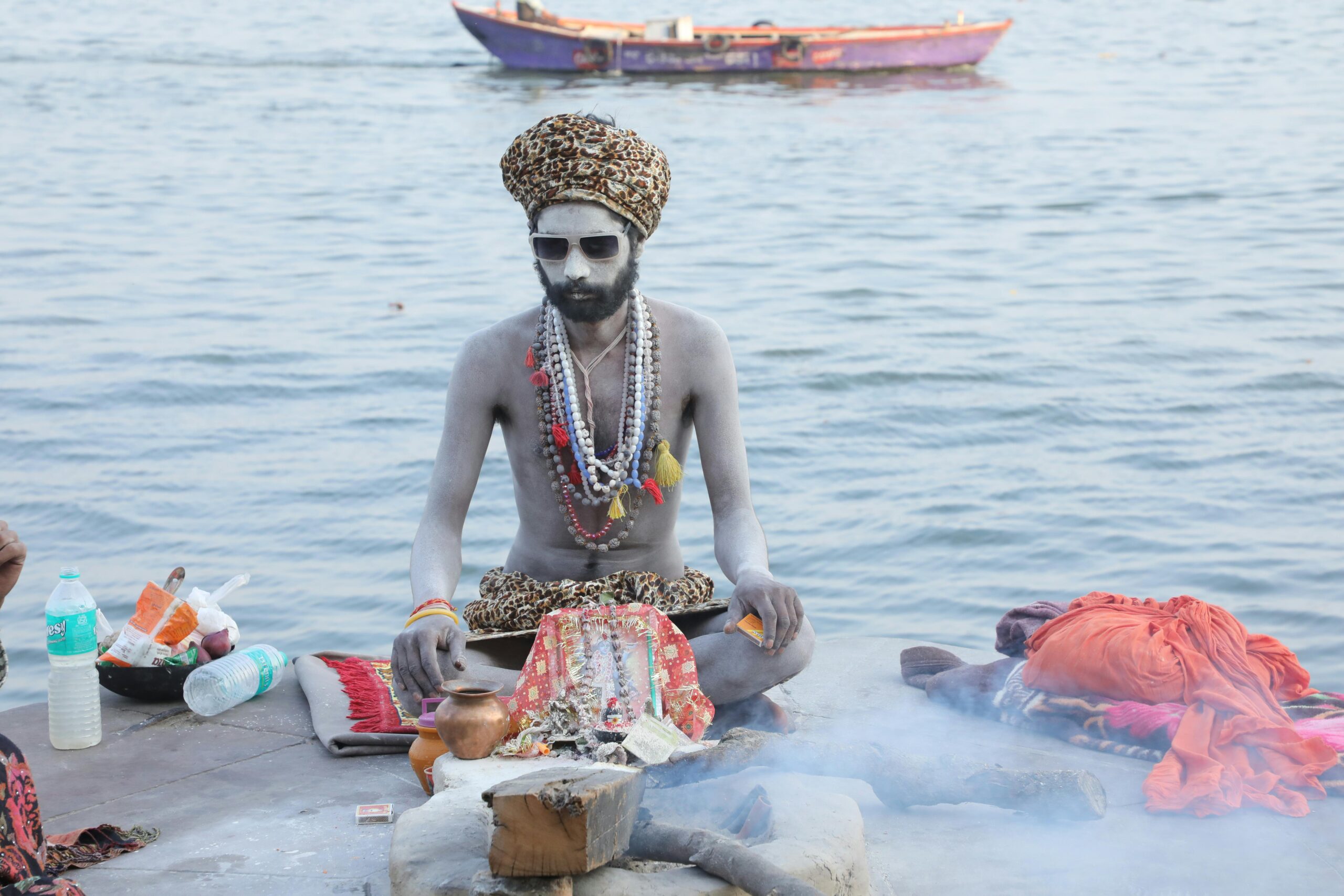
Kashi Diwali Festival 2026 , Imagine standing on the ancient ghats of Varanasi as twilight descends, watching thousands upon thousands of earthen lamps flicker to life along the sacred Ganges. The air fills with the scent of incense and marigolds, temple bells create a symphony with devotional songs, and the entire city seems to glow with an otherworldly light. This is Diwali in Kashi – not just a festival but a spiritual experience that transforms the oldest living city into a celestial realm.
Diwali, the Festival of Lights, is celebrated throughout India with enthusiasm and joy, but nowhere does it resonate with quite the same spiritual intensity as in Varanasi. In this city where Lord Shiva himself is believed to reside, where every stone carries centuries of devotion, and where the boundary between the earthly and divine feels particularly thin, Diwali becomes more than celebration – it becomes communion with the eternal.
For travelers seeking authentic cultural experiences, Diwali in Kashi offers unparalleled opportunities. The festival reveals layers of Indian spirituality, tradition, and community life that remain hidden during ordinary times. Streets that normally bustle with routine commerce transform into stages for ancient rituals. Families open their homes and hearts in the spirit of the season. The city, already magical, becomes absolutely transcendent.
Diwali carries profound religious meaning in Hindu tradition, commemorating multiple divine events simultaneously. Most prominently, it celebrates Lord Rama’s return to Ayodhya after fourteen years of exile and his victory over the demon king Ravana. The lighting of lamps symbolizes the welcoming of Rama home and the triumph of righteousness over evil.
In Varanasi, this narrative takes on additional dimensions. The city’s association with Lord Shiva adds layers of meaning to the celebration. For devotees, Diwali represents the inner spiritual journey from darkness to enlightenment, from ignorance to knowledge, from death to immortality – themes that resonate deeply in Kashi, a city fundamentally concerned with liberation and transcendence.
While Diwali primarily honors Rama and Lakshmi in most of India, Varanasi’s celebrations inevitably involve Lord Shiva, the city’s presiding deity. Many believe that on Diwali night, Shiva himself blesses the city with special presence. Kashi Vishwanath Temple conducts elaborate rituals, and devotees throng to receive darshan of the Jyotirlinga.
This Shaivite dimension distinguishes Kashi’s Diwali from celebrations elsewhere. The festival becomes an opportunity not just for prosperity blessings from Lakshmi but also for spiritual illumination through Shiva’s grace. The combination creates a unique atmosphere where material and spiritual aspirations merge seamlessly.
The fundamental Diwali metaphor – light conquering darkness – holds special significance in Varanasi. In a city where cremation ghats remind visitors constantly of mortality, where spiritual seekers come explicitly to confront death and transcend it, the lighting of lamps becomes a powerful assertion of consciousness over oblivion, life over death, and eternal soul over temporary body.
Walking through Varanasi during Diwali, you witness this metaphor enacted physically. Every home, shop, temple, and ghat illuminates, as if collectively refusing to let darkness prevail. The Ganges reflects thousands of flames, creating the sensation that earth and sky mirror each other in light. This visual spectacle translates abstract spiritual concepts into tangible, overwhelming beauty.
Diwali follows the Hindu lunar calendar, falling on the new moon night (Amavasya) in the month of Kartik, which typically corresponds to October or November in the Gregorian calendar. The exact date varies annually, so check specific year calendars when planning your visit. The festival period extends over five days, with the main Lakshmi Puja occurring on the darkest night.
For 2024, Diwali falls on November 1st. Planning ahead is essential as accommodations book months in advance for this peak festival period.
Diwali isn’t a single-day event but a five-day festival, each day with distinct significance and rituals. The celebration begins with Dhanteras, continues through Naraka Chaturdashi, peaks on Lakshmi Puja (the main Diwali night), and concludes with Govardhan Puja and Bhai Dooj. Understanding this structure helps visitors plan their time to experience the full festival arc rather than just one night.
Each day brings different activities, rituals, and atmospheres. Some days focus on family gatherings, others on public celebrations, some on religious observances, and others on social festivities. Experiencing all five days provides complete cultural immersion.
If you can only visit for part of the Diwali period, arrive at least two days before the main Lakshmi Puja night to experience preparations and preliminary celebrations. Stay through the day after for post-Diwali festivities. Ideally, spending the entire five-day period allows full participation in the festival’s progression.
Consider extending your visit to include Dev Deepawali, which occurs exactly fifteen days after Diwali. This subsequent festival, unique to Varanasi, rivals or even exceeds Diwali itself in spectacular visual beauty.
Many travelers confuse Diwali and Dev Deepawali, or assume they’re the same festival. They’re actually separate celebrations occurring fifteen days apart. Diwali is the pan-Indian Festival of Lights celebrated nationwide. Dev Deepawali is specifically a Varanasi tradition with more limited observance elsewhere.
Both involve extensive lamp lighting and occur on Amavasya (new moon) nights, creating similar visual spectacles but with different religious contexts and traditions.
Dev Deepawali, falling on the full moon of Kartik month, celebrates the gods’ victory over demons and their descent to earth to bathe in the Ganges. Legend states that on this night, the gods themselves come to Varanasi, making it the most auspicious time for pilgrimage and spiritual practice.
The distinctive feature of Dev Deepawali is the lighting of every single step of every ghat along the Ganges – an estimated one million earthen lamps creating an unbroken chain of light stretching for miles. The visual impact exceeds even Diwali, with the full moon adding celestial illumination to the earthly lights.
If you must choose, consider your priorities. Diwali offers the more complete cultural festival experience – family traditions, temple ceremonies, diverse celebrations, and the authentic festival that all Indians celebrate together. It’s warmer, more inclusive, and reveals domestic traditions as families welcome the season.
Dev Deepawali provides more spectacular visual beauty, better photography opportunities, and a uniquely Varanasi-centric experience. The full moon lighting of all ghats creates unprecedented beauty but also attracts massive crowds specifically for this visual spectacle.
Ideally, experience both. The fifteen-day gap allows you to enjoy Diwali’s warmth, explore Varanasi between festivals, and return for Dev Deepawali’s grandeur. Many travelers structure entire India trips around experiencing both celebrations.
Weeks before Diwali, Varanasi families engage in thorough home cleaning – a tradition that combines practical spring cleaning with spiritual purification. Houses are whitewashed, walls repainted, and every corner scrubbed spotless. This cleaning symbolizes removing negativity and preparing space to welcome Goddess Lakshmi, who traditionally enters only clean, well-maintained homes.
Observing these preparations reveals Indian domestic life and the relationship between physical cleanliness and spiritual purity. Walking through residential neighborhoods, you’ll see families working together, painters refreshing exteriors, and the city gradually transforming in anticipation.
Pre-Diwali shopping reaches fever pitch in Varanasi’s markets. Families purchase new clothes (wearing new garments on Diwali is traditional), sweets for distribution and offerings, decorative items, earthen lamps (diyas), oil and wicks, puja materials, and gifts for family and friends.
Markets like Vishwanath Gali, Godowlia, and Thatheri Bazaar become incredibly crowded but wonderfully vibrant. The shopping itself constitutes cultural experience – watching families select items, hearing bargaining negotiations, observing what people purchase, and feeling the pre-festival excitement building.
Rangoli – intricate designs created on floors using colored powders, rice, or flowers – adorns entrances during Diwali. Many neighborhoods and community groups organize rangoli competitions in the days before Diwali, with elaborate designs appearing on streets, ghat steps, and public spaces.
Watching rangoli creation demonstrates Indian artistic traditions and community spirit. Artists work for hours on designs ranging from traditional geometric patterns to elaborate pictorial representations of deities, animals, or abstract beauty. These temporary art pieces embody Diwali’s themes – creating beauty, sharing creativity, and celebrating impermanence.
The ghats receive special attention before Diwali. Municipal workers clean steps, remove accumulated debris, and prepare for the expected crowds. Temple committees organize special lighting installations. Shops along ghats stock extra inventory. Boat operators prepare for increased demand.
Observing these preparations shows the civic and community effort behind the festival. Diwali doesn’t just happen; it results from coordinated work by thousands of people preparing spaces for collective celebration.
Dhanteras, occurring two days before main Diwali, initiates the festival period. “Dhan” means wealth, and this day focuses on prosperity. Traditionally, people purchase gold, silver, or new utensils, believing that acquisitions made on Dhanteras bring good fortune.
In Varanasi, Dhanteras sees heavy activity in jewelry markets and utensil shops. Many families visit Kashi Vishwanath Temple for special prayers. In the evening, small lamps are lit outside homes, beginning the illumination that will intensify over coming days. The atmosphere builds with anticipation – Diwali is coming, preparations are complete, and celebration is beginning.
Also called Choti Diwali (Small Diwali), this day commemorates Lord Krishna’s destruction of the demon Narakasura. The tradition involves early morning oil baths before sunrise, symbolizing purification and the washing away of sins.
In Varanasi, many devotees take holy dips in the Ganges on Naraka Chaturdashi, combining the purification ritual with the river’s sacred power. Ghats fill early with bathers performing this ritual cleansing. By evening, lamps increase in number, and small firecrackers begin appearing, building toward the next night’s main celebration.
The third day represents Diwali proper – the darkest night when Goddess Lakshmi, deity of wealth and prosperity, is worshipped. This is the festival’s pinnacle, when lighting reaches maximum intensity, families gather for elaborate pujas, and celebrations peak.
In Varanasi homes, families clean altar spaces, arrange new clothes and jewelry for the goddess, prepare special offerings, and conduct Lakshmi Puja with specific mantras and rituals. The ceremony typically occurs during the evening’s auspicious muhurat (astrologically favorable time), after which families light diyas throughout their homes and surroundings.
The city explodes with light – every home, shop, temple, and ghat illuminated by thousands of earthen lamps. Fireworks fill the sky with color and sound. Special Ganga Aarti ceremonies occur at major ghats with enhanced grandeur. The atmosphere becomes almost surreal with beauty, noise, light, and collective joy.
The day after Diwali commemorates Krishna lifting Mount Govardhan to protect villagers from torrential rains sent by Indra. This day also marks the beginning of the new year in some Hindu calendar traditions, making it auspicious for new ventures and fresh starts.
In Varanasi, Govardhan Puja is less elaborate than the previous night but maintains festive atmosphere. Many families create small symbolic mountains from cow dung or food items and worship them. It’s a day for visiting relatives, exchanging sweets, and continuing celebrations in a more relaxed manner.
Bhai Dooj celebrates the bond between brothers and sisters. Sisters perform tilak ceremonies for brothers, pray for their wellbeing, and brothers give gifts in return. The tradition honors sibling relationships and family bonds.
In Varanasi, you’ll see brothers visiting sisters’ homes throughout the day, families gathering for special meals, and the final celebrations of the festival period. The atmosphere shifts from intense celebration toward normalcy, though festive spirit lingers. Many families use this day to visit temples together, offering thanks for the festival period and seeking continued blessings.
As the main Diwali evening approaches, anticipation becomes palpable throughout Varanasi. By late afternoon, families complete puja preparations – arranging offerings, setting out new diyas, preparing festive meals, and adorning themselves in new clothes and jewelry.
Walking through neighborhoods during these hours reveals the festival’s domestic heart. Every household buzzes with activity – mothers supervising last preparations, children excited about new clothes and upcoming fireworks, fathers ensuring lamps are properly positioned. The sense of collective participation creates infectious energy even for outsiders observing.
The Lakshmi Puja ceremony follows specific traditional sequences, though variations exist between families and regions. Typically, the ritual involves invoking Goddess Lakshmi through mantras, offering items like flowers, sweets, coins, and fruits, lighting ghee lamps before the goddess’s image, singing devotional hymns, and seeking blessings for prosperity, health, and spiritual growth.
If you’re fortunate to witness or participate in a family’s Lakshmi Puja, you’ll observe the reverence, precision, and devotion with which rituals are conducted. Even in modern, educated families, these ancient practices continue with complete sincerity, demonstrating Hinduism’s living continuity across millennia.
After puja completion, family members light earthen diyas throughout their property – at entrances, on windowsills, along pathways, on rooftops, and anywhere light can be placed. The lighting itself becomes a meditative act, each flame representing the dispelling of darkness from one’s life.
In Varanasi, this individual home lighting aggregates into city-wide illumination. Walking through streets on Diwali night feels like moving through a dreamscape where every surface glows warm with lamplight. The effect is magical, transformative, and profoundly beautiful.
As darkness deepens, fireworks begin – initially sporadic crackers and sparklers, building to continuous displays by full night. The sky fills with colorful bursts, sparkles cascade from rooftops, and the sound becomes almost overwhelming in its intensity.
Fireworks represent celebration, joy, and the victory announcement of light over darkness. In Varanasi, the tradition creates spectacular but also chaotic environments. Smoke mingles with the light, sounds echo off ancient buildings, and the experience becomes sensory overload in the best possible way.
The regular evening Ganga Aarti at Dashashwamedh Ghat takes on special magnificence during Diwali. Additional priests participate, the ceremony extends longer, decorations multiply, and the crowd swells to maximum capacity. The combination of regular aarti’s spiritual intensity with Diwali’s celebratory energy creates unforgettable experiences.
Arrive very early to secure viewing positions, or book boats for river perspectives. The sight of the grand aarti with the entire ghat illuminated by thousands of diyas, fireworks exploding overhead, and massive crowds participating collectively creates powerful emotional impact.
As Varanasi’s main ghat, Dashashwamedh becomes the epicenter of Diwali celebrations. Thousands converge here for the special evening aarti, families sit in groups with their own lamp offerings, photographers compete for vantage points, and vendors sell everything from diyas to food to religious items.
The scene is intensely crowded but extraordinarily vibrant. Every step of the ghat fills with people and lights. The river reflects the illumination creating doubled beauty. Devotional songs and mantras blend with conversations and laughter. It’s overwhelming and wonderful simultaneously.
Assi Ghat offers a more relaxed alternative to Dashashwamedh’s intensity while maintaining full festival atmosphere. The evening aarti here is smaller but still beautiful, the crowds more manageable, and the vibe more community-oriented rather than tourist-spectacle-focused.
Many travelers prefer Assi during Diwali specifically because they can actually participate rather than just observe from a distance. You can sit comfortably, light your own diyas, interact with local families, and experience the festival more intimately.
Even the cremation ghat participates in Diwali celebrations, though with its distinctive character. The pyres continue burning – they never stop – but additional lamps light the ghat, special prayers are offered, and the atmosphere, while maintaining its solemn nature, acknowledges the festival.
Visiting Manikarnika during Diwali provides profound perspective on Hindu philosophy. While the city celebrates life and light, this ghat reminds everyone of mortality and impermanence. The juxtaposition creates powerful meditation on existence’s totality – the joy and sorrow, life and death, celebration and letting go.
For those seeking less crowded yet authentic experiences, explore lesser-known ghats during Diwali. Ghats like Kedar Ghat, Harishchandra Ghat, Panchganga Ghat, and Raj Ghat have substantial local celebrations with fewer tourists.
These locations reveal neighborhood-level festival observances – families gathering specifically at their traditional ghats, community pujas, local musical performances, and intimate celebrations. The crowds consist primarily of residents rather than visitors, offering genuine glimpses into how Varanasis actually celebrate their festival.
The city’s most important temple naturally hosts major Diwali celebrations. Special pujas and abhishekas (ritual bathings of the deity) occur throughout the day, crowds swell to maximum capacity, and the temple is decorated elaborately with flowers, lights, and ornaments.
Security is extremely tight and waiting times are long during Diwali, but the darshan of Kashi Vishwanath on this auspicious occasion is considered exceptionally powerful. Devotees believe that blessings received on Diwali carry special potency. If you’re willing to wait patiently, the experience of being in this ancient Jyotirlinga temple during the festival proves memorable.
This beloved Hanuman temple, founded by Tulsidas, conducts special celebrations throughout the Diwali period. Continuous devotional singing (kirtan), large-scale distribution of prasad, special storytelling sessions from the Ramayana, and enhanced decorations make it particularly worth visiting during the festival.
The temple’s atmosphere during Diwali is joyous and welcoming. Hanuman devotees come in large numbers, creating palpable devotional energy. The temple remains relatively more accessible than Kashi Vishwanath, allowing for longer, more contemplative visits.
The distinctive red Durga Temple celebrates with special pujas to the goddess, elaborate decoration, and significant crowds of female devotees particularly. The temple compound glows with lamps, marigold garlands decorate every surface, and devotional singing continues throughout the evening.
The Durga Kund adjacent to the temple also receives special attention during Diwali, with lamps floated on its waters creating beautiful reflections. The combination of the temple’s unique architecture, extensive lighting, and festive crowds makes it photographically stunning during Diwali.
Built at the place where Tulsidas composed the Ram Charit Manas, this temple holds particular significance during Diwali since the festival celebrates Rama’s return to Ayodhya – the culmination of the Ramayana story.
Special recitations from the Ram Charit Manas occur throughout the Diwali period, scholars give talks on Ramayana philosophy, and devotees gather for kirtan sessions. The temple walls, carved with verses from the epic, are illuminated beautifully during the festival, and the entire atmosphere resonates with the story that Diwali commemorates.
Diwali season brings numerous cultural performances to Varanasi. Classical music concerts featuring sitar, tabla, or vocal performances, classical dance presentations of bharatanatyam, kathak, or odissi, folk performances showcasing regional traditions, and fusion performances blending classical and contemporary elements all occur at various venues.
Checking cultural centers like Sankat Mochan Foundation, Bharat Kala Bhavan, or tourist information centers reveals schedules. Many performances are free or nominally priced, offering excellent opportunities to experience India’s performing arts traditions.
Ramlila – dramatic enactments of the Ramayana – occur throughout the weeks preceding Diwali, culminating on Dussehra but often continuing into the Diwali period. Varanasi has strong theatrical traditions, and various neighborhood groups perform these traditional dramas.
Watching Ramlila provides context for Diwali’s religious significance while experiencing folk theatre traditions maintained for centuries. The performances are community events where everyone from children to elders participates as actors or audience.
Varanasi’s literary culture manifests during festival times through poetry gatherings (kavi sammelans) and mushairas (Urdu poetry symposiums). These events showcase contemporary poets alongside classical works, often addressing festival themes of light, hope, prosperity, and divine grace.
Even if language barriers prevent complete understanding, attending these gatherings reveals India’s living literary culture and the high regard poetry holds in traditional society.
Galleries and cultural institutions organize special exhibitions during the Diwali season. Traditional arts like miniature painting, contemporary interpretations of festival themes, photography exhibitions documenting Varanasi and its festivals, and craft exhibitions showing traditional artisan work all feature.
These exhibitions provide deeper understanding of visual arts traditions and contemporary artistic expressions emerging from Varanasi’s rich cultural soil.
Diwali is fundamentally a sweet festival, and Varanasi’s famous mithai (sweets) reach peak variety and production. Must-try Diwali sweets include traditional peda, milk-based sweets in numerous flavors, laddus of countless varieties, barfi in flavors ranging from plain to exotic, and of course, the iconic jalebi.
Special Diwali sweets like kaju katli (cashew fudge), gulab jamun (milk solid dumplings in syrup), rasgulla (spongy cottage cheese balls), and seasonal specialties appear in abundance. Sweet shops display their products beautifully, stacked in pyramid formations and decorated elaborately.
Beyond sweets, Diwali brings special savory and main dishes to family tables. Regional specialties like poori-sabzi (fried bread with vegetable curry), varieties of chaat and savory snacks, special rice and dal preparations, seasonal vegetable preparations, and elaborate family feast dishes grace Diwali meals.
Many families prepare massive quantities, as hospitality traditions involve serving anyone who visits during the festival. If you’re invited to share a family meal during Diwali, you’ll experience authentic festival food in home-cooked forms rarely available to travelers.
For sweets, legendary shops like Ksheer Sagar, Baba Thakur Das, and numerous smaller establishments offer excellent quality. The sweets might seem overwhelmingly sweet to Western palates, but they’re integral to Diwali celebration and worth trying.
For savory snacks, the lanes around Kachori Gali, street vendors near major ghats, and established restaurants like Keshari offer excellent options. For full meals, mid-range restaurants that maintain quality with traditional preparations provide satisfying experiences without the intensity of street food.
Diwali shopping season transforms Varanasi’s markets into extraordinarily crowded but wonderfully vibrant spaces. Vishwanath Gali, Godowlia, Thatheri Bazaar, Chowk area, and Lahurabir all overflow with shoppers seeking festival necessities and gifts.
The shopping itself becomes entertainment – watching families select items, vendors calling out their wares, the sheer variety of goods, and the festival-specific energy making commercial activity feel more like celebration. Don’t expect peaceful browsing; embrace the chaos as part of the experience.
Diwali-specific items make excellent souvenirs or gifts. Consider decorative diyas (earthen lamps) in traditional and contemporary designs, rangoli stencils and colored powders, brass or silver ritual items, religious images and statues, incense and essential oils, traditional sweets packaged for travel, and festival-specific textiles and decorations.
These items carry both utility and memory – you can use them to create your own Diwali celebrations back home while remembering your Varanasi experience.
Shop early in the day to avoid maximum crowds, though this means missing some evening market atmosphere. Carry cash as many small vendors don’t accept digital payments. Bargain respectfully but understand that festive season prices are slightly elevated. Purchase fragile items like diyas carefully, ensuring proper packaging for travel. Buy sweets closer to departure to ensure freshness, and be prepared for overwhelming sensory experiences in crowded festival markets.
Photographers find Diwali in Varanasi endlessly photogenic. Prime locations include ghat panoramas showing entire lit embankments, boat perspectives on the river capturing reflections, narrow lanes filled with lamps and decorations, temple exteriors illuminated festively, family pujas (with permission), rangoli close-ups, and fireworks displays against ancient architecture.
The combination of ancient settings, traditional activities, spectacular lighting, and authentic emotions creates extraordinary photographic possibilities. Even smartphone cameras capture stunning images given the dramatic lighting and subjects.
The blue hour immediately after sunset, before complete darkness, offers ideal light for balancing ambient light with lamp illumination. Full darkness highlights the lamps dramatically but loses contextual details. During Ganga Aarti, position yourself early for unobstructed views. For street photography, late afternoon captures preparation activities, while evening shows the lighting peak.
Fireworks photography requires tripods, long exposures, and patience to capture bursts effectively. The smoke-filled atmosphere during peak firework time creates moody, atmospheric conditions perfect for certain photographic styles.
Respect privacy and religious sensitivity when photographing. Always ask permission before photographing individuals, especially during religious ceremonies. Never photograph cremation ghats’ funeral activities. Be mindful that you’re witnessing real religious observance, not performances staged for tourists. Avoid flash during religious ceremonies as it’s disruptive. Share photos with subjects if possible – many appreciate seeing themselves photographed.
Remember that experiencing Diwali matters more than documenting it. Balance photography with present-moment participation. Sometimes putting the camera down and simply witnessing creates more meaningful memories than any photograph.
Diwali represents absolute peak season in Varanasi. Book accommodations at least 2-3 months in advance, expect prices 2-3 times normal rates, confirm reservations multiple times before travel, and consider staying slightly outside central areas where availability and prices might be better.
If you arrive without booking (not recommended), start searching early in the morning when cancellations and no-shows create occasional availability. Be prepared to compromise on location, quality, or price.
Diwali crowds in Varanasi can be overwhelming, particularly at major ghats and temples. Manage crowds by arriving very early or quite late to avoid peak times, visiting lesser-known ghats and neighborhoods, having patience and good humor when stuck in crowds, staying aware of belongings in dense crowds where pickpocketing occurs, and knowing when to retreat and find quieter spaces if overwhelmed.
Remember that crowds are part of the festival experience – the collective energy of thousands celebrating together creates Diwali’s special atmosphere.
Festival times require extra safety awareness. Keep valuables secure and avoid carrying unnecessarily expensive items, stay hydrated despite excitement and activity, be cautious around fireworks – maintain safe distances, watch for overhead wires and obstacles in crowded, dark lanes, stay with groups when possible, especially late at night, and know your accommodation’s location and how to reach it from major landmarks.
Emergency numbers should be programmed into phones, and basic Hindi phrases for “help” and “police” can prove useful.
Dress appropriately for both festival participation and respectful observation. Comfortable walking shoes essential for navigating crowded ghats and lanes, modest clothing covering shoulders and knees, clothes you don’t mind getting dirty from smoke and ash, layers for temperature changes between day and evening, and traditional Indian clothes if you have them – wearing kurtas or salwar kameez shows respect and helps you blend into celebrations.
Avoid expensive jewelry or watches that might attract unwanted attention in crowds. Carry a small bag for phone, wallet, water , and camera, keeping it secure across your body rather than easily snatched.
As mentioned earlier, Diwali celebrations naturally extend toward Dev Deepawali fifteen days later. The period between these festivals maintains festive atmospheres while being less intensely crowded than Diwali itself. Many travelers use this time to explore Varanasi more thoroughly, recover from Diwali’s intensity, and prepare for Dev Deepawali’s different but equally spectacular celebration.
Dev Deepawali arguably surpasses Diwali in visual beauty when every single ghat step illuminates simultaneously under the full moon. While Diwali offers warmer, more inclusive family festival experiences, Dev Deepawali provides the most spectacular lighting display anywhere in India.
If your schedule allows, experiencing both festivals separated by two weeks of Varanasi exploration creates an incredibly rich cultural journey. You’ll witness the arc of festival season, experience high-intensity and moderate-pace periods, and gain comprehensive understanding of Varanasi’s spiritual calendar.
Diwali in Kashi is not merely a festival to observe – it’s an experience to immerse yourself within, allowing its light to illuminate not just the ancient city but also your own understanding of celebration, community, spirituality, and joy. The combination of Varanasi’s timeless sacred geography with Diwali’s vibrant traditions creates something genuinely extraordinary that photographs and descriptions can only hint at.
The festival reveals multiple layers simultaneously – the domestic intimacy of family pujas, the communal energy of neighborhood celebrations, the spectacular beauty of city-wide illumination, the deep spirituality of temple ceremonies, and the simple human joy of shared celebration. Walking through lamp-lit lanes, witnessing devotion that spans millennia, and participating in traditions preserved across countless generations connects you to something vast and enduring.
Yes, Diwali in Varanasi demands patience with crowds, flexibility with plans, tolerance for noise and chaos, and openness to overwhelming sensory experiences. But it rewards these demands with memories, insights, and moments of beauty that remain with you permanently. The sight of ten thousand lamps reflecting on the Ganges, the sound of collective prayer rising from ancient ghats, the taste of traditional sweets shared by new friends, and the feeling of participating in celebrations older than most cities on Earth – these experiences transform casual tourists into genuine pilgrims, making the journey to Kashi during Diwali one of India’s truly essential travel experiences.
While Varanasi remains fascinating year-round, experiencing Diwali here offers extraordinary value for travelers interested in Indian culture and festivals. The city transforms completely during Diwali – visual beauty intensifies dramatically with comprehensive illumination, cultural activities multiply with performances and special events, spiritual energy reaches annual peaks, and social openness increases as families welcome the festival season. You’ll witness traditions that occur only during this period and experience collective celebration impossible to encounter during regular times. However, Diwali also brings significant challenges – much higher costs, overwhelming crowds, limited availability, and intense sensory environments. If you handle crowds reasonably well, appreciate authentic cultural experiences over comfort, and can book well in advance, Diwali in Varanasi absolutely justifies dedicated travel. For those who prefer quieter, more contemplative experiences, regular Varanasi might suit better, with perhaps a compromise of visiting during smaller festivals like Kartik Purnima or Mahashivaratri.
Hindus generally welcome respectful participation from people of all backgrounds during Diwali. The festival’s themes – light over darkness, good over evil, knowledge over ignorance – resonate across cultures and religions. To participate respectfully, dress modestly when visiting temples or attending ceremonies, ask permission before photographing people or religious rituals, learn basic festival greetings like “Happy Diwali” or “Shubh Deepavali,” show genuine interest and ask questions when appropriate, accept offered prasad and sweets graciously, remove shoes when entering homes or temple spaces, and avoid treating celebrations as mere entertainment or photo opportunities. If invited to family celebrations, bring small gifts like sweets or fruits, and don’t expect to understand everything – asking sincere questions shows respect. Remember you’re witnessing real religious observance, not performance, so maintain appropriate behavior. Most families appreciate foreigners’ interest in their traditions and gladly explain customs and meanings. Your genuine curiosity and respect matter far more than perfect cultural knowledge.
Honestly, air quality deteriorates significantly during Diwali due to intensive firework use. The combination of firecrackers, smoke, and dust creates challenging conditions, particularly during and after the main celebration night. People with asthma, allergies, or other respiratory conditions should consider this seriously before attending. If you do visit with respiratory sensitivity, bring necessary medications and inhalers, consider quality masks (N95 or better), avoid peak firework times and the most crowded areas, stay indoors during the worst air quality periods, monitor air quality apps if available, and be prepared to cut your visit short if conditions become unbearable. Recent years have seen some efforts to reduce firecracker use and promote greener celebrations, but traditional practices persist, especially in traditional cities like Varanasi. The air quality issue represents perhaps Diwali’s most legitimate health concern. That said, many people with minor sensitivities manage fine with precautions. Assess your own health situation honestly and consult doctors if uncertain.
Absolutely! Varanasi is predominantly vegetarian due to its religious significance, and Diwali celebrations are almost entirely vegetarian/vegan-friendly. Traditional Diwali foods are mostly vegetarian, though many contain dairy (ghee, milk, paneer). Finding purely vegan options requires slightly more attention but remains quite feasible. Most restaurants understand “no dairy” requests, traditional sweets shops offer some vegan options (certain laddus, some savory snacks), and fruit, nuts, and dry fruit sweets work for vegans. Street food includes many vegan options – chaat varieties, some kachoris, fruit chaat, and roasted items. If staying in homestays or guesthouses, communicate dietary requirements clearly before booking – most families accommodate vegan requests willingly once they understand. Bring snacks for situations where options are limited. Overall, vegetarians find Varanasi paradisiacal during Diwali, and vegans manage well with minor awareness and planning.
Diwali can be wonderful for children but requires careful consideration and preparation. Positive aspects include visual spectacle children remember forever, cultural learning through direct experience, festival joy and excitement, and opportunities to participate in celebrations. However, significant challenges exist – intense crowds potentially dangerous for small children, extremely loud fireworks frightening for sensitive kids, late-night celebrations disrupting sleep schedules, air quality concerns, overwhelming sensory stimulation, and limited child-specific infrastructure. If bringing children, choose accommodations away from the most intense celebration centers, plan rest times away from crowds, bring ear protection for fireworks, maintain strict supervision in crowded areas, prepare children beforehand about what to expect, and maintain flexibility to retreat if children become overwhelmed. Older children (10+) typically handle Diwali well and find it fascinating. Younger children require careful assessment of their temperament – adventurous, adaptable kids might thrive; those sensitive to noise, crowds, or disruption might struggle. Many families visit successfully, but honest assessment of your children’s tolerance for intensity ensures everyone’s positive experience.