Your cart is currently empty!
You may check out all the available trips and book one that suits you.
Continue Browsing TripsNo destinations found
No destinations found
No destinations found
No destinations found
No destinations found
No destinations found
No destinations found
No destinations found
No destinations found

No destinations found
No destinations found
No destinations found
No destinations found
No destinations found
No destinations found
No destinations found
No destinations found
No destinations found
Prayagraj Tour Package Best Time to Visit and Plan , Ever wondered why some travelers return from Prayagraj with magical stories while others complain about their experience? The secret often lies not in what they saw, but when they saw it. Timing can transform your Prayagraj journey from merely satisfactory to absolutely extraordinary. Let’s dive into the art and science of planning the perfect Prayagraj visit.
Planning a trip to Prayagraj isn’t just about deciding to go—it’s about choosing when to go. This ancient city reveals different facets of its personality depending on the season, the festivals, and even the time of day you visit. The same Sangam that sparkles peacefully on a November morning transforms into a sea of humanity during Magh Mela in January. The fort that offers comfortable exploration in February becomes challenging to visit during June’s scorching heat.
Your travel timing affects everything: the weather you’ll experience, the crowds you’ll encounter, the prices you’ll pay, the festivals you’ll witness, and ultimately, the memories you’ll create. A well-timed visit aligns your expectations with reality, ensuring that Prayagraj shows you its best self.
Whether you’re a spiritual seeker planning your pilgrimage, a history enthusiast exploring India’s heritage, a photographer chasing perfect light, or a family looking for a meaningful vacation, understanding Prayagraj’s seasonal rhythms helps you make informed decisions. Let’s explore how to time your visit perfectly.
Prayagraj experiences a typical North Indian climate with three distinct seasons: winter, summer, and monsoon. Each season dramatically transforms the city’s character, affecting not just comfort levels but also the types of experiences available.
The city’s location in the Indo-Gangetic plain means it experiences continental climate extremes. Winters can be surprisingly cold, especially during December and January when temperatures drop to single digits Celsius. Summers, conversely, are intensely hot with temperatures frequently crossing 40°C (104°F) and occasionally reaching 45°C (113°F) or higher.
Temperature swings between seasons are dramatic. You might experience 8°C (46°F) mornings in January and 45°C (113°F) afternoons in May—a difference of nearly 40 degrees! This variability means what you pack and how you plan your daily activities changes completely based on when you visit.
Rainfall is concentrated in the monsoon months, with July and August receiving the heaviest precipitation. The rivers swell significantly during this period, sometimes affecting access to the Sangam and riverfront activities. The pre-monsoon months of May and June occasionally see thunderstorms that provide temporary relief from the heat.
Understanding these climate patterns helps you pack appropriately, plan your daily schedule (morning versus afternoon activities), and set realistic expectations about outdoor exploration possibilities.
October marks the beginning of Prayagraj’s tourist season as temperatures start dropping from summer highs. Early winter offers delightful weather with daytime temperatures ranging from 25°C to 32°C (77°F to 90°F) and cooler nights around 15°C to 20°C (59°F to 68°F).
This period is perfect for those who prefer warm days without extreme heat. You can comfortably explore outdoor attractions throughout the day. The Sangam boat rides are pleasant, walking through markets is comfortable, and even midday sightseeing doesn’t feel exhausting.
Tourist crowds during October-November are moderate—present but not overwhelming. You’ll find good availability for accommodations without festival-period price surges. This makes it an excellent time for budget-conscious travelers seeking good weather without paying peak-season premiums.
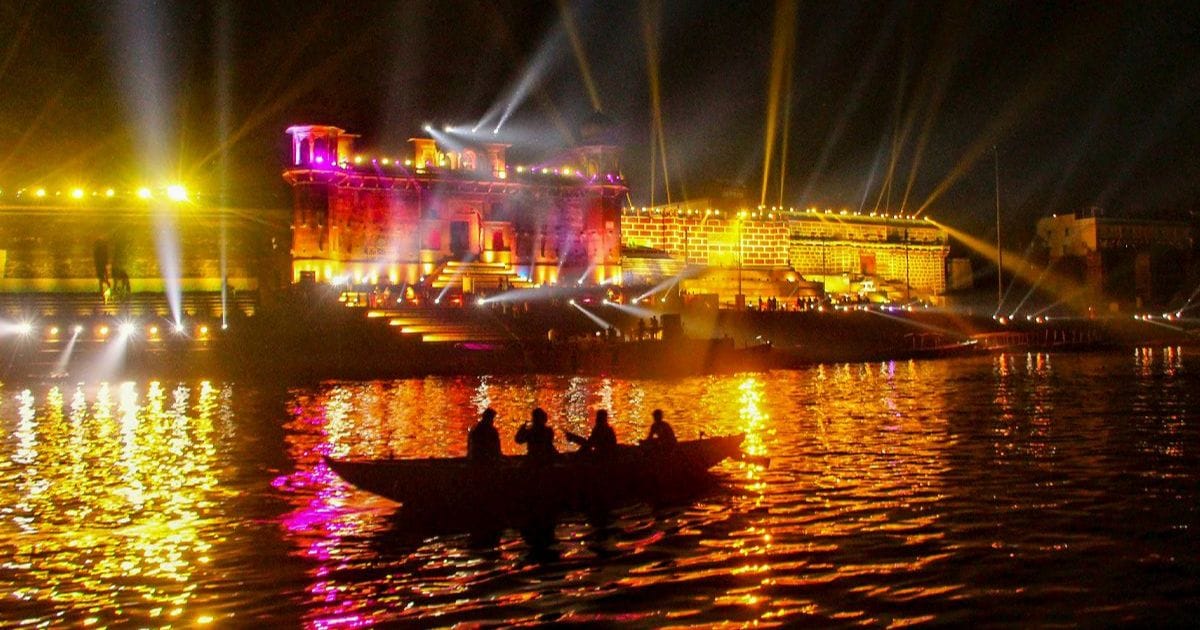
The festive atmosphere begins building during this period with Diwali (usually in October or November) bringing special celebrations, illuminated temples, and cultural programs. Experiencing Diwali in Prayagraj adds a unique dimension without the massive crowds of Magh Mela.
December through February represents Prayagraj’s peak tourist season, and for good reasons. Daytime temperatures hover between 15°C to 25°C (59°F to 77°F)—ideal for sightseeing. However, mornings and nights can be quite cold, with temperatures dropping to 5°C to 10°C (41°F to 50°F), occasionally dipping even lower.
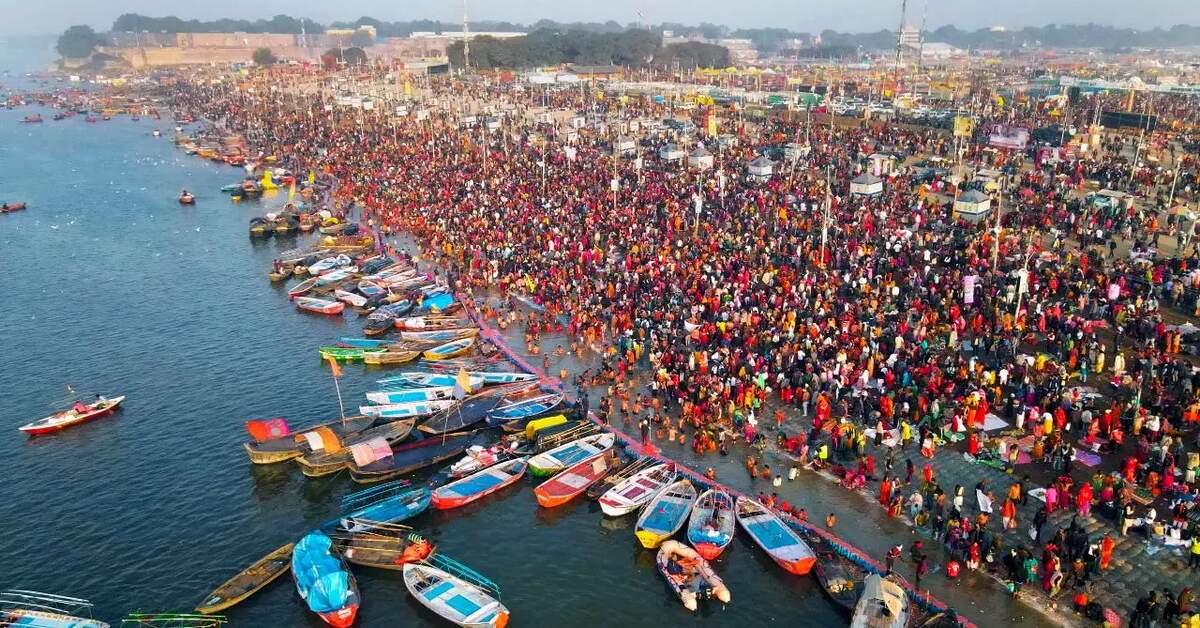
January and February coincide with Magh Mela, transforming Prayagraj into one of the world’s largest temporary cities. If you’re planning to visit during Magh Mela (particularly during the main bathing days like Makar Sankranti, Mauni Amavasya, and Basant Panchami), expect massive crowds, intense spiritual energy, and the need for advance planning.
The mela period offers unparalleled cultural and spiritual experiences but requires patience with crowds and willingness to accept basic facilities. If you’re specifically seeking the mela experience, this is obviously the time to visit. If you prefer quieter exploration, avoid the main bathing days or visit during the mela’s early or late periods when crowds are smaller.
Winter emerges as the consensus best time for several compelling reasons. The weather is perfect for outdoor activities that form the core of Prayagraj tourism—boat rides, temple visits, fort exploration, and market wandering. You can be active throughout the day without weather becoming an obstacle.
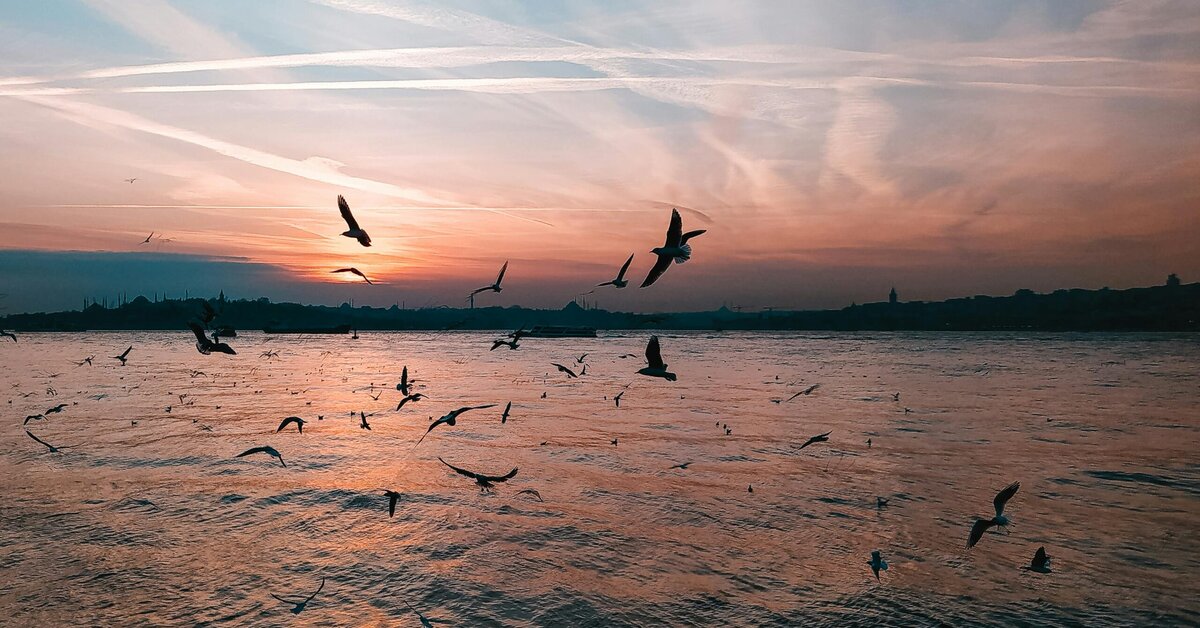
Photography enthusiasts particularly appreciate winter’s clear skies and beautiful light. The early morning mist over the Sangam creates magical scenes, while the golden hour light bathes the ancient architecture in warm hues.
Winter also offers the widest variety of experiences. You can participate in festivals, attend cultural programs organized specifically for tourists, enjoy seasonal foods, and experience the city’s full energy. Hotels and tour operators run at full capacity, meaning better service and more organized facilities.
The only challenge is the cold, especially for those from tropical regions. Adequate warm clothing makes this entirely manageable, and most travelers find the cold far more tolerable than summer’s oppressive heat.
Summer in Prayagraj is not for the faint-hearted. April sees temperatures climbing to 35°C-40°C (95°F-104°F), while May and June can see mercury touching 45°C (113°F) or even higher. The heat is dry and intense, making midday outdoor activities quite challenging.
Despite these challenges, summer has its advocates and advantages. If you’re heat-tolerant and primarily interested in indoor attractions like museums (Anand Bhawan, for instance) or prefer early morning and late evening exploration, summer is manageable.
The biggest advantage is drastically reduced tourist crowds. You’ll have major attractions largely to yourself, enjoy shorter wait times, experience more personalized service, and find ample photography opportunities without people in your shots. The Sangam ghats, teeming with thousands during winter, feel peaceful and contemplative in summer.
Accommodation and tour packages become significantly cheaper during summer. Budget travelers can find excellent deals, sometimes at 40-50% off peak season prices. Premium hotels offer special summer packages with additional perks.
Summer also offers authentic experiences. You see how locals live with the heat, participate in their coping strategies, and experience the city without its tourist veneer. The evening aarti ceremonies feel more intimate with smaller crowds.
If you choose summer, plan smartly. Schedule outdoor activities for early morning (5 AM to 9 AM) and late evening (6 PM onwards). Rest during midday heat in air-conditioned spaces. Stay constantly hydrated, use sun protection, wear light-colored cotton clothing, and know your heat tolerance limits.
Monsoon brings relief from summer’s heat but introduces different challenges. Rainfall begins in late June, with July and August seeing the heaviest downpours. Temperatures moderate to 28°C-35°C (82°F-95°F), but humidity increases significantly, sometimes making it feel hotter than actual temperatures suggest.
The rivers swell during monsoon, sometimes dramatically. This can restrict boat access to the Sangam, as safety regulations prevent boats from operating during high water levels or strong currents. This is the season’s biggest drawback for tourists, as the Sangam boat ride is a highlight of any Prayagraj visit.
However, monsoon has its unique appeals. The city turns lush green, dust settles, and there’s a freshness in the air. Dramatic monsoon skies offer spectacular photography opportunities. Rain-washed ancient structures look particularly beautiful, and the rivers in full flow present impressive sights.
Tourist crowds are minimal during monsoon—you’ll have attractions nearly to yourself. Prices drop to their lowest, making it the most economical time to visit. If you don’t mind weather unpredictability and can be flexible with your plans, monsoon offers authentic experiences away from tourist hordes.
Indoor attractions become more important during monsoon. Museums, covered temples, and cultural centers see more activity. Many locals consider the monsoon spiritually significant, and participating in rain-blessed rituals offers unique experiences.
Pack waterproof gear, quick-drying clothes, good walking shoes with grip, and protective covers for electronics. Plan for flexibility—some days might confine you indoors, so having backup indoor activities makes sense.
Magh Mela, occurring annually during the Hindu month of Magh, is Prayagraj’s signature event. The mela typically runs for about 45 days, with specific dates being particularly auspicious and crowded.
Key dates include Makar Sankranti (usually January 14-15), marking the beginning of the mela and attracting massive crowds. Mauni Amavasya (new moon day in January-February) is the most important bathing day, seeing the largest gatherings. Basant Panchami (celebrating spring’s arrival) and Maghi Purnima (full moon, marking the mela’s conclusion) are other significant dates.
Planning for Magh Mela requires months of advance preparation. Accommodations near the mela grounds book out 3-6 months ahead. Transportation becomes challenging, and prices surge. However, the experience—witnessing millions gathered in devotion, participating in ancient rituals, absorbing intense spiritual energy—is unparalleled.
If interested in the cultural aspects without extreme crowds, visit during the mela period but avoid the main bathing days. You’ll still experience the atmosphere, performances, and markets with more manageable crowds.
The Maha Kumbh Mela at Prayagraj occurs every 12 years and represents the grandest gathering on earth. The next Maha Kumbh is scheduled for 2025, with main bathing days in January-February.
Kumbh Mela makes Magh Mela look modest by comparison. The 2013 Maha Kumbh saw over 100 million participants over its duration, with 30 million bathing on a single day. The scale is simply incomprehensible until witnessed.
Planning for Kumbh requires even more advance preparation—some devotees book accommodations years ahead. The experience is bucket-list worthy but demands patience, flexibility, and acceptance of basic facilities despite paying premium prices.
Navratri, the nine-night festival celebrating the goddess, occurs twice yearly—in spring (Chaitra Navratri) and autumn (Sharad Navratri). Prayagraj celebrates both, with Sharad Navratri (September-October) being more elaborate.
The city’s temples, particularly Alopi Devi Mandir, see special decorations and programs. Cultural performances, devotional music, and community celebrations create festive atmospheres. It’s a wonderful time to experience Hindu devotional culture in authentic settings without the overwhelming scale of Kumbh or Magh Mela.
Diwali, the festival of lights (October-November), transforms Prayagraj with illuminated temples, fireworks, and celebratory atmospheres. Holi, the festival of colors (March), brings joyous chaos to the streets. Mahashivaratri (February-March) sees special observances at Shiva temples.
Experiencing Prayagraj during any Hindu festival adds cultural richness to your visit. However, festivals mean higher prices, larger crowds, and the need for advance bookings. If festivals interest you, build your itinerary around them. If you prefer quieter exploration, avoid festival periods.
January: Peak winter and Magh Mela make this the busiest month. Expect cold mornings (5°C-10°C) and pleasant days (20°C-25°C). Book months ahead if visiting during main bathing days. Perfect for spiritual and cultural experiences but crowded.
February: Magh Mela continues, with Basant Panchami marking its conclusion. Weather remains pleasant, slightly warmer than January. Still crowded during early February, calming down by month’s end. Excellent time for comfortable sightseeing.
March: Transitioning to warmer weather (15°C-30°C). Crowds thin out significantly. Holi festival brings colorful celebrations. Good balance of pleasant weather and moderate crowds. Cost-effective with reasonable accommodation prices.
April: Summer begins, with temperatures rising (20°C-38°C). Early April is still manageable; late April gets hot. Fewer tourists mean better deals. Plan outdoor activities for mornings and evenings.
May: Peak summer heat (25°C-45°C). Challenging for extensive outdoor exploration. Rock-bottom prices and minimal crowds. Only for heat-tolerant travelers or those with primarily indoor interests.
June: Continued heat with occasional pre-monsoon showers. Still off-season with excellent deals. Heat can be oppressive. Late June might see monsoon’s arrival bringing relief.
July: Monsoon begins in earnest. Heavy rainfall, cooler temperatures (25°C-35°C), high humidity. Sangam access may be restricted. Green landscapes, dramatic skies. Very few tourists, lowest prices.
August: Peak monsoon with heaviest rainfall. Similar conditions to July. Beautiful for those who appreciate monsoon aesthetics. Indoor attractions become primary focus.
September: Monsoon tapers off, though occasional rain continues. Weather improves gradually. Sharad Navratri celebrations occur. Tourist season begins building. Prices start rising but remain reasonable.
October: Delightful weather as winter approaches (15°C-30°C). Diwali celebrations create festive atmosphere. Tourist numbers increase. Good time for visit—pleasant weather without peak-season crowds. Book in advance.
November: Excellent weather continues (12°C-28°C). Tourist season in full swing. Comfortable for all activities. Prices moderate to high. Popular month requiring advance planning.
December: Winter sets in with cold mornings (8°C-12°C) and pleasant days (18°C-24°C). Christmas and New Year bring more travelers. Preparations begin for upcoming Magh Mela. Good time for visit with manageable crowds.
Understanding crowd dynamics helps set expectations and plan accordingly. Prayagraj’s crowd levels fluctuate dramatically based on season and festivals.
Minimal Crowds (May-September): Summer and monsoon see the fewest tourists. You’ll have attractions largely to yourself. Local pilgrims continue visiting but in small numbers. Service quality might vary as fewer businesses operate at full capacity.
Moderate Crowds (March-April, October-November): Shoulder seasons see reasonable tourist numbers. You’ll encounter other visitors without feeling overwhelmed. Most facilities operate normally. Good balance between experiencing some energy while maintaining comfort.
High Crowds (December, Late February-Early March): Winter season brings significant tourist numbers but remains manageable outside specific festival dates. Popular sites will be busy during peak hours (mornings and evenings) but tolerable during midday.
Extreme Crowds (Magh Mela main bathing days, Kumbh Mela): Main bathing days during Magh Mela see millions converging on Prayagraj. Moving through crowds requires patience. All services operate at capacity. It’s an experience unto itself—thrilling for some, overwhelming for others.
Managing crowds effectively involves visiting popular sites during off-peak hours (afternoons often see fewer visitors than mornings), using weekdays when possible (weekends always busier), hiring knowledgeable guides who know less crowded routes, and maintaining realistic expectations during festival periods.
Your travel timing significantly impacts costs. Prayagraj’s pricing follows predictable seasonal patterns.
Peak Season Pricing (January-February during Magh Mela): Accommodation prices can triple or quadruple compared to off-season. Budget hotels that cost ₹1,000 might charge ₹3,000-4,000. Mid-range hotels see similar increases. Premium properties command astronomical prices, if available at all.
Tour packages increase proportionally. Transportation costs rise as demand exceeds supply. Even food prices at restaurants increase slightly due to high demand.
High Season Pricing (November-December, March): Prices are elevated but more reasonable than festival periods. Expect 50-100% increases over off-season rates. Advance booking secures better deals.
Shoulder Season Pricing (October, April): Prices moderate. Good deals available, especially for advance bookings. Flexibility with dates can secure discounts.
Off-Season Pricing (May-September): Dramatically reduced prices—often 40-60% off peak rates. Budget travelers can afford much better accommodation categories. Tour operators offer attractive packages to stimulate demand.
Money-saving strategies include booking well in advance for peak seasons, considering off-season visits for budget trips, looking for package deals that bundle accommodation and services, staying slightly outside central areas (with reliable transportation), and negotiating rates, especially during off-season.
Remember that lowest prices come at costs—uncomfortable weather or limited Sangam access during monsoon. Balance cost savings against experience quality when making decisions.
Duration planning depends on your interests and pace preferences. A whirlwind one-day tour covers major highlights but feels rushed. Two days allow comfortable exploration of key sites. Three days provide breathing room for deeper experiences, shopping, and culinary exploration.
For festival experiences, especially Magh Mela, consider 3-5 days to participate in multiple events, attend various programs, and absorb the atmosphere without constantly rushing.
Timing specific activities optimally enhances experiences:
Sangam Boat Rides: Early morning (5:30-8:00 AM) offers beautiful light, cooler temperatures, and witnessing sunrise rituals. Avoid midday during summer.
Fort and Outdoor Monuments: Morning hours (8:00-11:00 AM) or late afternoon (4:00-6:00 PM) work best. Midday can be hot and harsh for photography.
Museums (Anand Bhawan): Afternoon visits work well when outdoor heat is intense. Museums provide air-conditioned comfort while offering excellent educational experiences.
Markets and Shopping: Evening hours (5:00-8:00 PM) see markets at their liveliest. Temperatures cool down, vendors are active, and the atmosphere is energetic.
Temples: Early morning or evening aarti times offer the most atmospheric experiences. Hanuman Mandir’s morning visit and evening riverside temple aartis are particularly special.
Cultural Performances (during Magh Mela): Late evening programs after sunset offer comfortable temperatures and beautiful atmospheres.
Balance your daily schedule—combine outdoor morning activities with afternoon rest or indoor visits, then return to outdoor experiences in evening. This rhythm respects the climate while maximizing experiences.
Timing your bookings appropriately ensures availability and best prices:
For Kumbh Mela: Book 6-12 months ahead, even longer for premium accommodations. Main bathing day periods require extremely early booking.
For Magh Mela: Book 3-6 months in advance, especially for main bathing days (Makar Sankranti, Mauni Amavasya). Early booking secures better locations and reasonable prices.
For Peak Winter Season (December-February outside mela): Book 2-3 months ahead for good selection and reasonable rates.
For Shoulder Seasons: Book 3-6 weeks ahead for good options. Last-minute bookings possible but with limited selection.
For Off-Season: Last-minute bookings often work fine and sometimes secure better deals as hotels offer discounts to fill rooms.
Tour packages typically require deposits (10-25%) at booking with balance due closer to travel dates. Understand cancellation policies—they vary significantly by season, with stricter policies during peak periods.
Many operators offer early-bird discounts for bookings made 3+ months ahead. Conversely, some offer last-minute deals during off-season to fill capacity.
Winter Packing (October-March):
Summer Packing (April-June):
Monsoon Packing (July-September):
Year-Round Essentials:
Different seasons present different health considerations:
Winter Health Concerns: Cold-related issues like dry skin, chapped lips, and respiratory irritation from dry air. Those with respiratory conditions should carry inhalers and warm up gradually when going outdoors. The cold water during holy baths can be shocking—enter slowly and avoid if you have heart conditions.
Summer Health Concerns: Heat exhaustion and dehydration are primary risks. Drink water constantly even before feeling thirsty. Recognize heat exhaustion symptoms: dizziness, excessive sweating, nausea, headache. Move to shade/AC immediately if experiencing these. Sunburn and sun stroke are serious risks—use protection religiously.
Monsoon Health Concerns: Waterborne diseases increase during monsoon. Drink only bottled water, avoid uncooked foods from unreliable sources. Mosquito-borne diseases like dengue increase—use repellent and cover exposed skin during dawn/dusk. Fungal skin infections from dampness require keeping skin dry and clean.
Year-Round Precautions: Carry basic medications: anti-diarrheal, antihistamines, pain relievers, antiseptic cream. Stay current with routine vaccinations. Those with chronic conditions should carry extra medication supplies and prescriptions. Travel insurance covering medical emergencies is advisable.
Street food, while delicious, requires caution initially. Let your system adjust gradually rather than indulging heavily immediately. Choose busy stalls where food turns over quickly and is freshly prepared.
For photography enthusiasts, timing impacts not just lighting but also subject matter availability.
Best Overall Photography Season: Winter (October-March) offers clear skies, beautiful light, and diverse subjects. You’ll capture stunning landscapes, architectural details, cultural events, and human drama.
Golden Hour Magic: The hour after sunrise (approximately 6:30-7:30 AM in winter) and before sunset (5:00-6:00 PM) offer magical warm light perfect for the Sangam, ghats, and architectural photography. The fort looks particularly stunning in golden hour light.
Blue Hour: The twilight period after sunset or before sunrise creates moody, atmospheric images. Evening aarti ceremonies during blue hour combine artificial light with ambient twilight beautifully.
Festival Photography: Magh Mela offers incredible photographic opportunities—human drama, devotion, colors, scale. However, respect people’s privacy and religious sentiments. Always ask permission before photographing individuals, especially during religious activities.
Monsoon Photography: Dramatic skies, reflections in water, rain-washed architecture, and swollen rivers create unique images. Protect camera equipment with waterproof covers.
Summer Photography: Early morning mist over the Sangam (if visiting very early) and dramatic heat haze can create interesting effects. Harsh midday light is generally poor for photography but can create high-contrast artistic images.
Always respect religious sensitivities. Some temples prohibit photography. Even where allowed, avoid intrusive behavior during worship. The Sangam boat area usually permits photography, but confirm with your boatman if photographing specific rituals.
Prayagraj’s location makes it perfect for regional circuits. Timing your multi-destination trip requires considering weather and festival calendars across locations.
Prayagraj-Varanasi Circuit: These two sacred cities complement each other beautifully. Both are best visited during winter (October-March). Allow 4-6 days total—2-3 days each city plus travel time. The 125 km journey takes about 3 hours by road.
Spiritual Triangle (Prayagraj-Varanasi-Ayodhya): This creates a comprehensive spiritual journey. Winter remains ideal for all three. Allow 7-10 days for comfortable exploration without rushing.
Heritage Circuit (Prayagraj-Lucknow-Agra): Combining spiritual Prayagraj with Nawabi Lucknow and Mughal Agra creates a diverse North India experience. October-March works well for all locations. This circuit requires 8-12 days depending on pace.
Extended Pilgrimage (Adding Chitrakoot, Vindhyachal): These smaller pilgrimage sites near Prayagraj extend your spiritual journey. Adding them requires 2-3 extra days. Same seasonal considerations apply.
When planning multi-city trips, consider that festival dates don’t necessarily align. Diwali occurs across India, but Magh Mela is unique to Prayagraj. Build itineraries accounting for specific regional events you want to experience.
Transportation between cities is generally better during winter when weather is reliable. Monsoon can occasionally disrupt road travel.
Timing truly is everything when planning your Prayagraj journey. While the sacred city welcomes visitors year-round, understanding seasonal variations, festival calendars, crowd patterns, and budget implications empowers you to make informed decisions aligned with your priorities and preferences.
For most travelers, the winter months of October through March offer the sweet spot—comfortable weather, diverse experiences, and manageable crowds (outside Magh Mela main dates). If spiritual experiences and cultural immersion top your priorities, timing your visit with Magh Mela despite crowds and premium prices delivers unparalleled experiences.
Budget-conscious travelers willing to brave heat or rain can find incredible value during off-season months while enjoying authentic, uncrowded experiences. The key is matching your tolerance for weather challenges against your budget constraints and experience preferences.
Remember that there’s no universally “perfect” time—only the perfect time for you based on what you value most. Whether you seek spiritual awakening, historical exploration, cultural immersion, or photographic opportunities, Prayagraj in the right season delivers profoundly memorable experiences.
So check the calendar, consider your preferences, book wisely, pack appropriately, and prepare for a journey that connects you with one of humanity’s oldest continuous civilizations. Prayagraj awaits, ready to share its timeless stories whenever you choose to listen.
November and early December are often considered ideal for most travelers. The weather is perfect—cool mornings and pleasant days without extreme cold. Tourist crowds are present but manageable since it’s before the Magh Mela rush. Accommodation prices are reasonable compared to festival periods. You’ll have comfortable conditions for all sightseeing activities without weather becoming a challenge. However, if experiencing Magh Mela is your primary goal, then mid-January to early February (despite crowds and cold) becomes the best time. The “best” month ultimately depends on whether you prioritize comfortable weather or unique festival experiences.
This depends entirely on your travel style and priorities. Visit during Magh Mela if you want to witness one of humanity’s largest religious gatherings, experience intense spiritual energy, participate in ancient rituals with millions of devotees, and don’t mind crowds, basic facilities, and premium prices. The cultural and spiritual experience is absolutely unique and unforgettable. Avoid Magh Mela if you prefer peaceful exploration, comfortable facilities, personal space, and budget-friendly travel. You can experience Prayagraj’s spiritual essence any time without the overwhelming scale. Consider visiting during the early or late mela period (not main bathing days) for a middle ground—some festival atmosphere with manageable crowds.
Booking timelines vary dramatically by season. For Kumbh Mela, book 6-12 months ahead. For Magh Mela main bathing days (Makar Sankranti, Mauni Amavasya), book 3-6 months in advance. For regular peak winter season (December-February outside mela), book 2-3 months ahead. For shoulder seasons (March-April, October-November), booking 4-6 weeks ahead is sufficient. For off-season (May-September), even last-minute bookings usually work fine. Early booking during peak periods secures better accommodation locations and reasonable prices, while last-minute bookings might find only expensive or inconveniently located options remaining.
Visiting in summer depends on your heat tolerance and priorities. It’s worth considering if you’re on a tight budget (prices drop 40-60%), want to avoid crowds (minimal tourists), can structure your day around the heat (outdoor activities only during early morning and evening), or are primarily interested in indoor attractions like museums. It’s not recommended if you have low heat tolerance, want to experience the city’s full energy and festival atmosphere, plan extensive outdoor photography, or have health conditions exacerbated by heat. Many local pilgrims continue visiting during summer, so the spiritual essence remains accessible, just with different logistics and discomfort management strategies.