Your cart is currently empty!
You may check out all the available trips and book one that suits you.
Continue Browsing Trips
Prayagraj Trip Guide , Nestled at the confluence of three sacred rivers in Uttar Pradesh, Prayagraj stands as one of India’s most spiritually significant destinations. This ancient city, where the Ganges, Yamuna, and the mythical Saraswati converge, has been a pilgrimage site for thousands of years and continues to draw millions of visitors seeking spiritual enlightenment, cultural immersion, and historical exploration.
Whether you’re planning a religious pilgrimage, a cultural expedition, or simply curious about India’s rich heritage, Prayagraj offers an experience that touches the soul and enriches the mind. This comprehensive guide will help you navigate everything you need to know about visiting this extraordinary city.
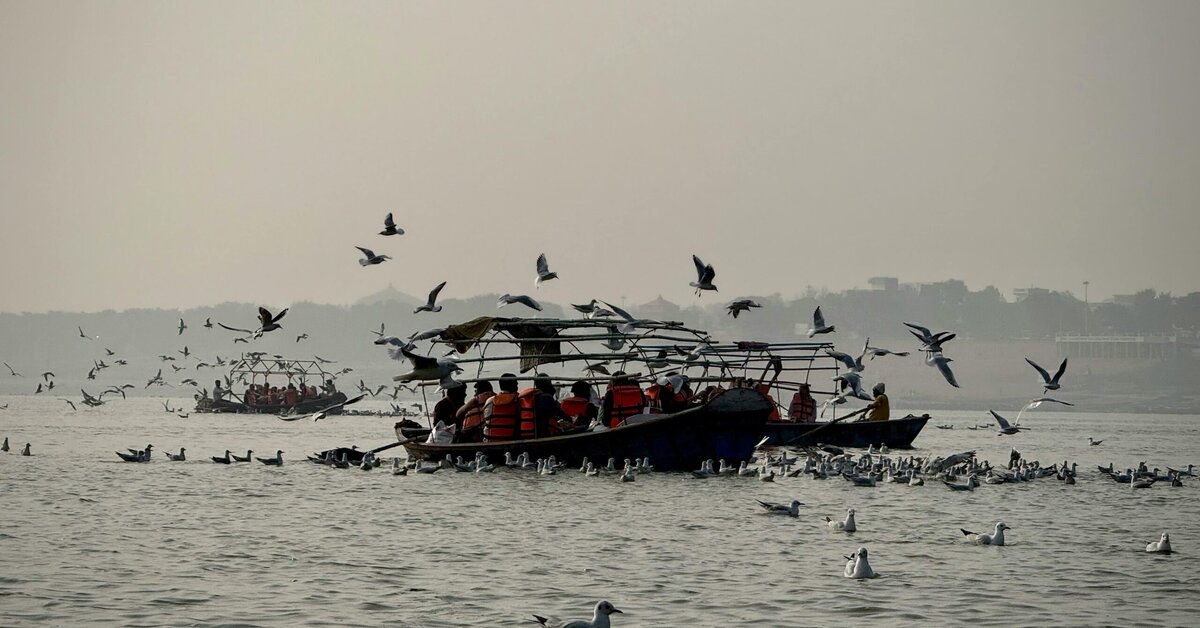
Prayagraj Trip Guide , The crown jewel of Prayagraj is undoubtedly the Triveni Sangam, the sacred confluence where three rivers meet. Hindu scriptures describe this spot as one of the holiest places on Earth, where taking a dip is believed to cleanse one of all sins and grant spiritual liberation.
The experience of visiting the Sangam goes beyond religious significance. As you approach the meeting point by boat, you can actually see where the rivers merge—the greenish-blue Ganges meeting the darker Yamuna creates a visible line in the water that’s both scientifically fascinating and spiritually moving.
Early morning is the most magical time to visit. As dawn breaks, the mist rises from the water, priests perform ancient rituals on the ghats, and devotees take their holy dips while chanting mantras. The atmosphere is charged with devotion, creating an experience that stays with you long after you leave.
Built by Emperor Akbar in 1583, the Allahabad Fort stands as a magnificent example of Mughal military architecture. This massive structure, located at the confluence point, showcases the engineering brilliance of its era with its imposing walls and strategic design.
Inside the fort complex, you’ll find the Akshayavat, an ancient banyan tree believed to be immortal according to Hindu mythology. The Patalpuri Temple, also within the fort, attracts devotees who come to worship and seek blessings. Though parts of the fort remain under military control, the accessible sections offer enough to captivate history enthusiasts for hours.
The ancestral home of the Nehru-Gandhi family, Anand Bhawan has been converted into a museum that chronicles India’s freedom struggle. Walking through these rooms where Jawaharlal Nehru, India’s first Prime Minister, spent his childhood offers a personal connection to the nation’s history.
The museum houses personal belongings, photographs, and documents that tell the story of India’s journey to independence. The adjacent Swaraj Bhawan was donated to the nation by Motilal Nehru and served as the headquarters of the Indian National Congress during crucial years of the freedom movement.
This beautiful garden complex contains three elaborate sandstone tombs built in the early 17th century. The main tomb belongs to Khusrau Mirza, the eldest son of Emperor Jahangir. The intricate carvings, Persian inscriptions, and peaceful garden setting make this a perfect spot for those interested in Mughal architecture and a quiet retreat from the city’s bustle.
Prayagraj’s ghats are not just steps leading to the river—they’re living, breathing spaces where life unfolds in all its complexity. Each ghat has its own character and significance. Saraswati Ghat sees morning yoga practitioners and evening aarti ceremonies. Dashashwamedh Ghat bustles with activity throughout the day. Arail Ghat offers a quieter, more contemplative atmosphere.
Spending time at the ghats allows you to witness India’s spiritual traditions in their authentic form. You’ll see priests offering puja services, elderly devotees taking their ritual baths, children playing cricket, and vendors selling religious items and snacks—all coexisting in a harmonious chaos that defines Indian culture.
The Ganga Aarti ceremony is a sensory spectacle that captures the essence of Hindu devotion. As evening descends, priests in saffron robes gather at the ghat with enormous brass lamps. In synchronized movements, they perform the ancient ritual while devotional songs fill the air.
The sight of dozens of flames swaying in unison, their reflections dancing on the water, creates a mesmerizing effect. The sound of bells, conch shells, and chanting mantras creates an atmosphere that transcends religious boundaries, touching something universal in the human spirit.
Prayagraj gains global attention every 12 years when it hosts the Maha Kumbh Mela, recognized by UNESCO as an intangible cultural heritage of humanity. This gathering, believed to be the largest peaceful assembly in human history, transforms the city into a spiritual metropolis.
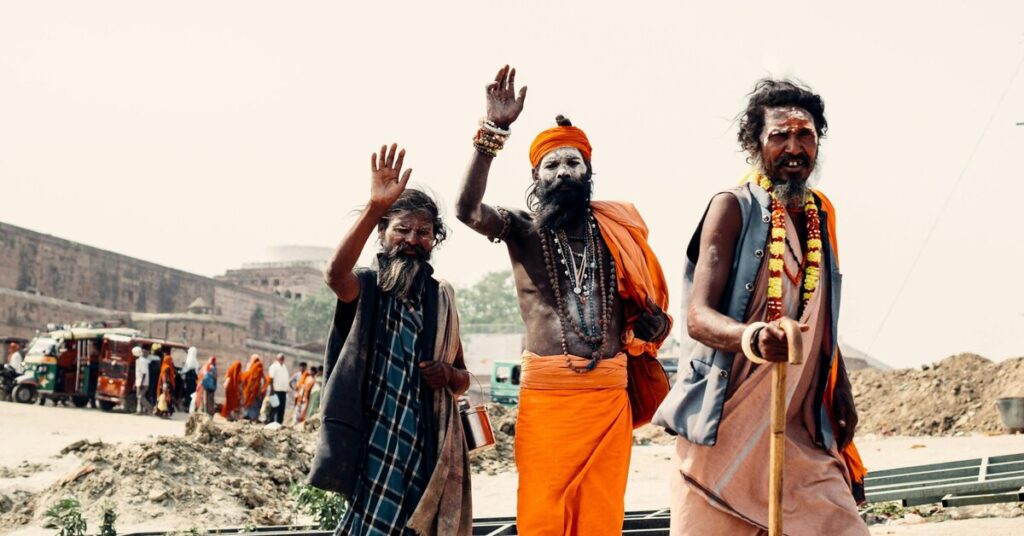
During Kumbh, millions of pilgrims, saints, and spiritual seekers converge at Prayagraj. Temporary tent cities spring up along the riverbanks, stretching for miles. Naga Sadhus, ascetic holy men covered in ash and carrying tridents, lead processions to the Sangam for the Shahi Snan (royal bath) on auspicious dates.
The 2025 Maha Kumbh Mela promises to be an extraordinary event. If you’re considering attending, prepare for an overwhelming yet transformative experience. The scale of organization required to manage this gathering—with temporary bridges, roads, hospitals, and facilities for millions—is an achievement in itself.
Prayagraj’s food scene reflects its cultural diversity and historical influences. The city is famous for its street food, particularly the chaat available at Loknath Lane. The tangy, spicy flavors of samosas, kachoris, aloo tikki, and golgappas create an explosion of taste that’s quintessentially North Indian.
Don’t miss trying the local sweets. The pedas and laddoos from traditional sweet shops have been perfected over generations. The city’s guavas, known locally as “amrood,” are renowned throughout India for their exceptional sweetness and flavor.
For more substantial meals, try the traditional thalis at local restaurants, offering an array of vegetarian dishes that showcase the region’s culinary traditions. Many restaurants near the ghats serve simple, sattvic (pure) vegetarian food preferred by pilgrims.
The ideal months for visiting Prayagraj are October through March when the weather is pleasant and comfortable for sightseeing. October and November offer post-monsoon freshness with clear skies. December and January bring cooler temperatures, perfect for exploring but requiring warm clothing for early morning river visits. February and March see warming temperatures but remain comfortable.
Avoid visiting during April to June unless absolutely necessary, as temperatures soar above 40°C (104°F), making outdoor exploration uncomfortable. The monsoon season from July to September brings relief from heat but can disrupt travel plans with heavy rainfall and flooding.
Being just 200 kilometers from Lucknow gives you multiple convenient options for reaching Prayagraj. The train journey offers the best combination of comfort, cost, and convenience, with numerous daily services connecting the cities. Trains like Prayagraj Express and various intercity services complete the journey in 2.5 to 4 hours.
If you prefer road travel, the drive takes approximately 3-4 hours via well-maintained national highways. Hiring a private car offers flexibility to stop at interesting spots along the way. State-run and private buses provide the most economical option, though with less comfort than trains or private vehicles.
Your accommodation choice depends on your budget and travel style. Luxury seekers will find comfortable hotels with modern amenities near Civil Lines. Mid-range hotels and guesthouses offer good value throughout the city. Budget travelers and pilgrims can choose from numerous dharamshalas (pilgrim rest houses) and budget hotels near the railway station and Sangam area.
During Kumbh Mela or major festivals, accommodation fills up months in advance. The government and private operators set up tent cities during Kumbh, offering a unique camping experience along the riverbanks.
Visiting Prayagraj comes with a responsibility to respect its sacred nature and environmental challenges. The rivers face pollution issues, and every visitor can contribute to their preservation by using eco-friendly offerings during rituals. Choose flowers and biodegradable items over plastic and synthetic materials.
Dress modestly when visiting religious sites—covered shoulders and knees are appreciated. Remove footwear when entering temples. Ask permission before photographing people, especially during religious ceremonies. Many sadhus and priests may request a small donation if you photograph them, which is customary.
Support local artisans and small businesses by purchasing authentic handicrafts and using local guides. This ensures your tourism dollars benefit the community directly.
If you have extra time, consider extending your journey to nearby destinations. Chitrakoot, about 130 kilometers away, offers natural beauty combined with sites associated with Lord Rama’s exile. Varanasi, though requiring a full day trip, provides another perspective on India’s spiritual traditions. The ancient Kalinjar Fort offers historical exploration for those interested in medieval Indian architecture.
Prayagraj is more than a destination—it’s an experience that engages all your senses and challenges your perceptions. Whether you come as a pilgrim seeking spiritual fulfillment, a history buff exploring India’s past, or a curious traveler wanting to understand Indian culture, this city offers profound rewards.
The key to enjoying Prayagraj is approaching it with an open mind and heart. Embrace the chaos, the spirituality, the history, and the humanity. Let the city unfold before you at its own pace. Some moments—watching the sunrise over the Sangam, witnessing the devotion of pilgrims, or simply sitting by the river as life flows around you—will become cherished memories that define your understanding of India.
A: The best time to visit is between October and March when the weather is pleasant and comfortable for sightseeing. Winters (December-January) are ideal but can be quite cold in early mornings. Avoid summer months (April-June) when temperatures exceed 40°C.
A: A minimum of 2 days is recommended to cover the main attractions comfortably. If you want a more relaxed pace and wish to explore nearby areas, plan for 3-4 days. During Kumbh Mela, consider staying longer to fully experience the event.
A: Yes, Prayagraj is generally safe for solo travelers, including women. However, exercise normal precautions like avoiding isolated areas after dark, keeping valuables secure, and dressing modestly. The areas around major tourist sites and ghats are usually well-populated and safe.
A: Hindi is the primary language spoken in Prayagraj. English is understood in hotels, tourist areas, and by educated locals, but knowing basic Hindi phrases can be helpful. Many priests and boatmen at the ghats speak limited English.