Your cart is currently empty!
You may check out all the available trips and book one that suits you.
Continue Browsing Trips
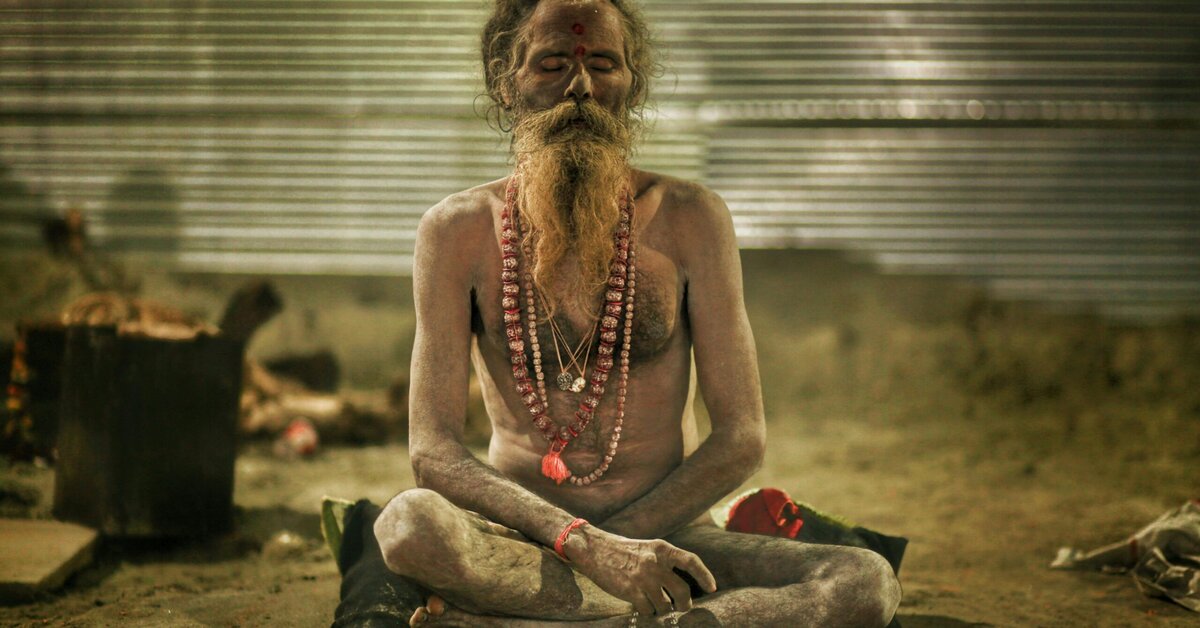
2026 Prayagraj Tour Package Best Time to Visit and Plan , Have you ever wondered what it feels like to stand at the confluence of three sacred rivers, where spirituality meets history in the most breathtaking way? Welcome to Prayagraj, formerly known as Allahabad, a city that pulses with divine energy and ancient stories. This isn’t just another tourist spot on the map—it’s a pilgrimage destination that has drawn millions of souls seeking peace, blessings, and a connection to something greater than themselves.
Prayagraj holds a special place in the heart of India’s spiritual landscape. It’s where the Ganges, Yamuna, and the mythical Saraswati rivers meet at the Triveni Sangam, creating what many believe to be one of the holiest sites in Hinduism. But this city offers so much more than spiritual experiences. From magnificent Mughal-era forts to the birthplace of India’s freedom movement, Prayagraj is a treasure trove waiting to be explored.
The Triveni Sangam isn’t just a geographical point—it’s a spiritual phenomenon. Imagine standing on a boat, watching the distinct colors of the Ganges and Yamuna merge before your eyes. The Ganges flows with its characteristic brownish hue, while the Yamuna carries a slightly greenish tint. Pilgrims believe that taking a dip at this confluence washes away sins and brings salvation. The experience is both humbling and exhilarating, connecting you to centuries of tradition and faith.
2026 Prayagraj Tour Package Best Time to Visit and Plan , Prayagraj wears its history like a badge of honor. The city has witnessed empires rise and fall, freedom fighters take their stand, and cultural movements shape the nation. The Allahabad Fort, built by Emperor Akbar in 1583, stands as a testament to Mughal architectural brilliance. Inside its walls lies the Akshaya Vat, an immortal banyan tree mentioned in Hindu scriptures, and the Patalpuri Temple, shrouded in mystery and legend.
Then there’s Anand Bhawan, the ancestral home of the Nehru family, which has been converted into a museum showcasing India’s struggle for independence. Walking through its rooms feels like stepping back in time to witness the conversations that shaped modern India.
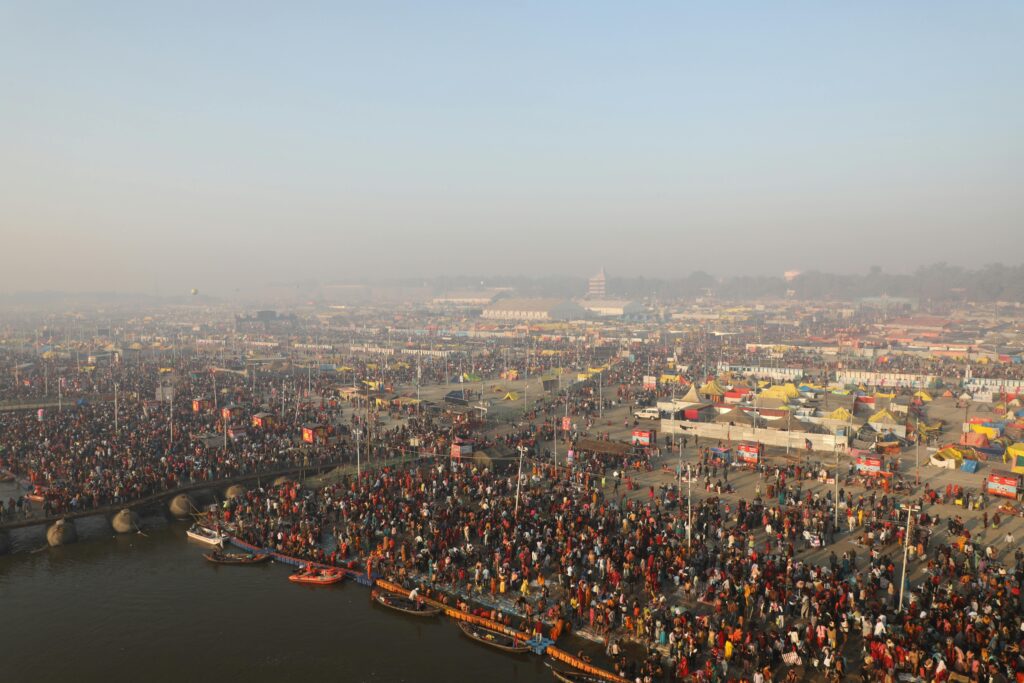
Prayagraj comes alive during religious festivals, especially during the Kumbh Mela, which occurs every twelve years, and the Ardh Kumbh Mela, held every six years. These gatherings attract millions of devotees from around the globe, making them the largest peaceful congregations on Earth. The Magh Mela, held annually during January-February, is another significant event where pilgrims camp along the river banks for an entire month.
If you’re planning a Prayagraj tour package, winter is your golden window. From October to March, the weather is pleasantly cool, with temperatures ranging between 10°C to 25°C. This is when the city feels most welcoming, perfect for exploring outdoor attractions without breaking a sweat.
Winter also coincides with major religious events. The Magh Mela transforms the riverbanks into a temporary city of tents and ashrams. If you’re fortunate enough to visit during the Kumbh Mela year, you’ll witness an extraordinary spectacle of faith and devotion. The atmosphere is electric, filled with chanting, rituals, and the collective energy of millions seeking spiritual renewal.
Monsoon brings a different charm to Prayagraj. The rivers swell, the landscape turns lush green, and the city gets a refreshing makeover. However, this season comes with challenges. Heavy rainfall can disrupt travel plans, and the humidity levels can be uncomfortable for some visitors.
That said, if you enjoy the romance of rain and don’t mind occasional disruptions, monsoon offers a unique perspective on the city. The crowds are thinner, hotel rates drop, and you get a more intimate experience of Prayagraj’s spiritual essence.
Summer in Prayagraj is intense, with temperatures soaring between 30°C to 45°C. The heat can be relentless, making outdoor exploration quite challenging. Unless you have a specific reason to visit during these months, it’s generally advisable to avoid summer.
However, if you do find yourself in Prayagraj during summer, plan your activities for early mornings or late evenings. Stay hydrated, wear light clothing, and take frequent breaks in air-conditioned spaces.
The Maha Kumbh Mela deserves special mention. Held every twelve years, this mega-event is a once-in-a-lifetime experience for many. The next Maha Kumbh is scheduled for 2025, and preparations are already underway. If you’re planning to attend, book your accommodations and tour packages well in advance—the city gets completely booked months before the event.
The Kumbh Mela operates on a complex astrological calendar, with specific bathing dates considered most auspicious. These “Shahi Snan” (royal bath) dates see the maximum crowds, with Naga Sadhus leading processions to the Sangam in a display that’s both spectacular and deeply spiritual.
How long should you spend in Prayagraj? For a comprehensive experience covering major attractions, three to four days is ideal. This gives you enough time to visit the Sangam, explore historical sites, attend an evening aarti (prayer ceremony), and soak in the local culture without rushing.
If you’re visiting during the Kumbh Mela, consider extending your stay to at least five to seven days. The scale of the event is enormous, and there’s so much to experience beyond the ritual baths—from spiritual discourses by saints to cultural performances and the sheer diversity of humanity gathered in one place.
Prayagraj caters to all budget ranges. Budget travelers can find comfortable accommodations starting from ₹500-1000 per night, with simple meals costing between ₹100-300. Mid-range travelers should budget around ₹2000-4000 per day, which covers decent hotels, meals at good restaurants, and local transportation.
For luxury seekers, premium hotels and resorts offer world-class amenities with packages ranging from ₹5000-15000 per night. During Kumbh Mela, prices escalate significantly, so factor that into your planning.
Tour operators offer various Prayagraj packages tailored to different interests:
Spiritual Tours: Focus on religious sites, river rituals, and temple visits. These typically include guided darshans (viewings), boat rides at Sangam, and attendance at special pujas (worship ceremonies).
Heritage Tours: Emphasize historical monuments, museums, and colonial architecture. Perfect for history enthusiasts who want to understand Prayagraj’s role in shaping India.
Kumbh Mela Special Packages: Comprehensive arrangements including accommodation in temporary camps, guided tours of the Mela grounds, and assistance with ritual baths on auspicious dates.
Customized Packages: Many operators allow you to build your own itinerary based on your interests, duration, and budget.
The Triveni Sangam is the heart and soul of Prayagraj. Arriving at dawn, when the first rays of sunlight dance on the water surface, offers a transcendent experience. Local boatmen ferry visitors to the exact confluence point, where you can take a holy dip or simply sit in contemplation.
The Sangam isn’t just about religion—it’s about witnessing nature’s artistry. The distinct colors of two rivers merging while the invisible Saraswati adds its mystical presence creates a visual metaphor for unity in diversity.
Built on the banks of the Yamuna, Allahabad Fort is a massive structure that showcases Akbar’s architectural vision. Though parts of the fort remain under military control and are restricted to visitors, the accessible sections are worth exploring. The Ashoka Pillar inside the fort, dating back to 232 BCE, contains inscriptions by Emperor Ashoka and later rulers.
The fort’s underground chamber, the Patalpuri Temple, is particularly intriguing. According to legend, this is where Lord Rama received blessings. The temple has an ancient, mysterious atmosphere that captivates visitors.
Anand Bhawan offers a fascinating glimpse into the Nehru family’s life and their contribution to India’s independence movement. The mansion has been meticulously preserved, with rooms displaying photographs, letters, and personal belongings of Jawaharlal Nehru, India’s first Prime Minister, and his father Motilal Nehru.
Adjacent to Anand Bhawan is Swaraj Bhawan, where the Indian National Congress conducted several important meetings. The planetarium within the complex adds an educational dimension to your visit.
This walled garden complex contains the tombs of Khusrau Mirza (son of Emperor Jahangir), his mother Shah Begum, and his sister Sultan Nithar Begum. The Mughal architecture, with its intricate stone work and beautiful gardens, provides a peaceful retreat from the city’s bustle. The three sandstone mausoleums represent excellent examples of Mughal funerary architecture, each with distinct design elements.
Don’t miss the Hanuman Mandir, which houses a unique reclining statue of Lord Hanuman. Legend says the statue appears and disappears with the Ganges’ water level. The All Saints Cathedral, also known as Patthar Girja, is a stunning example of Gothic Revival architecture and offers a quiet space for reflection.
For those seeking premium comfort, Prayagraj offers several upscale hotels with modern amenities. Properties like Hotel Kanha Shyam, The Legend Hotel, and Grand Continental provide excellent services, spacious rooms, and multi-cuisine restaurants. These hotels typically offer packages that include guided city tours and transportation.
Budget travelers will find numerous options near Civil Lines and the railway station areas. Hotels like Hotel Presidency, Hotel Samrat, and Milan Palace offer clean, comfortable rooms with basic amenities at reasonable prices. These establishments understand the needs of pilgrims and tourists, providing helpful local information.
For an authentic experience, consider staying at one of the many dharamshalas (pilgrim rest houses) near the Sangam. These simple accommodations are often run by religious trusts and offer extremely affordable rates, sometimes on a donation basis. While facilities are basic, the spiritual atmosphere and interaction with fellow pilgrims can be enriching.
Prayagraj’s culinary scene is a delightful mix of traditional North Indian flavors and unique local specialties. Start your day with the famous Allahabad ki chaat, particularly the basket chaat and dahi puri from Civil Lines. The city’s street food culture is legendary among food enthusiasts.
Don’t leave without trying the kulcha-nihari, a breakfast favorite that combines soft bread with spicy meat curry. For vegetarians, the chole-bhature and kachori-sabzi are must-tries. Sweet lovers should sample the local jalebis and rabri, especially from century-old shops that have perfected their recipes over generations.
The city’s proximity to the rivers means fresh fish preparations are available, though being a holy city, many areas maintain strict vegetarian norms. During winter, the roasted corn and sweet potatoes sold along the riverbanks add to the culinary experience.
Prayagraj is well-connected to major Indian cities. Prayagraj Airport (formerly Allahabad Airport) receives flights from Delhi, Mumbai, Bangalore, and other metros. The airport is about 12 kilometers from the city center, and taxis or app-based cabs provide convenient transfers.
The city boasts excellent rail connectivity, being a major junction on the Indian Railways network. Prayagraj Junction and Prayagraj City stations connect to destinations nationwide. During Kumbh Mela, special trains are operated to handle the massive influx of pilgrims.
By road, Prayagraj is accessible via National Highways 27, 30, and 96. Regular bus services from Lucknow, Varanasi, Kanpur, and Delhi make road travel convenient. Private taxis and self-drive options are also available.
Once in Prayagraj, local transportation includes auto-rickshaws, cycle-rickshaws, and app-based cab services like Ola and Uber. For visiting the Sangam, boats are the primary mode, with fixed rates displayed at the ghats (riverfront steps).
Many tourists prefer hiring a car with a driver for the day, which costs around ₹1500-2500 depending on the itinerary. This provides flexibility and comfort, especially during hot weather. Bicycle rentals are emerging as an eco-friendly option for exploring the Civil Lines area.
Visiting Prayagraj, especially as a first-timer, requires some cultural awareness. Dress modestly when visiting religious sites—covering shoulders and knees is respectful and often required. Remove shoes before entering temples and wash your hands and feet before taking a dip at the Sangam.
Be cautious with your belongings, particularly during crowded events like the Kumbh Mela. Pickpockets target distracted tourists, so keep valuables secure. Carry a small bag with essentials like water, sunscreen, and a first-aid kit.
Respect local customs and photography restrictions. While most places allow photography, some temples prohibit it. Always ask for permission before photographing people, especially sadhus and priests, as some may expect a donation.
Stay hydrated and be mindful of food hygiene. Stick to bottled water and eat at clean, popular establishments. The excitement of exploring can make you ignore basic health precautions, but a little caution prevents vacation-ruining illnesses.
Finally, engage with locals. Prayagraj’s residents are generally warm and helpful, happy to share stories about their city’s heritage. Some of the best experiences come from conversations with shopkeepers, boatmen, and fellow travelers who offer insights no guidebook can provide.
Prayagraj is more than a destination—it’s a journey into India’s spiritual heart and historical soul. Whether you’re drawn by faith, fascinated by history, or simply seeking a unique travel experience, this ancient city delivers on all fronts. The best time to visit depends on your interests and tolerance for crowds and weather, but winter months from October to March generally offer the most comfortable conditions.
Planning your Prayagraj tour package thoughtfully ensures you maximize your experience. From witnessing the mystical Triveni Sangam to exploring Mughal monuments, from savoring street food to experiencing the grandeur of the Kumbh Mela, Prayagraj weaves together diverse experiences into an unforgettable tapestry.
So, are you ready to embark on this transformative journey? Pack your bags, open your heart, and let Prayagraj reveal its timeless magic to you. The sacred rivers await, the temples beckon, and centuries of stories are ready to be discovered.
The Kumbh Mela typically occurs during January-February, coinciding with the auspicious Makar Sankranti period. The exact dates vary based on astrological calculations. For 2025, the Maha Kumbh will be held from January to February, with specific bathing dates being most significant. Book accommodations several months in advance, as the city experiences unprecedented crowds during this period.
A basic Prayagraj tour package for 2-3 days starts around ₹5,000-8,000 per person, including budget accommodation, local transportation, and guided tours. Mid-range packages cost ₹12,000-20,000, offering better hotels and more comprehensive itineraries. Luxury packages can exceed ₹30,000, providing premium accommodations and personalized services. During Kumbh Mela, prices increase by 50-200% depending on proximity to the event.
Prayagraj is generally safe for solo female travelers, especially in tourist areas and during daylight hours. However, standard precautions apply—avoid isolated areas after dark, dress modestly, use reputable transportation, and stay aware of your surroundings. During major festivals, stay in groups when possible. Many women travel solo to Prayagraj for spiritual purposes and report positive experiences when exercising basic caution.
Yes, boat rides at Triveni Sangam are available year-round, weather permitting. During monsoon (July-September), services may be temporarily suspended due to high water levels and strong currents. Winter months offer the most pleasant experience with calm waters and comfortable temperatures. Boats operate from early morning until sunset, with sunrise and sunset rides being particularly popular for their spiritual ambiance.
For a winter visit (October-March), pack light woolens like sweaters and jackets, as mornings and evenings can be quite cool. Comfortable walking shoes are essential for exploring monuments. Include modest clothing for temple visits, sunscreen, a hat, and sunglasses. If planning to bathe at the Sangam, carry a quick-dry towel and change of clothes. Don’t forget medications, a reusable water bottle, and a small backpack for day trips. During Kumbh Mela, add a flashlight, wet wipes, and a portable phone charger to your packing list.

One Comment
Comments are closed.