Your cart is currently empty!
You may check out all the available trips and book one that suits you.
Continue Browsing Trips
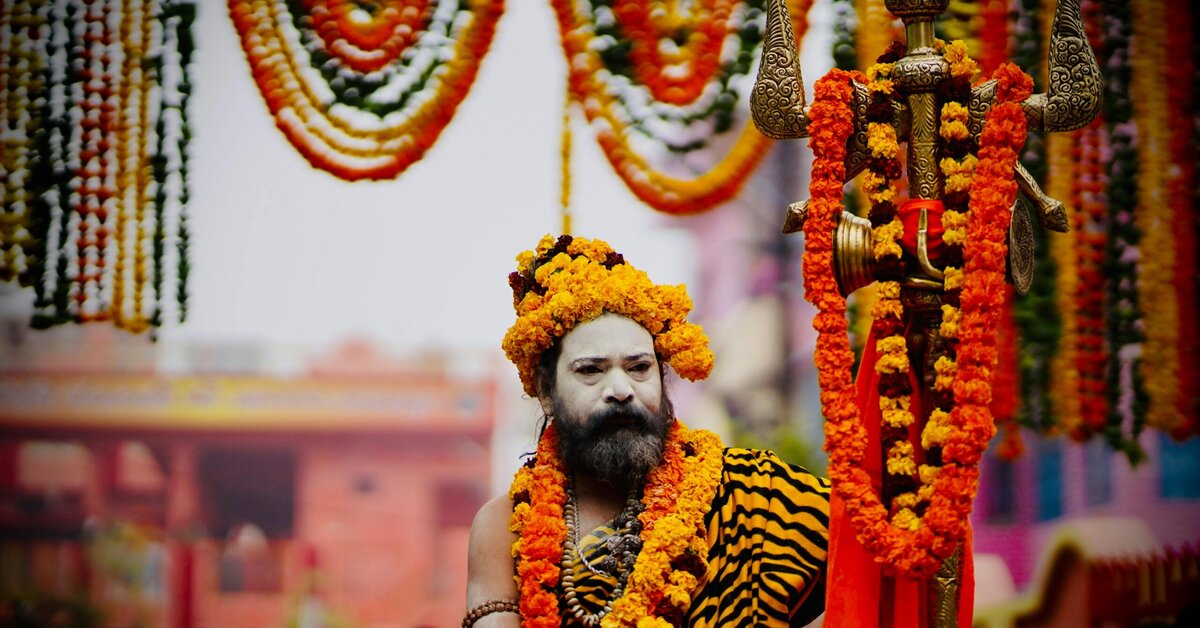
Book Magh Mela 2026 camp packages with stay, meals & local support. Early booking open – WhatsApp now for confirmed slots!
Magh Mela 2026 Camp Booking , Planning a pilgrimage to Magh Mela? Fantastic! But here’s a question that often keeps travelers awake at night: “How on earth do I navigate transportation during one of India’s largest religious gatherings?” Don’t worry—you’re not alone in wondering about this.
Transportation during Magh Mela can seem daunting when you imagine millions of pilgrims converging on Prayagraj simultaneously. The roads are packed, trains are overflowing, and the logistics can appear overwhelming. But here’s the good news: with proper planning and the right information, your journey can be surprisingly smooth and even enjoyable.
Prayagraj Magh Mela 2026 Tour Package , Think of this guide as your personal travel companion—someone who’s been there, done that, and is ready to share all the insider tips to make your Prayagraj Magh Mela tour package a hassle-free spiritual experience. Whether you’re flying in from abroad, taking a train from another state, or driving from a nearby city, we’ve got you covered from the moment you leave home until you return, spiritually refreshed and physically unscathed.
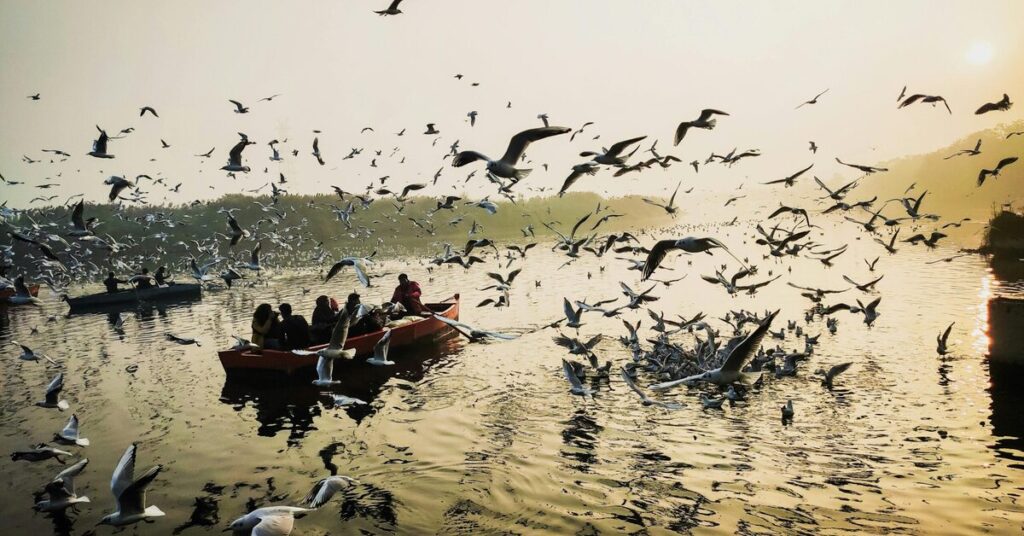
Let’s be honest—Magh Mela isn’t your typical weekend getaway. We’re talking about an event that attracts 10-15 million people over 45 days. On major bathing days like Mauni Amavasya, that number can swell to 2-3 million people in a single day! Imagine the entire population of a major city trying to reach the same destination simultaneously.
Without proper planning, you could find yourself stuck in traffic for hours, unable to book last-minute tickets, or paying exorbitant prices to reach the Mela grounds. The key to a successful pilgrimage lies in understanding the transportation ecosystem and planning accordingly. It’s like preparing for a marathon—the better your preparation, the smoother your experience.
Not all days during Magh Mela are created equal. The major bathing days—Makar Sankranti, Mauni Amavasya, and Basant Panchami—see the maximum influx of pilgrims. If you’re planning to visit on these days, expect transportation to be at maximum capacity and prepare accordingly.
The Uttar Pradesh government and Magh Mela administration implement extensive crowd management strategies. Roads are diverted, special transportation arrangements are made, and additional staff is deployed. Understanding these patterns helps you plan better. For instance, arriving a day before major bathing days and staying through the event is often wiser than trying to travel on the day itself.
Prayagraj Airport, also known as Bamrauli Airport, is your gateway if you prefer air travel. Located about 12 kilometers from the city center, this domestic airport connects Prayagraj to major Indian cities.
Regular Flights: You’ll find daily flights from Delhi, Mumbai, Kolkata, and Bengaluru operated by airlines like IndiGo, Air India, and SpiceJet. During Magh Mela, airlines often increase frequency to accommodate the surge in passengers.
Booking Strategy: Here’s a pro tip—book your flights at least 2-3 months in advance, especially if you’re traveling during major bathing days. Prices can skyrocket as the dates approach, and availability becomes limited. Early birds not only catch the worm but also get reasonable airfares!
International Travelers: If you’re coming from abroad, you’ll likely fly into major hubs like Delhi or Mumbai first, then take a connecting flight to Prayagraj. Alternatively, Varanasi’s Lal Bahadur Shastri International Airport is about 135 kilometers away and offers international connectivity—you can then travel to Prayagraj by road or train.
Once you land at Prayagraj Airport, getting to the Mela grounds or your accommodation is straightforward:
Pre-Paid Taxis: The airport has a pre-paid taxi counter where you pay a fixed fare based on your destination. This eliminates haggling and ensures transparency. Expect to pay ₹400-600 to reach the city center and ₹600-800 to reach areas closer to the Mela grounds.
App-Based Cabs: Services like Ola and Uber operate from the airport, though availability might fluctuate during peak Mela days. These offer convenience and transparent pricing.
Hotel/Tour Package Pickups: If you’ve booked through a tour operator or certain hotels, they often provide complimentary airport pickup. Confirm this when booking your package.
Rental Cars: Several car rental agencies operate at the airport if you prefer the flexibility of self-drive or hiring a car with a driver for your entire stay.
For most Indians, trains remain the preferred mode of reaching Magh Mela. The Indian Railways pulls out all stops (pun intended!) to handle the massive pilgrim rush.
Prayagraj has multiple railway stations, which can be confusing for first-time visitors:
Prayagraj Junction (PRYJ): The main railway station and the largest, located in the Civil Lines area. Most major trains stop here. It’s well-connected to the city and about 6-8 kilometers from the Mela grounds.
Prayagraj Rambagh (PRG): Another important station, particularly useful if your accommodation is in the western part of the city.
Naini Junction (NYN): Located across the Yamuna River, this station serves the Naini area. It’s useful if you’re staying on that side of the city.
Prayag Junction (PRYG): A smaller station but closer to the Sangam area. Some Mela special trains stop here.
Pro Tip: When booking tickets, pay attention to which station your train terminates at. During Magh Mela, some trains that normally stop at Prayagraj Junction might be extended to other stations to manage crowds better.
The beauty of Indian Railways during religious festivals is their special train services. During Magh Mela, dozens of special trains are operated from various parts of the country:
Mela Special Trains: These temporary trains run only during the Mela period, connecting Prayagraj to cities across India. The Railway Board announces these trains about 2-3 months before Magh Mela begins.
Extended Routes: Many regular trains get extended or diverted to pass through Prayagraj during this period, giving you more options.
Additional Coaches: Regular trains often run with extra coaches attached to accommodate more passengers.
Where to Find Information: Check the official Indian Railways website (www.indianrail.gov.in) or the IRCTC website for announcements about Mela special trains. Local newspapers and the Magh Mela official website also publish comprehensive lists.
Booking train tickets for Magh Mela requires strategy and timing:
Book Early: Tickets for trains during major bathing days get booked within hours of opening. Bookings typically open 120 days in advance. Mark your calendar and book the moment bookings open.
Tatkal Tickets: If you miss the advance booking window, Tatkal (emergency) tickets become available one day before journey date. However, these are at premium prices and require quick reflexes—they sell out within minutes!
Flexible Dates: If possible, maintain flexibility in your travel dates. Traveling a day or two before or after the major bathing day significantly improves ticket availability and reduces travel stress.
Alternative Routes: Sometimes booking to nearby cities like Varanasi, Lucknow, or Kanpur (all within 150-200 km) is easier, and you can then travel to Prayagraj by road.
Unreserved Travel: If you’re adventurous and traveling light, unreserved compartments are always available. However, expect crowded conditions, especially on peak days.
Road travel offers flexibility and can be quite scenic as you pass through the heartland of Uttar Pradesh.
State Transport Buses: Uttar Pradesh State Road Transport Corporation (UPSRTC) operates extensive bus services to Prayagraj from major cities in UP and neighboring states. During Magh Mela, they significantly increase frequency.
From Delhi: Regular buses depart from Kashmere Gate ISBT, taking approximately 10-12 hours. Both ordinary and AC buses are available.
From Lucknow: Multiple buses throughout the day, taking about 4-5 hours. This is one of the busiest routes during Magh Mela.
From Varanasi: Frequent services covering the 135 km distance in about 3-4 hours.
Private Operators: Companies like RedBus, VRL Travels, and various local operators run comfortable Volvo and sleeper coaches. These are often more comfortable than state buses but slightly more expensive.
Booking: Book bus tickets online through websites like RedBus or official UPSRTC website. During peak days, advance booking is strongly recommended.
Prefer the freedom of the open road? Self-driving to Prayagraj is entirely feasible:
Road Conditions: National Highway 19 (NH-19) and NH-27 connect Prayagraj to major cities. Roads are generally in good condition, making for a comfortable drive.
GPS Navigation: Google Maps works reliably throughout the route. However, closer to the Mela grounds, some roads might be temporarily closed or diverted, so follow police directions.
Parking: If driving your own vehicle, research parking facilities in advance. During Magh Mela, designated parking zones are set up but fill quickly on major bathing days.
Car Rentals: Services like Zoomcar, Myles, and local rental agencies offer self-drive cars. If you prefer not to drive, cars with drivers are available at reasonable daily rates (₹2,000-4,000 depending on vehicle type).
Fuel Stations: Ensure you fill up before entering Prayagraj city during peak days, as stations near the Mela area can have long queues.
Beyond UPSRTC, several private operators run services to Prayagraj:
Premium Services: Companies like IntrCity SmartBus offer point-to-point services with guaranteed seating and amenities like Wi-Fi, blankets, and refreshments.
Shared Taxis: From nearby cities, shared taxi services (like Innova or Tempo Travellers) are popular. They’re faster than buses and more economical than private taxis.
Tour Package Transportation: Many tour operators offer complete packages including transportation from major cities. While slightly expensive, these take care of all logistics, allowing you to simply focus on your spiritual journey.
Once you’re in Prayagraj, reaching the Mela grounds requires another layer of planning. The distance between your accommodation and the Sangam can range from 5 to 15 kilometers depending on where you’re staying.
Special Shuttle Buses: The Mela administration runs shuttle bus services from various points in the city to the Mela grounds. These are affordable (usually ₹10-20 per person) and run frequently, especially during early morning hours.
Private Vehicles: If you have access to a private car, you can drive closer to the Mela grounds, but on major bathing days, vehicles are stopped at designated points, and you’ll need to walk the remaining distance.
Timing Matters: The best time to travel to the Mela grounds is early morning (4-6 AM) when roads are relatively clear. By 7-8 AM, traffic builds up significantly.
Auto-Rickshaws: These three-wheelers are ubiquitous in Prayagraj and can navigate through traffic better than larger vehicles. However, during Magh Mela:
Cycle-Rickshaws: For shorter distances or navigating narrow lanes, cycle-rickshaws are perfect. They’re eco-friendly, offer a leisurely pace for sightseeing, and can access areas where motorized vehicles can’t go. Rates are negotiable but typically ₹20-50 for short rides.
Pre-Paid Taxis: Available at railway stations and the airport, these eliminate negotiation hassles. Rates are fixed based on zones, ensuring transparency.
Ola and Uber: Both operate in Prayagraj with varying levels of availability:
Local Taxi Services: Several local taxi operators offer fixed-rate services. Get your hotel or tour operator to arrange these—they’re often more reliable than app-based cabs during peak periods.
Mela Administration Buses: Perhaps the most economical and efficient option during Magh Mela:
Tour Package Buses: If you’ve booked a comprehensive tour package, they often provide dedicated bus service from your accommodation to the Mela grounds and back.
Once inside the Mela grounds, walking becomes your primary mode of transportation. The Mela area is vast—spanning several square kilometers—so prepare accordingly:
Comfortable Footwear: This cannot be stressed enough. You’ll be walking on sand, dirt paths, and occasionally paved roads. Wear comfortable, closed-toe shoes or sandals with good grip.
Distance Reality Check: From entry gates to the actual bathing ghats can be 2-5 kilometers depending on which gate you enter from. On major bathing days, expect to walk even more due to crowd management and diversions.
Time Management: Allocate sufficient time for walking. What might look like 1 kilometer on paper can take 30-45 minutes to cover when navigating through crowds.
Rest Points: Fortunately, rest areas with seating and basic amenities are scattered throughout the Mela grounds. Take breaks as needed, stay hydrated, and don’t rush.
For those who can’t walk long distances—senior citizens, differently-abled visitors, or those with health conditions—alternative options exist:
E-Rickshaws: Battery-operated rickshaws operate in designated areas within the Mela grounds. They’re not available everywhere but service major routes.
Golf Carts and Buggies: Some sections offer golf cart services, particularly for senior citizens. These are often provided free of charge by charitable organizations or at nominal fees.
Availability: These services are limited and in high demand, especially on major bathing days. Priority is given to elderly and differently-abled visitors.
Wheelchair Services: Wheelchairs are available at various points, sometimes free of charge and sometimes for a small fee or deposit.
The Mela grounds are divided into sectors, making navigation more systematic:
Sector System: The entire area is divided into numbered sectors—residential sectors, bathing sectors, commercial sectors, and so on.
Signage: Extensive signage in Hindi and English helps you navigate. Maps are displayed at regular intervals showing your current location and nearby landmarks.
Landmarks: Use prominent landmarks for orientation—specific akharas, large pandals (tents), water towers, or administrative buildings.
Ask for Help: Don’t hesitate to ask volunteers, police personnel, or fellow pilgrims for directions. The community spirit during Magh Mela means people are generally very helpful.
Mobile Apps: Some years, the Mela administration releases mobile apps with maps and navigation features. Check if one is available for your visit year.
The Magh Mela administration makes special provisions for senior citizens and differently-abled visitors:
Wheelchair Availability: Wheelchairs can be found at:
Sometimes NGOs and charitable organizations also provide wheelchair services free of cost.
Attendant Support: Some wheelchair services come with attendants who will push the chair throughout your visit. If not, family members or hired helpers can assist.
Advance Arrangement: For guaranteed service, especially on peak days, contact the Magh Mela administration in advance through their helpline to arrange wheelchair services.
Separate Queues: At bathing ghats, separate queues and entry points are designated for senior citizens and differently-abled visitors, significantly reducing waiting time.
Golf Cart Priority: Battery-operated vehicles prioritize picking up elderly and differently-abled persons.
Assistance Booths: Help desks specifically for senior citizens are set up at various points. Volunteers guide them to facilities, help navigate routes, and provide necessary support.
Medical Support: Mobile medical teams regularly patrol the grounds to provide immediate assistance if needed.
Special Entry Windows: During peak crowd times, special entry windows ensure that elderly visitors aren’t stuck in massive crowds.
If you’re driving to the Mela grounds, understanding the parking system is crucial:
Location: Multiple parking zones are set up on the periphery of the Mela grounds. These are typically 2-5 kilometers from the main bathing areas.
Types of Parking:
Capacity: Despite large areas being designated for parking, spaces fill up quickly on major bathing days. Arriving early (before 6 AM) significantly improves your chances of finding parking closer to the entrance.
Distance from Sangam: Be prepared to walk 30-60 minutes from parking areas to the bathing ghats. Consider this when planning your visit, especially if traveling with elderly family members.
Fees: Parking is not free. Expect to pay:
Fees might increase on major bathing days.
Security: Parking areas are monitored, with security personnel deployed. However:
Alternative: If concerned about vehicle security or hassles of parking, consider leaving your vehicle at your hotel and using public transportation to reach the Mela grounds.
Major bathing days like Mauni Amavasya require special planning:
Start Extremely Early: To reach the Sangam comfortably for an early morning bath:
Previous Night Stay: Consider reaching the Mela grounds the previous evening and staying overnight at the camps if possible. This eliminates morning transportation stress entirely.
Book Return Transport: If using taxis or private vehicles, book your return trip in advance. Getting transportation after your bath can be challenging when everyone else is also trying to leave.
Alternative Routes: The Mela administration often opens temporary routes and bridges. Stay informed through local announcements, your hotel staff, or the Mela helpline.
Police Guidance: Follow traffic police instructions without argument. They’re managing unprecedented crowd movements and know the best routes.
Patience is Key: Accept that delays are inevitable on major bathing days. Build buffer time into your schedule. If you expected 1 hour to reach the Sangam, allocate 2-3 hours.
Travel Light: Carry minimal belongings. The less you carry, the easier it is to navigate through crowds and change routes if needed.
Stay Informed: Local radio stations, WhatsApp groups of tour operators, and announcements at your hotel provide real-time traffic updates.
Don’t make the mistake of focusing only on reaching Prayagraj and neglecting your return journey planning:
Book Return Tickets Early: Whether train, flight, or bus, book your return tickets simultaneously with onward tickets. Last-minute bookings are expensive and often unavailable.
Build Buffer Time: Don’t schedule your return journey on the same day as your bath, especially if it’s a major bathing day. Things take longer than expected. Stay an extra night if possible.
Checkout Timing: If leaving from a hotel, clarify checkout times and luggage storage options. You might need to leave luggage at the hotel while taking your holy dip before departure.
Airport/Station Timing: Reach airports/railway stations earlier than you normally would. Traffic conditions can be unpredictable, especially after major bathing days when millions are simultaneously leaving.
Flexible Tickets: If possible, book flexible tickets that allow date changes. This gives you buffer in case your plans change or you wish to extend your stay.
Let’s talk numbers. Here’s a realistic budget breakdown for transportation:
From Delhi (Example):
Local Transportation (per day):
Parking (if driving):
Total Transportation Budget (for 2-3 days):
These are approximate costs and can vary based on distance traveled, season, and booking timing.
Document Safety: Keep physical and digital copies of your tickets, IDs, and important documents. Store them separately—if you lose your bag, you still have backup copies.
Money Management: Carry limited cash in multiple pockets. ATMs near Mela grounds often run out of cash or have long queues. Card acceptance is limited in many areas.
Phone Charging: Keep your phone charged. Carry a power bank. Your phone is your connection to maps, communication, and emergency services.
Emergency Contacts: Save important numbers:
Group Travel: Whenever possible, travel in groups, especially during early morning hours or late evenings.
Stay Alert: Crowded transportation hubs attract pickpockets. Keep bags in front of you, zipped and secured.
Health Precautions: Carry basic medications, hand sanitizer, and drinking water when traveling.
Transportation to and during Magh Mela might seem complicated, but think of it as part of your pilgrimage—every journey has its challenges, and overcoming them adds meaning to your destination. The key lies in planning ahead, staying flexible, and maintaining patience.
Remember, millions successfully navigate this journey every year. The infrastructure, though strained, is designed to handle massive crowds. The administration, transport authorities, police, and countless volunteers work tirelessly to ensure pilgrims reach their spiritual destination safely.
Whether you’re taking a comfortable flight or braving an overcrowded train, whether you’re driving your own car or sharing an auto-rickshaw with fellow pilgrims, your journey to the Triveni Sangam carries its own spiritual significance. The Hindu philosophy of tirtha (pilgrimage) considers the journey as important as the destination—the difficulties faced along the way are believed to purify the pilgrim.
So pack your patience along with your bags, plan thoroughly but stay flexible, and embrace your Prayagraj Magh Mela transportation adventure. When you finally stand at the Sangam, watching the sun rise over the converging waters after your journey, the experience will be all the more profound. Safe travels, and may your journey be as blessed as your destination!
The “best” mode depends on your location, budget, and preferences. For long distances (500+ km), flights save time but cost more. Trains are the most popular option among Indian pilgrims—they’re economical, comfortable enough, and part of the traditional pilgrimage experience. For distances under 300 km, road travel by bus or car offers flexibility. For major bathing days, consider reaching Prayagraj 1-2 days in advance regardless of your mode of transport, as last-minute travel becomes challenging due to crowds.
Book as early as possible—ideally 2-3 months before your planned visit. Train tickets for major bathing days sell out within days (sometimes hours) of bookings opening. Flight prices increase as dates approach. Bus services also fill up. For major bathing days like Mauni Amavasya, booking 3-4 months in advance isn’t excessive—it’s prudent. If you’ve missed early booking, keep checking for cancellations and consider alternative dates or routes to nearby cities.
No, private vehicles cannot go directly to the bathing area, especially on major bathing days. Vehicles are stopped at designated parking zones 2-5 kilometers away from the Sangam. From there, you must walk or use available shuttle services. This restriction is for crowd management and safety. Even on normal days during Magh Mela, vehicle access close to the Sangam is restricted. If mobility is a concern, arrange for wheelchair services or golf carts once you park your vehicle.
Not exactly 24/7, but transportation is available during most hours, particularly focused on early morning (3 AM onwards) when pilgrims head for holy baths, and evening hours. Shuttle buses run most frequently from 3 AM to 10 AM. Auto-rickshaws and taxis are available throughout the day and evening but may be scarce late at night (after 10 PM). On major bathing days, services essentially run through the night to accommodate pilgrims. Plan your schedule around peak service hours for the smoothest experience.
First, don’t panic. Here’s what to do: Stay where you are for a few minutes—your group might be nearby and looking for you. Keep your phone charged and immediately call your group members. If at the Mela grounds, head to the nearest help desk or police booth—their locations are clearly marked. Volunteers and police can help you reconnect with your group or provide directions. This is why it’s crucial to: (a) save all important contact numbers before starting your journey, (b) keep your phone charged with a power bank, (c) establish a pre-decided meeting point with your group if separated, and (d) carry the address and contact details of your accommodation written on paper.