Your cart is currently empty!
You may check out all the available trips and book one that suits you.
Continue Browsing Trips
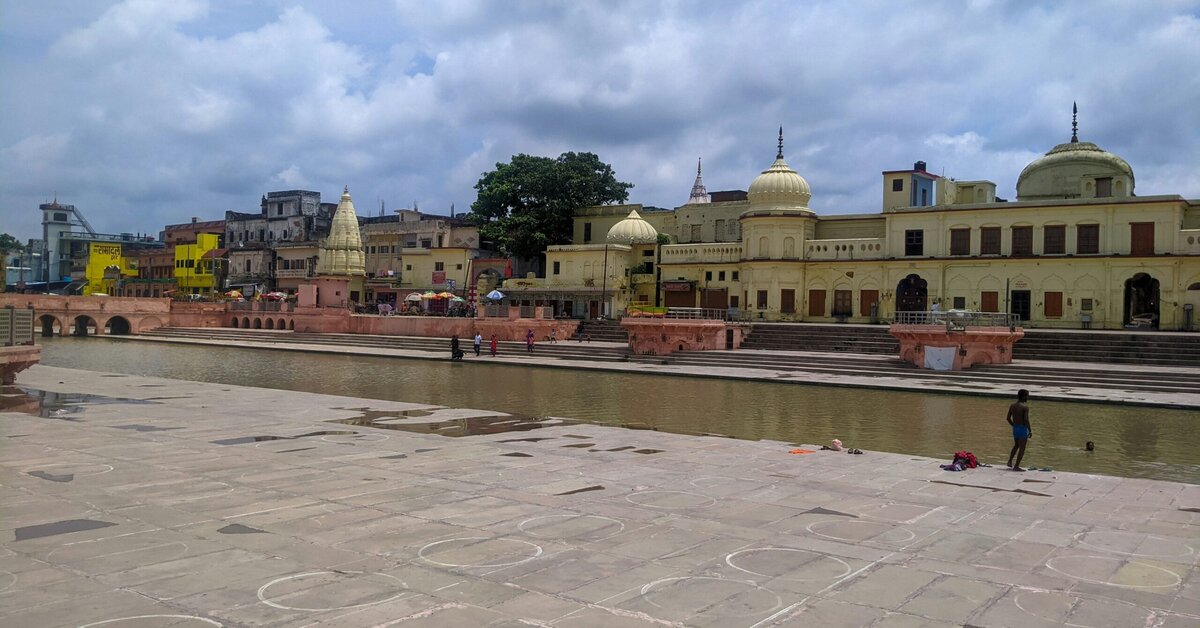
Ayodhya Kanak Bhawan Temple, Imagine stepping into a palace where divinity meets opulence, where every surface seems to shimmer with divine radiance. Welcome to Kanak Bhawan, one of Ayodhya’s most enchanting temples, literally translating to “Golden House.” This isn’t just another temple in the holy city—it’s a magnificent tribute to divine love, conjugal harmony, and the eternal bond between Lord Rama and Goddess Sita.
Kanak Bhawan stands out among Ayodhya’s numerous temples not just for its stunning golden appearance, but for the deeply personal story it represents. Unlike temples built to commemorate victories or philosophical teachings, this one celebrates something universally human yet divinely perfect—the sacred union of marriage. As you approach its gleaming facade, you can’t help but feel you’re about to witness something extraordinary, a place where heaven literally touched earth through the marriage of the divine couple.

The story of Kanak Bhawan begins with an act of maternal love. According to ancient legends, when Lord Rama married Sita in a grand ceremony that united the kingdoms of Ayodhya and Mithila, his stepmother Queen Kaikeyi was overwhelmed with joy. In her delight and affection for the newlywed couple, she presented them with this magnificent palace as a wedding gift—a “Kanak Bhawan” or golden house befitting their divine status.
This origin story carries profound meaning. Despite Kaikeyi’s later role in sending Rama into exile (a decision that brought her eternal infamy), this earlier act of generosity reminds us of her initial love for Rama. The temple thus represents a moment frozen in time, before tragedy struck, when happiness and hope filled the royal family. It’s a poignant reminder that people are complex, capable of both great kindness and devastating mistakes.
The Ramayana and various Puranas mention the special dwelling place of Rama and Sita in Ayodhya, though specific architectural details are often left to interpretation. Local traditions in Ayodhya have long identified this site as that very residence, passing down stories through generations of priests and devotees.
According to some legends, this was where Sita would spend her private moments, adorning herself and preparing for various court ceremonies. The temple is thus intimately connected to Sita’s personal life, making it especially sacred to devotees who revere her as the ideal of feminine virtue, strength, and devotion. Other stories speak of the divine couple receiving blessings and gifts from various sages and celestial beings right at this location, making the ground itself sacred.
The first thing that captures your attention about Kanak Bhawan is its stunning exterior. The temple earns its name from the generous use of gold plating and golden paint that adorns its structure. The facade gleams brilliantly in sunlight, creating an almost ethereal glow that seems to announce the divine presence within.
The architectural style reflects traditional North Indian temple design with distinct Rajasthani influences, featuring ornate domes, detailed spires, and intricately carved pillars. The combination of red and gold colors creates a regal appearance that immediately communicates this isn’t merely a place of worship—it’s a palace for the divine king and queen. The exterior walls feature beautiful paintings and carvings depicting scenes from the Ramayana, turning the temple surface into a storytelling medium.
Step inside Kanak Bhawan, and you enter a realm of unparalleled beauty. The interior is a masterpiece of religious art, with every inch thoughtfully decorated. The walls are adorned with intricate paintings showing various episodes from Rama and Sita’s life—their meeting, wedding, forest exile, separation, reunion, and coronation. These aren’t just decorations; they’re visual scriptures that tell the epic story to devotees, including those who cannot read.
The ceiling features elaborate designs with floral patterns, geometric shapes, and divine symbols. Crystal chandeliers hang from above, casting a soft, ethereal light throughout the sanctum. The floor, made of pristine marble, reflects the golden glow from the walls, creating an atmosphere that feels both grounded and heavenly. Belgian glass mirrors embedded in the walls multiply the light and create an illusion of infinite space, symbolizing the boundless nature of divine love.
The strong Rajasthani architectural influence at Kanak Bhawan isn’t accidental. The temple’s current structure was largely built and renovated by members of Rajasthani royal families, particularly Queen Vrishbhanu Kunwari of Orchha in the 19th century. She brought artisans from Rajasthan who infused the temple with their distinctive style.
This Rajasthani touch is visible in the haveli-style architecture, the use of vibrant colors, the mirror work, and the detailed miniature paintings that cover the walls. The blend of Awadhi and Rajasthani styles creates something unique—a temple that honors local traditions while incorporating artistic excellence from across regions, much like how Rama’s kingdom welcomed people from all lands.
The main sanctum houses the beautiful idols of Lord Rama and Goddess Sita, depicted in their royal attire. What makes these idols particularly special is how they’re presented—as a divine married couple in their palace, not as ascetics or warriors. Rama wears the attire of a king, while Sita is adorned as a queen, both radiating regal dignity and divine grace.
The idols are crafted with exquisite attention to detail, with perfectly proportioned features that capture both divine majesty and human warmth. The expressions on their faces convey peace, contentment, and an ineffable quality of divine love. Unlike some temple idols that inspire awe through fierce aspects, these deities invite you into their presence with welcoming warmth.
Perhaps the most distinctive feature of the deities at Kanak Bhawan is their magnificent golden crowns, which give the temple another of its names—”Sone-ka-Ghar” (House of Gold). These aren’t ordinary temple ornaments but elaborately crafted masterpieces studded with precious stones and intricate designs.
The crowns are changed during different festivals and ceremonies, with the temple possessing several sets, each more beautiful than the last. These golden adornments aren’t just decorative—they symbolize the royal status of Rama as the rightful king of Ayodhya and Sita as his queen. For devotees, seeing the divine couple in their crowns fulfills the desire to witness them in their full royal glory, as they would have appeared during their earthly reign.
While Rama and Sita are the primary deities, the temple complex also houses shrines to other divine figures. You’ll find idols of Lakshmana and Bharata (Rama’s brothers), and Hanuman, the devoted servant who played such a crucial role in Rama’s life. Some sections of the temple also feature representations of various avatars of Lord Vishnu, reminding visitors of the larger cosmic context of Rama’s incarnation.
Each of these subsidiary shrines maintains its own ritual schedule, and devotees often circumambulate the entire complex, offering prayers at each shrine. This creates a complete darshan experience, allowing pilgrims to pay respects to the entire divine family and their most devoted followers.
The exact date of Kanak Bhawan’s original establishment remains lost in the mists of time. According to tradition, a temple or structure marking this location has existed since ancient times, shortly after the events described in the Ramayana. However, like many sacred sites in India, the original structure likely went through numerous cycles of decay, destruction, and reconstruction over millennia.
Archaeological evidence and historical records become clearer from the medieval period onward. Various rulers and devotees contributed to maintaining the sanctity of this site, even when political circumstances made large-scale construction difficult. The site’s continuous religious significance, despite historical turbulence, testifies to the deep-rooted faith of Ayodhya’s people.
The temple’s current magnificent form owes much to Queen Vrishbhanu Kunwari of Orchha, who undertook extensive reconstruction in 1891. As a deeply devoted follower of Lord Rama, she was distressed to find the temple in a state of disrepair during her pilgrimage to Ayodhya. Moved by devotion and blessed with resources, she funded a complete reconstruction.
Queen Vrishbhanu Kunwari didn’t just rebuild the structure—she transformed it into the architectural masterpiece we see today. She brought master craftsmen from Orchha and Rajasthan, ensuring that every detail reflected devotion and artistic excellence. Her contribution extends beyond physical construction; she established endowments for the temple’s maintenance and daily worship, ensuring its continuous operation for future generations.
In recent decades, Kanak Bhawan has undergone several renovation phases to preserve its beauty and accommodate the growing number of pilgrims. Modern amenities have been added without compromising the temple’s traditional character. Improved lighting systems now highlight the intricate artwork, while better crowd management systems ensure that everyone can have peaceful darshan.
The temple trust actively works to maintain the structure, regularly repainting and repairing areas affected by time and weather. Conservation experts have been consulted to ensure that restoration work follows proper protocols, preserving original artwork while preventing further deterioration. These efforts ensure that future generations will continue to experience the temple’s magnificence.
Kanak Bhawan holds special significance for married couples and those about to marry. The temple is seen as the ultimate symbol of ideal married life, representing the perfect union of Rama and Sita. Their relationship, characterized by mutual respect, unwavering loyalty, and deep love despite tremendous trials, serves as the gold standard for Hindu marriages.
Newly married couples frequently visit Kanak Bhawan to seek blessings for their own marital journey. The belief is that praying together at this temple strengthens the bond between spouses and brings harmony to their relationship. Many families include a visit to Kanak Bhawan as part of their wedding celebrations or first pilgrimage as a married couple.
While the Ramayana doesn’t explicitly name “Kanak Bhawan,” it does describe the magnificent palaces where Rama and his brothers lived with their consorts in Ayodhya. Valmiki’s epic mentions the opulent residences befitting royal princes, decorated with gold and precious gems. The tradition identifies Kanak Bhawan with these scriptural descriptions, seeing it as a physical manifestation of the palace mentioned in the sacred text.
The temple thus serves as a tangible connection to the epic, allowing devotees to feel closer to the actual events of the Ramayana. When you stand in Kanak Bhawan, you’re not just in a temple—you’re in the space where the divine drama unfolded, where Rama and Sita lived as human royalty before their forest exile changed everything.
Local folklore in Ayodhya is rich with stories about Kanak Bhawan. One popular legend tells of how Sita would personally tend to a garden within the palace complex, growing flowers for daily worship. Another story speaks of celestial musicians (Gandharvas) who would perform here during special celebrations, their divine music filling the air.
These folk traditions, passed down through generations of Ayodhya residents, add layers of meaning to the temple experience. They transform the stone and gold structure into a living story, a place where the divine once walked, talked, laughed, and loved. For devotees, these stories aren’t just entertaining tales—they’re sacred history that makes their connection to Rama and Sita more personal and immediate.
The day at Kanak Bhawan begins before sunrise with the Mangala Aarti, a ceremony that “awakens” the deities. This ritual involves devotional songs, ringing of bells, and the waving of lamps before the divine couple. The morning aarti creates an atmosphere of fresh devotion, as if greeting Rama and Sita at the start of a new day.
Throughout the day, various rituals mark different times—Shringar (adornment ceremony), Bhog (offering of food), and several smaller aartis. Each ceremony has its own character and significance. The evening aarti is particularly beautiful, with dozens of lamps creating a golden glow that makes the entire sanctum seem ablaze with divine light. The day concludes with Shayan Aarti, a gentle ceremony that symbolically puts the deities to rest.
Devotees offer various items to the deities—flowers, fruits, sweets, and specially prepared dishes. The priests perform these offerings on behalf of devotees, chanting appropriate mantras and following traditional procedures. After being offered to the deities, these items become prasad, blessed food that is distributed back to devotees.
The prasad from Kanak Bhawan is considered particularly auspicious, believed to carry the blessings of the divine couple. Many devotees save a portion to take home, sharing it with family members who couldn’t make the journey. The act of receiving and consuming prasad creates a tangible connection to the divine, bringing temple blessings into everyday life.
The priests at Kanak Bhawan come from families who have served the temple for generations, carrying forward traditions passed down through centuries. Their deep knowledge of rituals, scriptural verses, and temple history makes them invaluable guides for devotees. They don’t just perform ceremonies mechanically—they embody the living tradition of worship.
These priests can often help devotees book special pujas, explain the significance of various rituals, and answer questions about the temple’s history and legends. Their presence provides continuity, connecting modern pilgrims to an unbroken chain of devotion stretching back centuries. For many visitors, interactions with knowledgeable priests add depth to their temple experience.
Ram Navami, celebrating Lord Rama’s birth, transforms Kanak Bhawan into a hub of joyous celebration. The temple decorates itself elaborately with flowers, lights, and traditional decorations. Special rituals begin days in advance, with continuous recitations of the Ramayana and devotional singing.
On the main day, thousands of devotees gather to celebrate their beloved lord’s birth. The temple conducts elaborate abhisheks (ritual baths) of the deities, using milk, honey, yogurt, ghee, and sacred water from the Saryu river. The atmosphere is electric with devotion, as everyone present shares in the joy of Rama’s birth. Special prasad is distributed, and the celebrations continue late into the night.
Vivah Panchami, which commemorates Rama and Sita’s wedding, holds special significance at Kanak Bhawan. After all, this temple was gifted to celebrate that very wedding. The festival typically falls in November or December, and the temple recreates the divine wedding ceremony with great pomp and detail.
The deities are dressed in special bridal attire, with Sita adorned in elaborate jewelry and wedding garments, and Rama dressed as the divine groom. Priests conduct the wedding ceremony following traditional Vedic rituals, with devotees serving as witnesses to this sacred union. The celebration includes processions, devotional music, and distribution of special wedding prasad. For many devotees, witnessing this annual wedding re-enactment is a profoundly moving spiritual experience.
Diwali, the festival of lights, has unique significance in Ayodhya as it marks Lord Rama’s return to the city after fourteen years of exile. At Kanak Bhawan, the celebration is spectacular. The entire temple complex illuminates with thousands of earthen lamps (diyas), creating a magical golden glow that seems to bring the temple’s name to life.
The deities are dressed in special festive attire, and the temple conducts special lakshmi pujas, since Diwali also celebrates the goddess of wealth. Fireworks light up the Ayodhya sky, devotional songs fill the air, and the atmosphere is one of pure celebration. For pilgrims present during Diwali, the experience of witnessing Ayodhya’s celebrations is unforgettable—it’s said that you haven’t truly experienced Diwali until you’ve celebrated it in Rama’s own city.
Visitors to Kanak Bhawan often report profound emotional and spiritual experiences. Many describe an immediate sense of peace washing over them as they enter the sanctum. The atmosphere seems charged with something intangible yet unmistakable—perhaps centuries of accumulated devotion, perhaps divine presence itself.
Some devotees experience tears of joy or devotion welling up spontaneously. Others feel a deep sense of coming home, as if they’re in the presence of beloved family members. The experience varies from person to person, but there’s a common thread—the feeling that something sacred and real is happening here, that the boundary between the material and spiritual worlds has become thin.
Like all major pilgrimage sites, Kanak Bhawan has its share of miracle stories. Devotees speak of prayers answered in unexpected ways—barren couples conceiving after sincere prayers, troubled marriages finding harmony, difficult family situations resolving peacefully. The temple is particularly associated with blessings for marital happiness and family welfare.
Whether these are literal miracles or the power of faith manifesting positive outcomes, the stories persist and multiply. Temple priests can recount hundreds of instances where devotees returned to express gratitude for blessings received. These testimonials, passed between pilgrims, add to the temple’s reputation as a particularly powerful place for divine intervention.
Kanak Bhawan is centrally located in Ayodhya, approximately 2 kilometers from the main railway station. The temple sits near other major sites like Ram Janmabhoomi and Hanuman Garhi, making it easy to include in a comprehensive pilgrimage circuit of Ayodhya’s sacred sites.
If you’re arriving by train, Ayodhya Junction is well-connected to major cities across India. From the station, auto-rickshaws and cycle-rickshaws can take you directly to Kanak Bhawan for a nominal fare. If coming by road, Ayodhya is accessible via well-maintained highways from Lucknow (about 130 km away) and other nearby cities. For air travelers, Lucknow’s international airport is the nearest, followed by a two-to-three-hour road journey to Ayodhya.
Kanak Bhawan generally opens to devotees around 6:00 AM and closes at approximately 8:00 PM, though these timings can vary slightly with seasons and special occasions. The morning hours (6:00-9:00 AM) and evening aarti time (around 7:00 PM) see larger crowds but offer the most spiritually charged atmosphere.
If you prefer a quieter experience with more time for personal prayer and contemplation, mid-morning (around 10:00 AM) or early afternoon (2:00-4:00 PM) typically see fewer visitors. However, avoid visiting during the afternoon break period (usually 12:00-3:00 PM during summer months) when the temple might close for a few hours. Always check current timings before planning your visit, especially during festivals when schedules change.
Entry to Kanak Bhawan is free, though donations for temple maintenance are always appreciated and go toward preserving this architectural treasure. There’s no formal ticket system, but during peak times and festivals, the temple may implement queue systems to manage crowds and ensure everyone gets proper darshan.
Shoes must be removed before entering the temple complex, with dedicated shoe-keeping facilities available (usually free or for a small charge). Mobile phones should be on silent, and photography inside the main sanctum is generally restricted—always ask permission before taking photos. Touching the main idols is not permitted, though you can offer prayers from the designated devotee area. The temple appreciates modest dress—covered shoulders and knees are expected, and traditional Indian attire is ideal.
The temple complex includes well-maintained gardens that provide a peaceful space for quiet reflection before or after your darshan. These gardens, with their flowering plants, shaded sitting areas, and tranquil atmosphere, offer a welcome respite from the bustle of temple crowds.
According to tradition, these gardens echo the original gardens where Sita herself once walked. Whether historically accurate or not, this belief makes the garden stroll a meditative experience. Many devotees spend time here reading sacred texts, discussing spiritual matters, or simply sitting in quiet contemplation. The combination of natural beauty and spiritual atmosphere creates an ideal environment for inner peace.
The main temple is surrounded by various smaller structures and facilities that support temple operations and enhance the pilgrim experience. There are areas for performing special pujas, offices where you can book ceremonies, and halls where religious discourses and bhajans take place regularly.
The temple complex also includes a small museum displaying historical photographs, artifacts related to the temple’s history, and artistic depictions of scenes from the Ramayana. Exploring these surrounding areas adds depth to your understanding of the temple’s significance and the broader cultural context of Rama worship in Ayodhya.
No visit to Kanak Bhawan is complete without also visiting Ram Janmabhoomi, the birthplace of Lord Rama, located just about 1 kilometer away. The newly constructed grand temple complex at Ram Janmabhoomi has become one of the most significant pilgrimage destinations in India. The proximity of these two sites allows pilgrims to experience both the birthplace and the palace of Lord Rama in a single journey.
The two temples complement each other beautifully—Ram Janmabhoomi represents Rama’s divine incarnation and beginning, while Kanak Bhawan represents his married life and kingship. Together, they provide a more complete picture of Rama’s earthly sojourn.
Hanuman Garhi, the fortress-temple dedicated to Lord Hanuman, sits about 2 kilometers from Kanak Bhawan. This imposing structure, perched atop a hill with its famous 76 steps, offers a completely different but equally powerful spiritual experience. According to tradition, pilgrims should visit Hanuman Garhi before Ram Janmabhoomi—after all, you greet the devoted servant before approaching the master.
Including Hanuman Garhi in your Ayodhya pilgrimage creates a meaningful spiritual circuit: first seeking Hanuman’s blessings for devotion, then visiting Rama’s birthplace, and finally witnessing the divine couple’s palace at Kanak Bhawan. This progression takes you through different aspects of the Ramayana story and Hindu devotional tradition.
The ideal time to visit Kanak Bhawan is during the winter months from October to March, when Ayodhya’s weather is pleasant and comfortable. Daytime temperatures remain moderate, making temple visits and walking between sites much more enjoyable. The clear winter skies also provide better lighting for appreciating the temple’s golden architecture.
However, if you want to experience the temple during major festivals, plan for Ram Navami (March-April), Vivah Panchami (November-December), or Diwali (October-November). These periods offer the most vibrant atmosphere, though you’ll need to contend with larger crowds and book accommodation well in advance. Summer months (April-June) can be extremely hot, while monsoon season (July-September) brings heavy rainfall that might affect your travel plans.
Photography policies at religious sites require careful attention. At Kanak Bhawan, you can generally photograph the exterior architecture and the temple gardens freely. These golden facades and intricate designs make for stunning photographs, especially during golden hour (early morning or late afternoon) when natural light enhances the golden glow.
However, photography inside the main sanctum is typically prohibited or requires special permission from temple authorities. This restriction preserves the sanctity of the inner worship areas and protects the privacy of devotees in prayer. Even where photography is allowed, be respectful—avoid using flash during ceremonies, don’t obstruct other devotees’ darshan for the sake of photos, and never photograph priests or fellow pilgrims without their explicit permission.
Ayodhya offers accommodation options ranging from basic pilgrim rest houses to comfortable hotels. For those seeking authentic pilgrimage experiences, numerous dharamshalas near Kanak Bhawan provide clean, basic accommodation at very affordable rates—some even offer free lodging to genuine pilgrims. These facilities allow you to stay close to the temple and immerse yourself fully in the spiritual atmosphere.
For travelers preferring more amenities, several mid-range and premium hotels have opened in recent years, offering modern facilities, air conditioning, and western-style bathrooms while maintaining proximity to major temples. Popular areas to stay include neighborhoods near Ram Janmabhoomi, the railway station area, and along the Saryu river. During festival seasons, booking well in advance—ideally several months ahead—is essential, as accommodation fills up quickly.
Kanak Bhawan isn’t just a religious site—it’s woven into the cultural fabric of Ayodhya itself. The temple influences local art, with painters and craftsmen drawing inspiration from its golden beauty and the divine couple it honors. Local markets sell miniature replicas, paintings, and crafts depicting Kanak Bhawan, spreading its aesthetic influence far beyond the temple grounds.
The temple also plays a significant economic role. It employs priests, maintenance workers, security personnel, and administrative staff from local families. The steady flow of pilgrims supports numerous small businesses—flower sellers, prasad vendors, accommodation providers, and transportation services. Festival times bring economic booms to local communities, with increased business for everyone from street food vendors to hotel owners.
Beyond economics, Kanak Bhawan serves as a cultural anchor, preserving traditional rituals, classical devotional music, and ancient architectural techniques. The temple’s commitment to maintaining traditional worship styles and classical arts helps keep these cultural practices alive in an increasingly modern world. Young priests learn ancient Sanskrit verses and ritual procedures here, ensuring these traditions pass to future generations.
Ayodhya’s Kanak Bhawan stands as a golden testament to divine love, marital harmony, and the enduring power of devotion. This magnificent temple, with its shimmering facades and richly adorned deities, offers more than just visual splendor—it provides a tangible connection to one of Hinduism’s most beloved divine couples.
From its legendary origins as Queen Kaikeyi’s wedding gift to its modern role as a major pilgrimage destination, Kanak Bhawan has remained constant in an ever-changing world. The temple reminds us of timeless values—the sanctity of marriage, the beauty of unwavering love, and the possibility of divine grace entering human life. Whether you visit as a devout pilgrim seeking blessings for your own marriage, a spiritual seeker exploring India’s sacred geography, or simply someone appreciating magnificent religious architecture, Kanak Bhawan rewards your visit with beauty, peace, and profound meaning.
As you leave the golden temple, descending its steps back into ordinary life, you carry something precious—perhaps a blessing for your own relationships, perhaps renewed faith in love’s enduring power, or perhaps simply the memory of standing in a place where the divine once dwelt in human form. In our complicated modern world, places like Kanak Bhawan serve as anchors, reminding us that some things—love, devotion, beauty, and faith—remain eternally valuable, eternally golden.
Kanak Bhawan is called the Golden Temple because “Kanak” means gold in Sanskrit, and the temple features extensive use of gold plating, gold paint, and golden decorations throughout its structure. The name “Sone-ka-Ghar” (House of Gold) specifically refers to the magnificent golden crowns worn by the deities of Lord Rama and Goddess Sita. The temple’s exterior and interior both feature golden hues that give it a distinctive, radiant appearance, especially striking when illuminated by sunlight or during evening ceremonies.
Absolutely! Kanak Bhawan welcomes all devotees regardless of marital status. While the temple holds special significance for married couples and those seeking blessings for marital harmony, unmarried people, children, and people of all life stages regularly visit and receive blessings. Young people seeking good life partners often pray here, families bring children for blessings, and individual devotees come simply to have darshan of Lord Rama and Sita. The temple’s message of divine love and devotion speaks to everyone, not just married couples.
Kanak Bhawan offers various special pujas that devotees can book through the temple office. These include special aartis, abhisheks (ritual baths of the deities), and customized prayer ceremonies for specific intentions like marriage blessings, family harmony, or general well-being. Devotees can also offer flowers, fruits, sweets, and traditional items like coconuts and sindoor (vermillion). During festivals, special ceremonial pujas are conducted that devotees can sponsor. It’s best to inquire at the temple office about available options, appropriate offerings, and associated donations for specific pujas.
Kanak Bhawan is unique in several ways. First, it specifically celebrates the married life of Rama and Sita, depicting them as royal couple in their palace rather than as exiles or warriors. Second, its architectural style combines Awadhi and Rajasthani influences, creating a distinctive aesthetic different from other Ayodhya temples. Third, the temple was gifted by a stepmother to her stepson—a story of familial love. Finally, its golden appearance and the famous golden crowns of the deities make it visually distinctive. While temples like Ram Janmabhoomi mark Rama’s birth and Hanuman Garhi celebrates devoted service, Kanak Bhawan focuses on the ideal of marital love and partnership.
While Kanak Bhawan doesn’t enforce a strict formal dress code, modest clothing is expected and appreciated as with all Hindu temples. Both men an women should ensure their shoulders and knees are covered. Traditional Indian attire like sarees, salwar-kameez, kurta-pajama, or dhoti is ideal and culturally appropriate. Western clothing is acceptable if modest—avoid shorts, short skirts, sleeveless tops, or revealing clothing. Remove shoes before entering the temple premises (shoe-keeping facilities are available). Following these simple guidelines shows respect for the sacred space and enhances your own spiritual experience by aligning with the temple’s devotional atmosphere.

Comments are closed.