Your cart is currently empty!
You may check out all the available trips and book one that suits you.
Continue Browsing Trips

Ayodhya Ghats A Spiritual Experience , Have you ever stood at the edge of a river and felt the weight of centuries wash over you? The ghats of Ayodhya along the sacred Sarayu River offer precisely that experience—a timeless connection between earth and water, between the mundane and the divine. These ancient stone steps descending into the holy waters aren’t just architectural features; they’re spiritual gateways that have witnessed countless prayers, rituals, and moments of profound transformation.
The Sarayu River, flowing gracefully through the heart of Ayodhya, is more than just a geographical feature. In Hindu tradition, rivers are considered living goddesses, purifying forces that cleanse not just the body but the very soul. The Sarayu holds a particularly revered place because of its intimate connection with Lord Rama, making the ghats along its banks some of the most spiritually charged spots in all of India. Whether you’re a devout pilgrim seeking divine blessings or a traveler hungry for authentic cultural experiences, Ayodhya’s ghats offer something truly extraordinary.
The Sarayu River flows not just through the landscape of Uttar Pradesh but through the very fabric of Hindu mythology. According to ancient legends, the river emerged from Lord Brahma’s celestial water pot, making it divine in its very origins. Some texts describe it as a manifestation of the goddess Saraswati herself, flowing in earthly form to bless the land where Lord Rama would be born.
The river’s name—Sarayu—derives from Sanskrit roots meaning “flowing” or “mobile,” perfectly capturing its eternal movement and life-giving nature. Local folklore is rich with stories of sages who meditated on its banks, of celestial beings who bathed in its waters, and of the river’s miraculous powers to grant wishes and wash away sins. These aren’t just quaint tales but living beliefs that continue to draw millions to its shores.
The Sarayu River receives prominent mention in various Hindu scriptures, most notably in Valmiki’s Ramayana. The epic describes the river flowing through Ayodhya, providing water to the city and serving as a site for royal ceremonies and public celebrations. The text paints vivid pictures of the river’s beauty—its clear waters, blooming lotuses, and the joyous sounds of people bathing and playing along its banks.
Other ancient texts like various Puranas also reference the Sarayu, often listing it among India’s most sacred rivers alongside the Ganga, Yamuna, and Godavari. The Padma Purana specifically mentions the spiritual merit gained by bathing in the Sarayu, particularly during auspicious occasions. These scriptural references have cemented the river’s status in Hindu religious consciousness for millennia.
The Sarayu’s most profound significance lies in its intimate connection with Lord Rama. This was the river of his childhood, where the young prince likely played and learned swimming. It was along these banks that Ayodhya’s citizens celebrated his return from exile, lighting thousands of lamps that reflected on the water’s surface—the original Diwali celebration.
Most poignantly, according to the Ramayana, the Sarayu was where Lord Rama concluded his earthly journey. When it was time for him to return to his divine form, Rama walked into the Sarayu’s waters at Guptar Ghat, merging with the cosmic consciousness. This makes the river not just a witness to Rama’s life but the gateway of his departure, investing every drop of its water with profound spiritual significance. For devotees, bathing in the Sarayu means touching the same waters that embraced their beloved lord.
Ghats are more than just steps leading to water—they’re sacred interfaces between the terrestrial and the transcendent. In Hindu philosophy, water represents purification, transition, and life itself. Ghats provide structured access to this purifying element, creating spaces where spiritual practices can unfold safely and reverently.
A ghat becomes truly sacred through association—with deities, with historical events, with centuries of accumulated devotion. The stones of ancient ghats have absorbed millions of prayers, witnessed countless rituals, and facilitated transformation for generations of seekers. This accumulated spiritual energy makes them powerful places where the veil between the material and spiritual worlds feels remarkably thin.
Ayodhya’s ghats have evolved significantly over centuries. Archaeological evidence suggests that stone ghats existed here since ancient times, though their exact forms have changed through cycles of construction, flood damage, and rebuilding. During the medieval period, various rulers and wealthy devotees contributed to ghat construction and maintenance, each adding their architectural signature.
Historical records describe how different dynasties—from the ancient Ikshvaku dynasty (Rama’s lineage) through medieval rulers to the Nawabs of Awadh—invested in these riverfront structures. Each era brought its architectural style, yet the fundamental purpose remained constant: providing devotees access to the holy river for bathing, prayers, and rituals.
In recent years, Ayodhya’s ghats have undergone dramatic transformation. The government has invested significantly in beautification, modernization, and expansion projects aimed at accommodating growing numbers of pilgrims while preserving the ghats’ spiritual character. These developments include widening of steps, improved lighting systems, better crowd management infrastructure, and enhanced safety features.
The redevelopment hasn’t just focused on physical structures. Environmental cleanup of the Sarayu River itself has been prioritized, with sewage treatment plants and pollution control measures implemented. The goal is to create world-class pilgrimage facilities that honor tradition while meeting contemporary standards of hygiene, safety, and accessibility. The result is a riverfront that now rivals the famous ghats of Varanasi in both beauty and spiritual atmosphere.
Ram Ghat stands as the most prominent and beautiful of Ayodhya’s riverfront structures. Recent redevelopment has transformed it into a stunning architectural masterpiece featuring wide stone steps that cascade gracefully into the Sarayu’s waters. The ghat stretches impressively along the riverbank, capable of accommodating thousands of devotees simultaneously.
The architecture blends traditional Indian design elements with modern engineering. Ornate pavilions with elegant pillars provide shaded areas for rest and contemplation. Beautiful carvings depicting scenes from the Ramayana adorn various structures. The ghat is illuminated by thousands of LED lights that create a magical atmosphere during evening hours, making it not just functional but aesthetically breathtaking.
Ram Ghat derives its name and significance from its association with Lord Rama. Tradition holds that this was one of the primary bathing spots for Ayodhya’s royal family, including Rama himself. Today, it serves as the main venue for large religious gatherings, festivals, and the famous evening aarti that draws crowds from across the world.
The ghat is considered particularly auspicious for performing rituals for deceased ancestors (pind daan) and for taking holy dips during festivals. Many devotees believe that bathing here with sincere devotion can wash away sins and grant moksha (liberation). The spiritual energy is palpable, especially during early morning and evening hours when serious practitioners gather for prayers and meditation.
Guptar Ghat holds perhaps the most profound significance among all of Ayodhya’s ghats. “Guptar” means hidden or secret, and this ghat marks the sacred spot where Lord Rama is believed to have taken jal samadhi—entering the water to leave his mortal form and return to his divine essence. This makes it one of the most emotionally charged locations in Hindu pilgrimage.
The ghat features a temple dedicated to Lord Rama right at the spot of his departure. Devotees come here not just to bathe but to contemplate the deeper mysteries of life, death, and divine incarnation. The atmosphere carries a bittersweet quality—joy at Rama’s divine nature mixed with sorrow at his earthly departure. Many pilgrims shed tears here, moved by the profound love they feel for Rama and the poignancy of this final earthly location.
Naya Ghat, meaning “New Ghat,” represents Ayodhya’s modern expansion of its riverfront facilities. Built with contemporary needs in mind, this ghat features better accessibility, including ramps for elderly and differently-abled visitors. It provides additional space during peak pilgrimage seasons when traditional ghats overflow with devotees.
While newer in construction, Naya Ghat has quickly been embraced by the pilgrim community. Its modern facilities—clean changing rooms, drinking water stations, and well-maintained steps—make the ritual bathing experience more comfortable without diminishing its spiritual significance. The ghat proves that tradition and modernity can coexist harmoniously when development is undertaken with sensitivity and respect.
Beyond these major ghats, several smaller ones dot the Sarayu’s banks, each with its own character and local following. Lakshman Ghat is associated with Lord Rama’s devoted brother. Janki Ghat honors Sita. Various other ghats serve specific communities or were built by different royal patrons over centuries.
Each ghat has its regular devotees—local residents who’ve been coming to the same spot for generations, maintaining personal and family connections to specific locations. These smaller ghats often provide more intimate spiritual experiences, away from the crowds that gather at Ram Ghat, offering peaceful spots for contemplation and prayer.
Taking a holy dip in the Sarayu is considered one of the most purifying acts a Hindu can perform. The practice, known as “snan,” is believed to cleanse not just physical dirt but karmic impurities accumulated through lifetimes. Devotees approach the water with reverence, often chanting prayers and making offerings before immersing themselves.
The ritual isn’t just symbolic—many believers report feeling genuinely lighter, cleaner, and more peaceful after bathing in the sacred river. Whether this comes from divine grace, the psychological power of ritual, or simply the refreshing experience of natural water, the transformative effect is real for those who approach it with sincere faith. The practice connects modern pilgrims to an unbroken chain of devotion stretching back thousands of years.
Early mornings at Ayodhya’s ghats offer a completely different atmosphere from the bustling daytime crowds. As the sun rises over the Sarayu, the ghats come alive with spiritual practices. Devotees gather for Surya Namaskar (sun salutations), offering prayers to the rising sun while standing in the shallow waters.
Increasingly, organized yoga sessions have become common at the ghats, with instructors leading groups through asanas (postures) and pranayama (breathing exercises). The combination of ancient yoga practices, the sacred river setting, and the fresh morning air creates an ideal environment for physical and spiritual wellness. These morning gatherings build community among participants, creating connections between pilgrims who might otherwise never meet.
Deepotsav, Ayodhya’s festival of lights, transforms the ghats into scenes of breathtaking beauty. Celebrated around Diwali, this festival commemorates Lord Rama’s return to Ayodhya after fourteen years of exile. The ghats illuminate with hundreds of thousands of earthen lamps (diyas), creating a golden glow that reflects magnificently on the river’s surface.
The Deepotsav evening aarti is a spectacular ceremony involving priests, elaborate rituals, devotional music, and the participation of thousands of devotees. The sight of countless flames flickering against the twilight sky, their reflections dancing on the water, creates a mystical atmosphere that seems to transport you to ancient times. Many visitors describe Deepotsav as one of the most beautiful spiritual experiences India offers.
Even outside festival periods, the daily evening aarti at Ram Ghat is a not-to-be-missed experience. As dusk settles over Ayodhya, priests dressed in traditional attire perform elaborate rituals with large multi-tiered lamps. The synchronized movements, the rhythmic chanting, the sound of bells and conches, and the fragrance of incense create a multi-sensory spiritual experience.
The aarti isn’t just a performance—it’s a living prayer, an offering of light to the divine, and an invitation for blessings to descend. Devotees stand with folded hands, many with tears streaming down their faces, completely absorbed in devotion. The collective energy of hundreds or thousands of people praying together creates something powerful and palpable that touches even skeptical observers.
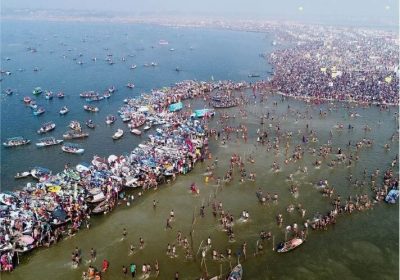
Kartik Purnima, the full moon day in the Hindu month of Kartik (October-November), is considered one of the most auspicious days for bathing in the Sarayu. This festival attracts massive crowds of pilgrims who believe that bathing on this day brings exceptional spiritual merit and washes away accumulated sins.
The ghats overflow with humanity on Kartik Purnima—families, sadhus (holy men), elderly pilgrims who’ve saved for years to make this journey, and everyone in between. The atmosphere is simultaneously chaotic and deeply spiritual, with the air filled with devotional chants, the splashing of water, and the joyous energy of shared faith. Special rituals and ceremonies continue throughout the day and night, culminating in a spectacular evening aarti.
Diwali in Ayodhya is unlike Diwali anywhere else in India. This is, after all, the original Diwali—the city where citizens first lit lamps to welcome Lord Rama home. The ghats become the focal point of celebrations, with the Sarayu’s waters reflecting millions of lights from lamps placed along the banks and set afloat on the river.
The celebrations span several days, with each evening bringing elaborate ceremonies, cultural performances, and devotional gatherings. The Guinness World Record for most oil lamps lit simultaneously has been broken here multiple times, with over 600,000 diyas illuminating the city. For anyone seeking to experience the true spirit of Diwali, Ayodhya’s ghats during this festival offer an unparalleled experience.
Ram Navami, celebrating Lord Rama’s birth, transforms the ghats into massive congregation areas. Devotees gather in their thousands to celebrate their beloved deity’s appearance in the world. The ghats host continuous recitations of the Ramayana, devotional singing, and various ceremonies throughout the day.
Many devotees take ritual baths before proceeding to nearby temples for darshan. The connection between the river and the temples creates a natural pilgrimage circuit, with the Sarayu serving as both the starting point and spiritual cleanser before temple visits. The atmosphere is one of pure celebration—joy at Rama’s birth, gratitude for his teachings, and happiness in the community of fellow devotees.
There’s something profoundly moving about witnessing sunrise at Ayodhya’s ghats. As the first rays of sun break over the horizon, they paint the river in shades of gold, pink, and orange. The water transforms into liquid light, and for a moment, you understand why ancient peoples worshipped the sun as divine.
Early morning bathers wade into the water, silhouetted against the brightening sky. The sound of prayer bells mixes with bird calls and the gentle lapping of water. Temple spires across the river catch the light and seem to glow. In these moments, you experience Ayodhya as pilgrims have for thousands of years—a city awakening in prayer, a river offering its blessings, and a human soul opening to something greater than itself.
If sunrise is contemplative, evening at the ghats is celebratory. As daylight fades, the ghats gradually illuminate with artificial lights that create their own magical atmosphere. The crowds grow as people finish their daily activities and gather for the evening aarti. Street vendors appear with offerings of flowers, lamps, and prasad.
The evening brings a different energy—more social, more communal. Families sit together on the steps, children play near the water under watchful eyes, elderly couples share quiet conversations. The river reflects the city lights, creating a mirror image that blurs the line between earth and sky. When the aarti begins, all this activity focuses into collective devotion, creating a powerful sense of community and shared purpose.
Experiencing the ghats from the water itself offers a completely different perspective. Boat rides on the Sarayu allow you to see the entire riverfront panorama—the continuous line of ghats, the temples rising behind them, and the city sprawling beyond. From the river, you understand Ayodhya’s geography and its intimate relationship with water.
Evening boat rides during aarti are particularly special. Floating on the river while lamps burn along the ghats, devotional music drifts across the water, and incense smoke rises into the twilight creates an almost dreamlike experience. Many visitors describe these boat rides as their most memorable Ayodhya moments—times when they felt completely transported from ordinary existence into something timeless and sacred.
The ghats aren’t just spiritual spaces—they’re vibrant social environments. Street vendors line the approaches to the ghats, creating bustling marketplaces filled with color, fragrance, and energy. These vendors offer everything pilgrims might need: flowers for offerings, incense sticks, small lamps, religious pictures, and devotional items.
Food vendors provide sustenance for hungry pilgrims. You’ll find traditional vegetarian snacks, sweets, and refreshing drinks. Trying local specialties like peda (milk sweet), samosas, kachoris, and fresh sugarcane juice becomes part of the complete pilgrimage experience. These vendors are often multi-generational businesses, with families who’ve served pilgrims at these same spots for decades, creating continuity and tradition even in commercial interactions.
Shopping at the ghats offers opportunities to take home tangible reminders of your pilgrimage. Small shops sell idols of Lord Rama and other deities, decorative lamps, prayer beads (malas), religious books, and recordings of devotional music. More mundane items like sacred thread, tilak (forehead marks), and traditional clothing are also available.
For many pilgrims, purchasing these items isn’t mere souvenir shopping—it’s acquiring sacred objects that will remind them of their journey and maintain spiritual connection once they return home. A small Rama idol from Ayodhya’s ghats, placed in a home altar, becomes a permanent link to this holy place.
The ghats frequently host traditional music performances, particularly during festivals. Classical devotional singers perform bhajans (devotional songs), often accompanied by harmonium and tabla. These aren’t commercial performances but genuine acts of devotion—musicians offering their art to the divine and sharing it with fellow devotees.
You might also encounter traveling performers sharing stories from the Ramayana through song, dance, or theatrical presentations. These folk traditions keep ancient stories alive in accessible, entertaining forms. Watching a skilled storyteller hold a crowd spellbound with tales of Rama’s adventures reminds you that these aren’t just myths—they’re living narratives that continue to shape culture and consciousness.
The transformation of Ayodhya’s ghats represents one of India’s most ambitious religious infrastructure projects. The government has invested hundreds of crores in developing world-class facilities while preserving the area’s spiritual character. The vision is to create a riverfront that honors tradition while meeting the needs of modern pilgrims.
These initiatives go beyond mere construction. They involve urban planning, heritage conservation, environmental protection, and community development. The goal is holistic improvement that benefits both pilgrims and local residents, creating sustainable infrastructure that will serve generations to come.
Concrete improvements include widened and strengthened ghat steps, improved drainage systems, modern lighting, CCTV surveillance for safety, and well-maintained public facilities. Approach roads have been improved, parking facilities expanded, and signage installed to help visitors navigate easily.
Perhaps most significantly, the riverfront has been extended and beautified with landscaped gardens, walking paths, and sitting areas. These improvements make the ghats accessible to more people, including elderly visitors and families with young children who might have struggled with older, steeper ghat structures. The developments prove that accessibility and spirituality need not be mutually exclusive.
Recognizing that a polluted river cannot fulfill its spiritual purpose, significant efforts have focused on cleaning the Sarayu. Sewage treatment plants prevent untreated waste from entering the river. Regular cleaning drives remove physical debris. Awareness campaigns educate both residents and visitors about keeping the river clean.
These environmental efforts reflect a growing understanding that spirituality must include ecological consciousness. The river is worshipped as a goddess—polluting her is sacrilege. The conservation initiatives thus serve dual purposes: environmental protection and preservation of religious sanctity. The gradually improving water quality allows devotees to bathe with greater confidence in the river’s purity.
Ayodhya’s ghats are easily accessible from anywhere in the city. If arriving by train at Ayodhya Junction railway station, the ghats are approximately 3-4 kilometers away, reachable by auto-rickshaw, cycle-rickshaw, or taxi in about 15-20 minutes. Many pilgrims prefer walking, making the journey itself part of their spiritual practice.
From the main temple areas like Ram Janmabhoomi or Hanuman Garhi, the ghats are within 2-3 kilometers. The walk takes you through Ayodhya’s charming streets, passing smaller temples, traditional shops, and residential areas that give you glimpses of daily life in this holy city. Clear signage now guides visitors, making navigation straightforward even for first-time visitors.
For the most powerful spiritual experience, visit during sunrise (around 5:30-7:00 AM) or evening aarti time (usually 6:00-7:30 PM, varying by season). These times offer the most beautiful visual experiences and the strongest devotional atmosphere. The ghats are less crowded mid-morning or early afternoon if you prefer a quieter, more contemplative visit.
Season-wise, winter months (October to March) provide the most comfortable weather. The monsoon season (July-September) brings heavy rains that can make ghat steps slippery and activities limited. Summer months (April-June) can be intensely hot, though early morning and evening visits remain manageable. Festival times like Diwali, Ram Navami, and Kartik Purnima offer the most vibrant atmosphere but also the largest crowds.
Wear modest, comfortable clothing suitable for a religious site—covered shoulders and knees are appropriate. If you plan to take a holy dip, bring a change of clothes and towel. Many regular pilgrims bring a small bag with prayer items: flowers, incense, a small lamp, and offerings for the river.
Other practical items include sunscreen and a hat for daytime visits, a water bottle (staying hydrated is important), and perhaps a small mat or cloth to sit on if you plan to spend extended time at the ghats. During winter months, light wool is advisable for early morning visits. Footwear should be easy to remove and secure, as you’ll need to go barefoot on the actual ghat steps.
While the ghats are generally safe, basic precautions enhance your experience. Keep valuables secure—pickpockets can operate in crowded areas. If bathing, be cautious of water depth and current; stay in designated safe bathing areas, especially if you’re not a strong swimmer. Supervise children closely near the water.
Avoid bathing immediately after heavy meals. Be cautious on wet stone steps, which can be slippery. During large festivals, follow crowd control measures and be aware of your surroundings. If you’re elderly or have mobility issues, consider visiting during less crowded times and ask for assistance when needed—people are generally very helpful to genuine pilgrims.
The ghats offer incredible photography opportunities. For panoramic shots capturing the entire riverfront, boat rides provide unbeatable vantage points. From the water, you can photograph the long line of ghats with temples rising behind them against the sky.
For sunrise photography, position yourself facing east with the river and early bathers as foreground subjects against the rising sun. Evening shots benefit from the artificial lighting that illuminates the ghats and reflects on the water. The aarti ceremony provides dynamic, colorful images, though you should balance photography with respectful participation.
Photographing the evening aarti requires sensitivity and planning. Arrive early to secure a good position that doesn’t obstruct others’ views. Use fast shutter speeds to capture the movement of flames and priests. The low light conditions challenge photography, so higher ISO settings may be necessary.
Most importantly, remember that you’re witnessing a religious ceremony, not merely a photo opportunity. Take some photos, then put the camera away and actually experience the aarti. The most meaningful memories won’t be on your camera—they’ll be in your heart. Always ask permission before photographing priests or individual devotees in prayer.
The ghats are surrounded by numerous temples, all within comfortable walking distance. Ram Janmabhoomi, marking Lord Rama’s birthplace, is less than 2 kilometers away. Hanuman Garhi, the fortress temple of Lord Hanuman, sits about 2 kilometers from the main ghats. Kanak Bhawan, with its golden idols of Rama and Sita, is also nearby.
This proximity allows pilgrims to create meaningful circuits—bathing in the sacred river, then visiting various temples for darshan. Many traditional pilgrimage routes specifically incorporate both ghat visits and temple tours, recognizing that the complete spiritual experience involves both purification through water and darshan of deities.
Beyond temples, Ayodhya offers various heritage sites worth exploring. The ancient fort area, with its archaeological remains, provides historical context. Various old havelis (traditional mansions) showcase classic Awadhi architecture. Small museums display artifacts and information about Ayodhya’s long history.
Walking through Ayodhya’s old quarters near the ghats gives you a sense of the city’s layered history—ancient roots, medieval developments, colonial influences, and modern growth all visible in the architecture and urban layout. These explorations enrich your understanding of Ayodhya as not just a religious site but a living city with thousands of years of continuous habitation.
The redeveloped ghats have significantly impacted both Ayodhya’s environment and its social fabric. Environmentally, the cleanup of the Sarayu has improved water quality, benefited aquatic ecosystems, and made the river safer for bathing. Green spaces along the riverfront provide habitat for birds and create cooling effects that improve the local microclimate.
Socially, the improved ghats have boosted tourism, creating employment opportunities for local residents as guides, boatmen, vendors, and service providers. The beautified riverfront has become a source of local pride, with residents enjoying evening walks and social gatherings along the improved promenade. The infrastructure has made the spiritual experience accessible to more people, including those with physical limitations who previously couldn’t easily access the old ghat structures.
The project demonstrates how sensitive development can enhance rather than diminish sacred sites, creating spaces that serve both spiritual needs and community wellbeing.
To make your ghat experience truly meaningful, approach with an open heart and respectful attitude. Even if you’re not religious, recognize that for many around you, this is one of life’s most important moments. Your respect enhances everyone’s experience.
Consider participating in rituals even if you’re unfamiliar with them—the priests and fellow devotees usually help newcomers understand what to do. Take at least one early morning visit to experience the ghats at their most peaceful and contemplative. Spend time simply sitting and observing the flow of life, the river, and the interactions between people and water.
Engage with locals—vendors, priests, fellow pilgrims. Their stories and perspectives will enrich your understanding far more than any guidebook. Don’t rush; the ghats reward those who give them time. And remember, the goal isn’t just to see or photograph the ghats but to experience them, to let them touch something within you.
The ghats of Ayodhya along the sacred Sarayu River offer far more than picturesque steps leading to water. They provide portals to the divine, connections to ancient traditions, and opportunities for personal transformation. Whether you come seeking spiritual purification, cultural experience, or simply beautiful scenery, these riverbanks reward your visit with profundity and meaning.
From the legendary origins of the Sarayu River to its intimate connection with Lord Rama, from the historic evolution of the ghats to their modern redevelopment, every aspect tells a story of enduring faith and cultural continuity. The daily rituals, spectacular festivals, and simple moments of contemplation that unfold here create a living spiritual tradition that has survived millennia and continues to thrive.
As you climb the ghat steps back to the street level after your visit, you carry with you something intangible yet precious—perhaps a sense of peace, perhaps a deeper connection to India’s spiritual heritage, perhaps simply beautiful memories of light on water and prayers floating skyward. The ghats of Ayodhya remind us that some places retain sanctity across ages, that water can still purify in our modern world, and that ancient traditions continue to nourish human souls.
When will you make your journey to these sacred steps? The Sarayu flows eternally, and the ghats await with open arms, ready to offer their timeless blessings to all who approach with sincere hearts.
Yes, bathing in the Sarayu is generally safe, especially after recent cleanup efforts have improved water quality. However, take sensible precautions: stay in designated bathing areas, be aware of water depth, and avoid going too far from the ghats where currents might be stronger. If you’re not a confidentswimmer, stay in shallow areas near the steps. The water quality is regularly monitored, and most pilgrims bathe without issues. That said, those with compromised immune systems or open wounds should consult with healthcare providers before bathing. Avoid bathing during heavy monsoon periods when currents are strongest.
The best time is during winter months (October through March) when weather is pleasant and comfortable for outdoor activities. This period also includes major festivals like Diwali/Deepotsav (October-November), Kartik Purnima (November), and Ram Navami (March-April), offering chances to experience the ghats at their most vibrant. For a quieter, more contemplative experience, visit during non-festival winter months. Avoid summer (April-June) when temperatures can exceed 40°C (104°F), making ghat visits uncomfortable, especially during midday. Monsoon season (July-September) brings heavy rainfall that can disrupt activities and make steps slippery.
Absolutely! The ghats welcome visitors of all faiths and backgrounds. While the rituals are Hindu religious practices, observing them respectfully is encouraged and appreciated. You’re welcome to take a dip in the river if you choose, or simply sit and observe the ceremonies. If you wish to participate more actively—offering flowers, lighting a lamp, or joining prayers—priests and fellow devotees typically welcome sincere participation. The key is approaching with respect, dressing modestly, and being sensitive to the fact that for many around you, these are profoundly important religious moments.
This depends on your interests and schedule. A basic visit to see the ghats, take some photographs, and perhaps witness a short ceremony can take 1-2 hours. If you want to take a holy dip, participate in rituals, and enjoy the atmosphere more fully, plan for 2-3 hours. For the complete experience including early morning sunrise, midday exploration, and evening aarti, you might spend 4-5 hours total (split across different times of day). During major festivals, you could easily spend an entire day at the ghats, experiencing various ceremonies and celebrations. Most visitors find that allowing ample time without rushing creates the most meaningful experience.
Yes, the recent redevelopment has added modern facilities to major ghats, particularly Ram Ghat. You’ll find changing rooms where you can change before and after bathing in the river. Paid locker facilities are available to secure valuables while you’re in the water, though it’s always wise to bring only essentials and leave expensive items at your accommodation. The ghats also have clean restroom facilities, drinking water stations, and first aid posts. During major festivals, temporary facilities are added to accommodate larger crowds. While smaller ghats may have more limited facilities, the major ones now offer amenities that balance traditional spiritual experiences with modern comfort and safety.