Your cart is currently empty!
You may check out all the available trips and book one that suits you.
Continue Browsing Trips
Bodhgaya Buddha Tour Package , Have you ever wondered what it feels like to stand at the exact spot where someone achieved ultimate enlightenment? The Mahabodhi Temple in Bodhgaya isn’t just another historical monument—it’s the epicenter of Buddhist spirituality, marking the place where Prince Siddhartha became the Buddha over 2,500 years ago. This sacred site draws millions of pilgrims and travelers annually, all seeking a glimpse of the profound peace that transformed a prince into one of history’s greatest spiritual teachers.
A Bodhgaya Buddha tour package centered around the Mahabodhi Temple offers more than sightseeing. It’s an invitation to step into history, to feel the weight of centuries of devotion, and perhaps to experience your own moment of clarity beneath the sacred Bodhi Tree. Whether you’re a devout Buddhist, a history enthusiast, or simply a curious traveler, this journey promises to touch something deep within your soul.
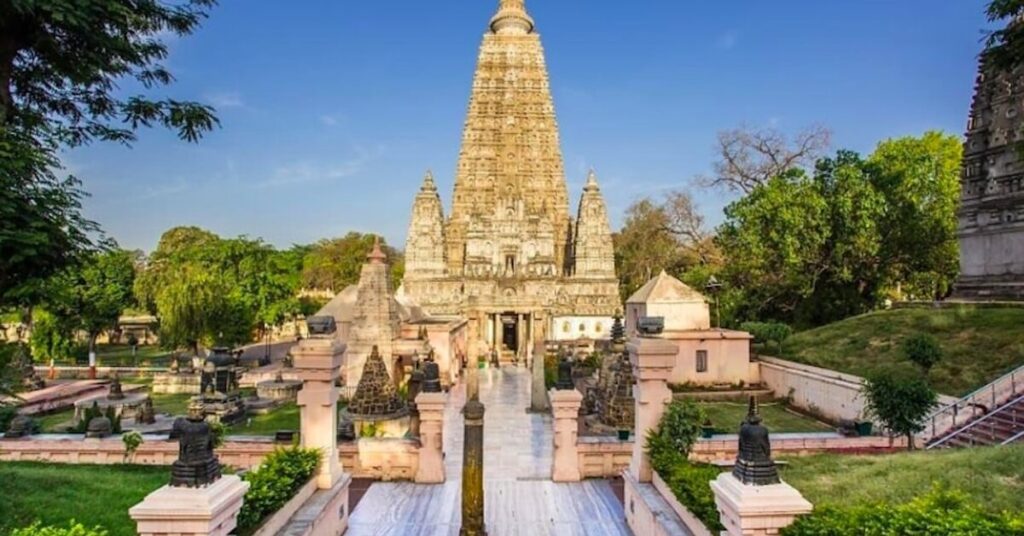
The narrative that unfolds at Mahabodhi Temple is nothing short of extraordinary. Around 528 BCE, after years of rigorous ascetic practices and meditation, Prince Siddhartha sat beneath a pipal tree (now called the Bodhi Tree) and vowed not to rise until he had found the truth. Through the night, he confronted his inner demons, temptations, and ignorance. As dawn broke, he achieved enlightenment, understanding the nature of suffering and the path to liberation. That pipal tree became the Bodhi Tree—the Tree of Awakening—and this spot became the most sacred place in Buddhism.
The profound simplicity of this story resonates across cultures and centuries. Here was a man who abandoned wealth and comfort, pursued extreme asceticism, rejected that too, and finally found the middle way—a balanced approach to spiritual development that forms the foundation of Buddhist philosophy.
The first temple at this site was built by Emperor Ashoka around 260 BCE, roughly 250 years after Buddha’s enlightenment. Ashoka, who transformed from a ruthless conqueror to a devoted Buddhist, constructed a shrine around the Bodhi Tree. The current temple structure dates to the 5th-6th century CE, built during the Gupta period, representing one of the earliest examples of brick temple architecture in India.
Over centuries, the temple faced destruction and restoration multiple times. It fell into neglect after Buddhism declined in India during the medieval period. In 1883, British archaeologist Alexander Cunningham began restoration work, and the temple gradually regained its former glory. Today’s structure retains much of its ancient character while incorporating careful restorations that respect its historical integrity.
In 2002, UNESCO recognized the Mahabodhi Temple Complex as a World Heritage Site, acknowledging its outstanding universal value. The designation recognizes not just the architectural magnificence but also the site’s profound impact on human civilization. The temple represents the first great achievement of Buddhist architecture in brick and stands as testimony to the birth and spread of Buddhism as a major world religion. This recognition has helped ensure better preservation and increased global awareness of the site’s significance.
Rising 180 feet into the sky, the pyramidal spire of the Mahabodhi Temple dominates Bodhgaya’s skyline. The temple follows a distinctive architectural style with four smaller towers surrounding the main spire at its corners, creating a perfectly balanced composition. The entire structure is built from brick and covered with intricate carvings depicting scenes from Buddha’s life, geometric patterns, and lotus motifs.
As you approach, you’ll notice the main entrance on the eastern side, flanked by stone railings dating from the 1st century BCE. These railings feature beautiful carvings of lotus medallions and symbolic representations. The temple’s facade is adorned with multiple niches containing Buddha statues in various mudras (hand gestures), each telling a story from Buddhist tradition. Walking around the temple base, you’ll find devotees performing circumambulation—a meditative practice of walking clockwise around sacred structures.
Standing majestically behind the main temple is the direct descendant of the original Bodhi Tree under which Buddha attained enlightenment. This Ficus religiosa tree is considered one of the most sacred objects in Buddhism. The current tree is believed to be a descendant propagated from the original through an unbroken lineage spanning 2,500 years.
Emperor Ashoka’s daughter, Sanghamitra, took a sapling from the original tree to Sri Lanka in the 3rd century BCE, where it still thrives as the Jaya Sri Maha Bodhi tree—the oldest documented tree in the world. When the original tree in Bodhgaya was destroyed, a sapling from the Sri Lankan tree was brought back and planted here, maintaining the sacred lineage. Today, the tree’s spreading branches provide shade for countless meditators, and its trunk is adorned with colorful prayer flags that flutter in the breeze, carrying prayers skyward.
Directly beneath the Bodhi Tree sits the Vajrasana, or Diamond Throne—a red sandstone platform marking the exact spot where Buddha sat during his enlightenment. According to Buddhist cosmology, this is the navel of the earth, the most stable point that can bear the weight of enlightenment. The throne dates back to Emperor Ashoka’s time, making it one of the oldest surviving Buddhist relics.
The platform features intricate carvings and is positioned so the Bodhi Tree grows directly above it. Pilgrims cannot sit on the Vajrasana itself—it’s protected by railings—but many meditate as close as possible, hoping to absorb some of its spiritual energy. The atmosphere around the Vajrasana is thick with devotion; at any time of day, you’ll find monks and laypeople deep in meditation, creating a palpable sense of peace.
The Mahabodhi Temple Complex encompasses much more than just the main temple. Spread across several acres, the complex includes meditation parks, smaller shrines, ancient stupas, and sacred water bodies. A high wall encloses the entire complex, creating a peaceful sanctuary away from the bustle of the town.
The complex is meticulously maintained with manicured gardens, paved pathways, and designated meditation areas. Several ancient Buddhist monuments dot the landscape, each associated with specific events from the seven weeks Buddha spent here after enlightenment. Walking through the complex, you’ll encounter pilgrims from around the world—Tibetan monks in maroon robes, Thai devotees in white, Japanese practitioners, and Western seekers—all united in reverence for this holy ground.
A specialized Buddha tour package goes beyond typical tourism. It’s designed to facilitate spiritual immersion, allowing you to experience Bodhgaya not as an outsider but as a participant in its living tradition. These packages typically include time for personal meditation, participation in prayer ceremonies, and opportunities to engage with the Buddhist community. Rather than rushing from sight to sight, you’re given space to absorb the atmosphere, to sit quietly beneath the Bodhi Tree, and to reflect on Buddha’s teachings.
The difference between visiting the Mahabodhi Temple on your own and experiencing it through a Buddha tour package often comes down to guidance. Expert guides—many of whom are practicing Buddhists or scholars of Buddhist history—can unlock layers of meaning you might otherwise miss. They explain the symbolism in temple carvings, share lesser-known stories from Buddhist texts, and help you understand the significance of rituals you witness.
A good guide doesn’t just recite facts; they bring the history alive, helping you understand how this place has inspired millions over millennia. They can also navigate practical aspects like best times to visit specific spots, how to participate respectfully in ceremonies, and where to find quiet meditation spaces when crowds are heavy.
Buddha tour packages typically offer well-planned itineraries that balance temple visits with other spiritual and cultural experiences. Your package might include visits to international monasteries, meditation sessions with experienced teachers, attendance at prayer ceremonies, trips to nearby Buddhist sites like Sujata Village (where Buddha accepted milk rice before enlightenment), and exploration of Bodhgaya’s Tibetan market. This comprehensive approach ensures you experience the full depth of Bodhgaya’s spiritual landscape, not just its most famous monument.
Located northeast of the main temple, the Animeshlocha Stupa marks the spot where Buddha stood during the second week after enlightenment, gazing at the Bodhi Tree without blinking. According to tradition, this uninterrupted gaze lasted seven days as Buddha contemplated the tree that had sheltered him during his enlightenment. The stupa, though smaller than the main temple, carries immense symbolic significance—it represents Buddha’s gratitude and the importance of acknowledging sources of support on the spiritual path.
The Ratnachakrama, or Jewel Walk, is a raised platform that marks the path where Buddha walked during his third week after enlightenment. Buddhist texts describe that lotus flowers sprang up wherever Buddha placed his feet. Today, carved lotuses mark this pathway, allowing pilgrims to follow in Buddha’s footsteps—quite literally. Walking this path in meditative contemplation has become a cherished practice for visitors, connecting them physically with a pivotal moment in spiritual history.
Southeast of the main temple lies Muchalinda Lake, named after the serpent king who protected Buddha during a storm in the fifth week after enlightenment. When severe weather threatened Buddha’s meditation, Muchalinda emerged from the lake, coiled his body beneath Buddha to lift him above the floodwaters, and spread his hood overhead as shelter. A beautiful statue in the lake depicts this scene—Buddha seated in meditation with the serpent’s hood forming a canopy above.
The lake provides a serene spot for reflection, its still waters mirroring the sky and surrounding trees. Many visitors find this area less crowded than the main temple, making it perfect for quiet contemplation. The symbolism is profound: even nature itself protects those dedicated to spiritual awakening.
This massive tree, located near the northern entrance, marks where Buddha spent his sixth week after enlightenment. Under this tree, two merchants named Tapussa and Bhallika became Buddha’s first lay disciples, offering him food and receiving his teachings. The tree has become associated with the beginning of the Buddhist lay community—recognition that enlightenment teachings aren’t just for monks but for all people in their daily lives.
For travelers with limited time, day tour packages focus intensively on the Mahabodhi Temple and immediate surroundings. These typically start early morning to catch the temple during peaceful hours, include guided tours of the temple complex, time for personal meditation, visits to 2-3 nearby monasteries, and perhaps a stop at the Great Buddha Statue. Day packages usually cost ₹1,500-3,000 per person and include transportation, guide services, and sometimes lunch. While brief, these packages are carefully designed to deliver the essential Bodhgaya experience.
Weekend packages offer a more relaxed pace, allowing deeper engagement with Bodhgaya’s spiritual atmosphere. Day one typically covers the Mahabodhi Temple complex thoroughly, with morning and evening visits to experience different energies. Day two might include excursions to nearby Buddhist sites—Sujata Village, Dungeshwari Cave (where Buddha practiced asceticism), and multiple monastery visits. Some packages include meditation workshops or Buddhist teaching sessions. These packages range from ₹5,000-15,000 per person depending on accommodation level.
For serious practitioners, extended packages of 5-10 days or more combine sightseeing with immersive spiritual practice. These might include daily meditation sessions, Buddhist philosophy classes, participation in monastery life, volunteer opportunities, and extensive exploration of the Buddhist circuit (Bodhgaya, Rajgir, Nalanda, Varanasi/Sarnath). Such retreats often attract people at life crossroads seeking clarity, meaning, or spiritual deepening. Costs vary widely (₹15,000-50,000+) based on duration and inclusions.
Specialized packages cater to photography enthusiasts wanting to capture Bodhgaya’s visual splendor. These include access during optimal lighting hours (golden hour, blue hour), permission for tripod use where allowed, visits to photogenic monasteries, and guidance on cultural sensitivity when photographing people. Professional photographers often lead these tours, sharing technical tips while respecting the sacred nature of the sites.
Buddhist organizations worldwide organize group pilgrimage packages for their communities. These often involve larger groups (20-50+ people), special arrangements for group meditation sessions, meetings with resident lamas or monks, and collective participation in ceremonies. The group dynamic creates a powerful shared spiritual experience, with practitioners supporting each other’s practice. Such packages are usually more economical due to group discounts.
The Mahabodhi Temple welcomes visitors year-round, but experiences vary dramatically by season. Winter (October-March) is ideal, with temperatures ranging from 10-25°C—comfortable for extended outdoor time. Mornings can be chilly, perfect for meditation under the Bodhi Tree wrapped in a shawl. This is peak season, so expect crowds, especially around major areas.
Summer (April-June) brings intense heat, with temperatures soaring to 45°C or higher. The temple is less crowded, and accommodation prices drop, but the heat makes prolonged outdoor activities challenging. If you visit during summer, plan temple visits for early morning (5-8 AM) and late evening (after 4 PM).
Monsoon (July-September) sees heavy rainfall and humidity. The temple complex, with its gardens and trees, becomes lush and beautiful, but frequent rains can disrupt schedules. This is the least crowded time—if you don’t mind occasional downpours, you might find a more intimate experience.
Buddha Purnima (April-May) celebrates Buddha’s birth, enlightenment, and passing—all believed to have occurred on the same lunar date in different years. Bodhgaya explodes with activity during this festival. The Mahabodhi Temple is decorated with lights and flowers, special ceremonies occur throughout the day, and tens of thousands of pilgrims converge on the town. While incredibly vibrant, the crowds can be overwhelming. Book accommodations months in advance if visiting during Buddha Purnima.
The Kalachakra Festival, when held in Bodhgaya (every few years), attracts hundreds of thousands of Buddhist practitioners for intensive teachings by His Holiness the Dalai Lama or other high lamas. The spiritual energy during this time is unparalleled, but accommodation becomes extremely scarce and expensive.
If you prefer a quieter experience, visit during shoulder seasons (September-October or March-April) when weather is decent and crowds manageable. Within any season, visiting the temple very early (5-7 AM when it opens) or during lunch hours (12-2 PM) typically means fewer crowds. The temple takes on different characters at different times—morning brings pilgrims starting their day with prayers, evening offers beautiful lighting and devotional atmosphere, while midday can be peaceful despite the heat.
The Mahabodhi Temple awakens before dawn with morning prayers. Buddhist monks and devotees gather as early as 4:30 AM for chanting and meditation. The morning puja typically begins around 5:30 AM, with rhythmic chanting of Buddhist sutras in various languages—Pali, Sanskrit, Tibetan, Thai. The sound reverberates through the temple complex, creating an ethereal atmosphere as the sun rises over the sacred Bodhi Tree.
Participating in morning prayers offers a powerful way to start your day. Even if you don’t understand the language, the devotional energy is palpable. You’re welcome to sit quietly and observe or join in prostrations and offerings. Many visitors describe morning prayers as the most moving part of their Bodhgaya experience—there’s something profoundly touching about joining centuries of practitioners who have greeted dawn at this sacred spot.
While Buddhist temples don’t traditionally perform aarti (a Hindu ritual), the evening atmosphere at Mahabodhi Temple is nonetheless special. As sunset approaches, the temple is illuminated, and evening prayers begin around 6 PM. Pilgrims light butter lamps and incense, circumambulate the temple with devotion, and many gather for meditation sessions. The golden light casting across the temple spire, combined with the scent of incense and sound of evening chants, creates a magical ambiance.
Throughout the day, various groups perform special pujas at different spots within the complex. Tibetan monks might be conducting elaborate rituals with music and offerings, Thai devotees performing synchronized chanting, or Japanese groups practicing their distinctive meditative traditions. These diverse expressions of Buddhist devotion coexist harmoniously, illustrating Buddhism’s universal appeal and cultural adaptability. You’re generally welcome to observe respectfully from a distance.
The entire Mahabodhi Temple Complex is conducive to meditation, but certain spots are particularly favored. The area directly behind the main temple, near the Bodhi Tree and Vajrasana, is the most sought-after location. Despite crowds, many find profound peace meditating as close to the enlightenment spot as possible. Arrive early morning for the best chance at a good position.
The gardens surrounding Muchalinda Lake offer quieter meditation spaces with natural beauty. The northern and southern sections of the complex, away from the main temple, have benches and shaded areas where you can sit undisturbed. Some visitors prefer the Ratnachakrama platform for walking meditation, following Buddha’s ancient footsteps in contemplative movement.
Many Buddha tour packages include guided meditation sessions led by experienced teachers. These might occur within the temple complex or at affiliated monasteries. Sessions typically introduce basic Buddhist meditation techniques—breath awareness, loving-kindness meditation (metta), or body scanning. Even experienced meditators appreciate guidance in this powerful setting, while beginners gain foundational skills to continue practicing at home.
Some tour packages arrange special early morning meditation sessions before the temple opens to general public, offering rare opportunities to meditate in nearly empty spaces. These premium experiences, though more expensive, provide incredibly powerful conditions for deep practice.
Beyond organized sessions, personal meditation at Mahabodhi Temple can be profoundly transformative. There’s something about sitting in the same space where Buddha achieved enlightenment that makes meditation feel more accessible, more real. Whether you experience dramatic insights or simply enjoy peaceful quiet doesn’t matter—what counts is showing up, sitting down, and creating space for whatever arises.
Many practitioners report that meditation seems easier here, as if the centuries of practice have saturated the very ground with conducive energy. Others find it challenging—crowds, noise, and expectations can create pressure. The key is approaching without rigid expectations, staying open to whatever your experience brings, and trusting that simply being present in this sacred space has value.
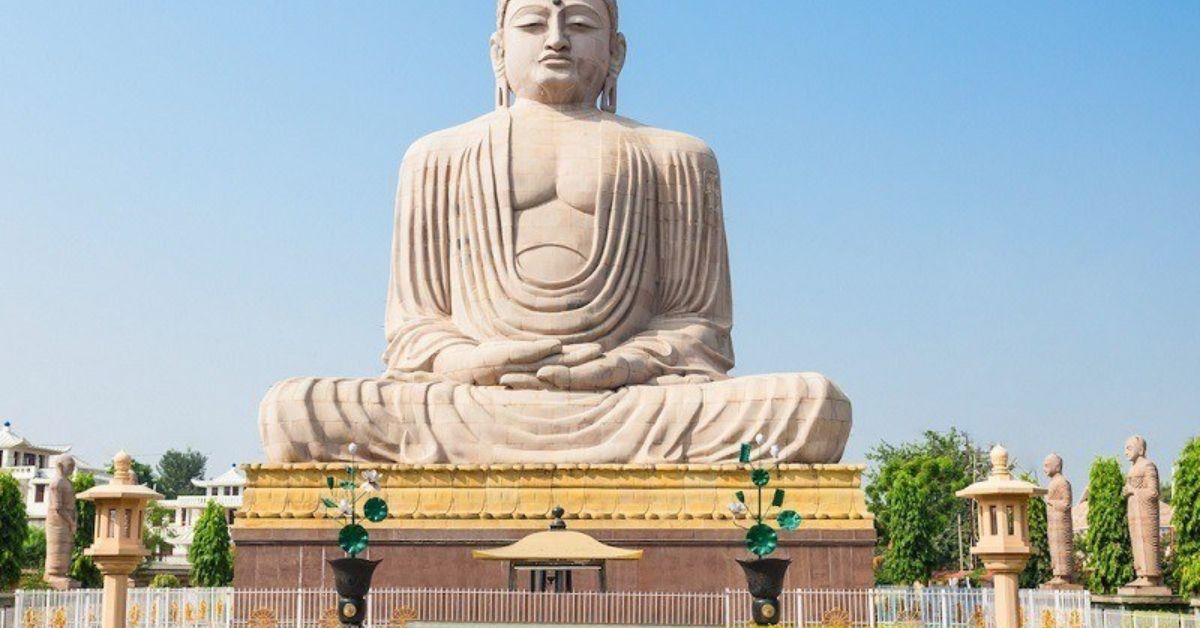
Just a few kilometers from the Mahabodhi Temple stands the 80-foot Great Buddha Statue, one of Bodhgaya’s most photogenic landmarks. Completed in 1989, this relatively modern addition depicts Buddha in meditation pose, carved from sandstone and red granite. The statue sits in beautiful landscaped gardens perfect for contemplative walks. Though not ancient like the temple, the statue has become an important pilgrimage point, and many tour packages include it as a peaceful complement to the temple visit.
Bodhgaya hosts monasteries representing virtually every Buddhist tradition and nationality. The Thai Temple features glittering golden Buddhas and intricate architecture; the Tibetan Monastery offers colorful prayer flags and the chance to witness or participate in traditional Tibetan practices; the Japanese Temple showcases Zen minimalism; the Bhutanese Monastery displays distinctive Himalayan artistic styles. Each monastery welcomes respectful visitors, and many offer meditation instruction or cultural programs. Visiting several monasteries provides fascinating insight into Buddhism’s diverse expressions across cultures.
The Archaeological Museum, run by the Archaeological Survey of India, houses artifacts excavated from the Mahabodhi Temple and surrounding areas. Collections include ancient sculptures, coins, pottery, and inscriptions spanning from the Mauryan period to medieval times. While modest in size, the museum provides valuable historical context, helping you understand the temple’s evolution across centuries. It’s particularly enlightening to see how artistic depictions of Buddha changed over time and across different dynasties.
Most packages include transportation from Gaya airport or railway station to your Bodhgaya accommodation, plus all necessary transfers during the tour. Better packages provide private air-conditioned vehicles rather than shared transportation. Local sightseeing typically involves comfortable cars or mini-buses for group tours. Some luxury packages even arrange flights from major cities. Transportation quality significantly impacts comfort, especially during Bihar’s hot weather, so it’s worth choosing packages with good vehicle provisions.
Package accommodations range from simple dharamshala rooms (₹500-1000/night) in budget packages to luxury hotels (₹5,000-15,000/night) in premium offerings. Mid-range packages typically feature comfortable 3-star hotels with modern amenities. Location matters—hotels within walking distance of Mahabodhi Temple offer convenience for multiple visits at different times. Some packages offer accommodation in monastery guesthouses, providing authentic experiences and sometimes including meals and meditation sessions.
Most packages include breakfast, with some offering half-board (breakfast and dinner) or full-board meal plans. Given Bodhgaya’s Buddhist character, vegetarian food dominates, which suits most visitors. Better packages accommodate dietary restrictions—vegan, gluten-free, or specific allergies—if informed in advance. You’ll typically experience both local Bihari cuisine and international options. Some specialized packages include meals at monastery dining halls, offering authentic and simple Buddhist vegetarian fare.
Professional guide services distinguish good packages from mediocre ones. Quality guides bring deep knowledge of Buddhist history, temple architecture, and local culture. They should speak your language fluently, pace tours appropriately, allow adequate personal time, and facilitate rather than dominate your experience. The best guides are passionate about sharing Buddha’s teachings and Bodhgaya’s significance while remaining respectful of diverse visitor backgrounds and beliefs.
Photography is generally allowed in most outdoor areas of the Mahabodhi Temple complex, including around the main temple exterior, Bodhi Tree (from appropriate distances), and gardens. You can photograph architectural details, the overall temple structure, and landscapes. Many pilgrims are happy to be photographed, especially in candid moments of devotion, but always ask permission first. The best light for photography occurs during golden hours—early morning and late afternoon—when warm light illuminates the temple beautifully.
Photography is strictly prohibited inside the main temple sanctum and certain other sacred spaces. Signs clearly mark restricted areas. Video recording often has more restrictions than still photography. Using flash photography near meditating practitioners is inconsiderate and generally discouraged. Drones are absolutely forbidden without special permission from authorities. Security personnel enforce these rules, and violations can result in confiscation of equipment or removal from the complex.
The elevated area north of the main temple offers excellent vantage points for capturing the full temple structure with the Bodhi Tree. Early morning mist, when present, creates ethereal photographs. The reflection of the temple in Muchalinda Lake provides stunning compositions. Detail shots of carved railings, lotus medallions, and Buddha statues showcase the temple’s artistry. Candid photographs of pilgrims—with permission—capture the living devotional tradition. Sunset over the temple spire creates dramatic silhouettes worth waiting for.
Modest dress is essential—cover shoulders, knees, and midriff. Loose, comfortable clothing works best for sitting in meditation and walking in heat. Remove shoes before entering the temple complex; designated shoe storage areas near entrances provide safe keeping (small tip expected). Walk clockwise around stupas and sacred objects. Speak softly, avoid loud conversations. Don’t touch sacred objects without permission. If sitting on the ground, avoid pointing feet toward Buddha images or monks—tuck them to the side or sit cross-legged.
Bring a small cushion or foldable meditation mat if you plan extended sitting; ground surfaces can be hard. A shawl serves multiple purposes—warmth during cool mornings, sitting cover, and head covering if needed. Carry water bottles (refill stations available), sunscreen, hat, and sunglasses for sun protection. A small bag for shoes during temple visits is handy. If visiting during peak season, patience and an open heart matter more than any physical item.
The Mahabodhi Temple complex opens at 5 AM and closes at 9 PM, allowing visitors ample time throughout the day. There’s no entry fee for the temple itself, though donations are welcome. Security screening at entrances requires passing through metal detectors and bag checks—large bags may need to be deposited at cloak rooms. Peak visiting hours are 7-11 AM and 5-7 PM; visiting during off-peak hours provides a more peaceful experience. Friday evenings and weekend mornings tend to be busiest.
Numerous websites offer Bodhgaya tour packages with easy online booking. Platforms like MakeMyTrip, Yatra, TripAdvisor, and specialized Buddhist travel sites present multiple options with reviews and ratings. When booking online, carefully read inclusions, check cancellation policies, verify guide qualifications, and look for genuine customer reviews. Booking online offers convenience and often better prices, plus you can compare multiple packages easily. Ensure the operator provides clear contact information and booking confirmation.
Bodhgaya has many local tour operators offering competitive packages, often with more flexibility than online bookings. Local operators can customize itineraries to your specific interests—more meditation time, photography focus, scholarly exploration, or comfort-oriented touring. They understand local conditions, have established relationships with hotels and guides, and can handle last-minute changes smoothly. You can contact them via phone or email before arrival, or even arrange services after reaching Bodhgaya, though advance booking ensures better options.
The beauty of Buddha tour packages lies in customization potential. Most operators willingly adjust standard packages to match your preferences. Want extra time at the temple? More monastery visits? Private meditation instruction? Excursions to less-visited sites? Special dietary arrangements? Most requests can be accommodated, often with minimal additional cost. Communicate clearly about your expectations, timeline, budget, and any special needs. Good operators view customization as an opportunity to create memorable experiences, not an inconvenience.
The Mahabodhi Temple isn’t just a destination—it’s a journey into the heart of one of humanity’s most transformative spiritual moments. When you stand beneath the Bodhi Tree, walk the paths Buddha walked, and meditate where he achieved enlightenment, you’re not merely touring a historical site. You’re connecting with a living tradition that has guided billions of people toward peace, compassion, and wisdom for over two millennia.
A thoughtfully designed Bodhgaya Buddha tour package makes this profound experience accessible, whether you’re a devout Buddhist practitioner or simply a curious traveler. It handles logistics so you can focus on what truly matters—opening your heart to the possibility of transformation, however small or large that might be. The temple’s ancient stones have witnessed countless awakenings, both dramatic and subtle. Perhaps yours awaits there too.
The Mahabodhi Temple calls to something deep within us—the universal human longing for meaning, peace, and understanding. In our chaotic modern world, this sacred space offers refuge, perspective, and inspiration. Whether you come seeking spiritual enlightenment, historical insight, architectural appreciation, or simply a respite from everyday life, the Mahabodhi Temple meets you exactly where you are and gently guides you toward where you might wish to go.
Don’t wait for the “perfect time”—that rarely arrives. Book your Bodhgaya Buddha tour package now, and let the journey begin. The path to enlightenment starts with a single step, and yours might just begin at the very spot where Buddha took his.
Plan to spend at least 3-4 hours for your first visit to properly explore the entire complex, meditate, and absorb the atmosphere. Many visitors return multiple times during their stay to experience different times of day—early morning meditation, midday quiet, and evening prayers. If you’re deeply engaged in meditation or Buddhist practice, you might spend entire days there. A good Buddha tour package typically includes multiple temple visits at different times.
Absolutely! The Mahabodhi Temple welcomes people of all faiths and backgrounds. You don’t need to be Buddhist to visit, meditate, or appreciate this sacred space. Many visitors from various religious traditions or no particular faith find the temple peaceful and inspiring. Just approach with respect, follow basic etiquette guidelines, and be open to the experience. The temple guards a universal message of peace and awakening that transcends specific religious boundaries.
No, entry to the Mahabodhi Temple Complex is completely free. There are no ticket charges whatsoever. However, donations are welcome and help maintain the temple and its grounds. You might encounter small fees for shoe storage (₹10-20) and optional services like guided tours or special pujas. Photography doesn’t require separate fees, though some restricted interior areas prohibit cameras entirely.
For first-timers, consider arriving early morning (around 5-6 AM) when the temple is peaceful and cool. Start with a guided tour to understand the layout and significance of various spots, then spend personal time sitting near the Bodhi Tree or Vajrasana in meditationor quiet reflection. Observe the morning prayers and rituals. Return during evening to experience different energy with lighting and evening ceremonies. A structured Buddha tour package with an experienced guide helps you avoid missing important aspects while allowing personal spiritual time.
Yes, visitors are generally welcome to observe and participate in prayer ceremonies at the Mahabodhi Temple. You can join in chanting if you know the prayers, perform circumambulation, light butter lamps, and offer incense or flowers. However, be respectful—stand or sit in designated areas for visitors, don’t interrupt ceremonies for photos, and follow the lead of regular practitioners. If uncertain about participation, it’s perfectly appropriate to sit quietly and observe. The devotional atmosphere itself is powerful even without active participation.