Your cart is currently empty!
You may check out all the available trips and book one that suits you.
Continue Browsing Trips
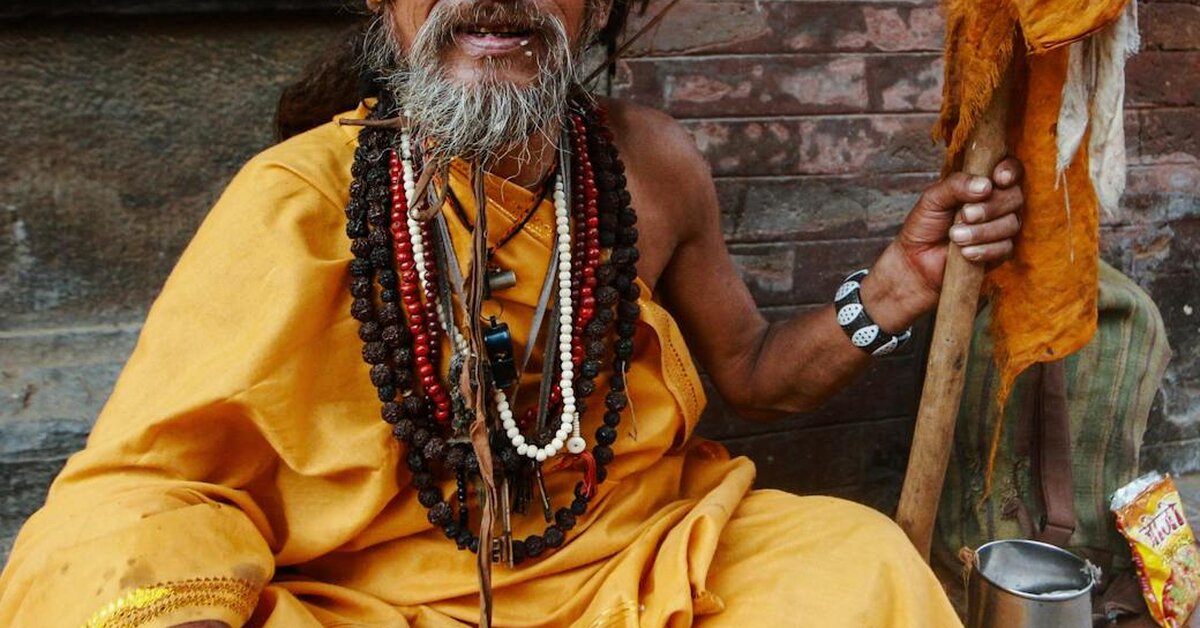
Bodhgaya Accommodation Best Hotels and Guesthouses , Have you ever dreamed of waking up in a place where spirituality permeates the very air you breathe? Welcome to Bodhgaya, the sacred town in Bihar, India, where Gautama Buddha attained enlightenment under the Bodhi Tree over 2,500 years ago. This UNESCO World Heritage site attracts millions of pilgrims, meditation practitioners, and curious travelers from every corner of the globe each year.
Finding the right accommodation in Bodhgaya isn’t just about having a roof over your head—it’s about creating a base that supports your spiritual journey or cultural exploration. Whether you’re seeking luxury amenities after long days of temple visits, a peaceful monastery guesthouse for meditation, or a budget-friendly option that lets you extend your stay, Bodhgaya offers an impressive range of accommodations to suit every need and pocket.
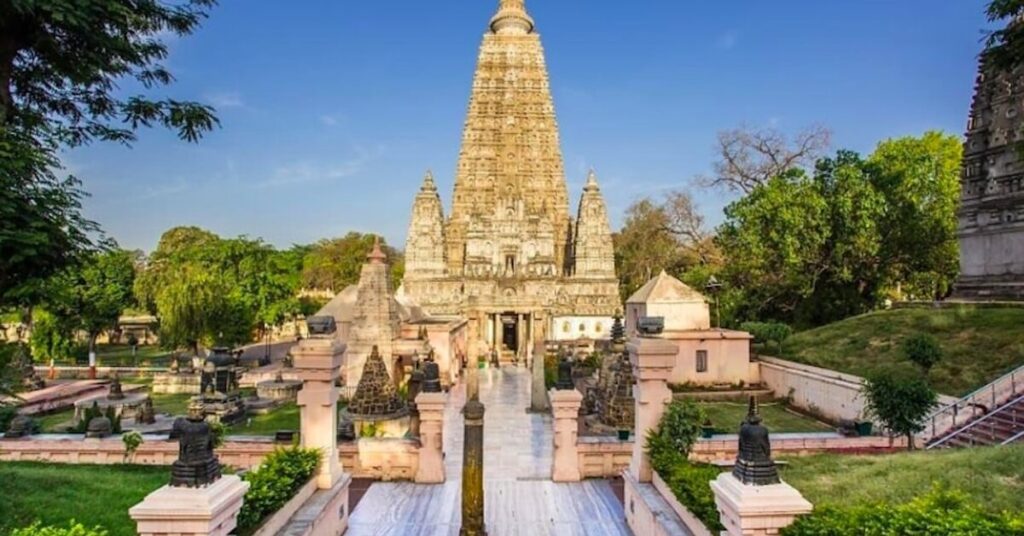
Bodhgaya’s accommodation scene is as diverse as its visitor population. You’ll find everything from international-standard luxury hotels with swimming pools and spas to simple monastery guesthouses where silence is golden and spirituality is the main amenity.
The town essentially revolves around the Mahabodhi Temple complex, and most accommodations position themselves within walking distance or a short rickshaw ride from this epicenter. The beauty of Bodhgaya is that whether you’re spending $10 or $150 per night, you’re never really far from the heart of why you came here in the first place.
Understanding what type of traveler you are makes all the difference. Are you a comfort-seeker who needs air conditioning and Wi-Fi? A spiritual pilgrim who values simplicity and meditation spaces? Or perhaps a backpacker stretching every rupee to maximize your journey? Bodhgaya welcomes them all with open arms.
When you’re looking for premium comfort in a spiritual setting, The Royal Residency stands as one of Bodhgaya’s finest offerings. This upscale hotel blends modern amenities with cultural sensitivity, creating an environment where you can rejuvenate after intensive temple visits or meditation sessions.
The rooms are spacious, impeccably clean, and equipped with all the conveniences international travelers expect—from high-speed internet to well-appointed bathrooms with hot water available 24/7. The on-site restaurant serves both international and traditional Indian cuisine, with vegetarian options dominating the menu in respect to the town’s Buddhist heritage.
What sets The Royal Residency apart is its attention to detail. The staff understands that guests come to Bodhgaya for spiritual reasons, so they maintain a respectful atmosphere while providing five-star service. The hotel also offers travel assistance, helping you arrange guides, transportation, and even meditation sessions with local teachers.
Hotel Mahamaya has built its reputation on consistency and quality. Located strategically near the main temple area, this property offers excellent value in the luxury category. The architecture incorporates traditional elements while maintaining modern comfort standards.
Their rooftop restaurant provides stunning views of the town and surrounding countryside, creating a perfect spot for evening reflection after a day of exploration. The hotel frequently hosts international tour groups, which speaks volumes about their ability to cater to diverse needs and expectations.
As the name suggests, Hotel Tokyo Vihar was established with Japanese travelers in mind, but it warmly welcomes guests from all nationalities. This hotel exemplifies cleanliness, order, and tranquility—qualities highly valued by those seeking a peaceful retreat.
The minimalist design philosophy creates uncluttered spaces that feel calming rather than sparse. Many rooms offer garden views, and the property includes meditation areas where guests can practice in privacy. The Japanese-style bath facilities are a unique touch that sets this hotel apart from typical Indian accommodations.
Finding that sweet spot between comfort and cost? Hotel Bodhi Tree hits the mark perfectly. This mid-range property offers clean, comfortable rooms with essential amenities without the luxury price tag. The staff goes out of their way to make guests feel at home, offering local knowledge and assistance that money can’t buy.
The location is excellent—close enough to walk to major sites but tucked away from the busiest streets. Their in-house restaurant serves reliable vegetarian meals, and they’re happy to accommodate dietary preferences or restrictions. Many guests return year after year, which tells you something about the consistent experience they provide.
Kirti Hotel represents excellent value for mid-range travelers. The property maintains high cleanliness standards, offers hot water throughout the day, and provides comfortable beds—three things that matter most after long days of sightseeing and spiritual exploration.
What makes Kirti special is its family-run atmosphere. The owners take personal interest in their guests’ experiences, offering recommendations, arranging transportation, and even helping with last-minute plan changes. This personal touch transforms a simple hotel stay into a memorable part of your Bodhgaya journey.
Lotus Nikko Hotel caters particularly well to Asian travelers but welcomes everyone with genuine hospitality. The rooms are well-maintained, the service is attentive, and the pricing is fair. They understand that travelers come to Bodhgaya seeking peace, so they maintain quiet hours and encourage a contemplative atmosphere.
The hotel’s garden area provides a lovely space for morning coffee or evening relaxation. It’s these little touches—a place to sit outdoors, helpful staff, reliable amenities—that elevate a mid-range stay from merely acceptable to genuinely enjoyable.
Monastery guesthouses offer something hotels simply can’t—an authentic immersion into Buddhist monastic life. The Bhutanese Monastery Guesthouse provides simple, clean rooms at prices that allow budget travelers to extend their stays significantly.
Don’t expect luxury here; rooms are basic with shared bathrooms, minimal furniture, and sometimes no hot water. But what you lose in amenities, you gain in atmosphere. Waking to the sound of morning prayers, sharing simple meals with monks and fellow travelers, and experiencing genuine monastic hospitality creates memories that five-star hotels rarely provide.
These guesthouses typically request donations rather than fixed rates, though they usually suggest amounts. The funds directly support the monastery’s activities and the monastic community, giving your accommodation choice a meaningful dimension.
Similar to the Bhutanese option, the Tibetan Monastery Guesthouse offers budget accommodation within a functioning monastery. The Tibetan community in Bodhgaya is substantial, and staying at their monastery gives you insight into Tibetan Buddhist practices and culture.
The rooms are spartan but adequate, and the cleanliness standards are generally good. Many guests appreciate the opportunity to attend prayer sessions, observe rituals, and interact with monks practicing their English. It’s cultural exchange at its most authentic level.
Mohammed’s Guesthouse has achieved something remarkable—it’s become a legendary budget accommodation through word-of-mouth recommendations from backpackers worldwide. Mohammed and his family treat guests like extended family members, offering advice, assistance, and genuine care that transcends typical host-guest relationships.
The rooms are extremely basic and quite cheap, but the rooftop common area has become a meeting point for budget travelers from around the world. You’ll find yourself sharing travel stories, meditation experiences, and meal recommendations with fellow wanderers late into the evening. This social dimension adds tremendous value beyond the room rate.
The Thai Monastery complex is impressive both architecturally and in terms of hospitality. The gleaming golden structures house not only prayer halls but also guesthouse facilities that welcome visitors. Staying here gives you access to beautiful grounds, meditation halls, and the chance to observe Thai Buddhist practices.
The accommodations are simple but maintained to high cleanliness standards. The monastery often offers free or donation-based vegetarian meals, and guests can participate in meditation sessions if interested. The peaceful atmosphere makes it ideal for those seeking quiet contemplation.
The Japanese Temple (Nipponji) offers accommodation facilities that reflect Japanese attention to detail and order. The rooms are clean, organized, and conducive to meditation practice. The temple grounds include the impressive Great Buddha Statue, creating a spectacular backdrop for your stay.
What makes the Japanese Temple special is the structured meditation program they offer. Guests can participate in zazen (sitting meditation) sessions and learn about Japanese Zen practices from resident monks. This educational dimension transforms simple accommodation into a mini-retreat experience.
Why choose a monastery over a conventional hotel? The answer lies in immersion and authenticity. Monastery accommodations place you inside living spiritual communities where Buddhism isn’t a tourist attraction but a lived reality. You witness daily practices, observe rituals, and experience the rhythms of monastic life firsthand.
The simplicity strips away distractions, allowing you to focus on why you came to Bodhgaya in the first place. Without televisions, fancy restaurants, or constant entertainment options, you’re left with time for reflection, reading, meditation, and genuine connection with fellow seekers. It’s minimalism with profound purpose.
Timing makes all the difference when booking Bodhgaya accommodations. The peak season runs from October through March, when the weather is pleasant and major Buddhist festivals occur. During these months, especially around the Kalachakra teachings or when His Holiness the Dalai Lama visits, accommodations fill up completely. Book several months in advance if you’re traveling during peak times.
The summer months (April through September) see fewer visitors due to intense heat, making it an excellent time for walk-in bookings and negotiating better rates. Many hotels offer significant discounts during this off-season period.
For luxury and mid-range hotels, online booking platforms provide good options with reviews and photos. However, for monastery guesthouses and budget options, email or phone contact often works better. Some monasteries don’t use booking platforms at all, preferring direct communication with potential guests.
A helpful strategy combines advance booking for your first night or two with flexibility for the rest. Once you arrive and get recommendations from fellow travelers and locals, you can often find better options than what’s advertised online.
Setting realistic expectations prevents disappointment. Even luxury hotels in Bodhgaya operate differently than their counterparts in major Indian cities or international destinations. Power cuts happen occasionally, though better hotels have backup generators. Water pressure might fluctuate, and hot water isn’t always instantaneous even in upscale properties.
That said, most hotels provide the essentials reliably: clean rooms, functional bathrooms, comfortable beds, and willing staff. Mid-range and luxury properties typically offer Wi-Fi, though speeds vary. Air conditioning is available in higher-end accommodations, which matters during the hot season.
Many hotels provide laundry services, travel desks for arranging tours and transportation, and restaurants serving vegetarian meals. The level of English proficiency among staff varies, but you’ll generally find someone who can communicate effectively in hotels catering to international visitors.
Bodhgaya’s accommodation dining reflects the town’s Buddhist character—vegetarian food dominates, and many establishments serve no alcohol. Hotel restaurants typically offer both Indian and continental options, with varying degrees of success on the continental front.
The food quality in better hotels is generally good and safe for international stomachs. They understand tourist needs and prepare meals accordingly. Budget accommodations might have limited or no dining facilities, but Bodhgaya’s numerous restaurants fill this gap easily.
One delightful aspect is the international cuisine available due to the global Buddhist community. You’ll find Korean, Japanese, Thai, Tibetan, and Bhutanese restaurants throughout town, creating dining variety you wouldn’t expect in a small Indian town.
Proximity to the Mahabodhi Temple is the primary location consideration. Walking distance (within 1 kilometer) allows you to visit the temple multiple times daily without transportation hassles. Early morning and late evening visits offer the most peaceful experiences, which is easier when you’re staying nearby.
However, the immediate temple area can be noisy, especially during peak season when thousands of pilgrims and tourists crowd the streets. If you’re seeking quiet and meditation, consider accommodations slightly farther from the center. The town is small enough that a 10-15 minute rickshaw ride connects you to everything.
The area around the monasteries (Thai, Japanese, Tibetan, Bhutanese) tends to be quieter than the central market area. These zones offer peaceful environments while still providing reasonable access to restaurants and shops. Think about your priorities: maximum convenience or maximum tranquility?
Bodhgaya is generally very safe due to its spiritual significance and the respectful atmosphere maintained by the Buddhist community and local authorities. Serious crime against tourists is rare. However, basic precautions always make sense.
Choose accommodations with secure room locks and ideally a safe for valuables. Better hotels and established guesthouses provide this automatically. Keep important documents, extra cash, and electronics secured when you’re out exploring.
Women travelers report feeling comfortable in Bodhgaya, particularly compared to some other Indian destinations. The presence of international female travelers, nuns, and pilgrims creates a more respectful environment. That said, standard safety practices apply: avoid isolated areas after dark, use trusted transportation, and trust your instincts.
Solo travelers of all genders find Bodhgaya welcoming. The international traveler community is friendly, and it’s easy to connect with others at restaurants, temples, and accommodations. Many people traveling alone report feeling less isolated here than in more conventional tourist destinations.
Several centers around Bodhgaya offer meditation retreats that include accommodation. These range from weekend introductory programs to intensive month-long courses. The Root Institute for Wisdom Culture and Tergar Monastery are prominent examples offering structured programs.
These retreat accommodations are simple and designed to support practice rather than provide comfort. Rooms are basic, meals are included (typically vegetarian), and the schedule revolves around meditation sessions, teachings, and practice periods. It’s immersion learning at its finest.
If you’re serious about deepening your meditation practice or learning about Buddhism beyond surface-level tourism, these retreat accommodations offer incredible value. The cost is minimal, the teaching quality is high, and you’re surrounded by fellow practitioners creating a supportive environment.
A relatively new option gaining popularity is homestays with local families. These provide cultural immersion beyond what any hotel can offer. You’ll experience daily life in an Indian household, share home-cooked meals, and gain insights into local culture and customs.
Homestays require flexibility and open-mindedness. Amenities are basic, privacy is limited compared to hotels, and you adapt to the family’s routines. But for culturally curious travelers willing to step outside their comfort zones, homestays create meaningful connections and memorable experiences.
Finding quality homestays requires research. Some are listed on homestay platforms, while others operate through word-of-mouth recommendations. The local tourism office can sometimes provide contacts, as can travel forums focused on Bodhgaya.
Peak season (October-March) brings pleasant weather, major festivals, and maximum crowds. Accommodations fill quickly, prices reach their highest points, and advance booking becomes essential. The town buzzes with energy, thousands of maroon-robed monks fill the streets, and the spiritual atmosphere intensifies.
If you’re visiting during peak season, book early and expect to pay premium rates. The trade-off is experiencing Bodhgaya at its most vibrant, with opportunities to attend teachings, witness ceremonies, and connect with the international Buddhist community.
Off-season (April-September) features intense heat, fewer tourists, and significant discounts. While the temperature can be challenging (reaching 40°C or higher), the uncrowded temples, negotiable prices, and available accommodations attract budget travelers and those seeking quieter experiences.
Many long-term visitors and serious meditation practitioners prefer the off-season specifically because of the reduced crowds. The heat is manageable with air conditioning, afternoon siestas, and adapted schedules focusing activity in early mornings and evenings.
Bodhgaya’s nearest airport is Gaya Airport, approximately 12 kilometers away. Many accommodations offer pickup services for a fee, or you can arrange taxis or auto-rickshaws at the airport. Confirm prices before departing to avoid disputes.
The Gaya Junction railway station connects Bodhgaya to major Indian cities. From the station, prepaid auto-rickshaws and taxis cover the 17-kilometer distance to Bodhgaya town. Again, many hotels offer pickup services if arranged in advance.
Within Bodhgaya, walking works well for nearby destinations. For longer distances, cycle rickshaws and auto-rickshaws are readily available and inexpensive. Many visitors rent bicycles, which provides healthy transportation and freedom to explore at your own pace.
Your accommodation choice impacts transportation needs. Staying centrally located minimizes transportation costs and time, while more distant properties might require regular rickshaw use. Factor these ongoing costs into your accommodation budget calculations.
Understanding Bodhgaya’s pricing structure helps set appropriate expectations. Budget monastery guesthouses and basic accommodations run approximately ₹200-500 per night ($3-6 USD). Expect shared bathrooms, fan cooling, basic furnishings, and minimal amenities. Cleanliness varies but is generally acceptable.
Mid-range options cost ₹800-2,500 per night ($10-30 USD), offering private bathrooms, hot water, air conditioning or coolers, Wi-Fi, and more comfortable rooms. This category represents the sweet spot for many travelers—adequate comfort without luxury prices.
Luxury accommodations range from ₹3,000-10,000+ per night ($35-120+ USD), providing international-standard amenities, excellent service, quality dining, and complete comfort. These properties cater to travelers accustomed to higher standards or those treating themselves after roughing it elsewhere in India.
Value for money in Bodhgaya is generally excellent compared to Western standards. What you’d pay for a hostel bed in Europe might get you a decent private room here. The key is matching your accommodation choice to your actual needs rather than defaulting to the cheapest or most expensive option automatically.
Choosing accommodation in Bodhgaya is about more than finding a place to sleep—it’s about creating the right environment for your journey, whether spiritual, cultural, or simply exploratory. From luxury hotels offering every comfort to simple monastery guesthouses where silence speaks volumes, Bodhgaya’s diverse accommodation landscape ensures every traveler finds their perfect match.
The beauty of this sacred town lies in its accessibility to all. Budget backpackers sleep peacefully knowing they’re meters from where Buddha attained enlightenment, while luxury travelers enjoy premium comfort without sacrificing proximity to spiritual sites. The playing field is remarkably level when it comes to accessing what matters most—the temples, teachings, and transformative atmosphere that make Bodhgaya special.
As you plan your visit, consider what you truly need versus what you’re used to having. Sometimes the simplest accommodations provide the most profound experiences, while other times, comfort creates the foundation for deeper exploration. There’s no wrong choice—only the choice that’s right for you and your journey. Bodhgaya welcomes you with open arms, ready to provide rest, rejuvenation, and perhaps even awakening.
Book 2-3 months in advance if traveling during peak season (October-March), especially during major Buddhist festivals or when renowned teachers visit. For off-season travel (April-September), booking 2-4 weeks ahead is usually sufficient, and walk-in bookings often work fine with good negotiating opportunities for better rates.
Yes, absolutely. Monastery guesthouses welcome visitors of all faiths and backgrounds. They simply request that guests respect the monastic environment by maintaining quiet, dressing modestly, and following basic guidelines like not smoking or consuming alcohol on premises. It’s about respecting their space rather than sharing their beliefs.
Bodhgaya is considered one of India’s safer destinations for solo female travelers. The spiritual atmosphere, international presence, and respectful community create a comfortable environment. Standard precautions apply—choose reputable accommodations, avoid isolated areas after dark, and trust your instincts. Many women travel here alone without issues.
Yes, several accommodations offer meditation spaces or programs. The Root Institute, Tergar Monastery, and various retreat centers provide structured meditation programs with lodging. Additionally, many monastery guesthouses allow guests to use meditation halls when not in use for monastic practices. Hotels like Tokyo Vihar also include meditation areas.
Mid-range accommodations typically cost between ₹800-2,500 per night ($10-30 USD), offering private rooms with attached bathrooms, air conditioning or coolers, hot water, Wi-Fi, and basic amenities. This range provides good comfort without luxury prices and represents excellent value for most international travelers seeking a balance between economy and comfort.