Your cart is currently empty!
You may check out all the available trips and book one that suits you.
Continue Browsing Trips
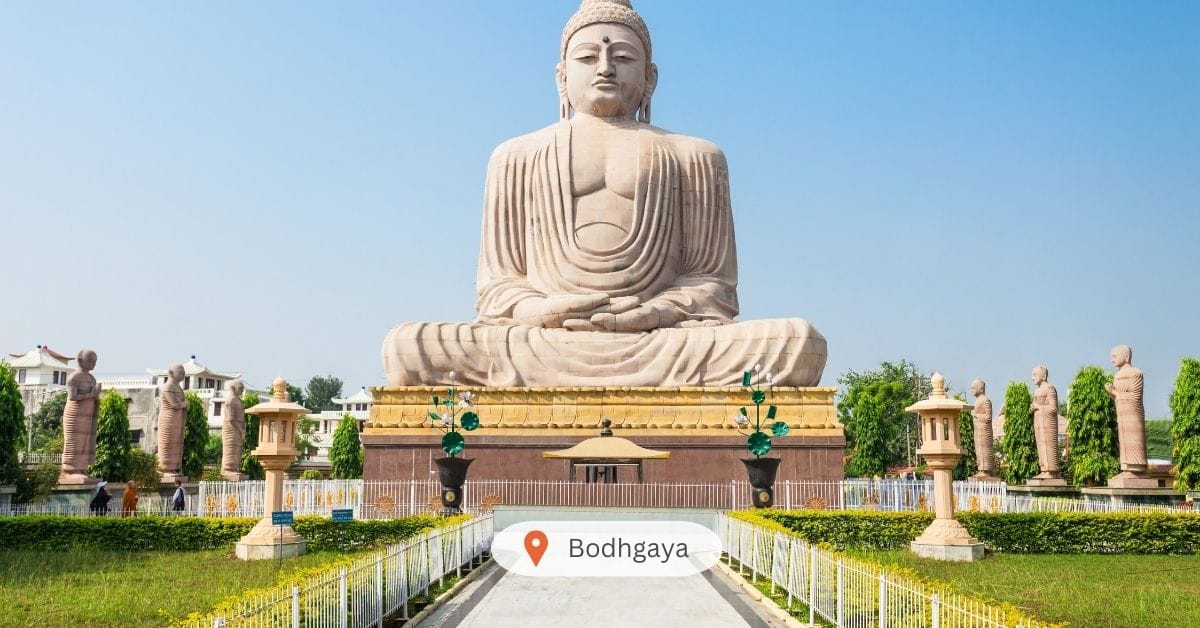
Bodhgaya’s Festivals , Have you ever wondered what it feels like when thousands of monks in maroon and gold robes fill the streets, their chanting creating waves of sound that seem to vibrate through your very soul? Welcome to Bodhgaya during festival season—where the spiritual becomes tangible, and ancient traditions come alive in the most spectacular ways.
Bodhgaya isn’t just a pilgrimage site; it’s a living, breathing center of Buddhist culture that transforms dramatically throughout the year. While the Mahabodhi Temple stands as an eternal symbol of enlightenment, the festivals that sweep through this sacred town add layers of color, sound, devotion, and community that elevate the experience from sightseeing to genuine cultural immersion.
From the serene beauty of Buddha Purnima to the massive congregations during the Kalachakra teachings, from traditional Tibetan celebrations to vibrant cultural festivals showcasing Bihar’s heritage, Bodhgaya’s festival calendar offers something that touches every visitor’s heart. These aren’t performances for tourists—they’re authentic expressions of faith, culture, and community that have been practiced for centuries. When you witness them, you’re not just an observer; you become part of something much larger than yourself.
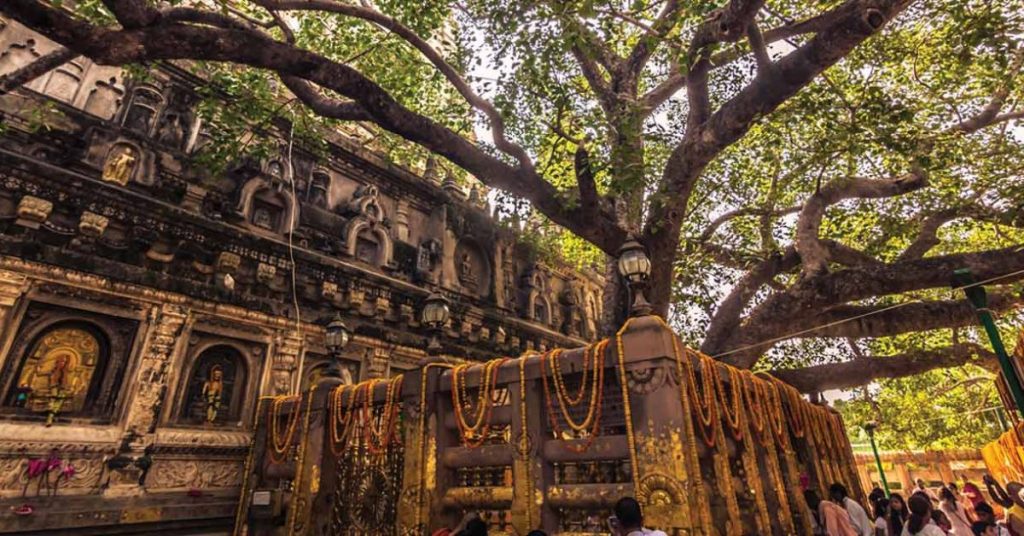
Buddha Purnima, also known as Vesak or Buddha Jayanti, commemorates the birth, enlightenment, and death (parinirvana) of Gautama Buddha—all believed to have occurred on the same calendar date. Falling on the full moon day in April or May, this festival holds supreme importance in the Buddhist calendar, and nowhere is it celebrated more magnificently than in Bodhgaya, the very place where the Buddha achieved enlightenment.
Think of Buddha Purnima as the Buddhist equivalent of Christmas, Easter, and a spiritual birthday celebration all rolled into one profoundly meaningful day. For Buddhists worldwide, this isn’t just another holiday—it’s the holiest day of the year, and pilgrims travel from every corner of the globe to be in Bodhgaya for this special occasion.
The transformation of Bodhgaya during Buddha Purnima is nothing short of magical. The town awakens before dawn as tens of thousands of devotees converge on the Mahabodhi Temple complex. The entire area gets decorated with colorful prayer flags, flowers, and lights that create an atmosphere of joyous devotion.
The day begins with special puja (worship) ceremonies at temples across town. The Mahabodhi Temple itself becomes a focal point where monks from different Buddhist traditions—Theravada, Mahayana, Vajrayana—come together in rare unity. You’ll witness Tibetan monks chanting alongside Thai bhikkhus, Japanese priests, and Western practitioners, all honoring the Buddha in their unique traditions while sharing the same sacred space.
The rituals on Buddha Purnima are deeply moving. Devotees circumambulate the Mahabodhi Temple, some prostrating every few steps in a display of devotion that can take hours to complete. The Bodhi Tree itself receives special attention—pilgrims pour water at its roots, offer flowers, and tie prayer flags to its branches, creating a canopy of colors and wishes.
Butter lamp offerings illuminate the evening, creating a sea of flickering lights that symbolize the Buddha’s enlightenment dispelling the darkness of ignorance. The sight of thousands of small flames dancing in the night breeze, accompanied by the deep resonance of chanting, creates moments of profound beauty that remain etched in memory forever.
Many monasteries organize free communal meals (langars), reflecting the Buddhist values of generosity and compassion. These aren’t fancy affairs—simple vegetarian food served with love to anyone who comes, regardless of religion or background. There’s something deeply touching about sitting on the ground with strangers from around the world, sharing a meal in companionable silence or broken conversation, united by the day’s significance.
The Kagyu Monlam Chenmo represents one of Tibetan Buddhism’s most important prayer festivals, and its celebration in Bodhgaya has become a highlight of the spiritual calendar. Established in the 15th century by the 7th Karmapa, this Great Prayer Festival traditionally took place in Lhasa but found a new home in Bodhgaya following the Tibetan diaspora.
The Monlam isn’t just about personal prayer; it’s about collective aspiration for the welfare of all beings. Thousands of monks and nuns from the Kagyu tradition gather to pray for world peace, the alleviation of suffering, and the flourishing of Buddhist teachings. The power of this collective intention creates an almost palpable energy that affects everyone present, Buddhist or not.
Attending the Monlam feels like stepping into another world. The festival typically spans several days in late December or January, transforming the Mahabodhi Temple complex and nearby venues into vast prayer halls. Thousands of monastics fill every available space, creating a sea of maroon robes that ripples as they bow in unison during prayers.
The chanting during Monlam is extraordinary—thousands of voices creating harmonics that seem to resonate not just in your ears but in your chest, your bones, your entire being. The prayers continue for hours, yet there’s no sense of monotony. Instead, you experience something meditative, transporting, almost timeless.
Special rituals punctuate the daily prayer sessions. The Mahakala Dance, performed by monks in elaborate costumes and masks, represents the wrathful protector deity dispelling obstacles to enlightenment. For Western observers, it might look like performance art, but for practitioners, it’s a sacred ritual charged with spiritual significance.
The festival also features teachings from prominent lamas, providing opportunities to learn directly from masters of Tibetan Buddhism. Even if you don’t understand Tibetan, simultaneous translations in multiple languages make these teachings accessible to the international community.
Losar, the Tibetan New Year, brings a different energy to Bodhgaya—one that’s more celebratory and culturally festive than the purely religious observances. Falling in February or March, Losar marks the beginning of the lunar calendar and represents renewal, fresh starts, and the triumph of good over evil.
The Tibetan community in Bodhgaya, which is substantial and vibrant, goes all out for Losar. Monasteries get thoroughly cleaned and decorated, new prayer flags replace old ones, and everyone dons their finest traditional clothing. The streets come alive with colors—the deep reds, blues, golds, and whites of Tibetan dress creating a visual feast.
Food plays a central role in Losar celebrations, and if you’re lucky enough to be invited to join a Tibetan family or monastery celebration, you’ll experience culinary traditions passed down through generations. Guthuk, a special soup eaten on New Year’s Eve, contains dumplings with various fillings—some ordinary, some humorous (like chili peppers or coal) that playfully predict characteristics of whoever gets them.
On Losar itself, families prepare elaborate meals featuring momo (dumplings), thukpa (noodle soup), and khapse (deep-fried pastries arranged in beautiful towers). The butter tea flows freely, and guests are welcomed with khatak (white ceremonial scarves) as symbols of goodwill and pure intentions.
The monasteries organize special prayer ceremonies, but there’s also room for joy—music, dancing, and games that seem wonderfully incongruous with the serious meditation atmosphere usually associated with Buddhist monasticism. Watching young monks playing traditional Tibetan games, their laughter ringing out, reminds you that spirituality doesn’t require constant solemnity.
The Kalachakra Initiation doesn’t happen annually in Bodhgaya, but when it does, the town experiences its most massive transformation. This tantric empowerment ceremony, traditionally given by high lamas including the Dalai Lama, can attract hundreds of thousands of participants from around the world.
Kalachakra means “Wheel of Time,” and the initiation involves complex visualizations, rituals, and teachings that can span 10-14 days. It’s considered one of the most advanced practices in Tibetan Buddhism, yet uniquely, anyone can attend—from complete beginners to advanced practitioners. The belief is that even witnessing the ceremony plants seeds for future enlightenment.
When Bodhgaya hosts Kalachakra, the entire town becomes one enormous spiritual gathering. Temporary tent cities spring up to accommodate the massive influx. The teaching venue—often a specially constructed pavilion—might cover several acres to hold the crowds. The logistics are staggering, yet somehow it all works, testament to the organizing skills of the Tibetan administration and countless volunteers.
Attending Kalachakra is intense. You’re sitting for hours daily, often in uncomfortable conditions, surrounded by thousands of others, listening to teachings in a language you might not understand (though translations are provided). Yet there’s something profoundly moving about being part of this massive human gathering united by spiritual aspiration.
The sand mandala constructed during Kalachakra represents one of the ceremony’s most beautiful aspects. Monks spend days creating an intricate mandala from colored sand, only to ceremonially destroy it at the conclusion—a powerful teaching on impermanence. Watching the vibrant, impossibly detailed creation swept away into a simple container is both heartbreaking and enlightening.
While most of Bodhgaya’s festivals have Buddhist origins, the Bodhgaya Mahotsav celebrates the broader cultural heritage of Bihar state. Typically held in February, this multi-day festival showcases classical and folk arts, traditional crafts, and regional cuisine, creating a cultural bridge between Bihar’s ancient Buddhist past and its diverse present.
The Mahotsav reminds visitors that Bodhgaya exists within a rich Indian cultural context. While international pilgrims focus on Buddhist sites, the local population has its own vibrant traditions worth celebrating and experiencing. The festival creates space for cultural exchange where visitors gain deeper appreciation for the region beyond its religious significance.
The Mahotsav features performances that span Bihar’s artistic traditions. Classical music concerts showcase ragas performed on traditional instruments like the sitar, tabla, and sarangi. The melodies, many of them hundreds of years old, create contemplative atmospheres perfectly suited to Bodhgaya’s spiritual setting.
Folk dance performances bring infectious energy—groups in colorful traditional costumes performing harvest dances, martial dances, and ritual dances that tell stories of gods, heroes, and everyday life. Even if you don’t understand the narratives, the rhythms, movements, and expressions communicate across language barriers.
The craft bazaar accompanying the festival offers opportunities to purchase authentic regional handicrafts—madhubani paintings, sujani embroidery, applique work, and more. These aren’t mass-produced tourist items but genuine examples of Bihar’s artistic traditions, often made by the artisans themselves who are present to demonstrate their techniques.
Bodhgaya regularly hosts international Buddhist conferences that bring together scholars, practitioners, and religious leaders from around the world. These academic and interfaith gatherings might seem less exciting than colorful festivals, but they represent important exchanges of ideas and interpretations that shape contemporary Buddhism.
If you’re intellectually curious about Buddhism beyond its devotional aspects, attending conference sessions can provide fascinating insights. Scholars present research on Buddhist texts, history, archaeology, and contemporary practice. The discussions that follow often reveal diverse perspectives within Buddhism that challenge simplistic understandings.
Particularly meaningful are the interfaith dialogues held in Bodhgaya, where Buddhist, Hindu, Muslim, Christian, and other religious leaders come together in the spirit of mutual understanding. In a world often divided by religious conflict, these gatherings demonstrate another possibility—respectful conversation, recognition of shared values, and celebration of diversity.
These events might not draw massive crowds, but their significance extends far beyond attendance numbers. They model the kind of religious harmony that Buddha himself would likely have appreciated, given his emphasis on reducing suffering and promoting peace.
The Thai Buddhist community maintains a significant presence in Bodhgaya, centered around their beautiful Thai Temple complex. Thai Pongal, a harvest festival celebrated in January, brings special energy to the Thai Temple with traditional ceremonies, cultural performances, and communal meals.
The Thai approach to Buddhism emphasizes joyful participation, and this spirit permeates their festivals. Where Tibetan ceremonies might feel austere and intense, Thai celebrations feel warm and welcoming, with smiling monks encouraging participation even from complete outsiders.
Throughout the year, the Thai Temple hosts traditional ceremonies that follow the Theravada Buddhist calendar. Visakha Puja, Asalha Puja, and other observances feature candle-lit processions where participants walk three times around the main temple building, holding flowers, incense, and candles—a simple yet deeply moving ritual.
The Thai Temple’s Kathina ceremony, held after the monsoon season, involves the offering of robes and requisites to monks who have completed the rains retreat. The elaborate ceremony includes traditional Thai music, processions, and merit-making activities that provide windows into Thai Buddhist culture.
The winter months in Bodhgaya transform the town into an open-air university of Buddhist learning. Renowned teachers from various traditions offer courses, retreats, and public teachings that attract serious practitioners from around the world. This isn’t exactly a “festival” in the conventional sense, but the concentration of teachings creates a special seasonal atmosphere.
The Root Institute, Tergar Monastery, and various other centers host structured courses ranging from introductory meditation to advanced philosophy. Some are drop-in sessions; others are formal courses requiring registration and fees. The quality of instruction is generally exceptional, offering opportunities to learn from masters you’d otherwise need to travel the world to find.
When prominent Buddhist teachers visit Bodhgaya, word spreads quickly through the international community. Past visitors have included the Dalai Lama, Thich Nhat Hanh, various Rinpoches, and respected Western Buddhist teachers. These teaching events can attract thousands of participants and require advance registration.
Even without celebrity teachers, the everyday teaching environment during winter season creates incredible learning opportunities. You might find yourself in a small gompa (meditation hall) receiving transmission of ancient practices from a lama who’s been practicing for 40 years, with only a dozen other fortunate attendees. These intimate teachings often prove more transformative than larger public events.
While Bodhgaya is predominantly known as a Buddhist pilgrimage site, the local population is primarily Hindu, and their festivals add another dimension to the town’s cultural tapestry. Diwali, the Festival of Lights celebrated in October or November, illuminates Bodhgaya with thousands of oil lamps and fireworks.
The juxtaposition is fascinating—Buddhist temples maintaining their meditative calm while the surrounding town erupts in Diwali celebration. Markets overflow with sweets, new clothes, and decorative items. Homes and shops get decorated with rangoli (colored powder designs), and the night sky lights up with fireworks that would alarm any meditation retreat but delight everyone else.
For visitors, experiencing Diwali in Bodhgaya offers a reminder that India’s religious traditions coexist and overlap in complex ways. Many Buddhists participate in Diwali celebrations, and many Hindus visit the Mahabodhi Temple, demonstrating the fluid boundaries of Indian spirituality.
Holi, the spring festival of colors in March, brings playful chaos to Bodhgaya’s streets. Locals (and brave tourists) throw colored powder and water at each other in joyous celebration. While the Buddhist monasteries typically don’t participate directly, the festive atmosphere affects the entire town.
Durga Puja, celebrated in September or October, honors the goddess Durga’s victory over evil. Temporary pandals (structures) housing Durga idols spring up in local neighborhoods. The combination of devotional ceremonies, cultural programs, and community feasting creates a festival atmosphere that welcomes participation from all backgrounds.
Timing your Bodhgaya visit to coincide with festivals requires planning and flexibility. The major Buddhist festivals follow the lunar calendar, so their dates shift relative to the Western calendar. Buddha Purnima typically falls in April or May, the Kagyu Monlam in December or January, and Losar in February or March.
The winter season (November through February) concentrates the most festivals and teaching events, making it simultaneously the most exciting and most crowded time to visit. If festivals are your primary interest, this window offers maximum opportunities. However, it also means competing with thousands of others for accommodation, restaurant tables, and space at ceremonies.
For a more balanced experience, consider visiting during Buddha Purnima specifically—you’ll experience the single most important Buddhist festival without the extended winter season crowds. The weather in April can be warm but is generally pleasant, and the single-day nature of the festival creates intensity without overwhelming logistics.
Here’s something crucial to understand: accommodation during major festivals gets booked months in advance. When the Dalai Lama announces a Kalachakra initiation in Bodhgaya, hotel rooms disappear almost immediately. Even lesser festivals see significant increases in demand.
Start researching accommodation options at least 3-6 months before major festivals. Sign up for newsletters from Bodhgaya monasteries and teaching centers to receive advance notice of scheduled events. When booking, get written confirmation and consider paying deposits to secure your reservation.
Expect to pay premium rates during peak festival times—hotels and guesthouses increase prices when demand is high. Budget twice what you’d normally spend on accommodation, or consider staying in Gaya town (17 kilometers away) where prices remain more reasonable and daily commutes are manageable.
Pack patience along with your luggage. Festival times mean crowds, noise, longer waits for food, and generally less personal space. If you thrive in bustling environments full of energy and humanity, you’ll love it. If crowds stress you out, perhaps visit during quieter periods when you can experience Bodhgaya’s spiritual essence without festival intensity.
Participating in Bodhgaya’s festivals is a privilege that comes with responsibilities. These are genuine religious observances, not performances staged for tourists. Respectful behavior ensures that visitors are welcomed rather than merely tolerated.
Dress modestly—shoulders and knees covered, nothing too tight or revealing. This applies to all genders and seems particularly important during religious ceremonies. Remove shoes before entering temples and religious spaces. Follow the lead of local participants regarding when to sit, stand, or bow.
Maintain appropriate silence or quiet conversation during ceremonies. The chanting, music, and ritual actions create sacred atmosphere that loud talking or laughter disrupts. If you’re not participating actively, position yourself toward the periphery rather than claiming prime spots that practitioners might prefer.
Ask permission before accepting or declining offerings. During communal meals or ceremonies, you might be offered food, blessed cords, or other items. If uncertain whether acceptance is appropriate, observe what others do or politely inquire. Refusing thoughtlessly can offend, but so can accepting without proper understanding.
The visual splendor of Bodhgaya’s festivals naturally makes you want to capture every moment. However, photography requires sensitivity and awareness of boundaries. Not all moments are appropriate to photograph, and intrusive picture-taking can disturb both ceremonies and participants.
Generally, photography is acceptable in public spaces and during processions. The Mahabodhi Temple complex allows photography (though sometimes a fee applies), and most outdoor ceremonies permit respectful picture-taking. Inside monastery prayer halls during ceremonies, however, photography is often restricted or prohibited—respect these rules.
Never photograph monks, nuns, or devotees at close range without permission. That striking image of a monk deep in meditation makes a powerful photo, but capturing it by shoving a camera in someone’s face during their spiritual practice is deeply disrespectful. Use zoom lenses from a distance, or better yet, ask permission and be prepared to accept “no.”
Consider putting your camera down entirely during the most sacred moments. Some experiences deserve to be fully lived rather than documented. Watching the butter lamp ceremony through your phone screen isn’t the same as actually seeing the flickering lights reflected in thousands of faces. Sometimes the best souvenir is a memory etched in your heart rather than pixels stored in your device.
Festival times bring special foods to Bodhgaya that you won’t find during ordinary periods. The communal meals during Buddha Purnima and Monlam often feature traditional dishes from various Buddhist cultures—Tibetan butter tea and tsampa, Korean temple food, Thai curries, and more.
Street food vendors multiply during festivals, offering everything from spicy chaats to sweet jalebis. The international crowd means you’ll find Korean restaurants suddenly more crowded, Japanese shops serving special festival dishes, and Thai vendors setting up temporary stalls near their temple.
Don’t miss the opportunity to try authentic Tibetan festive foods if invited to a Losar celebration. The khapse pastries, arranged in elaborate towers, represent prosperity and good fortune. They’re not just food—they’re edible art and cultural expression combined.
Festivals attract vendors from across Bihar and beyond, creating temporary markets that overflow with goods you won’t find normally. Religious items dominate—prayer beads, statues, thangka paintings, Buddhist texts, meditation cushions—but you’ll also find clothing, crafts, and general goods.
Bargaining is expected in these temporary markets, but don’t be too aggressive. Remember that many vendors are small-scale sellers for whom these festivals represent significant income opportunities. Finding fair prices that respect both your budget and their livelihood creates positive exchanges.
The market atmosphere itself becomes part of the festival experience—the colors, sounds, smells, and energy of commerce mixing with spirituality in distinctly Indian fashion. Wander through with open senses, and you’ll discover items and interactions that become treasured travel memories.
There’s something difficult to quantify that happens in Bodhgaya during major festivals—an energetic shift that even skeptics often acknowledge. Perhaps it’s the concentration of focused intention from thousands of meditators and devotees. Maybe it’s the cultural momentum of centuries-old traditions being enacted with full participation. Or possibly it’s simply the human connection that happens when people from utterly different backgrounds unite around shared values.
Whatever the explanation, many visitors report feeling something transformative during festival times in Bodhgaya. Meditation becomes easier, as if supported by surrounding practice. Emotions surface more readily—tears flow during ceremonies, joy bubbles up spontaneously, compassion for strangers feels more accessible. The normal barriers we construct around ourselves seem to soften.
This isn’t guaranteed mystical experience for everyone—some people attend festivals and mainly notice the crowds and heat. But opening yourself to the possibility of transformation, approaching ceremonies with sincerity rather than mere curiosity, often creates space for something meaningful to occur. Bodhgaya’s festivals invite you not just to watch but to participate, not just to document but to experience, not just to learn about Buddhism but to taste it directly.
Bodhgaya’s festivals transform this already sacred town into something extraordinary—a living celebration of Buddhist culture in all its diversity, a gathering point for the global Buddhist community, and a powerful demonstration of what happens when ancient traditions meet contemporary expression. From the serene devotion of Buddha Purnima to the joyous cultural celebration of Losar, from massive gatherings during Kalachakra to intimate teaching sessions during winter season, these festivals offer windows into Buddhist practice and culture that no guidebook can adequately convey.
Planning your visit to coincide with festivals requires effort—booking early, accepting crowds, embracing uncertainty—but the rewards justify the challenges. You’ll witness ceremonies unchanged for centuries, connect with practitioners from every corner of the globe, and perhaps most importantly, experience firsthand the living heart of Buddhism rather than just its historical monuments.
Whether you come as a devout Buddhist pilgrim, a curious cultural explorer, or simply someone seeking experiences beyond ordinary tourism, Bodhgaya’s festivals welcome you. They invite you to witness, to participate, to learn, and to be transformed. The vibrant spirit of this sacred town never shines brighter than during festival times, when centuries of tradition meet the energy of thousands of human hearts all turning toward enlightenment, peace, and understanding. Come, and let yourself be part of something larger than yourself. Come, and celebrate the spirit that makes Bodhgaya truly special.
Buddha Purnima is unquestionably the most significant festival, commemorating the Buddha’s birth, enlightenment, and death. Celebrated on the full moon in April or May, it attracts the largest crowds and features the most elaborate ceremonies at the Mahabodhi Temple. If you can only attend one festival, make it Buddha Purnima for the most profound experience of Bodhgaya’s spiritual energy.
Extremely crowded. During Buddha Purnima, expect tens of thousands of visitors. During Kalachakra initiations, the numbers can reach hundreds of thousands. The Mahabodhi Temple complex becomes packed to capacity, accommodation fills up completely, and restaurants experience long waits. However, the crowds are generally peaceful and respectful, creating communal energy rather than chaotic overwhelm.
Absolutely yes. All major Buddhist festivals and ceremonies in Bodhgaya welcome participants regardless of religious background. Buddhism is notably inclusive, and the spirit in Bodhgaya emphasizes openness rather than exclusivity. Simply show respect through modest dress, appropriate behavior, and genuine interest. You’ll be welcomed warmly as long as you participate respectfully.
Most public ceremonies and celebrations are free and don’t require registration—you simply show up. However, specific teaching courses, formal retreats, or events with limited capacity do require advance registration and often involve fees. The Kalachakra initiation typically requires registration for logistical purposes. Check with specific monasteries or teaching centers for their particular events.
Essentials include: a small cushion or mat for sitting on the ground during ceremonies (though these are sometimes provided), modest clothing covering shoulders and knees, a shawl or jacket for cooler evening ceremonies, sun protection for daytime events, a water bottle, and small bills for donations. Many people bring prayer beads, notebooks for teachings, and cameras (respecting photography restrictions). Most importantly, bring an open heart and respectful attitude.