
Varanasi Prayagraj Tour Package Sacred Cities ,Have you ever felt the calling to experience something truly transformative? India’s sacred cities of Varanasi and Prayagraj offer just that—a journey into the soul of ancient spirituality. These two cities aren’t just destinations; they’re living, breathing testaments to thousands of years of faith, culture, and devotion. A Varanasi Prayagraj tour package brings together the best of both worlds, offering travelers an immersive experience into India’s spiritual heartland.
Picture yourself standing on the ghats of Varanasi as the sun rises over the Ganges, or witnessing millions of devotees taking a holy dip at the Triveni Sangam in Prayagraj. These aren’t just sights—they’re experiences that touch your soul and stay with you forever.

Why Choose a Varanasi Prayagraj Tour Package?
Varanasi Prayagraj Tour Package Sacred Cities , Why should you opt for a combined tour package instead of visiting these cities separately? The answer is simple: convenience, completeness, and cost-effectiveness. These two sacred cities complement each other perfectly, and visiting them together gives you a comprehensive understanding of Hindu spirituality and Indian culture.
A well-designed tour package takes care of all the logistics—from accommodation and transportation to guided tours and spiritual experiences. You won’t have to worry about planning every detail; instead, you can focus on absorbing the divine atmosphere and creating memories that last a lifetime. Plus, these packages often include local insights and access to experiences that independent travelers might miss.
Varanasi: The Eternal City of Light
Historical Significance of Varanasi
Varanasi, also known as Kashi or Benaras, is one of the oldest continuously inhabited cities in the world. Dating back over 3,000 years, this ancient city has been a center of learning, spirituality, and culture throughout its existence. According to Hindu mythology, Lord Shiva himself founded Varanasi, making it one of the seven holiest cities in Hinduism.
The city has witnessed the rise and fall of empires, welcomed scholars and saints, and served as a beacon of spiritual light for countless generations. Walking through its narrow lanes is like stepping back in time—every corner tells a story, every temple whispers ancient prayers.
Must-Visit Temples and Ghats
Varanasi boasts over 2,000 temples and more than 80 ghats lining the Ganges River. The Kashi Vishwanath Temple, dedicated to Lord Shiva, stands as the most revered shrine in the city. Its golden spire dominates the skyline and draws millions of devotees annually.
The ghats are the soul of Varanasi. Dashashwamedh Ghat is the most prominent, hosting the spectacular Ganga Aarti every evening. Assi Ghat offers a more peaceful atmosphere, perfect for morning yoga sessions or quiet contemplation. Manikarnika Ghat, the main cremation ground, reminds us of life’s impermanence and the Hindu belief in moksha (liberation).
Don’t miss the Sankat Mochan Hanuman Temple, the Durga Temple (also known as Monkey Temple), and the Tulsi Manas Temple, where saint-poet Tulsidas composed the Ramcharitmanas.
The Mesmerizing Ganga Aarti
If there’s one experience that defines Varanasi, it’s the Ganga Aarti. Every evening, as dusk settles over the river, priests perform an elaborate ritual of worship to the sacred Ganges. The ceremony involves synchronized movements, brass lamps with multiple wicks, incense, flowers, and devotional songs that echo across the water.
Thousands of devotees and tourists gather on the ghats and in boats to witness this mesmerizing spectacle. The sight of flames dancing against the twilight sky, reflected in the holy waters, creates an atmosphere so charged with devotion that even skeptics find themselves moved. It’s not just a religious ceremony; it’s a celebration of life, faith, and the eternal flow of the Ganges.
Prayagraj: The Land of Confluence
The Sacred Triveni Sangam
Prayagraj, formerly known as Allahabad, holds a special place in Hindu spirituality as the location of the Triveni Sangam—the confluence of three holy rivers: the Ganges, Yamuna, and the mythical Saraswati. This sacred meeting point is considered one of the most auspicious spots in Hinduism.
Taking a dip at the Sangam is believed to wash away sins and bring spiritual purification. The visible difference in water colors—the brownish Ganges and the greenish-blue Yamuna—creates a striking visual as they merge. Boat rides to the Sangam allow you to witness this natural wonder up close while priests perform rituals on floating platforms.
Kumbh Mela: The World’s Largest Spiritual Gathering
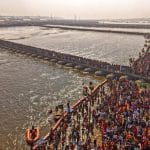
Prayagraj hosts the Maha Kumbh Mela every twelve years, and the Ardh Kumbh Mela every six years—events recognized by UNESCO as Intangible Cultural Heritage of Humanity. These gatherings attract millions of pilgrims from around the world, making them the largest peaceful gatherings on Earth.
During the Kumbh Mela, the city transforms into a temporary metropolis of tents and ashrams. Saints, sadhus, and spiritual seekers come together to take holy dips on auspicious dates determined by celestial alignments. The atmosphere buzzes with devotion, philosophical discussions, and an energy that’s truly indescribable. Even if you’re not visiting during the Kumbh, the city carries the spiritual residue of these magnificent gatherings.
Historical Monuments in Prayagraj
Beyond its religious significance, Prayagraj boasts impressive historical monuments. The Allahabad Fort, built by Emperor Akbar in 1583, stands majestically on the banks of the Yamuna. Inside the fort lies the Akshayavat, an immortal banyan tree mentioned in Hindu scriptures, and the Patalpuri Temple.
Anand Bhavan, the ancestral home of the Nehru family, has been converted into a museum showcasing India’s freedom struggle. The adjacent Swaraj Bhavan offers further insights into the country’s journey to independence. The All Saints Cathedral, with its Gothic architecture, provides a contrast to the Hindu temples and reflects the city’s colonial past.
Don’t miss the Hanuman Temple at Sangam, which houses a unique reclining statue of Lord Hanuman that becomes submerged during the monsoon floods, only to reappear later—a phenomenon that draws curious visitors year after year.
Best Time to Visit Varanasi and Prayagraj
Timing can make or break your spiritual journey. The ideal time to visit both Varanasi and Prayagraj is during the winter months, from October to March. During this period, the weather remains pleasant, with temperatures ranging from 5°C to 25°C, making it comfortable for sightseeing and participating in outdoor rituals.
The monsoon season (July to September) brings heavy rainfall, which can disrupt travel plans, though it also brings a lush green beauty to the region. Summer months (April to June) can be intensely hot, with temperatures soaring above 40°C, making it challenging for most tourists.
If you’re specifically interested in festivals, consider visiting during Diwali (October or November) when Varanasi celebrates Dev Deepawali, illuminating all the ghats with millions of earthen lamps. For Prayagraj, timing your visit with the Magh Mela (January-February) or the Kumbh Mela offers an unparalleled spiritual experience.
What’s Included in a Typical Tour Package?
Accommodation Options
Tour packages offer a range of accommodation options to suit different budgets and preferences. Budget travelers can opt for dharamshalas (pilgrim rest houses) or simple guesthouses that provide basic amenities at affordable prices. Mid-range hotels offer comfortable rooms with modern facilities, often located near major attractions.
For those seeking luxury, heritage hotels and premium resorts provide world-class amenities, spa services, and views of the Ganges. Many packages include boutique properties that blend traditional architecture with contemporary comfort, giving you an authentic yet comfortable experience.
Transportation and Guided Tours
Most comprehensive packages include airport or railway station pickup, intercity transportation between Varanasi and Prayagraj, and local sightseeing in air-conditioned vehicles. The approximately 120-kilometer journey between the two cities takes about three hours by road.
Guided tours are a highlight of these packages. Knowledgeable local guides share fascinating stories, historical facts, and spiritual insights that bring the cities to life. They help navigate the maze-like streets of Varanasi, explain temple protocols, and ensure you don’t miss hidden gems that guidebooks often overlook.
Boat rides are typically included for the Ganga Aarti in Varanasi and the Sangam visit in Prayagraj. Some premium packages even offer sunrise boat rides on the Ganges—a serene experience that showcases the city waking up to its daily rhythms of prayer and ritual.
Spiritual Experiences and Rituals
What truly sets these tour packages apart are the curated spiritual experiences. Many packages arrange for personalized puja ceremonies at important temples, where priests perform rituals on your behalf. You might participate in Ganga Snan (holy bath), offer prayers at the Sangam, or attend evening aartis at multiple ghats.
Some packages include sessions with learned pandits who explain the philosophical underpinnings of Hindu spirituality, yoga and meditation classes on the ghats, or visits to ashrams where you can experience traditional spiritual practices. These authentic experiences provide deeper understanding beyond mere sightseeing.
Cultural Experiences Beyond the Temples
Local Cuisine You Must Try
Varanasi and Prayagraj are paradises for food lovers, especially those who appreciate vegetarian cuisine. Varanasi is famous for its street food—from the crispy kachori sabzi breakfast to the sweet, creamy malaiyo (a winter specialty) and the legendary Banarasi paan.
Don’t leave without trying chaat at Kashi Chaat Bhandar, tamatar chaat (a tomato-based street snack unique to Varanasi), and the delicious sweets from iconic shops like Mishrilal. For a complete meal, sample the traditional Banarasi thali with its variety of regional dishes.
In Prayagraj, seek out the local variations of samosas, jalebis, and the city’s famous peda (milk-based sweet). Both cities offer numerous pure vegetarian restaurants respecting the spiritual atmosphere, though you’ll also find diverse dining options in modern establishments.
Shopping for Spiritual Souvenirs
The markets of both cities overflow with spiritual and cultural treasures. Varanasi is world-renowned for its Banarasi silk sarees, featuring intricate zari work and traditional designs. The Godowlia and Vishwanath Lane markets offer authentic pieces, though be prepared to negotiate.
Look for brass idols, prayer items, rudraksha malas (prayer beads), spiritual books, and traditional musical instruments. The narrow lanes near the temples sell everything from incense and camphor to beautiful artwork depicting Hindu deities.
Prayagraj’s markets offer similar spiritual items, along with handicrafts and the famous Allahabad ki amrud (guava) when in season. Shopping in these cities isn’t just about buying things—it’s about experiencing the vibrant bazaar culture that’s been thriving for centuries.
How to Plan Your Varanasi Prayagraj Journey
Planning your sacred journey requires some thoughtful consideration. Start by deciding the duration of your trip—typically, a 4-5 day package allows you to explore both cities without rushing. Allocate at least two full days for Varanasi and one to two days for Prayagraj.
Book your package well in advance, especially if you’re traveling during festival seasons or the Kumbh Mela period. Compare different tour operators, reading reviews and understanding what’s included and excluded in the package cost.
Consider your physical fitness level—both cities involve considerable walking on uneven surfaces, climbing steps at ghats, and navigating crowded areas. If you have mobility concerns, inform your tour operator in advance so they can make appropriate arrangements.
Pack modest, comfortable clothing that respects the religious nature of these destinations. Cotton clothes work best in the climate, and you’ll need to cover your legs and shoulders when entering temples. Carry comfortable walking shoes, sunscreen, a hat, and any personal medications you might need.
Tips for First-Time Visitors
Visiting these sacred cities for the first time can be overwhelming, but these tips will help you navigate smoothly. Respect local customs and dress modestly—this isn’t just about rules; it’s about showing reverence for the sacred spaces you’re entering.
Be prepared for crowds, especially at popular ghats and temples during peak hours. Early mornings offer the most peaceful experiences, with fewer tourists and a genuinely spiritual atmosphere. Photography is allowed in most areas, but always ask permission before photographing people, especially sadhus and priests.
Stay vigilant about your belongings in crowded areas, but don’t let this worry overshadow your experience. Most locals are genuinely warm and helpful. Accept that not everything will go according to plan—traffic, crowds, and last-minute changes are part of the Indian experience. Embrace the chaos with a sense of humor and flexibility.
Hire licensed guides or stick with your package’s assigned guides to avoid touts and scams. Be cautious about “free” offers of ceremonies or blessings that suddenly demand hefty donations. Legitimate priests at major temples have fixed rates displayed.
Stay hydrated and eat at clean, busy restaurants to avoid stomach troubles. While street food is tempting and often delicious, opt for stalls with high turnover if you have a sensitive stomach. Most importantly, approach your journey with an open heart and mind—these cities reveal themselves differently to every visitor.
Conclusion
A Varanasi Prayagraj tour package offers more than just a vacation—it’s a pilgrimage into India’s spiritual soul. These two ancient cities, with their sacred rivers, timeless rituals, and profound devotion, provide experiences that transcend ordinary tourism. Whether you’re seeking spiritual awakening, cultural enrichment, or simply a unique travel experience, this journey delivers on all fronts.
The ghats of Varanasi with their eternal flames and the sacred confluence at Prayagraj represent the continuous flow of faith that has sustained Indian civilization for millennia. By choosing a well-planned tour package, you ensure that your journey is comfortable, comprehensive, and deeply meaningful. You’ll return home not just with photographs and souvenirs, but with memories and insights that enrich your understanding of human spirituality and cultural diversity.
So why wait? The sacred cities are calling. Book your Varanasi Prayagraj tour package and embark on a journey that promises to be as transformative as it is unforgettable.
FAQs
1. How many days should I allocate for a Varanasi Prayagraj tour package?
Ideally, you should plan for 4-5 days to fully experience both cities without rushing. This allows two days in Varanasi to cover major ghats, temples, and the Ganga Aarti, one to two days in Prayagraj for the Sangam and historical sites, plus travel time between the cities. If you’re visiting during special festivals, consider extending your stay to fully immerse yourself in the celebrations.
2. Is it safe to travel to Varanasi and Prayagraj as a solo traveler or with family?
Yes, both cities are generally safe for travelers, including solo travelers and families. As with any destination, exercise normal precautions like avoiding deserted areas at night, keeping valuables secure, and staying aware of your surroundings. Choosing a reputable tour package adds an extra layer of security with organized transportation and guides who know the areas well.
3. What is the approximate cost of a Varanasi Prayagraj tour package?
Package costs vary widely based on accommodation class, duration, inclusions, and season. Budget packages can start from ₹5,000-8,000 per person for basic 3-4 day trips, while mid-range packages typically cost ₹12,000-20,000 per person. Luxury packages with premium hotels and exclusive experiences can range from ₹25,000 to ₹50,000 or more per person. International travelers should expect higher costs due to premium service requirements.
4. Can non-Hindus visit these sacred cities and participate in rituals?
Absolutely! Both Varanasi and Prayagraj welcome visitors of all faiths and backgrounds. The spiritual atmosphere transcends religious boundaries, and people from around the world visit to experience the culture and spirituality. While some inner sanctums of certain temples may be restricted to Hindus, most areas are open to everyone. Visitors of all faiths can participate in the Ganga Aarti, take boat rides, and experience the spiritual essence of these cities with appropriate respect and reverence.
5. What should I pack for a spiritual tour to Varanasi and Prayagraj?
Pack modest, comfortable cotton clothing that covers shoulders and knees for temple visits—long skirts or pants and loose shirts work well. Bring comfortable walking shoes with good grip for navigating ghats and steps, along with sandals that can be easily removed at temple entrances. Essential items include sunscreen, a hat or scarf for sun protection, a small backpack for day trips, hand sanitizer, personal medications, and a reusable water bottle. Don’t forget your camera to capture the incredible moments, and perhaps a journal to record your spiritual experiences and reflections.