

Prayagraj Ayodhya Triveni Sangam Tour Package , Imagine embarking on a spiritual journey that connects you with two of India’s most revered pilgrimage destinations. The Prayagraj Ayodhya Triveni Sangam tour package offers exactly that—a transformative experience that takes you through the sacred confluence of holy rivers and the birthplace of Lord Rama himself. This isn’t just a tour; it’s a journey through time, faith, and the very essence of Hindu spirituality.
These two cities, separated by just 135 kilometers, form a spiritual circuit that has drawn devotees for thousands of years. While Prayagraj represents the sacred meeting point of divine rivers, Ayodhya embodies the living legacy of one of Hinduism’s greatest epics, the Ramayana. Together, they create an unforgettable pilgrimage that touches the heart and nourishes the soul.
Why Choose This Spiritual Tour Package?
Why should you opt for a combined Prayagraj-Ayodhya tour instead of visiting these destinations separately? The answer lies in the spiritual synergy and practical convenience this package offers. These two sacred cities complement each other beautifully, providing a comprehensive understanding of Hindu mythology, devotion, and cultural heritage.
A well-designed tour package eliminates the stress of planning logistics, booking accommodations, and arranging transportation. You can focus entirely on your spiritual journey while experienced guides ensure you don’t miss any significant sites or rituals. The package typically costs less than organizing everything independently, and you benefit from insider knowledge that only local experts possess.
Moreover, the journey between Prayagraj and Ayodhya takes you through the heartland of Uttar Pradesh, offering glimpses of rural Indian life and cultural traditions that have remained unchanged for centuries. This adds an authentic dimension to your pilgrimage that goes beyond temple visits and ritual baths.
Prayagraj: The City of Divine Confluence
The Majestic Triveni Sangam
The crown jewel of Prayagraj is undoubtedly the Triveni Sangam—the sacred confluence where three holy rivers meet. The mighty Ganges, the serene Yamuna, and the mythical Saraswati converge here, creating one of Hinduism’s most auspicious locations. According to ancient scriptures, bathing at this confluence washes away sins accumulated over lifetimes and grants spiritual liberation.
The visual spectacle of the Sangam is mesmerizing. You can actually see where the brownish waters of the Ganges meet the greenish-blue Yamuna, creating a distinct line before they merge completely. Boat rides to the exact confluence point offer an intimate experience where you can take a holy dip while priests chant Vedic mantras and perform sacred rituals on floating platforms.
The Sangam isn’t just significant during the Kumbh Mela; it attracts pilgrims year-round. Early morning visits offer the most serene atmosphere, with the rising sun casting golden hues across the water as devotees perform their ritual ablutions. The spiritual energy here is palpable—even skeptics find themselves moved by the devotion that permeates the air.
Historical and Religious Landmarks
Beyond the Sangam, Prayagraj boasts numerous historical and religious sites that deserve your attention. The Allahabad Fort, built by Emperor Akbar in 1583, stands as a magnificent example of Mughal architecture. Inside its walls lies the Akshayavat, an immortal banyan tree mentioned in Hindu scriptures, believed to be eternal and indestructible.
The Hanuman Mandir near Sangam houses a unique reclining statue of Lord Hanuman that mysteriously submerges during monsoon floods and reappears afterward—a phenomenon that continues to fascinate devotees and visitors alike. The Mankameshwar Temple, dedicated to Lord Shiva, is another ancient shrine where locals worship with deep devotion.
Don’t miss Anand Bhavan, the ancestral home of the Nehru family, which has been converted into a museum showcasing India’s freedom struggle. The adjacent Swaraj Bhavan offers additional historical insights. The All Saints Cathedral, with its stunning Gothic architecture, provides an interesting contrast to the Hindu temples and reflects the city’s colonial heritage.
The Kumbh Mela Experience
Prayagraj hosts the world’s largest spiritual gathering—the Maha Kumbh Mela every twelve years and the Ardh Kumbh Mela every six years. These events, recognized by UNESCO as Intangible Cultural Heritage of Humanity, transform the city into a temporary metropolis of faith, attracting over 100 million pilgrims during peak periods.
Even if you’re not visiting during the Kumbh, the annual Magh Mela (January-February) offers a glimpse of this incredible tradition on a smaller scale. Thousands of saints, sadhus, and ascetics gather at the Sangam, creating an atmosphere charged with spiritual energy. The processions of Naga Sadhus, philosophical discourses, and collective rituals create memories that last a lifetime.
The city’s infrastructure has been significantly upgraded in recent years to accommodate pilgrims more comfortably, making visits outside festival periods equally rewarding without the overwhelming crowds.
Ayodhya: The Birthplace of Lord Rama
Ram Janmabhoomi and the New Temple
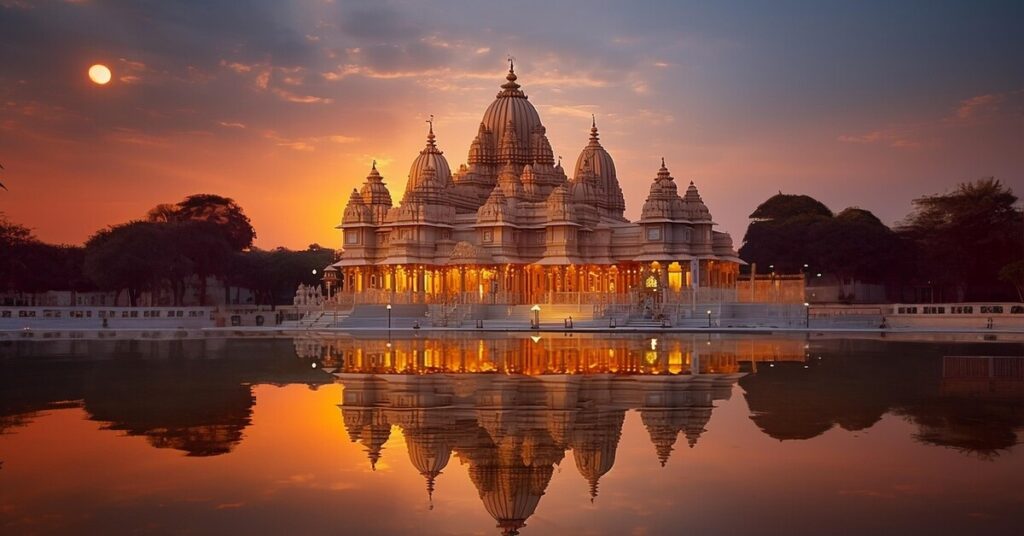
Ayodhya holds a special place in Hindu hearts as the birthplace of Lord Rama, the seventh avatar of Lord Vishnu and the hero of the epic Ramayana. The Ram Janmabhoomi, believed to be the exact birthplace of Lord Rama, has been a pilgrimage site for millennia. The newly constructed Ram Mandir, inaugurated recently, stands as a magnificent testament to devotion and architectural brilliance.
The temple complex showcases traditional Nagara style architecture with intricate carvings depicting scenes from the Ramayana. Walking through its corridors feels like stepping into the pages of the ancient epic itself. The sanctum sanctorum houses the idol of Ram Lalla (infant Rama) in the very spot where devotees believe he was born thousands of years ago.
The spiritual atmosphere at Ram Janmabhoomi is overwhelming. Devotees chant “Jai Shri Ram” with tears of devotion streaming down their faces, creating an emotional experience that transcends religious boundaries. The temple management has implemented modern amenities while maintaining the sacred atmosphere, making darshan (holy viewing) comfortable for all pilgrims.
Ancient Temples and Sacred Sites
Ayodhya isn’t just about Ram Janmabhoomi—the entire city is dotted with ancient temples and sacred sites. Hanuman Garhi, perched atop a hill with 76 steps leading to it, is one of the most important Hanuman temples in India. The temple’s fortress-like structure offers panoramic views of the city while providing a powerful spiritual experience.
Kanak Bhawan, gifted to Sita by Rama’s stepmother Kaikeyi, houses beautiful idols of Rama and Sita adorned with golden crowns. The temple’s architecture and the devotion of priests maintaining centuries-old rituals make it a must-visit destination. Nageshwarnath Temple, established by Rama’s son Kush, is one of Ayodhya’s oldest temples dedicated to Lord Shiva.
The Saryu River ghats, where Rama is believed to have taken his final journey, offer peaceful moments for reflection and prayer. The Ramkatha Park Museum provides an excellent introduction to the Ramayana through modern exhibits, making it especially valuable for younger visitors or those unfamiliar with the epic.
Cultural Heritage of Ayodhya
Ayodhya’s cultural heritage extends beyond temples and religious sites. The city has been continuously inhabited for thousands of years, and every street corner tells stories of devotion, royal lineage, and spiritual wisdom. The local population maintains traditions passed down through generations, from specific prayer rituals to classical music performances celebrating Rama’s glory.
The city comes alive during Ram Navami, celebrating Lord Rama’s birthday with elaborate processions, bhajan sessions, and dramatic enactments of Ramayana episodes. Diwali in Ayodhya is spectacular, commemorating Rama’s return from exile with millions of earthen lamps illuminating the city—an event that has earned a place in the Guinness World Records.
Modern Ayodhya has been transformed with improved infrastructure, wider roads, and better facilities while carefully preserving its ancient character. The development has made pilgrimage more comfortable without diminishing the spiritual authenticity that defines this sacred city.
The Spiritual Significance of Triveni Sangam
The Triveni Sangam represents more than just a geographical meeting point of rivers—it symbolizes the confluence of physical, mental, and spiritual realms in Hindu philosophy. The three rivers represent different aspects of existence: the Ganges symbolizes knowledge and purity, the Yamuna represents devotion and love, while the invisible Saraswati embodies wisdom and enlightenment.
According to Hindu scriptures, a holy dip at the Sangam during auspicious periods can liberate souls from the cycle of rebirth. The Puranas describe how drops of amrit (nectar of immortality) fell at four locations during a celestial battle, making them sites for the Kumbh Mela—with Prayagraj being the most significant.
The ritual of taking a dip isn’t merely about physical cleansing; it’s about spiritual renewal. Pilgrims believe that the sacred waters absorb negative karma and purify consciousness. Many perform tarpan (offerings to ancestors) at the Sangam, believing that their departed loved ones receive these offerings and blessings more effectively at this convergence of divine energies.
Best Time to Visit Prayagraj and Ayodhya
Choosing the right time for your spiritual journey significantly enhances your experience. The ideal period for visiting both Prayagraj and Ayodhya is during the winter months, from October to March, when temperatures remain pleasant, ranging between 10°C to 25°C. This weather makes outdoor activities, temple visits, and ritual baths comfortable.
If you want to experience the spiritual intensity at its peak, plan your visit during specific festivals. For Prayagraj, the Magh Mela (January-February) offers an authentic glimpse of mass pilgrimage without the overwhelming crowds of the Kumbh. The Kumbh Mela itself, scheduled every twelve years with the next Maha Kumbh in 2025, is a once-in-a-lifetime experience.
For Ayodhya, Ram Navami (March-April) transforms the city into a celebration of divine proportions. Diwali (October-November) in Ayodhya is equally spectacular, with the Deepotsav celebration illuminating the entire city. However, if you prefer a quieter, more contemplative pilgrimage, visiting during non-festival periods allows for intimate temple experiences without long queues.
Avoid the summer months (April-June) when temperatures can soar above 45°C, making outdoor activities exhausting. The monsoon season (July-September) brings heavy rainfall that can disrupt travel plans, though it does lend a lush green beauty to the region.
What’s Included in the Tour Package?
Accommodation and Comfort
Tour packages offer diverse accommodation options catering to different budgets and comfort preferences. Budget-conscious pilgrims can choose dharamshalas or simple guesthouses that provide clean, basic amenities at affordable rates. These options often include proximity to major temples and religious sites.
Mid-range hotels offer comfortable rooms with modern facilities, air conditioning, attached bathrooms, and often complimentary breakfast. These hotels strike a balance between comfort and affordability, making them popular with families and middle-aged travelers.
For those seeking premium experiences, luxury hotels and heritage properties provide world-class amenities, including spa services, fine dining, river-view rooms, and personalized services. Some packages include boutique hotels that blend traditional architecture with contemporary luxury, offering an authentic yet comfortable stay.
Most reputable packages ensure accommodations are located conveniently near major attractions, reducing travel time and allowing more time for spiritual activities and exploration.
Transportation and Connectivity
Transportation is a crucial component of any tour package, and reputable operators ensure comfortable, hassle-free travel. Most packages include airport or railway station pickup from either Prayagraj or the nearest major hub. The journey between Prayagraj and Ayodhya covers approximately 135 kilometers and takes around three hours by road through well-maintained highways.
Air-conditioned vehicles with experienced drivers ensure comfortable intercity travel. Local sightseeing is typically conducted in similar vehicles, making temple visits and ghat darshans convenient even during peak summer or crowded festival periods.
Boat rides at the Triveni Sangam are usually included, providing the essential experience of reaching the confluence point and taking a holy dip if desired. Some premium packages also offer private boats for a more personalized experience.
The connectivity between these cities has improved significantly with better roads and infrastructure, making the journey smooth and allowing you to relax and enjoy the scenic rural landscapes of Uttar Pradesh.
Guided Spiritual Tours
What truly distinguishes quality tour packages are knowledgeable guides who bring the destinations to life. Experienced guides well-versed in Hindu scriptures, local history, and temple protocols accompany you throughout your journey, explaining the significance of each site and ritual.
These guides help navigate the sometimes overwhelming environment of major pilgrimage sites, ensuring you don’t miss important temples, optimal darshan times, or special rituals. They can arrange for personalized puja ceremonies at various temples, coordinate with local priests, and explain the deeper spiritual meanings behind rituals and traditions.
Many packages include spiritual experiences beyond sightseeing—morning aarti participations, evening Ganga aarti at Prayagraj ghats, special darshan arrangements at temples, and even sessions with learned scholars who can discuss Hindu philosophy and the Ramayana’s teachings.
The guides also serve practical purposes, recommending authentic restaurants, helping with shopping for religious items, and ensuring your safety and comfort throughout the pilgrimage.
Day-by-Day Itinerary Highlights
A typical Prayagraj Ayodhya Triveni Sangam tour package spans 3-5 days, allowing sufficient time to experience both destinations without rushing. Here’s what a comprehensive itinerary might include:
Day 1: Arrival in Prayagraj Your journey begins with arrival in Prayagraj and hotel check-in. After refreshing, visit the Triveni Sangam in the afternoon for a boat ride and holy dip at the confluence. Witness the evening aarti at the ghats, followed by visits to nearby temples. The day concludes with a peaceful evening walk along the riverfront.
Day 2: Prayagraj Exploration Start early with another visit to the Sangam, experiencing the serene morning atmosphere. Explore the Allahabad Fort and the sacred Akshayavat banyan tree within. Visit the Hanuman Mandir, Mankameshwar Temple, and other significant religious sites. Afternoon excursions include Anand Bhavan museum and the All Saints Cathedral. Evening is free for personal reflection or shopping at local markets.
Day 3: Journey to Ayodhya After breakfast, depart for Ayodhya. En route, enjoy the scenic countryside and perhaps stop at local villages for cultural interactions. Upon arrival, check into your hotel and visit Ram Janmabhoomi for darshan. Explore the surrounding area and attend the evening aarti. The first glimpse of Ayodhya’s spiritual energy prepares you for deeper explorations ahead.
Day 4: Ayodhya Temple Circuit This day is dedicated to Ayodhya’s numerous sacred sites. Begin with sunrise prayers at Hanuman Garhi, then visit Kanak Bhawan, Nageshwarnath Temple, and other ancient shrines. Explore the Saryu River ghats where you can participate in rituals or simply sit in contemplation. Visit the Ramkatha Park Museum for historical context, and attend evening bhajan sessions at local temples.
Day 5: Departure On the final morning, enjoy one last visit to Ram Janmabhoomi or any temple calling to your heart. After breakfast and hotel checkout, depart for your onward journey, carrying blessings and memories of this sacred pilgrimage.
This itinerary can be customized based on your preferences, physical capabilities, and available time, ensuring your spiritual journey unfolds at a comfortable pace.
Local Cuisine and Dining Experiences
No pilgrimage is complete without savoring the local flavors, and both Prayagraj and Ayodhya offer delightful culinary experiences. Being sacred cities, the cuisine is predominantly vegetarian, prepared with respect for the spiritual atmosphere.
In Prayagraj, don’t miss the famous kachori-sabzi breakfast, a local favorite that combines crispy, spiced bread with flavorful potato curry. The city’s street food scene includes delicious chaat varieties, samosas, and the sweet specialty called malaiyo—a seasonal delicacy available only during winter months. For complete meals, traditional thalis offer a variety of regional dishes, from dal-puri to seasonal vegetable preparations.
Ayodhya’s cuisine reflects its deep connection to tradition. Local specialties include peda (a milk-based sweet), various types of laddoos offered as prasad at temples, and traditional UP cuisine featuring dishes like tehri (a vegetable rice preparation) and various lentil-based dishes. The city has numerous pure vegetarian restaurants serving sattvic food—meals prepared without onion and garlic, believed to enhance spiritual clarity.
Both cities offer everything from simple roadside eateries serving authentic local flavors to more upscale restaurants providing comfortable dining environments. Most tour packages include meals, typically breakfast and dinner, allowing you to explore local lunch options independently or rest during midday heat.
Sweet shops in both cities are institutions unto themselves, offering freshly prepared jalebis, gulab jamuns, and other traditional sweets that make perfect offerings at temples or treats to take home.
Shopping for Religious Artifacts and Souvenirs
Shopping in these sacred cities isn’t mere commerce—it’s an extension of your spiritual journey. Both Prayagraj and Ayodhya offer unique religious artifacts, souvenirs, and local specialties that serve as beautiful reminders of your pilgrimage.
In Prayagraj, explore markets near the Sangam and major temples for brass idols of various deities, rudraksha malas (prayer beads), copper and brass vessels used for ritual purposes, and holy Ganga water in sealed bottles. The markets also offer religious books, devotional music CDs, prayer flags, and spiritual jewelry. Don’t forget to purchase the famous Allahabad ki amrud (guava) when in season—considered the sweetest in India.
Ayodhya’s markets specialize in Ram-themed artifacts. You’ll find beautiful idols of Lord Rama, Sita, Hanuman, and Lakshman in various sizes and materials, from marble to brass to wood. Traditional paintings depicting Ramayana scenes make wonderful wall decorations. The local markets also offer handcrafted items made by local artisans, including cloth bags with spiritual motifs, incense holders, and decorative diyas (oil lamps).
Both cities are excellent places to purchase authentic puja items—camphor, incense sticks, vermillion, turmeric, sandalwood paste, and other ritual essentials. These items are often blessed by local priests and carry the spiritual energy of these sacred locations.
Remember to bargain respectfully at local markets—it’s part of the culture and expected. However, when purchasing from temple shops or cooperatives supporting local artisans, prices are often fixed and reasonable. Your purchases also support the local economy and help preserve traditional crafts.
Practical Travel Tips for Pilgrims
A successful pilgrimage requires some practical preparation. Here are essential tips to ensure your journey is smooth and spiritually fulfilling:
Dress Modestly: Both cities are deeply religious, and modest clothing shows respect. Men should wear full pants and shirts, while women should choose salwar kameez, sarees, or long skirts with dupattas. Avoid shorts, sleeveless tops, and revealing clothing, especially when entering temples.
Temple Protocols: Remove shoes before entering temples and keep them secure or use paid shoe-keeping facilities. Most temples prohibit leather items inside, so carry fabric bags. Photography may be restricted in inner sanctums—always ask permission. Follow queue systems and don’t push in crowded areas.
Health Precautions: Carry hand sanitizer, wet wipes, and personal medications. Drink only bottled water and eat at clean, busy restaurants. The Sangam water, while sacred, should be approached with caution if you have a sensitive stomach. Consider carrying oral rehydration salts in case of digestive issues.
Safety and Security: Keep valuables secure and be cautious in crowded areas. Use hotel safes for passports and excess cash. Be wary of overly friendly strangers offering “special” puja services or deals—stick with your guide’s recommendations. Licensed guides wear official badges.
Cash and Payments: While digital payments are increasingly accepted, carry sufficient cash for temple donations, small purchases, and boat rides. ATMs are available but may have long queues during festivals.
Respect Local Customs: Accept prasad (blessed food offerings) with your right hand. If you don’t wish to consume it, accept it respectfully and dispose of it properly later. Priests may bless you with tilak (a mark on the forehead)—accept this graciously even if unfamiliar with the tradition.
Physical Preparation: Both destinations involve considerable walking, climbing stairs, and standing. Wear comfortable walking shoes and pace yourself, especially during hot weather. Take frequent breaks and stay hydrated.
Spiritual Etiquette: Participate in rituals with openness even if they’re new to you. Guides will explain everything. Don’t feel pressured to donate large amounts—give what feels comfortable. Respect people in prayer and meditation by maintaining silence in appropriate areas.
How to Book Your Tour Package
Booking your Prayagraj Ayodhya Triveni Sangam tour package has become increasingly convenient with multiple options available. Research reputable tour operators specializing in religious tourism in Uttar Pradesh. Look for companies with positive reviews, transparent pricing, and good customer service records.
Most operators offer online booking through their websites, where you can compare different package options, read detailed itineraries, and check inclusions and exclusions. Prices vary based on accommodation class, season, group size, and package duration. Budget packages might start from ₹8,000-12,000 per person for 3-4 days, while premium packages can range from ₹20,000-40,000 or more.
Consider what’s included—meals, entry fees, boat rides, guide services, and vehicle type. Some packages include all meals while others offer only breakfast. Clarify cancellation policies, especially if booking during uncertain times or festival periods when demand is high.
Group tours offer better rates and the camaraderie of fellow pilgrims, while private tours provide flexibility and personalized experiences. Family packages often include special considerations for elderly travelers or children.
Book well in advance, especially for festival periods, Kumbh Mela, or winter season visits. Early booking ensures better accommodation options and rates. However, last-minute deals are sometimes available during off-season periods.
Contact tour operators directly if you have specific requirements—dietary restrictions, accessibility needs, extended stays, or additional destinations. Most reputable operators are happy to customize packages to meet your spiritual and practical needs.
Conclusion
The Prayagraj Ayodhya Triveni Sangam tour package offers a profound spiritual journey through two of India’s most sacred cities. From the divine confluence of three holy rivers to the birthplace of Lord Rama, this pilgrimage connects you with millennia of devotion, tradition, and timeless spiritual wisdom.
Whether you’re a devout Hindu seeking spiritual purification, a cultural enthusiast exploring India’s religious heritage, or simply a traveler seeking meaningful experiences, this tour delivers transformation and enlightenment. The holy dip at the Sangam and the darshan at Ram Janmabhoomi aren’t just rituals—they’re doorways to understanding the profound faith that has shaped Indian civilization for thousands of years.
With proper planning, an open heart, and respect for the sacred traditions you’ll encounter, your journey through Prayagraj and Ayodhya will become one of the most memorable and spiritually enriching experiences of your life. The blessings you receive and the peace you find at these sacred sites will stay with you long after you return home, serving as a spiritual anchor in your daily life.
So pack your bags, prepare your heart, and embark on this divine journey. The sacred waters of the Sangam and the blessed land of Ayodhya await to welcome you with open arms and bestow their timeless blessings upon your soul.
FAQs
1. How far is Ayodhya from Prayagraj, and what’s the best way to travel between them?
Ayodhya is approximately 135 kilometers from Prayagraj, which translates to about 3-3.5 hours by road depending on traffic conditions. The best way to travel between these cities is by private vehicle or taxi, which most tour packages include. The route takes you through National Highway 27 and NH 96, offering glimpses of rural Uttar Pradesh. Alternatively, you can take a train from Prayagraj Junction to Ayodhya Junction, with several daily services available, though this requires additional transportation at both ends to reach hotels and attractions.
2. Is it mandatory to take a holy dip at the Triveni Sangam?
Taking a holy dip at the Triveni Sangam is not mandatory but highly recommended for the complete spiritual experience. Many visitors choose to participate in this sacred ritual, believing in its purifying powers and karmic benefits. However, if you’re uncomfortable with entering the water due to health, weather, or personal reasons, you can still visit the Sangam by boat, offer prayers from the riverbank, and participate in rituals performed by priests. Simply being present at this sacred confluence and offering your devotion is itself considered spiritually beneficial.
3. What is the dress code for visiting temples in Prayagraj and Ayodhya?
Both cities require modest, respectful clothing for temple visits. Men should wear full-length pants or traditional dhoti-kurta with shirts covering their shoulders. Women should opt for salwar kameez, sarees, or long skirts (below knee-length) with dupattas covering their heads and shoulders. Avoid shorts, sleeveless tops, tank tops, mini skirts, or revealing clothing. Traditional Indian attire is most appreciated and helps you blend with the devotional atmosphere. Most temples require you to remove shoes and leather items before entering, so wear easily removable footwear and consider carrying socks for comfort on hot surfaces.
4. Can non-Hindus visit these sacred sites and participate in rituals?
Absolutely! Both Prayagraj and Ayodhya welcome visitors of all faiths and backgrounds with open arms. The spiritual atmosphere transcends religious boundaries, and people from around the world visit these destinations to experience their cultural and historical significance. While some inner sanctums of certain temples may have restrictions, most areas are accessible to everyone. Non-Hindu visitors can participate in general rituals like the Ganga Aarti, boat rides at the Sangam, and temple visits with appropriate respect and reverence. Guides can explain the significance of various rituals, helping visitors appreciate the spiritual traditions without requiring personal belief or participation.
5. What is the ideal duration for a Prayagraj Ayodhya Triveni Sangam tour package?
The ideal duration depends on how deeply you wish to explore these destinations and your pace of travel. A minimum of 3-4 days allows you to cover major highlights—spending 1-2 days in Prayagraj visiting the Sangam, major temples, and historical sites, 1-2 days in Ayodhya exploring Ram Janmabhoomi and other sacred places, plus travel time between cities. However, 5-6 days provide a more relaxed pace, allowing time for multiple visits to important sites, participation in extended rituals, meditation at ghats, and exploration of local culture without feeling rushed. If visiting during special festivals like Magh Mela or Ram Navami, consider extending your stay to fully experience the celebrations.





Comments are closed.