Your cart is currently empty!
You may check out all the available trips and book one that suits you.
Continue Browsing Trips

Varanasi Ayodhya Tour Package: Sacred Cities , Have you ever dreamed of walking through streets that echo with centuries of devotion? Imagine standing on the banks of the holy Ganges as the evening aarti begins, or stepping into temples where legends were born. A Varanasi Ayodhya tour package offers exactly this—a journey through two of India’s most sacred cities that have shaped the spiritual landscape of the country for millennia.
These aren’t just tourist destinations; they’re living, breathing museums of faith, culture, and tradition. Whether you’re a spiritual seeker, a history enthusiast, or simply someone who wants to experience the authentic soul of India, this pilgrimage route promises an unforgettable experience.
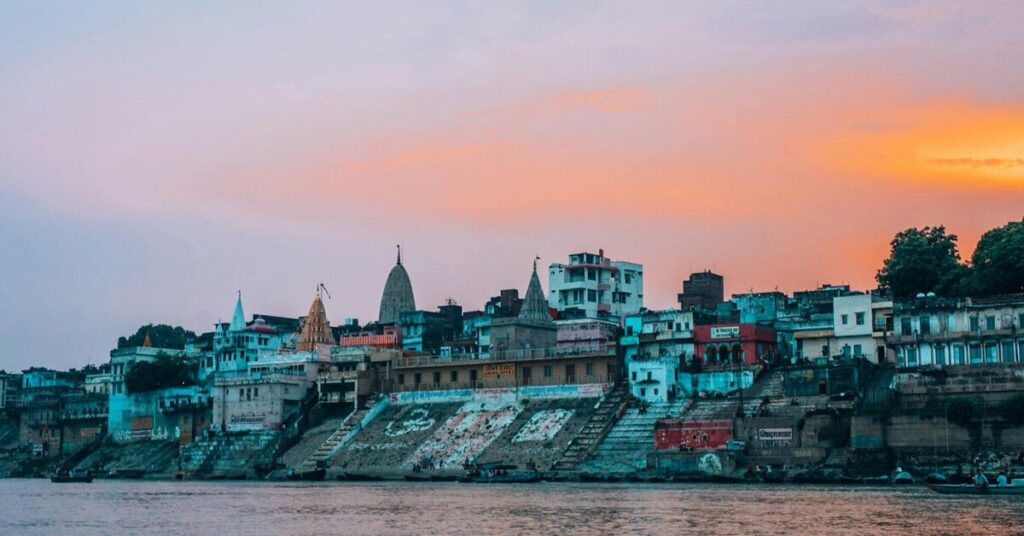
Combining Varanasi and Ayodhya in one tour package makes perfect sense when you understand their spiritual weight. Varanasi, also known as Kashi or Banaras, is considered one of the oldest continuously inhabited cities in the world and is believed to be the abode of Lord Shiva. Meanwhile, Ayodhya holds immense importance as the birthplace of Lord Rama, the seventh avatar of Vishnu.
Together, these cities represent two major streams of Hindu spirituality—Shaivism and Vaishnavism. Visiting both allows you to experience the complete spectrum of Hindu devotional practices and philosophies. It’s like reading two chapters of the same sacred book, each offering unique insights and blessings.
Beyond religion, these cities are treasure troves of Indian culture. From classical music that fills the ghats of Varanasi to the epic tales retold in Ayodhya’s temples, every corner reveals layers of artistic and cultural heritage. The architecture, the rituals, the languages, and even the food tell stories that go back thousands of years.
Varanasi’s history stretches back over 3,000 years, making it one of the world’s oldest living cities. Ancient texts mention it as a center of learning and civilization. Mark Twain once said that Varanasi is “older than history, older than tradition, older even than legend.” Walking through its narrow lanes feels like traveling through time itself.
The city has witnessed the rise and fall of empires, yet it has maintained its spiritual essence. Scholars, saints, and seekers have flocked here for centuries, making it a melting pot of knowledge and devotion.
This is the heart of Varanasi’s spiritual life. The name literally means “the ghat of ten sacrificed horses,” referring to a mythical sacrifice performed by Lord Brahma. Every evening, the Ganga Aarti here transforms the riverfront into a spectacular theatre of devotion, with priests performing synchronized rituals with fire, bells, and chants.
Thousands gather daily to witness this ceremony, which has been performed for centuries. The sight of hundreds of oil lamps floating on the Ganges after the aarti creates a mesmerizing scene that stays with you forever.
Dedicated to Lord Shiva, this temple is one of the twelve Jyotirlingas, the most sacred Shiva temples in India. The current structure was built in 1780 by Maharani Ahilyabai Holkar of Indore, though the site has been a place of worship for much longer.
The temple’s golden spire and dome are iconic landmarks of Varanasi. Despite the crowds, there’s an undeniable energy here that devotees describe as transformative. Many believe that a single visit and glimpse of the deity can wash away lifetimes of sins.
Just 10 kilometers from Varanasi lies Sarnath, where Buddha delivered his first sermon after attaining enlightenment. This makes it one of the four most important Buddhist pilgrimage sites. The Dhamek Stupa, Mulagandha Kuti Vihar, and the excellent archaeological museum make Sarnath a must-visit for anyone interested in Buddhist history and philosophy.
Ayodhya occupies a central place in the Ramayana, one of Hinduism’s two great epics. As the birthplace and kingdom of Lord Rama, it represents the ideal of dharma (righteousness) and good governance. For millions of devotees, visiting Ayodhya is like stepping into the pages of this beloved epic.
The city’s very name means “the city that cannot be conquered,” reflecting its legendary status. Every stone, every temple, every ghat along the Sarayu River seems to whisper stories from the Ramayana.
This is the exact spot believed to be Lord Rama’s birthplace. The recently constructed grand temple has become a major pilgrimage destination, attracting millions of visitors. The temple complex showcases stunning architecture that blends traditional and modern elements, creating a space that’s both ancient in spirit and contemporary in execution.
The atmosphere here is charged with devotion. Pilgrims often describe feeling an overwhelming sense of peace and connection when they visit this sacred site.
Perched on a hillock, this temple is dedicated to Lord Hanuman, Rama’s devoted companion. To reach it, you’ll climb 76 steps, but the effort is worth it. The temple offers panoramic views of Ayodhya and houses a beautiful idol of Hanuman in a sitting posture.
Legend says Hanuman lived here in a cave to guard the Ram Janmabhoomi. The temple complex is always buzzing with energy, especially on Tuesdays and Saturdays, considered auspicious days to worship Hanuman.
This beautiful temple is said to be gifted to Sita by Rama’s stepmother Kaikeyi. The temple houses magnificent golden crowns adorning the idols of Rama and Sita, giving it the name “Kanak” (gold) Bhawan. The intricate artwork and the serene atmosphere make it one of Ayodhya’s most beloved temples.
Most tour packages offer a range of accommodation choices to suit different budgets. You might stay in heritage hotels that offer a glimpse into royal lifestyles, comfortable mid-range hotels with modern amenities, or budget guesthouses that provide basic comfort without breaking the bank.
Many packages include accommodations near major religious sites, making it convenient to participate in early morning rituals or late-evening ceremonies.
A typical tour package includes transportation between cities and to various attractions. This usually means comfortable air-conditioned vehicles with experienced drivers who know the routes well. The distance between Varanasi and Ayodhya is approximately 200 kilometers, taking about 4-5 hours by road.
Some premium packages might include train tickets on faster services or even flight arrangements if you’re combining this tour with other destinations.
Professional guides can transform your visit from mere sightseeing to genuine understanding. They explain the mythology, history, and significance of each site, answer your questions, and help you navigate the sometimes overwhelming environments of these busy pilgrimage centers.
Many packages also include boat rides on the Ganges, aarti ceremony participation, and darshan (sacred viewing) arrangements at major temples.
The ideal time to visit these sacred cities is between October and March when the weather is pleasant and comfortable for sightseeing. Winters (November to February) can be quite cool, especially during early mornings and evenings, so pack accordingly.
Summers (April to June) are extremely hot, with temperatures often crossing 40°C (104°F), making outdoor activities challenging. The monsoon season (July to September) brings relief from heat but can disrupt travel plans with heavy rains.
If you want to experience these cities at their most vibrant, consider timing your visit with major festivals. Dev Deepawali in Varanasi (usually in November) is spectacular, with thousands of lamps illuminating the ghats. Ram Navami in Ayodhya (March or April) celebrates Lord Rama’s birthday with grand processions and celebrations.
However, remember that festival times also mean larger crowds and higher prices. Book well in advance if you’re planning a festival visit.
A comprehensive tour of both cities typically requires 4-6 days. This allows 2-3 days in Varanasi to explore its ghats, temples, and Sarnath, and 1-2 days in Ayodhya to visit its major religious sites. If you have more time, you can explore at a leisurely pace and include nearby attractions.
For those with tight schedules, even a 3-day whirlwind tour can cover the highlights, though you’ll miss some depth of experience.
Tour packages range from budget-friendly options starting around ₹5,000-8,000 per person for basic 3-day tours, to luxury experiences costing ₹20,000-30,000 or more with premium accommodations and services.
Factor in additional costs for personal expenses, offerings at temples, shopping, and meals not included in your package. Setting aside ₹2,000-3,000 for miscellaneous expenses is reasonable.
Book your tour package at least 2-3 weeks in advance, especially during peak season (October to March). Compare multiple operators, read reviews, and clarify what’s included in the package before committing.
Look for packages that offer flexibility, good cancellation policies, and responsive customer service. Sometimes booking directly with tour operators rather than through aggregator websites can get you better deals and personalized service.
The evening Ganga Aarti at Dashashwamedh Ghat is not just a ritual—it’s a spiritual spectacle that engages all your senses. The rhythmic chanting, the aroma of incense, the sight of swirling flames against the darkening sky, and the collective energy of thousands of devotees create an almost trance-like atmosphere.
Arrive at least 45 minutes early to get a good spot, or book a boat ride to view the ceremony from the river. The reflection of the aarti flames dancing on the Ganges waters is something you’ll remember forever.
Beyond the major temples, Ayodhya has numerous smaller shrines, each with its own stories and significance. Take time to sit quietly in these spaces, observe the devotees, and absorb the atmosphere. Often, it’s in these quieter moments that the deepest spiritual experiences occur.
Don’t rush from temple to temple. Allow yourself to be present in each space, perhaps joining in the prayers or simply sitting in meditation.
Varanasi has numerous ashrams and yoga centers offering classes and meditation sessions. Starting your day with yoga by the Ganges or ending it with meditation can deepen your spiritual experience. Many tour packages can arrange these sessions, or you can explore options independently.
These practices help you internalize the spiritual energy of these sacred cities, making your visit more than just external sightseeing.
Varanasi’s food scene is legendary among Indian food lovers. Don’t miss the local street food—kachori sabzi, tamatar chaat, malaiyo (a winter delicacy), and the famous Banarasi paan. For sweets, try the iconic Banarasi pedas and jalebis.
The city is predominantly vegetarian due to its religious significance, but the variety and flavors will surprise you. Lassi (yogurt drink) served in earthen cups at the ghats is refreshing and authentic.
Ayodhya’s cuisine reflects its Awadhi influences with dishes like paneer korma, dum aloo, and various vegetarian kebabs. The city’s prasad (temple offerings) often includes delicious sweets like laddoos and barfis that you can purchase to take home.
Since Ayodhya is deeply religious, finding alcohol is difficult, and meat options are limited. Embrace the vegetarian cuisine—it’s delicious, varied, and prepared with devotion.
Varanasi is world-famous for its silk weaving. Banarasi silk sarees, with their intricate brocade work, are prized possessions. Even if you’re not buying a saree, explore the silk markets for scarves, stoles, and fabrics. Other popular purchases include brass items, wooden toys, and stone inlay work.
Be prepared to bargain, and buy from reputable shops to ensure quality. Government emporiums offer fixed prices and guaranteed quality if you prefer not to negotiate.
Ayodhya’s markets are filled with religious items—idols, rudraksha beads, prayer beads, religious books, and artwork depicting scenes from the Ramayana. These make meaningful souvenirs that carry spiritual significance.
Many visitors also purchase bottles of holy water from the Sarayu River and prasad from the temples to take home as blessings for family and friends.
Both cities are deeply religious, and dressing modestly shows respect. Cover your shoulders and knees, especially when entering temples. Remove shoes before entering religious spaces, and avoid leather items in certain temples.
Maintain silence or speak softly in temples, and always ask permission before photographing people, especially during religious ceremonies.
These cities are generally safe for tourists, but exercise normal precautions. Keep valuables secure, avoid isolated areas after dark, and be cautious of overly friendly strangers offering unsolicited help. Beware of scams, especially around temples and tourist spots.
Women travelers should dress conservatively and avoid walking alone late at night. Consider hiring authorized guides rather than accepting help from touts.
Photography is generally allowed in public spaces and ghats, but many temples prohibit cameras inside their sanctums. Always check before photographing, and never photograph religious ceremonies without permission.
Respect people’s privacy—not everyone wants their picture taken, especially during religious practices. When in doubt, ask first.
The road journey between Varanasi and Ayodhya takes approximately 4-5 hours, covering about 200 kilometers. Most tour packages include comfortable private vehicles for this journey. The route passes through rural Uttar Pradesh, offering glimpses of village life.
Alternatively, you can take a train, though direct trains are limited and may require a station change. The railway option takes roughly the same time when you factor in waiting periods but costs significantly less if you’re traveling independently.
For those with budget constraints, government and private buses also operate on this route, though they’re less comfortable and take longer due to multiple stops.
Budget travelers will find numerous guesthouses and dharamshalas (pilgrim rest houses) in both cities, with rates starting from ₹500-1,000 per night. These offer basic cleanliness and comfort, often in prime locations near major religious sites.
Popular budget options include stays near the ghats in Varanasi and near Hanuman Garhi in Ayodhya, where you’re within walking distance of major attractions.
Mid-range hotels (₹2,000-4,000 per night) offer good comfort with amenities like air conditioning, hot water, room service, and sometimes restaurants. These hotels balance cost and comfort well, providing a pleasant base for your spiritual exploration.
Look for hotels with good reviews regarding cleanliness and service, as standards can vary considerably in this price range.
For those wanting premium comfort, both cities now have upscale hotels and heritage properties. In Varanasi, you can find beautiful heritage hotels overlooking the Ganges, offering spa services, fine dining, and premium rooms.
Ayodhya’s luxury accommodation scene is developing, with new high-end hotels catering to the growing influx of pilgrims and tourists. Expect to pay ₹6,000-15,000 or more per night for luxury experiences.
A Varanasi Ayodhya tour package isn’t just a vacation—it’s a journey into the spiritual heart of India. These two sacred cities offer experiences that touch something deeper than ordinary tourism. From the mesmerizing Ganga Aarti in Varanasi to the devotion-charged temples of Ayodhya, every moment becomes part of a larger story about faith, culture, and human connection to the divine.
Whether you’re seeking spiritual awakening, cultural immersion, or simply a unique travel experience, this pilgrimage route delivers abundantly. The memories you create here—the sunrise over the Ganges, the echo of temple bells, the taste of street food, the stories shared by guides and fellow pilgrims—will stay with you long after you’ve returned home.
So pack your bags, open your heart, and prepare for a journey that promises to transform you. After all, isn’t that what the best travels do? They don’t just show you new places; they reveal new parts of yourself.
A comprehensive tour typically requires 4-6 days to explore both cities comfortably. This allows 2-3 days in Varanasi for the ghats, temples, and Sarnath, and 1-2 days in Ayodhya for its major religious sites. However, if you’re short on time, a well-planned 3-day tour can cover the essential highlights of both cities.
The most convenient option is hiring a private car or taking a tour package that includes transportation, which takes about 4-5 hours. Trains are available but less frequent and may require station changes. Buses are the most economical but least comfortable option. Most tour packages include comfortable AC vehicles for this journey.
Yes, modest clothing is essential when visiting temples in both cities. Cover your shoulders and knees, avoid shorts and sleeveless tops, and remove shoes before entering temple premises. Some temples don’t allow leather items inside. Women might want to carry a scarf or shawl for additional covering if needed.
Absolutely! Both Varanasi and Ayodhya are predominantly vegetarian cities due to their religious significance. You’ll find an incredible variety of vegetarian dishes, from street food to restaurant meals. In fact, finding non-vegetarian food is more challenging in these cities, especially in Ayodhya.
Yes, these cities are generally safe for solo female travelers, though normal precautions should be taken. Dress modestly, avoid isolated areas after dark, stay in reputable accommodations, and consider joining group tours for major activities. The cities see thousands of pilgrims daily, including many women traveling alone or in groups, so you won’t stand out as unusual.


Comments are closed.