Your cart is currently empty!
You may check out all the available trips and book one that suits you.
Continue Browsing Trips

Varanasi Ayodhya Prayagraj Food Tour Package , Have you ever tasted food so delicious that it transported you through time? That’s exactly what happens when you explore the culinary landscape of Varanasi, Ayodhya, and Prayagraj. These three cities don’t just offer spiritual enlightenment—they’re absolute paradises for food lovers. A Varanasi Ayodhya Prayagraj food tour package takes you on a gastronomic adventure through ancient recipes, street food legends, and flavors that have been perfected over centuries.
Imagine starting your day with hot kachoris and jalebis in Varanasi, savoring prasad sweets in Ayodhya’s temples, and ending with Prayagraj’s legendary chaat. This isn’t just about filling your stomach; it’s about understanding culture through cuisine, meeting passionate food vendors who’ve inherited recipes from their grandparents, and experiencing the soul of North India one bite at a time.
Sure, these cities are famous for their temples and ghats, but ask any local what makes them truly special, and they’ll talk about the food. A dedicated food tour package ensures you don’t miss the hidden gems—those tiny shops tucked in narrow lanes where the city’s best flavors hide. Without local guidance, you might spend your entire trip eating at generic restaurants, completely missing the authentic experiences that define these cities.
Think of it this way: anyone can visit Kashi Vishwanath Temple, but how many people know about the 80-year-old chaat vendor three lanes away who makes the city’s best tamatar chaat? That’s the difference a proper food tour makes.
Food tour packages connect you with authenticity. Your guides know which vendors maintain traditional preparation methods, which shops still use grandmother’s recipes unchanged, and which places tourists should avoid. They understand food safety, know who serves fresh items versus reheated fare, and can communicate your dietary preferences effectively in local dialect.
Plus, there’s something special about eating alongside locals at their favorite haunts, hearing stories about how certain dishes evolved, and understanding the cultural significance of what you’re eating. It transforms a simple meal into a memorable experience.
Varanasi’s chaat scene is legendary across India. The city has elevated these street snacks to an art form, with each vendor adding their unique twist to traditional recipes. The narrow lanes of Godowlia, Vishwanath Gali, and Chowk areas are chaat heaven, with vendors who’ve been perfecting their craft for generations.
What makes Banarasi chaat special? It’s the balance of flavors—the tanginess of tamarind, the heat of green chillies, the cooling effect of yogurt, the crunch of sev, all coming together in perfect harmony. And let’s not forget the generous use of aromatic spices that make every bite an explosion of taste.
Here’s something you won’t find anywhere else—chaat made primarily with tomatoes. Tamatar chaat features roasted tomatoes mashed and mixed with potatoes, chickpeas, spices, and topped with sev and fresh coriander. The tomatoes are charred over coal, giving them a smoky flavor that’s absolutely addictive.
The best tamatar chaat in Varanasi is found at small carts near Kachori Gali and Deena Chaat Bhandar. The vendors prepare everything fresh in front of you, and watching them assemble this colorful creation is half the fun.
Start your Varanasi morning right with kachori sabzi—crispy, flaky kachoris (fried bread stuffed with spiced lentils) served with a potato curry that’s slightly sweet and incredibly flavorful. The combination might sound simple, but when done right, it’s pure magic. The kachoris should be piping hot, perfectly crispy on the outside yet soft inside, and the sabzi should have just the right consistency.
Ram Bhandar near Dashashwamedh Ghat has been serving this breakfast staple since 1912. Their kachoris are so popular that people queue up from 6 AM onwards!
No meal in Varanasi is complete without paan—betel leaf filled with various ingredients like areca nut, lime paste, gulkand (rose petal jam), and aromatic spices. Banarasi paan is famous throughout India, and trying it in its hometown is an essential experience. The paan shops, especially around Vishwanath Gali, are legendary institutions.
Keshav Tambul Bhandar and Pahalwan Paan are iconic shops where paan-making is performance art. Watch as the vendor carefully selects the perfect leaf, adds ingredients with practiced precision, and folds it into a triangular package. Pop it in your mouth whole, chew slowly, and experience a flavor explosion unlike anything else.
The kachori-jalebi combination is Varanasi’s most beloved breakfast. Imagine crispy kachoris paired with hot, syrupy jalebis—savory and sweet dancing together on your palate. It’s carb-heavy, indulgent, and absolutely worth every calorie.
Head to the Banaras Hindu University (BHU) area or Lanka for authentic experiences. Madhur Milan near BHU serves this combo with their special mint chutney that cuts through the richness beautifully. Pro tip: eat the jalebi while it’s still warm and the syrup is slightly dripping—that’s when it’s at its best.
Varanasi’s thick, creamy lassi is legendary. Served in traditional clay pots (kulhads), the lassi here is so thick you can practically eat it with a spoon. It’s topped with a generous layer of malai (cream) and sometimes garnished with dry fruits or a sprinkle of cardamom.
Blue Lassi near Manikarnika Ghat has become somewhat famous, but don’t overlook smaller shops like Pehelwan Lassi Wala that locals swear by. During summer, try thandai—a cooling drink made with milk, almonds, fennel seeds, rose petals, and a secret spice blend. It’s refreshing, nutritious, and incredibly flavorful.
If you’re visiting between December and February, don’t miss malaiyo—Varanasi’s ethereal winter dessert. Made from milk foam collected early in the morning, it’s flavored with saffron and cardamom, resulting in something that literally melts on your tongue. It’s so light and airy that eating it feels like consuming a sweet cloud.
Finding malaiyo requires local knowledge since it’s only available for a few hours in the morning during winter months. Your food tour guide will know exactly where to find the best vendors.
Ayodhya’s food scene revolves heavily around temple prasad and traditional sweets. Ram Ladoo, a deep-fried lentil fritter served with grated radish and tangy chutney, is a popular street snack. What makes Ayodhya’s version special is the generous use of traditional ghee and the perfect spice balance.
The sweet shops around Ram Janmabhoomi and Hanuman Garhi offer an incredible variety of traditional sweets. Peda, made from khoya (reduced milk), comes in various flavors and is often distributed as prasad. The motichoor ladoo and besan burfi here are exceptional.
Temple prasad in Ayodhya isn’t just blessed food—it’s delicious food. Each major temple has its signature prasad. Hanuman Garhi’s besan ladoo is famous, while Ram Janmabhoomi offers pedas that are distributed to millions of pilgrims. The prasad isn’t just spiritually significant; it represents centuries-old recipes maintained with exact precision.
Many families in Ayodhya have been preparing temple prasad for generations, considering it their sacred duty. A food tour gives you insight into this tradition, often with opportunities to taste prasad prepared in traditional ways that you won’t find in commercial sweet shops.
For a complete Ayodhya culinary experience, indulge in a traditional thali—a platter featuring multiple dishes served together. Ayodhya’s thalis are predominantly vegetarian (as befits the holy city) and include seasonal vegetables, dal, rice, roti, raita, pickles, and dessert. The food is simple but prepared with pure ingredients and traditional methods.
Several family-run restaurants near the temple areas serve authentic thalis that give you a taste of home-cooked Awadhi cuisine minus the heavy gravies and meat that Lucknow is famous for. It’s comfort food at its finest.
Prayagraj (formerly Allahabad) has its own distinct chaat culture. The city’s samosa is particularly noteworthy—larger than typical samosas, with a perfectly crispy exterior and a potato filling that’s generously spiced. It’s served with a tangy tamarind chutney and a mint-coriander chutney that’s lighter than Varanasi’s version.
Netram Chaat and Panchwati Chaat are institutions here. Their aloo tikki and dahi vada are phenomenal, but the star is their papdi chaat—crispy papdis topped with potatoes, chickpeas, yogurt, chutneys, and sev, creating a symphony of textures and flavors.
Though originally from Bihar, Prayagraj has embraced litti chokha wholeheartedly. Litti are wheat flour balls stuffed with sattu (roasted gram flour) and spices, traditionally roasted over coal or dung cakes. They’re served with chokha—mashed roasted vegetables (usually eggplant, tomato, and potato) mixed with mustard oil and spices.
Eating litti chokha is a rustic, earthy experience. The smoky flavor from the charcoal, the ghee drizzled generously over the littis, the pungent mustard oil in the chokha—it’s bold, unapologetic, and incredibly satisfying.
Prayagraj’s sweet shops offer a wonderful variety. The city is particularly famous for its milk-based sweets. Balai ka mithai (made from milk cream) is a specialty you must try. Khurchan (condensed milk scraped from the sides of the pan) and imarti (a jalebi-like sweet but made with lentil flour) are other local favorites.
During winter, don’t miss doodh jalebi—where jalebis are soaked in sweetened milk. It’s rich, indulgent, and perfect for cold mornings.
All three cities predominantly serve vegetarian cuisine owing to their religious significance. Some dishes transcend individual cities and must be tried wherever you find them:
Choora Matar: Flattened rice cooked with green peas and spices—a winter specialty that’s light yet filling.
Dum Aloo: Baby potatoes cooked in a rich tomato and yogurt gravy, showcasing the region’s mastery of vegetarian gravies.
Bedmi Puri with Alu Sabzi: Puris made with lentil flour served with spicy potato curry—different from the kachori sabzi but equally delicious.
Ghevar: During festivals, this honeycomb-textured sweet made from flour and soaked in sugar syrup appears everywhere. The best ones are crispy outside and syrupy inside.
Rabri: Thickened sweetened milk, often served with malpua (pancakes) or as a standalone dessert. The patience required to make authentic rabri—stirring milk for hours—shows in every spoonful.
The heart of any food tour package is the guided food walks. These aren’t just about eating—they’re cultural immersion experiences. Your guide navigates you through labyrinthine old city lanes, stopping at 8-12 different food vendors over 3-4 hours. You’ll taste a variety of dishes, learn about their history, meet vendors who’ve become local legends, and understand how food connects to the city’s culture.
Morning food walks focus on breakfast items and sweets, while evening walks dive into the chaat and snack scene. Some tours offer special night food trails, exploring items that only appear after sunset.
Want to recreate these flavors at home? Many packages include cooking classes where local home cooks or chefs teach you to prepare regional specialties. You’ll learn the secrets behind perfectly crispy kachoris, how to balance spices in chaat, or the technique for making syrupy jalebis.
These classes often happen in traditional kitchens or homes, giving you insight into local life beyond the tourist facade. You’ll shop for ingredients at local markets, learn about regional spices, and prepare a complete meal that you then eat with your fellow participants.
Understanding ingredients is key to understanding cuisine. Food tours often include visits to bustling markets where you’ll see vegetables you’ve never encountered, spices being ground fresh, and ingredient vendors who are encyclopedias of culinary knowledge.
Varanasi’s Golghar market, Ayodhya’s temple area markets, and Prayagraj’s Civil Lines market each offer unique shopping experiences. Your guide explains what ingredients are essential to local cooking, how to identify quality products, and where locals actually shop versus tourist traps.
A typical morning food trail in Varanasi starts around 7 AM at a kachori-jalebi shop, moves to a lassi vendor by 8 AM, includes a paan experience around 9 AM, and might end with breakfast at a traditional eatery. In Ayodhya, morning trails focus on temple prasad and traditional breakfast items. Prayagraj’s morning routes combine street snacks with sit-down breakfast at famous restaurants.
Evening trails are where the magic really happens. As the sun sets and cooler temperatures arrive, street vendors set up their carts and the cities come alive with food aromas. These trails typically run from 5 PM to 9 PM, covering multiple chaat vendors, snack stalls, sweet shops, and ending with dinner at a local eatery.
The evening atmosphere adds to the experience—watching vendors prepare food under hanging light bulbs, sitting on wooden benches eating alongside locals returning from work, observing the social ritual that is street food eating in India.
Let’s address the elephant in the room—food safety. Street food can be intimidating for first-time visitors to India. That’s another advantage of food tour packages: your guides choose vendors known for hygiene and quality. They look for vendors who prepare food fresh, use clean utensils, and maintain good practices.
Some practical tips: eat only freshly prepared hot food, avoid anything that’s been sitting out, watch for vendors wearing gloves or using serving spoons rather than hands, and choose busy stalls (high turnover means fresh food). Most tour operators carry basic medications just in case, though digestive issues are less common when you’re eating at vetted establishments.
Starting with milder foods and gradually working up to spicier, oilier items helps your system adjust. Stay hydrated with bottled water, and don’t hesitate to ask for less spicy versions of dishes.
The ideal time for food tours is October through March when weather is pleasant and you can comfortably walk through markets and streets. Winter months (December-February) offer special delicacies like malaiyo that aren’t available in other seasons.
Monsoon (July-September) brings its own charm with hot pakoras and spicy snacks, though navigating waterlogged lanes can be challenging. Summer (April-June) is scorching hot, making food walks less enjoyable, though mornings and late evenings are still manageable.
Festival times offer unique food experiences—Diwali brings special sweets, Holi sees thandai and gujiya everywhere, and Janmashtami in Ayodhya features dishes associated with Lord Krishna’s birth.
Day 1: Varanasi Food Immersion Early morning kachori-jalebi breakfast at Ram Bhandar. Mid-morning lassi at Pehelwan Lassi. Visit Chowk area for market exploration and snack sampling. Lunch at a traditional restaurant serving Banarasi thali. Evening chaat walk covering tamatar chaat, papdi chaat, and aloo tikki. Dinner at Baati Chokha or similar. End with Banarasi paan.
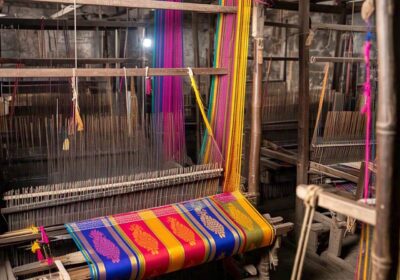
Day 2: Varanasi Extended Culinary Experience Breakfast at different kachori shop to compare styles. Cooking class with local home chef. Visit spice market and silk weaving areas. Light lunch. Late afternoon boat ride with snacks. Evening street food trail in different neighborhood (BHU area or Lanka). Dinner at heritage hotel or rooftop restaurant.
Day 3: Travel Day with Ayodhya Evening Food Morning leisure in Varanasi with optional breakfast. Travel to Ayodhya (4-5 hours). Afternoon snacks en route. Evening temple prasad sampling at Hanuman Garhi and other temples. Dinner at traditional restaurant. Try local sweet specialties.
Day 4: Ayodhya Food and Culture Early morning participation in temple prasad distribution (if possible). Traditional breakfast. Market exploration. Cooking demonstration of prasad preparation. Traditional thali lunch. Evening snacks and tea at local spots. Dinner featuring regional specialties.
Day 5: Ayodhya to Prayagraj Food Trail Morning temple visits with prasad. Travel to Prayagraj (3-4 hours). Lunch at famous eatery en route. Evening arrival and famous Allahabadi chaat experience at Netram or Panchwati. Dinner at Civil Lines restaurant.
Day 6: Prayagraj Culinary Deep Dive Morning visit to market near Sangam. Breakfast featuring litti chokha or local specialties. Visit famous sweet shops. Lunch at iconic restaurant. Evening street food walk. Traditional dinner. Late night snack expedition (if interested).
Day 7: Departure Morning leisure breakfast at hotel or final food spots based on departure time. Shopping for packaged sweets and snacks to take home. Departure.
Indian food, especially street food, can be quite spicy. Don’t be shy about asking for “kam mirchi” (less chili). Most vendors are happy to adjust spice levels, especially for tourists. Keep yogurt-based items (lassi, raita) handy—they’re natural spice neutralizers.
If something’s too spicy, avoid water which spreads the heat. Instead, eat something sweet or drink milk-based beverages. Gradually increasing your spice tolerance over the trip allows you to enjoy the full flavor profile by the end.
These cities are vegetarian-friendly paradises, but if you’re vegan, you’ll need to be careful as dairy features heavily. Inform your guide about dietary restrictions—they can identify vegan options or dishes that can be modified.
For gluten sensitivities, rice-based items and chickpea flour dishes are available, though cross-contamination is hard to avoid in street food settings. Those with nut allergies should be particularly careful with sweets and ask vendors about ingredients.
The Varanasi Ayodhya Prayagraj food tour package is a feast for all senses. It’s not just about eating delicious food—though there’s plenty of that—it’s about understanding these cities through their culinary traditions. Every bite tells a story of cultural evolution, religious influence, and generational pride in craft. From the chaotic energy of Varanasi’s chaat lanes to the devotional simplicity of Ayodhya’s prasad, and the nostalgic flavors of Prayagraj’s street food, this tour connects you with authentic North India in the most delicious way possible.
Food is the universal language, and in these three cities, it speaks volumes about tradition, faith, and the joy of sharing meals. Whether you’re a serious foodie documenting every dish or a casual traveler who just loves good food, this culinary journey will leave you with memories (and probably a few extra pounds) that last a lifetime. So loosen your belt, bring your appetite, and prepare for a gastronomic adventure like no other!
When eaten from reputable vendors (which your food tour guide will select), street food is generally safe. Look for busy stalls with high turnover, freshly prepared items, and vendors who maintain basic hygiene. Starting with less oily and spicy items helps your digestive system adjust. Most food tours choose vendors carefully to minimize any risk while giving authentic experiences.
A 6-7 day food tour package covering all three cities typically costs between ₹25,000-50,000 per person, depending on accommodation standards, group size, and inclusions. This usually covers guided food walks, cooking classes, market tours, several meals daily, accommodation, and intercity transport. Individual food walks without accommodation cost around ₹1,500-3,000 per person for 3-4 hours.
Yes, reputable tour operators can accommodate various dietary needs if informed in advance. These cities have extensive vegetarian options, and many dishes can be modified. However, vegans should note that dairy is ubiquitous in North Indian cuisine. For severe allergies, communicating restrictions clearly and possibly carrying translation cards in Hindi can be helpful when interacting directly with vendors.
Food walks typically involve 2-4 kilometers of walking over 3-4 hours, but at a leisurely pace with frequent stops. The terrain includes narrow lanes, stairs, and uneven surfaces in old city areas. Comfortable walking shoes are essential. If mobility is a concern, inform your tour operator—they can arrange vehicle support or modify routes to reduce walking distance.
Definitely come hungry, but not starving! You’ll be sampling multiple items, so start with a light breakfast if your tour is later in the day. Food tours typically involve 8-15 tasting stops, with small portions at each, adding up to a full meal’s worth. If you overeat at one stop, you’ll miss out on later treats. The key is pacing yourself and tasting everything rather than finishing everything.