Your cart is currently empty!
You may check out all the available trips and book one that suits you.
Continue Browsing Trips
Varanasi Bodhgaya Tour Package Sacred Sites , Imagine standing at the crossroads of two of the world’s most profound spiritual traditions—Hinduism and Buddhism. Picture yourself witnessing the evening aarti on the ghats of Varanasi one day, and the next, meditating under the descendant of the very tree where Buddha found enlightenment. This is exactly what a Varanasi Bodhgaya tour package offers: a journey through time, faith, and transformation.
These two destinations represent milestone moments in human spiritual evolution. Varanasi, the eternal city of Shiva, has been a beacon of Hindu spirituality for over 3,000 years. Bodhgaya, where Prince Siddhartha became the Buddha, marks the birthplace of Buddhism itself. Together, they create a pilgrimage route that attracts millions of seekers from every corner of the globe.
The connection between Varanasi and Bodhgaya runs deeper than mere geographical proximity. After attaining enlightenment in Bodhgaya, Buddha walked to Sarnath (just outside Varanasi) to deliver his first sermon, setting in motion the wheel of dharma. This makes the triangle of Bodhgaya-Varanasi-Sarnath the foundational geography of Buddhism.
For thousands of years, Buddhist pilgrims have followed this exact route, retracing Buddha’s footsteps. Today’s tour packages honor this ancient pilgrimage tradition while making it accessible with modern comforts and conveniences.
What makes this combination truly special is the opportunity to experience two fundamentally different approaches to spirituality within days of each other. Varanasi embodies devotional Hinduism—colorful, ritualistic, deeply emotional, with its elaborate ceremonies and vibrant religious life. Bodhgaya represents Buddhism’s contemplative approach—quieter, more introspective, focused on meditation and inner transformation.
This contrast isn’t conflicting; it’s complementary. Many travelers find that experiencing both traditions enriches their understanding of each, revealing the different paths humans have developed toward the same ultimate goals of peace, wisdom, and liberation.
Varanasi isn’t just another holy city—it’s considered the spiritual capital of Hinduism. Believed to be founded by Lord Shiva himself, the city has maintained its sacred status through countless centuries of change. The Ganges River flowing through it adds another layer of sanctity, as Hindus believe its waters purify sins and grant liberation.
Walking through Varanasi’s ancient lanes feels like stepping into a living scripture. Every temple, every stone, every ritual performed here connects to stories from Hindu mythology and philosophy. The city doesn’t just preserve tradition; it lives it daily with an intensity that’s both overwhelming and inspiring.
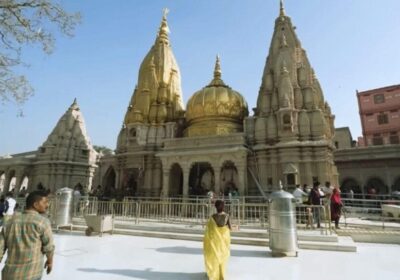
This golden-spired temple dedicated to Lord Shiva stands as one of India’s most important religious structures. As one of the twelve Jyotirlingas (sacred shrines of Shiva), it attracts millions of devotees annually. The temple’s inner sanctum houses the Jyotirlinga, and devotees believe that a single glimpse provides spiritual merit.
The approach to the temple winds through narrow lanes filled with shops selling religious items, flowers, and sweets for offerings. The recent corridor development has made access easier while creating a grand plaza that enhances the temple’s majesty. The energy inside is palpable—devotees chanting, bells ringing, priests conducting rituals—creating an unforgettable sensory experience.
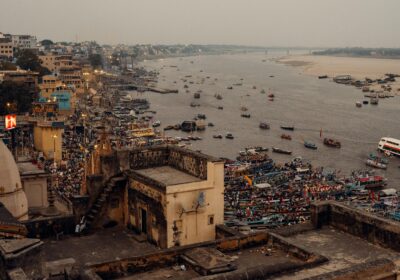
The ghats—those iconic stone staircases descending into the Ganges—define Varanasi’s character. Over 80 ghats stretch along the river’s western bank, each with its own history and purpose. From dawn’s quiet bathing rituals to evening’s spectacular aarti ceremonies, the ghats provide an ever-changing theater of spiritual life.
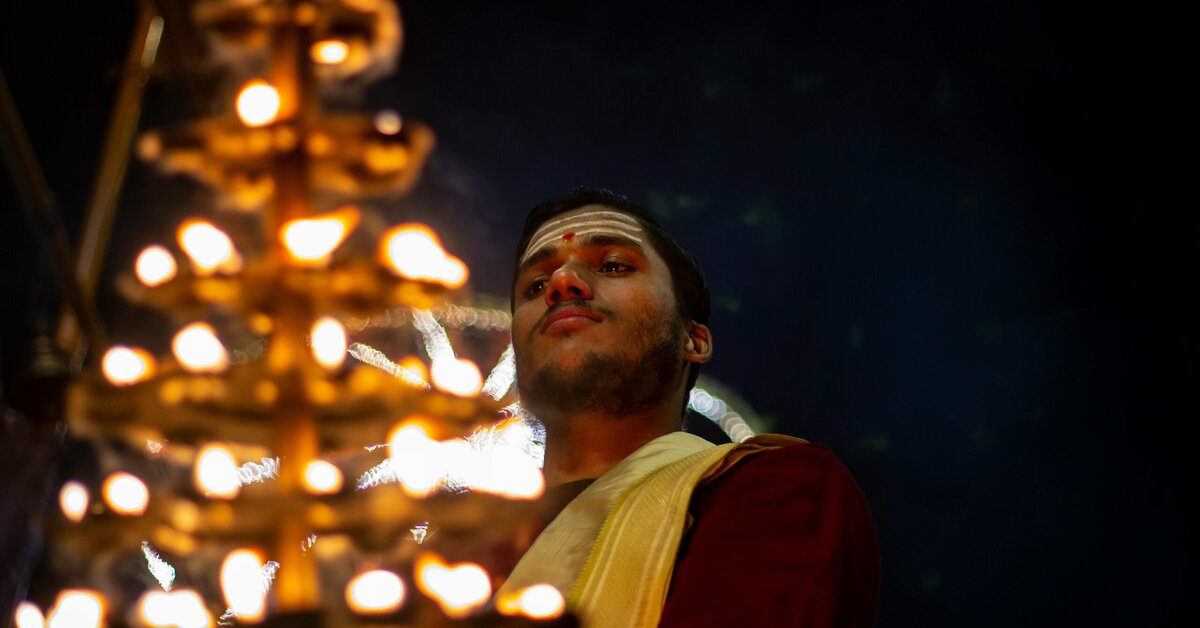
Dashashwamedh Ghat hosts the famous Ganga Aarti each evening, with priests performing synchronized fire rituals that transform the riverfront into a spiritual spectacle. Assi Ghat offers a more relaxed atmosphere popular with yoga practitioners and long-term visitors. Manikarnika Ghat, the main cremation site, confronts visitors directly with Hindu beliefs about death and liberation.
Located just 10 kilometers from Varanasi, Sarnath holds immense significance for Buddhists worldwide. Here, after attaining enlightenment in Bodhgaya, Buddha delivered his first sermon to five disciples, explaining the Four Noble Truths and the Eightfold Path. This teaching, called the “Turning of the Wheel of Dharma,” established Buddhism as a distinct spiritual tradition.
The Dhamek Stupa, a massive cylindrical structure built where Buddha taught, dominates the site. The Archaeological Museum houses the famous Ashoka Pillar capital with four lions—now India’s national emblem. Walking through Sarnath’s peaceful grounds, with deer grazing freely (the site is also called Deer Park), creates a contemplative atmosphere perfect for reflection.
Bodhgaya’s significance in Buddhism cannot be overstated—it’s the most important pilgrimage site in the Buddhist world, more sacred even than Buddha’s birthplace, the site of his first teaching, or where he achieved parinirvana. This is where Siddhartha Gautama, after six years of extreme asceticism and spiritual seeking, sat beneath a pipal tree and vowed not to rise until he understood the nature of suffering and found the path to liberation.
After 49 days of deep meditation, he attained enlightenment, becoming the Buddha—”the awakened one.” That moment, over 2,500 years ago, gave birth to a philosophy and practice that would spread across Asia and eventually the entire world, transforming millions of lives.
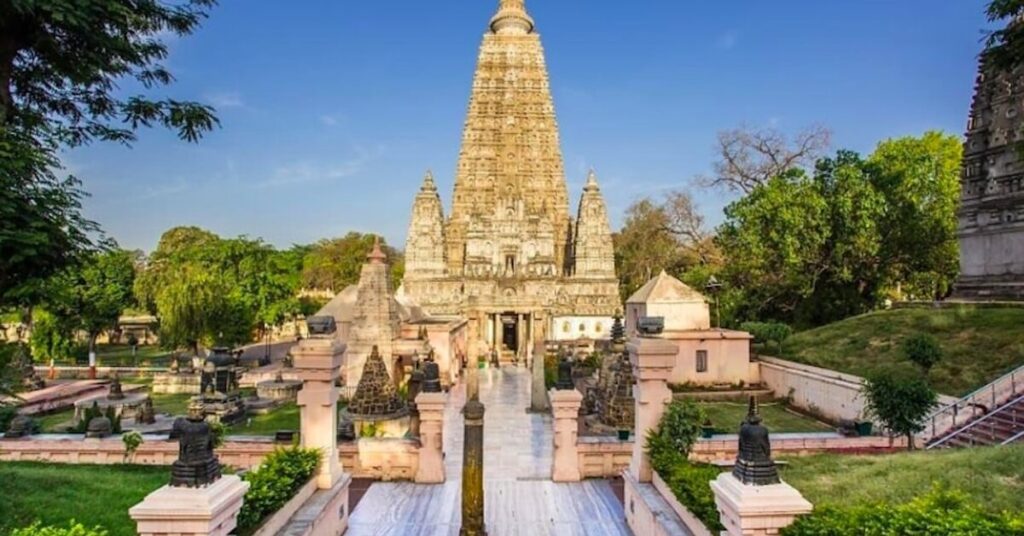
This UNESCO World Heritage Site is one of the oldest brick temples still standing in India, with origins dating to the 3rd century BCE, though the current structure was built around the 5th-6th century CE. The temple’s pyramidal spire rises 55 meters, visible from across Bodhgaya, serving as a beacon for pilgrims.
Inside the temple’s inner sanctum sits a golden statue of Buddha in meditation posture, marking the exact spot where he sat. Devotees circumambulate the temple clockwise, some performing full-body prostrations, others walking in silent meditation. The temple complex includes beautiful carved stone railings, smaller shrines, and meditation areas.
The atmosphere inside the complex is remarkable—monks from Tibet, Thailand, Myanmar, Sri Lanka, and dozens of other countries chant in their native languages, creating a multilingual symphony of devotion. Despite the crowds, there’s a peaceful energy that many describe as palpable.
Behind the Mahabodhi Temple grows the sacred Bodhi Tree, believed to be a direct descendant of the original tree under which Buddha attained enlightenment. The current tree is relatively young, as the original was destroyed and replanted multiple times through history. A sapling from the original tree was taken to Sri Lanka in the 3rd century BCE and still thrives there; ironically, a cutting from that tree was brought back to Bodhgaya to re-establish the sacred lineage.
Sitting under this tree creates an almost electric experience for many practitioners. Meditation sessions here feel different—perhaps it’s the historical weight, perhaps it’s the collective intention of millions who’ve meditated here, or perhaps there’s something genuinely special about the location. Whatever the reason, few leave unmoved.
The area around the tree features the Vajrasana, a red sandstone platform marking Buddha’s exact meditation spot, and is constantly surrounded by pilgrims sitting in meditation, some for hours at a time.
Unveiled in 1989, the Great Buddha Statue stands 25 meters tall and took seven years to complete. Made from sandstone blocks and red granite, it depicts Buddha in meditation posture, radiating serene compassion. The statue sits in a beautiful garden setting with smaller Buddha statues and meditation areas surrounding it.
While not ancient like other sites, the Great Buddha has become an iconic landmark of Bodhgaya. Its size impresses, but more importantly, its craftsmanship and peaceful expression inspire contemplation. Sunset visits are particularly beautiful when the warm light bathes the statue in golden hues.
Sarnath forms the crucial link between Bodhgaya and Varanasi in the Buddhist pilgrimage circuit. After his enlightenment in Bodhgaya, Buddha walked approximately 250 kilometers to Sarnath, where his first five disciples had been practicing austerities. They initially approached him with skepticism, having left him when he abandoned extreme asceticism, but Buddha’s transformed presence convinced them to listen.
His first sermon outlined the Middle Way—avoiding both extreme indulgence and extreme asceticism—and explained the Four Noble Truths about suffering and its cessation. This teaching attracted many followers and established the first Buddhist monastic community (sangha), making Sarnath the birthplace of organized Buddhism.
The distance between Varanasi and Bodhgaya is approximately 250 kilometers, taking 5-6 hours by road depending on traffic and road conditions. Most tour packages provide comfortable air-conditioned vehicles for this journey, with rest stops for refreshments and bathroom breaks.
Some travelers prefer the train option—trains run from Varanasi to Gaya (the nearest major railway station to Bodhgaya), taking about 4-5 hours, followed by a 30-minute drive to Bodhgaya. While trains can be more economical for independent travelers, organized tour packages typically use private vehicles for flexibility and convenience.
Though most direct routes don’t pass major Buddhist sites, some extended tour packages include stops at lesser-known locations. Gaya itself has significance in Hindu tradition as the place for performing ancestral rites. The journey also passes through rural Bihar, offering glimpses of traditional Indian village life that has changed little over centuries.
Tour packages offer varied accommodation levels. Budget packages provide clean, simple hotels or guesthouses with basic amenities, typically costing ₹8,000-12,000 per person for a 4-day tour. Mid-range packages (₹15,000-25,000 per person) offer comfortable hotels with better facilities, air conditioning, and sometimes swimming pools.
Premium packages (₹30,000-50,000+ per person) include luxury hotels or heritage properties, with some offering spa facilities, fine dining, and personalized services. In Bodhgaya, some packages arrange stays in monastery guesthouses, providing authentic experiences of monastic life.
Standard packages include all transportation—airport/railway station pickup and drop, vehicle for local sightseeing, and travel between cities. Vehicles range from economy sedans for solo travelers or couples to larger SUVs or minivans for groups. Premium packages might offer luxury vehicles with enhanced comfort features.
All reputable packages use experienced drivers familiar with routes and local conditions, ensuring safe, efficient travel between destinations.
Professional guides transform your visit from simple sightseeing to genuine understanding. They explain the historical context, religious significance, architectural features, and stories associated with each site. Good guides also facilitate interactions with local practitioners and help navigate the sometimes overwhelming environments of these pilgrimage centers.
Some specialized packages offer guides with expertise in Buddhist philosophy or Hindu theology, providing deeper insights. In Bodhgaya, having a guide who understands Buddhist teachings enhances your appreciation of what you’re witnessing.
Most packages include breakfast daily, with some also including dinners. Varanasi offers predominantly vegetarian cuisine respecting its Hindu sacred status, while Bodhgaya has both vegetarian options and international cuisine catering to Buddhist pilgrims from various countries.
Premium packages might include all meals at quality restaurants, while budget options typically include only breakfast, giving you flexibility (and responsibility) for other meals. Many monasteries in Bodhgaya offer simple, affordable meals reflecting monastic dietary practices.
Day 1: Arrival in Varanasi Arrive and transfer to hotel. Evening visit to Dashashwamedh Ghat for Ganga Aarti ceremony. Overnight in Varanasi.
Day 2: Varanasi Exploration Early morning boat ride on the Ganges during sunrise. Visit Kashi Vishwanath Temple and walk through ancient lanes. Afternoon excursion to Sarnath to explore where Buddha gave his first sermon. Evening free for personal exploration. Overnight in Varanasi.
Day 3: Varanasi to Bodhgaya Morning drive to Bodhgaya (5-6 hours). Check into hotel and rest. Evening visit to Mahabodhi Temple for evening prayers and meditation. Overnight in Bodhgaya.
Day 4: Bodhgaya and Departure Morning meditation session under the Bodhi Tree. Visit Great Buddha Statue and various international monasteries. Afternoon transfer to Gaya airport or railway station for departure.
A 5-day tour allows more relaxed pacing and deeper exploration. It typically adds an extra day in Bodhgaya, allowing time to visit more monasteries, participate in longer meditation sessions, possibly attend Buddhist teachings if available, and explore the archaeological sites around Bodhgaya. Some itineraries use the extra day for additional Varanasi experiences like yoga sessions or craft workshops.
Week-long packages provide the most comprehensive experience. They might include additional destinations like Rajgir (where Buddha spent several years teaching) and Nalanda (site of the ancient Buddhist university). These packages allow for multiple meditation sessions, attending Buddhist discourses if available, volunteering opportunities at monasteries, deeper cultural immersion activities, and more relaxed pacing without rushed schedules.
Seven-day packages work well for international travelers who’ve come specifically for spiritual exploration rather than general tourism.
The Thai Temple, also called Wat Thai Buddhagaya, showcases stunning Thai Buddhist architecture with its distinctive sloping roofs and golden decorations. The temple features a beautiful golden Buddha statue and intricate wall paintings depicting Buddha’s life. The peaceful gardens with water features create a serene atmosphere for contemplation.
Thai monks often reside here and sometimes offer meditation instruction. The temple maintains a library with Buddhist texts and occasionally hosts Dhamma talks. Visiting during morning prayers offers insight into Thai Buddhist practices.
The Nipponzan Myohoji Temple, built by a Japanese Buddhist organization, presents striking modern architecture in pure white. The temple complex includes a large Peace Pagoda visible from across Bodhgaya, meditation halls, and beautiful landscaped gardens.
Japanese Buddhist aesthetics emphasizing simplicity and mindfulness are evident throughout. The temple offers a quiet retreat from Bodhgaya’s busier areas and provides a different perspective on how Buddhism has evolved in different cultures.
Several Tibetan monasteries in Bodhgaya reflect the rich tradition of Tibetan Buddhism. These feature colorful prayer flags, intricate murals, large prayer wheels, and often elaborate butter sculptures. The monasteries buzz with activity—monks debating philosophy in courtyards, performing rituals, and creating sand mandalas.
Many Tibetan monasteries welcome visitors to observe or participate in prayers. Some offer teachings in English, especially during winter months when more monks and teachers gather in Bodhgaya. The atmosphere differs markedly from the quieter Thai or Japanese temples, filled with the sounds of Tibetan horns, drums, and chanting.
The Bhutanese Monastery showcases the distinctive architectural style of Bhutan with its fortress-like appearance, intricate woodwork, and beautiful paintings. The temple contains massive statues and often exhibits thangka paintings (traditional Buddhist scroll paintings) of exceptional quality.
Bhutanese Buddhism combines Indian Mahayana Buddhism with indigenous Bon traditions, creating unique practices and artistic styles. Visiting different national temples illustrates how Buddhism adapted to various cultures while maintaining core teachings.
Both Varanasi and Bodhgaya offer excellent opportunities for meditation practice. In Varanasi, some ashrams and yoga centers conduct morning meditation sessions, often combining yoga, pranayama (breathing exercises), and meditation techniques from Hindu traditions.
Bodhgaya specializes in Buddhist meditation practices. The Mahabodhi Temple complex allows meditation at specific designated areas. Many monasteries offer structured meditation sessions, teaching techniques like Vipassana (insight meditation), Samatha (calm abiding), or Metta (loving-kindness meditation).
Some tour packages arrange participation in longer meditation courses, though these require advance planning and typically extend your stay. Even brief meditation sessions in these sacred spaces often prove profound for practitioners.
During winter months (November-February), Bodhgaya hosts numerous Buddhist teachers offering discourses. His Holiness the Dalai Lama occasionally gives teachings here, attracting thousands of practitioners. Other renowned teachers from various Buddhist traditions also schedule programs.
While attending major teachings requires separate arrangements beyond standard tour packages, your guide can inform you about any teachings happening during your visit. Many are free or request modest donations, making them accessible to interested travelers.
Varanasi provides countless opportunities to witness or participate in Hindu rituals. Beyond the famous Ganga Aarti, you can observe morning pujas at temples, cremation ceremonies at burning ghats (observing respectfully from distance), thread ceremonies, marriages, and countless personal devotional practices.
Some tour packages arrange for simple puja participation—offering flowers and prayers at temples with priest guidance. These personal ritual experiences create lasting connections to Hindu spiritual practices.
Varanasi’s connection to ancient yogic traditions makes it an excellent place for yoga practice. Several centers offer drop-in classes or short courses in hatha yoga, pranayama, and meditation from Hindu perspectives. Practicing yoga along the Ganges at dawn provides a memorable experience.
Bodhgaya’s focus on mindfulness meditation complements yoga practice beautifully. Some packages combine both—yoga practice in Varanasi and meditation training in Bodhgaya—creating a holistic mind-body-spirit experience.
The ideal time for this circuit is October through March when temperatures remain comfortable for travel and outdoor activities. October and November offer pleasant weather with clear skies, perfect for sightseeing and attending outdoor ceremonies.
December through February brings cooler temperatures—mornings and evenings can be quite cold, especially for meditation sessions under the Bodhi Tree, so pack warm layers. March sees warming temperatures, still comfortable but hinting at approaching summer.
April through June brings extreme heat (often exceeding 40°C/104°F), making outdoor activities uncomfortable. The monsoon season (July-September) brings relief from heat but heavy rains can disrupt travel plans and outdoor programs.
Timing your visit with festivals adds extra vibrancy. Dev Deepawali in Varanasi (November) illuminates all ghats with thousands of earthen lamps—a breathtaking sight. Mahashivaratri (February/March) brings massive celebrations at Kashi Vishwanath Temple.
For Buddhist festivals, Buddha Purnima (April/May) celebrates Buddha’s birth, enlightenment, and passing—Bodhgaya hosts special celebrations with all monasteries conducting elaborate programs. Tibetan New Year (Losar, usually February) brings colorful celebrations to Tibetan monasteries.
Winter months see Bodhgaya’s population swell with Buddhist practitioners from around the world, particularly Tibetan, Bhutanese, and other Himalayan Buddhists. This creates an incredibly vibrant, international atmosphere but also means more crowded sites and higher accommodation prices.
If you prefer quieter, more contemplative experiences, visiting outside peak pilgrimage season (avoiding December-January and major Buddhist holidays) allows easier access to meditation spots and more intimate encounters with the sites.
Both cities offer rich opportunities for cultural exchange. In Varanasi, you might converse with pandas (Brahmin priests), silk weavers demonstrating their craft, classical musicians practicing by the ghats, or scholars at ancient learning centers.
Bodhgaya’s international character means interactions with Buddhist practitioners from diverse cultures—Tibetan monks, Thai nuns, Japanese pilgrims, Western practitioners—each bringing unique perspectives on Buddhist practice and philosophy.
Participating in traditional ceremonies deepens your understanding and connection. In Varanasi, this might mean attending a puja at a family home, witnessing a sacred thread ceremony, or participating in aarti. In Bodhgaya, you might join in monastery prayers, participate in meditation intensives, or help with temple offerings.
Respect and appropriate behavior are crucial. Always follow guidance from hosts or guides about proper conduct, dress, and participation levels.
Varanasi is renowned for silk weaving—visiting weavers’ workshops reveals the intricate, time-intensive process of creating Banarasi silk. You’ll also find brasswork, stone carving, and miniature painting traditions continuing here.
Bodhgaya and surrounding areas have Tibetan craft traditions including thangka painting, butter sculpture, and traditional textile work. Many monasteries have shops supporting these artisan communities where you can purchase authentic handmade items.
By Air: Varanasi has Lal Bahadur Shastri International Airport with connections to major Indian cities and some international destinations. Gaya Airport (near Bodhgaya) connects to Delhi, Kolkata, and Bangkok, with Buddhist pilgrimage charter flights during season. Most travelers arrive in Varanasi and depart from Gaya (or vice versa) rather than backtracking.
By Train: Varanasi Junction and Varanasi Cantt are major railway stations with excellent connectivity. Gaya Junction serves Bodhgaya (14 km away). Many pilgrims prefer train travel for its economy and opportunity to experience Indian railways.
By Road: Both cities connect via national highways, though road conditions vary. Private vehicles offer most comfort and flexibility.
Varanasi to Bodhgaya: Approximately 250 kilometers, 5-6 hours by road. Varanasi to Sarnath: 10 kilometers, 30 minutes. Gaya Railway Station to Bodhgaya: 14 kilometers, 30 minutes.
These times can vary significantly based on traffic conditions, especially when leaving or entering city centers during peak hours.
International visitors require valid Indian visas. Many nationalities can apply for e-Visas online, making the process straightforward. Tourist visas typically allow 30-90 days depending on type selected.
Buddhist pilgrims can apply for special pilgrimage visas, though tourist visas work fine for most travelers. Ensure your visa validity covers your entire intended stay with some buffer days.
Varanasi’s food scene celebrates vegetarian cuisine. Don’t miss local specialties like kachori-sabzi (fried bread with spicy potato curry), tamatar chaat (tangy tomato street snack), malaiyo (a winter-only milk foam dessert), and countless varieties of sweets. Lassi served in earthen cups refreshes after hot day exploring.
The city’s sacred status means strictly vegetarian food and no alcohol in most areas. This limitation actually showcases the incredible diversity possible within vegetarian cooking—you won’t miss meat with such flavorful options available.
Many Bodhgaya monasteries offer simple, wholesome meals reflecting Buddhist dietary practices. These are predominantly vegetarian (some Buddhist traditions avoid onion and garlic as well), emphasizing mindful eating and non-harm principles.
Monastery food tends toward simple preparations, but what it lacks in complexity it makes up in freshness and wholesome quality. Eating in monastery dining halls provides cultural immersion and chance to interact with practitioners from around the world.
Bodhgaya’s international Buddhist community has generated diverse dining options. You’ll find Tibetan momos (dumplings) and thukpa (noodle soup), Thai curries and stir-fries, Japanese vegetarian sushi, Korean temple food, and Western options for those needing familiar comfort food.
This culinary diversity makes Bodhgaya particularly friendly for international travelers with specific dietary needs or preferences.
Bodhgaya offers extensive shopping for Buddhist items: prayer wheels, singing bowls, prayer beads (malas), incense, Buddha statues in various sizes and materials, thangka paintings, Buddhist texts and teachings, prayer flags, and meditation cushions.
Purchase from reputable shops, especially for expensive items like thangkas or antique-looking artifacts. Many beautiful items aren’t authentic antiques despite appearances. Monastery shops often offer good quality with proceeds supporting communities.
The Tibetan refugee community in and around Bodhgaya produces beautiful handicrafts: hand-woven carpets, traditional clothing, jewelry with turquoise and coral, metalwork, and woodcarvings. These items support refugee communities while preserving traditional arts.
Bargaining is generally expected in markets, though monastery shops and established stores usually have fixed prices. Always negotiate respectfully, remembering that modest prices support artisan livelihoods.
Varanasi shopping centers on silk—sarees, scarves, fabrics by the meter, and ready-made garments. Also look for brassware, musical instruments (especially tablas and sitars), religious items, wooden toys, and stone inlay work.
Government emporia offer quality-assured items at fixed prices if you prefer avoiding market negotiations. For silk, reputable shops will explain quality differences and care requirements.
Photography policies vary by location. The Mahabodhi Temple allows photography in outer areas but prohibits it inside the main temple and near the Bodhi Tree to maintain meditative atmosphere. Many monasteries prohibit interior photography or request modest donations if allowing it.
In Varanasi, photography is generally acceptable at ghats and temples, though always ask permission before photographing religious ceremonies or people in prayer. Never photograph cremation ghats or funeral processions—this is deeply disrespectful.
When photographing people, always ask permission first. Many will happily agree, especially children and younger people, while some prefer privacy. Monks in colorful robes make striking subjects, but remember they’re practitioners, not tourist attractions—request permission respectfully.
Sunrise and sunset provide the best natural light. For ceremonies, arrive early to scout good positions before crowds make movement difficult. Consider bringing a telephoto lens for respectful distance photography.
A Varanasi Bodhgaya tour package offers something rare in modern travel—a journey that’s as much inward as outward. These aren’t just destinations; they’re doorways into ancient wisdom traditions that have guided billions toward understanding, compassion, and peace.
Walking the same paths Buddha walked, meditating where he achieved enlightenment, witnessing the unbroken continuity of Hindu devotional practices spanning millennia—these experiences touch something deeper than ordinary tourism. They invite questions about meaning, purpose, and the nature of existence itself.
Whether you’re a devoted practitioner of either tradition, a spiritual seeker exploring various paths, or simply a curious traveler wanting to understand these profound traditions better, this journey rewards with insights and experiences that linger long after you’ve returned home. The memories—the Ganges at sunrise, meditation under the Bodhi Tree, the chanting of monks from a dozen nations, the weight of thousands of years of devotion—become part of your own story.
So embrace this journey with an open heart and curious mind. Let these sacred sites work their subtle magic. You might not achieve enlightenment in a week, but you’ll certainly return transformed in ways both subtle and profound.
A minimum of 4-5 days allows you to cover the highlights without feeling rushed—2 days in Varanasi (including Sarnath), 1 day for travel, and 1-2 days in Bodhgaya. However, 6-7 days provides a more relaxed pace, deeper exploration, and time for meditation or teaching participation. If you’re specifically interested in Buddhist studies or intensive meditation, consider even longer stays.
Absolutely! Bodhgaya welcomes visitors of all faiths and backgrounds. Buddhism itself emphasizes open inquiry and personal verification rather than blind faith. Most monasteries and temples welcome respectful visitors, happy to share their traditions. Many visitors report profound experiences despite not identifying as Buddhist. Just dress modestly, behave respectfully, and follow any posted guidelines.
Most tours start in Varanasi and end in Bodhgaya, following Buddha’s journey from his first teaching at Sarnath to his enlightenment site. This sequence feels natural historically and spiritually. However, logistics sometimes favor the reverse route depending on flight/train connections. Either sequence works well—the destinations themselves matter more than order.
Dress modestly at both destinations. Cover shoulders and knees (both genders), avoid tight or revealing clothing, and bring a scarf or shawl for additional covering when entering temples. Comfortable walking shoes are essential, though you’ll remove them at temple entrances. In Bodhgaya’s winter season (December-January), mornings and evenings can be quite cold—bring warm layers, especially if you plan early morning meditation sessions.
Get standard vaccinations recommended for India travel. Drink only bottled or purified water, eat at clean establishments, and be cautious with street food (though it’s often delicious). Carry basic medications for upset stomach, headache, and any personal prescriptions. The climate is dry, so stay hydrated. If you’re not accustomed to Indian food spices, ease into it gradually. Travel insurance covering medical emergencies is highly recommended.