Your cart is currently empty!
You may check out all the available trips and book one that suits you.
Continue Browsing Trips

Lucknow Naimisaranya Tour Package , Imagine embarking on a journey that seamlessly blends the refined elegance of Nawabi culture with the profound spirituality of ancient India. That’s exactly what a Lucknow-Naimisaranya tour package offers—a unique opportunity to experience two contrasting yet complementary facets of Indian heritage. While Lucknow captivates you with its architectural splendor, delectable cuisine, and cultural sophistication, Naimisaranya transports you to a realm of spiritual tranquility and mythological wonder.
This combined tour isn’t just about visiting places; it’s about connecting with the soul of India. You’ll walk through the historic streets of Lucknow, where every monument whispers tales of royal grandeur, and then find yourself in the serene forest sanctuary of Naimisaranya, where sages meditated and gods are believed to have walked. It’s a journey that nourishes both your cultural curiosity and spiritual aspirations.
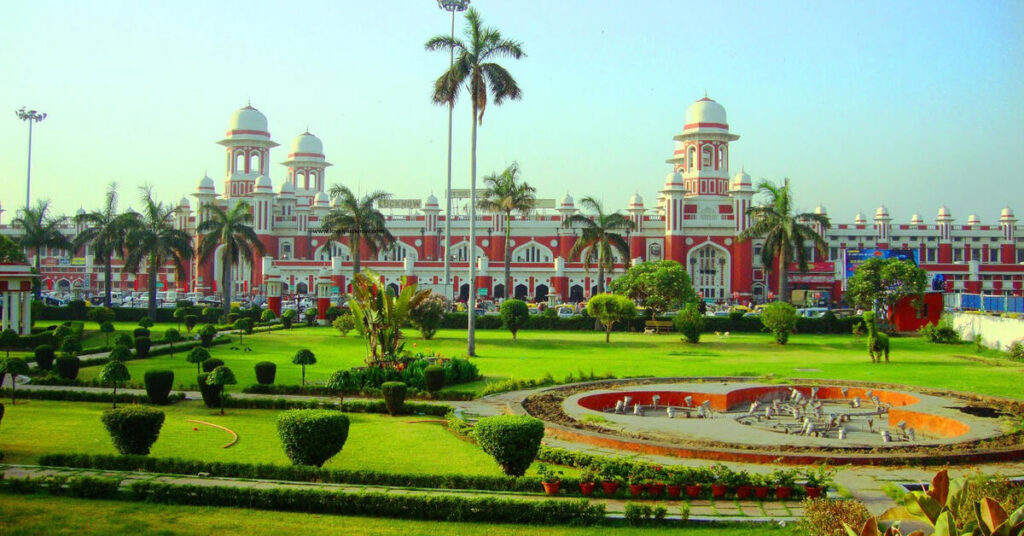
You might wonder why these two destinations make such a perfect pairing. The answer lies in their geographical proximity and complementary experiences. Lucknow serves as an excellent base and cultural introduction to the region, while Naimisaranya, located about 90 kilometers away, offers a peaceful spiritual retreat from urban life.
This combination allows you to maximize your travel time and experience diversity within a compact itinerary. You get the best of both worlds—the bustling energy of a historical city and the contemplative calm of a sacred pilgrimage site. For travelers interested in understanding the full spectrum of Indian culture, from courtly refinement to ancient spirituality, this tour package is ideal.
Moreover, the journey between these two destinations takes you through rural Uttar Pradesh, offering glimpses of authentic village life, agricultural landscapes, and small-town India that many tourists miss. It’s these in-between moments that often become the most memorable parts of the journey.
Before heading to the spiritual sanctuary of Naimisaranya, you’ll immerse yourself in Lucknow’s architectural grandeur. The city boasts some of India’s finest examples of Nawabi and colonial architecture. The magnificent Bara Imambara with its mind-bending Bhul Bhulaiya maze, the ornate Chota Imambara adorned with chandeliers, and the imposing Rumi Darwaza gateway are just the beginning.
Each structure tells a story of artistic vision, technical innovation, and cultural refinement. The blend of Persian, Mughal, and European influences creates an architectural language unique to Lucknow. Walking through these monuments isn’t just sightseeing—it’s experiencing the aesthetic sensibilities of a civilization that valued beauty, symmetry, and grandeur.
Lucknow’s culinary heritage is legendary, and no visit is complete without savoring its iconic dishes. The melt-in-your-mouth galouti kebabs, fragrant dum biryani, creamy kormas, and delicate roomali rotis represent centuries of culinary evolution. The city’s food culture reflects the same refinement that characterizes its architecture and literature.
Many tour packages include visits to heritage restaurants or street food tours that introduce you to authentic Awadhi cuisine. From the famous Tunday Kababi to traditional sweet shops serving makhan malai and shahi tukda, every meal becomes a cultural education. This culinary journey prepares your senses for the simpler, sattvic food you’ll encounter at Naimisaranya’s temples.
Beyond monuments and meals, Lucknow’s true essence lies in its living culture. The city is renowned for its tehzeeb (refined etiquette), particularly evident in the courteous language and gracious manners of its residents. Lucknow has been a major center for Urdu poetry, Kathak dance, and Hindustani classical music.
Depending on your tour timing, you might witness cultural performances, visit craft centers showcasing chikankari embroidery, or explore literary landmarks. This cultural immersion provides context for understanding how spirituality and artistic expression have been intertwined throughout Indian history—a theme that continues as you journey to Naimisaranya.
Naimisaranya holds a special place in Hindu mythology and scriptures. The name itself means “forest in the circumference of a moment” (Naimi + Aranya), referring to a legend where Lord Vishnu’s discus (chakra) was spinning across the universe. When the sages asked the chakra to identify a pure place for meditation and spiritual practices, it fell at this spot in just a moment, thus naming the place Naimisaranya.
This sacred forest is believed to be where the Puranas were first recited by Sage Suta to thousands of rishis (sages) who had gathered for a 1,000-year yajna (sacrificial ritual). The place resonates with stories from the Mahabharata, Ramayana, and various Puranas, making it a living link to India’s ancient spiritual traditions.
Naimisaranya is mentioned extensively in Hindu scriptures, particularly the Puranas. It’s considered one of the holiest pilgrimage sites, where devotees can attain spiritual merit and liberation. The Bhagavata Purana describes this as the place where dharma (righteousness) permanently resides, making it eternally auspicious for spiritual practices.
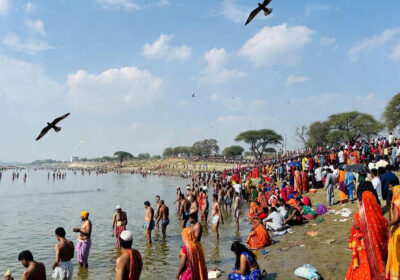
Pilgrims believe that a holy dip in the Gomti River at Naimisaranya and visiting its temples can cleanse sins and bring divine blessings. The spiritual energy of the place, cultivated by centuries of meditation, prayer, and ritual, creates an atmosphere that many visitors describe as palpably peaceful and uplifting.
At the heart of Naimisaranya’s spiritual significance is Chakra Tirtha, the sacred spot where Lord Vishnu’s discus is believed to have landed. This circular depression in the earth is considered eternally holy, and bathing in its waters is thought to purify the soul. The tirtha (holy water body) is surrounded by temples and ghats where pilgrims perform rituals and prayers.
The Chakra Tirtha remains the central attraction for spiritual seekers, and your tour package will typically include time for you to participate in or observe the traditional rituals performed here. Whether you approach it with deep faith or curious interest, the experience of being at such an ancient and revered site is profoundly moving.
The Chakra Tirtha is more than just a water body—it’s the spiritual epicenter of Naimisaranya. The perfectly circular shape of this sacred pond is attributed to the impression left by Lord Vishnu’s chakra. Pilgrims circle the tirtha, offer prayers, and take holy dips believed to have purifying properties.
The area around Chakra Tirtha features several small temples and shrines, each with its own significance. Early morning is particularly beautiful here, when the mist rises from the water and priests perform the first aarti (prayer ceremony) of the day. The chanting of mantras and ringing of bells creates an atmosphere that transcends ordinary experience.
Dedicated to Goddess Lalita, an aspect of Goddess Durga, this temple is one of the 108 Shakti Peethas (divine mother shrines) scattered across the Indian subcontinent. According to legend, this is where the forehead of Goddess Sati fell when Lord Shiva carried her body after her self-immolation.
The temple attracts devotees seeking the goddess’s blessings for strength, prosperity, and protection. The architecture reflects traditional North Indian temple design, and during festivals, particularly Navratri, the temple becomes a hub of devotional activity with elaborate decorations and continuous worship.
This temple dedicated to Lord Hanuman sits on a small hill, requiring visitors to climb steps to reach it. The effort is worthwhile, as the temple offers not only spiritual solace but also panoramic views of the surrounding area. Hanuman Gadhi is particularly popular on Tuesdays and Saturdays, considered auspicious days for Hanuman worship.
The temple’s atmosphere is energetic and devotional, with continuous chanting and bhajans (devotional songs). Many pilgrims believe that prayers offered here are especially powerful, and the temple priests can guide you through traditional worship rituals if you’re interested in participating.
Adding to Naimisaranya’s mythological richness is Pandav Kila, a fort believed to have been built by the Pandava brothers during their exile, as described in the Mahabharata. While the current structure may not date back to that legendary period, the site carries the weight of those ancient stories.
The fort area includes ancient ruins, temples, and inscriptions that speak to the long religious history of this region. Exploring Pandav Kila gives you a sense of the layered history of Naimisaranya—from mythological times through various historical periods to the present day.
Naimisaranya is located approximately 90 kilometers from Lucknow, making it easily accessible for a day trip or an overnight spiritual retreat. The journey typically takes about 2-3 hours depending on traffic and road conditions. Most tour packages include comfortable transportation, usually in air-conditioned vehicles with experienced drivers familiar with the route.
You can travel by private car, taxi, or as part of a group tour. Some pilgrims prefer traveling by train to Sitapur, the nearest railway station about 40 kilometers from Naimisaranya, and then continuing by road. However, direct road travel from Lucknow is generally more convenient and allows for flexible stops along the way.
The journey from Lucknow to Naimisaranya takes you through the heartland of Uttar Pradesh, offering glimpses of rural life that contrast beautifully with Lucknow’s urban sophistication. You’ll pass through small towns, agricultural fields, and village settlements that showcase the agrarian lifestyle still prevalent in this region.
The landscape is relatively flat, dominated by farmlands growing wheat, sugarcane, and various vegetables depending on the season. Small roadside temples, colorful trucks, bustling local markets, and everyday rural activities provide visual interest throughout the journey. Many tour packages include stops at interesting points along the route, perhaps for refreshments or to visit a notable temple or site.
Tour packages typically offer accommodation options in both Lucknow and Naimisaranya, though the nature of lodging differs significantly between the two locations. In Lucknow, you’ll find everything from budget hotels to luxury heritage properties. In Naimisaranya, accommodation is simpler and more focused on pilgrim needs—clean, comfortable dharamshalas (pilgrim guesthouses) or modest hotels near the temple areas.
Some packages include an overnight stay in Naimisaranya to experience the peaceful evening and early morning atmospheres when the temples are less crowded and the spiritual energy feels most pronounced. Others structure the visit as a day trip from Lucknow, returning to the city’s more comfortable accommodations in the evening.
Comprehensive tour packages handle all transportation needs, from airport or railway station pickups in Lucknow to the journey to Naimisaranya and back. Vehicles are typically well-maintained, air-conditioned cars or minivans, depending on group size. The drivers are experienced and knowledgeable about the route, ensuring a safe and comfortable journey.
For those who prefer more independence, self-drive options or private car rentals can also be arranged. However, having a local driver familiar with the area allows you to relax and absorb the experience rather than navigating unfamiliar roads.
Professional guides or spiritual facilitators are often included in quality tour packages. In Lucknow, guides explain the historical and cultural significance of monuments. In Naimisaranya, guides or pandits (priests) can help you understand the religious significance of various sites and assist with performing traditional rituals if you wish to participate.
Many packages include the services of a purohit (ritual priest) who can conduct prayers, puja ceremonies, or other religious observances on your behalf at Chakra Tirtha and other sacred spots. This is particularly valuable for those unfamiliar with Hindu rituals who want to experience them authentically.
Meal arrangements vary by package. In Lucknow, you’ll typically enjoy the city’s famous Awadhi cuisine at selected restaurants. In Naimisaranya, meals are generally simple, sattvic (pure vegetarian) food appropriate for a spiritual setting. Many packages include prasad (sanctified food offering) from the temples, which is considered spiritually beneficial to consume.
The contrast between Lucknow’s rich, elaborate cuisine and Naimisaranya’s simple, spiritual meals is itself a meaningful part of the journey, reflecting the shift from worldly pleasures to spiritual nourishment.
The ideal time for a Lucknow-Naimisaranya tour is during the winter months, from October to March, when temperatures are pleasant and conducive to both sightseeing and spiritual activities. The weather during this period ranges from comfortable to cool, perfect for exploring Lucknow’s outdoor monuments and spending time at Naimisaranya’s temples and sacred sites.
Winter mornings in Naimisaranya are particularly magical, with mist rising from the Chakra Tirtha and a peaceful atmosphere that enhances meditation and spiritual reflection. The cooler temperatures also make walking around the temple complex more comfortable.
Festival periods offer special experiences but also bring larger crowds. Kartik Purnima (full moon in October-November) and Makar Sankranti (mid-January) are particularly auspicious times at Naimisaranya, with special celebrations and increased spiritual activity. If you don’t mind crowds and want to witness traditional celebrations, these periods can be wonderful, though booking accommodations well in advance is essential.
Summers (April to June) should generally be avoided due to extreme heat, which can make travel uncomfortable and outdoor activities challenging. The monsoon season (July to September) brings relief from heat but can complicate travel with occasional heavy rains and muddy conditions around rural areas and temple complexes.
The region between Lucknow and Naimisaranya celebrates various Hindu festivals with great enthusiasm. Depending on when you visit, you might encounter local celebrations of Holi, Diwali, Navratri, or regional festivals. These celebrations offer authentic cultural experiences—folk music, traditional dances, community feasts, and colorful processions.
In Naimisaranya itself, religious festivals involve continuous chanting of scriptures, special pujas, and community gatherings that provide insight into living Hindu traditions. Participating in or observing these celebrations adds a rich cultural dimension to your spiritual journey.
The region has a rich tradition of folk arts and crafts. You might encounter local artisans creating terracotta figurines, brass utensils, wooden toys, or textile crafts. Small towns along the route sometimes have weekly markets where rural artisans bring their wares, offering authentic souvenirs and a glimpse into traditional livelihoods.
Some tour packages include visits to craft villages or demonstrations of traditional arts, providing opportunities to purchase authentic handmade items while supporting local artisans. These interactions add depth to your understanding of the region’s cultural fabric.
Packing appropriately ensures comfort throughout your journey. For Lucknow, pack as you would for any cultural city tour—comfortable walking shoes, weather-appropriate clothing, and perhaps something slightly formal if you plan to dine at upscale restaurants. For Naimisaranya, consider adding a few specific items: modest clothing for temple visits, a shawl or scarf, comfortable sandals that can be easily removed at temple entrances, and perhaps a small prayer mat if you plan to meditate.
Other essentials include sunscreen, a hat or cap for sun protection, a reusable water bottle, basic medications, hand sanitizer, and a small bag for carrying temple prasad or purchases. Don’t forget your camera, but be mindful of photography restrictions at religious sites.
Respect for religious sentiments and traditional norms is important, especially at Naimisaranya. Modest clothing is essential—avoid shorts, sleeveless tops, or revealing outfits. Traditional Indian attire like kurta-pajama for men or salwar kameez for women is ideal, though modest Western clothing is also acceptable. Many temples require removing shoes before entering, so wearing easily removable footwear is practical.
Inside temples, maintain a respectful demeanor—speak softly, follow the flow of other devotees, and ask before touching anything or participating in rituals. If you’re uncertain about what’s appropriate, observe others or ask your guide. Most priests and devotees are happy to explain traditions to respectful visitors.
While photography is generally permitted in Lucknow’s historical monuments (sometimes with a fee for cameras), Naimisaranya’s religious sites have more restrictions. Many temple interiors prohibit photography to maintain the sanctity of the space. Always ask permission before photographing, especially at sacred spots like Chakra Tirtha or inside temple sanctums.
Photographing people, particularly those engaged in prayer or ritual activities, requires sensitivity and permission. The outer areas, temple architecture, and natural surroundings are usually fine to photograph, but when in doubt, ask your guide or temple authorities.
In Lucknow, accommodation ranges from budget hotels starting around ₹1,000-₹1,500 per night to mid-range options at ₹3,000-₹6,000, and luxury heritage hotels that can exceed ₹10,000 per night. Heritage properties offer the most immersive cultural experience, often housed in converted palaces or havelis with period décor and traditional hospitality.
In Naimisaranya, accommodation is more basic and pilgrimage-focused. Dharamshalas offer very affordable lodging (₹500-₹1,000 per night) with simple, clean rooms and basic amenities. There are also a few modest hotels and guesthouses (₹1,500-₹3,000 per night) that provide more comfort while maintaining the spiritual atmosphere. Don’t expect luxury in Naimisaranya—the focus here is on spiritual experience rather than material comfort.
Many tour packages strategically use Lucknow for overnight stays and structure Naimisaranya as a day visit or single overnight stay, maximizing comfort while ensuring adequate time for spiritual activities.
Day 1: Arrival and Lucknow Exploration
Day 2: Lucknow Cultural Immersion
Day 3: Journey to Naimisaranya
Day 4: Return and Departure (if staying overnight in Naimisaranya)
This itinerary can be customized based on your interests, time constraints, and preferred pace. Some travelers prefer spending more time in spiritual activities at Naimisaranya, while others may want additional days exploring Lucknow’s monuments and culture.
Both Lucknow and Naimisaranya are generally safe for travelers, but standard precautions apply. Drink only bottled or purified water, especially important when visiting rural areas. While street food in Lucknow is tempting and delicious, eat from busy, reputable stalls where turnover is high and freshness is ensured. If you have a sensitive stomach, start slowly with local foods.
Carry basic medications for common ailments—stomach upset, headache, fever, and allergies. The water quality and food at Naimisaranya’s temples is generally safe for ritual purposes, but use your judgment. Hand sanitizer is useful at temples and rural areas where facilities may be basic.
Sun protection is crucial, especially during warmer months. Stay hydrated and take breaks in shade when exploring outdoor sites. If you have mobility issues, inform your tour operator in advance—some temple complexes involve stairs or uneven pathways that might be challenging.
Travel insurance covering medical emergencies is always advisable. Keep emergency contact numbers handy, including your tour operator, hotel, and local emergency services.
A comprehensive Lucknow-Naimisaranya tour package typically costs between ₹8,000-₹25,000 per person for a 3-4 day tour, depending on accommodation level, group size, and inclusions. Here’s a rough breakdown:
Budget Package (₹8,000-₹12,000 per person):
Mid-Range Package (₹12,000-₹18,000 per person):
Premium Package (₹18,000-₹25,000+ per person):
These costs typically don’t include flights or trains to Lucknow, personal expenses, or additional activities outside the package. Group bookings often receive discounts, while solo travelers might pay a single-person supplement.
The Lucknow-Naimisaranya tour package offers a rare opportunity to experience the multifaceted richness of Indian culture in one journey. You begin in Lucknow, where Nawabi elegance, architectural grandeur, and culinary excellence showcase India’s courtly heritage. Then you transition to Naimisaranya, where ancient spirituality, mythological significance, and peaceful devotion represent India’s eternal spiritual quest.
This combination creates a balanced travel experience that satisfies multiple dimensions of curiosity—historical, cultural, culinary, and spiritual. You don’t just see monuments and temples; you experience the living traditions that have shaped Indian civilization for millennia. The contrast between these two destinations enhances appreciation for both—Lucknow’s sophistication prepares you to value Naimisaranya’s simplicity, while Naimisaranya’s spirituality gives deeper meaning to Lucknow’s material beauty.
Whether you’re a spiritual seeker, a culture enthusiast, a history buff, or simply a curious traveler, this tour package promises memorable experiences and meaningful insights. It’s a journey that can be enjoyed at multiple levels—from the surface pleasure of beautiful sights and delicious food to the deeper satisfaction of spiritual connection and cultural understanding.
So why not embark on this cultural and spiritual adventure? The refined streets of Lucknow and the sacred groves of Naimisaranya await, ready to share their timeless stories and eternal wisdom with those who seek them.
A thorough visit to Naimisaranya typically requires 4-6 hours to cover the main sites including Chakra Tirtha, Lalita Devi Temple, Hanuman Gadhi, and Pandav Kila. If you wish to participate in rituals, attend prayers, or spend contemplative time at the sacred spots, plan for a full day. Many pilgrims prefer staying overnight to experience the peaceful early morning atmosphere and evening aarti ceremonies, which are spiritually enriching and less crowded.
Absolutely! Naimisaranya welcomes all visitors regardless of religious background. While it’s primarily a Hindu pilgrimage site, people of all faiths visit to experience its peaceful atmosphere and historical significance. You’re not required to participate in rituals—simply observing and experiencing the spiritual ambiance is perfectly acceptable. If you’re interested in understanding or participating in traditional practices, guides and priests are usually happy to explain and assist. Approaching the site with respect and openness is all that’s required.
Yes, this tour is feasible as a long weekend trip from Delhi or other cities in North India. Delhi to Lucknow is about 500 kilometers (6-7 hours by road or 5-6 hours by train). You could travel to Lucknow on Friday evening, spend Saturday exploring the city, visit Naimisaranya on Sunday, and return Sunday evening or Monday morning. While this makes for a packed schedule, it’s doable if time is limited. However, a 4-5 day trip would be more comfortable and allow for a more relaxed pace.
First-time visitors often participate in a simple puja at Chakra Tirtha, which typically includes offering flowers, coconuts, and prayers to Lord Vishnu. Taking a holy dip in Chakra Tirtha (if you’re comfortable) is considered spiritually beneficial. Many pilgrims also perform parikrama (circumambulation) around the Chakra Tirtha while chanting mantras. Your tour guide or local priests can arrange these rituals and explain their significance. The most important aspect is approaching with sincere intention rather than following a specific formula.
Naimisaranya’s food options are predominantly pure vegetarian (sattvic), which naturally excludes meat, eggs, alcohol, and often onions and garlic. This makes it suitable for vegetarians and vegans (though dairy products are common). The food is simple, typically consisting of rice, dal, chapati, and seasonal vegetables. For those with specific allergies or dietary restrictions, it’s advisable to inform your tour operator in advance so they can make appropriate arrangements. Bringing some packaged snacks that meet your dietary needs is also a practical approach for those with strict restrictions.


Comments are closed.