Your cart is currently empty!
You may check out all the available trips and book one that suits you.
Continue Browsing Trips
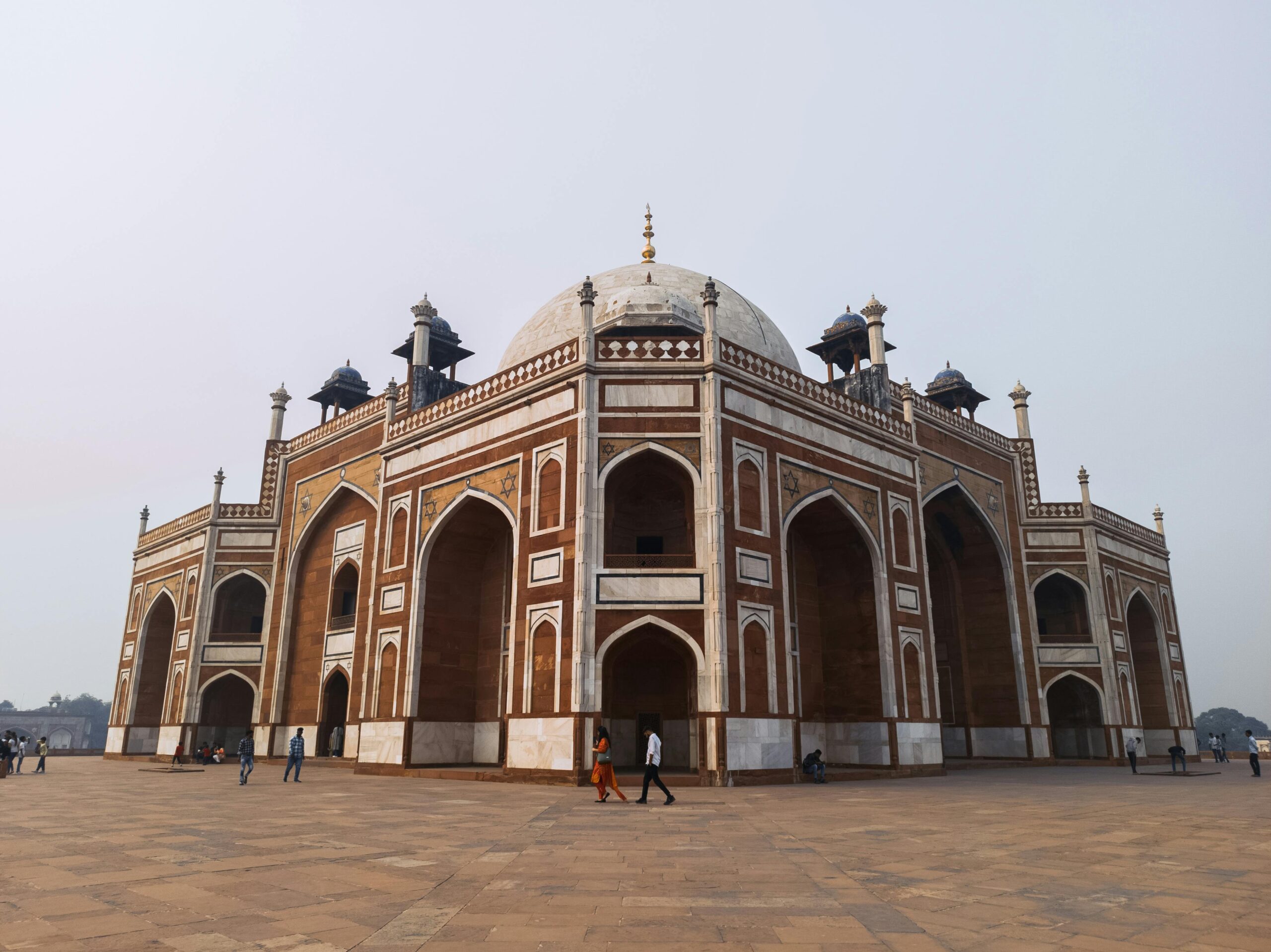
The Best of Lucknow and Naimisaranya A Tour Package , Have you ever dreamed of experiencing a journey that seamlessly blends royal grandeur with spiritual serenity? Welcome to the enchanting world of Lucknow and Naimisaranya—two destinations that capture the essence of Uttar Pradesh’s rich cultural tapestry. Lucknow, the capital city known for its refined elegance and Nawabi heritage, stands in beautiful contrast to Naimisaranya, a sacred pilgrimage site shrouded in ancient mythology and spiritual significance.
This tour package isn’t just about visiting places; it’s about immersing yourself in stories that have been told for centuries, savoring flavors that have been perfected over generations, and connecting with a spiritual legacy that transcends time. Whether you’re a history enthusiast, a foodie, or a spiritual seeker, this journey promises something extraordinary for everyone.
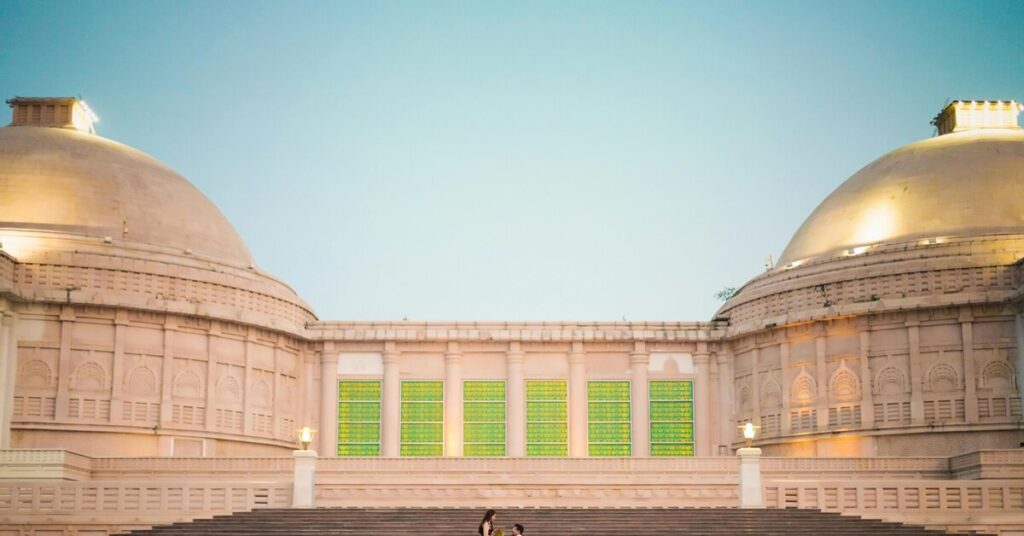
Why should you consider combining these two distinct destinations? Think of it as getting the best of both worlds—the opulence of urban heritage and the tranquility of spiritual retreat. A well-curated tour package saves you the hassle of planning logistics while ensuring you don’t miss any hidden gems.
You’ll witness architectural marvels that tell tales of bygone eras, taste authentic Awadhi cuisine that melts in your mouth, and experience spiritual awakening at one of India’s most revered pilgrimage sites. This combination offers a holistic travel experience that nourishes both body and soul. Plus, traveling with a structured package means you can relax and focus on creating memories rather than worrying about transportation schedules or accommodation bookings.
Lucknow isn’t just another city—it’s a living museum where every corner whispers stories of valor, romance, and artistic brilliance. Once the capital of the Nawabs of Awadh, this city flourished as a center of art, culture, and refinement during the 18th and 19th centuries. The influence of Persian and Mughal architecture is evident throughout the city, creating a unique architectural style known as the Awadhi style.
The city played a pivotal role during the Indian Rebellion of 1857, particularly the Siege of Lucknow, which remains a significant chapter in India’s struggle for independence. Walking through Lucknow feels like turning the pages of a history book, with each monument serving as a testament to its glorious past.
Standing majestically as one of Lucknow’s most iconic landmarks, the Bara Imambara is an architectural wonder built by Nawab Asaf-ud-Daula in 1784. What makes this structure truly remarkable is its central hall—one of the largest arched constructions without support beams in the world. Can you imagine the engineering genius behind creating such a massive space without pillars?
The complex also houses the famous Bhul Bhulaiya, a labyrinth of narrow passages that will challenge your sense of direction. It’s like being inside a puzzle where every turn presents a new mystery. Don’t forget to climb to the top for a breathtaking panoramic view of Lucknow’s skyline.
The Best of Lucknow and Naimisaranya A Tour Package , Also known as Imambara Hussainabad Mubarak, the Chota Imambara is a stunning example of Indo-Islamic architecture adorned with elaborate decorations, chandeliers, and intricate calligraphy. Built by Muhammad Ali Shah in 1838, this monument serves as both a congregation hall and a mausoleum.
During special occasions and festivals, the Chota Imambara is illuminated with thousands of lights, transforming it into a glittering spectacle. The visual grandeur is simply mesmerizing—like watching stars descend from heaven to decorate an earthly palace.
Often called the Turkish Gate, Rumi Darwaza is a magnificent gateway that stands 60 feet tall. Built in 1784, it’s modeled after the Sublime Porte (Bab-i Humayun) in Istanbul. This imposing structure has become synonymous with Lucknow’s identity, appearing on countless postcards and photographs.
Standing beneath this colossal gateway, you can’t help but feel dwarfed by its grandeur. It’s a perfect example of how architecture can evoke emotions and create lasting impressions.
No visit to Lucknow is complete without experiencing the vibrant atmosphere of Hazratganj, the city’s premier shopping district. This bustling market area combines colonial-era charm with modern retail therapy. From traditional Chikan embroidery to contemporary fashion, from street food stalls to upscale restaurants—Hazratganj has it all.
It’s the perfect place to pick up souvenirs, indulge in some retail therapy, and simply soak in the local culture. The energy here is infectious, with shoppers, street performers, and vendors creating a symphony of urban life.
Let’s talk about food—because visiting Lucknow without experiencing its legendary cuisine would be like going to Paris without seeing the Eiffel Tower! Lucknow is synonymous with Awadhi cuisine, a cooking tradition that emphasizes slow cooking, aromatic spices, and melt-in-your-mouth textures.
Start your culinary adventure with the iconic Tunday Kababi, where kebabs are so tender they literally dissolve on your tongue. The secret recipe, passed down through generations, uses over 160 spices. Then there’s the famous Lucknowi biryani, cooked using the ‘dum pukht’ method where rice and meat are slow-cooked together in sealed vessels.
Don’t miss out on local favorites like Malai Makhan, Sheermal, Kulfi, and the elaborate Dastarkhwan experience where multiple courses are served with royal hospitality. Each dish tells a story of culinary excellence refined over centuries. Trust me, you’ll need to loosen your belt a notch or two!
After experiencing the royal grandeur of Lucknow, your journey takes a spiritual turn toward Naimisaranya, located approximately 90 kilometers away in Sitapur district. This ancient pilgrimage site holds immense significance in Hindu mythology and is mentioned in various Puranas.
According to legend, Naimisaranya (also called Neemsar or Nimkhar) is the place where 88,000 sages performed a 1,000-year-long yajna (sacrificial ritual). The name ‘Naimisha’ comes from ‘Nimisha,’ meaning ‘twinkling of an eye,’ and ‘Aranya,’ meaning ‘forest.’ It’s believed that when Lord Brahma’s chakra (divine wheel) circled the earth seeking a pure place for meditation, it landed here—taking just a moment, or a ‘nimisha.’
This is where Ved Vyasa, the sage who compiled the Vedas and authored the Mahabharata, is said to have narrated the Puranas to his disciples. The spiritual vibrations here are palpable, making it a favored destination for those seeking inner peace and divine connection.
The centerpiece of Naimisaranya is the Chakra Tirtha, a sacred pond marking the spot where Lord Brahma’s chakra is believed to have fallen. Devotees believe that taking a dip in these holy waters cleanses one of sins and brings spiritual merit. The circular shape of the pond is said to represent the divine chakra itself.
The atmosphere around Chakra Tirtha is serene and contemplative. You’ll often find pilgrims performing rituals along the ghats, sadhus in deep meditation, and priests conducting pujas. It’s a place where time seems to slow down, allowing you to disconnect from worldly concerns and reconnect with your spiritual essence.
Dedicated to Goddess Lalita, a form of Shakti, this ancient temple attracts devotees seeking blessings for prosperity and well-being. The temple architecture reflects traditional North Indian style, with intricate carvings and a sanctum that radiates positive energy.
The daily aarti (worship ceremony) here is a soul-stirring experience, with the sound of bells, chanting of mantras, and the fragrance of incense creating an atmosphere charged with devotion. Many pilgrims report feeling a profound sense of peace and spiritual upliftment after visiting this sacred shrine.
Perched on a small hill, Hanuman Gadhi is a temple dedicated to Lord Hanuman, the epitome of devotion and strength. The temple complex offers panoramic views of the surrounding countryside, and the climb itself is considered an act of devotion.
Inside, you’ll find a powerful idol of Hanuman that draws devotees from far and wide. Tuesdays and Saturdays see particularly large crowds as these days are considered especially auspicious for Hanuman worship. The spiritual energy here is palpable, and many visitors report feeling strengthened and inspired after their visit.
Your adventure begins with your arrival in Lucknow. After checking into your hotel and freshening up, start your exploration with a visit to the Bara Imambara. Spend time navigating the Bhul Bhulaiya and enjoying the architectural splendor. In the afternoon, visit the nearby Rumi Darwaza and Chota Imambara.
As evening approaches, head to Hazratganj for some shopping and to experience the city’s vibrant street life. End your day with a sumptuous dinner at one of Lucknow’s famous eateries, savoring authentic Awadhi cuisine. This first day gives you a taste of Lucknow’s royal heritage and culinary excellence.
Start your second day with a heritage walk through old Lucknow, exploring the narrow lanes of Chowk area where traditional crafts like Chikan embroidery are still practiced. Visit the Residency, a significant site from the 1857 rebellion that now stands as a memorial.
In the afternoon, experience a traditional dastarkhwan lunch, where you’ll be served multiple courses in the royal Awadhi style. Later, visit the State Museum or take a leisurely stroll along the Gomti Riverfront. The evening could be spent attending a Kathak dance performance or Ghazal concert if available—both art forms that Lucknow is famous for nurturing.
After breakfast, embark on your journey to Naimisaranya (approximately 2-3 hours by road). The drive takes you through rural Uttar Pradesh, offering glimpses of village life and agricultural landscapes. Upon arrival, check into your accommodation and proceed to Chakra Tirtha for your first spiritual experience.
Take a holy dip if you wish, or simply sit by the ghats absorbing the peaceful atmosphere. Visit the nearby temples and ashrams, interacting with sadhus and learning about the site’s spiritual significance. The slower pace here provides a perfect contrast to Lucknow’s urban energy, allowing for introspection and meditation.
Begin your final day with an early morning visit to Hanuman Gadhi to witness the sunrise and participate in the morning aarti. The morning hours at pilgrimage sites have a special quality—the air is fresh, the crowds are thinner, and the spiritual atmosphere is at its peak.
Visit Lalita Devi Temple and any other sites you may have missed. After lunch, begin your journey back to Lucknow, carrying with you memories of spiritual awakening and cultural enrichment. Depending on your departure schedule, you might have time for some last-minute shopping in Lucknow before heading to the airport or railway station.
Timing is everything when it comes to travel, isn’t it? The ideal time to visit Lucknow and Naimisaranya is during the winter months, from October to March. During this period, the weather is pleasant with temperatures ranging from 10°C to 25°C, making it comfortable for sightseeing and outdoor activities.
Winters in this region are mild and perfect for exploring monuments without the discomfort of extreme heat. The months of November and February are particularly delightful. Avoid visiting during the summer months (April to June) when temperatures can soar above 40°C, making outdoor exploration quite challenging.
The monsoon season (July to September) brings moderate rainfall, which can be refreshing but might occasionally disrupt travel plans. However, if you don’t mind a bit of rain, the landscape becomes lush and beautiful during this time, and you’ll encounter fewer tourists at popular attractions.
Lucknow is well-connected to major cities across India by air, rail, and road. Chaudhary Charan Singh International Airport serves both domestic and international flights, with regular connections to Delhi, Mumbai, Bangalore, and other major cities. The airport is located about 15 kilometers from the city center.
If you prefer train travel, Lucknow Junction and Lucknow Charbagh are major railway stations with excellent connectivity to cities across India. The city is also accessible by road, with national highways connecting it to nearby states. Several state-run and private bus services operate regular routes to Lucknow.
Lucknow offers accommodation options for every budget and preference. From luxury heritage hotels that let you experience Nawabi hospitality to mid-range hotels with modern amenities, and budget guesthouses for economical travelers—there’s something for everyone.
Some heritage properties are converted havelis (mansions) that provide an authentic taste of royal living. For a unique experience, consider staying at one of these properties where history and hospitality merge beautifully. In Naimisaranya, accommodation is more basic, with dharamshalas (pilgrim rest houses) and a few modest hotels available near the main temple complex.
The distance between Lucknow and Naimisaranya is approximately 90 kilometers, which can be covered in 2-3 hours by road. The most convenient option is to hire a private taxi or car, which gives you flexibility and comfort. Many tour packages include transportation, making the journey hassle-free.
Alternatively, you can take a bus from Lucknow’s Alambagh or Charbagh bus stations to Sitapur, and then take local transportation to Naimisaranya. However, this option requires more time and effort, so most travelers prefer pre-arranged transportation through their tour package.
Packing smart can make your journey significantly more comfortable. For Lucknow, carry comfortable walking shoes as you’ll be doing considerable sightseeing. Light cotton clothing is ideal for the day, with a light jacket or shawl for cooler evenings, especially during winter months.
For Naimisaranya, modest clothing is essential as it’s a religious site. Carry comfortable clothes suitable for temple visits—avoid shorts, sleeveless tops, or revealing outfits. Don’t forget to pack sunscreen, sunglasses, a hat, and a reusable water bottle to stay hydrated.
Other essentials include your camera (you’ll want to capture countless memories), basic medications, sanitizers, and personal care items. If you’re particular about toiletries, carry your preferred brands as options might be limited in Naimisaranya. A small backpack for day trips is also handy for carrying your essentials during excursions.
Understanding and respecting local customs enhances your travel experience and helps you connect better with the destination and its people. In Lucknow, known for its tehzeeb (refined culture), politeness and courtesy are highly valued. You’ll notice locals using respectful forms of address and displaying hospitality that’s almost legendary.
When visiting monuments and heritage sites, maintain decorum and follow photography guidelines. Some places may charge for camera usage or prohibit photography altogether. At Naimisaranya, religious sensitivities should be respected. Remove your footwear before entering temples, cover your head if required, and avoid loud conversations within temple premises.
Photography of deities may not be allowed in some temples, so always ask for permission first. When interacting with priests or sadhus, show respect even if you don’t understand all the rituals. A small donation (dakshina) is customary if you receive blessings or participate in ceremonies. Remember, you’re not just a tourist but a guest experiencing sacred traditions that have been preserved for millennia.
The Lucknow and Naimisaranya tour package offers a journey that’s as diverse as it is enriching. From the architectural grandeur and culinary delights of Lucknow to the spiritual tranquility of Naimisaranya, this tour provides a comprehensive experience of Uttar Pradesh’s cultural and spiritual wealth. You’ll return home not just with photographs, but with stories, flavors, and spiritual insights that will stay with you long after the journey ends.
Whether you’re marveling at the engineering genius of Bara Imambara, savoring the legendary kebabs of Lucknow, or sitting in quiet contemplation by the sacred waters of Chakra Tirtha, each moment adds a unique dimension to your travel experience. This tour package proves that the best journeys are those that nourish both the senses and the soul. So why wait? Pack your bags and get ready to explore two of Uttar Pradesh’s most captivating destinations—where history meets spirituality, and where every experience leaves an indelible mark on your heart.
A 4-day tour is ideal for experiencing both destinations without rushing. This allows 2 days for exploring Lucknow’s attractions and culinary scene, 1 day for traveling to and experiencing Naimisaranya, and another day for a leisurely return journey. However, if you have more time, extending your stay in either location will give you deeper insights and more relaxed exploration.
Yes, Naimisaranya is absolutely suitable for families with children. The peaceful atmosphere and open spaces are perfect for children, and the spiritual environment can be an educational experience. However, ensure children understand the importance of maintaining decorum at religious sites. The journey between Lucknow and Naimisaranya is also comfortable for families when traveling by private vehicle.
Don’t miss the legendary Tunday Kababi, authentic Lucknowi biryani, Malai Makhan (a creamy dessert), Sheermal (saffron-flavored bread), Basket Chaat (a unique Lucknow invention), Galouti Kebab, and various types of kulfi. For breakfast, try traditional items like Kulcha Nihari. Each dish represents the culinary heritage of Awadh and offers flavors you won’t find anywhere else.
Yes, modest clothing is required when visiting Naimisaranya. Both men and women should avoid wearing shorts, sleeveless tops, or revealing outfits. Women might want to carry a dupatta or shawl to cover their heads when entering certain temples. Traditional Indian attire or conservative Western clothing is appropriate and shows respect for the sacred nature of the site.
Absolutely! Most tour operators offer customizable packages that can be tailored to your preferences, budget, and time constraints. You can choose specific attractions you want to visit, select accommodation according to your comfort level, and even add additional destinations like Ayodhya or Kanpur if you have extra time. Customized packages offer flexibility while still providing the convenience of organized travel, ensuring you get exactly the experience you’re looking for.