Your cart is currently empty!
You may check out all the available trips and book one that suits you.
Continue Browsing Trips
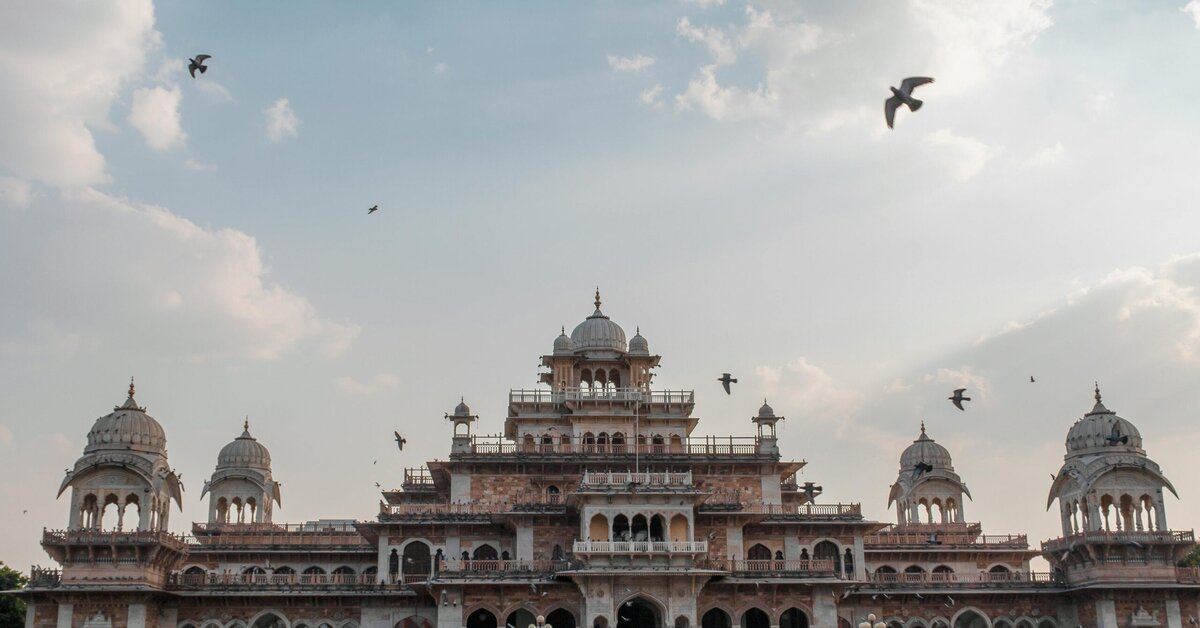
Experience the Charm of Jaipur A Tour Package , What is it about certain places that capture your heart the moment you arrive? Jaipur possesses that indefinable quality—a charm that weaves together color, culture, history, and hospitality into an experience that lingers long after you’ve left.
The Pink City isn’t just a destination; it’s a feeling. It’s the warm terracotta hues that bathe entire neighborhoods in soft light. It’s the contrast between ancient forts perched on rugged hills and bustling markets overflowing with textiles and jewels. It’s the aroma of fresh jalebis mingling with incense from roadside temples. It’s the auto-rickshaw driver who shares stories of his city with genuine pride.
Jaipur charms visitors not through individual attractions but through the entire atmosphere it creates. This is a city that balances grandeur with accessibility, tradition with modernity, formality with warmth. And the best way to experience this multifaceted charm? Through a thoughtfully designed tour package that opens doors you didn’t know existed.
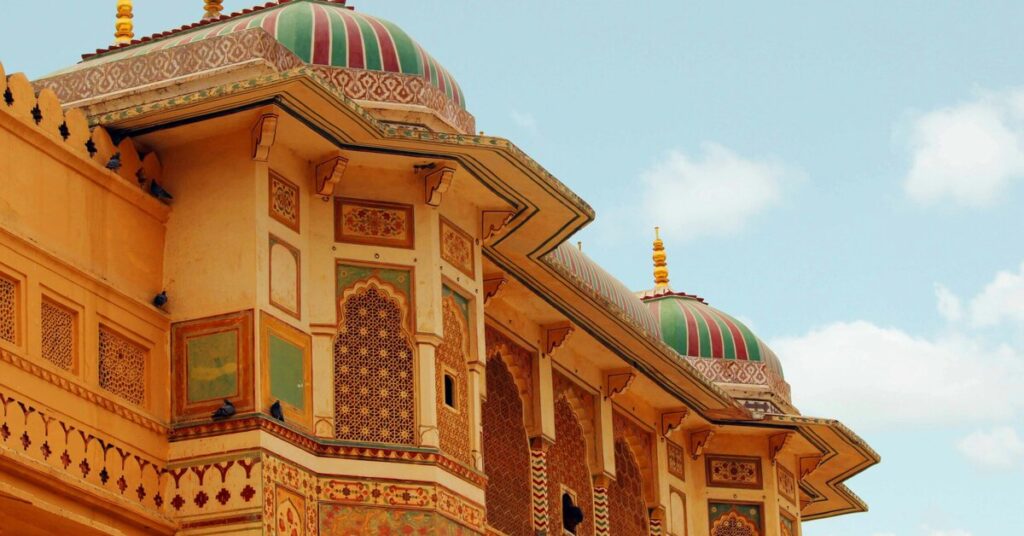
Jaipur earned its “Pink City” nickname, but the reality is far more nuanced than a single color. Yes, the old city’s buildings glow in terracotta pink, especially during sunrise and sunset. But look closer and you’ll see layers of color everywhere—vibrant saris flowing through markets, colorful kites dotting the sky, intricate rangoli patterns adorning doorsteps, and the rainbow of spices in shops.
The color isn’t just aesthetic; it tells stories. The pink was chosen to welcome royalty and has since become an identity. The blue doors in certain areas indicate merchant homes. The white architecture of some palaces reflects Mughal influences. Every hue has meaning, creating a city that communicates through color as much as through words.
Unlike many historical cities where the past feels distant and preserved behind museum glass, Jaipur’s royal heritage remains alive. The royal family still resides in part of City Palace. Traditions established by maharajas centuries ago continue in festivals and ceremonies. Craftspeople practice techniques developed to serve royal courts.
This living heritage means you’re not just observing history—you’re experiencing its continuation. When you watch a block printer at work, he’s using methods perfected for royal garments. When you taste traditional dishes, you’re savoring recipes that once graced royal tables. This connection between past and present creates a charm that feels authentic rather than manufactured.
Charm cannot be rushed. The best Jaipur tour packages understand this fundamental truth, building itineraries that allow for both structured experiences and spontaneous moments. They balance morning visits to major attractions with afternoon leisure time for market wandering or poolside relaxation.
A well-paced package might include a morning at Amber Fort followed by a long lunch and afternoon rest before an evening market tour. This rhythm respects both the intensity of exploration and the human need for processing experiences. It also acknowledges Rajasthan’s climate—intense midday heat makes afternoon breaks not just pleasant but necessary.
Charm emerges through connection, and the best tour packages facilitate genuine cultural exchanges. This might include cooking classes where you learn to make dal baati churma from local home cooks, workshops where artisans teach their crafts, or conversations with historians who provide context beyond guidebook facts.
These immersive elements transform you from observer to participant. You’re not just seeing Jaipur’s culture—you’re briefly becoming part of it. This depth of engagement creates memories far richer than any photograph.
Experiencing charm shouldn’t mean sacrificing comfort. Quality tour packages provide comfortable transportation, well-selected accommodations, and logistical smoothness while maintaining authentic experiences. You might stay in a heritage hotel that was once a noble’s haveli, combining historical ambiance with modern amenities.
The balance is crucial—too much comfort creates a bubble that separates you from genuine experience, while too little comfort creates stress that prevents you from appreciating the experience. The right package finds that sweet spot where you’re comfortable enough to be receptive but not so insulated that you miss the authentic atmosphere.
Perched on a hillside overlooking Maota Lake, Amber Fort embodies the grandeur that defines Jaipur’s charm. This UNESCO World Heritage Site combines massive defensive walls with delicate interior spaces, demonstrating how Rajput architecture balanced military necessity with aesthetic refinement.
The fort’s charm lies in its details—the Sheesh Mahal where thousands of mirrors transform candlelight into starlight, the intricate marble relief work depicting flowers and geometric patterns, the strategic design that channels cool breezes through hot summer months. Each element reveals thought, craftsmanship, and an understanding that buildings should delight as well as serve.
The elephant ride up to the fort entrance, while controversial in terms of animal welfare, remains iconic. Many tour packages now offer alternatives like jeep rides while still capturing the approach’s drama as the fort grows larger with each switchback.
The City Palace complex represents Jaipur’s charm in microcosm—it’s simultaneously a museum, a residence, a cultural center, and a living testimony to royal traditions. Walking through its courtyards and galleries, you move between different eras and purposes seamlessly.
The architecture blends Rajput, Mughal, and European influences, with each section reflecting the tastes of different maharajas. The museum houses incredible artifacts including royal clothing, weapons, manuscripts, and art that provide tangible connections to the people who once walked these halls.
What makes City Palace particularly charming is that it’s not frozen in time. Events still occur here, royal family members still occupy private sections, and traditions continue. You’re witnessing living heritage, not merely preserved history.
Sometimes charm comes in small, perfect doses. Hawa Mahal, with its honeycomb facade of 953 windows, exemplifies this. Standing five stories tall but only one room deep, this structure was designed purely to allow royal women to observe street life while maintaining purdah.
The building’s charm lies in how it transforms function into art. Those hundreds of windows weren’t just for viewing—they created a ventilation system that cooled the interior naturally, hence the name “Palace of Winds.” The lattice work demonstrates incredible craftsmanship while serving practical purposes.
Photographing Hawa Mahal from the street is almost mandatory, but entering the structure and looking out through those windows provides a different experience—suddenly you understand the perspective of royal women who spent their lives within palace walls, connected to the city yet separated from it.
Jaipur’s astronomical observatory proves that charm isn’t limited to palaces and paintings. These massive stone and marble instruments, built in the early 18th century by Maharaja Sawai Jai Singh II, combine scientific precision with sculptural beauty.
The structures look almost abstract—giant triangular forms, circular platforms, curved walls—yet each serves specific astronomical purposes. The Samrat Yantra, the world’s largest stone sundial, can tell time accurate to two seconds. Other instruments track stars, predict eclipses, and measure celestial altitudes.
What’s charming is how this monument celebrates intellectual achievement. At a time when many rulers focused solely on military conquest, Jai Singh II invested in scientific understanding. Jantar Mantar reminds us that Jaipur’s royal legacy includes intellectual curiosity and scientific rigor alongside military prowess and artistic patronage.
Walking through Johari Bazaar feels like entering a treasure chamber where every shop sparkles with jewelry. This market has been Jaipur’s premier jewelry destination for centuries, specializing in the gem-setting techniques and designs that made Jaipur famous.
The charm here lies not just in the merchandise but in the theater of shopping itself. Shopkeepers spread velvet cloths and display pieces with ritualistic care. They explain the difference between Rajasthani kundan and meenakari work, demonstrate how traditional jewelry fastens, and share stories of pieces they’ve created for weddings and special occasions.
Even if you’re not buying, wandering through Johari Bazaar immerses you in Jaipur’s commercial culture. The banter between shopkeepers, the careful examination of stones, the negotiation dance—these interactions have occurred here for generations.
For textiles, handicrafts, and souvenirs, Bapu Bazaar offers overwhelming variety at accessible prices. The narrow lanes overflow with fabric shops selling everything from casual cotton to elaborate wedding silks, from traditional bandhani to modern prints.
The bazaar’s charm comes from its authenticity—this isn’t primarily a tourist market but a shopping destination for locals as well. You’ll see families selecting fabrics for upcoming weddings, women choosing daily wear, and vendors who’ve occupied the same shops for decades.
The sensory experience is intense—the rustle of fabrics being unfurled, the calls of vendors announcing deals, the visual riot of colors and patterns competing for attention. It’s chaotic and charming in equal measure.
Specializing in traditional lac jewelry, bangles, and brasswares, Tripolia Bazaar feels more traditional than many other markets. The shops here cater primarily to locals, particularly for wedding-related purchases, giving visitors insight into traditions that continue despite modernization.
Watching artisans create lac jewelry—heating, shaping, decorating the material—demonstrates skills passed through families for generations. The finished pieces are affordable, colorful, and distinctively Rajasthani, making them perfect souvenirs that carry genuine cultural meaning.
The bazaar’s location near City Palace and Jantar Mantar makes it easy to combine with monument visits, and the less aggressive sales approaches compared to more touristy markets create a more relaxed shopping experience.
Jaipur’s cuisine reflects Rajasthan’s history, climate, and culture. Dal baati churma—lentil curry served with baked wheat balls and sweetened crushed wheat—is the quintessential Rajasthani meal, developed for nutritional completeness and long shelf life in desert conditions.
Laal maas, a fiery red meat curry made with mathania chilies, represents the warrior heritage of Rajasthan. Gatte ki sabzi showcases how creativity transforms simple gram flour into delicious curry. Ker sangri demonstrates use of desert plants that survive harsh conditions.
For sweets, ghewar’s honeycomb structure and syrup-soaked deliciousness define Jaipur’s celebrations. Mawa kachori offers sweet filling encased in fried pastry. These dishes aren’t just food—they’re edible history, each bite connecting you to centuries of culinary tradition.
Several heritage restaurants and hotels offer traditional Rajasthani thali experiences where multiple dishes arrive in small portions on a single large plate. This communal eating style, combined with traditional seating and ambiance, creates dining as cultural experience rather than just sustenance.
Some tour packages include dining experiences where meals are accompanied by live traditional music or served in heritage settings like converted havelis or palace courtyards. These settings enhance flavors through atmosphere, making meals memorable for reasons beyond just taste.
Street food experiences offer different but equally charming dining—standing at small stalls eating fresh pyaaz kachori or mirchi vada while watching the vendor work, sharing space with locals on their food breaks, becomes a window into daily Jaipur life.
While traditional cuisine defines Jaipur’s culinary identity, the city’s modern dining scene adds contemporary charm. Rooftop restaurants offer innovative fusion dishes with views of illuminated monuments. Cafes blend international coffee culture with Rajasthani aesthetics. Contemporary Indian restaurants reimagine traditional dishes with modern techniques.
This culinary diversity means food lovers can experience traditional meals at lunch and contemporary dining at dinner, enjoying full spectrum of Jaipur’s gastronomic evolution. The contrast itself is charming—seeing how a city honors its culinary heritage while embracing innovation.
Rajasthani folk performances—the swirling ghoomar dance, the acrobatic kalbelia dance, the haunting melodies of traditional instruments—capture the state’s artistic heritage. Several venues in Jaipur offer nightly performances, some combined with traditional dinners.
What makes these performances charming rather than merely entertaining is when they’re presented with context. Better shows include narration explaining the dances’ origins and cultural significance, transforming entertainment into education. Some venues feature live musicians using traditional instruments like the sarangi and been, creating authentic sonic experiences.
The costumes alone are worth experiencing—mirror-worked ghagras that catch light as dancers spin, colorful turbans, heavy silver jewelry. The visual spectacle combined with musical talent creates memorable evenings that enrich your understanding of Rajasthani culture.
Several of Jaipur’s major monuments host sound and light shows after dark. Amber Fort’s presentation uses the fort itself as a backdrop while narrating Jaipur’s history. These shows dramatize historical events, making facts and dates memorable through storytelling and visual effects.
While sometimes cheesy in execution, the best sound and light shows provide historical context that enhances your appreciation of the monuments. They’re particularly good for evening activities after intensive day touring, offering seated entertainment that educates while you rest.
If your visit coincides with festivals like Gangaur, Teej, Makar Sankranti, or Holi, participating in celebrations adds immense charm to your experience. These aren’t tourist performances but genuine community celebrations where you’re welcomed as a guest.
Festivals reveal Jaipur’s social fabric—families gathering, traditional foods prepared, specific rituals performed, community bonds strengthened. Good tour packages can facilitate participation in festival events through local connections, ensuring respectful involvement in celebrations.
Nothing enhances Jaipur’s charm like staying in accommodations that embody its heritage. Properties like Rambagh Palace, Samode Haveli, Alsisar Haveli, and Jai Mahal Palace offer opportunities to live like royalty, sleeping in rooms that once housed nobles and princes.
These heritage hotels maintain historical architecture and decor while providing modern comfort. The staff often have family connections to the properties spanning generations, adding personal touch to service. Common areas feature antiques, artwork, and architectural elements that create immersive historical environments.
The experience includes more than just accommodation—it’s about dining in courtyards where royal banquets occurred, walking through corridors where important decisions were made, and sleeping in rooms that witnessed history.
Jaipur offers excellent mid-range options that balance comfort, location, and character without palace price tags. Boutique hotels in restored havelis provide historical ambiance with contemporary amenities. Well-located hotels near major attractions offer convenience while maintaining Rajasthani aesthetic touches.
Properties like Pearl Palace Heritage, Umaid Bhawan, and various haveli hotels provide charming stays at accessible prices. Many feature rooftop restaurants with monument views, traditional Rajasthani architecture, and family-run hospitality that adds personal warmth to your stay.
These mid-range options often provide better value than standardized chain hotels, offering more character and local flavor while maintaining comfort standards that international travelers expect.
Budget travelers can find charming accommodation in Jaipur without sacrificing safety or cleanliness. Hostels like Zostel Jaipur, guesthouses in residential areas, and budget hotels near major attractions provide affordable bases for exploration.
Many budget properties compensate for basic amenities with excellent locations, helpful staff who provide insider tips, and common areas where travelers share experiences. Some family-run guesthouses offer home-cooked meals and personalized attention that luxury hotels cannot match.
The charm of budget accommodation often lies in unexpected interactions—conversations with hosts who share their city knowledge, connections with fellow travelers, and authentic neighborhood experiences from staying in residential areas.
Jaipur’s charm extends beyond city limits. Several nearby destinations offer complementary experiences that enrich your understanding of Rajasthan:
Abhaneri (95 km) features Chand Baori, one of India’s deepest and most dramatic stepwells, with 3,500 steps descending 13 stories. The geometric precision and scale create mesmerizing visual experiences.
Bhangarh Fort (85 km) combines historical ruins with the distinction of being India’s “most haunted place”—whether you believe the stories or not, the abandoned fort city offers atmospheric exploration and photography opportunities.
Samode (42 km) features a stunning palace now converted into a heritage hotel, set against the Aravalli hills. Even without staying overnight, visiting the palace and village provides insights into rural Rajasthan and smaller-scale royal architecture.
Pushkar (145 km) offers spiritual and cultural experiences around its sacred lake and Brahma temple, with vibrant markets and unique atmosphere distinct from Jaipur.
These day trips add dimension to your Jaipur experience, showing how the city exists within larger Rajasthani cultural and historical contexts.
Jaipur is a photographer’s dream, offering subjects ranging from grand architectural panoramas to intimate street scenes:
Golden hour magic: Early morning and late afternoon light transforms Jaipur’s pink buildings into glowing canvases. Amber Fort at sunrise, Hawa Mahal at sunset, and evening light on City Palace create stunning natural lighting scenarios.
Market scenes: The chaos and color of bazaars provide endless candid photography opportunities—fabric merchants unfurling colorful textiles, jewelers examining stones, street food preparation, and the interactions between vendors and customers.
Architectural details: From intricate jali work to massive fort walls, from delicate frescoes to geometric observatory instruments, Jaipur offers macro and detail photography subjects that reveal craftsmanship and design sophistication.
Cultural portraits: With respectful approach and permission, photographing local people—artisans at work, elders in traditional dress, children playing—captures Jaipur’s human dimension.
Good tour packages understand photography interests and can adjust timing and locations to optimize shooting opportunities, while also providing access to less-crowded viewpoints and unique perspectives.
Jaipur’s charm manifests differently across seasons:
Winter (November-February): Peak season offers ideal weather—clear skies, comfortable temperatures (10-25°C), and perfect conditions for full-day exploration. Expect larger crowds but best overall experience. This is festival season with Diwali, Makar Sankranti, and later, Holi approaching.
Spring (March-April): Weather warms but remains manageable. Spring festivals like Gangaur add cultural richness. Slightly fewer crowds than peak winter months. Gardens and lakes look beautiful with blooming flowers.
Summer (May-June): Intense heat (35-45°C) makes midday exploration challenging but creates opportunities for better hotel rates and fewer tourists. Early morning and evening activities work well. This season suits travelers who handle heat well and prefer uncrowded monuments.
Monsoon (July-September): Humidity increases but temperatures moderate. Rain brings green landscapes and dramatic skies for photography. Some attractions may have maintenance closures. Monsoon festivals like Teej add cultural experiences. Lowest tourist numbers mean personalized attention.
Each season offers different charm—winter provides ideal touring conditions, summer offers authentic experience of Rajasthan’s climate, and monsoon shows the landscape transformed by rare rains.
Day 1: Arrival and Pink City Introduction
Morning: Arrive in Jaipur, check into heritage hotel, refresh.
Afternoon: Walking tour of old city including Hawa Mahal (exterior), local markets, and street food sampling. Visit City Palace before evening closing.
Evening: Rooftop dinner with illuminated monument views. Rest and prepare for upcoming days.
Day 2: Fort Exploration
Early Morning: Sunrise visit to Amber Fort including Sheesh Mahal and panoramic viewpoints.
Late Morning: Return to hotel for breakfast and brief rest during peak heat.
Afternoon: Visit Nahargarh Fort for city views and fort exploration during cooler hours.
Evening: Sound and light show at Amber Fort. Dinner at traditional Rajasthani restaurant.
Day 3: Science, Art, and Shopping
Morning: Jantar Mantar visit with guide explaining astronomical instruments. Nearby visit to Albert Hall Museum for art and artifacts.
Afternoon: Lunch at heritage restaurant followed by shopping tour through Johari Bazaar and Bapu Bazaar with guide helping navigate and negotiate.
Evening: Traditional folk dance and music performance with dinner at cultural venue.
Day 4: Cultural Immersion and Crafts
Morning: Visit to artisan workshops—block printing, blue pottery, or gem cutting depending on interest. Hands-on workshop participation.
Late Morning: Cooking class learning traditional Rajasthani dishes, followed by enjoying the meal.
Afternoon: Leisure time at hotel or optional visit to Sisodia Rani Garden.
Evening: Sunset at Jal Mahal with chai, followed by farewell dinner at palace hotel restaurant.
Day 5: Day Trip and Departure
Morning: Half-day trip to nearby attraction (Abhaneri stepwell, Samode Palace, or rural village experience).
Afternoon: Return for lunch, last-minute shopping if desired, hotel checkout and departure.
This itinerary balances major attractions, cultural experiences, leisure time, and practical considerations like heat and fatigue, allowing Jaipur’s charm to unfold naturally rather than through rushed scheduling.
Dress comfortably and respectfully: Light, breathable fabrics in modest cuts work best. Women should carry scarves for covering shoulders at religious sites. Comfortable walking shoes are essential for uneven fort pathways.
Stay hydrated: Carry water bottles everywhere, especially during warm months. Avoid ice in drinks from street vendors if you have sensitive stomach.
Negotiate wisely: Bargaining is expected in markets but should be respectful. Start around 50-60% of quoted price for handicrafts and textiles. Don’t haggle over trivial amounts—for artisans, small differences matter.
Be photo-sensitive: Always ask permission before photographing people, especially women. Some monuments charge camera fees. Military installations prohibit photography.
Respect local customs: Remove shoes before entering temples. Dress modestly at religious sites. Accept hospitality when offered—refusing chai or snacks can seem rude.
Use registered transportation: Stick to hotel-arranged vehicles, prepaid taxi services, or registered auto-rickshaws. Agree on fares before departing.
Time management: Build rest periods into your schedule. Trying to see everything quickly prevents you from experiencing anything deeply.
Travel insurance: Obtain comprehensive coverage including medical emergencies. Altitude and heat can affect health even if you’re generally healthy.
Selecting the right tour package determines whether you experience Jaipur’s charm or merely visit its attractions:
Define your priorities: What matters most—luxury accommodation, cultural depth, budget management, photography opportunities, culinary experiences? Different packages emphasize different aspects.
Read beyond marketing: Look for detailed itineraries specifying not just what you’ll see but how long you’ll spend and what experiences are included. Vague promises like “cultural experiences” need clarification.
Check inclusions carefully: Understand what’s covered—meals (how many per day?), entrance fees (all monuments or just some?), transportation (private vehicle or shared?), guide services (throughout or just at monuments?).
Group size matters: Private tours offer customization and flexibility. Small group tours (4-8 people) balance personal attention with cost efficiency. Large group tours reduce costs but sacrifice personalization.
Flexibility quotient: Can the itinerary adapt to your interests and energy? Good packages allow some modification based on participant preferences.
Guide quality: Experienced guides transform sightseeing into storytelling. Check if guides are licensed, knowledgeable, and English-speaking (or your preferred language).
Cancellation policies: Understand terms fully. Flexible cancellation policies cost more but provide peace of mind.
Review reputation: Check multiple review platforms for consistent feedback patterns. A few negative reviews among hundreds of positive ones are normal; consistent complaints about specific issues are warning signs.
Direct communication: Before booking, communicate directly with tour operators. Their responsiveness and willingness to answer questions indicates service quality you can expect during the tour.
Jaipur’s charm isn’t something that can be quantified or checked off a list. It accumulates through dozens of moments—the way light falls on pink walls at sunset, the satisfaction of finding the perfect textile after patient negotiation, the taste of perfectly spiced dal, the panoramic view from fort ramparts, the unexpected kindness of strangers who become temporary guides.
The right tour package doesn’t create this charm but facilitates your access to it. It removes logistical barriers so you can focus on experiencing rather than organizing. It provides context that deepens appreciation. It opens doors that independent travelers might not even know exist. And crucially, it paces experiences so you have time to absorb rather than merely observe.
Jaipur rewards those who come not just to see but to experience, not just to photograph but to feel, not just to visit but to connect. Whether you’re marveling at architectural genius, savoring culinary traditions, learning ancient crafts, or simply watching daily life unfold in timeless markets, Jaipur offers charm in abundance to those ready to receive it.
So come with curiosity rather than just cameras. Engage with people, not just places. Taste everything offered. Ask questions. Walk slowly. Sit occasionally. Let Jaipur’s charm work its magic on you. This city has been captivating visitors for centuries. Your turn to be charmed awaits.
While you can see major attractions in 2-3 days, truly experiencing Jaipur’s charm requires 4-5 days. This allows time for major monuments without rushing, cultural experiences like cooking classes or craft workshops, market exploration at leisure pace, and a day trip to nearby attractions. The extra days let you move beyond surface-level tourism into genuine connection with the city’s culture. If you have limited time, prioritize depth over breadth—spending meaningful time at fewer locations beats rushing through exhaustive lists.
Absolutely! Jaipur is relatively safe for solo travelers, and tour packages can enhance solo experiences by providing built-in social opportunities with fellow travelers and access to experiences difficult to arrange independently. Many operators offer solo traveler rates or can match solo travelers into small groups. Solo travelers particularly benefit from package logistics—transportation, guide services, and hotel arrangements—that remove common solo travel challenges. The social aspect of group tours also combats solo travel loneliness while still allowing personal time.
Jaipur is excellent for families, and many tour packages cater specifically to family travel. Children often love the forts (exploring corridors and ramparts feels like adventure), elephant encounters at Amber Fort, colorful markets, and hands-on experiences like craft workshops. Better family packages pace activities appropriately for younger travelers, include child-friendly meals, select accommodations with family rooms or connecting rooms, and build in leisure time. Communicate your children’s ages and interests when booking so itineraries can be adjusted accordingly.
Budget for shopping (handicrafts, textiles, jewelry—Jaipur is irresistible for shoppers), tips for guides and drivers (10-15% of service cost is customary), additional meals if not all are included, beverages, camera fees at some monuments, and optional activities not in your package like sound and light shows or special performances. Also consider personal expenses like laundry, communication (SIM cards), and any medical needs. As a rough guide, budget an additional 30-40% of your package cost for comfortable spending on extras and shopping.
Yes, reputable tour operators accommodate dietary needs including vegetarian, vegan, gluten-free, nut allergies, and religious dietary requirements. Jaipur’s vegetarian tradition makes vegetarian/vegan options widely available. However, you must communicate restrictions clearly when booking and remind guides before meals. Cross-contamination can occur in small eateries, so if allergies are severe, bring emergency medication. Some packages include cooking classes where you can ensure dietary compliance by preparing food yourself, and many heritage hotels accommodate special dietary requests with advance notice.


Comments are closed.