Your cart is currently empty!
You may check out all the available trips and book one that suits you.
Continue Browsing Trips
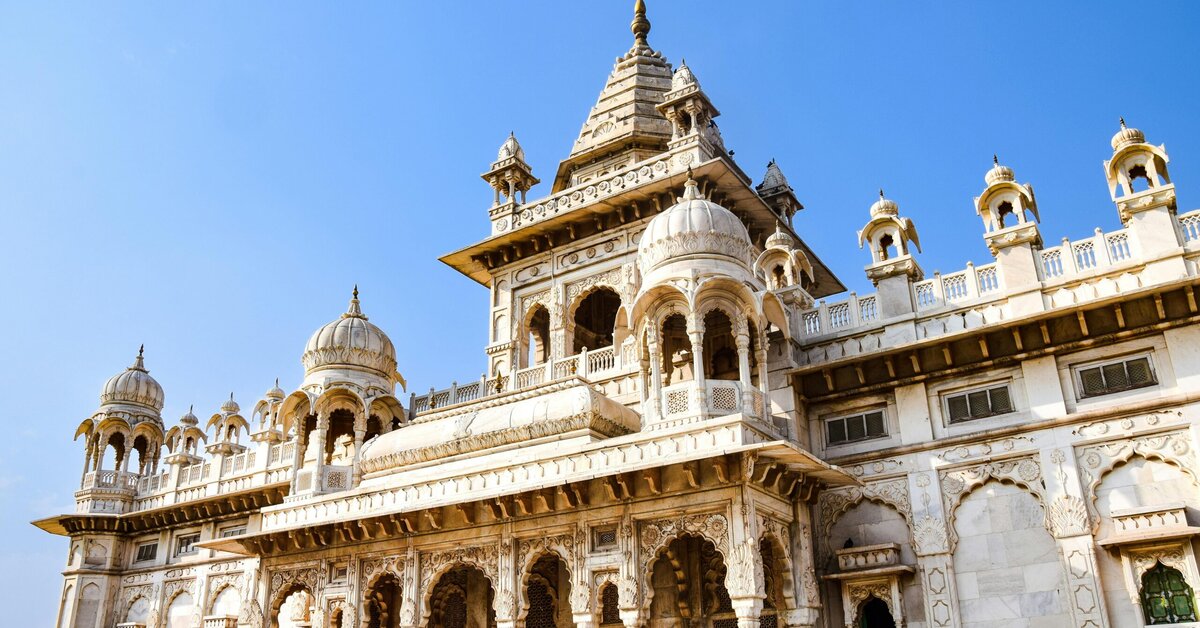
Jaipur’s Top 10 Places to Visit A Tour Package , What draws travelers from across the globe to this desert city painted in pink? Is it the towering forts that whisper tales of Rajput valor? The opulent palaces that showcase architectural genius? Or perhaps the vibrant markets where centuries-old crafts are still practiced today? The truth is, Jaipur captivates visitors because it offers all this and more—a complete cultural immersion wrapped in royal grandeur.
Jaipur stands as a living testament to India’s glorious past while embracing modernity with grace. Unlike museum cities frozen in time, Jaipur thrives as a bustling capital where history coexists with contemporary life. The forts aren’t just tourist attractions; they’re storytellers narrating centuries of courage, romance, intrigue, and artistic achievement.

Jaipur’s Top 10 Places to Visit A Tour Package ,With so many spectacular attractions, planning can feel overwhelming. Should you start with the hilltop forts or the city palaces? How many days do you need? What’s the best route to avoid backtracking? This is where thoughtfully designed tour packages prove invaluable, organizing Jaipur’s top attractions into logical, time-efficient itineraries.
Jaipur’s Top 10 Places to Visit A Tour Package .This guide explores Jaipur’s top 10 must-visit places, providing insights into what makes each special and how tour packages seamlessly incorporate them into unforgettable journeys. Whether you’re a history enthusiast, architecture lover, photographer, or simply someone seeking beautiful experiences, these attractions promise to exceed your expectations.
Perched majestically on a hilltop overlooking Maota Lake, Amber Fort represents the pinnacle of Rajput architectural achievement. Built in 1592 by Raja Man Singh I and expanded by successive rulers, this sprawling fort-palace complex served as the Kachwaha Rajput capital before Jaipur was established.
The approach to Amber Fort is dramatic—as you wind up the hillside, the massive walls and bastions create an impression of impenetrable strength. Yet once inside, you discover a different world entirely—one of refined elegance, artistic sophistication, and unexpected luxury. This contrast perfectly captures the Rajput philosophy: warrior strength combined with cultural refinement.
The fort’s architecture brilliantly merges Rajput and Mughal styles. Red sandstone and white marble create visual contrasts, while intricate carvings, latticed windows, and mirror work demonstrate exceptional craftsmanship. The layout follows practical defensive considerations while creating spaces of extraordinary beauty.
The Sheesh Mahal (Mirror Palace) is Amber Fort’s crown jewel—literally. Every inch of walls and ceilings in several chambers is covered with thousands of tiny mirrors and colored glass pieces arranged in intricate floral and geometric patterns. The effect is magical. Light a single match, and the entire hall seems to explode with reflected light, creating a starry sky indoors.
Legend says that the queen could gaze at stars while lying in bed, with mirrors reflecting the night sky. Whether true or romantic fiction, the Sheesh Mahal represents the height of Mughal-influenced decorative arts in Rajputana.
The Diwan-e-Khas (Hall of Private Audience) showcases where the Maharaja met important visitors and conducted state business. The hall features elegant arches, intricate floral designs carved in marble, and an elevated platform where the royal throne once sat.
The Ganesh Pol (Ganesh Gate) is a stunning three-story structure covered with frescoes and mosaics. This ornate gateway leads to the private palaces where the royal family lived. The detailed paintings depicting Lord Ganesh and floral motifs demonstrate the artistic excellence that flourished under royal patronage.
Sukh Niwas (Hall of Pleasure) features an ingenious cooling system—channels carved in the walls once carried cold water from the roof, creating a natural air conditioning system. Fragrant sandalwood doors added pleasant aromas. These innovations show how ancient builders created comfort without modern technology.
Visit Amber Fort early morning (8-10 AM) to avoid crowds and heat. The fort opens at 8 AM, and arriving early lets you explore peacefully before tour groups arrive. Alternatively, late afternoon (4-6 PM) offers beautiful light for photography as the honey-colored stones glow warmly.
Wear comfortable shoes—there’s considerable walking and stair climbing involved. The elephant rides to the fort entrance are iconic but controversial due to animal welfare concerns. Consider taking a jeep instead, which drops you closer to the entrance.
The evening Sound and Light Show narrates Amber Fort’s history against the illuminated fort backdrop—a spectacular experience worth attending if your schedule allows.
The City Palace complex occupies the heart of Jaipur’s old city, and what makes it extraordinary is that it’s not merely a museum—parts of the palace still serve as the residence of Jaipur’s royal family. This living heritage adds an authentic dimension rarely found in Indian palaces.
Built by Maharaja Sawai Jai Singh II between 1729 and 1732, the palace complex has been expanded and refined by successive rulers. The result is an architectural masterpiece that harmoniously blends Rajasthani, Mughal, and European styles—a testament to Jaipur’s cultural cosmopolitanism.
The palace complex consists of several courtyards, gardens, and buildings, each serving specific functions. The Mubarak Mahal (Welcome Palace) now houses the textile museum displaying royal costumes, including a massive outfit worn by Sawai Madho Singh I, who reportedly weighed over 250 kg and stood seven feet tall.
The Chandra Mahal (Moon Palace) remains the royal residence, though its ground floor is open to visitors showing royal reception rooms decorated with chandeliers, mirrors, and paintings. The Diwan-e-Khas houses two enormous silver urns—each weighing 340 kg and listed in the Guinness Book of World Records as the world’s largest silver objects. These urns carried sacred Ganges water for Maharaja Madho Singh II’s voyage to England.
The Pritam Niwas Chowk (courtyard) features four small gates representing seasons, each beautifully decorated with themes and colors associated with different deities and seasons—a delightful artistic concept executed brilliantly.
The City Palace architecture showcases remarkable attention to detail. Peacock Gate, representing autumn, features stunning peacock mosaics. Lotus Gate symbolizes summer with lotus flower motifs. These decorative elements aren’t merely ornamental—they reflect deep symbolic meanings rooted in Hindu philosophy and royal iconography.
The palace’s layout demonstrates thoughtful urban planning. It connects directly to Jantar Mantar and overlooks the main street, allowing the Maharaja to participate in city life while maintaining royal privacy. The integration of palace, observatory, and city demonstrates sophisticated understanding of governance and public engagement.
What sets City Palace apart is its completeness. Many palaces show only architectural beauty or house disconnected artifacts. Here, everything connects—architecture, artifacts, layout, and the living presence of royalty create a holistic experience. You’re not just observing history; you’re stepping into a world where history continues.
The textile museum’s royal costumes, the armory’s weapons collection, the miniature paintings gallery, and the photographic archives together paint a comprehensive picture of Jaipur’s royal heritage spanning centuries.
If one building represents Jaipur in global imagination, it’s Hawa Mahal. This five-story structure with its honeycomb facade of 953 small windows (jharokhas) has become synonymous with the Pink City itself. Built in 1799 by Maharaja Sawai Pratap Singh, Hawa Mahal’s primary facade is just one room thick—essentially an elaborate screen rather than a conventional palace.
The distinctive pink and red sandstone facade creates an extraordinary visual impact. The small windows with intricate latticework (jali) cast beautiful shadow patterns inside, creating an ever-changing play of light and dark as the sun moves across the sky.
Why build such an unusual structure? Hawa Mahal was designed specifically for royal women to observe street festivals, processions, and daily life while remaining unseen from outside—a practical solution respecting purdah traditions (female seclusion) while allowing women to stay connected with the world beyond palace walls.
The name “Palace of Winds” comes from the ingenious ventilation system. The numerous windows and the structure’s design create natural air conditioning—breezes flow through the building, cooling its interior even during Jaipur’s scorching summers. This demonstrates how traditional architecture solved climate challenges centuries before modern cooling systems.
The structure was designed to resemble Lord Krishna’s crown, adding spiritual symbolism to practical function—a typical example of how traditional Indian architecture layered multiple meanings into single structures.
Ironically, Hawa Mahal’s best view is from outside. Cross the street to the viewing area or visit nearby cafes and rooftop restaurants for unobstructed facade views. Sunrise offers the most magical light—the pink facade literally glows golden as the first rays hit it.
Inside, Hawa Mahal is surprisingly narrow and somewhat plain compared to its stunning exterior. However, climbing to upper floors offers interesting views over the old city and demonstrates the window system’s functionality. The experience is worthwhile, though many visitors find exterior views more impressive.
Hawa Mahal’s location in the heart of old city makes it ideal for combined exploration. The City Palace is just a 10-minute walk away. Jantar Mantar is equally close. The area surrounding Hawa Mahal buzzes with local markets—Johari Bazaar and Bapu Bazaar are both nearby, perfect for shopping after monument visits.
Several cafes opposite Hawa Mahal offer rooftop seating where you can enjoy meals or drinks while gazing at the palace—a memorable way to experience this iconic structure.
Step into Jantar Mantar and you enter a realm where astronomy meets architecture, science meets art, and ancient wisdom demonstrates capabilities that seem almost modern. Built by Maharaja Sawai Jai Singh II between 1727 and 1734, this astronomical observatory houses nineteen architectural astronomical instruments.
The Samrat Yantra (Supreme Instrument) dominates the complex—a massive sundial with a 27-meter-high gnomon (the triangular structure casting shadows). This instrument can measure time accurate to two seconds, track celestial bodies, and predict eclipses. The precision achieved with 18th-century tools and mathematical calculations is genuinely astounding.
Each instrument at Jantar Mantar serves specific astronomical purposes. The Jai Prakash Yantra, consisting of two hemispherical bowls with marked surfaces, verifies calculations made by other instruments and determines celestial positions with remarkable accuracy.
The Rama Yantra measures altitude and azimuth of celestial bodies. The Rashivalaya Yantras are twelve small instruments, each corresponding to a zodiac sign, used for astrological calculations. These weren’t mere curiosities—they had practical applications in agriculture (determining planting times), religious ceremonies (fixing auspicious moments), and navigation.
What’s remarkable is that these stone and brass instruments rivaled the accuracy of brass telescopic instruments of the same era. Jai Singh II was a warrior-king and astronomer-mathematician who personally designed these instruments based on ancient Sanskrit texts combined with contemporary Islamic astronomical knowledge.
In 2010, Jantar Mantar was designated a UNESCO World Heritage Site, recognized as representing the culmination of astronomical knowledge achieved through concrete observational instruments. It demonstrates sophisticated understanding of celestial mechanics and mathematical calculations centuries before modern astronomy.
The site also reflects cultural synthesis—drawing from Hindu, Islamic, and European astronomical traditions to create something uniquely Indian. This intellectual openness and scientific curiosity represent the best of India’s scholarly traditions.
Jantar Mantar absolutely benefits from guided tours. The instruments look impressive but understanding their functions and significance requires explanation. Trained guides demonstrate how instruments work, explain astronomical principles, and share historical context that transforms your visit from sightseeing to genuine learning.
Many visitors wander through independently, photograph the structures, but leave without understanding what they’ve seen—a missed opportunity. If your tour package includes a guide, take full advantage. If not, consider hiring one at the entrance or downloading audio guide apps.
If you want to see all of Jaipur spread before you like a living map, Nahargarh Fort is your destination. Perched on the edge of the Aravalli Hills, this fort offers 360-degree panoramic views that are absolutely breathtaking—the entire Pink City sprawling below, geometric patterns of streets visible, monuments dotting the urban landscape, all framed by rugged hills.
The name “Nahargarh” translates to “Abode of Tigers,” though the fort was originally named Sudarshangarh. Legend says the fort’s construction was repeatedly disrupted by the spirit of Nahar Singh Bhomia, a Rathore prince. After building a shrine for him within the fort, construction proceeded smoothly, and the fort was renamed in his honor.
Built in 1734 by Maharaja Sawai Jai Singh II, Nahargarh Fort was part of Jaipur’s defense ring, forming a formidable barrier with Amber and Jaigarh forts. An extended wall connects Nahargarh to Jaigarh, creating an integrated defense system.
While the fort never saw major battles, it served as an important retreat and hunting residence for royalty. The fort’s relatively peaceful history allowed its structures to remain well-preserved, giving visitors an authentic sense of how royal retreats functioned.
During the 1857 rebellion, Europeans residing in Jaipur sought refuge here, and the fort provided safe haven—an interesting historical footnote showing its practical defensive value.
The Madhavendra Bhawan palace within Nahargarh Fort is architecturally fascinating. Built by Sawai Madho Singh, it features a suite of nine identical rooms—one for each of his nine queens. The king’s suite is centrally located, connected to each queen’s room, ensuring equal access while maintaining privacy.
This architectural solution to royal polygamy is both practical and symbolic—the identical rooms representing equality among queens while the central location represented the king’s impartiality. The palace features beautiful frescoes, decorative arches, and period furnishings that help visualize royal life.
Nahargarh Fort is famous for sunset views, and deservedly so. As evening approaches, the harsh desert sunlight softens into golden hues, painting Jaipur’s pink buildings in spectacular colors. Watching the city transition from day to night, with lights gradually illuminating the urban landscape, creates magical moments perfect for contemplation and photography.
The fort has a cafe where you can enjoy refreshments while watching sunset—a relaxed, memorable way to end your sightseeing day. Many couples and photographers specifically time their visits for this golden hour experience.
Evening visits also mean cooler temperatures, making the exploration more comfortable, especially during hot months.
Imagine a palace rising from the middle of a lake, with only its top floor visible above water—four floors submerged beneath, creating an almost surreal, dreamlike vision. That’s Jal Mahal, one of Jaipur’s most photographed yet least accessible monuments.
Built in the 18th century by Maharaja Madho Singh I, Jal Mahal was designed as a summer retreat—a place where royalty could escape the desert heat and enjoy cooler lakeside breezes. The palace showcases Rajput and Mughal architectural styles, with arched balconies and elegant chattris (pavilions) creating a symmetrical, perfectly proportioned facade.
Jal Mahal sits in Man Sagar Lake, an artificial lake created by building a dam across the Darbhawati River. During monsoons, the lake fills completely, making the palace appear to float. In drier seasons, water levels drop, revealing more of the structure’s base.
The palace has five stories, with four remaining underwater when the lake is full. The architecture incorporates local pink sandstone, and the rooftop garden once flourished with flowers and fountains. Though you cannot enter the palace itself (access is currently restricted), its exterior beauty and unique location make it absolutely worth visiting.
The palace’s design accounts for water presence—materials were chosen for durability, foundations were engineered to withstand water pressure, and the structure was waterproofed using traditional techniques. This engineering foresight allowed the palace to survive centuries despite its aquatic setting.
Since you cannot enter Jal Mahal, appreciating it means finding optimal viewing points. The main viewing area along Amber Road offers unobstructed views with the Aravalli Hills providing a dramatic backdrop. This area has been developed into a pleasant promenade with seating, making it comfortable to spend time enjoying the scenery.
Photographers love Jal Mahal—the palace perfectly reflects in the still lake waters, creating mirror-image compositions. The surrounding hills, often populated by migratory birds, add natural elements to photographs. Early morning mist occasionally shrouds the lake, creating ethereal, mystical images.
Evening visits to Jal Mahal offer special charm. As daylight fades, the palace is illuminated, its reflection dancing on dark waters. The lack of crowds during evening hours creates a peaceful atmosphere perfect for quiet contemplation.
The lakeside promenade attracts locals and tourists alike during evenings—families walking, couples enjoying the view, photographers capturing long-exposure shots. This blend of monument and everyday life shows how Jaipur’s heritage integrates with contemporary urban culture.
The Albert Hall Museum, officially known as the Government Central Museum, is Jaipur’s oldest and perhaps most beautiful museum building. Situated in Ram Niwas Garden, this stunning structure was built in 1876 to welcome Prince Albert (later King Edward VII) during his visit to Jaipur.
The museum’s history is somewhat ironic. Maharaja Sawai Ram Singh II originally intended the building as a town hall, but it eventually became a museum housing an impressive collection of artifacts representing Indian art, culture, and history spanning several centuries.
The museum’s extensive collection includes:
Decorative Arts: Carpets, ivory items, stone and metal sculptures, crystal works, and miniature paintings showcase Rajasthani artistic traditions.
Costumes and Textiles: Traditional Rajasthani clothing, tribal costumes, and textile samples demonstrate the region’s rich sartorial heritage.
Egyptian Mummy: Surprisingly, the museum houses an authentic Egyptian mummy—a fascinating addition that never fails to intrigue visitors, especially children.
Weapons Gallery: Swords, daggers, armor, and firearms illustrate Rajput martial traditions and craftsmanship.
Pottery and Musical Instruments: Collections demonstrate everyday life and cultural practices across Rajasthan.
The museum provides excellent context for understanding Rajasthani culture beyond royal palaces, showing how ordinary people lived, worked, and expressed creativity.
The Albert Hall building itself is an attraction. Designed by Sir Samuel Swinton Jacob, it exemplifies Indo-Saracenic architecture—a style that emerged during British colonial rule, blending Indian, Islamic, and Victorian Gothic elements.
The building features ornate arches, detailed stonework, impressive domes, and beautifully painted interiors. The central dome and the surrounding smaller domes create a distinctive skyline. Carved pillars, decorated friezes, and colorful murals throughout the building demonstrate exceptional craftsmanship.
The building represents a particular historical moment when British architects and Indian craftsmen collaborated, creating a hybrid style that was neither purely Indian nor entirely European—a physical manifestation of colonial cultural exchange.
Albert Hall Museum looks magical when illuminated at night. Golden lights highlight the building’s architectural features, creating a fairy-tale appearance. The museum is occasionally open for night visits, offering a unique experience—exploring collections under atmospheric lighting adds dramatic dimension to the artifacts.
Even if not entering, viewing the illuminated exterior from Ram Niwas Garden is worthwhile. Many locals come here for evening walks, and the garden with its illuminated museum creates a pleasant, relaxed environment.
Jaigarh Fort, meaning “Fort of Victory,” crowns the Cheel ka Teela (Hill of Eagles) overlooking Amber Fort. Built in 1726 by Jai Singh II, this formidable structure served primarily as a military installation and royal treasury rather than a residential palace.
The fort’s location provides strategic advantages—its elevated position offers commanding views over Amber Fort and the surrounding plains, making it an ideal lookout post for approaching enemies. The fort also controls the passage through the Aravalli Hills, making it militarily crucial for defending Jaipur.
Jaigarh Fort’s most famous resident is Jaivana—the world’s largest wheeled cannon. Cast in the fort’s foundry in 1720, this massive weapon weighs approximately 50 tons, has a barrel length of 20 feet and 2 inches, and was designed to fire cannonballs weighing 50 kg up to a range of 35 kilometers.
Remarkably, Jaivana was test-fired only once. The single cannonball reportedly traveled 35 km, landing in a water tank near Chaksu town. After this successful test, the cannon was never used in battle—perhaps its mere existence served as sufficient deterrent against potential invaders.
The cannon remains impressively preserved, mounted on massive wheels, pointed toward the plains as if still guarding against phantom enemies. It represents the height of medieval Indian metallurgy and weapons technology.
Jaigarh Fort connects to Amber Fort through underground passages and extended walls, creating an integrated defense complex. This connection allowed quick communication and troop movement between forts during emergencies.
While Amber Fort represented royal splendor and courtly life, Jaigarh served military and administrative functions—storing ammunition, housing garrison troops, and protecting the royal treasury. Together, they represented the dual nature of Rajput rule: refined culture backed by military strength.
Visiting both forts on the same day makes sense—they’re geographically close and historically intertwined. Many tour packages combine them, allowing comprehensive understanding of this defensive complex.
Jaigarh Fort is shrouded in treasure legends. According to folklore, Man Singh I accumulated vast treasures during his military campaigns, storing them in secret chambers within Jaigarh. Despite numerous searches, including government-authorized excavations in the 1970s (which yielded nothing), the legend persists.
Whether real treasure ever existed remains debatable, but the legend adds romantic intrigue to the fort. Perhaps the true treasure was the fort’s strategic importance, its advanced military technology, and the security it provided—less tangible but infinitely more valuable than gold.
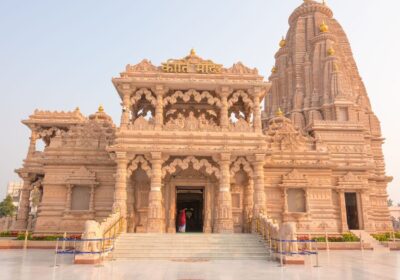
In contrast to Jaipur’s ancient forts and historical palaces, Birla Mandir represents modern temple architecture at its finest. Built in 1988 by the Birla family (one of India’s prominent industrial families), this temple dedicated to Lord Vishnu and Goddess Laxmi showcases how traditional Hindu architectural principles adapt to contemporary construction.
The entire temple is constructed from pristine white marble, creating a striking contrast against Jaipur’s pink and red sandstone dominance. The marble, sourced from Makrana (the same quarries that supplied marble for the Taj Mahal), glows ethereally, especially during sunrise and sunset.
While relatively new, Birla Mandir has quickly become one of Jaipur’s most visited religious sites. The temple welcomes people of all faiths—unusual for Hindu temples, which sometimes restrict entry to Hindus only. This inclusive philosophy reflects the Birla family’s vision of religion as a unifying rather than divisive force.
The temple houses beautiful idols of Laxmi and Narayan crafted from single marble pieces. The sanctum radiates serenity, and despite heavy footfall, the temple maintains a peaceful, contemplative atmosphere conducive to prayer and meditation.
The temple complex includes shrines dedicated to other deities including Shiva, Parvati, Ganesha, and Hanuman, making it a comprehensive pilgrimage site where devotees can offer prayers to multiple gods under one roof.
Evening visits to Birla Mandir are particularly special. The temple is beautifully illuminated, the white marble seems to glow from within, and the cooler temperatures make exploration comfortable. The evening aarti (prayer ceremony) features hymns and ceremonial lamp offerings, creating a spiritually uplifting atmosphere.
From the temple’s elevated location on Moti Dungri Hill, you can enjoy views over Jaipur city, with lights twinkling as dusk settles—a peaceful moment of reflection after busy sightseeing days.
Birla Mandir’s architecture draws from various Indian temple styles while incorporating modern elements. The three main domes represent three different approaches to God in Hindu philosophy. The temple walls feature intricate carvings depicting scenes from Hindu scriptures—the Ramayana, Mahabharata, and various Puranas.
Particularly noteworthy are the marble panels with inscriptions from Bhagavad Gita, other sacred texts, and messages from religious leaders of different faiths, emphasizing universal spiritual truths. The craftsmanship throughout demonstrates that traditional stone-carving arts continue to thrive in modern India.
Galtaji Temple complex, nestled in a cleft between cliffs in the Aravalli Hills about 10 km from Jaipur, offers something completely different from the city’s monumental forts and palaces. This ancient pilgrimage site, believed to be established by Saint Galta Rishi, dates back centuries and remains an active religious center.
The temple complex consists of several temples, pavilions, and sacred water tanks (kunds) set amid natural surroundings. The main temple is dedicated to Lord Hanuman, though the site includes shrines to various deities. The temples feature beautiful frescoes, though many have deteriorated over time, adding a pleasantly weathered, authentic feel to the complex.
What makes Galtaji unique is its natural springs that feed seven sacred water tanks. These springs never run dry—even during severe droughts—making them spiritually significant. Devotees believe bathing in these waters purifies sins and brings spiritual merit.
The main kund (tank) called Galta Kund is the largest and most sacred, featuring a beautifully painted pavilion with blue and green frescoes depicting mythological scenes. Watching pilgrims perform ritual baths, offer prayers, and circumambulate the temple creates opportunities to observe authentic Hindu religious practices.
The continuous flow of fresh spring water through the tanks creates a refreshing atmosphere, especially welcome after Jaipur’s dusty heat. The sound of flowing water, chanting hymns, and temple bells combines into a meditative soundscape quite different from urban Jaipur.
Galtaji has earned the nickname “Monkey Temple” due to its large population of rhesus macaque monkeys. Hundreds of monkeys inhabit the temple complex and surrounding hills, considered sacred as living representations of Lord Hanuman.
The monkeys are accustomed to humans and unafraid—sometimes too unafraid! They’re notorious for snatching food, bags, glasses, and anything shiny that catches their attention. While entertaining to watch, visitors need caution. Don’t feed them, secure your belongings, avoid direct eye contact (which they perceive as threatening), and never tease or corner them.
Despite these warnings, watching monkeys play, groom each other, and interact with pilgrims adds unique character to the temple visit. Many visitors find the monkey antics as memorable as the religious site itself.
Reaching Galtaji involves a pleasant 20-minute walk (or short drive) from where vehicles are parked, following a path that winds through hills offering increasingly spectacular views over Jaipur. The trek isn’t strenuous but involves some stairs and uneven paths—wear comfortable shoes.
The complex sprawls across multiple levels, with temples, pavilions, and courtyards connected by staircases. Exploring thoroughly takes 1-2 hours. The upper levels offer panoramic views over the valley and surrounding hills—worthwhile climbs for views and photography.
The site’s somewhat remote location means fewer tourists visit compared to Jaipur’s main attractions, giving it an off-the-beaten-path feel. Those who make the journey often find it unexpectedly rewarding—combining nature, architecture, religion, and wildlife in one fascinating location.
Well-designed tour packages organize these ten attractions efficiently, typically over 2-3 days:
Day 1 usually covers old city attractions: City Palace, Jantar Mantar, and Hawa Mahal, which cluster together. These can be covered in a morning, leaving afternoon for Albert Hall Museum and Birla Mandir, followed by evening shopping in nearby markets.
Day 2 focuses on hill forts: Amber Fort in the morning (arriving early to avoid crowds), Jaigarh Fort in late morning, and Nahargarh Fort in late afternoon for sunset views. Jal Mahal can be visited en route to or from Amber Fort for photographs.
Day 3 might include Galtaji Temple in the morning, followed by shopping, cultural experiences, or day trips to nearby destinations like Pushkar or Sanganer.
Tour packages typically provide air-conditioned vehicles with drivers who know routes and timings. This eliminates navigation stress, parking hassles, and time wasted figuring out directions.
The hill forts (Amber, Jaigarh, Nahargarh) are relatively close together but involve winding mountain roads—having an experienced driver is valuable. Old city attractions are close enough to walk between, though afternoon heat makes walking uncomfortable during hot months.
Package tours typically include professional guides at major attractions. At complex sites like Jantar Mantar or Amber Fort, guides add immense value, explaining historical context, architectural features, and fascinating stories that bring monuments alive.
Some visitors prefer independent exploration, valuing flexibility over structured tours. However, first-time visitors generally benefit significantly from guided tours, gaining insights they’d otherwise miss. You can always supplement guided tours with personal exploration time.
This beautiful garden-palace, about 8 km from Jaipur, was built by Maharaja Sawai Jai Singh II for his second queen from Udaipur. The multi-tiered garden features fountains, water channels, pavilions, and murals depicting Radha-Krishna love stories.
The garden represents Mughal-influenced Rajput landscape design, creating cool, shaded spaces perfect for escaping desert heat. It’s less crowded than main attractions, offering peaceful atmospheres for relaxation.
Located near Amber Fort, this geometric stepwell is an architectural marvel. Built in the 16th century, it features symmetrical stairs descending from four sides toward water, creating mesmerizing patterns photographers love.
Stepwells served practical purposes—providing year-round water access and offering cool spaces during hot weather—while demonstrating sophisticated engineering and aesthetic sensibilities.
This recently built ornamental gate at Jawahar Circle Gardens has become Instagram-famous. Featuring nine arches decorated with intricate paintings depicting Jaipur’s history, culture, and monuments, Patrika Gate represents traditional Rajasthani gateway architecture with contemporary flair.
The colorful, photogenic gate attracts locals and tourists, representing how Jaipur honors its heritage while creating new landmarks.
Best for morning visits: Amber Fort, Jaigarh Fort, City Palace, Galtaji Temple. Morning light is better for photography, temperatures are cooler, and you’ll beat the afternoon crowds.
Best for evening visits: Nahargarh Fort (sunset views), Birla Mandir (evening aarti and illumination), Jal Mahal (pleasant lakeside ambiance), Albert Hall Museum (night illumination).
Flexible timing: Hawa Mahal (best viewed from outside regardless of timing), Jantar Mantar (works any time if weather is clear).
Winter (October-March): Best overall season. Pleasant temperatures make all-day sightseeing comfortable. Morning fog occasionally affects visibility but usually clears by mid-morning.
Summer (April-June): Visit monuments early morning (8-11 AM) or late afternoon (4-7 PM). Avoid midday heat. Indoor attractions like museums work well during hottest hours.
Monsoon (July-September): Occasional rain disrupts plans but also creates dramatic skies and lush landscapes. Monuments are less crowded. Jal Mahal looks spectacular with full water levels.
Weekdays are less crowded than weekends. Early morning visits (at opening time) ensure minimal crowds. Late afternoons also see fewer visitors at most attractions.
Major Indian holidays and festivals see domestic tourist surges—plan accordingly. International tourist peaks are December-January and March, when advance bookings become essential.
Approximate entry fees for Indian citizens (foreigners pay higher rates):
Prices vary for Indian vs. foreign nationals, students, and whether you want photography permits.
Jaipur offers composite tickets covering multiple monuments, providing significant savings if you’re visiting all included sites. The composite ticket typically includes Amber Fort, Jantar Mantar, Hawa Mahal, Nahargarh Fort, and Albert Hall Museum.
Composite tickets are valid for two days, allowing flexibility in your schedule. Purchase them at any included monument or online through official tourism websites.
Students with valid ID cards receive discounts at most monuments. Senior citizens (60+ years for Indians, 65+ for foreigners) also qualify for reduced rates. Always carry identification documents to claim applicable discounts.
Most monuments allow photography in outdoor areas and general halls. However, restrictions often apply in:
Always look for signage indicating photography restrictions and respect them.
Many monuments charge separate camera fees:
Professional photography equipment (tripods, lighting) may require special permissions and higher fees. Always declare cameras at ticket counters.
Golden hour (just after sunrise and before sunset) provides best natural lighting for architectural photography.
City Palace, Jantar Mantar, and Hawa Mahal form a tight cluster in old Jaipur, all within walking distance. Add nearby Johari Bazaar and Bapu Bazaar for shopping. This cluster works perfectly as a half-day or full-day itinerary.
Amber Fort, Jaigarh Fort, and Nahargarh Fort form the hill fort circuit along the Aravalli range. Visiting all three requires most of a day but provides comprehensive understanding of Jaipur’s defense system. Jal Mahal lies en route between city and Amber Fort.
Galtaji Temple, Sisodia Rani Garden, and Panna Meena Ka Kund lie outside the main city, best visited together as an outer circuit. This makes a good half-day or leisurely full-day excursion.
Near City Palace/Hawa Mahal: Peacock Rooftop Restaurant, LMB (Laxmi Mishtan Bhandar), Rawat Kachori
Near Amber Fort: 1135 AD restaurant inside fort complex (fine dining), several mid-range restaurants on Amber Road
Near Nahargarh Fort: Café within fort premises, Nahargarh Fort Café offers decent food with excellent views
Near Albert Hall: Cafes in Ram Niwas Garden, restaurants along MI Road
Several rooftop cafes opposite Hawa Mahal offer meals with spectacular monument views. These get crowded during peak times but provide memorable dining experiences combining cuisine with heritage vistas.
The cafe at Nahargarh Fort serves snacks and beverages with panoramic city views—perfect for sunset watching with refreshments.
For authentic Rajasthani thali (complete traditional meal), try Chokhi Dhani (ethnic village resort on outskirts), Spice Court, or traditional restaurants in old city areas. These meals include multiple dishes showcasing regional flavors and cooking styles.
Tour packages: Include dedicated vehicles, eliminating transportation concerns
Auto-rickshaws: Good for short distances, agree on fares beforehand
App-based cabs (Ola/Uber): Transparent pricing, good availability in main areas
Private car rental: Best for flexibility, daily rates ₹2,000-3,500 depending on vehicle
Jaipur Metro: Limited coverage but useful for certain routes
Major monuments have parking facilities, though spaces fill quickly during peak seasons. Parking fees range from ₹20-100 depending on location and vehicle type. Some heritage areas have limited vehicle access, requiring short walks from parking areas.
Typical inclusions:
Typical exclusions:
Reputable operators offer customization:
Discuss preferences upfront for quotes tailored to your interests and budget.
Jaipur’s top 10 attractions represent merely the highlights of a city brimming with wonders. From the imposing majesty of Amber Fort to the geometric precision of Jantar Mantar, from the iconic pink facade of Hawa Mahal to the serene marble beauty of Birla Mandir, each attraction offers unique insights into Rajasthan’s rich heritage.
What makes these monuments truly special isn’t just their individual magnificence but how they collectively tell Jaipur’s story—a narrative of warrior-kings who valued art alongside arms, of scientific inquiry flourishing under royal patronage, of architectural innovation solving practical challenges while creating beauty, and of traditions that continue thriving in contemporary India.
Well-designed tour packages transform sightseeing into storytelling, connecting these monuments into a coherent narrative that helps you understand not just what you’re seeing but why it matters. Whether you choose budget packages covering essentials or luxury experiences with heritage stays, Jaipur rewards every visitor with memories that last lifetimes.
The Pink City beckons with promises of royal splendor, architectural marvels, cultural richness, and warm Rajasthani hospitality. These ten attractions form the perfect introduction to a city that reveals more treasures with every visit. So book your tour package, pack your camera, and prepare for a journey through history, culture, and beauty that defines Rajasthan at its finest.
While theoretically possible, covering all 10 attractions in one day would be extremely rushed and exhausting, preventing you from truly experiencing any of them. A realistic 2-3 day itinerary works best: Day 1 covers old city attractions (City Palace, Jantar Mantar, Hawa Mahal, Albert Hall), Day 2 focuses on hill forts (Amber, Jaigarh, Nahargarh, Jal Mahal), and Day 3 includes Birla Mandir, Galtaji Temple, and shopping. This pacing allows proper exploration without fatigue, with time for meals, rest, and unexpected discoveries.
City Palace, Jantar Mantar, Hawa Mahal (ground floor), Birla Mandir, and Jal Mahal (viewing from outside) are relatively accessible with minimal stairs and walking. Albert Hall Museum has ramps for accessibility. However, hill forts (Amber, Jaigarh, Nahargarh) and Galtaji Temple involve significant stair climbing and walking on uneven surfaces, making them challenging for those with mobility limitations. Amber Fort offers jeep services to upper levels, reducing climbing. Consider hiring wheelchairs at accessible monuments or choosing packages that focus on more accessible attractions.
Religious sites (Birla Mandir, Galtaji Temple) require modest clothing—covered shoulders and knees for both men and women. Remove shoes before entering temple sanctums. At historical monuments, there’s no strict dress code, but modest, comfortable clothing is recommended out of cultural respect and practicality. Wear comfortable walking shoes as there’s considerable walking and stair climbing. Hats and sunglasses are helpful for sun protection. During winter, carry light woolens for early morning and evening visits.
October through March is ideal, with pleasant temperatures (10-25°C) perfect for outdoor sightseeing. December and January are coolest, requiring light woolens for mornings/evenings. November and February offer perfect weather with clear skies. Avoid April-June when temperatures exceed 40°C, making outdoor exploration uncomfortable and potentially dangerous. Monsoon season (July-September) brings humidity and occasional heavy rainfall but also fewer crowds, lush landscapes, and dramatic skies—a good option if you don’t mind weather unpredictability.
Most tour packages include breakfast at your hotel but not lunches or dinners, allowing flexibility to try different restaurants. Some packages include traditional Rajasthani thali lunches at select restaurants. Luxury packages sometimes include all meals. Few monuments have restaurants inside (Amber Fort’s 1135 AD and Nahargarh Fort’s cafe are exceptions), so meal stops occur between attractions. Verify meal inclusions when booking packages. Budget extra for meals—approximately ₹500-1,000 per person daily for decent restaurants, less for street food, more for fine dining.