Your cart is currently empty!
You may check out all the available trips and book one that suits you.
Continue Browsing Trips
Hawa Mahal Jaipur A Tour Package , Have you ever stood before a building that seems to whisper stories from centuries past? That’s exactly what Hawa Mahal does. Nestled in the heart of Jaipur, this iconic pink sandstone structure isn’t just a monument—it’s a portal to royal Rajasthan. Known as the “Palace of Winds,” Hawa Mahal stands as one of India’s most photographed landmarks, drawing travelers from across the globe who are eager to witness its unique charm.
What makes this architectural wonder so special? Is it the honeycomb facade with hundreds of intricately carved windows? Or perhaps the romantic tale of royal women who once gazed through these jharokhas at the bustling streets below? Whatever it is, Hawa Mahal has a magnetic pull that makes it an essential stop on any Jaipur tour package.
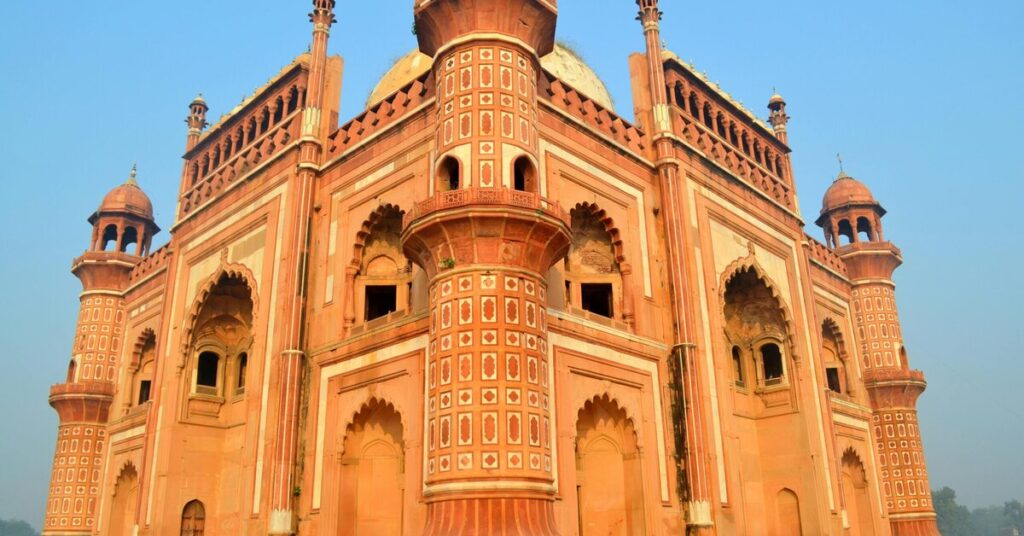
Imagine a five-story palace that looks more like an elaborate crown than a building. That’s Hawa Mahal for you. Designed by architect Lal Chand Ustad in 1799, this stunning structure showcases the finest examples of Rajput architecture blended with Mughal influences. The palace extends from the back of the City Palace and is built from red and pink sandstone, maintaining Jaipur’s identity as the Pink City.
The building’s facade resembles a honeycomb, with each section carefully crafted to allow maximum air circulation—hence the name “Palace of Winds.” The structure rises like a pyramid, with each floor progressively receding to create a spectacular visual effect.
Yes, you read that right—953 windows! These aren’t your ordinary windows, though. Each one is adorned with intricate latticework known as jharokhas. The craftsmanship is so detailed that you could spend hours examining the delicate patterns carved into the sandstone.
Why so many windows? Well, there’s both a practical and cultural reason. The jharokhas served a dual purpose. First, they created a venturi effect, allowing cool breezes to flow through the palace—nature’s air conditioning, if you will. Second, they allowed royal ladies to observe street festivals and daily life without being seen, adhering to the purdah system practiced in those times. It was architectural ingenuity meeting social customs.
The year was 1799, and Maharaja Sawai Pratap Singh had a vision. Inspired by the unique structure of Khetri Mahal in Jhunjhunu, he commissioned Hawa Mahal as an extension to the Royal City Palace. The maharaja, a devotee of Lord Krishna, designed the palace’s crown-like structure to resemble Krishna’s crown, adding spiritual significance to its aesthetic appeal.
Picture this: royal women dressed in vibrant Rajasthani attire, peering through the ornate windows to catch glimpses of processions, festivals, and everyday market scenes. Hawa Mahal was essentially their window to the world. Since they couldn’t venture out freely due to strict purdah norms, this palace became their special viewing gallery. It’s both fascinating and slightly melancholic when you think about it—a beautiful cage with a spectacular view.
Hawa Mahal isn’t just a pretty face in Jaipur’s skyline. It represents an entire era of royal lifestyle, architectural innovation, and cultural traditions. Visiting this monument gives you insight into how royalty lived, the social structures they followed, and the incredible craftsmanship that flourished under their patronage. It’s like stepping into a history book, except you’re actually there.
Are you an Instagram enthusiast or a photography buff? Then Hawa Mahal is your dream destination. The early morning light casting shadows through those 953 windows creates magic that photographers live for. The pink facade against the blue Rajasthani sky offers contrasts that make every photograph a masterpiece. Whether you’re capturing the building from street level or getting creative with angles, every shot tells a different story.
Understanding Hawa Mahal means understanding Jaipur itself. The Pink City was designed as a planned city, and every monument here connects to form a narrative of royal ambition, artistic excellence, and strategic urban planning. Hawa Mahal is a vital chapter in that story, making it indispensable for anyone wanting to truly experience Jaipur’s heritage.
Timing is everything when visiting Rajasthan. The best months to explore Hawa Mahal are from October to March when the weather is pleasant and comfortable. Summers in Jaipur can be brutally hot, with temperatures soaring above 45°C, making sightseeing quite challenging. Winter offers cool mornings and evenings, perfect for exploring without breaking into a sweat.
Here’s a local secret: visit Hawa Mahal early in the morning around sunrise. Not only will you beat the crowds, but you’ll also witness the facade bathed in soft golden light—absolutely breathtaking. Evening visits have their own charm, especially when the monument is illuminated, creating a romantic ambiance. However, note that the interior closes earlier than you might expect, so plan accordingly.
A typical Hawa Mahal tour package is designed to give you a comprehensive experience without the hassle of planning every detail. Most packages include guided tours of the monument with expert historians who bring the walls to life with fascinating stories and lesser-known facts. Transportation from your hotel, entry fees, and sometimes refreshments are standard inclusions.
Many tour operators also bundle Hawa Mahal with other nearby attractions like City Palace, Jantar Mantar, and Amber Fort, creating a full-day heritage circuit. This approach saves time and ensures you experience Jaipur’s royal legacy holistically.
A dedicated Hawa Mahal tour typically takes about 1-2 hours, but when combined with nearby attractions, you’re looking at a full day of exploration. The standard itinerary might start with an early morning visit to Hawa Mahal, followed by City Palace, lunch at a traditional Rajasthani restaurant, and then Jantar Mantar or Amber Fort in the afternoon.
Should you go guided or solo? Both have merits. Guided tours offer context, historical insights, and stories you’d miss otherwise. Guides know the best photo spots and can explain the architectural nuances that make Hawa Mahal special. Self-exploration, on the other hand, lets you move at your own pace, linger where you want, and create a more personal experience. Many travelers opt for a guided tour first, then return later for quiet contemplation and photography.
Hawa Mahal maintains different pricing for Indian and foreign tourists. Indian nationals typically pay around ₹50 per person, while foreign tourists are charged approximately ₹200. Students and children often receive discounts upon showing valid identification. These prices are subject to change, so it’s wise to check current rates before your visit.
The monument opens its doors at 9:00 AM and closes at 5:00 PM throughout the week. However, these timings can vary during festivals or special occasions. It’s advisable to arrive at least 30 minutes before closing time if you want to explore properly. The monument remains open all seven days, making it convenient for travelers with tight schedules.
Jaipur International Airport is well-connected to major Indian cities and several international destinations. Located about 12 kilometers from Hawa Mahal, the airport journey takes roughly 30-40 minutes depending on traffic. Taxis, app-based cabs, and pre-paid taxi services are readily available at the airport.
Jaipur Junction is one of India’s busiest railway stations, with connections to Delhi, Mumbai, Agra, and other major cities. From the railway station, Hawa Mahal is approximately 5 kilometers away—a quick 15-20 minute drive. Auto-rickshaws and taxis are abundant outside the station.
Jaipur boasts excellent road connectivity. National Highway 8 connects it to Delhi (about 280 kilometers), while NH 11 links it to Agra. State-run buses, luxury coaches, and private vehicles make road travel comfortable and scenic. Once in Jaipur, navigating to Hawa Mahal is straightforward as it’s centrally located.
Within Jaipur, you have multiple transport choices. Auto-rickshaws are economical for short distances, though bargaining is essential. App-based cabs like Uber and Ola operate extensively and offer transparent pricing. For the adventurous, renting a bicycle or motorcycle provides freedom to explore at your pace. Many tourists also opt for full-day taxi rentals, which prove cost-effective when covering multiple attractions.
Located just a stone’s throw from Hawa Mahal, the City Palace complex is an architectural marvel that continues to serve as the residence of Jaipur’s royal family. The palace museums house rare manuscripts, weapons, costumes, and artifacts that provide deep insights into royal life. The intricate peacock gate and the Chandra Mahal are particularly spectacular.
This UNESCO World Heritage Site is an astronomical observatory built by Maharaja Sawai Jai Singh II. The collection of nineteen architectural astronomical instruments is both scientifically significant and visually stunning. The Samrat Yantra, the world’s largest stone sundial, continues to accurately tell time centuries after its construction.
Ready for some shopping therapy? Johari Bazaar, meaning “Jeweler’s Market,” is where Jaipur’s famous gem trade flourishes. Beyond jewelry, you’ll find textiles, handicrafts, bangles, and traditional Rajasthani mojari (footwear). The market’s vibrant atmosphere, with its colorful displays and enthusiastic vendors, is an attraction in itself.
While there’s no strict dress code, modest clothing is recommended out of respect for the cultural site and local sensibilities. Comfortable walking shoes are essential since you’ll be climbing several floors. Rajasthan’s sun can be intense, so hats, sunglasses, and sunscreen are smart additions to your outfit.
Good news for photography enthusiasts—cameras are allowed inside Hawa Mahal, though sometimes an additional camera fee applies for professional equipment. The best shots come from outside at street level, particularly from the cafes opposite the monument. Inside, the views from the upper floors looking through the jharokhas create unique perspective shots. Flash photography may be restricted in certain areas, so check with authorities.
Hawa Mahal attracts significant tourist traffic, especially between 10 AM and 4 PM. To experience the monument in relative peace, arrive right when it opens at 9 AM or during weekdays rather than weekends. The post-monsoon and winter months see heavier footfall, so patience is key during peak season.
For those seeking royal treatment, Jaipur offers heritage hotels that were once palaces themselves. Properties like Rambagh Palace, Taj Jai Mahal Palace, and Samode Haveli provide luxurious experiences with modern amenities while retaining historical charm. These establishments often include cultural programs, traditional Rajasthani cuisine, and personalized services.
Travelers on a budget needn’t worry—Jaipur has abundant affordable options. Guesthouses, hostels, and budget hotels around the old city area offer clean, comfortable rooms at reasonable rates. Many provide rooftop restaurants with views of Hawa Mahal, making your stay memorable without breaking the bank. Areas like MI Road and Johari Bazaar have numerous budget accommodations within walking distance of major attractions.
No visit to Jaipur is complete without indulging in its culinary treasures. Dal Baati Churma—a combination of baked wheat balls, lentils, and sweetened crumbled bread—is the quintessential Rajasthani meal. Laal Maas, a fiery mutton curry, tests your spice tolerance while delivering incredible flavors. Ghewar, a disc-shaped sweet soaked in sugar syrup, satisfies your sweet tooth perfectly.
LMB (Laxmi Misthan Bhandar) on Johari Bazaar has been serving authentic Rajasthani vegetarian cuisine since 1954. Their thali offers a comprehensive taste of local flavors. For panoramic views with your meal, rooftop restaurants around Hawa Mahal like Wind View Restaurant provide excellent food alongside stunning monument views. Street food enthusiasts should explore the alleys near Hawa Mahal for kachoris, samosas, and lassi that locals swear by.
Jaipur’s reputation as a handicraft hub is well-deserved. Block-printed textiles, blue pottery, miniature paintings, and wooden crafts make excellent souvenirs. Shops around Hawa Mahal and in nearby bazaars offer these items, though bargaining is expected and almost traditional in itself.
The city is famous for its gemstones, particularly emeralds, and intricate kundan jewelry. Johari Bazaar and Tripolia Bazaar are treasure troves for jewelry lovers. Textile enthusiasts will find themselves in paradise with Bandhani (tie-dye), Leheriya, and block-printed fabrics available in every color imaginable. When purchasing precious stones or jewelry, ensure you’re dealing with reputable vendors and request authenticity certificates.
To truly appreciate Hawa Mahal, approach it with curiosity and patience. Don’t just tick it off your list—immerse yourself in its stories. Hire a knowledgeable guide who can reveal the monument’s secrets. Climb to the top floors for different perspectives of the structure and the surrounding old city. Take time to sit quietly and imagine the royal women who once occupied these spaces, their lives simultaneously privileged and constrained.
Combine your visit with exploration of the surrounding old city lanes. These streets tell their own stories through architecture, markets, and the daily rhythm of local life. Respect the monument by not littering, touching delicate carvings unnecessarily, or creating disturbances. Your mindful visit helps preserve this heritage for future generations.
Hawa Mahal stands as more than just a tourist attraction—it’s a testament to Jaipur’s architectural brilliance, cultural richness, and royal heritage. Those 953 windows aren’t merely decorative elements; they’re portals into a bygone era when art, science, and social customs merged to create something extraordinary. Whether you’re a history enthusiast, architecture lover, photography addict, or simply a curious traveler, Hawa Mahal offers experiences that resonate long after you’ve left.
A well-planned tour package ensures you don’t miss any aspect of this magnificent palace while also discovering the other gems scattered throughout Jaipur. From the moment you first glimpse that honeycomb facade to when you finally bid it farewell, Hawa Mahal weaves a spell that captures hearts and imaginations. So pack your bags, charge your cameras, and prepare for an encounter with one of India’s most enchanting monuments. The Palace of Winds awaits, ready to share its secrets with those willing to listen.
A thorough exploration of Hawa Mahal typically takes 1-2 hours. This allows time to climb through the five floors, admire the architectural details, take photographs, and absorb the historical atmosphere. If you’re including nearby attractions like City Palace or Jantar Mantar in your itinerary, plan for a full day of sightseeing.
Yes, you can definitely enter Hawa Mahal and explore its interior. While the exterior facade is stunning, going inside offers a completely different perspective. You can climb through the various levels, look through the famous jharokhas, and see how the palace was designed for ventilation and viewing. The ticket allows interior access, making it well worth the visit.
Unfortunately, Hawa Mahal has limited accessibility for wheelchair users and those with mobility challenges. The monument consists of multiple levels connected by steep, narrow staircases without elevator facilities. The ground floor and immediate exterior areas are accessible, but reaching the upper floors requires climbing stairs. Visitors with mobility concerns should plan accordingly.
Independent visits offer flexibility in timing and pace but require self-research and navigation. Tour packages provide convenience through organized transportation, skip-the-line entries, expert guides who share historical context, and often combine multiple attractions efficiently. Packages are ideal for first-time visitors or those with limited time, while independent exploration suits seasoned travelers who prefer customized experiences.
Currently, Hawa Mahal itself doesn’t host regular light and sound shows. However, the monument is beautifully illuminated in the evenings, creating a spectacular sight from the street. For light and sound experiences in Jaipur, check out Amber Fort, which offers evening shows that narrate the region’s history through dramatic lighting and audio. The illuminated Hawa Mahal remains a photographer’s delight for evening captures.