Your cart is currently empty!
You may check out all the available trips and book one that suits you.
Continue Browsing Trips
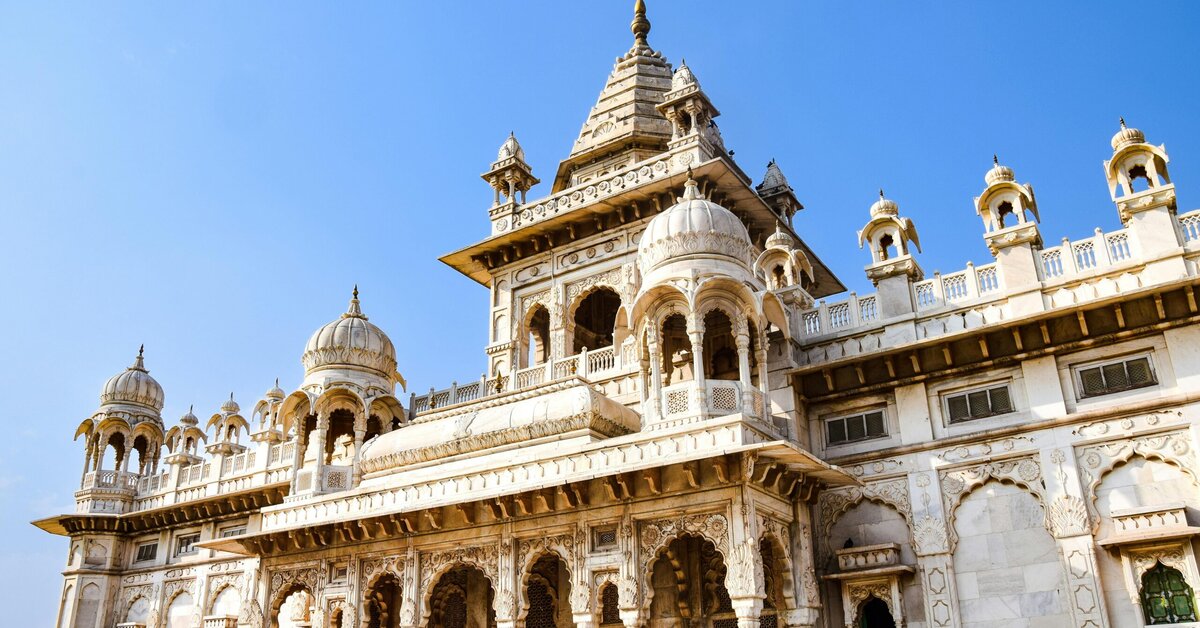
Amer Fort Jaipur A Tour Package , Have you ever dreamed of stepping into a fairy tale where massive fortresses rise from hilltops, where mirrored palaces sparkle like stars, and where every stone tells stories of valor, romance, and royal grandeur? Welcome to Amer Fort—or Amber Fort as it’s often spelled—one of India’s most magnificent architectural treasures and the crown jewel of Jaipur’s tourism landscape.
Perched majestically on a hill overlooking Maota Lake, this 16th-century fortress isn’t just a monument; it’s a living testament to the architectural genius, military prowess, and cultural sophistication of Rajput rulers. With its honey-colored ramparts catching the golden rays of the setting sun, intricate mirror work that transforms chambers into starlit skies, and massive gateways that once witnessed royal processions, Amer Fort offers visitors an immersive journey into India’s regal past.
This comprehensive tour package to Amer Fort promises more than just a visit to a historical monument. It’s an experience that combines architectural wonder, cultural immersion, historical education, and the sheer magic of walking through corridors where maharajas once ruled and queens once lived. Are you ready to embark on this royal adventure?
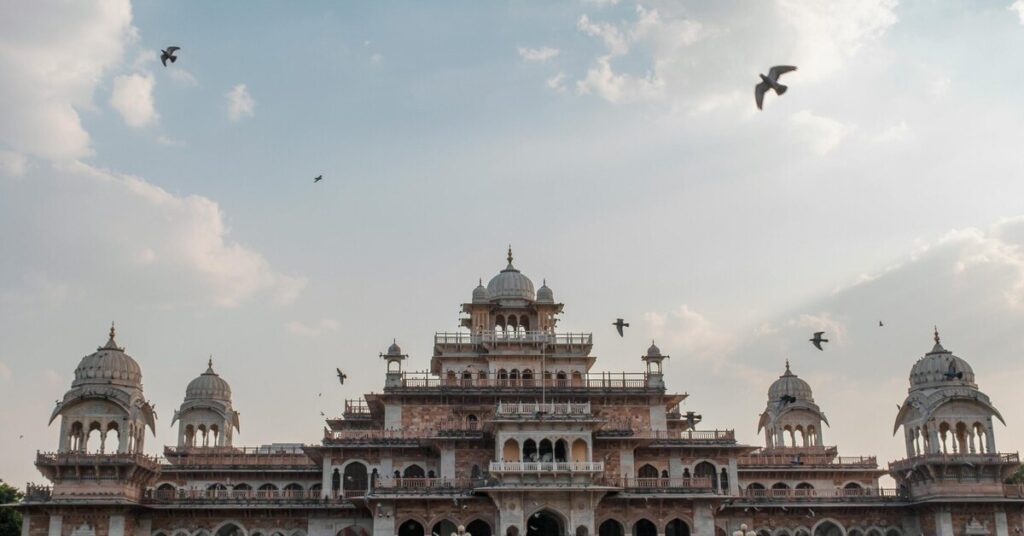
Amer Fort Jaipur A Tour Package ,The story of Amer Fort begins in 1592 when Raja Man Singh I, a trusted general of the Mughal Emperor Akbar, laid its foundation. However, the history of Amer as a seat of power stretches back even further—to the 11th century when the Meena tribe ruled this region before the Rajputs established their dominance.
The name “Amer” or “Amber” is believed to derive from Amba, the Mother Goddess Amba Devi, who was worshipped by the Meenas. When the Kachhwaha Rajputs conquered this area in the 11th century, they retained the name, recognizing the sacred significance of the location. The fort we see today was built over several generations, with successive rulers adding their architectural signatures.
What makes Amer Fort particularly fascinating is that it served as the capital of the Kachhwaha Rajput kingdom for over 150 years before the capital shifted to the plains of Jaipur in 1727. During this period, it witnessed crucial moments in Rajputana and Mughal history, serving as both a military fortress and a palatial residence.
Understanding Amer Fort requires understanding the Kachhwaha clan—one of the most powerful Rajput dynasties in Indian history. Unlike some Rajput kingdoms that frequently clashed with Mughal rulers, the Kachhawahas adopted a more pragmatic approach, forming strategic alliances with Mughal emperors through matrimonial relationships and political cooperation.
This diplomatic genius is reflected in the fort’s architecture, which beautifully blends Rajput and Mughal styles. Raja Man Singh I, who initiated the fort’s construction, held one of the highest positions in Akbar’s court—Mansabdar of 7,000—commanding massive military forces. His wealth, influence, and exposure to Mughal architecture profoundly influenced Amer Fort’s design.
Subsequent rulers like Raja Jai Singh I (who added the famous Sheesh Mahal) and Sawai Jai Singh II (who eventually founded Jaipur city) continued expanding and embellishing the fort. Each ruler left their mark, creating the layered architectural masterpiece we admire today.
The Kachhwaha rulers weren’t just warriors; they were patrons of arts, culture, and architecture. Their court attracted artists, craftsmen, and scholars, making Amer not just a military fortress but a cultural center where Hindu and Islamic artistic traditions merged into something uniquely Rajasthani.
Amer Fort’s location wasn’t chosen randomly—it was a strategic masterstroke. Positioned on a hill overlooking the narrow valley that formed a natural corridor between Delhi and western Rajasthan, the fort could monitor and control trade routes and military movements. The surrounding Aravalli hills provided natural defense, while Maota Lake ensured water supply even during sieges.
The fort’s defenses were formidable. Massive walls stretching several kilometers connect Amer Fort to Jaigarh Fort above it, creating a larger defensive complex. Secret passages, multiple gates, and strategic bastions made it nearly impregnable to invaders. Yet, the fort never actually faced major military assault—a testament to the diplomatic skills of its rulers who preferred alliances over confrontations.
Politically, Amer Fort symbolized Kachhwaha power and legitimacy. The grand public audience halls demonstrated royal authority, while the opulent private quarters showcased royal wealth. The fort hosted important political negotiations, royal marriages, and ceremonies that strengthened alliances between Rajput kingdoms and Mughal emperors.
This dual nature—simultaneously a pleasure palace and a military fortress—makes Amer Fort unique. It shows that Rajput rulers understood that power came not just from military might but from demonstrating wealth, culture, and sophisticated governance.
What immediately strikes visitors about Amer Fort is its harmonious fusion of architectural styles. The fort embodies what historians call the “Indo-Saracenic” style—a beautiful marriage of Hindu architectural elements with Islamic design principles and Mughal aesthetics.
This architectural dialogue appears throughout the fort. Hindu elements include temples, gardens based on Indian cosmological principles, and decorative motifs featuring elephants, peacocks, and floral patterns rooted in Hindu iconography. Islamic influences manifest in arched gateways, geometric patterns, and intricate inlay work characteristic of Mughal architecture.
The result isn’t a confused mixture but a sophisticated synthesis where elements complement rather than compete. The Rajput love for color, space, and natural light blends with Mughal preferences for symmetry, geometric precision, and ornamental detail. This architectural fusion reflects the political reality of the time—Rajput kingdoms maintaining their cultural identity while strategically aligning with Mughal power.
The fort’s layout follows traditional Hindu architectural principles called Vastu Shastra, which governs spatial arrangement based on directional energies and cosmic harmony. Yet the decorative vocabulary extensively employs Mughal techniques like pietra dura (marble inlay work) and mirror mosaics that had Persian and Central Asian origins.
Walking through Amer Fort becomes an architectural education where you can literally see how different cultures influenced each other, creating something greater than either tradition alone could have achieved.
The Diwan-i-Aam represents the public face of royal power—the space where the maharaja held court, heard petitions from subjects, dispensed justice, and made public appearances. This large courtyard is surrounded by galleries with red sandstone pillars that create a rhythmic colonnade.
What’s fascinating about this hall is its dual purpose. While it served administrative and judicial functions, it was also a theater where royal power was performed and displayed. The maharaja, seated on an elevated platform, would be visible to all gathered subjects, creating a visual hierarchy that reinforced political order.
The architectural acoustics deserve special mention. The hall was designed so that voices from the royal platform carried clearly to all corners, ensuring the maharaja’s words reached every subject. This wasn’t accidental—it was careful architectural planning that supported governance.
Today, this hall provides excellent photo opportunities with its repeating arches creating interesting geometric patterns. It also offers perspectives on the fort’s layout, as multiple other structures are visible from this central courtyard.
In contrast to the public Diwan-i-Aam, the Diwan-i-Khas was reserved for private meetings with important nobles, allied rulers, or Mughal officials. This smaller, more intimate hall showcases more refined decorative work, indicating the exclusivity of those who gained access.
The hall features beautiful marble floors with intricate inlay work, mirrors set in delicate patterns on walls and ceilings, and elegant pillars. The decorative sophistication indicates that this wasn’t just a meeting space but a place to impress important visitors with royal wealth and artistic patronage.
Historical records suggest that crucial political negotiations occurred here—alliances were forged, marriage proposals discussed, and military strategies planned. The private nature of these discussions gave rulers freedom to negotiate pragmatically without public posturing.
The chamber’s relatively modest size compared to the public hall creates intimacy that would have facilitated the personal relationships so crucial to medieval politics. Here, relationships weren’t just political but personal—built through shared meals, entertainment, and private conversations.
The Sheesh Mahal is undoubtedly Amer Fort’s most photographed and Instagram-famous chamber, and for good reason—it’s absolutely spectacular. The walls and ceilings are covered with thousands of tiny mirrors set in intricate patterns, creating a dazzling effect that transforms the space into something magical.
The craftsmanship is extraordinary. Each mirror piece, some no larger than a coin, is carefully cut and positioned to create elaborate floral and geometric designs. When light enters—whether sunlight during the day or candles historically—the reflections multiply infinitely, creating the illusion of a star-studded sky or a jeweled treasure box.
Legend says that lighting just a single candle or match in the Sheesh Mahal creates enough reflected light to illuminate the entire chamber. While modern conservation rules prohibit testing this (and you shouldn’t try!), the effect demonstrates the ingenious use of mirrors to amplify scarce light sources in an era before electricity.
The Sheesh Mahal wasn’t just decorative—it was functional. The mirror work helped cool the chamber by reflecting heat, making it comfortable even during Rajasthan’s scorching summers. The aesthetic pleasure and practical comfort combined to create royal living spaces that were both beautiful and livable.
Photography here requires skill as camera flashes can create overexposure. Many visitors find that natural light photography or using the fort’s ambient lighting produces the most authentic images capturing the space’s ethereal beauty.
The Sukh Niwas represents ancient air conditioning—a chamber ingeniously designed for cooling during the brutal Rajasthani summer. Water from the nearby Maota Lake was channeled through the walls and over a carved marble panel with intricate designs, creating a cooling effect as air passed over the flowing water.
This wasn’t just practical engineering but architectural art. The marble panel through which water flowed features beautiful carvings that would have created pleasant sounds and visual effects as water cascaded over them. The combination of sight, sound, and cooling created a multi-sensory experience of comfort.
The chamber opens to gardens that would have been planted with fragrant flowers, adding perfume to the cool air. Imagine escaping summer heat in this space—cool water sounds, fragrant breezes, beautiful views—it must have felt like paradise.
The Sukh Niwas demonstrates that Rajput rulers understood that comfort wasn’t luxury but necessity in their environment. The sophisticated water engineering here predates modern HVAC systems by centuries yet achieved similar cooling effects through clever application of physics and architectural design.
The Ganesh Pol serves as the entrance to the private quarters of the royal family, separating public spaces from intimate family areas. This three-story structure is among the fort’s most ornately decorated sections, featuring stunning frescoes, mirror work, and sculptures.
The gate gets its name from a beautiful fresco of Lord Ganesh positioned centrally above the entrance. Flanking the central arch are small latticed windows (jharokhas) from which royal women could observe public ceremonies and processions in the courtyard below while remaining unseen—a practice called purdah that was common in medieval Rajput courts.
The Ganesh Pol’s decorative program includes beautiful floral motifs, geometric patterns, and representational art showing court scenes, hunting expeditions, and mythological stories. These frescoes provide valuable insights into royal life, fashion, activities, and cultural preferences during the period.
Architecturally, the Ganesh Pol creates a dramatic transition. Passing through it, visitors move from the relatively austere public spaces into the richly decorated private quarters. This architectural progression mirrors the social hierarchy and privacy gradients that structured royal life.
The gate also showcases the Rajput warrior ethos even in decorative arts—among the delicate floral patterns and elegant designs, you’ll spot military motifs and heroic imagery reminding everyone that these aesthetic refinements belonged to warrior aristocrats.
Amer Fort contains several beautiful courtyards and gardens that provided pleasant spaces for royal family members while serving practical purposes. The Mughal influence appears clearly in the garden layouts, which follow the charbagh (four-part) pattern based on Persian garden design principles representing paradise.
The main courtyard, known as Jaleb Chowk, was where armies would assemble and returning warriors would be welcomed. Today, this is where elephant rides begin, creating an interesting continuity—elephants still traverse these stones as they did centuries ago, though now carrying tourists rather than royalty.
The gardens incorporated sophisticated water features—fountains, channels, pools—all fed by water brought from Maota Lake through cleverly engineered aqueducts. Water wasn’t just decorative but provided cooling through evaporation, making gardens comfortable retreats during hot days.
These outdoor spaces were designed for various activities—private contemplation, family gatherings, entertainment performances, and simply enjoying pleasant weather. The architecture carefully frames views—of the lake below, surrounding hills, or the fort’s own structures—creating picturesque vistas from different vantage points.
The integration of architecture with landscape shows sophisticated environmental design. The fort doesn’t dominate its setting but harmonizes with it, using natural features like hills and lakes as part of the overall architectural composition. This relationship between built structures and natural environment creates much of Amer Fort’s aesthetic appeal.
One of Amer Fort’s most iconic experiences is the elephant ride up the ramparts to the main entrance. Seated on a decorated elephant in a howdah (covered seat), visitors climb the steep pathway much as royal families and important dignitaries once did—though they should understand the ethical considerations surrounding this practice.
The elephant ride offers unique perspectives of the fort, approaching it gradually as ancient visitors would have experienced. The pace is slow, allowing time to appreciate architectural details, observe the surrounding landscape, and imagine the processions that historically marked royal occasions.
However, it’s important to note growing concerns about animal welfare regarding these elephant rides. Many animal rights organizations have raised questions about the treatment and working conditions of these elephants. Some tour packages now offer alternatives like jeep rides or simply walking up, which many travelers find equally enjoyable and more ethical.
If you do choose the elephant ride, do so with full awareness of these considerations. Look for operators demonstrating good animal care practices—elephants should appear healthy, well-fed, and not overworked. Alternatively, walking up provides exercise, allows you to set your own pace, stop for photographs, and doesn’t contribute to potential animal welfare issues.
The walk itself is quite manageable for most fitness levels and offers its own rewards—closer views of the fort’s defensive walls, opportunities to photograph details you’d miss from elephant height, and the satisfaction of ascending this historic pathway under your own power.
Regardless of how you ascend, arriving at the main gate—whether on elephant, in a jeep, or on foot—creates that moment of transition where you pass from the contemporary world into a space where history feels alive and present.
In 2013, Amer Fort was inscribed on the UNESCO World Heritage List as part of a serial nomination titled “The Hill Forts of Rajasthan.” This recognition came after years of documentation, conservation efforts, and demonstration that the fort met UNESCO’s stringent criteria for outstanding universal value.
What specifically impressed UNESCO evaluators? Several factors contributed. First, Amer Fort represents an exceptional example of Rajput architectural and military fortification. The sophisticated defensive systems combined with palatial residential quarters demonstrate the dual nature of Rajput power—military and cultural.
Second, the fort showcases outstanding artistic achievement in its decorative programs. The mirror work, frescoes, marble inlay, and carved panels represent artistic traditions at their finest, executed by master craftsmen whose skills have rarely been equaled.
Third, Amer Fort demonstrates significant cultural exchange and synthesis. The blending of Hindu and Islamic architectural elements, the fusion of Rajput and Mughal aesthetics, and the incorporation of diverse artistic traditions from across India and beyond show how cultural interaction produced
innovative results.
Fourth, the fort complex, including its relationship with surrounding structures like Jaigarh Fort and the landscape features like Maota Lake, represents exceptional town planning and water management systems. The integrated approach to fortification, water harvesting, and urban design was remarkably advanced for its era.
The UNESCO designation isn’t just an honor—it brings responsibilities. Conservation standards must be maintained, development pressures managed, and tourism balanced with preservation needs. The recognition has increased international visitor numbers significantly, making thoughtful heritage management crucial for ensuring the fort survives for future generations to appreciate.
For visitors, the UNESCO status provides assurance that what you’re seeing is authentic and well-preserved, that your entry fees contribute to ongoing conservation, and that the site is globally recognized as having importance beyond any single nation or culture.
A comprehensive Amer Fort tour package typically includes several components designed to provide a complete experience. Most packages offer pick-up and drop-off from your Jaipur hotel, eliminating transportation hassles and ensuring you don’t get lost navigating unfamiliar areas.
Professional guide services are usually included—experienced guides who can explain the fort’s history, architecture, and cultural significance in your preferred language. These guides transform your visit from casual sightseeing into educational experience, pointing out details you’d otherwise miss and sharing stories that bring the fort alive.
Entry fees to Amer Fort are generally included in package prices. Some premium packages also include entry to nearby attractions like Jaigarh Fort and Nahargarh Fort, allowing you to explore the entire fortification complex in one comprehensive visit.
Many packages include the optional elephant ride (though increasingly, ethical travelers decline this). Jeep transportation up the hill is usually available as an alternative. Some luxury packages include special experiences like private guided tours during less crowded hours, traditional Rajasthani lunch, or photography sessions in period costumes.
Water, light refreshments, and sometimes meals may be included depending on package tier. Premium packages might feature cultural performances—traditional Rajasthani music or dance—providing entertainment alongside education.
What’s typically NOT included are personal expenses like shopping, additional food and beverages beyond what’s specified, tips for guides and drivers (though these are expected and appreciated), and photography fees for professional cameras at certain locations within the fort.
Standard Amer Fort tour packages run 4-6 hours, providing adequate time to explore without feeling rushed. A typical itinerary might look like this:
Morning Option (Recommended):
Afternoon Option:
Full-day packages might combine Amer Fort with other nearby forts (Jaigarh and Nahargarh), creating a comprehensive “Forts of Jaipur” experience spanning 8-10 hours with lunch included.
The pacing allows time to absorb the fort’s magnificence without exhaustion. The guided portion covers main structures and stories, while free time lets you revisit favorite spots, take photographs, or simply sit and absorb the atmosphere.
Timing significantly impacts your Amer Fort experience. Seasonally, October through March offers the most pleasant weather—clear skies, moderate temperatures (15-25°C during day), and comfortable conditions for extensive walking and exploration.
Winter mornings can be chilly (occasionally dipping to 5-10°C), so carry a light jacket. Summer (April-June) brings intense heat with temperatures often exceeding 40°C, making midday visits uncomfortable despite the fort’s cooling architectural features. If visiting in summer, early morning (before 9 AM) or late afternoon visits are essential.
Monsoon season (July-September) brings moderate rainfall that cools temperatures and creates beautiful cloudy skies perfect for photography. However, slippery surfaces require caution, and occasional heavy downpours might interrupt visits.
Time of day matters equally. Morning visits (8-11 AM) offer several advantages—cooler temperatures, better lighting for photography, fewer crowds, and elephants that are fresher and presumably less stressed than later in the day. The morning light beautifully illuminates the fort’s honey-colored walls.
Afternoon visits (2-5 PM) can be hotter and more crowded but offer the magical experience of witnessing sunset from the fort’s ramparts—an absolutely spectacular sight as the setting sun paints the surrounding hills and city golden. The fort’s own walls seem to glow as if lit from within.
Day of week impacts crowds—weekends and Indian public holidays see significantly higher visitor numbers, particularly from domestic tourists. Mid-week visits offer more relaxed experiences with shorter queues and easier photography without people photobombing every shot.
Special events like festivals or light-and-sound shows create unique experiences but also larger crowds. Plan according to your preferences—some travelers love the energy of festivals, while others prefer quieter contemplative visits.
Amer Fort tour package pricing varies based on several factors—group size, inclusions, luxury level, and season. Here’s a general pricing guide (prices in INR, subject to change):
Budget Packages (₹800-1,500 per person):
Mid-Range Packages (₹2,000-4,000 per person):
Premium Packages (₹5,000-10,000 per person):
Luxury Experiences (₹15,000+ per person):
Children often receive discounts (typically 50% for ages 5-12), and students with valid ID may get reduced rates. Senior citizens sometimes receive small discounts at entry points.
Foreign nationals pay higher entry fees than Indian citizens—approximately ₹500 vs ₹100 for basic entry, plus additional charges for camera equipment and video cameras. Package prices usually account for these differentials based on client nationality.
Booking directly through reputable tour operators or your hotel often provides better value than arranging components separately. Online booking platforms sometimes offer discounts, though verify the operator’s reputation before prepaying.
Perched on hills directly above Amer Fort, Jaigarh Fort (“Fort of Victory”) formed part of the integrated defensive system protecting the Kachhwaha capital. The two forts are connected by covered passages and fortified walls, allowing safe retreat from Amer to the more militarily defensible Jaigarh during emergencies.
Jaigarh is less ornate than Amer—it’s fundamentally a military installation rather than a palace. But this austerity has its own appeal, showing the serious business of medieval warfare. The fort houses the world’s largest wheeled cannon—Jaivana—which has a fascinating history and offers incredible views after the climb to its platform.
The fort’s water harvesting systems are engineering marvels—massive tanks collected and stored rainwater, ensuring year-round supply even during sieges. The palace complex, though simpler than Amer’s, contains beautiful courtyards and gardens. The Laxmi Vilas temple and museum are worth exploring.
Many visitors find Jaigarh less crowded than Amer, offering more peaceful exploration. The panoramic views from Jaigarh’s ramparts are spectacular—you can see Amer Fort below, Maota Lake, Jaipur city spreading across plains, and the Aravalli hills stretching to the horizon.
Nahargarh (“Abode of Tigers”) completes the fortress triangle with Amer and Jaigarh. Built primarily by Sawai Jai Singh II in 1734, it served as both defensive fortification and royal retreat. The fort’s walls extend impressively across hilltops, creating a defensive perimeter around Jaipur city.
The fort’s most interesting structure is Madhavendra Bhawan—a palace complex built by Sawai Madho Singh for his nine queens. The building features nine identical suites arranged around a central corridor where the king’s quarters were located—an architectural expression of royal polygamy that today seems fascinatingly revealing about royal domestic arrangements.
Nahargarh offers arguably the best sunset views in Jaipur. The fort houses a restaurant where you can dine while watching the sun set over the Pink City—a magical experience that combines history, architecture, nature, and cuisine.
The fort has been featured in several Bollywood films, adding contemporary cultural relevance to its historical significance. Some areas have been converted to wax museums and restaurants while maintaining the fort’s essential character.
This stunning stepwell located just minutes from Amer Fort is often overlooked by tourists—which is unfortunate because it’s architecturally spectacular and wonderfully photogenic. The symmetrical steps descending in a crisscross pattern create geometric patterns that photographers love.
Stepwells are uniquely Indian architectural forms—combining practical water collection with social gathering spaces and aesthetic beauty. Panna Meena Ka Kund showcases classic stepwell design—eight stories deep with steps on three sides, creating complex visual patterns.
The stepwell served multiple functions—water collection obviously, but also as cooling retreat during summer, social gathering space, and even potential defensive structure. The architecture is democratic—no restricted areas or exclusive sections, suggesting it served common people rather than just royalty.
Today, the stepwell is empty of water (though it occasionally fills during heavy monsoons), but the architecture remains intact and impressive. The site sees relatively few visitors, offering peaceful photo opportunities without crowds. The play of light and shadow on the geometric steps creates ever-changing patterns throughout the day.
The village surrounding Amer Fort is worth exploring for authentic local experiences. Unlike the fort which has been somewhat sanitized for tourism, the village retains genuine character—narrow lanes, traditional houses, local markets, and residents going about daily life.
Several traditional craft workshops operate in the village—marble carving, gem cutting, hand-block printing, and jewelry making. Visiting these workshops provides insights into artisan traditions that have supported generations of families. Many artisans are happy to demonstrate their techniques and explain their work.
The village market offers shopping opportunities for authentic local products—traditional Rajasthani textiles, handicrafts, jewelry, and spices. Prices are generally more reasonable than tourist-focused shops in central Jaipur, and bargaining is expected and part of the shopping experience.
Small eateries serve authentic Rajasthani food—dal baati churma, ker sangri, gatte ki sabzi—prepared the traditional way rather than adapted for tourist palates. If you’re adventurous with street food, this can be an excellent culinary experience.
The Jagat Shiromani Temple in Amber village is architecturally significant—a beautiful example of temple architecture dedicated to Lord Krishna. The temple features intricate carvings and is still actively used for worship, providing glimpses of living religious traditions.
Amer Fort is located approximately 11 kilometers from Jaipur city center, making it easily accessible by various transportation modes:
By Private Vehicle: Most tour packages include private transportation. If arranging independently, hiring a car with driver costs ₹1,500-2,500 for half-day depending on vehicle type. This offers maximum convenience and flexibility.
By Auto-Rickshaw: Available throughout Jaipur, auto-rickshaws charge ₹300-500 for round trip including waiting time. Negotiate fares before starting. Ensure the driver waits or arrange a return time, as finding return transportation from the fort can be challenging during off-peak hours.
By Public Bus: The most economical option (₹20-30), public buses run regularly from Jaipur to Amber. Route numbers 29, 5A, and several others serve this route. Buses drop you near the fort base, requiring a walk or jeep ride up. This option suits budget travelers comfortable with some inconvenience.
By Taxi/App-based Cabs: Services like Uber and Ola operate in Jaipur. One-way fare is approximately ₹250-400. However, for fort visits, round-trip bookings or hiring for duration is recommended as available cabs for return might be limited.
The road to Amer Fort is well-maintained and scenic, winding through hills with views of Jaipur city behind and the fort growing more impressive as you approach. Allow 30-45 minutes travel time from central Jaipur depending on traffic.
Opening Hours:
Entry Fees (subject to change):
Combined Tickets: Some operators offer combined tickets covering multiple forts (Amer, Jaigarh, Nahargarh) at discounted rates—typically ₹300 for Indians, ₹1,000 for foreigners—offering significant savings if visiting all three.
Light and Sound Show: An evening light-and-sound show narrates Amer Fort’s history through dramatic lighting and narration:
Purchase tickets at the entry gate or online through the Rajasthan tourism website. Online booking can save queuing time during peak seasons.
Allow 2-3 hours minimum for meaningful exploration, though history enthusiasts and photographers could easily spend 4-5 hours exploring every corner and absorbing the atmosphere.
Clothing Recommendations:
Comfort and cultural sensitivity should guide your clothing choices. Since Amer Fort involves considerable walking, including stairs and uneven surfaces, wear comfortable, broken-in walking shoes with good grip—sandstone surfaces can be slippery, especially if dusty or wet.
Dress modestly out of respect for local culture and religious sites within the fort complex. For women, knee-length or longer skirts/pants and covered shoulders are appropriate. Loose, breathable cotton clothing works best in Rajasthan’s climate. Men should avoid shorts and sleeveless shirts; lightweight trousers and t-shirts or collared shirts are perfectly acceptable.
Layering is smart—mornings can be cool (especially in winter), but afternoons warm up significantly. A light scarf or shawl serves multiple purposes: sun protection, warmth in cool morning breezes, covering shoulders when entering temples, and creating privacy in crowded spaces.
Colors matter for photography—bright colors photograph beautifully against the fort’s honey-colored stones and create stunning contrast. Many visitors specifically choose traditional Rajasthani attire or bright clothing for their fort photos. Several shops near the entrance offer costume rentals if you want authentic period dress for photographs.
Essential Items to Carry:
What NOT to Bring:
Large bags or backpacks may need to be checked at security, causing delays. Avoid bringing valuables you don’t need. Drones are prohibited without special permissions. Sharp objects, weapons (even pocket knives), and alcohol are not permitted.
Arrive Early: The single best tip for enjoying Amer Fort is arriving early—ideally when gates open at 8:00 AM. You’ll beat the crowds, enjoy cooler temperatures, photograph in beautiful morning light, and have a more peaceful, contemplative experience.
Hire a Knowledgeable Guide: While self-guided exploration is possible, a good guide transforms your visit. They provide historical context, point out architectural details you’d miss, share fascinating stories, and explain cultural significance. Guides are available at the entrance, or book through your tour package. Budget ₹500-1,000 for 2-3 hour guided tour depending on language and expertise level.
Explore Beyond Main Areas: Most visitors cluster around famous spots like Sheesh Mahal. Venture into less-visited sections—upper ramparts, side courtyards, smaller temples—for quieter experiences and unique perspectives. Some of the fort’s most beautiful architectural details hide in overlooked corners.
Take Your Time: Don’t rush. Sit in courtyards, absorb atmospheres, imagine royal processions, and let the history speak to you. The fort rewards slow, contemplative exploration more than hurried checklist tourism.
Respect the Heritage: This is an active archaeological site and UNESCO World Heritage property. Don’t touch delicate surfaces, mirror work, or frescoes—oils from hands cause damage. Don’t carve names or write on walls (surprisingly, some tourists do this!). Stay on designated paths and respect barriers protecting fragile areas.
Stay Hydrated: Rajasthan’s dry climate can cause dehydration before you realize it. Drink water regularly, not just when thirsty. Signs of dehydration include headaches, fatigue, and dizziness—easily prevented by consistent hydration.
Bargain Politely: If shopping at stalls near the fort, bargaining is expected. Start at 40-50% of the asking price and negotiate cheerfully. Remember that vendors need to make living—reaching a fair price that works for both parties is the goal, not beating them down to rock bottom.
Use Restrooms Strategically: Facilities are available but can be crowded during peak times. Use them when you find them rather than waiting until desperate. Cleanliness varies; carry tissues or wet wipes just in case.
Watch Your Step: Many areas involve stairs, uneven surfaces, and varying levels. Watch where you’re walking, especially while photographing or looking up at architecture. Accidents happen when people aren’t paying attention to their footing.
Beware of Touts and Scams: Some individuals around the fort pose as official guides, charge inflated prices for services, or pressure visitors into unwanted purchases. Use guides hired through reputable sources, ignore unsolicited services, and politely but firmly decline aggressive sales pitches.
Amer Fort ranks among India’s most photogenic locations, offering endless opportunities for spectacular photographs—from sweeping architectural vistas to intimate details, from landscape panoramas to cultural portraits.
Best Photography Spots:
Photography Tips:
Lighting: Golden hours (early morning and late afternoon) provide the most flattering light, making the sandstone glow warm and creating dramatic shadows. Midday harsh light washes out colors and creates unflattering contrasts, though it can work for high-contrast architectural details.
Composition: Use architectural elements as framing devices—shoot through doorways, arches, or windows to frame distant subjects. The fort’s repetitive elements (columns, arches) create patterns that photograph beautifully. Look for leading lines that draw viewers’ eyes through images.
Details vs. Vistas: Balance wide shots showing overall architecture with close-ups of decorative details—mirror work, carvings, inlay patterns, frescoes. The details often reveal the most about craftsmanship and artistic achievement.
People in Photos: Including people provides scale and liveliness. The colorful traditional Rajasthani clothing many visitors wear creates vibrant accents against the neutral stone. However, always ask permission before photographing locals, especially women. Many visitors hire traditional costumes specifically for photo sessions—rental shops operate near the entrance.
Equipment: A versatile zoom lens (24-70mm or 18-135mm) covers most situations. Wide angle (16mm or wider) helps capture spacious interiors and architectural sweeps. Telephoto (70-200mm) allows detail shots and compression of perspective. Tripods generally aren’t permitted inside but can be used in exterior areas with permission.
Technical Considerations: Interiors like Sheesh Mahal are challenging—high contrast between bright windows and dark interiors. Consider HDR techniques or exposure bracketing. For mirror work, avoid flash which creates hotspots; use high ISO and wide apertures instead. Smartphone cameras with computational photography often handle these situations surprisingly well.
Video: If creating videos, smooth panning shots work better than handheld walking footage on uneven surfaces. Consider stabilization equipment or smartphone gimbals. Capture ambient sounds—footsteps echoing in chambers, wind on ramparts, guide explanations—to create more immersive videos.
Drones: Require special permissions from ASI (Archaeological Survey of India) and local authorities—not permitted for casual tourist use. The application process is complex and approvals are rarely granted for recreational purposes.
Respecting Others: Be considerate when photographing—don’t block pathways, monopolize popular spots excessively, or photobomb others’ pictures. The fort is incredibly popular; patience and courtesy ensure everyone gets great photos.
Cultural Etiquette:
Rajasthan’s culture emphasizes hospitality, courtesy, and respect for traditions. A few cultural awareness tips enhance your experience:
Shopping Opportunities:
The area around Amer Fort offers extensive shopping opportunities—everything from high-quality handicrafts to obvious tourist trinkets:
Recommended Purchases:
Shopping Tips:
Cultural Performances:
Some tour packages or hotel arrangements include traditional Rajasthani cultural performances—folk music, dance (including famous Kalbelia snake dance), puppet shows, and more. These provide entertaining introductions to Rajasthani performing arts traditions.
Local festivals, if your timing aligns, offer authentic cultural immersion. The Elephant Festival (typically March, though dates vary), Teej Festival (July-August), and Diwali (October-November) transform Jaipur and surrounding areas with special celebrations, processions, and events.
Your accommodation choice significantly impacts your overall Jaipur experience. The city offers options across all budgets and preferences:
Luxury Heritage Hotels:
Several former palaces and havelis have been converted to luxury hotels offering authentic royal experiences:
These properties aren’t just accommodations but experiences—heritage architecture, royal treatment, traditional hospitality, and historical significance justify premium pricing for special occasions.
Mid-Range Heritage Properties:
These provide heritage experiences without luxury price tags—restored properties with historical character, traditional design elements, and local hospitality.
Modern Mid-Range Hotels:
These suit travelers preferring modern conveniences, international standards, and familiar hotel experiences over historical ambiance.
Budget Accommodations:
Location Considerations:
Staying near Amer Fort puts you closest to the main attraction but far from other Jaipur sites. Central locations near MI Road or in the old city (walled area) provide easier access to multiple attractions, restaurants, and shopping.
The old city offers more authentic atmosphere and heritage properties but can be congested and noisy. Newer areas provide more space and modern infrastructure but less historical character.
Booking Tips:
Amer Fort isn’t just a tourist attraction—it’s a portal to another era, a masterpiece of human creativity, and a testament to the vision of rulers who built not just for their time but for eternity. Standing on its ramparts, looking out over Maota Lake and the surrounding Aravalli hills, you can almost hear the echoes of history—royal processions, military preparations, cultural celebrations, and daily life of a vibrant court.
The fort’s architecture tells stories of cultural synthesis where Hindu and Islamic traditions merged into something uniquely Rajasthani. The Sheesh Mahal sparkles with the same magic that enchanted queens centuries ago. The defensive walls speak of the constant need for security in turbulent times. The gardens and water features demonstrate sophisticated understanding of environmental design. Every element serves both practical purpose and aesthetic beauty—true to the Rajput philosophy that life should be lived with both strength and refinement.
Beyond the physical structure, Amer Fort represents heritage that communities continue to preserve, knowledge that craftsmen pass to next generations, and history that shapes contemporary identity. Visiting Amer Fort through a well-planned tour package ensures you don’t just see these wonders but understand them, don’t just photograph them but experience them, and don’t just visit momentarily but carry memories that last forever.
Whether you arrive on elephant-back or jeep, whether you spend two hours or an entire day, whether you’re a history enthusiast or casual sightseer, Amer Fort offers something profound—connection to human achievement at its finest. This UNESCO World Heritage Site has earned its global recognition through centuries of endurance, continuous beauty, and the stories it continues to tell.
Your royal adventure awaits at Amer Fort. Come prepared to be amazed by architectural genius, moved by historical narratives, delighted by aesthetic beauty, and inspired by the vision of those who created this magnificent monument. Come not just as a tourist but as a student of history, an appreciator of art, and a participant in the ongoing story of this remarkable fortress-palace that continues to captivate visitors just as it has for over four centuries.
A thorough exploration of Amer Fort typically requires 2.5 to 4 hours depending on your interest level and pace. If you’re taking photographs extensively, attending the guided tour, exploring every corner including lesser-visited sections, and spending contemplative time absorbing the atmosphere, allocate 3-4 hours. Quick visits hitting main highlights can be done in 2 hours, though you’ll miss much of what makes the fort special. Photography enthusiasts and history buffs often spend even longer. If combining Amer with nearby Jaigarh Fort, add another 1.5-2 hours to your timeline.
This is a complex question with no simple answer. While elephant rides are traditional and iconic, animal welfare concerns are valid. Elephants work limited hours (usually mornings only) and regulations exist regarding their treatment, but conditions and enforcement vary. Ethical travelers increasingly choose alternatives: jeep rides provide the same route with comfort and convenience; walking up offers exercise, flexibility, and closer architectural views; or simply entering through the main entrance bypasses the need entirely. If you do choose the elephant ride, observe the animals’ condition carefully and report any concerns to authorities. Many travelers find the alternatives equally enjoyable without ethical dilemmas.
Yes, a well-planned day can include Amer Fort and other attractions, though it will be full. A typical itinerary might be: early morning Amer Fort visit (8 AM-12 PM), lunch break, afternoon at City Palace and Jantar Mantar (2-5 PM), evening at Hawa Mahal and local markets (5:30-7:30 PM). This covers major highlights but will be tiring. Alternatively, dedicate one full day to the fort complex (Amer, Jaigarh, Nahargarh) for more relaxed, in-depth exploration. If you have multiple days in Jaipur, splitting attractions across 2-3 days allows for deeper experiences without exhaustion.
First-time visitors benefit most from booking a comprehensive tour package including transportation, expert guide, and clear itinerary—this eliminates navigation stress and ensures you don’t miss key sites or stories. Arrive early to avoid crowds and heat. Hire a knowledgeable guide who can explain cultural contexts that might be unfamiliar. Dress appropriately (modest, comfortable), carry water, and pace yourself. Don’t try to see everything in Jaipur in one day—focus on quality over quantity. Consider heritage accommodation for at least one night to enhance your immersion in Rajasthani culture. Most importantly, remain open to experiences different from your normal—the magic of Amer Fort often lies in these cultural differences.
Several events make visiting Amer Fort particularly special. The evening Light and Sound Show (daily except during monsoon) dramatizes the fort’s history through lighting effects and narration—timing a visit to include this adds a magical dimension. During Diwali (October-November), the fort is illuminated with thousands of lights creating spectacular nighttime views. The Elephant Festival (typically March, though dates vary) celebrates elephants with processions, decorations, and cultural programs centered at Amer—ideal for those interested in this tradition. The annual World Heritage Day (April 18) sometimes features special programs and free entry. Winter months (October-March) generally offer the most pleasant weather and occasional cultural events. Check local event calendars when planning to potentially align with special occasions.

Comments are closed.