Your cart is currently empty!
You may check out all the available trips and book one that suits you.
Continue Browsing Trips
Jaipur’s Best Camel Safari A Tour Package , Close your eyes and imagine this: you’re swaying gently atop a camel, moving rhythmically across golden sand dunes as the sun dips toward the horizon, painting the desert sky in brilliant shades of orange, pink, and purple. The only sounds are the soft footfalls of your camel, the tinkling of bells around its neck, and the occasional call of desert birds. This isn’t a scene from an old movie—this is the authentic magic of a camel safari in Jaipur.
Camel safaris represent the quintessential Rajasthan experience, transporting you back centuries to when these majestic creatures were the lifeline of desert commerce and travel. Today, they offer modern travelers an intimate window into desert life, traditional villages, and landscapes that remain largely unchanged by time. Whether you’re seeking adventure, cultural immersion, photography opportunities, or simply a unique experience to share with friends back home, a camel safari delivers in ways that conventional tours simply cannot match.
Jaipur’s Best Camel Safari A Tour Package ,The camel’s nickname—”ship of the desert”—isn’t just poetic language. It’s an acknowledgment of their historical importance to survival and prosperity in Rajasthan’s arid landscape. These remarkable animals can travel up to 40 kilometers daily carrying heavy loads, survive weeks without water, and navigate scorching temperatures that would devastate most other animals. Their wide, cushioned feet are perfectly designed for sand travel, and their ability to eat thorny desert vegetation makes them ideally adapted to harsh environments.
For centuries, camels made life possible in Rajasthan’s deserts. They weren’t luxuries or novelties—they were essential partners in human survival. Understanding this relationship adds depth to your safari experience. You’re not just riding an animal; you’re connecting with living history.
The famous Silk Route passed through Rajasthan, with camel caravans forming the backbone of international trade. Merchants transported silk, spices, precious stones, and textiles across vast distances, relying entirely on camel endurance and reliability. Cities like Jaipur grew wealthy partly because of their strategic positions along these trade routes.
During Rajasthan’s princely era, royal armies used camels extensively. The Maharajas maintained elite camel corps, and these units proved crucial in desert warfare. Even during India’s independence struggle, camels played logistical roles. This military heritage continues today—the Indian Army still maintains the BSF Camel Contingent, showcasing these animals’ ongoing relevance.
Today, while camels no longer dominate commerce or warfare, they’ve found renewed purpose in tourism. This transition has been beneficial for rural communities, providing income while preserving traditional camel-breeding skills that might otherwise disappear. Tourism has incentivized proper camel care and created economic value in maintaining these animals.
However, this shift requires mindful participation from travelers. Choosing operators who treat camels ethically and support local communities ensures that tourism remains sustainable and beneficial rather than exploitative.
Jaipur occupies a unique geographical position—it’s close enough to the Thar Desert to access authentic desert landscapes, yet developed enough to offer comfortable accommodations and easy logistics. You don’t need to travel deep into remote areas to experience desert beauty. Within 30-90 minutes of Jaipur, you’ll find stunning locations perfect for safaris.
This proximity means you can combine desert experiences with Jaipur’s famous palace tours, creating comprehensive Rajasthan itineraries without excessive travel time. It’s convenience without compromise—you get authentic desert experiences while maintaining access to modern amenities.
The areas surrounding Jaipur contain numerous traditional villages where life continues much as it has for generations. Camel safaris offer natural access to these communities, allowing respectful cultural interactions that feel organic rather than staged. You’ll witness potters creating traditional ceramics, women weaving textiles, farmers tending fields using age-old techniques, and children playing games unchanged for centuries.
These interactions provide context and meaning beyond scenic vistas. You’re not just seeing landscapes—you’re glimpsing lifestyles, traditions, and wisdom accumulated over generations.
What sets Jaipur-based safaris apart is how they blend adventure with cultural depth. You’re riding through landscapes dotted with ancient temples, abandoned forts, traditional wells, and architectural remnants of Rajasthan’s rich history. Every turn might reveal a weathered haveli, a shepherd with his flock, or a roadside chai stall where locals gather.
This isn’t sterile adventure tourism divorced from cultural context. It’s immersive travel where physical experience and cultural learning intertwine naturally and meaningfully.
Perfect for first-timers or those with limited time, short sunset rides offer a taste of camel safari experience without major time investment. These typically begin late afternoon, allowing you to ride through desert landscapes as the day cools and culminating in spectacular sunset views from your camel’s back or a scenic stop.
These short rides work well for families with young children, elderly travelers, or those uncertain about longer time in the saddle. You’ll get the essential experience—riding a camel, seeing desert landscapes, capturing beautiful photos—without the commitment of extended expeditions.
Expect to pay ₹500-1,500 per person for these abbreviated experiences, often including refreshments and basic transportation from Jaipur.
Half-day safaris (3-4 hours) add significant depth to the experience. You’ll have time to reach more remote areas, visit traditional villages, observe rural activities, and perhaps stop for traditional chai with local families. These safaris often include visits to craftspeople’s homes, temples, or historical sites along the route.
The extended time allows your body to adjust to the camel’s gait, moving beyond initial discomfort to find the rhythm. Many travelers report that after the first 30-45 minutes, riding becomes quite comfortable and even meditative.
Pricing typically ranges from ₹1,500-3,000 per person, including snacks, water, and sometimes a simple meal.
Full-day safaris (6-8 hours) provide comprehensive desert immersion. You’ll cover significant distance, reaching areas rarely visited by casual tourists. These expeditions might include breakfast at a scenic location, lunch in a traditional village, visits to multiple cultural sites, and extensive wildlife spotting opportunities.
The extended duration allows for slower pacing with frequent rest stops. You’re not rushing through—you’re genuinely experiencing desert rhythms and appreciating subtle details that shorter tours miss.
These comprehensive experiences cost ₹3,500-6,000 per person, typically including all meals, extensive refreshments, and sometimes cultural performances.
Overnight safaris represent the ultimate camel experience. After a full day’s ride, you’ll camp under stars in the desert, enjoying traditional Rajasthani hospitality around a campfire. Accommodation ranges from basic sleeping bags under open skies to comfortable tents with proper beds and attached facilities.
Evening entertainment usually includes folk music and dance performances by local artists, storytelling sessions, and traditional dinners cooked over open fires. Waking up to desert sunrise, with your camels nearby and vast emptiness stretching in every direction, creates memories that last lifetimes.
These packages typically cost ₹5,000-10,000 per person, depending on camp quality and inclusions. Luxury versions with premium tents and extensive amenities can exceed ₹15,000.
For serious adventurers, multi-day safaris (2-5 days) offer deep desert exploration. You’ll journey through changing landscapes, camp at different locations, visit multiple villages, and develop genuine connections with your camel and guide. These expeditions require good fitness and comfort with basic facilities, but deliver unparalleled immersion in desert life.
Multi-day safaris work best during cooler months (October-February) when temperatures make extended outdoor time comfortable. They’re particularly popular with photographers, wildlife enthusiasts, and travelers seeking transformative rather than merely entertaining experiences.
Expect to invest ₹8,000-15,000 per person per day for quality multi-day expeditions, with costs covering all logistics, meals, camping, and guide services.
Sambhar Lake, India’s largest inland salt lake, lies about 80 kilometers from Jaipur and offers extraordinary safari settings. The landscape here differs from classic sand dunes—you’ll ride across salt flats, witness traditional salt harvesting, observe flamingos and other migratory birds, and experience the surreal beauty of white salt landscapes contrasting with blue sky.
The area combines natural beauty with human activity. Salt workers using centuries-old techniques, villages adapted to unique environmental conditions, and stunning photographic opportunities make Sambhar safaris particularly memorable.
Safari routes typically include visits to ancient Shakambari Temple, salt harvesting demonstrations, and bird-watching opportunities. The region is especially spectacular from November to March when migratory birds arrive in large numbers.
Pushkar, approximately 145 kilometers from Jaipur, represents classic Rajasthan desert territory. The terrain features rolling sand dunes, scrubland vegetation, and the famous Pushkar Lake with its surrounding temples. Safaris here often combine camel riding with visits to Pushkar’s spiritual sites, creating unique blends of adventure and pilgrimage.
The landscape around Pushkar has been featured in countless Rajasthan tourism photographs—it’s what people envision when imagining Indian desert travel. During November’s Pushkar Camel Fair, the area becomes especially vibrant, though safaris then are more crowded and expensive.
Routes typically include stops at desert villages, Brahma Temple visits, and sunset viewing points overlooking dunes and lake. The spiritual atmosphere adds contemplative depth to the physical adventure.
Sometimes the best experiences lie closest to home. Jaipur’s immediate rural surroundings—areas like Galta, Goner, and villages toward Sambhar—offer excellent safari opportunities within 30-50 kilometers. These areas provide authentic village experiences, agricultural landscapes, and Aravalli hillside views without lengthy travel time.
These closer routes work brilliantly for travelers with limited time or those combining safaris with Jaipur sightseeing. You can complete a morning safari and return for an afternoon at Amber Fort, or vice versa.
The proximity also makes these routes ideal for sunrise safaris. You’ll reach the starting point easily for early morning departure without overnight stays in remote locations.
Located about 80 kilometers from Jaipur, Khatu Shyamji offers lesser-known but equally beautiful safari territory. The region combines religious significance (famous Shyamji Temple) with rural landscapes, traditional villages, and excellent camel-riding terrain.
This area sees fewer tourists than Sambhar or Pushkar, offering more authentic and less commercialized experiences. Villages here maintain traditional lifestyles with minimal tourism influence. If you’re seeking genuine cultural encounters rather than performative interactions, Khatu Shyamji area delivers.
Safari routes often incorporate temple visits, interactions with pilgrims, and exploration of agricultural communities where traditions continue largely unchanged.
Your safari begins with introductions—to both your camel and your guide. Camels have distinct personalities, and experienced operators match animals to riders based on experience level and comfort. Some camels are gentle and patient, perfect for nervous beginners. Others are more spirited, suited to experienced riders seeking livelier journeys.
Your guide, usually from a local community with generational camel experience, serves as driver, translator, cultural interpreter, and safety manager. The best guides share stories, explain what you’re seeing, adjust pace to your comfort, and create connections between you and the landscape.
Mounting a camel involves interesting physics. The camel kneels, you climb into the saddle, then the animal rises—back legs first, then front. This creates a forward-pitching motion that catches first-timers off guard. Hold on, lean back slightly, and trust the process. Within moments, you’re comfortably seated several feet above ground level.
Camel gaits differ fundamentally from horses. Their walk involves moving both legs on one side simultaneously, creating a distinctive rocking motion. Initially, this feels awkward and potentially uncomfortable. Your body protests unfamiliar movements, and finding balance requires attention.
But something magical happens after 20-30 minutes. Your body adapts, finding rhythm with the camel’s movement. The swaying becomes hypnotic rather than jarring. Many riders report entering almost meditative states, where the rhythmic motion, vast landscapes, and simplicity of the experience create profound calm.
Saddles vary from basic cushions secured with rope to more elaborate structures with back support and foot rests. Longer safaris warrant investing in better saddle options for your comfort. Don’t hesitate to request adjustments if something feels wrong—minor tweaks often make major comfort differences.
Rajasthan’s deserts aren’t empty wastelands—they’re ecosystems teeming with life adapted to harsh conditions. During your safari, watch for desert foxes, jackals, various lizard species, and numerous birds including eagles, vultures, peacocks, and seasonal migratory species.
The vegetation itself tells stories. Khejri trees, considered sacred in Rajasthan, provide crucial resources in barren environments. Thorny bushes host insects, which attract birds, which in turn attract predators—entire food chains existing in apparent emptiness.
The landscape changes throughout the day as light shifts. Morning rides showcase crisp clarity with long shadows emphasizing every dune and rock formation. Afternoon rides bring harsh, intense light that can feel overwhelming but creates dramatic contrasts. Sunset rides offer the famous golden hour when everything glows warmly, perfect for photography and pure aesthetic appreciation.
Many safaris include stops at traditional villages, offering glimpses into rural Rajasthani life. You might observe potters creating traditional vessels using techniques unchanged for generations, watch women in vibrant clothes working at looms, see farmers using camels for agricultural tasks, or share chai with families in their courtyards.
These interactions require cultural sensitivity and respect. You’re visiting people’s homes and communities, not theme parks. Ask before photographing people, respect religious sites, dress modestly, and show genuine interest rather than treating locals as photo opportunities.
The best interactions happen naturally and spontaneously—a conversation with an elder sharing village history, watching children’s games, or joining locals for chai at a roadside stall. These unplanned moments often become trip highlights, offering genuine connection rather than staged cultural experiences.
Quality camel safari packages typically bundle multiple services:
Transportation: Pickup and drop-off from your Jaipur hotel or designated meeting points. This usually involves SUVs or jeeps suitable for rural roads.
Camel and equipment: Well-maintained camels with comfortable saddles, experienced handlers, and safety equipment.
Guide services: Knowledgeable guides who manage logistics, provide cultural context, ensure safety, and facilitate village interactions.
Refreshments and meals: Depending on package length, this might include bottled water, snacks, tea/coffee, or full traditional meals. Longer packages feature elaborate Rajasthani thalis prepared authentically.
Cultural experiences: Evening entertainment for overnight packages, including folk music, dance performances, and storytelling sessions around campfires.
Accommodation: Overnight and multi-day packages include camping arrangements ranging from basic sleeping bags to luxury tents with attached bathrooms.
Insurance: Responsible operators carry liability insurance covering participants during safari activities.
Photography opportunities: Guides understand good photo spots and timing, helping you capture great images without explicitly charging for photography services.
Safari pricing varies significantly based on duration, group size, season, and inclusions:
Short sunset rides (1-2 hours): ₹500-1,500 per person Half-day safaris (3-4 hours): ₹1,500-3,000 per person Full-day expeditions (6-8 hours): ₹3,500-6,000 per person Overnight camping safaris: ₹5,000-10,000 per person Multi-day adventures (per day): ₹8,000-15,000 per person
Luxury packages with premium amenities can exceed these ranges significantly. Budget travelers might find cheaper options, but extremely low prices often indicate compromised camel care, inexperienced guides, or missing inclusions.
Group bookings usually receive discounts—parties of 4-6 people often negotiate 10-20% reductions. Private family or couple safaris cost more but offer customization and intimacy that group tours cannot match.
Choose duration based on your interests, fitness, time availability, and adventure appetite:
1-2 hours: Introduction to camel riding, basic desert experience, suitable for young children or those uncertain about longer commitments.
3-4 hours: Meaningful desert immersion with village visits, enough time to find riding rhythm and appreciate landscapes beyond initial novelty.
6-8 hours: Comprehensive experience covering significant distance, multiple villages, extensive cultural interactions, and genuine sense of desert journey.
Overnight: Complete desert immersion including evening and morning experiences, authentic camping, cultural programs, and transformative rather than merely entertaining adventure.
Multi-day: Serious expeditions for committed adventurers, offering deep connections with landscape, culture, and traditional desert travel methods.
Most operators provide transportation from Jaipur to safari starting points. Depending on distance, this involves 30 minutes to 2 hours of driving each way. Vehicles are typically SUVs or similar vehicles comfortable on rural roads.
Transportation is usually included in package pricing, though some budget operators charge separately. Confirm this when booking to avoid surprise costs.
Some adventurous travelers arrange their own transportation, which can reduce costs but requires navigation of rural roads without clear signage. Unless you’re experienced with Indian rural driving, included transportation offers better value through saved time and stress.
Rajasthan’s dramatic seasonal variations significantly impact safari experiences:
October to March (Peak Season): Ideal conditions prevail during these months. Comfortable temperatures, clear skies, and pleasant weather make outdoor activities enjoyable. October and November still carry some warmth but are generally excellent. December through February bring cooler temperatures—daytime highs around 20-25°C, nighttime lows potentially dropping to 5-8°C. March begins warming but remains comfortable.
This peak season sees maximum tourist traffic, resulting in higher prices and busier routes. Book well in advance, especially for weekends and holidays.
April to June (Hot Season): Intense heat characterizes these months. Daytime temperatures regularly exceed 40°C, sometimes reaching 45-48°C. Desert conditions become harsh, making extended outdoor activities uncomfortable and potentially dangerous for unprepared travelers.
However, if you can tolerate heat, advantages emerge: dramatically lower prices, empty routes offering solitude, and better negotiation leverage with operators. Early morning or late evening safaris remain feasible even during hot months.
July to September (Monsoon Season): Rajasthan receives limited monsoon rainfall, but these months bring humidity, occasional storms, and unpredictable weather. Desert routes can become muddy or inaccessible. However, the landscape transforms—greenery emerges, wildlife becomes more active, and temperatures moderate.
Monsoon safaris suit adventurous travelers comfortable with uncertainty and flexibility. They’re definitely not recommended for first-time visitors or those on tight schedules.
Sunrise safaris (5:00-9:00 AM): Morning rides offer cool temperatures, stunning golden light, and desert wildlife at its most active. You’ll witness villages waking up, farmers heading to fields, and landscapes revealing themselves gradually as light increases. Morning safaris work particularly well during hot months when afternoon heat becomes unbearable.
Sunset safaris (3:00-7:00 PM): The most popular option, sunset rides provide comfortable temperatures after day’s heat dissipates, spectacular lighting for photography, and romantic atmospheres as darkness falls. Timing your ride to place sunset viewing at a scenic location creates magical experiences.
Midday safaris: Generally avoided during hot seasons due to intense heat. During winter, midday rides are feasible but miss the special lighting quality of golden hours.
Overnight timing: Combines afternoon departure with full night under stars and sunrise experience before return. This timing maximizes the experiential value, capturing desert at its most atmospheric moments.
Beyond temperature, consider these weather elements:
Wind: Desert winds can be intense, especially during afternoon hours. Strong winds create dusty conditions and make communication difficult. Morning hours typically offer calmer conditions.
Humidity: Rajasthan’s dry climate means comfortable conditions even at higher temperatures compared to humid regions. However, this dryness requires vigilant hydration.
Rain: While rare, desert rains transform landscapes but can create logistics challenges. If rain threatens, operators may reschedule—soggy desert sand makes for difficult camel travel.
Dust storms: Occasional dust storms arise, particularly during pre-monsoon months. Operators monitor weather and postpone safaris when storms threaten.
Visibility: Clear days offer long visibility across vast landscapes. Hazy or dusty conditions reduce visibility but create different aesthetic qualities that photographers sometimes prefer for softer, dreamier images.
Desert camps range from basic to luxurious, with options for every budget and comfort preference:
Basic camping: Traditional experience with sleeping bags laid directly under stars or in simple tents. Facilities are minimal—basic toilet arrangements, limited washing facilities, no electricity. This authentic approach appeals to purists seeking genuine desert experiences without modern intrusions.
Standard camping: Comfortable canvas tents with proper beds, mattresses, and basic furnishings. Shared bathroom facilities with running water. Solar or generator electricity provides lighting. Common dining areas with proper seating. This middle ground offers comfort without excessive luxury.
Luxury camping: Premium Swiss tents or similar accommodations with attached bathrooms, hot water, proper beds with quality linens, furniture, and sometimes air conditioning or heating. Dedicated dining tents with extensive seating. Professional service staff. Entertainment systems. These camps essentially offer hotel comfort in desert settings.
Most camps occupy scenic locations—near dunes, beside dry lake beds, or with views of distant hills. Site selection balances beauty with practical considerations like accessibility and guest safety.
Food represents a highlight of overnight safari experiences. Traditional Rajasthani cuisine, prepared using authentic methods, creates meals far superior to restaurant approximations:
Dinner: Expect elaborate thalis featuring dal baati churma (lentil curry with baked bread balls and sweet mixture), gatte ki sabzi (gram flour dumplings in spicy curry), ker sangri (desert beans and berries), bajra roti (millet flatbread), rice, raita, and desserts. Many camps prepare food over open fires or in traditional earthen ovens, adding smoky flavors that define desert cuisine.
Vegetarian menus predominate, reflecting both Rajasthani preferences and practical considerations of desert food storage. However, non-vegetarian options sometimes appear, featuring chicken or mutton preparations.
Breakfast: Morning meals typically include parathas (stuffed flatbreads), poha (flattened rice preparation), eggs prepared to preference, fresh fruits, and endless chai. Breakfast timing aligns with sunrise, eaten as desert wakes around you.
Dietary restrictions usually accommodate with advance notice. Inform operators about allergies, religious requirements, or preferences when booking.
As darkness falls, desert camps come alive with traditional entertainment:
Folk music: Local musicians play traditional instruments like the dholak (drum), harmonium, and sarangi (stringed instrument). Music styles reflect centuries of desert culture, with songs telling stories of love, valor, historical events, and daily life. The haunting quality of desert music creates powerful emotional experiences.
Dance performances: Professional dancers perform traditional styles like Kalbelia (associated with snake charming communities) and Ghoomar (Rajasthan’s signature folk dance). Fire dancing and other spectacular performances sometimes feature in larger camps.
Puppet shows: Rajasthani puppet theater (Kathputli) shares folk tales and moral stories through colorful marionettes. These shows provide entertainment while transmitting cultural knowledge.
Storytelling: Guides or local elders share legends, historical tales, or personal experiences around campfires. These storytelling sessions offer cultural insights beyond what guidebooks provide.
Participation is often encouraged—guests might join dancing, try instruments, or share stories from their own cultures. These interactive elements transform entertainment from performance to cultural exchange.
Desert darkness away from city lights reveals celestial displays impossible to witness in urban areas. The Milky Way stretches overhead in stunning clarity. Constellations emerge in perfect definition. Shooting stars frequently streak across the sky.
Many camps provide basic astronomy guidance, pointing out major constellations, planets visible that night, and significant stars. Even without expert guidance, simply lying back and absorbing the cosmic display creates profound experiences.
The silence accompanying stargazing—minimal human noise, just gentle wind and occasional desert sounds—enhances the contemplative quality. Many travelers report these quiet moments under stars as unexpectedly moving and memorable.
Proper clothing significantly impacts comfort and enjoyment:
Pants: Long, loose, comfortable pants are essential. Avoid shorts—exposed legs suffer from saddle chafing and sun exposure. Jeans work but can be hot and restrictive. Lightweight cotton or quick-dry hiking pants offer ideal combinations of protection and comfort.
Shirts: Long-sleeved, loose-fitting shirts protect from sun while allowing air circulation. Light colors reflect heat better than dark. Breathable fabrics prevent excessive sweating.
Footwear: Closed-toe shoes or boots are mandatory. Sneakers work fine for short rides. Longer safaris benefit from hiking boots offering ankle support and better grip. Avoid sandals or flip-flops entirely—they’re unsafe and uncomfortable.
Head covering: Essential sun protection. Wide-brimmed hats, caps, or traditional Rajasthani turbans all work. Many operators provide turbans as part of the experience—they’re remarkably effective at sun protection while looking authentic.
Scarf or bandana: Useful for dust protection, additional sun coverage, or warmth during cool mornings and evenings.
Layers: Even during hot seasons, mornings and evenings can be surprisingly cool. Bring a light jacket or sweater easily packed when not needed.
Cultural considerations: Rajasthan is culturally conservative. Modest clothing respects local sensibilities and often protects better from sun anyway.
Smart packing enhances your safari experience:
Sun protection: High SPF sunscreen (50+), lip balm with SPF, quality sunglasses with UV protection. Desert sun is intense and unrelenting—protection is non-negotiable.
Hydration: Your own water bottle, even if water is provided. Staying hydrated prevents headaches, fatigue, and more serious heat-related issues. Desert dryness means you’ll need more water than expected.
First aid basics: Personal medications, pain relievers, anti-diarrheal medicine, bandages, antiseptic. Operators carry first aid supplies, but having your own basics provides peace of mind.
Photography equipment: Camera with extra batteries and memory cards, or well-charged smartphone with adequate storage. Consider protective bags against dust. Lens cloths for frequent dust removal.
Dust protection: Bandana or mask for dust protection during windy conditions. Sealed plastic bags for electronics and valuables.
Portable charger: Power banks keep devices charged—camps may have limited charging access.
Cash: Small bills for tipping guides and purchasing from village shops. Rural areas don’t accept cards.
Personal items: Toilet paper, wet wipes, hand sanitizer, personal hygiene products. Camp facilities vary in what they provide.
Entertainment: Books, journals, or music for downtime during longer safaris, though many travelers enjoy simply absorbing the experience without digital distractions.
Camel safaris aren’t extremely demanding, but certain fitness baseline helps:
Mounting/dismounting: Requires climbing ability and reasonable flexibility. You’re climbing onto and off an animal that stands when mounted at 6-7 feet height.
Balance: Maintaining balance atop a moving camel requires core strength and coordination. Disabilities affecting balance might make riding challenging.
Endurance: Sitting in saddle for extended periods requires stamina. Back and leg muscles work continuously maintaining position. Regular breaks help, but multi-hour rides do tire bodies unaccustomed to the activity.
Heat tolerance: Desert conditions test heat endurance. Those with cardiovascular issues or heat sensitivity should consult doctors before booking hot-season safaris.
That said, camel safaris accommodate diverse fitness levels. Operators adjust pace and breaks to participant needs. Many elderly travelers and those with moderate limitations successfully enjoy safaris by choosing appropriate durations and communicating clearly about capabilities.
Sun exposure: Beyond sunscreen, consider sun exposure limits. Extended safaris during intense sun can cause heat exhaustion or heatstroke. Stay hydrated, take breaks in shade when possible, and monitor for warning signs like dizziness, nausea, or excessive fatigue.
Dehydration: In dry desert air, you dehydrate faster than you realize. Drink water regularly whether you feel thirsty or not. Dark urine indicates insufficient hydration.
Minor injuries: Chafing from saddles, minor bruises from mounting/dismounting, or small scrapes can occur. Proper clothing and cautious movements minimize these risks.
Allergies: Desert areas host specific plants, dust types, and animal dander that might trigger allergies. Bring appropriate medications if you’re allergy-prone.
Motion-related issues: Some people experience discomfort from camel gait. It typically passes after adjustment period, but if you’re particularly sensitive to motion, start with shorter rides.
Pre-existing conditions: Inform operators about any health conditions affecting participation. Pregnancy, recent surgeries, severe back problems, or significant mobility issues might contraindicate safari participation.
Travel insurance: Ensure your travel insurance covers adventure activities. Standard policies sometimes exclude animal-related activities.
Desert landscapes shine during golden hour—the period shortly after sunrise and before sunset when light takes on warm, golden qualities:
Timing: Plan key shots during these magic windows. Morning golden hour typically lasts 30-45 minutes after sunrise; evening golden hour begins about 45-60 minutes before sunset.
Positioning: Work with your guide to position yourself advantageously. Shooting with sun behind you illuminates subjects beautifully. Shooting into sun creates dramatic silhouettes.
Exposure: Golden hour’s dramatic lighting can confuse camera meters. Consider slightly underexposing to preserve highlight detail and enhance color saturation.
Silhouettes: Camel and rider silhouettes against colorful skies create iconic images. Position subject between camera and sun, expose for bright sky, and accept subject going dark.
Shadows: Long shadows during golden hour add dimension and interest. Use them creatively to enhance composition.
Capturing desert’s stark beauty requires specific approaches:
Composition: Desert’s minimalism means careful composition becomes crucial. Use rules of thirds, leading lines from dunes or tracks, and clear focal points preventing images from feeling empty.
Foreground interest: Include interesting foreground elements—desert plants, footprints, rocks—to create depth and scale.
Scale indicators: Vast desert landscapes can feel flat in photos. Include people, camels, or other recognizable objects to convey scale and grandness.
Textures: Capture sand ripples, dune patterns, cracked earth, and weathered surfaces that define desert character.
Color palettes: Desert offers gorgeous color harmonies—golden sand against blue sky, terracotta earth against green scrub. Enhance (don’t overdo) these natural color relationships in editing.
Weather drama: Clouds, dust, or unusual weather conditions add drama. Don’t pack your camera away when conditions aren’t “perfect”—interesting weather creates memorable images.
Protection: Protect equipment from dust and sand. Use UV filters on lenses (they’re easier to clean than lens elements). Keep cameras in bags when not actively shooting. Clean equipment thoroughly after safaris.
Photographing people requires respect and sensitivity:
Always ask permission: Never photograph people without asking first. Use basic gesture communication if language barriers exist. Respect refusals gracefully.
Engage first, photograph second: Have genuine interactions before requesting photos. Show interest in people, not just their appearance.
Respect religious sites: Never photograph during prayers or in restricted areas. Ask guides about photography rules at temples or sacred locations.
Avoid intrusion: Use appropriate focal lengths. Don’t stick cameras in faces or intrude on personal space for shots.
Share results: If possible, show subjects their photographs. This often delights people and creates positive interactions.
Avoid exploitation: Don’t photograph poverty or distress in ways that exploit subjects’ circumstances for dramatic images.
Children: Be especially careful photographing children. Always secure parental permission first.
Compensation: Some people expect small payments for photographs. Carrying small bills allows respectful compensation if requested. However, avoid creating expectation that all photography requires payment.
Context over stereotypes: Capture authentic moments rather than staged stereotypes. Genuine interaction photos often surpass perfectly posed shots.
Responsible travelers should ensure their safari doesn’t support animal exploitation:
Physical condition: Healthy camels have clear eyes, clean coats, and appropriate body weight—neither emaciated nor overweight. Their humps should be firm and upright, not drooping (which indicates malnourishment or dehydration).
Behavior: Content camels display calm, relaxed behavior. Excessive agitation, fear responses, or aggression toward handlers suggests poor treatment or overwork.
Equipment: Saddles and harnesses should fit properly without causing chafing or discomfort. Check for sores, worn patches on hide, or signs of rubbing from ill-fitting equipment.
Working conditions: Camels shouldn’t work during extreme heat without adequate rest and water. Operators should limit working hours and rotate animals to prevent overwork.
Veterinary care: Professional operations maintain veterinary relationships, provide regular health checks, and quickly address injuries or illness.
Living conditions: Visit areas where camels rest between rides if possible. They should have adequate shade, water access, and appropriate grazing or feeding.
Support companies demonstrating ethical practices:
Animal welfare policies: Ask about camel care protocols, veterinary arrangements, rest schedules, and retirement plans for older animals.
Local employment: Ethical operators hire and train local community members, distributing tourism income beyond company owners.
Environmental practices: Responsible companies minimize environmental impact through waste management, sustainable practices, and environmental education.
Cultural sensitivity: Choose operators who facilitate respectful cultural interactions rather than exploitative tourism.
Transparency: Reputable operators openly discuss their practices and welcome questions about animal care and business ethics.
Certifications: While formal certifications for Indian camel safari operators are limited, membership in tourism associations and positive ratings from ethical travel organizations indicate responsible operation.
Reviews: Read reviews specifically mentioning animal treatment, guide behavior, and cultural interactions. Patterns of negative feedback about these issues warrant concern.
Maximize your safari’s positive impact on local communities:
Choose locally-owned operators: Companies owned by local communities ensure tourism income stays local rather than flowing to outside corporations.
Purchase local crafts: Support village artisans by purchasing authentic handicrafts directly from creators rather than through middlemen.
Respectful interaction: Treat local people with dignity and respect. Your behavior as a tourist influences how communities view tourism overall.
Cultural learning: Approach interactions with genuine curiosity and respect for different lifestyles. Avoid judgmental attitudes about traditional practices or living conditions.
Tipping appropriately: Fair tipping supports guides and helpers, but excessive tipping can create problematic economic distortions. Ask operators for tipping guidance.
Environmental responsibility: Carry out all trash, use water wisely, and follow Leave No Trace principles in desert environments.
Long-term thinking: Consider how your tourist dollars and behavior influence communities long-term. Choose operators and practices that build sustainable, dignified tourism rather than dependent or exploitative relationships.
Smart itinerary planning maximizes your Jaipur experience:
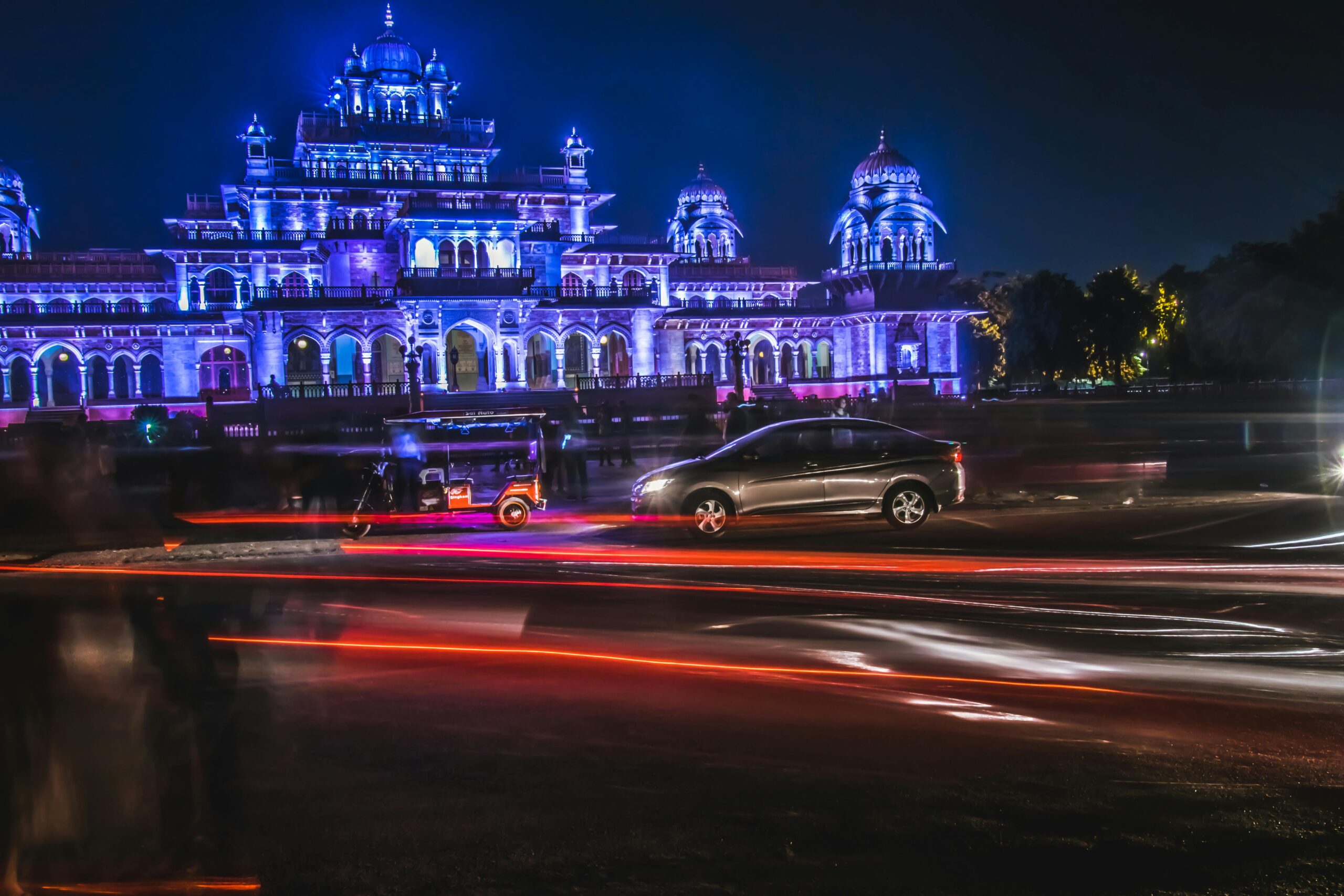
Day 1: Arrive Jaipur, evening city tour including Hawa Mahal, Jantar Mantar, and local markets Day 2: Full-day camel safari with overnight desert camping Day 3: Morning return from desert, afternoon Amber Fort and Jaigarh Fort Day 4: City Palace, Albert Hall Museum, shopping, evening cultural show
Alternative 3-day itinerary: Day 1: Arrival, Amber Fort, Nahargarh sunset Day 2: Early morning hot air balloon ride, afternoon camel safari, evening return Day 3: City sightseeing, departure
Extended 5-day package: Day 1: Arrive, local sightseeing Day 2: Full Jaipur heritage tour Day 3-4: Overnight camel safari with extensive village visits Day 5: Leisure morning, shopping, departure
Many travel agencies offer bundled packages combining safaris with accommodation, palace tours, cultural shows, and other activities at discounted rates compared to booking components separately.
Selecting a quality operator requires research and due diligence:
Online presence: Professional operators maintain updated websites with clear information about packages, pricing, policies, and contact details.
Reviews and ratings: Check TripAdvisor, Google Reviews, and travel forums. Look for consistent patterns in feedback rather than focusing on individual complaints.
Communication responsiveness: Quality operators respond promptly and thoroughly to inquiries. Poor communication before booking usually predicts poor service during safari.
Transparent pricing: Beware of prices far below market rates—they usually indicate compromised quality, hidden charges, or poor animal care. Legitimate operators clearly itemize costs and inclusions.
Safety records: Ask about safety protocols, insurance coverage, and incident history. Responsible operators openly discuss safety measures.
Customization willingness: The best operators customize experiences to your interests, fitness levels, and preferences rather than offering only rigid packages.
Cancellation policies: Fair cancellation policies protect both parties. Extremely restrictive policies might indicate inflexibility or customer service issues.
Booking typically follows this process:
Booking timeline: Peak season (November-February) safaris should be booked 2-4 weeks in advance. Last-minute bookings are possible during shoulder seasons but limit options.
Payment methods: Most operators accept bank transfers, credit cards, or online payment platforms. Some smaller operations prefer cash upon arrival. Confirm payment options when booking.
Standard policies typically include:
Customer cancellations:
Weather cancellations (by operator): Full refund or free rescheduling should be standard. Weather cancellations are operator decisions, not grounds for charging customers.
Flexibility: Some operators offer more lenient policies for legitimate reasons (medical emergencies, flight cancellations). Discuss circumstances honestly—many operators accommodate genuine problems.
Travel insurance: Comprehensive travel insurance covering adventure activities protects against financial loss from cancellations due to illness, injury, or unexpected circumstances.
A camel safari through Jaipur’s surrounding deserts and villages offers something increasingly rare in modern travel—genuine adventure infused with cultural depth and historical resonance. These aren’t manufactured tourist experiences; they’re authentic connections with landscapes, animals, and communities where traditional lifestyles continue largely as they have for centuries.
Whether you choose a brief sunset ride for sunset photos and camel-riding novelty, or commit to multi-day expeditions involving deep desert immersion, the experience transports you beyond typical tourism. You’re not just seeing Rajasthan—you’re experiencing it through ancient modes of travel that shaped this region’s history and culture.
The swaying rhythm of camel travel, the vast openness of desert landscapes, the warm hospitality of rural communities, the star-filled night skies, and the traditional music around campfires combine into experiences that linger in memory long after vacation photos fade. It’s slow travel in the best sense—where the journey becomes as meaningful as any destination.
So book that safari, embrace the early morning wake-up or extended saddle time, open yourself to unfamiliar rhythms and perspectives, and discover why camel safaris remain essential Rajasthan experiences. The desert awaits, and your patient camel is ready to carry you through landscapes where time moves differently and adventures unfold at camel pace—exactly as they should.
Camel safari pricing in Jaipur varies significantly based on duration and inclusions. Short sunset rides (1-2 hours) cost ₹500-1,500 per person, half-day village safaris run ₹1,500-3,000, full-day expeditions cost ₹3,500-6,000, and overnight camping safaris range from ₹5,000-10,000 per person. Multi-day adventures cost ₹8,000-15,000 per person daily. Standard packages typically include hotel pickup and drop-off, camel and equipment, experienced guides, refreshments or meals depending on duration, and for overnight trips, camping accommodations, evening cultural entertainment, and breakfast. Luxury packages with premium tents and extensive amenities cost considerably more. Group bookings often receive 10-20% discounts, while private family or couple safaris offer customization at higher rates.
The optimal season for camel safaris in Jaipur extends from October through March, with peak conditions during November through February. During these months, comfortable daytime temperatures (20-25°C), cool nights, clear skies, and stable weather create ideal safari conditions. October and November retain some warmth but are generally excellent. December through February offer the coolest temperatures with perfect riding conditions, though early mornings can be quite cold (5-8°C). March begins warming but remains comfortable through early to mid-month. April through June bring intense heat (40-48°C) making extended outdoor activities uncomfortable, though drastically lower prices and empty routes attract heat-tolerant adventurers. Monsoon months (July-September) bring unpredictable weather and are generally avoided.
Camel riding is generally accessible to most people with moderate fitness. The initial 20-30 minutes can feel awkward as your body adjusts to the camel’s distinctive swaying gait, but most riders find a comfortable rhythm after this adjustment period. Basic fitness requirements include ability to climb onto the camel (approximately waist-high when kneeling), stand and maintain balance for the ride duration, and sit comfortably for extended periods. Core strength helps maintain position, but extreme fitness isn’t necessary. Operators accommodate various fitness levels by adjusting pace, frequency of breaks, and ride duration. However, recent surgery, severe back problems, pregnancy, or significant mobility limitations may preclude participation. Those with concerns should consult doctors before booking and communicate honestly with operators about capabilities.
Camel safaris are generally very safe when conducted by reputable operators following proper safety protocols. Choose established companies with experienced guides, well-maintained equipment, and good safety records. To ensure ethical camel treatment, look for these indicators: camels with clear eyes, healthy coats, proper body weight, and firm upright humps; calm, relaxed camel behavior rather than fear or aggression; properly fitting equipment without causing chafing; reasonable working hours with adequate rest and water; and operators who openly discuss veterinary care and animal welfare policies. Ask about camel care protocols, rest schedules, and retirement plans for older animals. Read reviews specifically mentioning animal treatment. Support locally-owned operators who employ community members and demonstrate transparent, ethical business practices.
Children can participate in camel safaris with certain considerations. Most operators set minimum ages around 5-6 years, as younger children may struggle with the height, duration, and camel movement. Children typically receive 25-30% discounts off adult pricing. For family safaris, choose shorter durations (1-2 hours) initially to gauge children’s comfort and interest before committing to longer expeditions. Morning rides often work better for children’s schedules and energy levels. Ensure children wear closed-toe shoes, long pants, and adequate sun protection. Some operators offer double-saddle arrangements where small children ride with adults for added security. Communicate clearly with operators about children’s ages and any special needs. Private family safaris offer flexibility in pacing and breaks that shared group tours cannot provide.