Your cart is currently empty!
You may check out all the available trips and book one that suits you.
Continue Browsing Trips
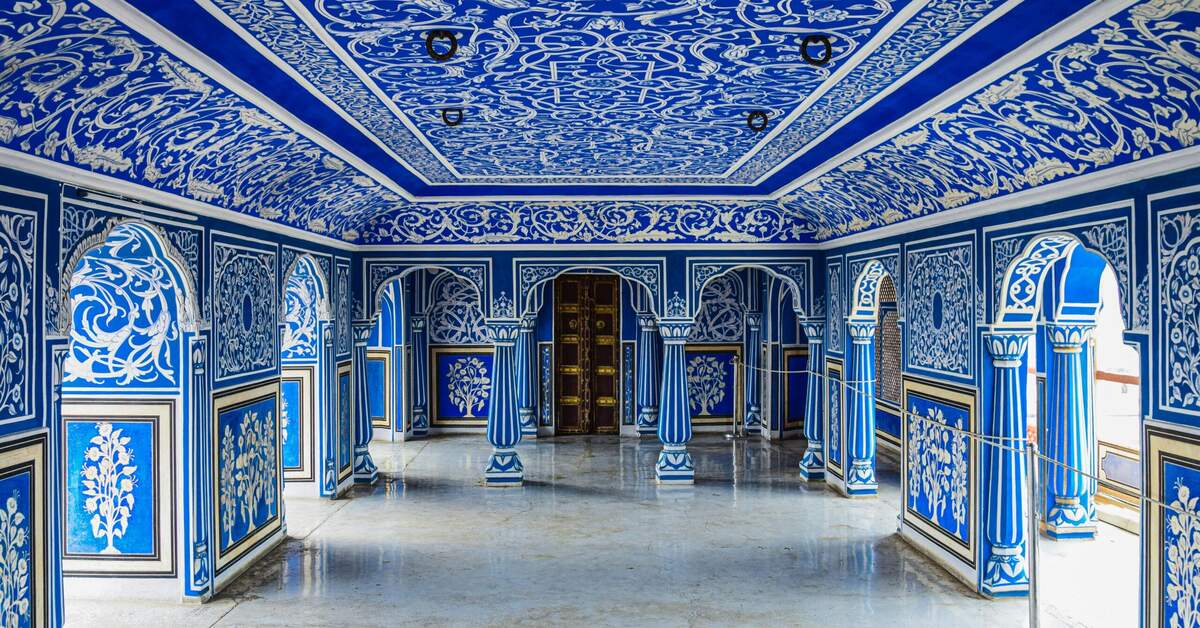
Jaipur’s Best Family Tour Packages A Tour Package , Planning a family vacation that satisfies everyone—from your curious six-year-old who asks “why” about everything to your Instagram-obsessed teenager to grandparents who appreciate history—feels like solving an impossible puzzle. But what if I told you there’s a destination that checks all those boxes while creating memories your family will treasure for years? Welcome to Jaipur, India’s Pink City, where majestic forts become playgrounds for imagination, elephant encounters create squeals of delight, and even picky eaters find something delicious to try.
Jaipur isn’t just another tourist destination—it’s an educational theme park disguised as a city. Where else can your children learn about astronomy at a 300-year-old observatory, watch artisans create traditional crafts, ride elephants up to ancient forts, and end the day with puppet shows and folk dances? The city offers that rare combination of culture and entertainment, education and adventure, making it one of India’s best family vacation destinations.
Jaipur’s Best Family Tour Packages A Tour Package , Family travel to Jaipur works because the city has evolved to accommodate diverse needs. Hotels understand families require connecting rooms and child-friendly menus. Attractions provide engaging experiences rather than boring lectures. Transportation options suit groups. And unlike some destinations that cater exclusively to couples or solo travelers, Jaipur genuinely welcomes families with open arms and thoughtful infrastructure.
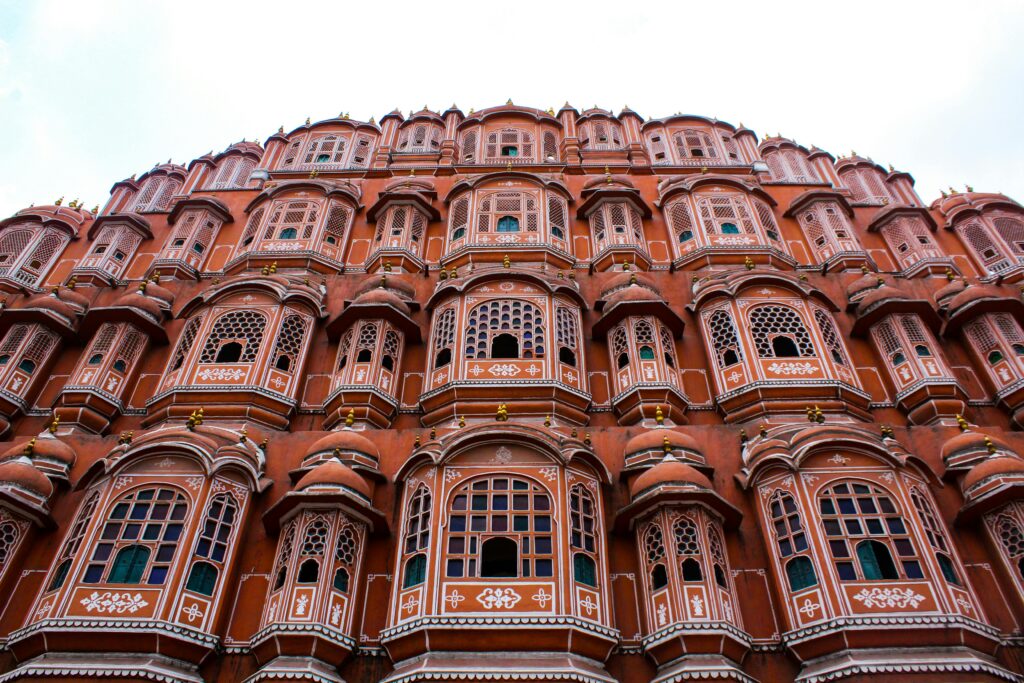
Jaipur’s Best Family Tour Packages A Tour Package , Let’s face it—dragging kids through museums while they whine about being bored isn’t anyone’s idea of a great vacation. Jaipur solves this problem by making education entertaining. The forts aren’t just old buildings; they’re castles with secret passages, mirror palaces that sparkle magically, and ramparts where soldiers once defended kingdoms. Children naturally engage with these spaces, imagining themselves as princes and princesses or brave warriors.
Jantar Mantar transforms astronomy from abstract concepts into giant physical instruments children can explore. They’re not learning about sundials from textbooks—they’re standing inside the world’s largest stone sundial! Similarly, watching artisans create block prints, pottery, or jewelry shows children how things are made, connecting classroom lessons to real-world applications.
Parents appreciate that their kids are learning Indian history, architecture, astronomy, and crafts without realizing it’s educational. The engagement is natural, driven by curiosity rather than obligation. This makes Jaipur vacations feel less like school field trips and more like adventures where learning happens organically.
Safety ranks as the top concern for traveling families, and Jaipur delivers reassurance. The city has extensive experience hosting families from around the world. Major attractions maintain security, provide first-aid facilities, and have English-speaking staff. Hotels catering to families understand children’s needs—from providing cribs and high chairs to ensuring swimming pools have appropriate depth sections.
The tourist areas remain well-patrolled, and locals generally show warmth toward children. Indian culture places high value on family, so traveling with kids often results in extra attention and assistance from shopkeepers, restaurant staff, and fellow tourists. Many families report feeling safer in Jaipur than in some Western cities.
Transportation infrastructure accommodates families well. Private car rentals allow comfortable travel without squeezing into crowded public transport. Many vehicles accommodate booster seats or child safety seats if requested in advance. Attractions provide wheelchair accessibility and stroller-friendly paths, making visits with young children more manageable.
The beauty of Jaipur family packages lies in their versatility. Toddlers enjoy elephant encounters, colorful palaces, and swimming pools at hotels. School-age children love the forts, puppet shows, camel rides, and hands-on craft workshops. Teenagers appreciate the Instagram-worthy locations, adventure activities like zip-lining, and shopping in vibrant bazaars. Grandparents enjoy the history, architecture, and comfortable pace if itineraries are well-planned.
Few destinations offer this kind of multigenerational appeal. Beach resorts bore history enthusiasts, while cultural cities often lack activities for young children. Jaipur strikes the perfect balance, allowing families to spend quality time together while each member finds elements they genuinely enjoy.
Amber Fort tops every family itinerary, and for good reason—it’s essentially a giant castle playground combined with an educational experience. The approach alone excites children. You can ride elephants up the ramped entrance (though ethical concerns make this controversial), take jeeps for a bumpy adventure ride, or walk while taking in the stunning hillside views.
Once inside, the fort offers endless exploration. The Sheesh Mahal (Mirror Palace) becomes a magical space where children see themselves reflected thousands of times. Guards often demonstrate the mirror effect using lighters or phone flashlights, creating a starry ceiling that delights kids. The courtyards provide space for children to run (under supervision), and the rampart views let them imagine defending the fort from invaders.
The fort’s multiple levels, staircases, and rooms feel like a giant maze to explore. Audio guides available in multiple languages provide family-friendly explanations of the fort’s history. Allow 2-3 hours minimum for thorough exploration—rushing through disappoints everyone. Visit early morning or late afternoon to avoid peak heat and crowds, making the experience more comfortable for children.
Located in Ram Niwas Garden, these two attractions combine perfectly for a half-day family outing. Jaipur Zoo, while not comparable to world-class facilities, houses a decent variety of animals including tigers, leopards, deer, crocodiles, and various bird species. Children enjoy seeing animals in relatively natural enclosures, and the compact size prevents the overwhelming exhaustion that large zoos can cause.
Albert Hall Museum, right nearby, showcases an impressive collection of artifacts including Egyptian mummies (which fascinate children), traditional Rajasthani costumes, weapons, musical instruments, and miniature paintings. The Indo-Saracenic architecture itself impresses, and the museum’s layout allows families to explore at their own pace.
The surrounding Ram Niwas Garden provides green space for children to run, play, and burn energy between museum sections. Local snack vendors offer refreshments. This combination of zoo, museum, and park creates a well-rounded afternoon that satisfies different interests within the family. Admission remains very affordable, making this an excellent budget-friendly attraction.
Here’s where science becomes tangible and exciting for kids. Jantar Mantar, built in 1734 by Maharaja Sawai Jai Singh II, features the world’s largest stone sundial and 18 other astronomical instruments. Rather than boring children, these massive structures invite climbing (on designated areas), exploration, and hands-on learning.
The guide explanations—simplified for children—demonstrate how ancient scientists calculated time, tracked celestial movements, and predicted eclipses using these instruments. Children love the challenge of reading the sundial’s time and comparing it to their watches. The geometric patterns and unusual shapes photograph beautifully, keeping teenagers engaged through their cameras.
Jantar Mantar works best with a knowledgeable guide who can explain concepts in age-appropriate ways. Many guides excel at engaging children, turning the visit into an interactive science lesson rather than a lecture. The compact site requires only 45-60 minutes, perfect for children’s attention spans. Morning visits provide the best light for understanding how the instruments work with sunlight and shadows.
About 20 kilometers from Jaipur, Chokhi Dhani recreates a traditional Rajasthani village, offering comprehensive cultural experiences in a single evening. This might be the most purely fun family attraction in Jaipur. The village features traditional activities children can participate in—camel rides, pottery making, mehendi (henna) application, puppet shows, magic shows, folk dances, and traditional games.
The entire family can dress in traditional Rajasthani costumes (available for rent or purchase on-site) for photos and to enhance the immersive experience. The evening culminates in a traditional vegetarian dinner buffet served in authentic style—either at low tables with floor seating or standard tables based on preference.
Chokhi Dhani perfectly balances education and entertainment. Children learn about rural Rajasthani life and traditions while having too much fun to realize they’re receiving cultural education. The controlled, tourist-friendly environment means families can experience authentic culture without the challenges of navigating actual rural areas. Plan to spend 3-4 hours here, typically arriving around 5:00-6:00 PM to enjoy activities before dinner.
Family-focused hotels in Jaipur understand that children have specific needs beyond miniature bathrobes. Look for properties offering kids’ clubs with supervised activities, allowing parents some adult time. Swimming pools should have separate children’s sections or varied depths with lifeguards on duty.
Hotels like Holiday Inn Jaipur City Centre, Radisson Blu, and Hilton Jaipur provide excellent family amenities including family rooms with extra space, children’s play areas, and kids’ menus at restaurants. Many offer babysitting services (arrange in advance), high chairs, cribs, and bottle warmers upon request.
Some heritage properties like Alsisar Haveli combine traditional architecture with modern family conveniences. These boutique hotels often provide more personalized service, with staff remembering children’s names and preferences. The courtyards and gardens give children space to play safely while parents relax nearby.
When booking, specifically request family rooms or connecting rooms if you have multiple children. Ground floor rooms provide easier access for strollers and reduce concerns about children’s noise disturbing other guests. Confirm what child-specific amenities the hotel provides versus what you need to bring.
Family suites or apartments solve the space challenge that standard hotel rooms present. Nobody wants to tiptoe around sleeping children or watch TV on mute all evening. Suites provide separate bedrooms, living areas, and often kitchenettes—allowing normal family routines.
Properties like Fairmont Jaipur, ITC Rajputana, and some serviced apartment hotels offer excellent suite options. The extra space means children can play, parents can work or relax, and everyone has personal space when needed. Some suites include bunk beds or pull-out sofas, accommodating larger families comfortably.
The kitchenette option particularly benefits families with picky eaters or those following specific diets. Being able to store snacks, prepare simple meals, or heat bottles for infants provides flexibility that restaurants alone cannot offer. This also saves money since not every meal requires restaurant spending.
Several Jaipur resorts organize family-friendly activity programs including nature walks, craft workshops, cooking demonstrations, yoga sessions, and cultural programs. Oberoi Rajvilas, though luxury-tier, offers exceptional family services including nature trails through their property, bird watching, and cultural activities.
Tree of Life Resort & Spa provides a more nature-focused experience with organic farming activities, village walks, and environmental education programs. Children can learn about sustainable practices while enjoying resort amenities.
Some properties organize evening entertainment specifically for families—magic shows, puppet performances, or folk dance demonstrations. These scheduled activities provide structure to your vacation while introducing cultural elements in entertaining formats. Check resort websites or contact them directly about family programming during your travel dates.
The Birla Planetarium in Jaipur offers shows explaining astronomy, space exploration, and celestial phenomena in engaging formats suitable for children (typically ages 6 and up). The shows run in both Hindi and English at scheduled times. The visual presentations and reclining seats make learning about space exploration entertaining.
Combined with a Jantar Mantar visit, children get a comprehensive astronomy education—ancient instruments showing how previous civilizations studied stars and modern technology explaining current space science. This connection between historical and contemporary science creates valuable learning opportunities.
The surrounding Birla Mandir (temple) features beautiful white marble architecture and gardens where families can spend time before or after planetarium shows. The combination makes a pleasant half-day educational outing that doesn’t feel like school.
Several organizations and hotels organize craft workshops where children learn traditional Rajasthani arts. Block printing workshops allow kids to create their own designs on fabric using wooden blocks and natural dyes. They leave with personalized souvenirs they actually made—much more meaningful than purchased items.
Pottery workshops teach children to work with clay, creating pots, plates, or decorative items. The hands-on nature engages even children who typically resist “educational” activities. Watching skilled artisans work inspires appreciation for craftsmanship and patience.
Puppet-making workshops introduce children to Rajasthan’s puppet tradition. They learn how puppets are constructed, sometimes creating simple versions to take home. These crafts connect to the puppet shows they’ll watch, deepening understanding of this art form.
These workshops typically last 1-2 hours and cost ₹500-2,000 per child depending on the craft and organization. Many hotels can arrange private workshops for families, providing more personalized attention and flexible timing.
Family cooking classes offer fun bonding experiences while teaching about Indian cuisine and spices. Unlike adult-focused classes, family versions adapt to children’s participation levels and attention spans. You might learn to make simple dishes like chapati (flatbread), pakoras (fried snacks), or sweet lassi.
Children particularly enjoy the hands-on aspects—kneading dough, rolling out bread, mixing ingredients. They learn about spices, cooking techniques, and food culture. Many classes start with market visits where families shop for fresh ingredients, adding another educational layer.
The best part? You eat what you prepare! Children show more willingness to try new foods when they’ve helped create them. These classes often provide recipe cards, allowing families to recreate dishes at home and relive vacation memories through food.
Classes range from ₹1,500-5,000 per person depending on duration, venue, and menu complexity. Look for family-specific programs rather than general cooking classes, as these better accommodate children’s needs and energy levels.
Rajasthani puppet shows (Kathputli) combine entertainment with cultural education. These traditional performances tell stories from Indian mythology, historical events, or folk tales using colorful string puppets. The shows include music, singing, and often audience participation opportunities.
Children love the colorful puppets, music, and stories. The performances typically last 30-45 minutes—perfect for children’s attention spans. Many venues encourage interaction, allowing children to try manipulating puppets after shows or meet the puppeteers.
Beyond entertainment, puppet shows introduce children to storytelling traditions, mythology, and theatrical arts. They learn that entertainment existed long before smartphones and tablets, often sparking conversations about traditional versus modern entertainment.
Puppet shows occur at several venues including Chokhi Dhani, certain heritage hotels, and dedicated puppet theaters in the old city. Some restaurants offer dinner with puppet show entertainment, creating complete family evenings.
The traditional elephant rides up to Amber Fort remain popular with families, though increasingly controversial due to animal welfare concerns. If choosing to participate, use only authorized elephants through official channels, ensuring animals receive proper care, work limited hours, and aren’t overloaded.
Alternatives include visiting elephant sanctuaries outside Jaipur where families can feed, bathe, and interact with elephants in more ethical environments. Elefantastic and Elephant Village provide such experiences, teaching children about elephant care, conservation challenges, and intelligent animal behavior.
These interactive experiences typically last 2-3 hours and include educational components about elephants in Indian culture and ecology. Children remember feeding, bathing, or simply touching these gentle giants long after the vacation ends. Photography opportunities abound, creating wonderful family photo collections.
Book ethical elephant experiences through reputable operators, avoiding roadside or unregulated providers. Prices range ₹2,000-5,000 per person depending on the program’s length and activities included.
For active families seeking adrenaline, several adventure parks near Jaipur provide age-appropriate challenges. Neemrana Fort Palace (about 90 minutes from Jaipur) features one of India’s oldest zip-lines, offering multiple flights at varying heights and lengths. Children typically must be 10+ and meet minimum weight requirements.
Adventure parks closer to Jaipur offer rope courses, wall climbing, zip-lining, and obstacle courses with different difficulty levels. These controlled environments allow children to challenge themselves safely while parents either participate or observe from designated areas.
These activities build confidence, provide physical challenges, and create exciting family memories. They also balance the historical and cultural attractions, giving active children physical outlets. Most adventure facilities require advance bookings and have strict safety protocols including weight/height restrictions, safety briefings, and proper equipment.
While Jaipur isn’t in the heart of the Thar Desert, several properties offer camel ride experiences and “desert camps” that simulate desert environments. These typically feature short camel rides (15-30 minutes), cultural performances, and sometimes overnight stays in luxury tents.
Children find camels fascinating—their size, unusual gait, and sometimes stubborn personalities create memorable interactions. The rides provide unique perspectives and photo opportunities. Guides explain camel importance in Rajasthani culture and desert survival.
Some experiences include sunset camel safaris followed by campfire dinners, folk performances, and stargazing. These multi-hour experiences immerse families in desert culture without requiring travel to actual desert regions. They work particularly well for families with limited time who still want desert experiences.
Ensure operators provide proper safety equipment (especially for young children), well-maintained camels, and experienced handlers. Short rides typically cost ₹500-1,000 per person, while comprehensive desert camp experiences run ₹3,000-8,000 per person.
Several companies organize family-friendly cycling tours through Jaipur’s heritage areas, typically during cooler morning hours (7:00-10:00 AM). These 2-3 hour tours cover manageable distances with frequent stops, suitable for children comfortable riding bicycles.
Tours often include old city neighborhoods, bazaars, temples, and lesser-known heritage sites. Cycling allows more ground coverage than walking while maintaining an intimate, local perspective impossible from cars. Guides explain architecture, history, and daily life along the route.
Children old enough to ride independently find these tours empowering and fun. For families with younger children, some operators provide child seats, trailers, or tag-along bikes. The early morning timing means cooler temperatures and lighter traffic, enhancing safety and comfort.
Tours include bicycle rentals, helmets, water, and often breakfast stops at local eateries. Costs run ₹1,500-3,000 per person. Choose operators with proper safety equipment, experienced guides, and good reviews from other families.
While many traditional Indian restaurants don’t offer specific children’s menus, family-friendly establishments and hotel restaurants in Jaipur increasingly cater to younger diners. Look for restaurants offering familiar comfort foods—pasta, pizza, sandwiches, French fries—alongside Indian options.
Restaurants like Chokhi Dhani, Spice Court, and hotel dining venues typically accommodate children’s preferences. Staff often customize dishes—preparing milder versions of curries, serving rice without heavy gravies, or creating simple dal (lentil) preparations. Most chefs happily modify spice levels or preparation styles when asked.
Many restaurants provide high chairs, booster seats, and children’s cutlery. Some offer activity sheets or coloring materials to occupy children while waiting for food. The service culture in India generally shows patience and warmth toward families with children, even in upscale establishments.
When dining out, arrive earlier in the evening (around 6:30-7:00 PM) before crowds build, ensuring faster service and calmer atmosphere. Buffer restaurants and thali (platter) options work well for families, allowing everyone to sample multiple dishes and find something they enjoy.
Introducing children to new cuisines represents an important part of family travel. Rajasthani cuisine offers diverse flavors ranging from mild to spicy, vegetarian to meat-based, sweet to savory. Start with approachable dishes before advancing to more adventurous options.
Safe starter dishes for children include:
For desserts, ghewar, jalebi, and kulfi (Indian ice cream) typically appeal to children’s preferences. Many restaurants offer complimentary desserts for children or small portions at reduced prices.
Cultural dining venues like 1135 AD (inside Amber Fort) or traditional thali restaurants provide atmospheric experiences. Children enjoy the novelty of floor seating (if offered), traditional serving styles, and colorful presentation. These meals become memorable events rather than just fuel stops.
Jaipur’s street food scene offers incredible variety, though families should exercise caution. Stick to busy stalls with high turnover indicating freshness, choose cooked foods over raw preparations, and avoid water or ice from questionable sources. Many hotels can recommend safe street food areas or even organize guided street food tours.
Child-friendly street foods include:
Many families make street food tasting an adventure activity. Children enjoy the novelty of eating outdoors, watching preparation, and trying small portions of multiple items. It teaches cultural openness and adventure while creating fun family stories.
Start cautiously—let children’s digestive systems adjust to Indian food before introducing street preparations. Carry hand sanitizer and use it generously before eating. If anyone has sensitive stomachs, perhaps skip street food and stick to established restaurants.
Bapu Bazaar and surrounding areas feature shops selling traditional Rajasthani toys including wooden toys, colorful string puppets (Kathputli), stuffed camels and elephants, and traditional games. These make wonderful souvenirs that children actually want, unlike generic keychains.
Shopping for their own treasures engages children in the vacation. Give older children small budgets to manage, teaching money skills and decision-making. Haggling becomes a game and learning experience. Many shopkeepers enjoy bargaining with children, offering them better deals and small gifts.
Traditional puppets come in various sizes and price points (₹100-2,000 depending on size and quality). Children love controlling these colorful characters. The larger ones make impressive room decorations back home, constant reminders of the Jaipur adventure.
Wooden block puzzles, painted animals, and traditional board games provide screen-free entertainment both during travel and after returning home. These items represent authentic regional crafts while serving practical purposes.
Many children enjoy dressing in traditional Indian clothing for photos or special occasions during the trip. Johari Bazaar and Nehru Bazaar offer children’s kurta pajamas, lehenga cholis, and colorful scarves at reasonable prices (₹500-3,000 depending on fabric and embellishment).
Shopping for traditional outfits becomes an activity itself. Children enjoy selecting colors, trying items on, and seeing themselves transformed in mirrors. Many families purchase matching outfits for entire family photo sessions at forts or palaces—these photos become treasured keepsakes.
Children’s sizes are readily available, and tailors can alter items same-day if needed. The colorful fabrics, mirror work, and embroidery fascinate children, providing sensory experiences and cultural exposure. Staff often show warmth to children, sometimes offering small discounts or complimentary accessories like bangles.
Turn souvenir shopping into family scavenger hunts. Create lists of items to find—blue pottery pieces, items with elephant designs, traditional musical instruments, hand-painted objects, or specific colors. This transforms potentially boring adult shopping into engaging child-friendly activity.
Encourage children to select gifts for friends, relatives, or teachers. This teaches thoughtfulness and cultural sharing. Many traditional handicrafts—block-printed notebooks, small paintings, carved items, jewelry for relatives—cost very little but carry authentic cultural meaning.
Photography rules make another shopping game—challenge children to photograph the most colorful displays, most unusual items, or friendliest shopkeepers. This keeps them engaged while adults complete actual shopping. Review photos together each evening, discussing the day’s discoveries.
Government emporiums like Rajasthali offer fixed-price shopping—useful when families tire of bargaining or want guaranteed quality. These stores provide comprehensive product selections under one roof, simplifying shopping with children.
Your Jaipur family adventure begins with airport or railway station pickup. Check into your family-friendly hotel, perhaps one with swimming pool to immediately engage excited children. After settling in and enjoying lunch, take a gentle introduction to Jaipur with visits to Hawa Mahal for exterior photos and City Palace.
City Palace provides excellent first exposure to Rajasthani history through engaging museums showcasing costumes, weapons, and artifacts children find fascinating. The courtyards provide space for children to explore without feeling confined. Spend 2-3 hours here, adjusting based on children’s interest and energy levels.
Evening brings dinner at your hotel or a family-friendly restaurant like Spice Court. Return to the hotel for swimming or relaxation, allowing children to burn remaining energy before bed. Keep this first day light, allowing everyone to adjust to new surroundings and time zones if traveling from abroad.
After breakfast, head to Amber Fort for the day’s main activity. Explore thoroughly—allow 3-4 hours including elephant or jeep ride, fort exploration, and photo sessions. Bring snacks and water as children get hungry and thirsty during extensive exploring.
Lunch can be at 1135 AD restaurant inside Amber Fort complex or packed from your hotel for picnic-style eating at designated areas. Afternoon, return to hotel for pool time and rest—crucial for maintaining children’s energy and mood throughout vacation.
Late afternoon, visit Jantar Mantar for astronomy lessons among the ancient instruments. The shorter visit and hands-on nature keeps children engaged. Early evening, head to Chokhi Dhani for comprehensive cultural experience including camel rides, puppet shows, folk performances, and traditional dinner. Return to hotel after this full but varied day.
Begin with visits to Jaipur Zoo and Albert Hall Museum in Ram Niwas Garden. These neighboring attractions provide animal interest and cultural artifacts without excessive walking. Children enjoy the variety—moving from zoo to museum to garden areas.
Post-lunch at a local restaurant (try Laxmi Mishtan Bhandar for traditional Rajasthani thali), spend the afternoon on a chosen family activity—craft workshop, cooking class, or adventure park visit based on your children’s ages and interests. These participatory experiences create hands-on memories.
Evening offers leisure time at hotel or optional light shopping in nearby markets. Let children visit hotel kids’ club if available, giving parents brief relaxation time. Dinner at hotel or nearby restaurant, perhaps trying different regional dishes now that everyone’s adjusted to local cuisine.
Your final day allows flexible scheduling based on departure timing. Morning shopping in Bapu Bazaar and Johari Bazaar for textiles, jewelry, toys, and souvenirs. Let children participate in selecting items and bargaining when appropriate.
Mid-morning, visit Jal Mahal for peaceful lakeside time and final photos. The relaxed atmosphere provides nice contrast to busier fort visits. Have lunch at a rooftop restaurant with fort views, enjoying one last cultural meal together.
Afternoon depends on departure schedule. If time allows, return to hotel for final swimming or relaxation. Otherwise, check out and head to airport/station with bags full of treasures and hearts full of memories from an incredible Jaipur family adventure.
Families traveling with toddlers (ages 1-4) require different pacing and attraction selection. Focus on visual attractions requiring less walking—palace exteriors, garden areas, short fort visits during cooler hours. Prioritize hotels with excellent pool facilities, play areas, and baby-friendly amenities.
Toddler-friendly activities include elephant feeding experiences (not rides), brief zoo visits, watching craft demonstrations, and splash time at hotel pools. Skip detailed museum tours and lengthy historical walks. Plan maximum 2 major activities daily with long breaks for naps and unstructured play.
Choose accommodations with in-room amenities for toddlers—cribs, bottle warmers, baby monitors if available. Ground-floor rooms simplify stroller access. Hotels near medical facilities provide peace of mind for health concerns. Budget extra for frequent snack stops and child-specific meal preparations.
School-age children (roughly 5-12) have longer attention spans and can appreciate educational content when presented engagingly. This age group benefits most from hands-on workshops, interactive attractions like Jantar Mantar, puppet shows, and cultural experiences at Chokhi Dhani.
These children enjoy collecting experiences—completing “fort explorer” challenges, taking photos at each attraction, maintaining travel journals, or collecting one small souvenir from each site. Creating engagement frameworks transforms sightseeing into adventures.
Physical activities like camel rides, adventure parks, and cycling tours work excellently for this energetic age group. They’re old enough to appreciate cultural differences and connect classroom learning to real-world experiences. Evening downtime at hotel pools or kids’ clubs helps burn energy constructively.
Teenagers present unique challenges and opportunities. They often resist “boring” historical sites but engage if given ownership of some planning. Let teenagers research and suggest activities—perhaps photography tours, adventure sports, specific shopping areas, or restaurants they’ve discovered through research.
Instagram-worthy locations motivate teen engagement. Challenge them to create photo essays of their Jaipur experience. The city’s colorful architecture, vibrant markets, and dramatic forts provide endless photo opportunities. Consider professional family photo sessions where teens can also direct some shots.
Give teenagers some independence when safe—letting them shop in groups in well-defined market areas (with phones and meeting points established) or choose activities from pre-approved options. They appreciate not being treated as children while still within family framework.
Teens often enjoy food adventures, cultural workshops (especially if they can share results on social media), and later evening activities like cultural performances. Balance family time with some teen-friendly scheduling flexibility.
October through March represents optimal family travel seasonoffering pleasant weather for outdoor exploration. Temperatures range 15-27°C—comfortable for all ages without extreme heat concerns. This period includes school break seasons (Diwali holidays in October/November, winter holidays in December/January, and spring break in March), making family travel logistically easier.
December and January see coolest temperatures, sometimes requiring light jackets for early mornings and evenings. These months also bring peak tourist crowds and higher accommodation costs. Families should book 2-3 months ahead for this period.
February and March offer excellent weather with slightly fewer crowds than December/January. Spring flowers bloom in gardens, and temperatures warm moderately. Many schools have breaks in late March/early April, creating good timing for family travel.
Monsoon season (July-September) brings advantages for families on budgets. Hotels offer significant discounts, crowds thin dramatically, and the landscape turns lush. Rain typically comes in afternoon bursts rather than all-day downpours. If your family embraces flexibility and doesn’t mind occasional weather adjustments, monsoon travel provides excellent value.
Avoid April-June for family travel. Temperatures soar to 40-45°C, making outdoor activities genuinely uncomfortable and potentially dangerous for children. Even significant hotel discounts don’t compensate for heat-related challenges during what should be an enjoyable family vacation.
Budget-conscious families can experience Jaipur wonderfully for ₹60,000-1,00,000 ($720-1,200) for a family of four for four days covering:
Economy packages require more planning and flexibility. Choose hotels slightly outside prime tourist areas for better rates. Use rideshare apps rather than tourist taxis. Eat where locals eat—smaller establishments offer excellent food at lower prices than tourist-focused restaurants.
Free or low-cost activities like watching artisans work, walking through bazaars, photography challenges, and exploring gardens supplement paid attractions. Many families find these unstructured experiences create equally valuable memories as expensive activities.
Comfortable family experiences typically run ₹1,50,000-2,50,000 ($1,800-3,000) for four people covering four days:
Mid-range packages provide comfort without luxury splurges. Hotels offer reliable amenities, private transport ensures convenience, and families can participate in most recommended activities without constant budget concerns. This range delivers excellent value—creating wonderful experiences without excessive spending.
Luxury family packages at properties like Oberoi Rajvilas or Fairmont Jaipur with premium activities run ₹4,00,000-7,00,000 ($4,800-8,400) or more for four people covering four days:
Luxury packages deliver exceptional service, premium accommodations, exclusive experiences, and complete convenience. Everything is arranged, children are engaged through resort programs, and parents can relax knowing all details are handled professionally. While expensive, these packages create genuinely remarkable family experiences for those whose budgets allow.
Prioritize health and safety to ensure enjoyable family vacations. Book accommodations near quality medical facilities or confirm your hotel has relationships with reputable hospitals. Carry basic first aid supplies including bandages, antiseptic cream, fever reducers, and any prescription medications family members require.
Insist on bottled water for drinking and teeth brushing. Most hotels provide complimentary bottled water. Avoid raw vegetables and salads at questionable venues, stick to thoroughly cooked foods, and patronize busy restaurants indicating high turnover and freshness. Many families use probiotics before and during travel to support digestive health.
Apply sunscreen regularly—Rajasthan’s sun is intense even during winter. Hats and sunglasses protect from UV exposure. Ensure children stay hydrated, especially during fort explorations involving significant walking. Take frequent rest breaks in shaded areas.
Supervise children constantly in crowded markets and tourist areas. Consider using child identification bracelets with your contact information and hotel details. Establish clear meeting points if family members separate. Many parents find child GPS trackers or family location-sharing apps provide peace of mind.
Brief children about basic safety—staying close in crowds, not accepting items from strangers, immediately alerting parents if feeling uncomfortable or unwell. These conversations empower children while maintaining safety without creating excessive fear.
Clothing:
Health and Safety:
Entertainment and Comfort:
Baby/Toddler Specific:
Documentation:
Jaipur stands as one of India’s finest family vacation destinations, offering that magical combination of education, entertainment, culture, and adventure that keeps everyone from toddlers to grandparents engaged and happy. The Pink City understands families—providing infrastructure, attractions, and experiences that work for diverse ages and interests while maintaining the authentic cultural richness that makes travel meaningful.
Your family’s Jaipur adventure will likely include a mix of planned attractions and spontaneous discoveries. Perhaps your children will remember the elephant encounter most vividly, or maybe the highlight becomes the evening you all learned to cook together, or the fort where imagination transformed historical spaces into adventure playgrounds. These memories become family stories retold for years, shaping how your children understand the world and creating bonds through shared experiences.
The beauty of Jaipur family travel lies not just in what you see but in how you see it together. When your eight-year-old explains Jantar Mantar’s sundial to their younger sibling, or your teenager discovers a passion for photography amid colorful bazaars, or your family laughs together during a puppet show—these moments justify every planning hour and every rupee spent.
So start planning your Jaipur family adventure. Choose activities matching your children’s ages and interests, book accommodations providing necessary amenities, build in flexibility for rest and spontaneity, and prepare for a vacation that educates, entertains, and brings your family closer together. The Pink City awaits with open arms, ready to welcome your family and create memories that will enrich your lives long after you’ve returned home.
Jaipur works for all ages, but children 5-15 probably gain the most from the experience. They’re old enough to remember the trip, appreciate the history and culture with appropriate context, and participate in activities. Toddlers enjoy visual elements and animals but won’t retain memories. Teenagers can fully appreciate the experiences if engaged properly. That said, families successfully visit with infants through teens by adjusting expectations and activities to their specific age group’s needs and interests.
Major attractions like City Palace and Jantar Mantar have reasonable stroller access, though some areas with steps or uneven surfaces present challenges. Amber Fort requires carrying or using baby carriers rather than strollers due to inclines and stairs. Many families bring lightweight, compact strollers for some locations while using baby carriers for others. Hotels and museums generally accommodate strollers well. The bumpy sidewalks in bazaar areas can frustrate stroller users—baby carriers often prove more practical for market exploration.
Jaipur’s family-friendly restaurants increasingly offer familiar comfort foods like pasta, pizza, fries, and sandwiches alongside Indian options. Hotel restaurants almost always accommodate special requests—milder curries, plain rice, simple bread. Pack favorite snacks from home for emergency backup. Start with mild Indian dishes like paneer, dal, and naan, which many picky eaters accept. Room service at hotels provides fallback options when nothing else works. Most importantly, stay relaxed—short-term dietary limitations won’t harm children, and pressure often backfires with picky eaters.
Yes, Jaipur is generally safe for families with proper precautions. Tourist areas maintain security, hotels understand family needs, and Indian culture values children highly, often resulting in extra attention and help from locals. Practice common sense—supervise children in crowds, use bottled water, choose food carefully, apply sun protection, and maintain awareness in busy areas. The tourism infrastructure is well-developed, medical facilities are available, and millions of families visit annually without incidents. Your family faces no greater risks than in most major tourist cities worldwide.
Absolutely! Most tour operators and hotels welcome customization. Specify your children’s ages, interests, physical limitations, dietary restrictions, and priorities. Operators adjust itineraries accordingly—perhaps adding more hands-on workshops for craft-interested children, including adventure activities for active families, or building in extra rest time for families with toddlers. Custom packages often cost slightly more than standard offerings but deliver experiences perfectly matched to your family’s unique dynamics, making the investment worthwhile for significantly improved vacation quality.