Your cart is currently empty!
You may check out all the available trips and book one that suits you.
Continue Browsing TripsNo destinations found
No destinations found
No destinations found
No destinations found
No destinations found
No destinations found
No destinations found
No destinations found
No destinations found

No destinations found
No destinations found
No destinations found
No destinations found
No destinations found
No destinations found
No destinations found
No destinations found
No destinations found
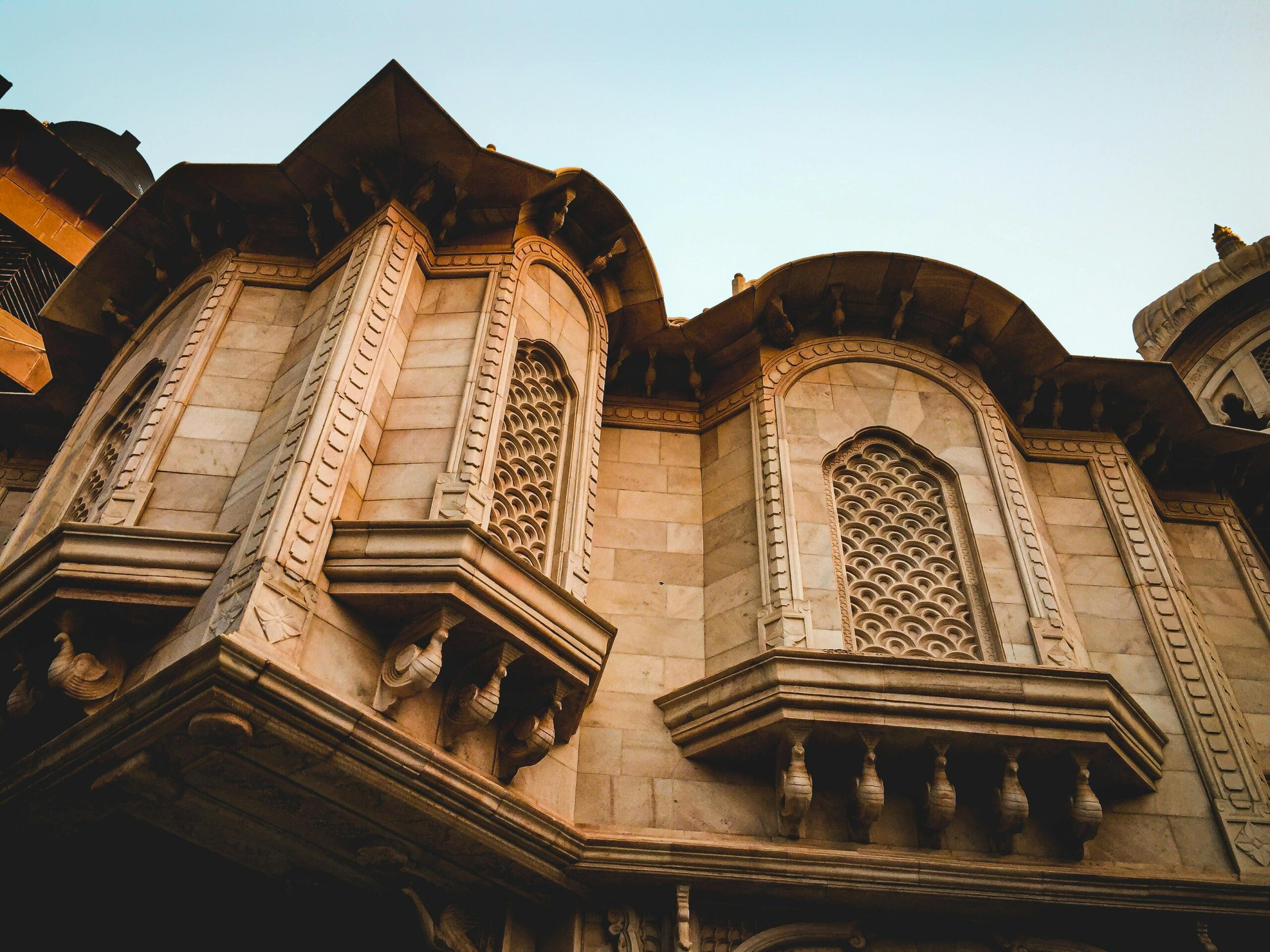
Mathura Vrindavan Spiritual Tour Package ,Have you ever felt that pull toward something greater than yourself? That quiet longing for peace amidst life’s chaos? If so, Mathura and Vrindavan might just be calling your name. These twin cities on the banks of the Yamuna River aren’t just tourist destinations—they’re portals to a dimension where the material world meets the divine, where ancient devotion still breathes through every stone and every chant.
For thousands of years, seekers have walked these sacred paths, searching for the same thing you might be seeking: inner peace, spiritual clarity, or simply a break from the relentless noise of modern existence. Whether you’re deeply religious, spiritually curious, or just exhausted by life’s demands, Mathura Vrindavan offers something profound and transformative. Let’s explore how a spiritual tour package to these holy cities can become your journey to inner peace.
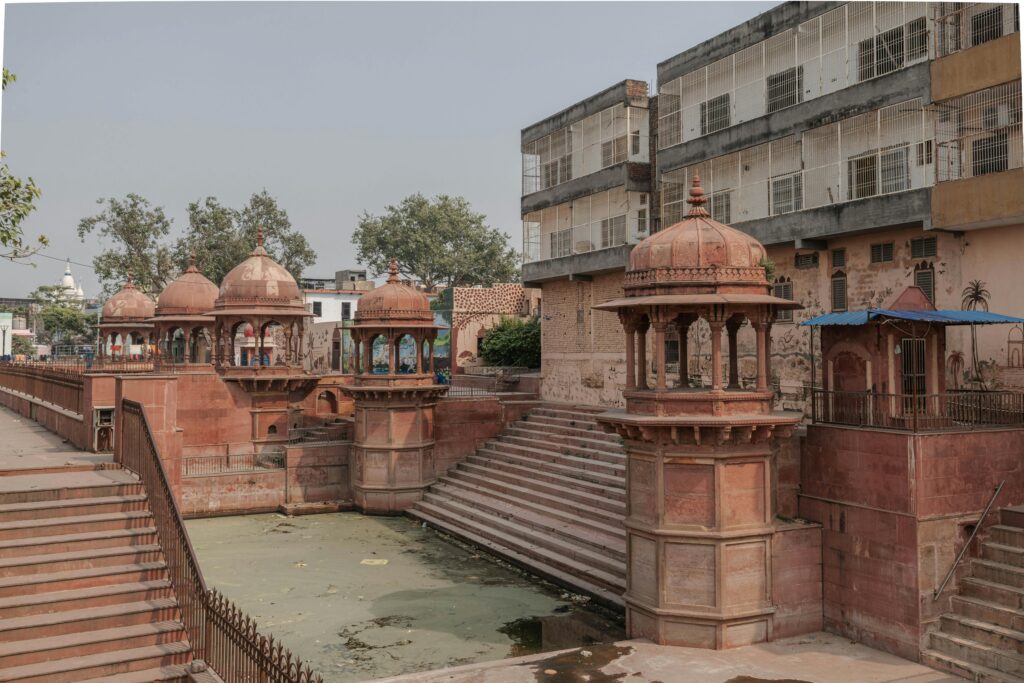
Mathura holds a distinction that few places on Earth can claim—it’s where one of Hinduism’s most beloved deities, Lord Krishna, was born over 5,000 years ago. But this isn’t just ancient history recorded in dusty books. Walk through Mathura’s lanes, and you’ll feel Krishna’s presence in the temple bells, the devotional songs floating from doorways, and the devotion etched on pilgrims’ faces.
Vrindavan, just 15 kilometers away, is where Krishna spent his childhood, playing his flute, dancing with the gopis (cowherd maidens), and performing divine leelas (divine plays). The entire landscape seems soaked in devotion. Trees, rivers, hills—every element of nature here has spiritual significance woven into it through millennia of worship and storytelling.
Mathura Vrindavan Spiritual Tour Package ,Let’s be honest—our world is overwhelming. The constant connectivity, the pressure to achieve, the endless scrolling through curated lives on social media—it all takes a toll on our inner peace. Mathura Vrindavan offers what psychologists might call a “pattern interrupt.” Here, time moves differently. Priorities shift. Instead of checking your phone, you find yourself watching a sunset aarti. Instead of worrying about tomorrow’s deadline, you’re absorbed in the hypnotic rhythm of bhajans.
This isn’t escapism; it’s recalibration. These sacred cities help you remember what matters, realign your spirit with deeper truths, and return to daily life with renewed perspective and inner strength.
According to Hindu scriptures, Lord Krishna was born in a prison cell in Mathura, where his uncle, the tyrant King Kansa, had imprisoned his parents. The exact spot where this divine birth occurred is now marked by the Shri Krishna Janmabhoomi Temple, one of Hinduism’s most revered pilgrimage sites.
But Mathura’s spiritual importance extends beyond this single event. The city is mentioned in ancient texts like the Mahabharata and Ramayana as a center of learning and culture. For millennia, it has been a place where the veil between earthly and divine realms seems thinner, where prayers feel more potent, and where seekers report profound spiritual experiences.
If Mathura is about Krishna’s birth, Vrindavan is about his relationships—particularly his divine love with Radha. This isn’t romantic love as we understand it; it represents the soul’s yearning for union with the divine. Vrindavan’s thousands of temples, many over 500 years old, all celebrate this sacred relationship in different forms.
The name “Vrindavan” literally means “forest of Vrinda” (basil), and though the modern town is now built up, pockets of that ancient forest feeling remain. Walking through Vrindavan, especially in its quieter corners, you can almost hear the flute that once enchanted an entire village.
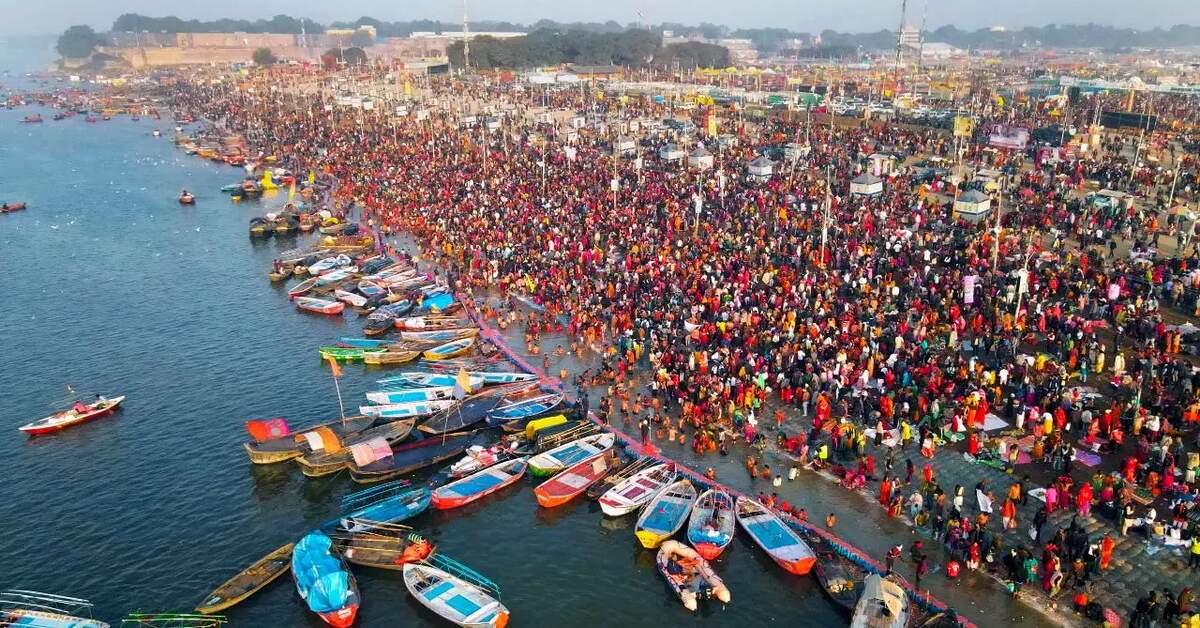
The Yamuna River flows through both cities, and in Hindu tradition, this isn’t just water—it’s a goddess. Bathing in the Yamuna, particularly at designated ghats (riverbanks), is believed to purify both body and soul. While the river faces pollution challenges today, the spiritual significance remains intact for devotees who perform rituals along its banks.
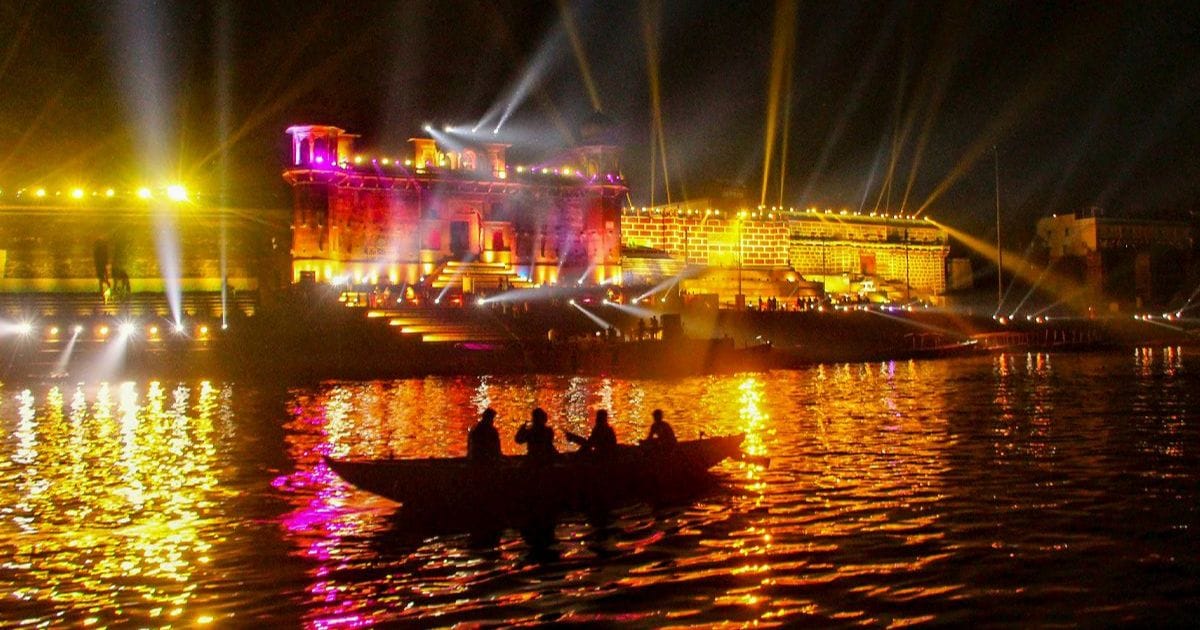
The evening aartis at various ghats, where lamps are offered to the river, create moments of transcendent beauty. Hundreds of small flames floating on the water, devotional songs rising into the twilight, and the collective energy of thousands of pilgrims—these experiences touch something deep within.
Mathura Vrindavan’s spiritual energy intensifies during major festivals. Janmashtami (Krishna’s birthday) in August-September transforms the twin cities into spiritual powerhouses. The entire region celebrates with elaborate decorations, continuous bhajan singing, dramatic enactments of Krishna’s life, and an electric devotional atmosphere that’s simply indescribable.
Holi, celebrated in late February or March, is another extraordinary time. While Holi is celebrated across India, the version in Barsana and Nandgaon (near Vrindavan) is legendary—a week-long celebration featuring the unique Lathmar Holi, where women playfully beat men with sticks, recreating ancient traditions. The devotional Holi at temples like Banke Bihari offers spiritual ecstasy along with colors.
The autumn festival of Sharad Purnima and the spring festival of Radhashtami also draw massive crowds. If you’re seeking intense spiritual immersion and don’t mind crowds, festival times offer unparalleled experiences.
Conversely, visiting during off-peak months (April-June, though hot, or July-September during monsoon) offers different advantages. Temples are less crowded, allowing for more intimate darshan (viewing of deities). You can meditate without distraction, have longer conversations with temple priests and spiritual seekers, and experience the cities at their contemplative best.
The monsoon season brings its own charm—the Yamuna swells, the landscape greens, and the entire atmosphere becomes more introspective. Some spiritual seekers prefer this quieter time for deeper practices like prolonged meditation or study.
This is ground zero for Krishna devotion—the prison cell where Lord Krishna was born. The temple complex, built over the sacred spot, draws millions of pilgrims annually. The main shrine houses the exact cell, marked by a small platform. The atmosphere here is intensely devotional, with continuous chanting and singing creating an almost trance-like environment.
Security is tight due to the site’s religious importance and past conflicts, so expect security checks. Visit early morning or late evening to avoid peak crowds. The feeling of standing where divinity took human form is indescribable—many visitors report powerful emotional and spiritual experiences here.
Built in 1814, this stunning temple dedicated to Lord Krishna showcases beautiful Rajasthani architecture with intricate carvings and paintings. What makes Dwarkadhish special is the deity’s posture—Krishna stands with one leg crossed over the other, playing his flute, capturing the playful aspect of the divine.
The temple is known for its elaborate daily rituals and celebrations. The 5,000 devotees it accommodates create a powerful collective energy. The evening aarti here is particularly moving, with the entire congregation swaying to devotional songs while lamps are waved before the deity.
After defeating his evil uncle Kansa, Lord Krishna is said to have rested at this ghat, giving it its name—Vishram means “rest.” This is Mathura’s most important bathing ghat, where pilgrims take holy dips believing it washes away sins.
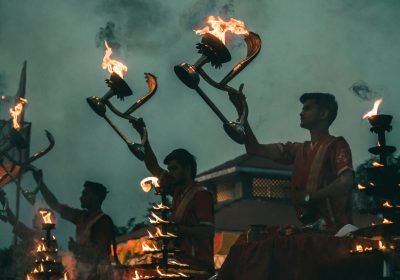
The evening aarti at Vishram Ghat is a must-experience ritual. As the sun sets, priests perform elaborate ceremonies with fire, flowers, and incense while devotional songs echo across the river. Hundreds of small earthen lamps are released onto the Yamuna, creating a river of light. Standing there, participating in this ancient ritual that has been performed for centuries, you feel connected to something timeless and profound.
Perhaps Vrindavan’s most famous temple, Banke Bihari is always packed with devotees eager for even a brief glimpse of the deity. The idol of Krishna here is considered particularly powerful—so much so that the curtain before the deity is frequently drawn and opened, limiting darshan to brief moments. Legend says the deity’s gaze is so potent that prolonged viewing could overwhelm devotees.
The temple has a unique atmosphere—joyful, celebratory, almost child-like in its devotion. Visitors often find themselves swept up in the singing and swaying crowds. The temple discourages cameras and photography to keep the focus on spiritual experience rather than social media.
The International Society for Krishna Consciousness (ISKCON) temple offers a more organized, contemporary spiritual experience. The temple complex is immaculate, with beautiful gardens, impressive architecture, and comprehensive facilities including restaurants and guesthouses.
ISKCON offers structured spiritual programs, kirtan sessions, lectures on Bhagavad Gita, and meditation classes in English and Hindi, making it accessible for international visitors and those new to Krishna consciousness. The evening aarti here is grand and well-orchestrated, providing a powerful devotional experience in a comfortable environment.
One of Vrindavan’s newer additions, Prem Mandir (Temple of Love) opened in 2012 but has quickly become iconic. This stunning white marble temple took 11 years to construct and features intricately carved scenes from Krishna’s life illuminated beautifully at night.
The temple combines devotion with artistic magnificence. Musical fountains, light shows depicting Krishna’s pastimes, and the sheer architectural beauty create an immersive spiritual experience. It’s particularly magical after sunset when the entire structure glows with colored lighting.
Dating back to 1585, this temple focuses uniquely on Radha rather than Krishna. The main deity is Radha, with Krishna’s presence represented only by a crown next to her. This temple represents the tradition that Krishna cannot be worshipped separately from Radha—they are inseparable aspects of divine love.
The temple maintains old traditions, with priests who are direct descendants of the original founder. The atmosphere is more traditional and less tourist-oriented, offering an authentic glimpse into centuries-old devotional practices.
Nidhivan is Vrindavan’s most mysterious and controversial site. This grove of twisted, ancient trees is believed to be where Lord Krishna performs Raas Leela (divine dance) with Radha and the gopis every night. Locals firmly believe that anyone who tries to witness this divine event either dies, goes mad, or is turned to stone.
The grove is locked after sunset, and even monkeys—ubiquitous throughout Vrindavan—are said to leave Nidhivan at dusk. Devotees place food and water for the deities before closing, and the next morning, it’s believed to be consumed. Skeptics dismiss these as superstitions, but the palpable mystical atmosphere here affects even non-believers.
Whether you believe the legends or not, Nidhivan offers a unique spiritual experience. The gnarled trees, the hushed atmosphere, and the weight of centuries of belief create something tangible and moving.
According to legend, Lord Krishna lifted the entire Govardhan Hill on his little finger to protect villagers from torrential rains sent by Indra, the rain god. This 21-kilometer hill, located between Mathura and Vrindavan, is considered Krishna’s own form and is one of Hinduism’s most sacred natural sites.
Pilgrims perform parikrama (circumambulation) of the hill, a journey that takes 6-8 hours on foot. This isn’t just a walk; it’s a moving meditation. Many devotees perform the parikrama by prostrating their entire body length—measuring the distance with their own bodies—a practice that can take days.
Even if you don’t do the full parikrama, visiting key spots along the route—Manasi Ganga (a sacred lake), Govinda Kund, and various temples—offers deep spiritual experiences and stunning views of the surrounding landscape.
About 50 kilometers from Mathura, Barsana is believed to be Radha’s birthplace. The village, built on hills, is home to the stunning Radha Rani Temple perched on Brahma Hill. Climbing the hundreds of steps to reach the temple is itself a devotional act, and the views from the top are breathtaking.
Barsana is famous for its Lathmar Holi celebration, but it’s worth visiting any time of year for its peaceful atmosphere and the palpable devotion to Radha. The village retains a rural charm that’s been lost in the more developed areas of Mathura and Vrindavan.
Visiting temples in Mathura Vrindavan requires understanding basic etiquette. Remove shoes before entering (socks are acceptable). Dress modestly—no shorts, sleeveless tops, or revealing clothing. Women should cover their heads in many temples (scarves are usually provided if needed).
Photography rules vary—some temples prohibit it entirely, others allow it without flash. Always ask before taking photos. Switch phones to silent or airplane mode. During aarti, stand or sit respectfully, joining in songs if you’re comfortable, but maintaining decorum.
Many temples have donation boxes. Offering donations is voluntary but supports temple maintenance and community services. Small amounts are perfectly acceptable—it’s the spirit of giving, not the amount, that matters.
Aarti is the offering of light to deities, accompanied by devotional songs and bell ringing. Major temples perform multiple aartis daily—typically at dawn (Mangala Aarti), midday (Rajbhog Aarti), evening (Sandhya Aarti), and night (Shayan Aarti before the deity “sleeps”).
Participating in aarti creates powerful spiritual experiences. The combination of music, incense, bells, lamps, and collective devotion generates an energy that’s difficult to describe but profoundly moving. You don’t need to know the songs or rituals—simply standing with open heart and receptive spirit is enough.
Evening aartis are generally the most elaborate and well-attended. Arrive 30-45 minutes early to secure a good spot, especially at popular temples.
Parikrama—circumambulating a sacred site clockwise—is a core devotional practice. Different parikramas vary in length and difficulty. The Vrindavan parikrama is about 10 kilometers and takes 3-4 hours at a leisurely pace. The Govardhan Hill parikrama is 21 kilometers and more challenging.
Parikrama isn’t just physical exercise; it’s a moving meditation, a prayer expressed through the body. Many pilgrims chant mantras, sing bhajans, or maintain silence during parikrama. The practice is believed to bring blessings and spiritual purification.
Start early morning to avoid heat and crowds. Wear comfortable walking shoes, carry water, and pace yourself. Numerous rest stops along routes offer shade, refreshments, and bathroom facilities.
Several ashrams in Mathura Vrindavan welcome spiritual seekers for short-term or long-term stays. These offer structured programs combining yoga, meditation, scriptural study, and karma yoga (service). Some well-regarded options include the Jiva Institute, the MVT Guesthouse, and various ISKCON programs.
Programs range from weekend workshops to month-long immersions. Teaching styles vary from traditional guru-disciple approaches to more contemporary methods accessible to Western seekers. Most programs are donation-based or very affordable, making spiritual education accessible.
Ashram life follows strict schedules with early rising, communal meals, and regular spiritual practices. It’s simple, disciplined, and can be challenging for those accustomed to comfort and flexibility. However, many seekers find this simplicity liberating and conducive to deep spiritual work.
While external teachers help guide the path, the ultimate goal in Hindu spirituality is discovering your inner guru—the voice of wisdom within. Mathura Vrindavan’s atmosphere facilitates this inner connection. The concentrated spiritual energy, the absence of material distractions, and the example of sincere practitioners all support turning inward.
Many visitors report unexpected insights, resolution of long-standing inner conflicts, or clarity about life direction during their time here. This isn’t magic; it’s what happens when you create space for your deeper self to speak and you’re quiet enough to listen.
Consider dedicating time daily to silent sitting, journaling, or simply contemplative walks. Sometimes the most profound spiritual experiences happen not in crowded temples but in quiet moments with yourself.
Raas Leela is a dramatic-devotional performance depicting Krishna’s divine dances with the gopis. These aren’t merely plays; they’re considered spiritual practices both for performers and audiences. The music, dance, costumes, and storytelling create immersive experiences that transport viewers to Krishna’s time.
Various venues throughout Vrindavan offer Raas Leela performances, with styles ranging from traditional to contemporary. Some performances last hours, depicting entire episodes from Krishna’s life. The devotion of performers—who often prepare through fasting and prayer—adds authenticity that secular theater lacks.
Even if you don’t understand the language, the music, visual spectacle, and devotional atmosphere communicate powerfully. Many visitors find themselves moved to tears without fully understanding why—the performances touch something deeper than rational comprehension.
Bhajan (devotional songs) and kirtan (call-and-response chanting) are the heartbeat of Mathura Vrindavan’s spiritual life. Temples, ashrams, and even street corners resound with these ancient melodies. Participating in group kirtan creates powerful collective experiences—individual consciousness seems to merge with something larger.
You don’t need musical ability or knowledge of Sanskrit to participate. The repetitive nature and simple melodies make it easy to join in. Many visitors find kirtan surprisingly moving, tapping into emotions and spiritual longings they didn’t know they had.
Some temples and ashrams hold all-night kirtan sessions, particularly during festivals. These marathon devotional sessions, lasting 8-12 hours, create altered states of consciousness through sustained chanting, music, and movement.
Experiencing Holi in Vrindavan isn’t just attending a festival; it’s participating in living mythology. The celebration extends over a week with different events at various temples. Banke Bihari Temple’s flower Holi, Lathmar Holi in Barsana, and Widows’ Holi organized by various NGOs each offer unique experiences.
The festival commemorates Krishna’s playful pranks and his love for Radha, transforming ancient stories into present-moment celebrations. The atmosphere is ecstatic—thousands of people drenched in colored powder, dancing, singing, and celebrating with child-like abandon.
If you plan to visit during Holi, book accommodations months in advance, prepare for crowds, and surrender to the colorful chaos. It’s intense, messy, and absolutely transformative.
Staying in an ashram immerses you in spiritual life while keeping costs minimal. Ashrams typically offer basic but clean rooms, simple vegetarian meals, and participation in daily spiritual activities. Rates are usually donation-based or very affordable (200-500 rupees per person per day).
Ashram life means following rules: early rising, modest dress, vegetarian diet, no alcohol/smoking, and quiet hours. Some ashrams segregate accommodations by gender. These restrictions aren’t meant to control but to create an environment conducive to spiritual practice.
Popular ashram accommodations include the MVT Guesthouse, ISKCON guesthouses, and various traditional ashrams run by specific sampradayas (spiritual lineages). Book ahead during festival seasons as spaces fill quickly.
Many major temples operate guest houses offering affordable accommodation for pilgrims. These provide more privacy than ashrams while maintaining a devotional atmosphere. Facilities range from basic rooms with shared bathrooms to decent rooms with private facilities.
Temple guest houses are convenient—you’re right at the temple for early morning and evening aartis. The environment naturally supports spiritual focus. Prices typically range from 500-1500 rupees per room, depending on amenities and temple.
Some temple guest houses accept only advance bookings, while others operate on a first-come basis. Check specific requirements when planning your visit.
For those seeking comfort alongside spirituality, Mathura Vrindavan now has several good hotels offering modern amenities while respecting the sacred environment. These hotels typically maintain vegetarian restaurants, quiet atmospheres, and convenient locations near major temples.
Hotel options range from budget properties (1000-2000 rupees per night) to premium establishments (3000-7000 rupees per night). Most offer air conditioning, Wi-Fi, and private bathrooms—luxuries after days of intensive temple visiting.
Some hotels organize temple tours, arrange guides, and provide transportation, simplifying logistics for first-time visitors. The Hotel Nidhivan, Hotel Madhuvan, and various properties near ISKCON temple are popular choices.
Mathura Vrindavan is entirely vegetarian—you won’t find any meat, fish, or eggs anywhere. This isn’t limitation but liberation. The cuisine demonstrates how satisfying and diverse vegetarian food can be. Regional specialties include pedas (sweet milk confections), kachoris (stuffed fried bread), aloo puri (potato curry with fried bread), and various vegetable preparations.
The food here is generally sattvic—pure, light, and prepared with spiritual consciousness. According to yogic philosophy, food affects not just the body but also the mind and spirit. Sattvic food promotes clarity, peace, and spiritual elevation, making it ideal for seekers.
Onion and garlic are typically avoided in temple offerings and ashram food, as they’re considered tamasic (promoting dullness and lethargy). While this surprises some visitors initially, most find the food delicious and the absence of these ingredients unproblematic.
Prasad is food that’s been offered to deities and then distributed to devotees. Receiving prasad is considered receiving divine grace—the food becomes spiritually charged through the offering ritual. Every temple distributes prasad after aarti, ranging from simple sweets to elaborate meals.
Never refuse prasad when offered, as it’s considered disrespectful. Even if you’re not hungry, accept it graciously. You can always share it with others later or take it with you. Eating prasad with reverence, believing in its spiritual power, creates a devotional act from a simple meal.
Some temples, particularly Banke Bihari, are famous for their prasad. The pedas from certain shops in Mathura are legendary—devotees believe they carry special blessings and often take them home as gifts.
Numerous restaurants, called bhojanalayas, serve traditional meals throughout both cities. Brijwasi Mithai Wala and Shankar Misthan Bhandar in Mathura are famous for sweets and snacks. The Govinda’s restaurant at ISKCON Vrindavan serves excellent multi-cuisine vegetarian food in a hygienic environment.
Street food is tempting but requires caution. Stick to hot, freshly prepared items from busy stalls with good hygiene practices. Avoid raw salads, cut fruits, and anything that’s been sitting out. Bottled water is essential—never drink tap water.
Many visitors find the food in Mathura Vrindavan lighter and more digestible than in other Indian cities. Whether that’s due to the sattvic preparation, the ingredients, or the spiritual atmosphere is debatable, but the difference is noticeable.
A meaningful spiritual visit to Mathura Vrindavan requires at least three to four days. This allows time to visit major temples without rushing, participate in morning and evening aartis, do at least one parikrama, and have days for rest and personal contemplation.
Serious seekers often stay weeks or even months, either at ashrams or renting simple accommodations. Extended stays allow deeper immersion—you move beyond tourist mode into actually living the spiritual rhythms of these sacred cities.
If time is limited, even a weekend trip can be spiritually rejuvenating. Prioritize quality over quantity—better to truly experience a few temples than rush through many. Leave space for unexpected experiences and spontaneous moments of grace.
Mathura is well-connected by rail, being a major junction with trains from Delhi (2-3 hours), Agra (1 hour), and other cities. The Gatiman Express and Shatabdi Express offer fastest connections from Delhi. Vrindavan is 15 kilometers from Mathura, connected by frequent buses, shared autos, and taxis.
Within the twin cities, auto-rickshaws, cycle-rickshaws, and e-rickshaws are primary transport. Many temples are within walking distance in Vrindavan. Walking, when feasible, offers opportunity to absorb the atmosphere and notice details you’d miss in a vehicle.
For comfort and flexibility, hire a car for your entire stay. This costs approximately 1500-2500 rupees per day and eliminates transportation hassles. Drivers usually know all temple locations and timing, serving as informal guides.
Pack modestly—loose, full-length pants and long-sleeved shirts. Women should bring headscarves or dupattas. Comfortable walking shoes are essential, but also pack easy-to-remove footwear since you’ll be taking shoes on and off constantly at temples.
Bring any personal spiritual items—prayer beads, meditation cushion, favorite scriptures. Many travelers bring notebooks for journaling spiritual insights. A good water bottle with purification capabilities is valuable given water quality concerns.
Essential items include sun protection (hat, sunscreen, sunglasses), hand sanitizer, basic medications, and flashlight for early morning temple visits. Bring conservative swimwear if you plan to bathe in the Yamuna at ghats.
Leave expensive jewelry and unnecessary electronics at home. Bring modest cash as many small temples and shops don’t accept cards. ATMs are available but can have long lines during festivals.
Organized spiritual tour packages offer convenience—transportation, accommodations, guided temple visits, and scheduled programs all arranged. Guides provide historical and spiritual context, explain rituals, and help navigate crowded temples. For first-time visitors unfamiliar with Hindu traditions, guided tours reduce stress and confusion.
Self-exploration offers freedom and spontaneity. You can spend extra time where you feel drawn, skip what doesn’t resonate, and follow your own spiritual rhythms rather than group schedules. You might stumble upon small temples, unplanned conversations with sadhus, or quiet moments of revelation that structured tours miss.
Many visitors find a middle path—booking basic accommodations and transportation while keeping daily schedules flexible. You can hire guides for specific temples or days while maintaining overall independence.
Group tours provide community, shared spiritual experiences, and built-in companions for discussions and meals. Traveling with like-minded seekers creates supportive energy. Group chanting, temple visits, and aarti participation gain power from collective consciousness.
Solo pilgrimage offers solitude for deep introspection. You’re free to meditate as long as you wish, maintain silence when called, or spend entire days simply being without conversation or social obligations. Solitude facilitates inner listening and personal spiritual breakthroughs.
Both approaches have merit. Your choice depends on personality, spiritual goals, and where you are in your journey. Extroverts and those seeking community often prefer groups, while introverts and those doing intensive inner work gravitate toward solo travel.
Talk to anyone who’s spent time in Mathura Vrindavan with an open heart, and you’ll hear remarkable stories. Business executives who found clarity about career changes, couples who resolved relationship conflicts, individuals who experienced spontaneous healing from grief or trauma—these cities seem to catalyze transformation.
One visitor reported: “I arrived skeptical, stressed from work, and spiritually empty. By my third day, during the evening aarti at Vishram Ghat, something broke open inside me. I cried—really cried—for the first time in years, releasing pain I didn’t know I was carrying.”
Another shared: “I’m not Hindu and didn’t grow up religious. But the devotion I witnessed, the beauty of the rituals, the kindness of strangers—it awakened something in me. I can’t explain it rationally, but I know I’m different now, more connected to something greater than myself.”
These aren’t unique testimonials. Mathura Vrindavan affects people across religions, cultures, and belief systems. Whether you attribute this to divine presence, collective devotional energy, or psychological factors matters less than the reality of transformation itself.
Visiting Mathura Vrindavan carries responsibility. These aren’t theme parks or museums—they’re living spiritual centers where millions practice sincere devotion. Respectful behavior honors both the tradition and current practitioners.
Dress modestly and behave appropriately in temples. Keep your voice low, especially during rituals. If you don’t wish to participate in certain practices, step aside rather than creating disruption. Photography, especially with flash, can disturb worship—always ask permission.
Be mindful of environmental impact. Use reusable water bottles, dispose of trash properly, and avoid single-use plastics. The Yamuna River faces severe pollution challenges—don’t contribute further by littering.
Interact with locals and priests respectfully. Many are happy to answer questions and explain traditions, but remember they’re not performers for tourists. Approach with genuine curiosity and appreciation, not entitlement.
If staying at ashrams or accepting hospitality, contribute appropriately through donations or karma yoga (volunteer service). These organizations run on modest budgets and rely on visitor generosity.
In a world that seemsincreasingly fragmented, chaotic, and spiritually empty, Mathura Vrindavan stands as a reminder that something ancient, profound, and healing still exists. These twin cities offer more than beautiful temples and interesting rituals—they offer a doorway to inner peace.
Your spiritual journey here might look different from anyone else’s. You might find peace during a sunset aarti at Vishram Ghat, or in the quiet corridors of a lesser-known temple. It might come during a parikrama, when the rhythm of walking becomes meditation, or in an unexpected conversation with a sadhu sharing wisdom. It might arrive in the melodic chaos of Banke Bihari Temple or in the serene gardens of Nidhivan at dawn.
The specifics matter less than your openness. Come with an open heart, free from rigid expectations. Let Mathura Vrindavan work its magic in its own way and time. Whether you’re seeking religious experience, cultural immersion, or simply respite from life’s demands, these sacred cities have gifts to offer.
Your journey to inner peace begins not with finding the perfect tour package or visiting every temple, but with taking that first step—deciding to come, to seek, to open yourself to possibility. Mathura Vrindavan is waiting, as it has waited for thousands of years, ready to welcome another seeker home.
No, Mathura Vrindavan welcomes visitors of all faiths and backgrounds. Temples are open to everyone regardless of religion, nationality, or beliefs. However, visitors should respect Hindu traditions by dressing modestly, following temple etiquette, and approaching sacred spaces with respect. Many non-Hindus report profound spiritual experiences here despite different religious backgrounds. The universal themes of devotion, love, and peace transcend specific religious boundaries. Some inner sanctums in certain temples may be restricted to Hindus, but most areas are accessible to all.
Mathura Vrindavan is generally safe for solo female travelers, especially within temple complexes and during daylight hours. The cities see millions of pilgrims annually, including many women traveling alone or in groups. However, sensible precautions apply: dress conservatively, avoid isolated areas after dark, use reliable transportation, and stay aware of surroundings. Temple environments are particularly safe due to the spiritual atmosphere and presence of many pilgrims. Staying at reputable hotels, ashrams, or temple guesthouses adds security. Many female travelers report feeling safer here than in larger Indian cities due to the devotional culture.
A comfortable 3-day spiritual tour can range from 5,000 to 15,000 rupees per person, depending on choices. Budget breakdown: accommodation (1,500-6,000 rupees total for ashram/basic hotels to mid-range options), food (500-1,000 rupees daily), local transportation (500-1,500 rupees), temple donations (500-1,000 rupees), and shopping/miscellaneous (1,000-3,000 rupees). Most temple entries are free, though some charge minimal fees (10-50 rupees). Budget travelers staying in ashrams and eating simple meals can manage on 3,000-4,000 rupees, while those seeking comfort and convenience might spend 15,000-20,000 rupees. These estimates exclude travel to/from Mathura.
Absolutely! Language isn’t a barrier to spiritual participation. Most rituals are accessible through observation and presence rather than verbal understanding. Temple priests and other devotees are generally welcoming and helpful, often explaining rituals in simple terms or gestures. During aarti, simply standing respectfully and watching is participation—you can join in clapping or singing even without knowing words. Many temples now have English-speaking guides or printed materials explaining rituals. ISKCON temples particularly cater to international visitors with English programs. The spiritual atmosphere and devotional energy communicate beyond language.
Taking breaks is essential during intensive spiritual tourism. Many smaller temples and gardens offer peaceful spaces away from crowds. Sisodia Rani Garden, Keshi Ghat, and the quieter lanes of Vrindavan provide contemplative environments. Your hotel or ashram room can serve as sanctuary for meditation or rest. Consider balancing intense temple visits with gentler activities—riverside walks, quiet sitting in gardens, or attending smaller, less crowded temples. Listen to your body and spirit—if you’re overwhelmed, rest. Authentic spiritual experience sometimes comes in stillness rather than constant activity. Most ashrams and temples respect the need for personal space and quiet contemplation.

One Comment
Comments are closed.