Your cart is currently empty!
You may check out all the available trips and book one that suits you.
Continue Browsing Trips
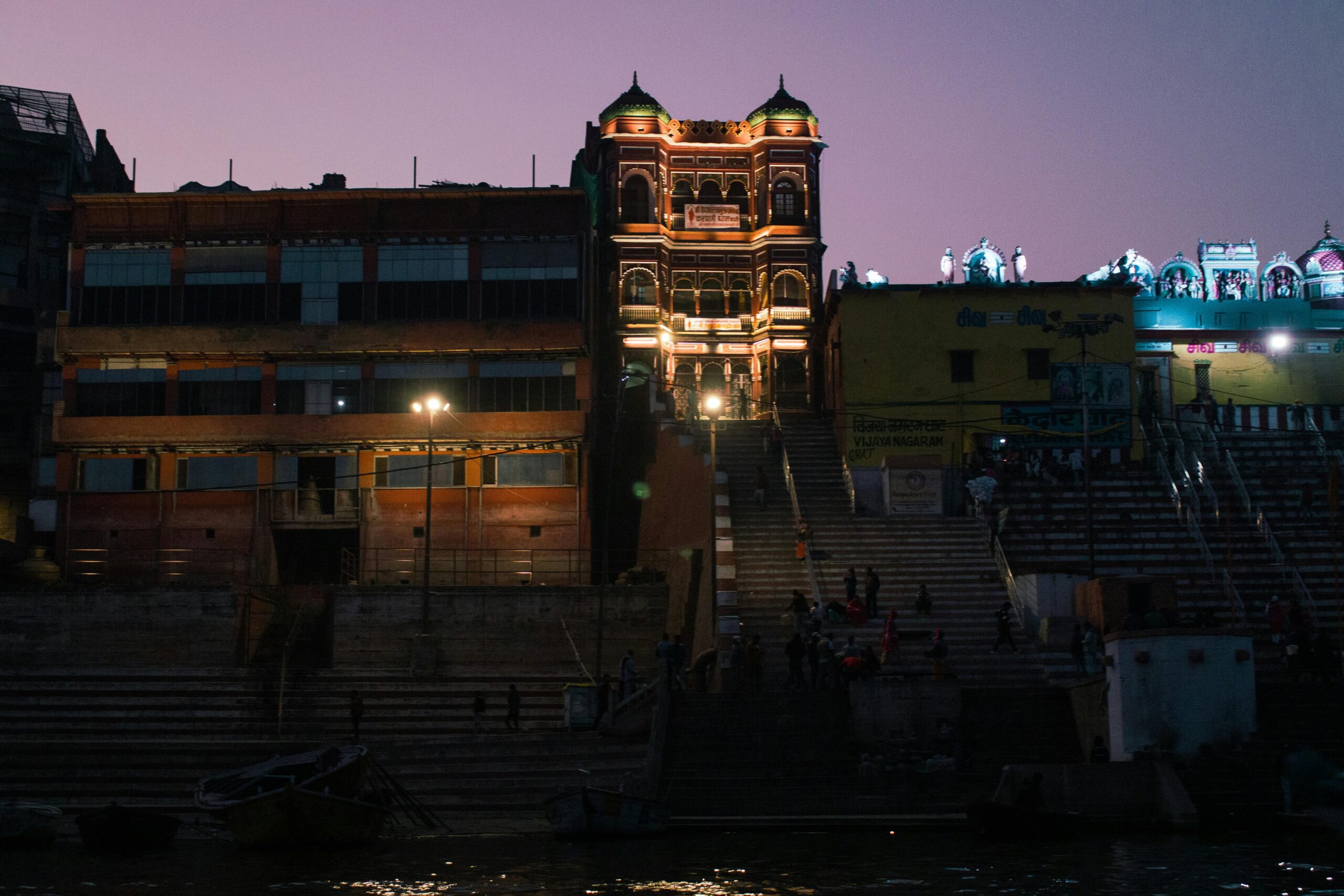
Varanasi’s Hidden Gems A Travel Guide from Gujarat , Have you ever felt that pull toward something ancient, something that whispers stories from thousands of years ago? That’s Varanasi for you. For travelers from Gujarat, this spiritual capital offers a completely different flavor of India—one where time seems to slow down, where the Ganges flows with devotion, and where every corner holds a secret waiting to be discovered.
While Gujarat boasts its own rich heritage with places like Dwarka and Somnath, Varanasi presents a unique spiritual intensity that’s hard to find elsewhere. It’s not just about the famous Dashashwamedh Ghat or the grand Ganga Aarti—though those are spectacular. It’s about the hidden lanes, the lesser-known temples, the chai shops where philosophers debate, and the silk weavers who’ve perfected their craft over generations.
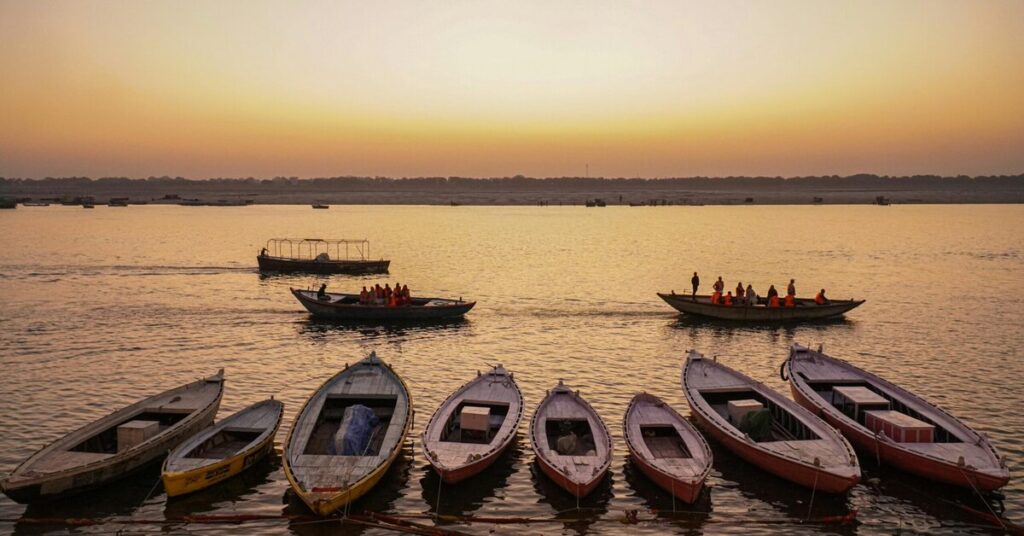
Varanasi’s Hidden Gems A Travel Guide from Gujarat , Getting to Varanasi from Gujarat is easier than you might think. Direct flights from Ahmedabad to Varanasi take approximately two hours, making it perfect for a long weekend getaway. Air India and IndiGo operate regular services, with prices ranging from ₹3,000 to ₹8,000 depending on the season.
If you’re traveling from other Gujarati cities like Surat or Vadodara, you’ll likely need to connect through Ahmedabad or Delhi. The total journey time, including layovers, typically doesn’t exceed five hours—less time than a road trip to Mumbai!
Varanasi’s Hidden Gems A Travel Guide from Gujarat ,For those who prefer the rhythmic journey of Indian railways, several trains connect Gujarat to Varanasi. The Mahabodhi Express from Ahmedabad takes about 24 hours, offering you a chance to witness the changing landscapes of India. There’s something romantic about waking up to chai and watching the countryside roll by, isn’t there?
Many Gujarati travelers recommend booking AC 2-tier or 3-tier compartments for comfort during the long journey. The train route takes you through Madhya Pradesh and gives you a real sense of the distance between western and northern India.
Varanasi’s Hidden Gems A Travel Guide from Gujarat ,Varanasi isn’t just a city; it’s an emotion. Mark Twain once said it’s “older than history, older than tradition, older even than legend.” For Gujaratis accustomed to the organized spirituality of temple towns like Palitana, Varanasi might feel chaotic at first. But that chaos is intentional—it mirrors the complexity of life itself.
The city has been a center of learning, culture, and devotion for over 3,000 years. While Gujarat’s spiritual sites often emphasize Jain and Hindu philosophy with distinct architectural beauty, Varanasi offers raw, unfiltered spirituality. Death isn’t hidden here; it’s celebrated as the gateway to moksha (liberation).
Planning your trip? October to March is ideal. The weather is pleasant, with temperatures ranging from 5°C to 25°C—much cooler than Gujarat during the same period. If you’re from Ahmedabad or Rajkot, you’ll appreciate the crisp mornings by the ghats.
Avoid the scorching summer months (April to June) when temperatures soar above 45°C. The monsoon (July to September) brings its own charm with fewer tourists, but the humidity can be intense for those used to Gujarat’s drier climate.
While everyone talks about Kashi Vishwanath, the Durga Temple remains relatively unexplored by tourists. Built in the 18th century with North Indian Nagara architecture, this red-painted temple is dedicated to Goddess Durga. What makes it special? The hundreds of monkeys that inhabit the temple complex—hence its nickname, the “Monkey Temple.”
For Gujarati visitors familiar with the organized temple systems back home, this temple offers a more rustic, authentic experience. The priests here are friendly and often share fascinating stories about the temple’s history. Just remember to secure your belongings—those monkeys are clever!
This relatively modern temple (built in 1964) holds immense cultural significance. It’s believed to be built on the spot where Tulsidas composed the Ramcharitmanas, the Hindi version of the Ramayana. The walls are inscribed with verses from this epic, creating a literary pilgrimage site.
Gujarati travelers, many of whom grew up with Ram Katha and Ramayan recitations, will feel a deep connection here. The temple’s serene atmosphere, away from the main ghats, provides perfect moments for reflection and photography.
The temple’s white marble construction resembles modern interpretations of traditional design. Unlike the ancient, weathered temples along the ghats, Tulsi Manas Temple offers clean lines and clear inscriptions—making it accessible for those who want to read and understand the religious texts displayed.
Forget the touristy shops near Dashashwamedh Ghat. Head to Thatheri Bazaar, where artisans have been crafting brass utensils and decorative items for centuries. The sound of hammering metal creates a symphony that’s uniquely Varanasi.
Gujarati travelers with an eye for authentic handicrafts will find treasures here at reasonable prices. The brass lamps, thalis, and religious artifacts make perfect souvenirs. Don’t be shy to bargain—it’s expected and part of the experience!
This narrow lane leading to Kashi Vishwanath Temple is packed with tiny shops selling everything from rudraksha malas to religious books. But it’s the food stalls tucked between shops that steal the show. The aroma of freshly made kachoris and jalebis will tempt even the most disciplined Jain travelers during their fasting days.
The alley itself is an experience—crowded, vibrant, and unapologetically chaotic. It’s nothing like the wide, clean pathways of Gujarat’s temple complexes, but that’s precisely its charm.
While tourists flock to Dashashwamedh Ghat, locals prefer Assi Ghat for their morning rituals. Located at the confluence of the Ganges and Assi rivers, this ghat offers a more peaceful sunrise experience. The morning yoga sessions and classical music performances here attract a crowd that appreciates art over spectacle.
For Gujarati travelers seeking tranquility, this is your spot. Arrive by 5:30 AM, grab a chai from a nearby stall, and watch the sun paint the sky in shades of orange and pink. It’s meditation in motion.
Named after Maharaja Chet Singh, this ghat rarely appears in guidebooks. The partially ruined fort adjacent to it adds historical intrigue. The fewer crowds mean you can actually hear the river, the birds, and your own thoughts—luxuries in Varanasi.
This ghat is particularly recommended for photographers from Gujarat looking for unique angles without fighting through crowds. The crumbling architecture against the flowing Ganges creates frame-worthy compositions.
Varanasi’s street food scene might surprise vegetarian Gujaratis—in the best way possible. While the city is famous for its non-vegetarian delicacies, the vegetarian options are equally spectacular. Try the tamatar chaat, a tangy tomato-based snack that shares some flavor profiles with Gujarati chutneys but with a distinctly Banarasi kick.
Kachori sabzi for breakfast will remind you of Gujarat’s fafda-jalebi tradition, but with different textures and spices. The local vendors take pride in their recipes, often passed down through generations.
No trip to Varanasi is complete without trying authentic Banarasi paan. Head to Keshav Tambul Bhandar or Pradhan Ji ka Paan Shop near Godowlia Chowk. Unlike the meetha paan popular in Gujarat, Banarasi paan offers complex flavors—sweet, bitter, and aromatic all at once.
Ask for a “Maghai paan” with gulkand and mishri for a beginner-friendly option. It’s an acquired taste, but isn’t that what travel is about? Stepping outside your comfort zone?
Restaurants like Blue Lassi and Kashi Chat Bhandar cater extensively to vegetarians. The famous Banarasi lassi—thick, creamy, and topped with malai—is nothing like the buttermilk-based chaas from Gujarat. It’s indulgent, almost like a dessert.
For proper meals, try restaurants in the Bengali Tola area, where you’ll find wholesome vegetarian thalis that won’t challenge Gujarati taste preferences too much while still offering local flavors.
Varanasi has produced legendary classical musicians like Bismillah Khan and Ravi Shankar. While the evening Ganga Aarti gets all the attention, intimate music performances in heritage havens offer deeper cultural immersion.
Organizations like Sankat Mochan Foundation regularly host classical concerts. Some heritage hotels arrange private performances for guests. Imagine sitting in a centuries-old courtyard, listening to a sitar recital under the stars—it’s transformative.
Banarasi silk sarees are treasured across India, including in Gujarati households. But have you seen how they’re made? Several workshops in the weaver colonies welcome visitors to observe and even try their hand at the traditional craft.
The intricate gold zari work and the patience required for each piece will give you new appreciation for that Banarasi saree in your mother’s wardrobe. Some weavers offer workshops where you can create small pieces—unique souvenirs you literally helped craft.
Just 10 kilometers from Varanasi, Sarnath is where Buddha delivered his first sermon after attaining enlightenment. The archaeological site, museum, and various temples create a peaceful day trip.
For Gujarati travelers who’ve visited Buddhist sites in Gujarat like the ones in Vadnagar or Junagadh, Sarnath offers a more comprehensive Buddhist experience. The Dhamek Stupa, dating back to 500 CE, stands as a testament to India’s Buddhist heritage.
Located about 40 kilometers from Varanasi, Chunar Fort sits atop the Vindhya Range overlooking the Ganges. This fort has seen the reign of multiple dynasties—from the Mauryas to the Mughals to the British.
The fort isn’t heavily commercialized, which means fewer crowds and more authentic exploration. The sunset views from the fort ramparts rival anything you’ve seen at Pavagadh or Champaner in Gujarat.
Brijrama Palace and Suryauday Haveli offer heritage accommodation with modern amenities. These properties maintain traditional architecture while providing comforts Gujarati travelers appreciate—clean bathrooms, air conditioning, and often, Gujarati meal options on request.
Staying near the ghats means you’re always close to the action, but ensure your room faces away from the main areas if you’re a light sleeper. The city starts early, and temple bells begin around 4 AM.
Several guesthouses in the Assi area cater specifically to vegetarian travelers and can arrange Gujarati-style meals. Hostels like Zostel Varanasi and Moustache Hostel offer budget-friendly stays with opportunities to meet fellow travelers.
These places often have rooftop restaurants where you can enjoy familiar dal-dhokli or khichdi while overlooking the unfamiliar Varanasi skyline—the best of both worlds.
While Hindi is widely spoken, the local Bhojpuri dialect might confuse initially. Most people in tourist areas understand basic Hindi, and many younger locals know English. Download Google Translate before you go—it works offline and can help with reading Hindi signboards.
Gujaratis traveling here will find that warmth transcends language. A smile and respectful namaste go a long way. Many shopkeepers and hotel staff have encountered Gujarati tourists before and can arrange translators if needed.
Varanasi is generally safe, but like any tourist destination, it requires awareness. For solo women travelers from Gujarat, stick to well-lit areas after dark, and use ride-sharing apps rather than negotiating with rickshaw drivers late at night.
Families should watch children closely near the ghats—the steps can be slippery, and the river current is strong. Many Gujarati families prefer hiring local guides for the first day to orient themselves before exploring independently.
Beyond silk sarees and brass items, consider purchasing Banarasi paan masala (if you developed a taste for it), miniature paintings depicting ghats and temples, or books on Varanasi’s history and philosophy. The locally made incense sticks smell different from Gujarati varieties—they’re stronger, earthier, perfect for pooja rooms.
Gulabi meenakari jewelry—a Varanasi specialty—makes beautiful gifts. Unlike the mirror work jewelry popular in Gujarat, meenakari uses enamel work on gold or silver, creating intricate, colorful designs.
A significant Gujarati community lives in Varanasi, many involved in textile business and trade. The Gujarati Samaj has a temple and community hall where festivals like Navratri are celebrated with familiar fervor.
Connecting with this community can enrich your trip. They can recommend restaurants serving authentic Gujarati food, share insider tips about the city, and even arrange homestay experiences if you’re interested in longer stays.
Varanasi isn’t just a destination; it’s a transformation. For travelers from Gujarat, this ancient city offers perspectives that complement rather than contradict your cultural background. Where Gujarat shows you the beauty of organized spirituality and architectural splendor, Varanasi shows you the raw power of faith and the acceptance of life’s impermanence.
The hidden gems of Varanasi—those quiet temples, the predawn ghats, the artisan workshops, the philosophical chai conversations—these are the experiences that stay with you long after you’ve returned to the familiar streets of Ahmedabad or Surat. They challenge you to see India differently, to appreciate chaos as part of cosmic order, and to understand that spirituality isn’t always about pristine marble temples but sometimes about accepting life in all its messy glory.
So pack your bags, keep an open mind, and let Varanasi surprise you. The city has been welcoming seekers for millennia—it knows exactly how to speak to your soul, regardless of where in India you call home.
Varanasi can actually be quite budget-friendly. Accommodation ranges from ₹500 per night in hostels to ₹5,000+ in heritage hotels. Food is inexpensive, especially street food. The main expenses are travel to Varanasi and shopping for silk sarees. Overall, a 3-4 day trip can cost anywhere from ₹10,000 to ₹30,000 per person depending on your preferences—comparable to a trip to Rajasthan from Gujarat.
Absolutely! Varanasi has a large vegetarian population, and many areas near temples serve only vegetarian food. Restaurants clearly mark veg and non-veg sections. As a Gujarati traveler, you’ll have no trouble finding familiar items like dal, roti, rice, and vegetables, plus local vegetarian specialties. Many establishments also understand Jain dietary restrictions.
While most tourists spend 2-3 days, to truly explore hidden gems, allocate 4-5 days. This gives you time for day trips to Sarnath and Chunar Fort, leisurely exploration of lesser-known ghats and temples, attending cultural performances, and simply soaking in the city’s atmosphere without rushing. Extended stays also let you witness how the city transforms from dawn to dusk to midnight.
Yes, boat rides are generally safe when you use registered boat operators. Early morning and evening are the most popular times. Ensure everyone wears life jackets (insist on them if not offered), and avoid boats that appear damaged. Gujarati families with elderly members or children should choose larger, stable boats rather than small rowboats. The boat operators are experienced and understand the river’s moods.
Definitely! Varanasi hosts numerous ashrams and yoga centers offering programs ranging from weekend workshops to month-long courses. Places like Assi Ghat area have several yoga schools, and many ashrams near the ghats offer meditation and philosophy courses. Some cater specifically to beginners and foreigners, offering English instruction. These programs provide structured spiritual experiences that complement the city’s ambient spirituality.

One Comment
Comments are closed.