Your cart is currently empty!
You may check out all the available trips and book one that suits you.
Continue Browsing Trips
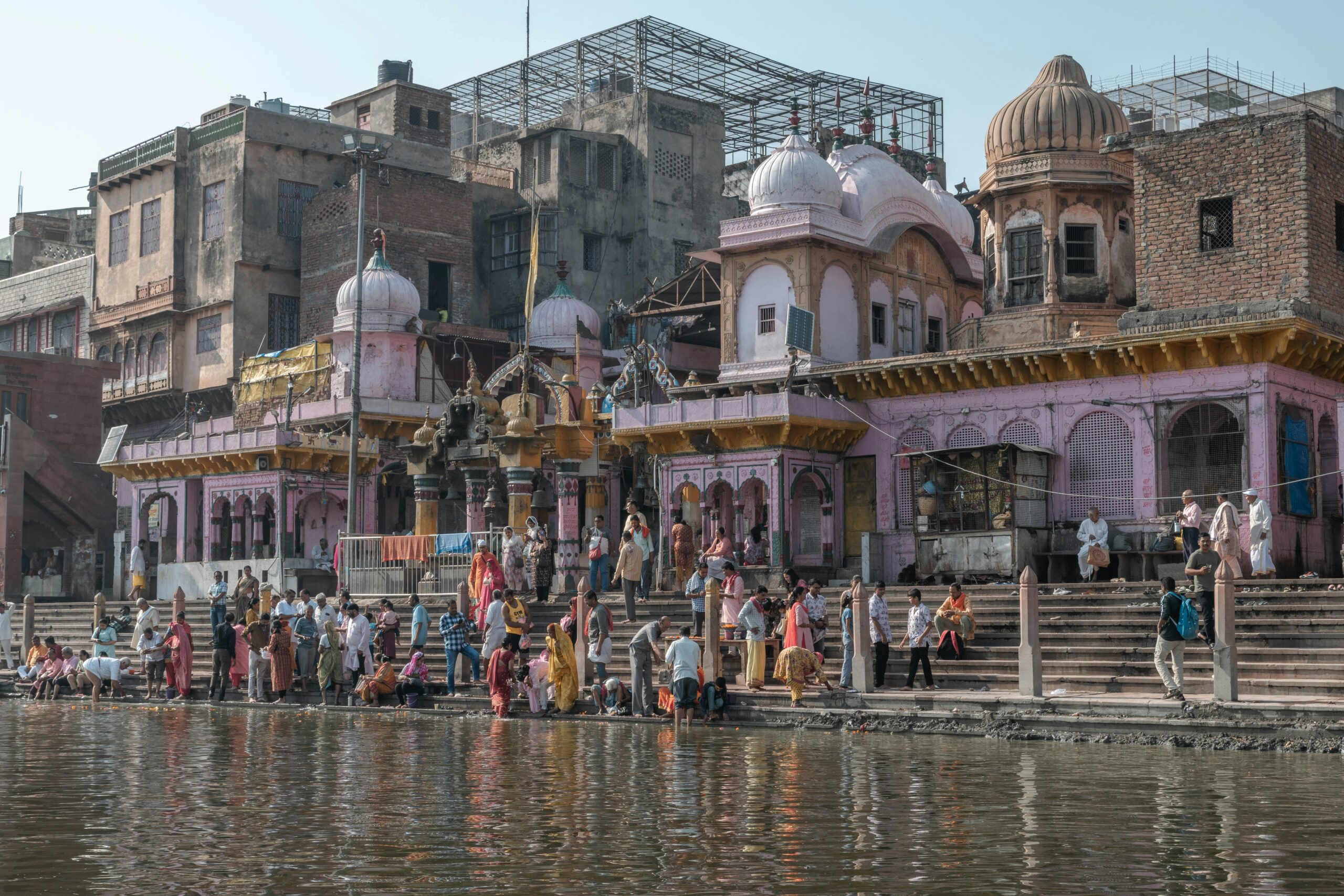
Varanasi Road Trip from Gujarat ,There’s something liberating about a road trip, isn’t there? The freedom to stop wherever you please, the landscapes changing outside your window, the roadside chai that tastes better than any five-star beverage, and the stories you collect along the way. For travelers in Gujarat contemplating a journey to Varanasi, the 1,500-kilometer road trip offers more than just transportation—it becomes the journey itself.
Imagine starting from the bustling streets of Ahmedabad, driving through Rajasthan’s royal landscapes, crossing Madhya Pradesh’s varied terrain, and finally arriving at the ancient ghats of Varanasi. This isn’t just a road trip; it’s a cross-section of India’s incredible diversity, all experienced from the comfort of your vehicle with your favorite people beside you.
While flights get you there in two hours, the road trip takes you through the real India—the villages, the small towns, the roadside temples, the truck drivers’ dhabas, and the changing dialects, cuisines, and cultures. For Gujarati families who love their cars and value experiences over convenience, this journey becomes a pilgrimage of its own kind.

Flying means you’re locked into schedules, dealing with airport procedures, and missing everything between Point A and Point B. A road trip hands you complete control. Want to spend an extra hour at Udaipur’s City Palace? Do it. Discovered an incredible Rajasthani dhaba? Stop and savor it. Spotted a historic fort from the highway? Take that detour.
For Gujarati travelers accustomed to weekend drives to Saputara or Diu, this road trip is that experience magnified. You’re not just visiting Varanasi; you’re experiencing Rajasthan, Madhya Pradesh, and Uttar Pradesh along the way. It’s four states, dozens of towns, and countless memories condensed into one epic journey.
Let’s do the math. Four people flying Ahmedabad to Varanasi during peak season costs around ₹40,000-60,000 for round-trip tickets. Add airport transfers, and you’re looking at ₹70,000 minimum.
The same road trip in your own car costs approximately ₹25,000-35,000 total (fuel, tolls, accommodation, food) for the entire journey, and you get to explore multiple destinations. For larger Gujarati families traveling with elders and children, the economics become even more favorable. Plus, you’re in your own space—critical for families with specific dietary needs or elderly members requiring comfort.
The most popular route covers approximately 1,500 kilometers and takes 24-26 hours of pure driving time, typically split across 3-4 days:
Route 1: The Rajasthan Route (Recommended) Ahmedabad → Udaipur (260 km) → Chittorgarh (120 km) → Kota (145 km) → Bhopal (340 km) → Jabalpur (330 km) → Allahabad (340 km) → Varanasi (120 km)
This route offers the best road conditions, most tourist attractions, and comfortable overnight stops. The highways through Rajasthan are excellent, maintained by the state tourism department with traveler amenities in mind.
Route 2: The Direct Route Ahmedabad → Udaipur → Chittorgarh → Indore → Bhopal → Satna → Allahabad → Varanasi
This shaves off about 50-70 kilometers but routes you through less interesting terrain and potentially rougher roads through some stretches of Madhya Pradesh.
Starting from Surat adds approximately 100 kilometers to your journey. The best approach is joining the main route at Udaipur via Dungarpur, which itself is a scenic drive through Aravalli hills.
From Vadodara, you save about 100 kilometers. Head toward Bhopal via Indore, skipping the Rajasthan segment if you’re pressed for time, though you’ll miss the royal state’s attractions.
Realistically, plan for 4-5 days one way, allowing for comfortable driving stretches of 300-400 kilometers daily. This gives you time to explore stopover cities rather than just sleeping there. Aggressive drivers might do it in 3 days, but what’s the rush? The journey is the destination, especially when you’re traveling from Gujarat’s plains through India’s varied heartland.
Before embarking on a 3,000-kilometer round trip, your vehicle needs thorough inspection:
Documentation checklist:
Beyond regular luggage, road trippers need specific items:
For the Car:
For Gujarati Travelers Specifically:
Don’t wing it entirely. Book at least your first night’s accommodation in advance, especially during tourist season (October to March). Apps like MakeMyTrip, Goibibo, or OYO work well for highway hotels.
For Gujarati families seeking specific amenities (pure vegetarian restaurants, attached clean bathrooms, secure parking), read reviews carefully. Many hotels along this route cater to North Indian travelers, so confirming vegetarian food availability is wise.
Budget ₹1,500-3,000 per night for decent mid-range hotels in stopover cities. Heritage hotels in Udaipur or Bhopal cost more (₹5,000+) but offer memorable experiences if your budget allows.
Your first leg covers approximately 260 kilometers via NH48, taking about 5-6 hours with stops. The highway is excellent—four lanes, well-marked, with plenty of fuel stations and eateries.
Leaving Ahmedabad, you’ll pass through Gujarat’s dry landscape before entering Rajasthan near Himmatnagar. The terrain gradually changes from flat plains to undulating hills as you approach the Aravallis. This stretch is perfect for getting comfortable with your driving rhythm before tackling longer segments.
Key Stops:
Before leaving Gujarat, hit these legendary dhabas:
Honest Restaurant (NH48, near Shamlaji): Famous for thalis, simple Gujarati fare done right. Many Ahmedabad families on road trips consider this a ritual stop.
Havmor Restaurant (Various locations on NH48): While it’s a chain, their consistency with vegetarian food makes it reliable for Gujarati travelers uncomfortable with roadside experimentation.
Pro tip: Eat a proper Gujarati meal before entering Rajasthan. While Rajasthani food is delicious, it’s spicier and richer than what most Gujarati stomachs are accustomed to during travel.
After your first day’s drive, Udaipur welcomes you with its romantic lakes and palaces. Spend at least one full day here—you’ve earned it after 5-6 hours of driving. The City Palace overlooking Lake Pichola, the sunset boat rides, and the narrow lanes of old city markets make Udaipur worthy of dedicated exploration.
Many Gujarati families extend their Udaipur stay to two nights, using it as a relaxation point before the longer drives ahead. The city has numerous vegetarian restaurants, and cultural similarities between Gujarat and Rajasthan make it comfortable for first-time road trippers.
Just 120 kilometers from Udaipur lies Chittorgarh Fort, one of India’s largest forts and a UNESCO World Heritage Site. This detour adds 2-3 hours to your journey but offers incredible historical context—tales of Rani Padmini, Rajput valor, and stunning architecture.
The fort is massive, requiring at least 3-4 hours to explore properly. If you’re not history enthusiasts, you can skip this and drive directly to Kota (265 km from Udaipur), saving half a day.
Kota, famous now as an education hub, has historical significance with its City Palace and gardens. If you’re traveling with children preparing for competitive exams, they might find it interesting to see India’s “coaching capital.”
Bundi, 35 kilometers from Kota, is a hidden gem—relatively untouched by mass tourism, featuring beautiful step wells (baoris), intricate palace murals, and a peaceful lake. For Gujarati travelers who’ve “done” Jaipur and Udaipur multiple times, Bundi offers fresh Rajasthani experiences.
Spend the night in Kota if you want modern amenities, or choose Bundi for a more authentic, quiet experience.
From Kota to Bhopal is approximately 340 kilometers via NH52—your longest single-day drive segment. The roads are generally good, though some stretches require careful driving. Plan for 7-8 hours including breaks.
Bhopal makes an excellent midpoint stop. The capital of Madhya Pradesh combines old-city charm with modern infrastructure. The Upper and Lower Lakes provide peaceful evening walks after a long driving day. Many Gujarati travelers appreciate Bhopal’s organized layout and good restaurants.
If you arrive early, visit the Taj-ul-Masajid (one of Asia’s largest mosques) or the Bhopal State Museum. Otherwise, just relax—you’re about halfway to Varanasi!
Just 46 kilometers from Bhopal lies Sanchi, home to the famous Buddhist stupa dating back to the 3rd century BCE. This UNESCO site is absolutely worth a morning visit before continuing toward Varanasi.
The stupa’s architecture and the peaceful hilltop setting provide a spiritual interlude in your road trip. For Gujarati travelers familiar with Buddhist sites in Gujarat like Junagadh, Sanchi offers deeper immersion into Buddhist art and architecture. Spend 2-3 hours here, enjoying the serene atmosphere and historical significance.
From Bhopal to Jabalpur is about 330 kilometers via NH46/NH30. The roads vary in quality—some excellent four-lane stretches, some narrower sections requiring patience.
Jabalpur itself is worth exploring if time permits. The Dhuandhar Falls and the famous Marble Rocks gorge on the Narmada River create stunning natural landscapes. A boat ride through the marble canyon during sunset is magical.
However, many road trippers skip Jabalpur’s attractions, choosing to continue toward Allahabad (340 km) to stay on schedule. Decide based on your energy levels and interest in natural attractions versus staying focused on reaching Varanasi.
From Jabalpur to Allahabad is approximately 340 kilometers, taking 7-8 hours. The road quality improves once you enter Uttar Pradesh, with recently upgraded highways facilitating smoother travel.
Allahabad (officially renamed Prayagraj) holds immense religious significance as the site where the Ganges, Yamuna, and mythical Saraswati rivers converge. The Triveni Sangam is a must-visit, especially for spiritual travelers from Gujarat. Take a boat to the exact confluence point—it’s a powerful experience.
Spend the night in Allahabad if you’re tired, or if you’re energized and eager, push through the final 120 kilometers to reach Varanasi by evening (though navigating Varanasi at night isn’t recommended for first-timers).
Uttar Pradesh has significantly upgraded its highways in recent years. The Allahabad-Varanasi stretch is particularly good, being a major pilgrimage route. However, be prepared for:
Here’s the challenge: Varanasi’s old city, where most attractions lie, doesn’t accommodate cars. The narrow lanes (some just 4-5 feet wide) mean you’ll need to park outside and walk or take rickshaws.
Parking Options:
Most Gujarati families staying 3-4 days book hotels in the Assi area, which offers easier parking and modern amenities while keeping you close to the ghats.
After days of orderly highways and planned stops, Varanasi’s chaos might overwhelm you initially. The narrow lanes, the crowds, the intensity—it’s sensory overload. Take a deep breath. This is what you came for.
Spend your first evening simply walking the ghats, getting oriented. Don’t rush into major sightseeing. Let Varanasi reveal itself gradually. Find a good chai shop, sit on the ghat steps, and watch the Ganges flow. You’ve earned this moment after 1,500 kilometers.
Each state maintains its highways differently. Gujarat’s roads are among India’s best—smooth, well-marked, well-lit. Rajasthan matches this quality on major routes. Madhya Pradesh is inconsistent—some stretches are excellent, others require careful navigation. UP has improved dramatically but still has variable sections.
Solutions:
In Gujarat, you navigate in Gujarati. In Rajasthan, Hindi works but with local flavor. Madhya Pradesh and UP speak Hindi, but dialects change every few hundred kilometers. English works in cities but not in villages or at dhabas.
Solutions:
Driver rotation: If multiple people can drive, switch every 2-3 hours to stay fresh.
Avoid night driving: Indian highways get dangerous after dark—poor lighting, reckless truck drivers, stray animals. Plan to reach your night stop by 6-7 PM.
Rest frequently: Stop every 90-120 minutes, even briefly. Stretch, walk, refresh.
Emergency contacts: Save highway police numbers for each state. Note: Gujarat (079-23251900), Rajasthan (0141-2411111), MP (1073), UP (112).
Women’s safety: Women drivers and solo women travelers generally find this route safe during daytime. Stick to main highways, avoid isolated stops, and trust your instincts.
Vehicle monitoring: Watch your temperature gauge, listen for unusual sounds, check tire pressure at fuel stops.
Assuming a vehicle giving 12-15 km/liter mileage and petrol at ₹95-100/liter:
Diesel vehicles reduce this by 30-40%. Modern sedans and SUVs with good highway mileage can do better.
For a 4-day one-way journey:
Total accommodation: ₹15,000-34,000 (varies by hotel category)
Grand Total for Road Trip: ₹50,000-82,000 for a family of four, including everything
Compare this to ₹70,000+ for flights alone, and the road trip’s value becomes clear.
October to February (Winter): Best time. Pleasant weather throughout the route. Gujarat and Rajasthan are comfortable, MP is cool, and Varanasi experiences its peak season. Roads are in best condition post-monsoon.
March to June (Summer): Challenging. Temperatures in Gujarat, Rajasthan, and MP cross 40°C. Car AC works overtime. Long driving days become exhausting. Varanasi is uncomfortably hot and humid. Only for heat-tolerant travelers.
July to September (Monsoon): Beautiful landscapes, fewer tourists, lower hotel rates. BUT—road conditions deteriorate, flooding risks in MP and UP, and visibility issues. Not recommended for first-time long-distance road trippers.
Winter is universally better for this route. The monsoon creates unpredictability—roads might be damaged, detours necessary, and small bridges occasionally flooded. If you must travel during monsoon, monitor weather forecasts closely and build flexibility into your schedule.
Many travelers feel tired on return journeys, leading to rushed, less enjoyable drives. Avoid this:
Vary your route: Return via slightly different roads. Instead of retracing completely, explore alternate routes through different MP towns.
Shorter stays: Since you’ve already explored Udaipur and other cities, you can do shorter overnight stops on the return, making it a 3-day journey.
Ship items back: If you’ve shopped heavily in Varanasi (silk sarees, brass items), consider shipping them rather than overloading your car. Many courier services operate from Varanasi.
Rest in Varanasi before returning: Don’t start the return journey immediately after intense Varanasi sightseeing. Take a rest day to recharge.
Driving Your Own Car—Pros:
Driving Your Own Car—Cons:
Renting a Car—Pros:
Renting a Car—Cons:
For most Gujarati families with reliable cars less than 5-6 years old, driving your own vehicle makes more sense emotionally and economically.
The road from Gujarat to Varanasi isn’t merely asphalt connecting two points on a map. It’s a 1,500-kilometer lesson in India’s diversity—how landscapes shift from dry Gujarat plains to green Rajasthani hills to MP’s forests to UP’s fertile Gangetic plains. It’s about how food evolves every few hundred kilometers, how language changes, how temple architecture differs, and yet how fundamentally connected all of India remains.
For Gujarati travelers, this road trip challenges the comfort zone. You can’t eat familiar food every meal. You can’t speak Gujarati everywhere. You navigate different driving cultures, different road conditions, different hospitality styles. And that’s precisely what makes it transformative.
Arriving in Varanasi after this journey feels different than arriving by flight. You’ve earned the destination. You’ve seen the India that connects your home state to this ancient spiritual capital. You’ve collected stories—the dhaba owner who gave your kids free jalebis, the Rajasthani farmer who helped when you had a flat tire, the MP truck driver who guided you through a detour, the UP toll booth operator who chatted in broken Gujarati.
This isn’t just a road trip to Varanasi. It’s a journey through the heart of India, undertaken with the people you love, at your own pace, creating memories that last far longer than any destination could. That’s the magic of the open road—it transforms travel from mere movement between places into a meaningful experience of discovery, connection, and growth.
So fuel up that car, pack those bags, download those maps, and hit the road. Varanasi awaits, but don’t rush to get there. The journey itself is the blessing.
Yes, absolutely. The route uses major national and state highways that are generally safe during daylight hours. Many Gujarati families successfully complete this trip with family members taking turns driving. The key is preparation—good vehicle condition, proper planning, avoiding night driving, and maintaining awareness. If you’ve done road trips within Gujarat to places like Mount Abu or Rann of Kutch, you can handle this with proper planning.
Four to five days one-way allows comfortable driving (300-400 km daily) with proper rest and sightseeing at major stops like Udaipur and Bhopal. Aggressive drivers do it in three days, but this means 500+ km daily with minimal exploration. For families with elderly members or young children, five days is ideal, building in rest stops and not treating it as a driving endurance test.
Carry your car manufacturer’s roadside assistance number (most brands offer pan-India service). Apps like JK Tyre’s service locator help find authorized service centers en route. Major cities like Udaipur, Bhopal, and Allahabad have service centers for all major car brands. Many Gujarati business families operate automobile businesses along this route—asking for “Gujarati garage” at fuel stations often helps. Always have comprehensive insurance with roadside assistance coverage.
Absolutely! The entire route passes through predominantly vegetarian-friendly regions. Rajasthan and MP have strong vegetarian traditions. UP, especially near pilgrimage routes, caters extensively to vegetarian travelers. Pack some familiar snacks (khakhra, thepla) for comfort, but you’ll find dal-rice-roti combinations everywhere. Bhopal and other cities have pure vegetarian restaurants. Mention “shuddh shakahari” if ordering at dhabas to ensure clarity.
Both work fine. Sedans offer better fuel efficiency (crucial for 3,000 km), while SUVs provide more comfort on rougher road sections and better luggage space. If your sedan is reliable, well-maintained, and comfortable for long drives, use it—you’ll save significantly on fuel. Rent an SUV only if you have 5+ travelers, excessive luggage, or if your sedan is old/unreliable. Most of the route is good highway, not requiring SUV ground clearance.