Your cart is currently empty!
You may check out all the available trips and book one that suits you.
Continue Browsing Trips
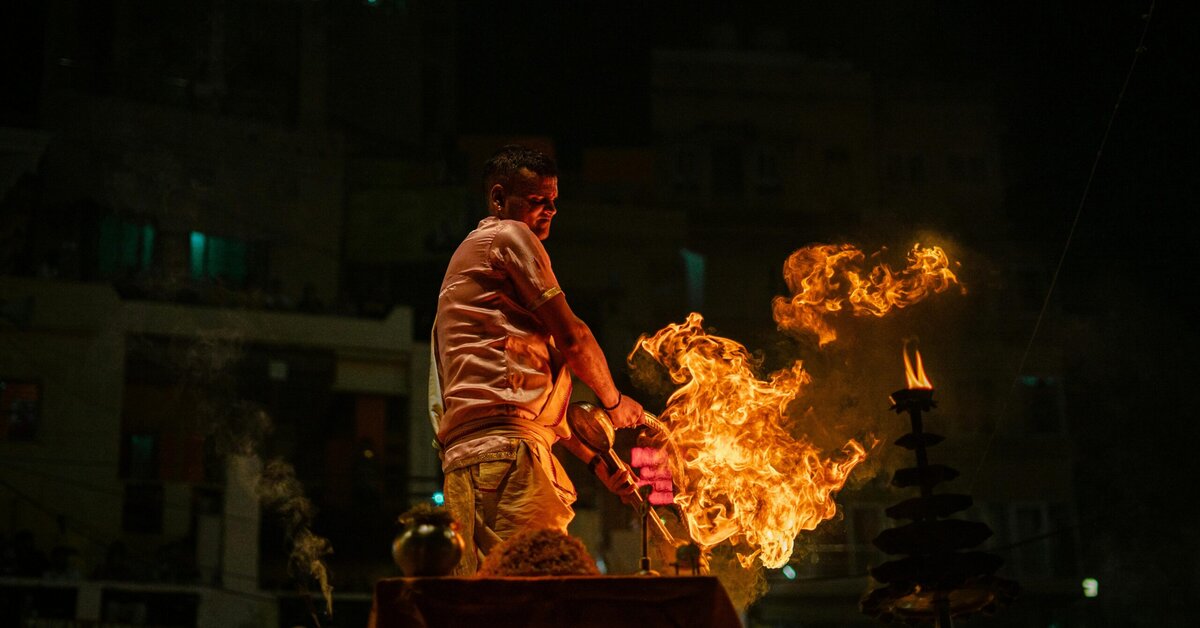
Varanasi’s Cultural Heritage , Have you ever wondered what happens when two of India’s most culturally rich regions come together? Varanasi, the eternal city on the banks of the Ganges, and Gujarat, the land of vibrant festivals and entrepreneurial spirit, share a fascinating cultural connection that’s often overlooked. This isn’t just a story of geography or migration—it’s a tale of how traditions blend, evolve, and create something entirely unique.
Varanasi, also known as Kashi or Banaras, has been a spiritual beacon for thousands of years. It’s where pilgrims seek salvation, scholars pursue knowledge, and artists find inspiration. Gujarat, on the other hand, has gifted India with its textile brilliance, business acumen, and colorful festivals. When these two cultural powerhouses meet, the result is nothing short of magical.
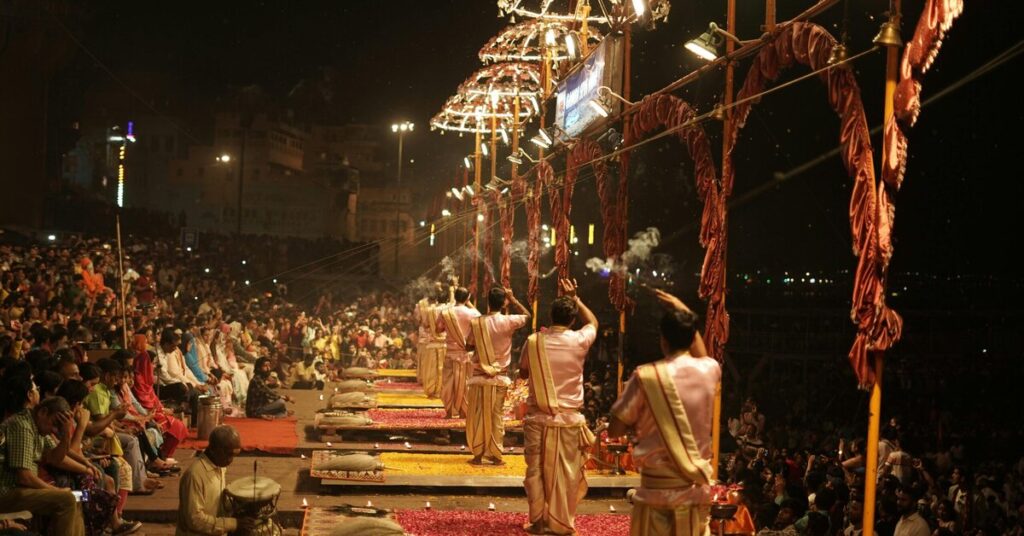
Varanasi isn’t just old—it’s ancient beyond imagination. Mark Twain once remarked that the city is older than history itself, and he wasn’t exaggerating by much. Archaeological evidence suggests continuous habitation here for over 3,000 years. This makes Varanasi one of the oldest living cities in the world.
The city’s spiritual significance is unparalleled. Hindus believe that dying in Varanasi and being cremated on its ghats grants moksha, liberation from the cycle of rebirth. The city houses countless temples, with the Kashi Vishwanath Temple being the most revered. But Varanasi isn’t just for Hindus—Buddhists revere nearby Sarnath, where Buddha gave his first sermon after enlightenment.
Varanasi’s Cultural Heritage A Blend of Traditions from Gujarat ,Varanasi has always been a center of learning. The city’s numerous Sanskrit schools and the prestigious Banaras Hindu University continue this tradition. Scholars, musicians, and artists have flocked here for centuries, making it a melting pot of intellectual and creative pursuits. This openness to knowledge and culture made Varanasi receptive to influences from across India, including Gujarat.
Varanasi’s Cultural Heritage A Blend of Traditions from Gujarat ,Gujarat’s cultural identity is woven into its textiles, literally. The state is famous for its intricate embroidery, mirror work, bandhani (tie-dye), and patola silk. Gujarati artisans have perfected these crafts over generations, creating pieces that are sought after worldwide. The state’s handicrafts also include wooden toys, metalwork, and pottery that reflect its diverse tribal and regional influences.
If there’s one thing Gujaratis know how to do, it’s celebrate! From Navratri’s nine nights of garba dancing to the kite-flying extravaganza of Uttarayan, Gujarat’s festivals are legendary. These celebrations aren’t just about fun—they’re deeply rooted in spiritual and agricultural traditions, reflecting the rhythms of life and the changing seasons.
The connection between Gujarat and Varanasi goes back centuries. Ancient trade routes linked Gujarat’s prosperous ports with the Gangetic plains. Gujarati merchants traveled these routes, carrying not just goods but also their culture, cuisine, and customs. Varanasi, being a major trading hub on the river, naturally attracted these enterprising communities.
Gujarati merchants, particularly from communities like Marwaris (who have strong connections to Gujarat) and native Gujaratis, established themselves in Varanasi’s commercial landscape. They dealt in textiles, spices, and precious stones. Their business acumen helped them prosper, and as they settled permanently, they brought their architectural styles, dietary habits, and religious practices with them. Many historic havelis (mansions) and temples in Varanasi bear testimony to Gujarati prosperity and cultural contribution.
Walk through certain neighborhoods of Varanasi, and you’ll notice temples that look distinctly different from the typical North Indian style. Some Jain temples, built by Gujarati communities, showcase the intricate marble work and architectural proportions typical of Gujarat. These structures feature delicate carvings, latticed windows, and spacious courtyards that reflect Gujarati sensibilities adapted to Varanasi’s landscape.
The havelis built by Gujarati merchant families in Varanasi often incorporate elements from both cultures. You’ll find the typical courtyard-centered design of traditional Gujarati homes merged with the multi-storied structures common in Varanasi’s congested old city. Wooden balconies with carved railings, colorful frescoes, and ornate doorways tell stories of cultural fusion.
Here’s where things get really interesting. Banarasi silk sarees are world-famous, known for their gold and silver brocade work. But did you know that Gujarati weavers and traders played a significant role in the silk trade of Varanasi? They brought with them knowledge of different weaving techniques and patterns that eventually influenced local designs.
The incorporation of Gujarati motifs—like paisley patterns, floral designs, and geometric shapes—into Banarasi textiles created a unique fusion style. Some contemporary Banarasi weavers still use techniques inspired by Gujarati patola silk, creating intricate double-ikat designs. This cross-pollination of textile traditions has enriched both cultures immeasurably.
Varanasi’s street food scene is legendary, but hidden among the chaat and kachori stalls, you’ll find distinctly Gujarati influences. Dhokla, fafda, and various farsan (snacks) are readily available in areas with significant Gujarati populations. These snacks have become so integrated into the local food culture that many Banarasis consider them part of their culinary heritage.
Several restaurants in Varanasi serve authentic Gujarati thalis—elaborate meals featuring various vegetarian dishes, rotis, rice, dal, kadhi, and sweets. For Gujarati residents and visitors, these establishments provide a taste of home. For local Banarasis, they offer a window into Gujarat’s culinary diversity.
Gujarat’s love for sweets is well-known, and this has influenced Varanasi’s sweet shops too. Mohanthal, ghughra, and sutarfeni now sit alongside traditional Banarasi mithai like malaiyo and launglata. During festivals, this fusion becomes even more pronounced, with families preparing dishes from both traditions.
Varanasi hosts a significant Jain population, many of whom have Gujarati roots. The city’s Jain temples, particularly those in the old city areas, serve as cultural centers where Gujarati Jains preserve their language, customs, and religious practices. These temples often celebrate Jain festivals with a distinctly Gujarati flavor, featuring traditional music, food, and rituals.
Interestingly, certain festivals are celebrated by both communities, though with different emphases. Diwali, for instance, is celebrated enthusiastically by both, but Gujarati families follow their own specific traditions alongside participating in Varanasi’s grand celebrations. This creates a beautiful layering of customs where respect for both traditions coexists harmoniously.
Varanasi’s Gujarati community has maintained its linguistic identity through generations. Gujarati schools, libraries, and cultural associations ensure that the language thrives. Some contemporary Gujarati writers have drawn inspiration from Varanasi’s spiritual atmosphere, creating works that reflect this unique cultural intersection.
Walk along Varanasi’s ghats early in the morning, and you’ll hear a symphony of languages—Hindi, Bhojpuri, Bengali, Tamil, and yes, Gujarati. This linguistic diversity is part of Varanasi’s charm. Many shopkeepers in tourist areas have picked up enough Gujarati to converse with visitors from that state, demonstrating the practical aspects of cultural exchange.
Bandhani, the tie-dye technique perfected in Gujarat, found a receptive audience in Varanasi. Today, you can find Banarasi silk sarees with bandhani work—a fusion that combines the best of both worlds. These hybrid textiles are popular among women who appreciate traditional crafts with contemporary appeal.
Gujarati artisans in Varanasi have also contributed to the local handicraft industry. Their expertise in wooden toy-making, block printing, and jewelry design has added diversity to Varanasi’s craft bazaars. Some workshops now employ craftspeople from both traditions, leading to innovative products that appeal to modern consumers while respecting traditional techniques.
Varanasi is synonymous with Indian classical music—both Hindustani classical and devotional genres like bhajan and dhrupad. Gujarat has its own rich musical tradition, including devotional forms like bhajan and garba songs. In Varanasi’s musical gatherings, you’ll sometimes hear Gujarati bhajans performed in traditional Banarasi style, or vice versa, creating beautiful fusion performances.
During Navratri, Varanasi’s Gujarati community organizes garba nights that attract locals from all backgrounds. The energetic circle dance, accompanied by live music and colorful traditional dress, has become increasingly popular even among non-Gujarati residents. This is cultural exchange at its most joyful—where dance becomes a universal language.
Today’s Varanasi hosts artists, musicians, and cultural practitioners who deliberately blend Gujarati and Banarasi traditions. Textile designers create fusion wear, musicians experiment with cross-cultural compositions, and chefs invent dishes that honor both heritages. This conscious cultural synthesis represents the evolution of tradition in contemporary times.
Tourism plays a crucial role in preserving this unique cultural blend. Visitors to Varanasi increasingly seek authentic cultural experiences, and the Gujarati-influenced neighborhoods, restaurants, and shops provide exactly that. Heritage walks now include stops at Gujarati temples and markets, educating tourists about this lesser-known aspect of Varanasi’s diversity.
Like many traditional communities, Varanasi’s Gujarati population faces challenges from rapid urbanization. Younger generations often move to metros for education and employment, taking with them the living memory of traditions. Old havelis are being replaced by modern buildings, and traditional crafts struggle to compete with mass-produced goods.
There’s also the challenge of keeping younger people interested in their heritage. In an age of globalization and digital connectivity, maintaining linguistic and cultural distinctiveness requires conscious effort. Community elders worry that traditional skills, recipes, and customs might be forgotten if not actively transmitted to children and grandchildren.
Fortunately, there’s growing awareness about the importance of preserving this cultural heritage. Gujarati schools in Varanasi now include cultural education alongside academic subjects. Regular workshops on traditional crafts, cooking classes featuring Gujarati cuisine, and language classes help younger generations stay connected to their roots.
Community organizations are documenting oral histories, photographing architectural heritage, and creating digital archives of traditional arts. There’s also increasing government recognition of Varanasi’s cultural diversity, with heritage conservation projects that include Gujarati-influenced structures. These efforts provide hope that this unique cultural blend will continue to enrich Varanasi for generations to come.
Varanasi’s cultural heritage isn’t monolithic—it’s a beautiful tapestry woven from countless threads, including significant contributions from Gujarat. This fusion of traditions demonstrates how cultures can coexist, influence each other, and create something greater than the sum of their parts. From the silk sarees that drape Indian women to the dhokla served in street-side eateries, from the architectural marvels of Jain temples to the energetic garba celebrations during Navratri, Gujarat’s presence in Varanasi is profound and enduring.
As we move forward, the challenge lies in preserving this unique heritage while allowing it to evolve naturally. The story of Varanasi and Gujarat is ultimately a story about India itself—diverse, adaptable, and endlessly fascinating. It reminds us that cultural exchange isn’t about losing identity; it’s about enriching it. So the next time you visit Varanasi, look beyond the obvious and discover the hidden Gujarati gems scattered throughout this eternal city. You’ll find that the blend of traditions makes the experience all the more memorable.
While exact figures vary, Varanasi hosts a substantial Gujarati community, particularly consisting of Jain families and merchant communities who settled here generations ago. They’re concentrated in certain neighborhoods of the old city and maintain active cultural associations that preserve their linguistic and cultural identity.
Absolutely! Several restaurants and small eateries in Varanasi serve authentic Gujarati cuisine, including traditional thalis, farsan, and sweets. Areas with significant Gujarati populations also have home-style cooking available during festivals or through community events.
The Gujarati community in Varanasi celebrates all major Gujarati festivals, with Navratri being the most prominent. During this nine-night festival, elaborate garba and dandiya events are organized. Other important celebrations include Uttarayan (kite festival), Gujarati New Year, and various Jain festivals like Mahavir Jayanti and Paryushan.
While there isn’t a specific museum dedicated solely to Gujarati heritage in Varanasi, several Jain temples function as cultural centers that showcase this tradition. Additionally, the Bharat Kala Bhavan museum at Banaras Hindu University contains artifacts and textiles that reflect this cultural fusion.
Visitors can explore Gujarati-influenced neighborhoods in Varanasi’s old city, visit Jain temples with distinctive architecture, attend cultural events organized by Gujarati associations (especially during Navratri), shop for fusion textiles that blend Banarasi and Gujarati techniques, and dine at restaurants serving Gujarati cuisine. Heritage walks focusing on Varanasi’s diverse communities also provide excellent insights into this cultural intersection.

Comments are closed.