Your cart is currently empty!
You may check out all the available trips and book one that suits you.
Continue Browsing Trips
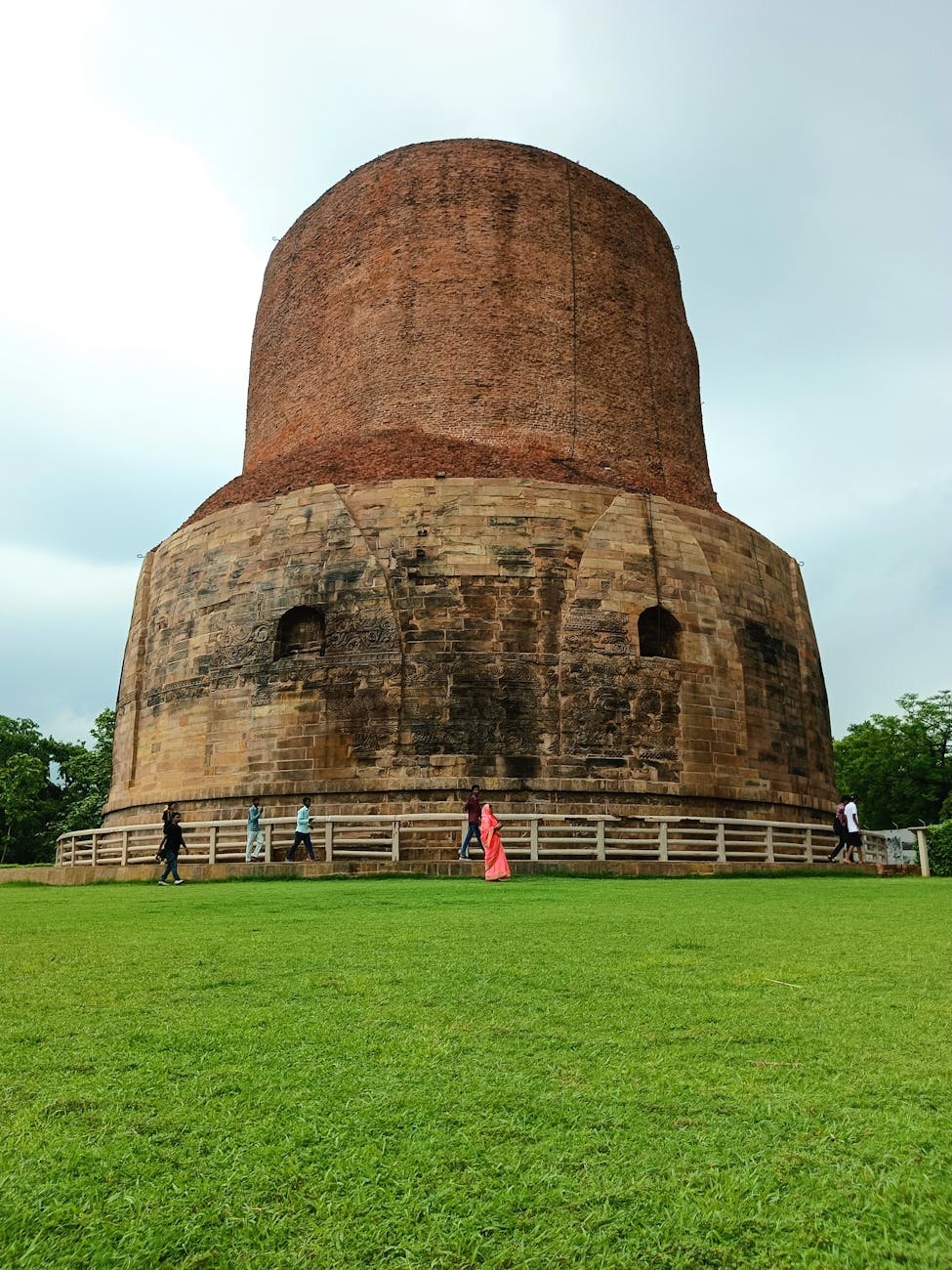
Varanasi’s Best Museums , When you think of Varanasi, museums probably aren’t the first thing that comes to mind. Most people picture the ghats, the temples, the spiritual energy that permeates every corner. But here’s what many visitors miss: Varanasi’s museums hold treasures that tell stories you won’t find anywhere else—stories of cultural exchange, artistic innovation, and the fascinating connection between this ancient city and the vibrant state of Gujarat.
Varanasi’s museums aren’t just repositories of old objects. They’re time machines that transport you through centuries of cultural interaction. Among the silk sarees, ancient manuscripts, and religious art, you’ll find evidence of Gujarat’s profound influence on Varanasi’s development. From textiles that blend Banarasi and Gujarati techniques to documents recording centuries of trade between the two regions, these museums preserve a heritage that’s both unique and surprisingly interconnected.
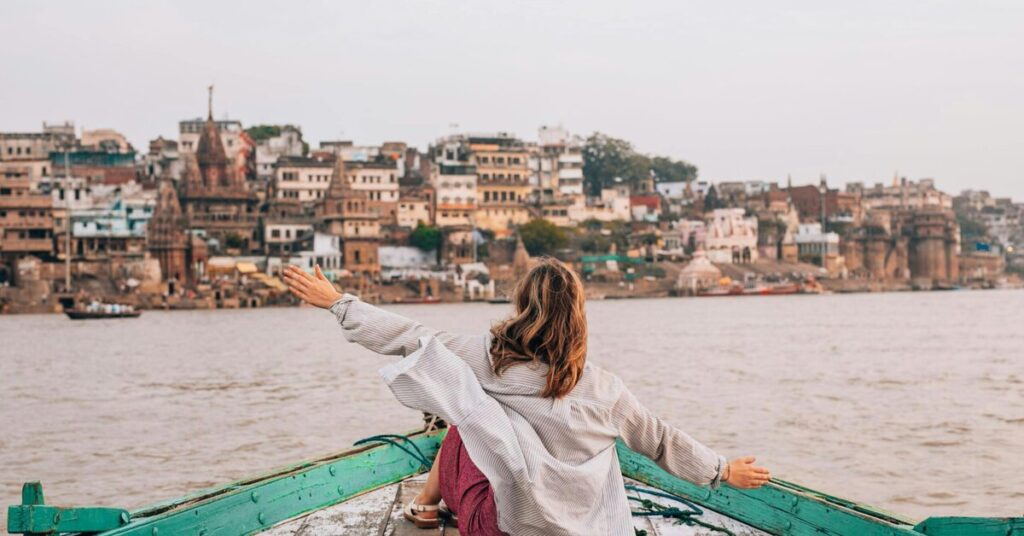
Here’s the thing about cultural heritage—it’s not just about stories passed down through generations. It’s about the physical objects that survive: a piece of fabric woven three centuries ago, a manuscript penned by a merchant documenting his travels, a painting that shows how artists from different regions influenced each other. Museums preserve these tangible connections to the past.
VIP Sugam Darshan passes, verified outstation cabs, Ganga aarti boat allocations, and clean hotel stays — fully coordinated by our on-ground team.
In Varanasi’s context, museums play a crucial role in documenting how different communities contributed to the city’s cultural richness. The Gujarati merchants, artists, and religious communities who settled here left behind artifacts that museums now safeguard. Without these institutions, much of this material evidence would have been lost to time, neglect, or the simple wear and tear of daily life.
Museums transform casual tourists into informed cultural explorers. You might visit Varanasi knowing it’s old and important, but museums give you the specifics—the when, how, and why that brings history to life. They provide context that helps you understand what you’re seeing as you walk through the city’s streets.
For understanding the Gujarat-Varanasi connection specifically, museums are invaluable. They display artifacts side by side, showing similarities and differences in artistic traditions. They house documents that prove trade relationships existed centuries ago. They preserve techniques and knowledge that might otherwise exist only in fading memories of elderly craftspeople.
If there’s one area where the Gujarat-Varanasi connection shines brightest in museums, it’s textiles. Both regions are famous for their fabric traditions—Varanasi for its silk brocades, Gujarat for its tie-dye, embroidery, and patola silk. Museums in Varanasi preserve examples showing how these traditions influenced each other.
You’ll find sarees that combine Banarasi weaving techniques with Gujarati design motifs, textile samples showing the evolution of patterns over time, and even account books from merchant houses that document textile trade between the regions. These aren’t just pretty fabrics—they’re historical documents woven in silk and cotton, telling stories of commerce, artistic exchange, and cultural adaptation.
Gujarati merchants didn’t just buy and sell goods in Varanasi—they were major patrons of art and culture. Museum collections include paintings commissioned by Gujarati families, manuscripts they supported copying, and religious art they donated to temples. This patronage shaped Varanasi’s artistic landscape in ways that museums help us appreciate today.
The art collections show how Gujarati aesthetic sensibilities influenced local artists and how Varanasi’s artistic traditions, in turn, affected Gujarati patrons’ tastes. You see fusion styles that wouldn’t exist without this cultural interaction—paintings that use Gujarati color palettes to depict Varanasi subjects, or sculptures that blend regional iconographic traditions.
If you’re going to visit just one museum in Varanasi, make it Bharat Kala Bhavan. Located on the Banaras Hindu University campus, this museum was established in 1920 and has grown into one of India’s finest university museums. It houses over 100,000 objects spanning Indian art history from ancient times to the present.
The museum’s founder, Rai Krishnadasa, envisioned it as a place where students and visitors could study India’s artistic heritage comprehensively. His vision was remarkably democratic for the time—he believed art should be accessible to all, not locked away in private collections. The museum continues this mission today, welcoming visitors while serving as a crucial research resource for scholars.
The textile collection at Bharat Kala Bhavan is extraordinary, and it’s here that you’ll find some of the best examples of Gujarat-Varanasi cultural exchange. The collection includes historical Banarasi sarees showing Gujarati pattern influences, actual Gujarati textiles from different periods for comparison, documentation of weaving techniques shared between regions, and examples of hybrid textiles that represent true fusion.
One particularly fascinating section displays trade textiles—fabrics woven in one region specifically for markets in another. You’ll see Banarasi textiles designed to appeal to Gujarati tastes and vice versa. These artifacts provide concrete evidence of how craftspeople adapted their work to reach different markets, demonstrating both business savvy and artistic flexibility.
The museum’s miniature painting collection includes works from various Indian schools, including Gujarati styles. These paintings offer insights into how artistic techniques traveled between regions. You can see how Gujarati painters working in Varanasi adapted their style, or how Varanasi artists incorporated elements they learned from Gujarati colleagues.
The manuscript collection is equally revealing. It includes religious texts, literary works, and commercial documents that illuminate the intellectual and economic exchanges between Gujarat and Varanasi. Some manuscripts show evidence of having traveled between the regions—notes in different scripts, ownership marks from merchants in both locations, and bindings that combine materials from both areas.
Ramnagar Fort, across the river from Varanasi’s main ghats, houses a museum in the ancestral palace of the Maharaja of Benares. While primarily focused on royal history, the collection reveals interesting connections with Gujarat through trade, diplomatic relations, and cultural exchange.
The Maharajas of Benares maintained relationships with Gujarati princely states and merchant communities. Museum displays include gifts exchanged between royal families, documents recording trade agreements and diplomatic correspondence, costumes showing Gujarati influence on royal fashion, and weapons and artifacts acquired from Gujarat.
The costume collection at Ramnagar is spectacular, showing how royal fashion incorporated elements from across India. You’ll find garments that blend Mughal, Rajasthani, and Gujarati influences with local Banarasi traditions. The textiles are particularly interesting—royal robes made from Gujarati brocade, ceremonial turbans incorporating Gujarati tie-dye techniques, and court costumes that showcase the cosmopolitan nature of Varanasi’s royal culture.
What makes this collection special is the documentation. Many pieces come with records explaining their origin, who gifted them, and on what occasion they were worn. This context transforms them from beautiful objects into historical narratives about how different Indian regions interacted at the highest social levels.
Besides Bharat Kala Bhavan, BHU campus houses other significant museums, including an archaeological museum with collections spanning ancient to medieval periods. While its focus is broader than just Gujarat-Varanasi connections, it contains artifacts relevant to understanding trade and cultural exchange between regions.
The museum’s pottery collections include pieces that show stylistic influences from various parts of India. Some terracotta artifacts found in Varanasi show similarities with Gujarati styles from the same periods, suggesting either trade or movement of potters between regions. Coins in the collection document economic relationships, with currency from Gujarati kingdoms found in Varanasi contexts.
Look for sections covering the medieval period, when Gujarat’s maritime trade brought prosperity that indirectly benefited Varanasi through increased pilgrimage and trade. The museum displays artifacts showing how goods from distant lands reached Varanasi through Gujarati trading networks—beads from Southeast Asia, metalwork showing foreign influences, and luxury items that entered India through Gujarat’s ports before making their way inland to Varanasi.
Varanasi has specialized museums dedicated to its famous silk industry. These smaller, focused institutions provide detailed insights into textile production and how it evolved through cultural exchange. The silk museums showcase traditional looms and weaving equipment, samples demonstrating different techniques, documentation of pattern evolution, and information about the merchants who traded Banarasi silk.
Here you’ll find explicit acknowledgment of Gujarat’s role in Varanasi’s textile industry. Gujarati merchants were major silk traders, creating markets for Banarasi products across India and abroad. The museums document these business relationships while also showing how Gujarati design preferences influenced what Varanasi weavers produced.
Some cultural centers and smaller museums in Varanasi focus specifically on the city’s commercial history. These institutions preserve ledgers, account books, trade correspondence, and other business documents that reveal the economic networks connecting Varanasi and Gujarat.
These might not be as visually spectacular as art museums, but for understanding the practical foundations of cultural exchange, they’re invaluable. You’ll see how merchant networks functioned, what goods were traded in what quantities, and how business relationships evolved over generations. This economic dimension of cultural connection is often overlooked but fundamentally important.
Varanasi’s Jain community, with strong Gujarati connections, maintains heritage centers that function as informal museums. These spaces preserve objects significant to the community’s history in Varanasi—photographs of early community leaders, documents recording temple construction, artifacts brought from Gujarat by founding families, and religious objects reflecting Gujarati Jain traditions.
These community museums offer more personal, intimate perspectives than large institutional museums. The curators are often community members whose own families feature in the histories being preserved. They can provide context and stories that institutional museums might miss, making the exhibits more vivid and emotionally resonant.
Some prominent merchant families maintain private collections that they occasionally open to researchers or serious visitors. These collections might include family business records dating back centuries, personal correspondence revealing social and cultural life, artwork commissioned by family members, and heirlooms that traveled from Gujarat to Varanasi through generations.
Accessing these collections usually requires connections or advance arrangements, but they offer unique insights. The objects have personal significance to the families preserving them, adding layers of meaning beyond their historical or artistic value.
Throughout Varanasi’s museums, textiles emerge as the most eloquent evidence of cultural exchange. Look closely at Banarasi silk sarees from the 18th and 19th centuries—you’ll notice patterns that have clear Gujarati origins. The paisley motif, so characteristic of both traditions, shows fascinating evolution as it moved between regions.
Some museums display textiles side by side for comparison: a Gujarati patola silk next to a Banarasi brocade attempting similar ikat effects, bandhani (tie-dye) samples from Gujarat alongside Varanasi experiments with the technique, and embroidered textiles showing how different regional styles influenced each other. These comparisons visually demonstrate cultural exchange in action.
Manuscript collections in Varanasi museums include texts copied by Gujarati scribes working in Varanasi, manuscripts that traveled from Gujarat to Varanasi’s libraries, commercial documents recording business transactions, and personal letters between families maintaining connections across regions.
These paper records are fragile and often less visually impressive than paintings or textiles, but they provide irreplaceable historical information. A merchant’s letter describing silk prices or a scribe’s note about completing a manuscript commission offers direct evidence of how people in these regions interacted.
Particularly fascinating are the preserved business records—ledgers showing transactions between Varanasi and Gujarati merchants, contracts for commissioning textiles or other goods, invoices documenting what was traded and at what prices, and correspondence between business partners discussing market conditions.
These documents humanize history. Behind the dry numbers and formal language, you can sense the relationships, negotiations, and daily realities of people whose work connected these two cultural spheres. They remind us that cultural exchange wasn’t just about art and religion—it was also about commerce and practical concerns.
Museum painting collections illustrate artistic exchange beautifully. You’ll find miniature paintings in Gujarati style depicting Varanasi subjects, works by Varanasi artists showing Gujarati stylistic influence, portraits of Gujarati merchants residing in Varanasi, and paintings documenting religious festivals celebrated by Gujarati communities.
The evolution of painting styles over time shows how artists learned from each other. Early works might show pure regional styles, but later pieces demonstrate increasing fusion. Color palettes blend, compositional techniques merge, and subject matter crosses cultural boundaries.
Sculptural collections include pieces showing how religious art forms traveled between regions. Jain sculptures commissioned in Varanasi often reflect Gujarati aesthetic traditions while incorporating local materials and techniques. Hindu deity sculptures sometimes show stylistic elements characteristic of Gujarati sculpture adapted to Varanasi’s religious context.
Metal sculptures—bronze, brass, and silver pieces—are particularly interesting for showing technical exchanges. Different regions developed specialized metalworking techniques, and museums preserve examples showing how these techniques spread through craftspeople’s movements or trade in finished pieces.
Coin collections in Varanasi museums document economic relationships across broad time periods. Finding coins minted in Gujarat in Varanasi archaeological contexts proves trade connections. The coins themselves often show cultural influences—rulers in one region sometimes adopted design elements from coinage in other regions.
Museum displays typically include explanatory text about coin circulation patterns, what the coins tell us about economic conditions, how monetary systems facilitated trade between regions, and what coins reveal about political relationships between areas.
Beyond coins themselves, museums preserve documents related to monetary exchange—agreements about currency exchange rates, records of money lending between merchants in different regions, documentation of systems for transferring funds across long distances, and evidence of credit networks that facilitated trade.
These economic systems were crucial infrastructure for cultural exchange. Merchants couldn’t trade textiles, commission artworks, or support religious institutions without reliable ways to transfer value across distances. The preserved documentation shows how sophisticated these systems became.
If you’re seriously interested in exploring the Gujarat-Varanasi connection through museums, plan for at least two to three days. Start with Bharat Kala Bhavan, which deserves at least half a day for thorough exploration. The collections are vast, and you’ll want time to really examine the textiles, paintings, and manuscripts.
Next, visit Ramnagar Fort Museum—combine it with the experience of crossing the river and exploring the fort itself. Then explore BHU’s other museums, the silk museums if they interest you, and finally, if possible, arrange visits to community heritage centers or specialized collections. This progression moves from comprehensive to specialized, helping you develop knowledge progressively.
Most museums in Varanasi are open Tuesday through Sunday, closed on Mondays and public holidays. Timing within the day matters too. Visit museums in the morning when you’re fresh and alert—the detailed observation required to appreciate these collections demands concentration. Afternoons in Varanasi can be hot, making indoor museum exploration comfortable while outdoor sightseeing becomes less pleasant.
Plan visits around Varanasi’s festival calendar. During major festivals like Diwali or Dev Deepavali, museums may have altered hours or special exhibitions. Some community heritage centers are most accessible during religious festivals when the communities are hosting celebrations and welcoming visitors.
Bharat Kala Bhavan charges nominal entrance fees—usually around 20-50 rupees for Indian citizens, higher for foreign visitors. Photography rules vary; some sections allow photography without flash, others prohibit it entirely. Always check and follow the rules—flash photography can damage delicate textiles, paintings, and manuscripts.
Ramnagar Fort Museum has similar policies. Smaller specialized museums and community centers may not charge entrance fees but might appreciate donations. Photography in private collections requires explicit permission and is often restricted to protect both the objects and the privacy of the owning families.
Museums in Varanasi sometimes organize special exhibitions coinciding with cultural festivals. During Navratri, for instance, exhibitions might focus on Gujarati cultural contributions to Varanasi. During silk festivals, textile museums create special displays highlighting historical trade connections.
These temporary exhibitions often bring out reserve collections that aren’t normally displayed. They might also include loaned pieces from private collections or other institutions, offering rare opportunities to see objects not regularly accessible. Check museum websites or inquire locally about upcoming special exhibitions.
Due to space limitations and conservation needs, museums can’t display their entire collections simultaneously. Delicate textiles, in particular, can only be displayed for limited periods before they need rest in climate-controlled storage. This means repeat visits might reveal different pieces.
The rotating displays also mean that if you’re searching for specific objects related to Gujarat-Varanasi connections, it’s worth contacting museums in advance. Curators can often arrange to show pieces from storage to serious researchers or particularly interested visitors, though this requires advance planning.
Some Varanasi museums have begun digitizing their collections, making them accessible online. Bharat Kala Bhavan has online catalogues for portions of its collections, allowing researchers worldwide to study its holdings. Digital access is particularly valuable for delicate items like manuscripts that can’t be frequently handled.
These digital archives include high-resolution photographs, detailed descriptions, provenance information when known, and sometimes scholarly articles about specific pieces. For people planning visits, online collections allow advance research to identify specific items you want to see in person.
Museums maintain libraries and research facilities that complement their object collections. These resources include scholarly publications about items in the collection, comparative material about similar objects from other regions, historical research about trade and cultural exchange, and documentation about the museum’s own collecting history.
Serious researchers can often arrange access to these facilities with advance permission. Museum staff can provide guidance about using research resources effectively and may offer insights not available in published materials.
Varanasi museums increasingly offer educational programs beyond static displays. These might include workshops on textile appreciation where you can learn to identify different weaving techniques, calligraphy sessions using traditional materials and methods, lectures by scholars on specific aspects of cultural history, and guided tours focused on particular themes like Gujarat-Varanasi connections.
These programs transform passive museum visits into active learning experiences. Handling reproductions of artifacts, trying traditional techniques, and discussing objects with experts deepens understanding in ways that simply viewing displays cannot.
For students and scholars, Varanasi’s museums offer significant research opportunities. Many graduate students have conducted thesis research using museum collections. Museums sometimes offer fellowships or research support for projects that contribute to understanding their collections.
The Gujarat-Varanasi cultural connection remains an understudied topic with room for new research. Museum collections contain primary source material that could support various research projects—art historical studies of stylistic influences, economic history of trade networks, social history of merchant communities, or material culture studies of how objects move between regions.
Preserving museum collections in Varanasi presents significant challenges. The climate—hot summers, monsoon humidity, winter cold—stresses fragile objects. Textiles are particularly vulnerable to humidity and insect damage. Paintings suffer from temperature fluctuations. Manuscripts can deteriorate rapidly without climate control.
Many museums lack adequate conservation facilities. Climate-controlled storage is expensive, requiring significant investment in infrastructure and ongoing electrical costs. Conservation expertise is limited—there are few trained conservators in Varanasi, and treatments often require sending objects to facilities in Delhi or other cities.
Museum funding in India is chronically insufficient. Government museums often operate on minimal budgets that cover basic operations but leave little for improvements, new acquisitions, or special programs. University museums like Bharat Kala Bhavan depend on institutional support that must balance many competing priorities.
This funding situation affects everything from conservation capabilities to visitor experience. Exhibition spaces may look dated, explanatory text might be limited, and interactive elements that modern museums increasingly use may be absent. The museums do remarkable work given their constraints, but adequate funding would transform their capabilities.
Varanasi’s museums are gateways to understanding how cultures interact, influence each other, and create something richer than either could alone. The collections documenting Gujarat’s connection to Varanasi aren’t just about two regions—they’re about how India’s diverse cultures have always been in conversation, learning from each other while maintaining distinct identities.
These museums preserve evidence that might otherwise be lost—textiles that demonstrate technique sharing, documents that prove trade relationships, artworks that show aesthetic exchange. They make visible connections that casual observation might miss. Walking through these collections, you begin to see Varanasi not just as a Hindu holy city but as a crossroads where different Indian traditions met, traded, learned from each other, and were all transformed in the process.
For visitors to Varanasi, making time for museum exploration pays enormous dividends. The ghats and temples give you the surface experience of the city’s spirituality. The museums give you depth—the historical context, the cultural complexity, and the appreciation for how communities contributed to making Varanasi what it is. The Gujarat connection is just one thread in this tapestry, but it’s a significant one, and following it through museum collections offers insights you won’t find elsewhere.
For a comprehensive museum experience focusing on cultural heritage, allocate at least two to three days. Bharat Kala Bhavan alone deserves three to four hours for thorough exploration. Ramnagar Fort Museum requires about two hours, including travel time across the river. Specialized museums like silk museums need one to two hours each. If you’re particularly interested in the Gujarat-Varanasi connection, consider spending even more time, as you’ll want to examine artifacts carefully and read all available documentation.
Yes, most major museums in Varanasi provide labels and information in both Hindi and English. Bharat Kala Bhavan and Ramnagar Fort Museum have English descriptions for most exhibits. However, some specialized or community museums may have limited English signage. In such cases, hiring a guide or asking museum staff for assistance can enhance your visit. Some museums offer audio guides or printed brochures in English.
Photography policies vary by museum and sometimes by gallery within museums. Generally, photography without flash is permitted in many sections of Bharat Kala Bhavan and Ramnagar Fort Museum, though certain galleries with particularly sensitive materials may prohibit it entirely. Never use flash, as it can damage delicate textiles, paintings, and manuscripts. Always check current policies at the entrance, and respect any restrictions. Some museums charge small photography fees.
Yes! In Bharat Kala Bhavan, focus on the textile collection, particularly sarees showing pattern influences between regions, and the miniature painting section featuring works in Gujarati style. At Ramnagar Fort Museum, examine the costume collection for royal garments incorporating Gujarati textiles. In any museum with manuscript collections, look for commercial documents or letters that might reference trade between the regions. Coin collections often include currency from Gujarati kingdoms found in Varanasi contexts. Don’t hesitate to ask museum staff for guidance—they can often point you toward specific items of interest.
Absolutely! Museum staff are generally supportive of serious research inquiries. Contact museums in advance, explaining your research interests and what you hope to study. Museums can often provide access to reserve collections not normally displayed, facilitate detailed examination of specific objects, connect you with knowledgeable curators or scholars, and provide access to research libraries and documentation. Some museums may require formal research proposals or institutional affiliation, but they’re typically accommodating to genuine scholarly interest. The more specific you are about your research questions, the more effectively they can assist you.
VIP Sugam Darshan passes, verified outstation cabs, Ganga aarti boat allocations, and clean hotel stays — fully coordinated by our on-ground team.
TripCosmos guarantees verified Kashi Vishwanath Sugam Darshan passes (zero line waiting), private Dev Deepawali & Ganga Aarti Bajra boats, and verified Toyota Innova Crysta cabs with trusted local chauffeurs.

Comments are closed.