Your cart is currently empty!
You may check out all the available trips and book one that suits you.
Continue Browsing Trips
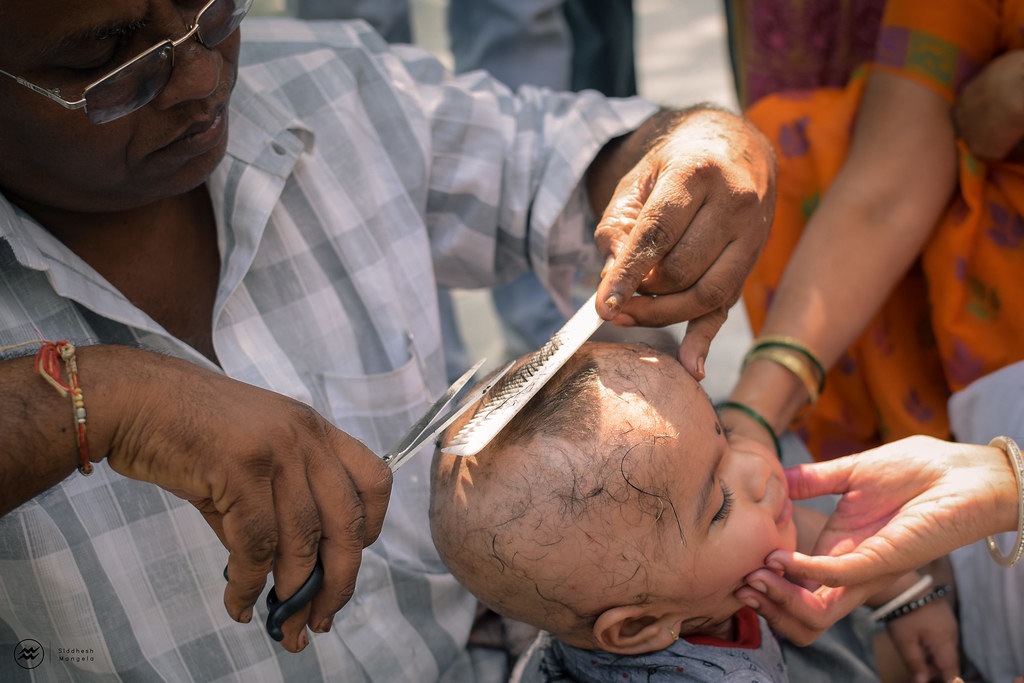
Mundan Ceremony in Varanasi Cost Pandit & Best Ghats ,Have you ever wondered why thousands of families travel to Varanasi every year to perform their child’s first haircut? The Mundan ceremony, also known as Chudakarana, isn’t just a ritual—it’s a sacred tradition that connects generations, spirituality, and the divine energy of the holy city. Let’s explore everything you need to know about performing this beautiful ceremony in Varanasi, from choosing the perfect ghat to understanding the costs involved.
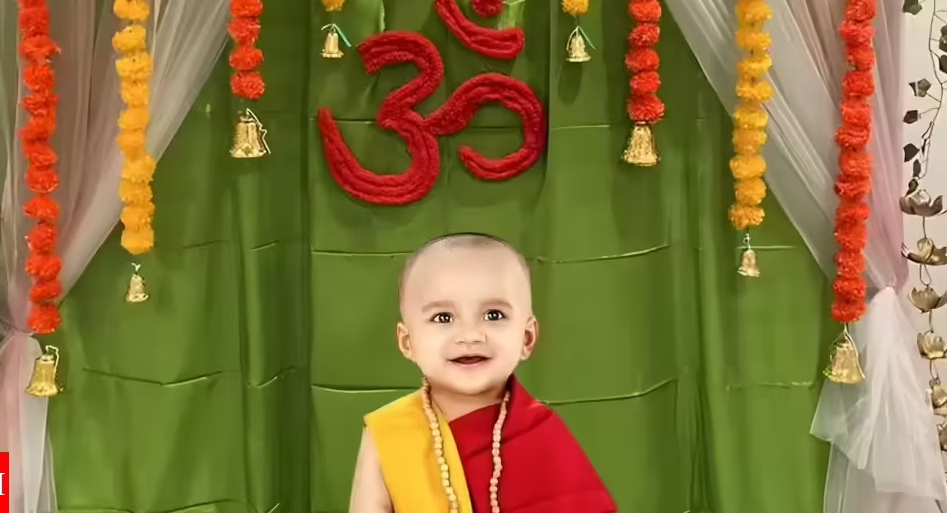
The Mundan ceremony is one of the sixteen major samskaras (sacraments) in Hindu tradition. It involves shaving a child’s head, typically for the first time, to symbolize purification and a fresh beginning in life.
Think of the Mundan ceremony as hitting the refresh button on your child’s spiritual journey. According to Hindu beliefs, the hair a baby is born with represents remnants from past lives. By removing it, you’re giving your little one a clean slate, both physically and spiritually. It’s like clearing away old files to make room for new experiences and growth.
Mundan Ceremony in Varanasi Cost Pandit & Best Ghats ,Beyond the spiritual aspect, this ceremony carries deep cultural significance. It’s believed to promote healthy hair growth, improve eyesight, and cool the scalp. Many families view it as a way to seek divine blessings for their child’s health, prosperity, and long life. The ceremony also strengthens family bonds as relatives gather to celebrate this milestone.
You might ask, “Why Varanasi specifically?” Well, this ancient city isn’t called the spiritual capital of India for nothing.
Varanasi, or Kashi as it’s traditionally known, is considered one of the oldest living cities in the world. It’s believed that Lord Shiva himself resides here. Performing any religious ceremony in Varanasi is thought to multiply the blessings manifold. The city’s spiritual vibrations create an atmosphere that transforms ordinary rituals into extraordinary spiritual experiences.
The Ganges River flowing through Varanasi isn’t just water—it’s considered the embodiment of Goddess Ganga. Offering your child’s first hair to this sacred river is believed to wash away impurities and bestow divine protection. Imagine giving your child the ultimate spiritual shield right from the start of their journey!
Varanasi boasts over 80 ghats, but not all are equally suitable for the Mundan ceremony. Let’s explore the top choices.
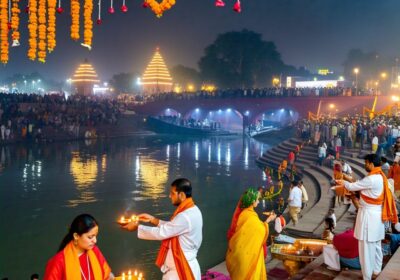
This is probably the most famous ghat in Varanasi, and for good reason. The name translates to “the ghat of ten sacrificed horses,” referring to a legendary sacrifice performed by Lord Brahma. It’s vibrant, easily accessible, and well-maintained. The evening Ganga Aarti here is spectacular, adding an extra layer of spiritual energy to your ceremony. However, be prepared for crowds, especially during peak season.
Located at the confluence of the Assi and Ganges rivers, this ghat offers a relatively peaceful environment compared to Dashashwamedh. It’s popular among families who prefer a calmer setting for their sacred ceremony. The southern location means it’s less crowded, and you’ll find experienced pandits who specialize in Mundan ceremonies. Plus, the morning aarti here is absolutely mesmerizing.
Now, this might surprise you. Manikarnika is primarily known as a cremation ghat, but it holds immense spiritual significance. Some families choose to perform Mundan here because it’s believed to be the spot where Lord Shiva’s earring fell, making it extraordinarily sacred. The cycle of life and death here serves as a powerful reminder of life’s impermanence and the importance of spiritual pursuits.
Another ghat with dual purposes, Harishchandra combines cremation activities with other religious ceremonies. Named after the legendary truthful King Harishchandra, it’s considered highly auspicious for performing important samskaras. The spiritual energy here is palpable, though you’ll need to be comfortable with the surrounding activities.
Selecting the perfect ghat depends on several factors. Consider crowd levels—do you want the bustling energy of Dashashwamedh or the tranquility of Assi? Think about accessibility, especially if you’re traveling with elderly family members or young children. The spiritual significance matters too. Some families feel drawn to specific ghats based on their family traditions or personal beliefs.
Let’s talk numbers. How much should you budget for this sacred ceremony?
Pandit fees typically range from ₹1,500 to ₹5,000, depending on their experience and reputation. More established pandits who perform elaborate rituals might charge up to ₹10,000. These fees usually cover the ritual guidance, chanting of mantras, and the actual hair-cutting ceremony. Remember, you’re not just paying for a service—you’re compensating someone for their years of Vedic knowledge and spiritual expertise.
Beyond the basic pandit fees, you’ll need to provide dakshina (religious offering) and purchase puja materials. This typically costs between ₹500 to ₹2,000. The offerings include flowers, fruits, incense, coconuts, sacred thread, and other ritualistic items. Many families also donate to the ghat management or local temples, which can add another ₹500 to ₹2,000 to your budget.
Don’t forget about the photographer or videographer—memories are priceless! Professional photography services range from ₹3,000 to ₹15,000. Transportation within Varanasi, accommodation, and meals for your family will also add to your expenses. If you’re distributing sweets or hosting a small gathering post-ceremony, budget accordingly.
Want to keep costs manageable without compromising on the ceremony’s sanctity? Book your pandit directly through trusted local contacts rather than through hotels or tourist agencies. Visit the ghat beforehand to understand the requirements and negotiate reasonable rates. Consider performing the ceremony during off-peak months when accommodation is cheaper. You can also purchase puja materials from local markets instead of buying pre-packaged kits at inflated prices.
Finding the right pandit is crucial for a meaningful ceremony.
The best approach is getting references from friends or family who’ve recently performed ceremonies in Varanasi. Many temples maintain lists of qualified pandits. You can also contact well-known organizations like the Kashi Vishwanath Temple Trust for recommendations. Online platforms now connect families with verified pandits, but always check reviews and credentials.
A good pandit will explain the significance of each ritual step, conduct the ceremony with proper Vedic chants, and make you feel comfortable throughout the process. They should be patient with children, punctual, and respectful of your family’s specific traditions. The ceremony typically lasts 45 minutes to 2 hours, depending on the elaborateness of the rituals.
Before finalizing your pandit, ask about their experience with Mundan ceremonies, the specific rituals they’ll perform, the total duration, and what’s included in their fee. Clarify whether puja materials are provided or if you need to arrange them separately. Discuss the ceremony timing and confirm their availability. It’s also wise to ask about any dietary restrictions or specific requirements they might have.
Understanding the ceremony flow helps you prepare better and participate more meaningfully.
The day before the ceremony, ensure your child is well-rested and fed. Gather all required puja materials, prepare fresh clothes for the child and family members, and confirm timings with the pandit. Many families observe a simple fast or eat only sattvic (pure) food before the ceremony. Mentally prepare your child too—talk to them about what’s going to happen in a way they can understand.
The ceremony begins with Ganesh puja, invoking Lord Ganesha to remove obstacles. The pandit then performs a short sankalpa (resolution) stating the purpose and participants. Your child’s head is ceremonially washed, and then the actual hair cutting begins. Traditionally, the father or a close male relative performs the first cut, after which a professional barber completes the shaving. The hair is collected and offered to the holy Ganges. The ceremony concludes with aarti and distribution of prasad.
After the main ceremony, most families take a holy dip in the Ganges or at least sprinkle the sacred water. The child is dressed in new clothes, and family members bless them with gifts or money. Many families then visit the Kashi Vishwanath Temple or other nearby temples to seek additional blessings. A feast or simple meal with family completes the celebration.
Timing can significantly impact your ceremony experience.
According to Hindu astrology, certain months are considered especially favorable for Mundan ceremonies. Chaitra (March-April), Vaishakha (April-May), and Kartik (October-November) are highly auspicious. Many families consult a pandit or astrologer to identify the most auspicious date based on their child’s birth chart. Odd-numbered years are traditionally preferred for boys, and even-numbered years for girls, though this varies by region and family tradition.
From a practical standpoint, October to March offers the most pleasant weather in Varanasi. Summers (April to June) can be scorching, with temperatures exceeding 45°C, making it uncomfortable for young children. The monsoon season (July to September) brings heavy rains that might disrupt outdoor ceremonies. Winter mornings can be chilly but generally manageable with appropriate clothing.
Being well-prepared ensures a smooth ceremony.
Pack multiple sets of clothes for your child—ceremonies can get messy! Bring towels, baby wipes, and a change of clothes for parents too. Carry the child’s favorite toy or comfort item to help them stay calm. Don’t forget important documents like the child’s birth certificate if required. A small first-aid kit with antiseptic cream is wise. Most importantly, bring an open heart and positive energy!
Traditional attire adds to the ceremony’s sanctity. For boys, a simple dhoti or kurta-pajama works beautifully. Girls can wear a lehenga or traditional dress. Parents often wear ethnic clothing—sarees for mothers and kurtas for fathers. However, comfort is key, so choose breathable fabrics. Avoid synthetic materials that might irritate the child’s freshly shaved scalp. Carry a cap or soft cloth to cover the child’s head after the ceremony, protecting them from sun and cold.
Staying close to your chosen ghat saves travel hassle.
For budget-conscious families, numerous guesthouses and dharamshalas near the ghats offer basic, clean accommodation for ₹500 to ₹1,500 per night. Mid-range hotels with better amenities cost ₹2,000 to ₹5,000 per night. If you prefer luxury and comfort, several heritage hotels and upscale properties offer stunning Ganges views for ₹7,000 to ₹20,000 per night. Booking in advance is crucial, especially during festival seasons. Many accommodations offer package deals for families coming for religious ceremonies.
Let me share some insider tips that’ll make your experience memorable for all the right reasons.
Arrive in Varanasi a day early to acclimate and visit the ghat beforehand. This familiarizes your child with the environment, reducing anxiety on the ceremony day. Keep the ceremony timing flexible—young children can be unpredictable! Have backup plans for weather changes, especially if you’re visiting during monsoon. Hire a reliable photographer who understands religious ceremonies and can capture candid moments without being intrusive.
Stay hydrated and carry snacks for the child. Ceremonies can run longer than expected, and a hungry, tired child won’t cooperate. Keep a calm, positive attitude—your child will mirror your emotions. If they get fussy, take a break. The pandit will understand. Most importantly, focus on the spiritual significance rather than perfect execution. This ceremony is about blessings, not perfection.
Respect the ghat’s sanctity and local customs. Dress modestly, maintain cleanliness, and be mindful of other ceremonies happening nearby. Show gratitude to everyone helping with your ceremony—the pandit, the barber, the ghat attendants. A little kindness goes a long way in creating positive memories.
The Mundan ceremony in Varanasi is more than just a ritual—it’s a profound spiritual experience that connects your child to ancient traditions and divine blessings. From the sacred ghats along the Ganges to the learned pandits who guide you through Vedic rituals, every element comes together to create a memorable milestone in your child’s life. Whether you choose the bustling Dashashwamedh Ghat or the peaceful Assi Ghat, whether you spend ₹5,000 or ₹20,000, what truly matters is the intention and devotion you bring to the ceremony.
Varanasi welcomes you with open arms and the promise of spiritual transformation. The city’s timeless energy, combined with your family’s love and faith, ensures that this Mundan ceremony becomes a cherished memory that your family will treasure for generations. So pack your bags, prepare your hearts, and get ready to experience the magic of performing this sacred ceremony in the world’s spiritual capital.
Traditionally, the Mundan ceremony is performed during the first or third year of the child’s life, though some families wait until the child is five or seven years old. The timing often depends on family traditions, astrological considerations, and the child’s health. There’s no strict rule, so choose a time that works best for your family and when your child is healthy and cooperative.
Absolutely! While Mundan ceremonies are more commonly performed for boys in some regions, many families perform it for girls as well. The ritual and its spiritual benefits are the same regardless of gender. Some communities have specific traditions regarding girls’ Mundan, so it’s worth checking with your family elders or pandit about any specific customs you should follow.
The core ceremony typically takes 45 minutes to 2 hours, depending on how elaborate you want the rituals to be. However, factor in additional time for preparations, photography, the holy dip, and temple visits. Most families spend about half a day at the ghat to ensure everything is done peacefully without rushing. Plan for 3-4 hours total to have a relaxed, meaningful experience.
Traditional Mundan involves shaving the entire head, leaving only a small tuft (shikha or choti) at the crown, though this varies by community. Some families choose to leave the hair at the back or sides for aesthetic reasons or if the child is uncomfortable. While complete shaving is considered most auspicious, the ceremony’s spiritual significance isn’t diminished by slight variations. Discuss with your pandit to find an approach that balances tradition with your comfort level.
The shaved hair is traditionally offered to the holy Ganges as a symbol of surrendering the old and embracing the new. The pandit usually performs a small ritual before the hair is immersed in the river. This act is considered highly auspicious and symbolizes washing away negative energies. Some families keep a small lock of hair as a keepsake before offering the rest to the river, which is perfectly acceptable.

Comments are closed.